

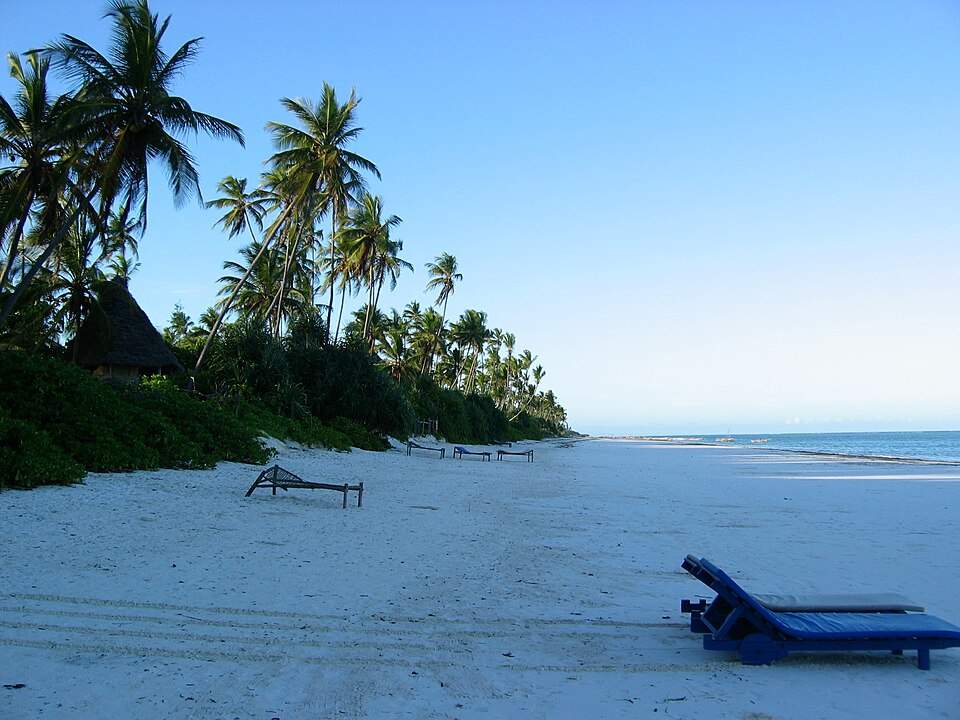
Hidden tropical islands you can actually visit still exist. They are far more accessible than most travelers realize. While the world flocks to overexposed destinations like the Maldives and Bora Bora, quieter islands with crystal-clear water, white sand beaches, and authentic local culture remain overlooked.
The difference is not beauty. It is attention.
These islands are not impossible to reach, nor are they restricted to luxury travelers. They sit outside mass-tourism algorithms. If you are searching for turquoise water without the crowds
Hidden tropical islands you can actually visit include Zanzibar (Tanzania), Koh Lipe (Thailand), La Digue (Seychelles), El Nido (Philippines), and Isla Holbox (Mexico). These destinations combine crystal-clear water, authentic local culture, and manageable tourism levels while remaining accessible through commercial flights and ferries.
The Modern Traveler’s Dilemma: Paradise Without the Crowd
There was a time when discovering a tropical island required geographical isolation. Today, the challenge is not finding paradise; it is finding paradise that still feels personal.
Mass tourism has reshaped many of the world’s most beautiful islands. Maldives water villas, Bora Bora lagoons, and Phuket’s beaches remain spectacular. Yet their visibility has transformed the experience. Crowds dilute intimacy. Scale erodes silence.
The new definition of “hidden” is not unreachable. It is undersaturated. It is an island that maintains environmental dominance over development. It is a place where the landscape, not the resort, sets the tone.
The seven islands below represent that equilibrium.
1. Zanzibar — Indian Ocean Clarity with Cultural Depth
Zanzibar exists in the same Indian Ocean system as the Maldives. Yet, Zanzibar occupies a very different psychological space in global tourism. Rather than marketing exclusivity, it presents cultural continuity. The island’s identity extends beyond its shoreline.
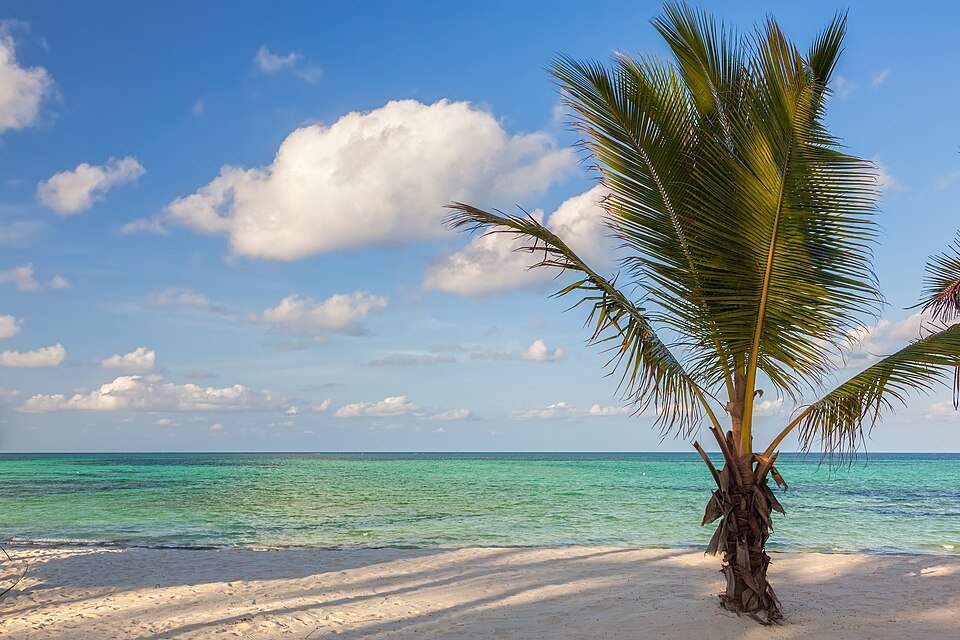
The northern beaches of Nungwi and Kendwa offer remarkably clear water, particularly during the dry season. Visibility for snorkeling is strong. Tides are predictable in Zanzibar. The gradient of blue shifts visibly throughout the day here. What distinguishes Zanzibar, however, is its fusion of beach and heritage. Stone Town, a UNESCO-recognized historical center, carries centuries of Swahili, Arab, and Indian influence. This duality of ocean and architecture deepens the experience.
Practical Logistics
Zanzibar International Airport offers direct connections to major African hubs and select Middle Eastern cities. Visa-on-arrival is available for many nationalities. Transfers to beach areas typically require one hour by road.
Best Time to Visit
June to October offers dry, stable weather and lower humidity. December through February delivers warm temperatures and excellent underwater visibility. April and May bring heavier rains and are best avoided for beach-focused travel.
Cost Breakdown (Average Per Day)
| Category | Budget | Mid-Range | Boutique / Luxury |
| Accommodation | $40–$70 | $80–$150 | $200+ |
| Meals | $5–$12 | $15–$25 | $30+ |
| Activities (Snorkeling / Tours) | $20–$40 | — | — |
Compared to Maldives pricing structures, Zanzibar provides dramatic cost efficiency without compromising water clarity.
Safety Notes
Beach regions such as Nungwi and Kendwa are generally safe. Stone Town requires standard urban awareness after dark. Respect for local customs and conservative dress in town areas enhances comfort and cultural sensitivity.
Zanzibar — What to Know Before You Go
Zanzibar’s tidal system surprises many first-time visitors. During low tide, particularly on the eastern coast, the ocean can recede dramatically, exposing seaweed farms and long stretches of wet sand. While visually fascinating, this means swimming is not always possible throughout the day. Travelers expecting constant deep-water access should choose beach areas like Nungwi, where tidal variation is less extreme.
Humidity can also be intense during certain months, and infrastructure outside main tourist zones remains modest. Zanzibar rewards culturally curious travelers, but it may not satisfy those expecting polished, resort-centric efficiency.
2. Koh Lipe — Clarity Preserved by Distance
Thailand’s tourism gravity concentrates heavily around Phuket and Krabi. Koh Lipe remains geographically peripheral. It is located near the Malaysian maritime border. Its relative remoteness within Thailand’s network acts as a natural filter.
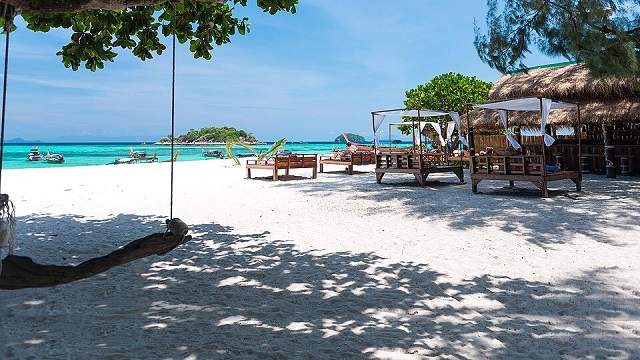
Sunrise Beach frequently demonstrates water transparency comparable to premium Indian Ocean destinations. The island is compact and walkable. This is minimizing traffic congestion and preserving acoustic calm.
Practical Logistics
Travel requires intention. Most routes involve flying to Hat Yai and are followed by a van transfer and speedboat. Alternatively, ferry service operates from Langkawi in Malaysia. The multi-step approach limits high-volume package tourism.
Best Time to Visit
November through April delivers calm seas and optimal snorkeling conditions. The monsoon period is particularly in September and October. Monsoon can disrupt ferry schedules.
Cost Breakdown (Average Per Day)
| Category | Budget | Mid-Range |
| Beach Bungalow | $30–$60 | — |
| Resort Stay | — | $100–$180 |
| Snorkeling Tour | $20–$35 | — |
Koh Lipe achieves a rare balance: Maldives-like clarity at Southeast Asian pricing.
Safety Notes
The island’s scale contributes to safety. Standard precautions apply regarding valuables and water conditions. Medical facilities are basic. Travel insurance is advisable.
Koh Lipe — Limited Infrastructure by Design
Koh Lipe’s charm lies in its scale, yet that scale comes with limitations. Medical facilities are basic, and serious emergencies require evacuation to the mainland. During monsoon months, ferry schedules may be canceled or delayed, which can disrupt tight itineraries.
In peak season, parts of Pattaya Beach can feel busier than expected for such a small island. Travelers seeking absolute isolation may need to adjust expectations or visit in the shoulder season.
3. La Digue — Geological Drama Without Overdevelopment
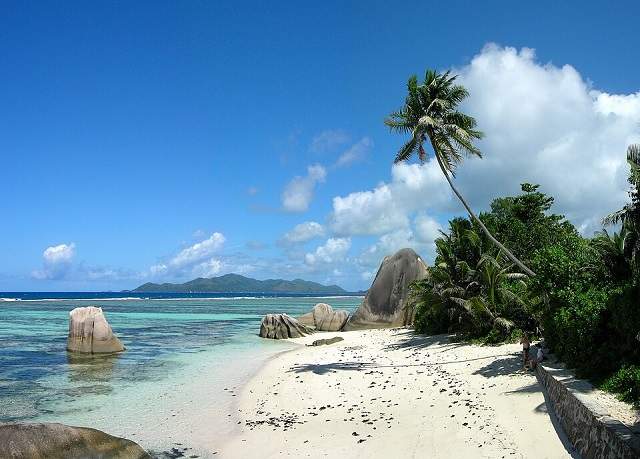
La Digue’s granite formations create one of the most visually distinctive coastal landscapes on Earth. Anse Source d’Argent is frequently misinterpreted as digitally enhanced imagery. It is not.
What protects La Digue from over-commercialization is scale. Vehicles are limited. Bicycles dominate. Development density remains low. The island feels measured rather than monetized.
Practical Logistics
Visitors fly into Mahé International Airport and transfer by ferry. Infrastructure is efficient, though not hyper-modernized. This preserves environmental dominance.
Best Time to Visit
May through October brings cooler, drier air and calmer seas. November to March remains warm, but there can be increased rainfall.
Cost Breakdown (Average Per Day)
| Category | Guesthouse | Boutique |
| Accommodation | $100–$180 | $200–$400 |
| Meals | $20–$40 | $50+ |
Seychelles is not budget-tier, yet La Digue avoids ultra-exclusive pricing associated with private-island resorts.
Safety Notes
Crime rates are low. Ocean currents can be strong on certain beaches; local guidance should be followed.
La Digue — Beauty with a Higher Price Tag
La Digue is visually extraordinary. But Seychelles is not a budget destination. Food and imported goods carry higher prices than in Southeast Asia. Dining options can feel limited after extended stays.
Ocean currents on certain beaches can be strong despite calm appearances. Visitors should pay attention to local advisories, particularly outside sheltered lagoon areas. La Digue prioritizes natural preservation over convenience. That balance may feel quiet to travelers seeking more activity.
4. El Nido — Vertical Limestone and Moving Water
El Nido offers geological intensity. Limestone karsts rise vertically from aquamarine channels. The experience here is kinetic: kayaking into hidden lagoons, navigating narrow rock corridors, exploring marine sanctuaries.
Unlike resort-centric destinations, El Nido rewards exploration. Its tourism model remains fragmented. This allows budget hostels, eco-lodges, and boutique stays to coexist.
Practical Logistics
Direct flights operate to El Nido Airport from Manila. However, many travelers arrive via Puerto Princesa and transfer by road. Travel times can be long but manageable.
Best Time to Visit
December through May offers the most stable weather. September often brings typhoon risks.
Cost Breakdown (Average Per Day)
| Category | Budget | Mid-Range |
| Hostel | $15–$25 | — |
| Hotel | — | $50–$120 |
| Island Hopping Tour | $25–$40 | — |
El Nido remains one of the strongest value propositions in tropical Asia.
Safety Notes
Generally safe for solo travelers. Weather awareness is essential during storm season.
El Nido — Logistics Can Be Lengthy
El Nido’s landscapes are dramatic. But the journey can be demanding. Road transfers from Puerto Princesa often take five to six hours, and flight options may be limited or weather-dependent.
Infrastructure remains under development. Power interruptions and inconsistent internet are not uncommon in certain areas. During peak dry months, popular lagoons can see concentrated boat traffic. El Nido rewards flexibility more than rigid scheduling.
5. Isla Holbox — Minimalism Near Mass Tourism
Holbox lies within reach of Cancún yet operates outside its tourism machine. Sand streets replace asphalt. Golf carts substitute cars. Development remains horizontally modest.
Seasonal whale shark migration and bioluminescent water add ecological significance to aesthetic appeal.
Practical Logistics
Travel involves flying into Cancún, a bus transfer to Chiquilá, and a 20-minute ferry. The layered route reduces casual visitor volume.
Best Time to Visit
December through April offers dry conditions. Whale shark season typically spans June to September.
Cost Breakdown (Average Per Day)
| Category | Budget | Boutique |
| Hotel | $60–$120 | $150–$250 |
| Meals | $10–$25 | $40+ |
Holbox provides a calmer alternative to the Riviera Maya without extreme isolation.
Safety Notes
Generally safe with a strong tourism presence. Hurricane season (August–October) requires monitoring.
Isla Holbox — Seasonal Challenges
Holbox’s sandy streets contribute to its atmosphere, yet heavy rains can cause temporary flooding. Mosquito presence increases during humid periods, particularly after sunset.
While generally relaxed, pricing has gradually increased due to rising popularity. Travelers expecting ultra-budget Mexico pricing may find Holbox slightly higher than mainland destinations.
6. Gili Air — Bali’s Quieter Alternative Without the Party Chaos
When travelers think of Indonesia, Bali dominates attention. Yet just off the coast of Lombok lies Gili Air — an island that offers clear water, coral reefs, and barefoot simplicity without Bali’s density.
Unlike its sibling Gili Trawangan, known for nightlife, Gili Air maintains a slower rhythm. Motorized vehicles are absent. Transportation relies on bicycles and horse carts. The coastline is walkable in under two hours, reinforcing human scale over infrastructure scale.
The water clarity is particularly strong along the eastern shoreline, where snorkeling frequently reveals sea turtles within meters of the beach. Development remains low-rise and modest. Boutique eco-resorts coexist with budget guesthouses, preserving diversity without over-commercialization.
Practical Logistics
Reaching Gili Air requires either:
- Fast boat from Bali (1.5–2.5 hours depending on sea conditions)
- Flight to Lombok International Airport followed by land + boat transfer
The multi-step journey discourages short-stay package tourism, protecting its atmosphere.
Best Time to Visit
May through October offers dry weather and calmer seas. November to March brings occasional heavy rain but fewer visitors.
Cost Breakdown (Average Per Day)
| Category | Budget | Mid-Range |
| Guesthouse | $25–$50 | — |
| Boutique Hotel | — | $80–$160 |
| Snorkeling Trip | $15–$30 | — |
Compared to Bali beachfront pricing, Gili Air offers stronger water clarity and quieter beaches at comparable or lower cost.
Safety Notes
The island is generally safe, including for solo travelers. Sea currents can be moderate; local guidance should be followed. Medical facilities are limited — travel insurance remains essential.
Gili Air — Limited Healthcare & Weather Sensitivity
Gili Air’s infrastructure is intentionally simple. Healthcare services are minimal, and serious medical needs require transport to Lombok or Bali. During monsoon months, sea conditions can affect boat schedules and visibility for snorkeling.
Compared to Bali, dining diversity is narrower. Extended stays may feel repetitive for travelers who prioritize culinary variety or nightlife.
7. Caye Caulker — Caribbean Water Without the Cruise Ship Scale
Caye Caulker exists within the Caribbean but operates outside the cruise-heavy infrastructure that defines many regional destinations. It is located near the Belize Barrier Reef. The Belize Barrier Reef is the second-largest reef system in the world. It offers exceptional snorkeling and diving access.
The island’s identity revolves around its unofficial motto: “Go Slow.” Streets are sandy, buildings are low-rise, and development pressure remains controlled compared to larger Caribbean hubs.
Unlike private-island resort destinations, Caye Caulker supports independent travelers. Local guesthouses, dive shops, and family-run restaurants form the backbone of its economy.
The Split, a narrow water channel dividing the island, provides calm swimming conditions and social gathering space without high-density commercialization.
Practical Logistics
Access is straightforward:
- International flight into Philip S. W. Goldson International Airport (Belize City)
- 45-minute water taxi or short domestic flight to the island
Unlike remote Pacific islands, the journey does not require complex routing.
Best Time to Visit
Late November through April offers the driest conditions and best reef visibility. Hurricane season runs from June to November, with peak risk between August and October.
Cost Breakdown (Average Per Day)
| Category | Budget | Mid-Range |
| Guesthouse | $50–$90 | — |
| Boutique Hotel | — | $120–$220 |
| Reef Snorkeling Tour | $50–$90 | — |
While not as inexpensive as Southeast Asia, Caye Caulker is significantly more affordable than private Caribbean resort islands.
Safety Notes
Belize City has safety considerations, but Caye Caulker itself is generally relaxed and secure. Standard travel precautions apply. Marine weather conditions should always be monitored before reef excursions.
Caye Caulker — Hurricane Awareness & Cost Consideration
Caye Caulker lies within the Caribbean hurricane zone. While direct impacts are infrequent, seasonal storms can disrupt travel plans. Food and tour pricing are higher than in Southeast Asia due to import dependency.
The island remains small, which limits shopping, medical facilities, and entertainment variety. Travelers expecting resort-level amenities may find it intentionally modest.
Comparative Snapshot: Which Hidden Island Fits You?
| Island | Region | Water Clarity | Budget Level | Ease of Access | Crowd Level |
| Zanzibar | Indian Ocean | High | Moderate | Direct Flight | Moderate |
| Koh Lipe | Southeast Asia | Very High | Low–Moderate | Multi-Step | Low |
| La Digue | Indian Ocean | Very High | Higher | Ferry Access | Low |
| El Nido | Southeast Asia | High | Low | Moderate | Moderate |
| Holbox | Mexico | Moderate–High | Moderate | Multi-Step | Low–Moderate |
| Gili Air | Indonesia | High | Low–Moderate | Multi-Step | Low |
| Caye Caulker | Caribbean | High | Moderate | Simple | Low–Moderate |
Safety, Insurance, and Environmental Responsibility
None of these islands is unregulated or inaccessible. They function within structured tourism ecosystems. However, infrastructure levels vary. Travel insurance is strongly recommended, particularly where medical facilities are limited.
Environmental preservation remains essential. Reef-safe sunscreen, waste reduction, and respect for marine zones directly impact long-term sustainability.
Final Perspective: Redefining Paradise
The pursuit of hidden tropical islands is not about secrecy. It is about proportion. It is about a scale that still allows the horizon to dominate.
Zanzibar offers cultural layering with ocean clarity.
Koh Lipe preserves transparency through distance.
La Digue protects geological drama through controlled development.
El Nido delivers exploration over resort passivity.
Holbox maintains simplicity beside excess.
Paradise remains accessible. It simply requires discernment.
Who Should Avoid These Hidden Tropical Islands?
Hidden islands offer clarity, scale, and atmosphere. They do not offer everything.
Understanding who should not choose these destinations is as important as knowing who should.
If You Want Luxury Infrastructure at Every Step
Travelers expecting seamless five-star integration like private airport transfers, on-demand room service at all hours, climate-controlled boardwalks, and ultra-modern medical facilities may find some of these islands underdeveloped.
While places like La Digue offer boutique luxury. They do not replicate the curated ecosystem of ultra-private resorts in the Maldives. Similarly, El Nido prioritizes exploration over resort immersion.
These islands are designed around geography first, infrastructure second.
If You Dislike Multi-Step Travel Logistics
Several of these destinations require layered transfers.
Reaching Koh Lipe or Gili Air typically involves a flight, ground transfer plus boat. Even Isla Holbox requires a bus and ferry after landing in Cancún.
For travelers who prefer direct airport-to-resort transitions, these islands may feel inconvenient.
The journey is part of their preservation.
If Nightlife Is a Priority
Hidden islands rarely operate on nightlife-driven tourism.
- La Digue is tranquil after sunset.
- Caye Caulker maintains a relaxed social atmosphere rather than a club culture.
- Zanzibar offers some evening activities, but it is not Ibiza.
If beach clubs and large-scale parties define your travel expectations, mainstream hubs may align better.
If You Need Urban-Scale Shopping and Entertainment
These islands focus on natural immersion. Large malls, luxury shopping districts, theme parks, and international entertainment venues are absent. Even in comparatively developed locations like Zanzibar, commercial scale remains modest.
Hidden islands reward simplicity.
If You Are Uncomfortable with Seasonal Weather Variability
Tropical climates are dynamic.
- Monsoon patterns affect Southeast Asia.
- Hurricane season influences parts of the Caribbean.
- Tidal shifts impact East African coastlines.
Travelers seeking absolute weather predictability may find tropical island environments occasionally unpredictable.
Understanding seasonal timing is essential.
If Medical Infrastructure Is a Primary Concern
Major hospital facilities are typically located in mainland cities, not on smaller islands.
While routine medical needs can be handled locally, advanced treatment may require evacuation. Comprehensive travel insurance is strongly recommended for destinations such as Koh Lipe, Gili Air, and El Nido.
The Trade-Off Equation
Hidden tropical islands operate on a simple exchange:
- You trade hyper-convenience for atmosphere.
- You exchange commercial density for environmental dominance.
- You accept minor logistical friction in return for scale and quiet.
For many travelers, that exchange is precisely the appeal.
For others, it may not align with expectations, and that clarity prevents disappointment.
Hidden Tropical Islands by Region
Not all tropical regions offer the same experience. Geography shapes water clarity, cultural depth, pricing structure, and seasonality. Understanding regional differences allows travelers to choose more precisely rather than romantically.
Indian Ocean
The Indian Ocean delivers some of the world’s clearest turquoise gradients, often with strong tidal patterns and coral-rich marine ecosystems. Compared to the Pacific, development density tends to be lower outside flagship resort nations.
Featured Islands in This Guide
- Zanzibar
- La Digue
Zanzibar offers cultural layering alongside warm, shallow beaches. Tidal fluctuations can dramatically reshape the coastline throughout the day. This is creating expansive sandbars during low tide.
La Digue is a part of Seychelles. It presents geological drama with granite formations and shallow lagoons. Development remains carefully scaled. That is preserving visual integrity.
Regional Characteristics
- High water clarity
- Strong tidal shifts
- Moderate to higher pricing (Seychelles)
- Strong cultural heritage integration
- Dry season typically May–October
This region suits travelers seeking iconic landscapes with a slower rhythm and meaningful historical context.
Southeast Asia
Southeast Asia remains the strongest value-to-beauty ratio region in tropical travel. The combination of affordable accommodation, extensive marine biodiversity, and established backpacker routes creates accessibility without universal overcrowding.
Featured Islands in This Guide
- Koh Lipe
- El Nido
- Gili Air
Koh Lipe preserves exceptional water clarity due to its distance from major Thai hubs. El Nido delivers limestone formations and kinetic exploration rather than passive beach lounging. Gili Air balances reef accessibility with a car-free island structure.
Regional Characteristics
- Excellent snorkeling and diving ecosystems
- Budget-friendly accommodation tiers
- Monsoon-driven seasonality
- Multi-step travel logistics for smaller islands
- Vibrant but controlled tourism infrastructure
This region suits travelers who value exploration, marine life, and cost efficiency.
Caribbean
The Caribbean is often associated with cruise tourism and resort density. Yet these smaller islands maintain a different atmosphere. Water clarity is typically high, with reef systems supporting snorkeling and diving.
Featured Island in This Guide
- Caye Caulker
Caye Caulker operates outside the large cruise port dynamics. Its proximity to the Belize Barrier Reef provides ecological depth, while its low-rise development preserves scale.
Regional Characteristics
- Reef-focused marine activity
- Hurricane season (June–November) considerations
- Higher food costs than in Southeast Asia
- Strong English-language accessibility
- Shorter travel distances for North American visitors
The Caribbean suits travelers seeking turquoise water with relatively simple access from the Americas.
Central America & Caribbean Coast Mexico
This region blends Caribbean water tones with Latin American cultural influence. Compared to heavily commercialized destinations like Cancún, smaller islands maintain relaxed infrastructure.
Featured Island in This Guide
- Isla Holbox
Holbox exists within reach of Cancún yet feels removed from its tourism machinery. Sandy streets, limited vehicle traffic, and wildlife-driven attractions distinguish it from large resort corridors.
Regional Characteristics
- Accessible from major international airports
- Moderate pricing
- Seasonal hurricane exposure
- Ecological tourism focus
- Increasing popularity — visit sooner rather than later
This region suits travelers seeking laid-back beach culture without extreme remoteness.
Regional Comparison Snapshot
| Region | Water Clarity | Cost Level | Access Complexity | Season Sensitivity | Cultural Depth |
| Indian Ocean | Very High | Moderate–High | Moderate | Tidal + Rainy Season | High |
| Southeast Asia | High–Very High | Low–Moderate | Multi-Step | Monsoon | Moderate |
| Caribbean | High | Moderate | Simple | Hurricane Season | Moderate |
| Central America | Moderate–High | Moderate | Simple–Moderate | Hurricane Season | Moderate–High |
Why Most Travelers Will Never Find These Islands
Most travelers do not miss these islands because they are invisible. They miss them because of how modern travel works.
Search behavior favors familiarity. When people plan tropical vacations, they type “Maldives,” “Bora Bora,” or “Phuket.” Algorithms respond by amplifying destinations already saturated with content. Visibility compounds visibility. Popularity feeds itself.
Hidden islands rarely dominate advertisements, influencer campaigns, or package-tour promotions. They require layered transfers, modest research, and sometimes a willingness to step outside direct airport-to-resort convenience. That small friction filters mass tourism.
There is also a psychological factor. Travelers often equate remoteness with inaccessibility. If an island does not appear in top-ten resort lists or luxury brochures, then it is assumed to be difficult to reach. In reality, most of the islands in this guide are accessible through standard commercial routes. They are not restricted. They are not permit-controlled. They are simply under-marketed.
Infrastructure scale also plays a role. Mega-resort destinations are designed to absorb thousands of visitors seamlessly. Hidden islands are not. Their capacity is smaller. Accommodation inventory is limited. Fewer rooms mean fewer search ads. Fewer ads mean less algorithmic dominance.
Seasonality further obscures them. Monsoon patterns, tidal shifts, and hurricane windows require timing awareness. Travelers who rely on one-click booking platforms may overlook destinations that demand slightly more planning.
Why These Tropical Islands are Hidden
Finally, the most significant reason most travelers never find these islands is expectation bias. Many assume that world-class turquoise water must come with ultra-luxury pricing. They do not investigate alternatives. They follow the most visible path.
And so the cycle continues.
The irony is that these islands are not hidden by geography. They are hidden by attention economics.
For travelers willing to move beyond the obvious search results, the reward is disproportionate:
clearer water, lower density, and a landscape that still feels larger than the infrastructure built upon it.
That difference is subtle, but that is profound. This is what keeps these islands from becoming mainstream.
And it is also what makes them worth finding.
Final Thoughts: Paradise Is Still Within Reach
Hidden tropical islands you can actually visit are not disappearing; they are simply quieter than the destinations dominating travel feeds.
Zanzibar offers cultural depth alongside Indian Ocean clarity.
Koh Lipe and Gili Air preserve Southeast Asia’s reef ecosystems without overwhelming scale.
La Digue protects geological drama through controlled development.
El Nido rewards movement and exploration.
Caye Caulker and Isla Holbox prove the Caribbean can still feel personal.
None of these islands promises flawless luxury infrastructure or instant airport-to-resort convenience. What they offer instead is proportion; landscapes that remain larger than the tourism built around them.
The future of tropical travel belongs to those willing to look beyond the most advertised options. It belongs to travelers who understand that accessibility and authenticity are not opposites.
Paradise is not reserved for the ultra-wealthy or the ultra-remote. It is reserved for the intentional.
Choose the right season.
Understand the trade-offs.
Respect the ecosystem.
And you will find that the world still holds places where the water is clearer, the horizon is wider, and the experience feels unmistakably your own.
Frequently Asked Questions about Hidden Tropical Islands
What are the best hidden tropical islands you can actually visit?
The best hidden tropical islands you can visit in 2026 include Zanzibar (Tanzania), Koh Lipe (Thailand), La Digue (Seychelles), El Nido (Philippines), Isla Holbox (Mexico), Gili Air (Indonesia), and Caye Caulker (Belize). These islands combine clear water, manageable tourism, and accessible travel routes.
Unlike private islands or permit-restricted locations, these destinations allow standard tourism access through commercial flights and ferries.
Are hidden tropical islands cheaper than the Maldives?
Yes, most hidden tropical islands are significantly cheaper than the Maldives.
While Maldives resorts often start at $400–$1,000 per night, islands like Koh Lipe, El Nido, and Zanzibar offer accommodation between $30–$150 per night, depending on category. Even Seychelles options, such as La Digue, remain more flexible than private island resorts.
What is the safest hidden tropical island for solo travelers?
Koh Lipe (Thailand) and Gili Air (Indonesia) are considered among the safest for solo travelers due to their small size, walkability, and established tourism presence.
Zanzibar and Caye Caulker are also generally safe in tourist zones, though standard precautions apply. As with any tropical destination, weather awareness and travel insurance are recommended.
Which hidden island has the clearest water?
Koh Lipe, La Digue, and Zanzibar consistently rank high for water clarity during their dry seasons.
Water transparency depends on seasonal weather patterns, tides, and reef ecosystems. Visiting during peak dry months significantly improves visibility.
Do hidden tropical islands require special permits to visit?
No, the islands listed in this guide do not require special permits for standard tourism.
Travelers can access them through regular visa processes, visa-on-arrival systems, or visa-free agreements, depending on nationality.
What is the best time to visit hidden tropical islands?
The best time depends on the region.
Southeast Asia islands such as Koh Lipe and El Nido are best between November and April. Indian Ocean destinations like Zanzibar and La Digue are ideal between June and October. Caribbean islands such as Caye Caulker are most stable from December to April.
Avoid peak monsoon or hurricane seasons for optimal water clarity and transportation reliability.
Are hidden tropical islands good for honeymoon travel?
Yes, several hidden tropical islands are ideal for honeymooners.
La Digue offers dramatic granite beaches and privacy. Zanzibar combines culture with Indian Ocean scenery. Gili Air provides intimate boutique stays without large crowds.
They offer romance without the extreme pricing of ultra-private resort islands.
How do you reach hidden tropical islands?
Most hidden islands require a combination of flight plus boat or ferry transfer.
For example, Koh Lipe requires a flight to Hat Yai and a speedboat transfer. Isla Holbox requires a bus and ferry from Cancún. These multi-step routes help preserve their lower tourism density.
Are hidden islands better than mainstream tropical destinations?
Hidden islands are better for travelers who prioritize atmosphere, natural dominance, and fewer crowds.
Mainstream destinations may offer more luxury infrastructure and nightlife. But hidden islands often provide stronger environmental immersion and cultural authenticity.
Can you visit hidden tropical islands on a budget?
Yes, especially in Southeast Asia.
El Nido and Gili Air offer budget stays starting under $30 per night. Koh Lipe and Zanzibar also provide mid-range options that are significantly more affordable than private resort destinations.
Caribbean options such as Caye Caulker are moderately priced but still less expensive than high-end resort islands.
