

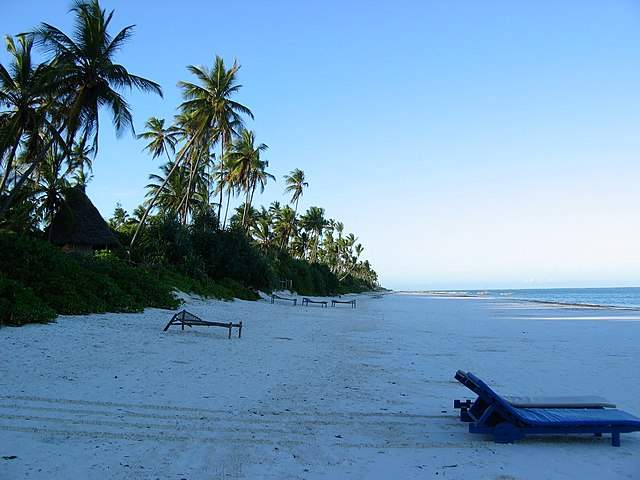
Yes, Zanzibar is worth visiting — but only if your travel expectations match what the island offers. Known for white-sand beaches, Swahili culture, and a relaxed pace, Zanzibar appeals to travelers seeking calm and authenticity rather than nightlife or ultra-budget trips.
Why Zanzibar Is Worth Visiting (Top Reasons)
Zanzibar is worth visiting for its white-sand beaches, warm turquoise waters, rich Swahili culture, and relaxed island pace. It offers a rare balance of tropical beauty, cultural depth, and good value compared to other Indian Ocean destinations, making it especially appealing to couples, beach lovers, and culture-focused travelers visiting Zanzibar.
Below are the core reasons travelers consistently rate Zanzibar as one of Africa’s most rewarding island destinations:
World-Class Beaches & Indian Ocean Beauty
Zanzibar’s beaches are the strongest reason many travelers decide the island is absolutely worth visiting. The combination of powder-white sand, shallow turquoise lagoons, and warm Indian Ocean waters creates a classic tropical setting that rivals the world’s best island destinations.
Along the northern coast, beaches such as Nungwi and Kendwa are known for:
- Soft, flour-like white sand.
- Clear water suitable for swimming most of the day.
- Calm seas and spectacular sunset views.
On the East Coast, the shoreline looks more untouched and dramatic. During low tide, the ocean retreats to reveal sandbars, tidal pools, and coral flats. The East Coast creates a scenery-focused beach experience ideal for photography and quiet walks.
When compared subtly with premium island destinations:
- Maldives beaches are more private and luxury-focused, often limited to resort islands.
- Seychelles offers dramatic granite rock formations and lush jungle backdrops.
Zanzibar sits comfortably between the two. It delivers Maldives-like water clarity and Seychelles-style natural beauty. It remains more culturally immersive and financially accessible for most travelers.
Rich History & Swahili Culture
What truly sets Zanzibar apart from many tropical islands is its deep cultural identity, shaped by centuries of global trade, migration, and exchange. This is not a destination built only for tourism—it is a living cultural crossroads.
At the heart of this heritage lies Stone Town, the historic core of Zanzibar and a UNESCO World Heritage Site. Walking through its narrow alleys reveals:
- Intricately carved wooden doors with Arab and Indian influences
- Historic mosques, churches, and merchant houses
- Landmarks like the Old Fort and the House of Wonders
Zanzibar’s culture reflects a rare blend of Arab, African, Persian, Indian, and European (colonial) influences. Omani sultans, Swahili traders, and later European powers all left visible marks on architecture, language, food, and traditions. This fusion gave rise to Swahili culture—a coastal identity found nowhere else in quite the same way.
For travelers asking, “Is Zanzibar worth visiting beyond beaches?”, this cultural depth is a decisive factor. Few island destinations allow you to swim in turquoise waters in the morning and explore centuries-old trade routes, slave history, and living traditions in the afternoon.
Decision insight: Zanzibar offers something many island destinations lack—historical significance and cultural immersion, in addition to scenic beauty.
This layered history transforms Zanzibar from a simple beach holiday into a destination with stories, context, and soul—making it especially appealing to travelers who value culture as much as landscapes.
Snorkeling, Diving & Marine Life
Zanzibar is one of the best marine destinations in East Africa. Water activities and marine life make it especially appealing to travelers who value underwater experiences as much as beaches. The island is surrounded by coral reefs, shallow lagoons, and warm Indian Ocean currents. That creates ideal conditions for snorkeling and diving.
The most famous marine area is Mnemba Island. Mnemba is a protected marine reserve known for:
- Clear visibility, especially during the dry season.
- Healthy coral reefs with colorful reef fish.
- Frequent sightings of sea turtles and reef sharks.
Even beginners can enjoy snorkeling here. Further, certified divers have access to deeper reef systems and drop-offs around the island.
Beyond Mnemba, several coastal reefs around Zanzibar support diverse marine life, including:
- Parrotfish, angelfish, and butterflyfish
- Starfish, octopus, and rays
- Seasonal whale shark sightings further offshore
Dolphin Tours: An Ethical Perspective
Dolphin tours are popular in Zanzibar. Dolphin cruises or dolphins are happening particularly near Kizimkazi. However, not all operators follow responsible practices.
Ethical dolphin experiences:
- Observe dolphins from a respectful distance.
- Avoid chasing or surrounding pods.
- Limit boat numbers and noise.
Responsible travelers should choose ethical, conservation-focused operators or opt for snorkeling in reef areas instead. This awareness aligns Zanzibar with modern, eco-conscious travel values.
Why this matters: For travelers asking, “Is Zanzibar worth visiting for snorkeling or diving?” The answer is yes. That is especially true when experiences are chosen responsibly.
Relaxed, Slow Island Life
One of the most underrated reasons Zanzibar is worth visiting is its unhurried, slow-paced island lifestyle. Life here moves at a different rhythm. This rhythm is often described locally as “pole pole” (slowly, slowly). That mindset shapes the entire travel experience.
There is no rush culture in Zanzibar. Days are not driven by strict schedules or constant activity. Instead, time flows around:
- Morning walks along quiet beaches.
- Long, unhurried meals by the ocean.
- Evenings centered on sunsets and gentle sea breezes.
For travelers accustomed to fast-moving cities or tightly packed itineraries, this pace can feel deeply refreshing rather than limiting.
Zanzibar is especially well-suited for a mental reset. The absence of aggressive nightlife, constant noise, or overstimulation allows visitors to:
- Disconnect from daily stress.
- Rebuild focus and clarity.
- Enjoy travel without pressure to “do everything.”
Decision insight: If you are asking, “Is Zanzibar worth visiting for relaxation?” then the island’s calm rhythm alone is a compelling reason.
Reasons Zanzibar May NOT Be Worth Visiting (Honest Cons)
Zanzibar is not for everyone. While it offers exceptional beauty and culture, certain limitations can affect the experience if your expectations do not align with the island’s reality. Understanding these downsides up front helps travelers decide honestly whether Zanzibar is worth visiting for them.
Limited Nightlife & Entertainment
Zanzibar is not a party destination. This is one of the most common reasons some travelers feel it may not be worth visiting for them. Unlike islands known for vibrant club scenes and late-night energy, Zanzibar’s evenings are quiet, relaxed, and short.
Outside of major resorts, nightlife options are limited:
- Very few nightclubs or late-night bars.
- Most towns become calm after dinner hours.
- Entertainment revolves around sunset views, oceanfront dining, and cultural performances.
In areas like Stone Town, evenings may include strolling through night markets or enjoying local street food. However, loud music and dancing scenes are rare. On beach stretches such as Nungwi or Kendwa, a handful of beach bars offer music and drinks, yet even these close relatively early compared to global party hubs.
Decision insight: If your travel expectations include nightlife-heavy experiences similar to Ibiza, Bali, or Thailand’s party islands, then Zanzibar may feel subdued.
However, this quiet atmosphere is exactly what appeals to travelers seeking peace, romance, or mental rest. For them, the lack of nightlife is not a drawback; it is part of Zanzibar’s charm.
Understanding this difference up front helps travelers decide honestly whether Zanzibar aligns with their travel style. That can reduce disappointment and reinforce trust in your recommendation.
Internet & Infrastructure Challenges
Another important factor to consider when deciding if Zanzibar is worth visiting is its internet reliability and general infrastructure. While tourism infrastructure has improved in recent years, it still falls short of what many travelers expect from more developed island destinations.
Wi-Fi inconsistencies are common across the island:
- In the Resort, Wi-Fi is usually available but can be slow or unstable.
- Smaller hotels and guesthouses often have limited bandwidth.
- Connection speeds fluctuate depending on location and time of day.
For casual browsing or messaging, this is manageable. However, travelers who rely on video calls, cloud work, or large file uploads may find connectivity frustrating.
In addition, power cuts occur in some areas. Power cuts happen particularly outside major tourist zones:
- Short, unexpected electricity outages.
- More frequent in rural regions and during peak demand.
- Most upscale hotels use backup generators, but not all accommodations do.
Why this matters: Zanzibar may not be ideal for digital nomads or remote workers who require uninterrupted power and high-speed internet.
For leisure travelers, these challenges are usually minor inconveniences. For work-dependent travelers, they can significantly affect the experience. Knowing this in advance helps set realistic expectations and avoid frustration during your stay.
This infrastructure reality reinforces an important truth: Zanzibar is best enjoyed as a place to disconnect, rather than a destination designed around constant online access.
Cultural Sensitivities
Zanzibar’s culture is deeply influenced by Islamic traditions and Swahili customs. Respecting local norms is essential for a positive travel experience. These sensitivities are not strict rules. However, visitors should be aware of social expectations, especially outside beach resorts.
Dress code expectations
- Modest clothing is expected in towns, villages, and markets.
- Shoulders and knees should be covered when away from beaches.
- Swimwear is acceptable only at beaches and within resorts.
Ignoring dress norms may attract unwanted attention or discomfort, particularly in local neighborhoods and Stone Town.
Alcohol restrictions in public areas
- Alcohol is available in hotels, resorts, and licensed restaurants.
- Public drinking is discouraged and culturally inappropriate.
- Very few standalone bars outside tourist zones.
Decision insight: Travelers used to liberal beach destinations may initially feel restricted. Zanzibar rewards cultural awareness, not confrontation.
Within resorts and tourist beaches, the environment is relaxed and visitor-friendly. Outside these areas, cultural sensitivity enhances interactions with locals and leads to a far more respectful and enriching experience.
Understanding these expectations helps travelers decide honestly whether Zanzibar aligns with their comfort level and travel style. It is an important factor when answering the question “Is Zanzibar worth visiting?”
Is Zanzibar Expensive? (Realistic Cost Breakdown)
Short answer: Zanzibar is moderately priced. It is not ultra-cheap and not ultra-luxury by default. Costs depend heavily on where you stay, when you visit, and how you travel.
Daily Budget Estimates (Budget / Mid-range / Luxury)
To understand whether Zanzibar is expensive, it helps to look at realistic daily costs based on travel style. These estimates reflect typical spending for accommodation, food, local transport, and basic activities.
| Travel Style | Daily Budget (USD) | Accommodation | Food | Transport & Activities |
| Budget | $40–60 | Guesthouse/budget hotel | Local eateries, street food | Dala-dala, walking, free beaches |
| Mid-range | $80–150 | Boutique hotel or 3–4★ stay | Cafés, mid-range restaurants | Taxis, guided tours |
| Luxury | $250+ | Beach resort or 5★ hotel | Resort dining, fine restaurants | Private transfers, premium tours |
How to read this table:
Budget travelers can keep costs low by eating locally and using shared transport. Mid-range travelers enjoy the best balance of comfort and value. Luxury travelers pay primarily for beachfront resorts and private experiences.
Zanzibar accommodates all travel budgets. But it offers the strongest value in the mid-range category, where costs remain reasonable without sacrificing comfort.
This clear budget breakdown helps travelers quickly decide whether Zanzibar fits their spending expectations. Budget friendliness is one of the key factors behind the question “Is Zanzibar worth visiting?”
Food, Transport & Activities Cost
Daily expenses in Zanzibar vary widely depending on how you eat, move, and plan activities. Travelers who mix local options with a few guided experiences can control costs without sacrificing comfort.
Local food vs resort dining makes the biggest difference to your daily budget. Eating at local eateries and markets keeps costs low, while resort dining quickly increases expenses.
- Local Swahili meals and street food typically cost $3–6
- Mid-range restaurants average $10–20 per meal
- Resort and beachfront hotel dining often ranges from $25 to $50+ per meal
Choosing local food for lunch and reserving resort dining for evenings is a common cost-saving strategy.
Taxi vs dala-dala (local minibuses) also impacts spending and convenience. Taxis are widely used by tourists, while dala-dalas are the most economical option.
- Dala-dalas cost under $2 per ride but are crowded and slow
- Taxis cost $10–30, depending on distance and negotiation
- Private transfers add comfort but increase daily costs
For activities and tours, Zanzibar remains competitively priced compared to other Indian Ocean destinations.
- Snorkeling trips: $30–50
- Spice tours: $10–20
- Stone Town guided tours: $15–30
- Private boat or island tours: $80–150
Cost insight: Zanzibar becomes expensive mainly through resort dining and private transport. Travelers who combine local food, selective taxi use, and shared tours find the island very affordable.
This flexibility in spending is one of the reasons Zanzibar appeals to budget-conscious and mid-range travelers alike when evaluating whether it is worth visiting.
Is Zanzibar Cheaper Than the Maldives? (Value-Based Comparison)
For travelers deciding between tropical destinations, a common question is whether Zanzibar is cheaper than the Maldives. From a value perspective, the answer is yes—significantly.
Zanzibar generally offers lower daily costs and more flexibility than the Maldives. Accommodation is the biggest difference. The Maldives is dominated by private resort islands with premium pricing. Zanzibar provides a wide range of guesthouses, boutique hotels, and resorts that fit different budgets.
From a cost and experience standpoint:
- Accommodation in Zanzibar is 40–70% cheaper at comparable comfort levels.
- Food is affordable outside resorts, unlike the Maldives, where meals are often bundled and expensive.
- Transport costs are lower due to public options like dala-dalas and taxis.
- Activities such as snorkeling, cultural tours, and island hopping cost less.
The Maldives excels in luxury, privacy, and overwater villas. However, this luxury comes at a high price and with limited cultural interaction. Zanzibar, on the other hand, offers Indian Ocean beauty combined with local culture, history, and open-access beaches. That makes it more versatile for most travelers.
Zanzibar delivers Maldives-like scenery at a fraction of the cost for mid-range and long-stay travelers.
For those asking, “Is Zanzibar worth visiting compared to the Maldives?” Zanzibar stands out as the better-value destination unless ultra-luxury seclusion is the primary goal.
Is Zanzibar Safe for Tourists in 2026?
Short Answer: Yes — Zanzibar is generally safe for tourists in 2025, especially when you follow common-sense travel precautions and respect local culture.
Safety is one of the top concerns for travelers researching “Is Zanzibar worth visiting?”, so this section provides an honest, well-rounded view of what you should know before you go.
Safety Tips for First-Time Visitors
First-time travelers to Zanzibar can enjoy a smooth and safe experience by following a few practical guidelines. Most issues visitors encounter are avoidable with basic awareness and respect for local norms.
Money handling is one of the most important safety considerations. While Zanzibar is generally safe, cash-based transactions are common.
- Carry only small amounts of cash when out.
- Use hotel safes for passports and excess money.
- Exchange currency at banks or reputable exchange offices.
- Avoid displaying valuables in crowded areas.
Night travel requires a bit more caution, especially outside resort zones.
- Use licensed taxis after dark rather than walking long distances.
- Stay within well-lit, populated areas at night.
- Resorts and main beach areas remain safe in the evening.
- Avoid isolated streets in Stone Town late at night.
Local etiquette plays a major role in staying comfortable and respected.
- Dress modestly in towns and villages.
- Ask permission before photographing people.
- Show respect near mosques and during prayer times.
- Public behavior should remain low-key and respectful.
Practical takeaway: Simple habits such as careful money handling, cautious night travel, and cultural awareness are usually all it takes to stay safe in Zanzibar.
Following these tips helps first-time visitors feel confident while experiencing the welcoming and relaxed atmosphere that makes Zanzibar worth visiting.
Solo & Female Travel Safety
Zanzibar is generally safe and welcoming for solo and female travelers, those who approach the destination with cultural awareness and basic travel caution. Many women travel here independently without incident and often highlight the friendliness of locals and the calm atmosphere.
From a safety perspective, Zanzibar benefits from:
- A strong tourism economy that prioritizes visitor safety.
- Resort and hotel environments with security and staff support.
- Tourist areas where solo travelers are common and visible.
That said, Zanzibar is culturally conservative, and understanding this context helps solo and female travelers feel more confident rather than restricted.
What helps solo and female travelers feel secure
- Staying in reputable hotels or well-reviewed guesthouses.
- Dressing modestly in towns and local neighborhoods.
- Use registered taxis, especially after dark.
- Joining guided tours for activities and excursions.
Situations to approach with awareness
- Avoid walking alone in quiet streets late at night.
- Politely decline unwanted attention without confrontation.
- Keep personal boundaries clear and confident.
Confidence-building insight: Most solo and female travelers find Zanzibar safe when they combine common-sense precautions with respect for local culture.
Zanzibar may not feel as liberal as some Western beach destinations. But it compensates with a low-pressure environment, visible hospitality, and a relaxed pace. For culturally aware travelers, it offers a reassuring and rewarding solo travel experience. It is the one that supports the conclusion that Zanzibar is worth visiting.
Best Time to Visit Zanzibar (Weather + Prices)
Best overall time: June to October
Best value months: March and November
Months to avoid (if possible): April and May
The best time to visit Zanzibar depends on weather conditions, crowd levels, and travel costs. Understanding this balance helps travelers decide not only when to go, but whether Zanzibar is worth visiting at all for their priorities.
Best Months to Visit Zanzibar (Dry Season: June–October)
The period from June to October is widely regarded as the best time to visit Zanzibar, especially for travelers prioritizing weather, ocean conditions, and overall comfort.
During these months, Zanzibar experiences its main dry season, which brings consistently pleasant conditions:
- Lower humidity and mild daytime temperatures
- Minimal rainfall and clear skies
- Calm seas are ideal for swimming, snorkeling, and diving
- Excellent visibility for marine activities
This season is particularly attractive for first-time visitors, honeymooners, and beach-focused travelers who want predictable weather and smooth travel logistics.
However, the dry season also marks peak tourism months:
- Higher demand for hotels and resorts.
- Increased prices for accommodations and flights.
- More visitors at popular beaches and attractions.
Practical insight: June to October delivers the best weather Zanzibar offers. However, travelers should book early to secure good value.
For most travelers asking “Is Zanzibar worth visiting?”, visiting during the June–October dry season significantly increases the chances of an excellent experience. The dry season is making it the safest and most rewarding time to plan a trip.
Shoulder Season Advantages (Better Prices, Fewer Crowds)
The shoulder seasons are typically March and November. Shoulder season offers some of the best value-for-money travel periods in Zanzibar. These months sit between peak and rainy seasons. That is balancing acceptable weather with noticeably lower costs.
During the shoulder season, travelers benefit from:
- Reduced hotel and resort prices.
- Fewer tourists at beaches and attractions.
- Easier access to tours without advance booking pressure.
- A quieter, more relaxed island atmosphere.
The weather during these months remains largely favorable. Rainfall, when it occurs, is usually short and sporadic, rather than constant. That allows plenty of time for beach activities and sightseeing.
For travelers flexible with dates, the shoulder season is ideal because:
- Mid-range hotels often offer upgrades or discounts.
- Popular beaches feel less crowded and more peaceful.
- The overall experience feels less commercialized.
Value insight: Shoulder months deliver the best balance between cost, comfort, and crowd levels in Zanzibar.
Months to Avoid (April–May Rains)
The period from April to May marks Zanzibar’s long rainy season and is generally considered the least favorable time to visit Zanzibar. During these months, heavy and persistent rainfall can significantly affect travel plans.
What to expect in April–May
- Frequent and prolonged rain showers.
- High humidity and overcast skies.
- Reduced visibility for snorkeling and diving.
- Rougher sea conditions for boat trips.
Tourism infrastructure also slows down during this period:
- Some beach resorts and tour operators temporarily close.
- Limited availability of excursions and activities.
- Less reliable transport due to weather conditions.
The main advantage of visiting during April–May is lower prices, with hotels offering deep discounts. However, these savings often come at the cost of reduced experience quality.
Travel insight: April and May are best avoided unless low prices matter more than beach time and outdoor activities.
For most travelers evaluating whether Zanzibar is worth visiting, avoiding the April–May rainy season leads to a more enjoyable and predictable trip.
Who Should Visit Zanzibar? (And Who Shouldn’t)
Zanzibar is best for travelers who value beaches, culture, and a relaxed pace of life. It is especially suitable for couples, honeymooners, beach lovers, and culture-focused travelers who prefer scenic beauty and authentic local experiences over nightlife, fast connectivity, or ultra-budget travel in Zanzibar.
Zanzibar Is Perfect For
Zanzibar appeals most to travelers who value scenery, calm, and cultural depth rather than constant entertainment. If your travel style aligns with any of the categories below, then the island is likely to feel rewarding.
Couples & honeymooners
Zanzibar offers a naturally romantic setting, with quiet beaches, sunset views, and intimate beachfront resorts. The absence of heavy nightlife enhances privacy. No heavy nightlife makes it ideal for couples seeking relaxation and quality time rather than crowds.
Beach lovers
For travelers who judge destinations by sand quality and water color, Zanzibar delivers consistently. Wide white beaches, warm turquoise waters, and uncrowded shorelines, especially outside peak season, make it a strong choice for extended beach stays.
Culture-focused travelers
Zanzibar stands out among island destinations for its living Swahili heritage. Historic streets, local markets, and everyday traditions allow culturally curious travelers to engage with the destination beyond resort boundaries.
Travel fit insight: Zanzibar is best suited for travelers who enjoy slow-paced travel, natural beauty, and meaningful cultural experiences.
For these traveler types, Zanzibar consistently exceeds expectations and strongly justifies the decision to visit.
Zanzibar Is NOT Ideal For
This section helps indecisive readers decide quickly and honestly. Zanzibar is a fantastic destination. That is possible, only when it matches your travel style.
Party backpackers
Zanzibar does not offer a high-energy party scene. Nightlife is limited, events are infrequent, and most evenings are quiet. Travelers looking for late-night clubs, beach parties, and social hostels may find the island too subdued.
Heavy digital nomads
While short-term remote work is possible, Zanzibar is not ideal for work-heavy stays. Internet speeds can be inconsistent. Power cuts still occur in some areas. The coworking infrastructure is limited. Travelers who rely on stable, high-speed connectivity may struggle.
Budget-only travelers
Zanzibar is no longer a dirt-cheap destination. Accommodation, transport, and activities have become more expensive in peak season. Budget travel is possible with planning. But those expecting Southeast Asia–level prices may feel constrained.
Decision insight: If nightlife, constant connectivity, or ultra-low costs define your travel priorities, then Zanzibar may not feel worth visiting.
For everyone else, especially travelers seeking beaches, culture, and calm, Zanzibar remains a rewarding and memorable destination.
Zanzibar vs Similar Destinations (Quick Comparison)
Zanzibar stands out among similar island destinations for combining tropical beaches with strong cultural depth and flexible budgets. Compared to luxury-focused islands like the Maldives, social hubs like Bali, or polished resort destinations like Mauritius, Zanzibar offers better value for travelers seeking authenticity, calm, and Indian Ocean beauty without luxury-only pricing.
This section is designed for fast decision-making. If you are comparing island destinations, here is how Zanzibar stacks up against other popular choices.
| Destination | Best For | Cost Level | Culture & Local Life | Nightlife | Ease of Travel |
| Zanzibar | Beaches + culture | $$–$$$ | Strong (Swahili heritage) | Low | Moderate |
| Maldives | Luxury & privacy | $$$$ | Minimal | Very low | Easy |
| Bali | Social travel & variety | $–$$ | Strong (Balinese culture) | High | Easy |
| Mauritius | Comfort & convenience | $$$ | Moderate | Low–moderate | Very easy |
This comparison shows why Zanzibar stands out for travelers seeking tropical beauty with cultural depth and flexible budgets, without luxury-only pricing or party-driven tourism.
Zanzibar vs Maldives
Zanzibar offers better value and cultural depth. The Maldives focuses on ultra-luxury and privacy. The better choice depends on why you’re traveling.
Choose Zanzibar if you want:
- Lower overall travel costs.
- Cultural experiences beyond resorts.
- Public beaches and local life.
- Flexible accommodation options.
Choose the Maldives if you want:
- Ultra-luxury resorts and overwater villas.
- Maximum privacy and seclusion.
- Minimal cultural interaction.
Takeaway: Zanzibar offers Maldives-like beauty at a fraction of the cost, especially for mid-range travelers.
Zanzibar vs Bali
Short answer: Zanzibar is better for calm beaches and cultural depth. However, Bali suits social travelers who want nightlife, variety, and strong digital infrastructure.
Choose Zanzibar if you want:
- Quieter, less commercialized travel.
- Strong cultural identity with fewer crowds.
- A true slow-island pace.
Choose Bali if you want:
- Nightlife, cafés, and social scenes.
- Strong digital nomad infrastructure.
- Wide variety of activities and nightlife.
Takeaway: Zanzibar suits travelers seeking calm and culture, while Bali favors activity and connectivity.
Zanzibar vs Mauritius
Short answer: Zanzibar offers stronger cultural immersion and better value. Mauritius focuses on polished infrastructure and resort comfort.
Choose Zanzibar if you want:
- Lower prices and a broader budget range.
- Rich history and Swahili culture.
- More authentic, less resort-centric travel.
Choose Mauritius if you want:
- Polished infrastructure
- Family-friendly resorts
- Easier self-driving and transport
Takeaway: Zanzibar prioritizes authentic experience and value, while Mauritius focuses on comfort and convenience.
Quick Verdict
Zanzibar is the best choice for travelers who want tropical beauty with culture and value, without paying premium luxury prices.
Frequently Asked Questions
Is Zanzibar worth visiting for first-time travelers?
Yes, Zanzibar is worth visiting for first-time travelers. That is especially worth it for those looking for a safe, relaxed, and culturally rich beach destination. The island is easy to navigate, locals are welcoming, and most tourist activities are well-organized. Choosing established beach areas and guided tours makes the experience smooth and stress-free.
Is Zanzibar good for families?
Yes, Zanzibar can be a good destination for families, particularly with older children. Beach resorts offer family-friendly amenities, calm swimming areas, and guided excursions. However, families with very young children should plan carefully due to limited medical facilities and occasional infrastructure issues.
How many days are enough in Zanzibar?
Most travelers find 5 to 7 days ideal for Zanzibar.
- 3–4 days: Beaches + Stone Town highlights
- 5–7 days: Beaches, cultural sites, spice tours, snorkeling
- 8+ days: Slow travel with multiple beach areas
This duration allows you to enjoy both relaxation and cultural exploration without rushing.
Do you need a visa for Zanzibar?
Yes, most travelers need a Tanzania visa to visit Zanzibar, as it is part of Tanzania. Visas can usually be obtained:
- On arrival at major airports.
- Online via Tanzania’s e-visa system.
Requirements vary by nationality, so checking official guidelines before travel is recommended.
Can you drink alcohol in Zanzibar?
Yes, alcohol is available in Zanzibar, but with cultural considerations.
- Alcohol is served in hotels, resorts, and licensed restaurants.
- Public drinking is discouraged.
- Availability is limited outside tourist areas.
Within resorts and beach hotels, alcohol access is similar to other international destinations.
FAQ Summary
Zanzibar is suitable for first-time travelers, families, and couples. A stay of 5–7 days is ideal. Visas are required for most nationalities, and alcohol is available mainly in resorts and licensed venues.
Final Verdict – Is Zanzibar Worth Visiting?
Yes, Zanzibar is worth visiting if you want white-sand beaches, cultural depth, and a relaxed island atmosphere. It is ideal for couples, beach lovers, and culture-focused travelers. It is less suitable for party seekers, heavy digital nomads, or ultra-budget travelers expecting low-cost destinations like Southeast Asia in Zanzibar.
However, Zanzibar is not a one-size-fits-all destination. It is not built for nightlife-heavy travel, constant digital connectivity, or ultra-budget backpacking. Infrastructure limitations, cultural norms, and rising costs mean that travelers who arrive with the wrong expectations may feel disappointed.
Bottom-line answer
Zanzibar is absolutely worth visiting if you want a peaceful tropical island with culture, history, and natural beauty. It rewards travelers who value experience and atmosphere over nightlife and convenience.
When visited at the right time and with realistic expectations, Zanzibar consistently exceeds what many travelers imagine. That makes it one of the most rewarding island destinations in Africa.
