

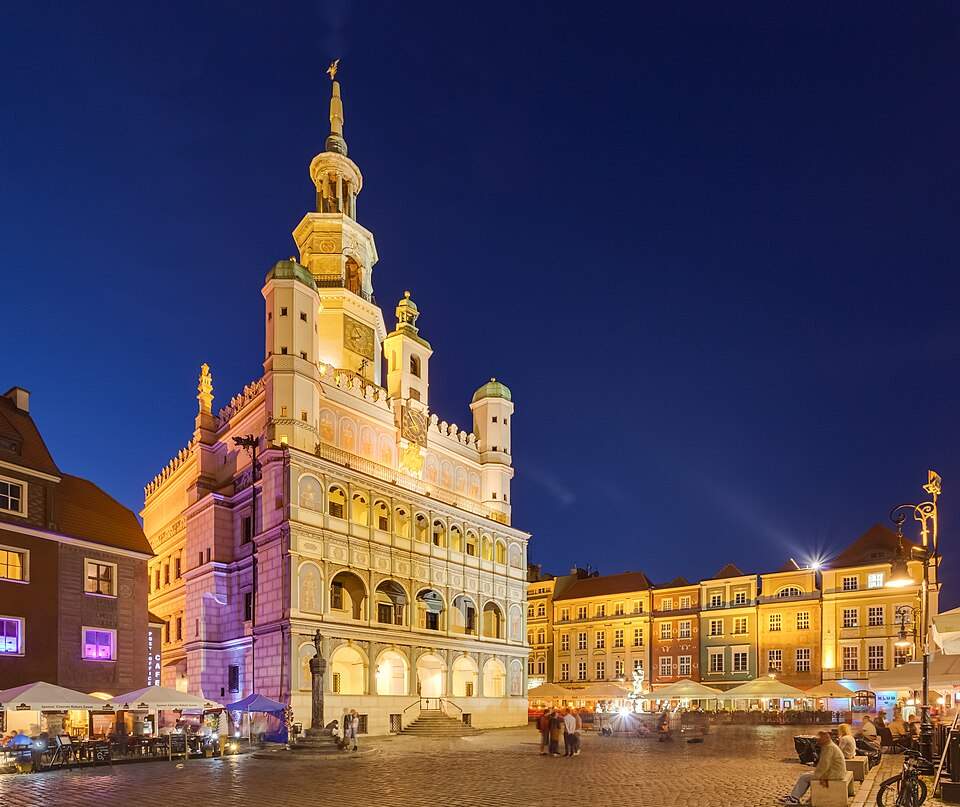
Poland Travel Guide for First-Time Visitors (2026)
This Poland travel guide helps first-time visitors plan a smooth and affordable trip in 2026. It covers the best places, itinerary options, travel costs, and practical tips.
Poland is one of the best-value destinations in Europe in 2026. This Poland travel guide covers everything you need to plan your trip.
Poland is one of Europe’s most underrated travel destinations, offering historic cities, medieval architecture, stunning mountains, and affordable travel experiences compared to Western Europe.
Introduction
Poland is one of the best-value travel destinations in Europe in 2026. Poland is a smart choice for first-time travelers in Europe. It offers history, culture, and nature at a lower cost than many Western countries.
Poland is worth visiting in 2026 because it combines beautiful cities, rich history, and affordable travel.
You get medieval squares, modern cities, and mountain landscapes in one trip. You also avoid the heavy crowds seen in places like Italy or France.
Travel feels easy here. Public transport works well. Prices stay reasonable. And many locals speak basic English in cities.
If you are choosing between European destinations, Poland often gives better value. You spend less but still enjoy a full travel experience.
Based on travel research and real traveler experiences (2025–2026). This guide will help you plan your first trip with clarity. You will learn where to go, what to eat, and how to travel smart.
Why Visit Poland in 2026?
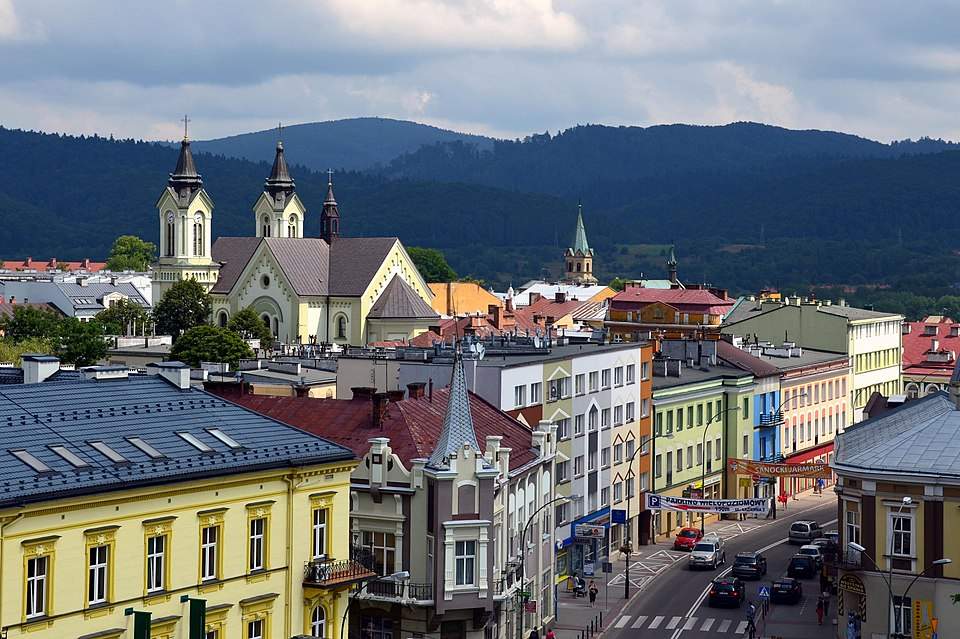 Poland is one of the most practical travel choices in Europe right now. It offers variety, good prices, and a smooth travel experience.
You can explore historic cities, mountain landscapes, and coastal towns in one trip. Travel between places is simple and reliable.
Many European destinations feel crowded and expensive. Poland feels more relaxed and manageable. That makes a big difference for first-time visitors.
You also get a strong sense of local culture. Cities feel lived-in, not built only for tourism.
If you want a balanced trip without overspending, Poland fits well.
What Makes Poland Unique Compared to Other European Countries?
Poland offers a mix that many European countries do not provide in one place.
Cities like Kraków and Warsaw show two sides of the country. One feels historic and preserved. The other feels modern and rebuilt with purpose.
Unlike heavily visited destinations, Poland still feels authentic. Streets are active with locals, not only tourists.
History also plays a deeper role here. You see real stories of war, rebuilding, and cultural identity. This adds meaning to your travel experience.
Nature is another strong point. You can reach mountains like Zakopane within hours from major cities. Coastal areas like Gdańsk offer a different atmosphere again.
- Cities feel authentic and less commercial.
- Strong mix of history and modern life
- Easy access to both nature and urban experiences
This balance makes Poland stand out from more predictable European trips.
Is Poland Worth Visiting for First-Time Travelers?
Yes, Poland is one of the easiest European countries to start with.
Travel logistics are simple. Trains are punctual, and cities connect well. You do not need complex planning.
Costs are also lower than in many popular destinations. You can stay longer or experience more within the same budget.
Language is not a major barrier in cities. Many young people speak English, especially in tourist areas.
Safety is another advantage. Poland is considered safe for travelers, including solo visitors.
If you compare Poland with places like Italy or France, the difference is clear:
- Lower daily costs
- Less crowded attractions
- Easier planning and movement
Verdict: Poland offers a smoother and more affordable first European trip without reducing the experience.
Key Highlights (History, Nature, Food, Affordability)
Poland works well because it combines multiple travel experiences in one destination.
History plays a major role in the country’s identity. Cities like Kraków preserve medieval architecture. Places like Auschwitz reflect important global history. Warsaw shows how a city can rebuild after destruction.
Nature adds contrast to city travel. The Tatra Mountains offer hiking in summer and skiing in winter. Forests and national parks provide quiet escapes from urban areas.
Food is simple, filling, and affordable. Traditional dishes focus on comfort and flavor. Meals are satisfying and widely available across cities and towns.
- Pierogi (dumplings with various fillings)
- Żurek (sour rye soup with sausage)
- Bigos (slow-cooked meat and cabbage stew)
Affordability is one of Poland’s strongest advantages. Accommodation, food, and transport cost less than in Western Europe. This allows longer stays and better experiences within budget.
You do not need to compromise between cost and quality here.
Final Take: Poland offers depth, variety, and value. It is a smart and balanced choice for first-time visitors in 2026.
How to Get to Poland
The easiest way to get to Poland is by flying into major airports like Warsaw Chopin Airport or Kraków John Paul II Airport.
Poland is well-connected to Europe and other regions. Most international travelers arrive by air, but other options are also available.
Major Airports in Poland
Poland has several international airports, but two are most useful for first-time visitors.
- Warsaw Chopin Airport → Best for international connections and central access
- Kraków John Paul II Airport → Ideal if you plan to start in Kraków
Both airports offer easy access to city centers via train, bus, or taxi.
Direct Flights vs Connecting Flights
Your route depends on your departure location.
Direct Flights
Direct flights are available from major European cities. Some long-haul routes also connect directly to Warsaw.
- Faster and more convenient
- Usually higher cost
- Best for short travel time
Connecting Flights
Many travelers use connecting flights through hubs like Frankfurt, Istanbul, or Doha.
- Often cheaper than direct flights
- More flight options
- Slightly longer travel time
Entry Points for International Travelers
Most travelers enter Poland through Warsaw or Kraków. These cities offer the best transport connections.
After arrival, you can travel easily by train or domestic flights.
- Warsaw → Best for nationwide connections
- Kraków → Best for cultural travel start
- Gdańsk → Useful for coastal itineraries
Airports have clear signage, and immigration procedures are straightforward.
Poland is easy to reach, and arrival processes are smooth for most travelers.
- Fly into Warsaw for better connections or Kraków for a cultural start. Both are practical entry points for first-time visitors.
Best Places to Visit in Poland for First-Time Visitors
The best places to visit in Poland for first-time visitors are Kraków, Warsaw, Gdańsk, Zakopane, and Wrocław because they offer a complete mix of history, culture, nature, and easy travel access.
Poland offers many destinations, but not all suit first-time travelers. You need places that are easy to reach, well-connected, and offer varied experiences.
The cities listed above cover all major travel interests. You get historic landmarks, modern city life, coastal views, and mountain landscapes in one itinerary.
Kraków gives you a strong cultural start. Warsaw adds a modern perspective. Gdańsk brings coastal variety. Zakopane introduces nature. Wrocław offers a quieter, less crowded experience.
These places also connect well by train and road. That makes planning simple, even if it is your first European trip.
If you are deciding where to go, focus on balance. Choose at least one historic city, one modern city, and one nature-based destination.
- Start with Kraków and Warsaw, then add Gdańsk or Zakopane based on your travel style. This combination gives the best first-time experience in Poland.
Kraków – Cultural Capital of Poland
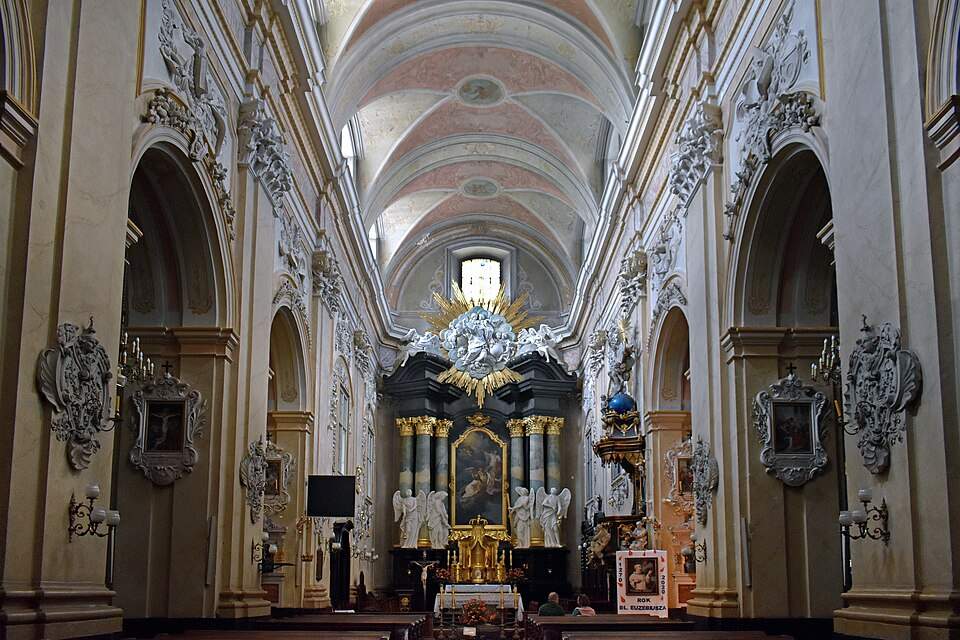 Kraków is the best starting point for first-time visitors to Poland. The city feels historic, walkable, and easy to explore.
It was once the royal capital, so it holds strong cultural value. Many buildings survived war damage, so the old town feels original.
You can explore most places on foot. Streets are compact, and major attractions sit close together.
The main square, Rynek Główny, acts as the heart of the city. It stays lively throughout the day and evening.
Wawel Castle adds depth to your visit. It reflects Poland’s royal history and offers great views over the city.
Kraków also works well as a base for important day trips. You can visit Auschwitz or the Wieliczka Salt Mine with ease.
- Walkable historic center with major landmarks
- Strong cultural and historical importance
- Easy access to key day trips
Travel here feels simple and structured. Public transport works well, but you may not need it much.
Food options are wide and affordable. You can try traditional Polish meals in local restaurants across the old town.
If you compare cities in Poland, Kraków offers the most complete first impression.
- Choose Kraków if you want history, culture, and an easy travel experience in one place.
Warsaw – Modern Meets History
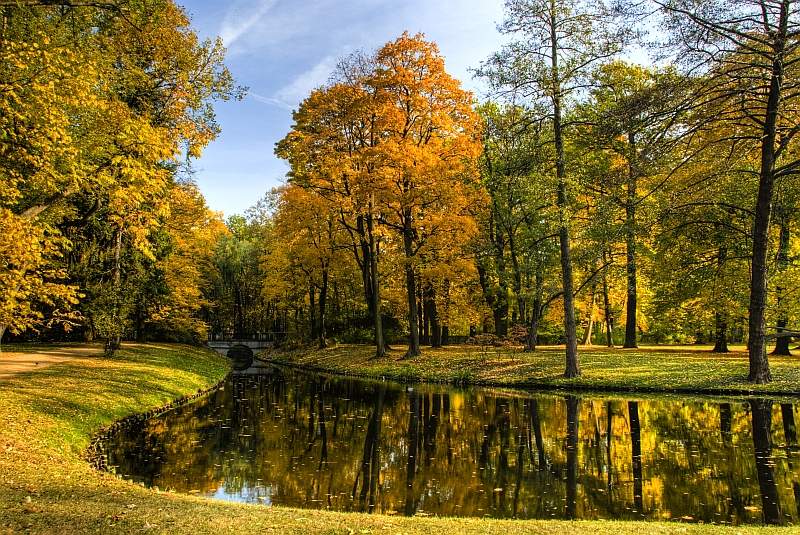 Warsaw shows a different side of Poland. It blends rebuilt history with a modern city feel.
The Old Town looks historic, but most of it was rebuilt after World War II. This makes the city unique. You see how it recovered and moved forward.
At the same time, Warsaw feels modern and active. Skyscrapers, wide roads, and business districts shape the skyline.
The contrast is clear when you move between areas. One moment feels traditional, and the next feels contemporary.
You can explore the Old Town, visit the Royal Castle, and walk along the Vistula River. Museums also play a key role here, especially for history.
- Strong mix of modern life and historic identity
- Important museums and cultural sites
- Well-connected transport and easy navigation
Warsaw is larger than Kraków, so planning matters more. Public transport helps you move quickly across the city.
Food and nightlife are also more varied. You find both local dishes and international options.
If you compare cities, Warsaw gives a broader view of modern Poland.
- Choose Warsaw if you want a mix of history, city life, and a modern European atmosphere.
Gdańsk – Coastal Charm
Gdańsk offers a different pace from inland cities. It sits on the Baltic coast, so the atmosphere feels open and relaxed.
The old town stands out with colorful buildings and wide streets. The Long Market area is the main highlight. It feels lively but not crowded.
The city also has strong maritime roots. You can see this at the historic port and along the waterfront.
Walking here feels easy. Most attractions sit close to each other, so you can explore without stress.
- Coastal setting with a relaxed vibe
- Distinct architecture and waterfront views
- Less crowded than major inland cities
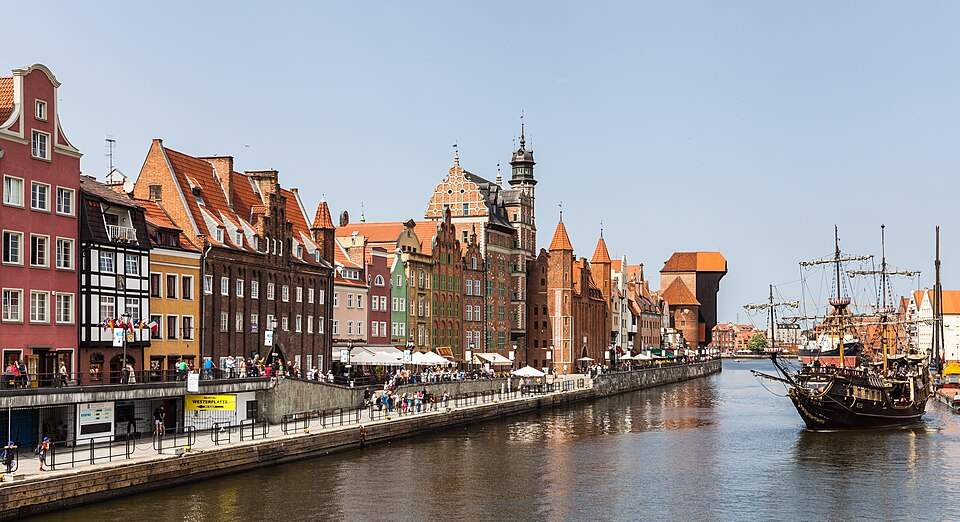 Gdańsk works well if you want variety in your trip. After visiting cities like Kraków or Warsaw, this place feels different.
You can also take short trips to nearby beaches or towns. This adds more flexibility to your plan.
Food includes fresh seafood along with traditional Polish dishes. Prices remain reasonable compared to Western Europe.
If you compare destinations, Gdańsk adds balance to a Polish itinerary.
- Choose Gdańsk if you want coastal views, a relaxed pace, and a unique city experience.
Zakopane – Gateway to the Tatra Mountains
Zakopane is the best place in Poland for mountain scenery and outdoor activities. It sits at the base of the Tatra Mountains, close to the Slovak border.
The town feels very different from cities like Kraków or Warsaw. The pace is slower, and the focus is on nature.
You can hike in summer and see lakes like Morskie Oko. In winter, the area turns into a popular ski destination.
The town itself has a distinct style. Wooden houses and local markets reflect regional culture.
- Easy access to mountain trails and viewpoints
- Strong seasonal appeal for hiking and skiing
- Unique local architecture and atmosphere
Getting here is simple from Kraków, usually by bus or car. Travel takes a few hours, so it fits well into most itineraries.
Food in Zakopane includes hearty mountain dishes. You can try local cheese like oscypek, often served grilled.
If you compare destinations, Zakopane adds nature and fresh air to your trip. It balances city visits with outdoor time.
- Choose Zakopane if you want mountains, outdoor activities, and a break from city travel.
Wrocław – Hidden Gem of Europe
Wrocław offers a quieter and more relaxed city experience. It feels less crowded than Kraków or Warsaw, but still rich in character.
The city is built around the Oder River, with many small islands and bridges. This gives it a unique layout and scenic views.
The main square stands out with colorful buildings and open space. It feels lively but not overwhelming.
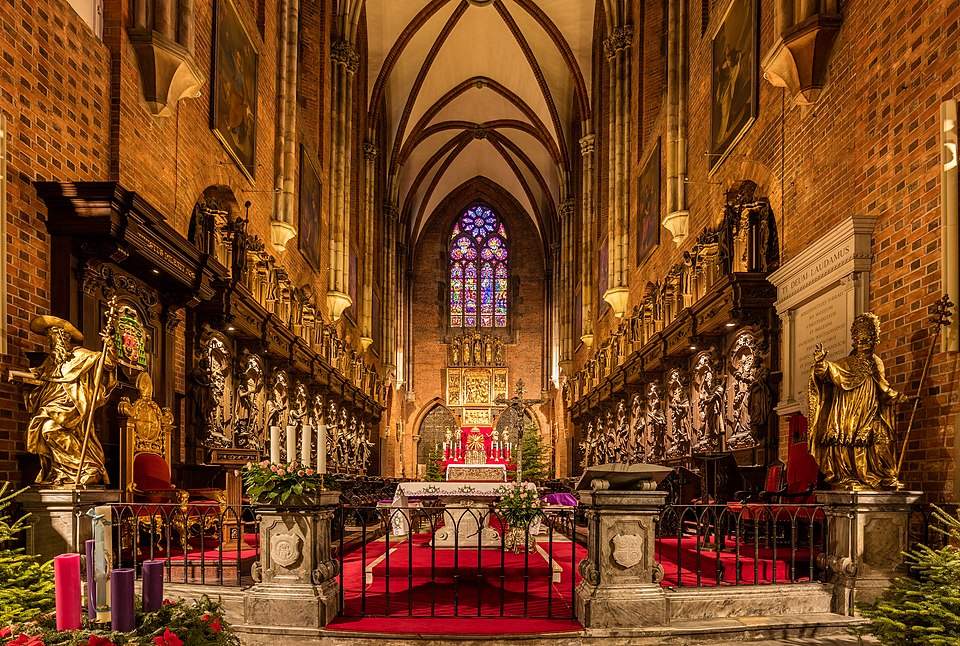 Wrocław is also known for its small dwarf statues placed across the city. Finding them adds a fun element to your visit.
- Less crowded and more relaxed atmosphere
- Unique river setting with bridges and islands
- Distinct architecture and local charm
Walking works well here. Most key areas are close, and the city feels easy to navigate.
Wrocław also has a creative and student-driven vibe. Cafes, street art, and local events add energy without heavy tourism.
If you compare cities, Wrocław feels more local and less commercial. That makes the experience more authentic.
- Choose Wrocław if you want a calm, scenic city with fewer crowds and a unique character.
Lesser-Known Hidden Gems in Poland
Not all great places in Poland are crowded or widely known. Some destinations offer a quieter and more local experience.
These hidden gems work well if you want fewer crowds and a different perspective.
Lublin – Historic and Underrated
Lublin feels authentic and less touristy. The old town has colorful buildings and narrow streets.
It also has a strong historical background, especially linked to Eastern Europe.
- Quiet alternative to Kraków
- Rich history with fewer crowds
- Easy to explore on foot
Toruń – Medieval Charm
Toruń is known for its preserved medieval architecture. The town feels compact and well-maintained.
It is also famous as the birthplace of Nicolaus Copernicus.
- Well-preserved old town
- Compact and walkable
- Known for traditional gingerbread
Białowieża Forest – Nature and Wildlife
Białowieża Forest offers a completely different experience. It is one of the last primeval forests in Europe.
You can see European bison and explore untouched natural areas.
- Unique wildlife experience
- Peaceful and less crowded
- Ideal for nature lovers
Final Take
These places are not always part of standard itineraries, but they add depth to your trip.
- Choose Lublin for history, Toruń for medieval charm, and Białowieża Forest for nature and wildlife.
Poland Travel Guide: Poland Itinerary for First-Time Visitors (3, 5 & 7 Days)
The best Poland itinerary for first-time visitors depends on your time. Spend 3 days in one city, 5 days across two cities, or 7 days to include cities and nature.
Planning your route in Poland is simple if you keep distances and travel time in mind.
Most first-time travelers start in Kraków or Warsaw. These cities connect well by train and flight.
If your trip is short, focus on one base. If you have more days, add one or two destinations.
The key is balance. Do not try to cover too many places in a short time.
- 3 days → One city with nearby experiences
- 5 days → Two cities with a balanced pace
- 7 days → Cities plus nature or coastal destination
Travel between major cities is efficient. Trains are fast, and routes are direct. This reduces travel stress.
If you prefer culture, stay longer in Kraków and Warsaw. If you want variety, include Gdańsk or Zakopane.
- Choose fewer places and explore them well. A simple route always works better than a rushed itinerary.
3-Day Poland Itinerary (Quick Trip)
For a 3-day Poland itinerary, stay in Kraków and explore the city with one nearby day trip. This gives the best first-time experience without rushing.
A short trip works best when you stay in one city. Kraków is ideal because everything is close and easy to reach.
You avoid long travel times and focus on meaningful experiences.
Day 1: Explore Kraków Old Town and Wawel Area
Start in the Old Town. Walk through the main square and nearby streets.
Visit St. Mary’s Basilica and spend time around Rynek Główny. Then head to Wawel Castle and the riverside.
End the day with a relaxed dinner in the old town.
Day 2: Day Trip from Kraków
Choose one major experience based on your interest.
- Visit Auschwitz for historical insight
- Or explore Wieliczka Salt Mine for a unique underground site
Both trips are easy to arrange and take half or a full day.
Day 3: Local Experiences and Slow Travel
Use your last day to explore beyond the main spots.
Walk through Kazimierz (the old Jewish district). Visit local cafes and small museums.
You can also shop for souvenirs or relax before departure.
Travel remains simple in this plan. Most places are walkable, and day trips are well organized.
Food options are easy to find, and prices stay reasonable.
- If you have only 3 days, stay in Kraków and add a one-day trip. This gives a complete and stress-free first experience in Poland.
5-Day Poland Itinerary (Balanced Travel Plan)
For a 5-day Poland itinerary, split your time between Kraków and Warsaw. This gives a balanced mix of history and modern city life.
Five days allow you to explore two major cities without rushing. You experience both traditional and modern sides of Poland.
Travel between Kraków and Warsaw is easy by train. The journey takes around 2.5 to 3 hours.
Day 1: Arrive in Kraków and Explore Old Town
Start with a walk around the Old Town. Visit the main square and nearby streets.
Spend time at Wawel Castle and the river area. Keep the day relaxed after arrival.
Day 2: Kraków and Nearby Experience
Use this day for a deeper experience.
- Visit Auschwitz for historical understanding
- Or explore Wieliczka Salt Mine
Return to Kraków in the evening.
Day 3: Travel to Warsaw and Explore
Take a morning train to Warsaw. Check in and head to the Old Town.
Walk around the Royal Castle area and the main square. Enjoy a simple evening in the city.
Day 4: Discover Modern Warsaw
Explore museums, parks, and modern districts.
Visit the Palace of Culture and Science or walk along the Vistula River.
You can also explore shopping areas or local neighborhoods.
Day 5: Flexible Exploration and Departure
Use this day based on your timing.
Visit any missed spots or relax before departure.
This itinerary keeps travel simple and focused. You cover two major cities without feeling rushed.
It also gives a clear contrast between historic Kraków and modern Warsaw.
- Choose this plan if you want a balanced Poland trip with both culture and city life.
7-Day Poland Itinerary (Complete Experience)
For a 7-day Poland itinerary, visit Kraków, Warsaw, and either Zakopane or Gdańsk. This gives the most complete first-time experience.
Seven days give you enough time to explore cities and experience different landscapes. You can combine culture, history, and nature in one trip.
Keep your route simple. Start in one city, move to the next, and finish with a contrasting destination.
Day 1: Arrive in Kraków and Explore Old Town
Walk through the Old Town and the main square. Visit Wawel Castle and the nearby streets.
Keep the daylight and adjust to the new place.
Day 2: Kraków and Day Trip
Choose one major experience.
- Visit Auschwitz for historical insight.
- Or explore Wieliczka Salt Mine.
Return to Kraków and relax.
Day 3: Travel to Warsaw
Take a morning train to Warsaw. Explore the Old Town and Royal Castle area.
Enjoy a simple evening walk in the city.
Day 4: Discover Warsaw
Visit museums, parks, and modern areas. Walk along the Vistula River.
This day gives you a full view of the capital.
Day 5: Choose Your Direction (Nature or Coast)
Decide based on your travel style.
- Go to Zakopane for mountains and outdoor activities
- Or travel to Gdańsk for coastal views and a relaxed setting
Travel and settle into your new location.
Day 6: Explore Zakopane or Gdańsk
In Zakopane, enjoy mountain views, hiking, or cable car rides.
In Gdańsk, walk along the waterfront and explore the old town.
Day 7: Relax and Departure
Use your final day for light exploration or rest before departure.
This itinerary gives variety without making travel stressful. You experience both cities and landscapes in one trip.
- Choose Kraków and Warsaw as your base, then add Zakopane for nature or Gdańsk for coastal charm. This creates the most complete Poland experience.
Poland Travel Route Map
The simplest Poland travel route for first-time visitors is Kraków → Warsaw → Zakopane or Gdańsk. This route keeps travel smooth and covers the main experiences.
Planning your route in Poland is easier when you follow a clear path. The main cities connect well by train, so you avoid complex transfers.
Start your trip in Kraków. It offers a strong introduction and easy arrival options. From there, move to Warsaw by train.
After Warsaw, choose your final stop based on your interest.
- Go to Zakopane for nature and mountains
- Or visit Gdańsk for coastal views
This route works well because distances stay manageable. Travel times are reasonable, and connections are frequent.
Avoid trying to include too many cities. Extra stops can make your trip rushed and tiring.
If you prefer flexibility, you can also reverse the route. Start in Warsaw and end in Kraków.
- Follow a simple Kraków → Warsaw → Zakopane or Gdańsk route. It gives the best balance of culture, travel ease, and variety.
Guide Best Time to Visit Poland (Season-by-Season)
The best time to visit Poland is from April to June and September to October. These months offer pleasant weather, fewer crowds, and better travel value.
Poland is a year-round destination, but each season offers a different experience. Your travel style and priorities will decide the best time.
Spring and autumn are the most balanced seasons. The weather stays comfortable, and tourist crowds remain moderate.
Summer brings long days and festivals, but also higher prices and more tourists. Winter offers snow and Christmas markets, but temperatures can drop below freezing.
- Spring and autumn → Best for overall balance
- Summer → Best for events and outdoor activity
- Winter → Best for snow and festive atmosphere
If you want fewer crowds and better prices, avoid peak summer months. If you enjoy lively cities and warm weather, summer still works well.
- Visit Poland in spring or autumn for the best mix of weather, cost, and crowd levels.
Spring in Poland (April–June)
Spring is one of the best times to visit Poland. The weather becomes mild, and cities start to feel lively again.
Temperatures usually range between 10°C and 20°C. This makes walking and sightseeing comfortable throughout the day.
Parks and gardens come alive with flowers. Cities like Kraków and Warsaw look fresh and vibrant.
Crowds are still moderate during this time. You can explore major attractions without long waiting times.
- Pleasant weather for walking and sightseeing
- Fewer tourists compared to summer
- Lower prices for hotels and flights
Spring also works well for outdoor activities. You can enjoy city walks, short hikes, and local events without extreme weather.
Packing is simple, but you should carry layers. The weather can change, especially in early spring.
- Choose spring if you want comfortable weather, fewer crowds, and a relaxed travel experience in Poland.
Summer in Poland (July–August)
Summer is the busiest travel season in Poland. The weather is warm, and cities feel active.
Temperatures usually range between 20°C and 30°C. Days are long, so you get more time to explore.
Outdoor life becomes a big part of the experience. Cafes, markets, and public spaces stay lively throughout the day.
Coastal areas like Gdańsk attract visitors for beach time. Mountain regions like Zakopane are ideal for hiking.
- Warm weather and long daylight hours
- Festivals, events, and outdoor activities
- Best time for beaches and mountains
However, this is also peak tourist season. Popular places like Kraków and Warsaw can feel crowded.
Prices for hotels and flights also increase during this period.
If you prefer a lively atmosphere and do not mind crowds, summer works well. But planning ahead becomes important.
- Choose summer if you want energy, festivals, and outdoor travel, but expect higher prices and more crowds.
Autumn in Poland (September–October)
Autumn is one of the most balanced times to visit Poland. The weather stays comfortable, and crowds start to drop.
Temperatures usually range between 10°C and 18°C. This makes walking and sightseeing easy.
Cities feel calmer after the summer rush. You can visit major attractions without long queues.
Nature becomes a highlight during this season. Trees change color, especially around Zakopane and national parks.
- Comfortable weather for city travel
- Fewer tourists than in the summer
- Beautiful autumn colors across landscapes
Prices also become more reasonable after peak season. This helps you manage your budget better.
Days are shorter than in summer, so planning matters. Start early to make the most of daylight.
If you prefer a quieter and more relaxed trip, autumn works very well.
- Choose autumn for fewer crowds, scenic landscapes, and a calm travel experience in Poland.
Winter in Poland (November–February)
Winter in Poland feels cold but atmospheric. Cities look different with snow, lights, and seasonal markets.
Temperatures often drop below 0°C, especially in January and February. You need proper winter clothing to stay comfortable.
December is the most popular winter month. Christmas markets appear in cities like Kraków and Warsaw.
Mountain areas like Zakopane become active with skiing and snow activities.
- Festive atmosphere with Christmas markets
- Best time for snow and winter sports
- Fewer tourists after the holiday season
Travel can slow down due to weather, so planning becomes important. Short daylight hours also limit sightseeing time.
Prices vary. December can be busy and slightly expensive, but January and February are quieter and more affordable.
If you enjoy cold weather and seasonal experiences, winter can be rewarding.
- Choose winter for festive markets and snow experiences, but prepare for cold weather and shorter days.
When to Avoid Visiting Poland
Avoid visiting Poland in peak summer (late July–August) and late winter (January–February) if you want better comfort and value.
These periods can still work, but they come with trade-offs. Your experience depends on your tolerance for crowds or cold.
Peak Summer (Late July–August)
Summer brings warm weather and long days, but also heavy tourist traffic.
Cities like Kraków and Warsaw become crowded. Prices for hotels and flights rise.
- Busy attractions and longer wait times
- Higher accommodation costs
- Hot afternoons in cities
Late Winter (January–February)
Winter becomes quiet after the holiday season. The festive atmosphere fades, but cold weather remains.
Temperatures often stay below freezing. Days are short, and skies can feel grey.
- Very cold temperatures
- Limited daylight hours
- Fewer events and activities
If you prefer mild weather and fewer crowds, choose spring or autumn instead. These seasons offer a better overall balance.
- Skip peak summer for crowds and late winter for harsh weather. Travel in spring or autumn for a smoother experience.
Poland Travel Budget Guide (2026)
Poland is one of the most affordable countries in Europe. Most travelers spend $40–120 per day, depending on their travel style.
Travel costs in Poland stay lower than in Western Europe. You can plan a comfortable trip without overspending.
Prices vary by city. Kraków and Warsaw cost slightly more, but still remain reasonable.
Daily Budget Overview
- Budget traveler → $40–60 per day
- Mid-range traveler → $70–120 per day
- Higher comfort → $130+ per day
These estimates include accommodation, food, transport, and basic activities.
Accommodation Costs
Hostels and budget hotels are easy to find. Prices depend on location and season.
- Hostel dorm → $10–25 per night
- Budget hotel → $30–60 per night
- Mid-range hotel → $70–120 per night
Booking early helps reduce costs, especially in summer.
Food Costs
Food in Poland is filling and affordable. Local restaurants offer good value.
- Street food → $3–6
- Casual meal → $6–12
- Restaurant meal → $15–25
You can eat well without spending much.
Transport Costs
Public transport is reliable and low-cost. Trains connect major cities efficiently.
- City transport → $1–2 per ride
- Train (intercity) → $15–40
- Airport transfers → $5–15
You do not need a car for most trips.
Attractions and Activities
Many attractions are low-cost or free. Museums and historical sites charge moderate fees.
- Museum entry → $5–10
- Major attractions → $10–20
- Walking tours → free or tip-based
Poland offers strong value for money. You can experience culture, history, and food without a high budget.
- Poland is a budget-friendly European destination. It is ideal for travelers who want more value without reducing quality.
Is Poland Expensive for Tourists?
No, Poland is not expensive for tourists. It is one of the most affordable countries in Europe, especially compared to Western destinations.
Costs in Poland stay reasonable across most categories. You can travel comfortably without a high budget.
Cities like Kraków and Warsaw cost slightly more, but still offer good value.
What You Can Expect to Spend
- Budget travel → low daily costs with hostels and local food
- Mid-range travel → comfortable hotels and regular dining
- Higher comfort → still cheaper than most Western Europe
Even mid-range travel in Poland often costs less than budget travel in countries like France or Switzerland.
Where You Spend More
Some costs can increase depending on your choices.
- Central hotels in popular cities
- Peak summer travel (July–August)
- Tourist-focused restaurants
Where You Save Money
Poland offers savings in many areas.
- Public transport is cheap and reliable
- Local food is affordable and filling
- Many attractions have low entry fees
If you compare destinations, Poland gives better value for the same budget. You can stay longer or do more activities without increasing your spending.
- Poland is not expensive. It is a smart choice for travelers who want quality experiences at a lower cost.
Daily Budget Breakdown (Budget, Mid-range, Luxury)
In Poland, most travelers spend $40–60 on a budget, $70–120 for mid-range, and $130+ for higher comfort per day.
Your daily cost depends on how you travel. Accommodation, food, and activities shape your total spend.
Budget Travel ($40–60 per day)
This works well for solo travelers and backpackers. You focus on basic comfort and local experiences.
- Stay in hostels or budget rooms
- Eat street food and simple meals
- Use public transport and walk
You can still enjoy major attractions without overspending.
Mid-Range Travel ($70–120 per day)
This is the most common choice for travelers. You get comfort without high costs.
- Stay in 3-star hotels or private apartments
- Eat in local restaurants
- Use trains for intercity travel
This level offers a balanced and relaxed experience.
Higher Comfort / Luxury ($130+ per day)
This suits travelers who prefer more comfort and convenience.
- Stay in premium hotels
- Dine in upscale restaurants
- Use taxis or private transfers
Even at this level, Poland costs less than many European countries.
Costs may rise in cities like Kraków and Warsaw, especially in peak season.
If you travel in spring or autumn, you can often stay within the lower range.
- Mid-range travel offers the best balance in Poland. You get comfort, good food, and easy travel without high spending.
Cost Comparison: Poland vs Western Europe
Poland is significantly cheaper than Western Europe. You can spend 30–50% less for similar travel experiences.
Travel costs in Poland stay lower across most categories. You pay less for food, hotels, and transport.
In Western Europe, cities like Paris or Rome are more expensive. Daily budgets increase quickly, even for basic travel.
Accommodation
Hotels and hostels in Poland cost much less.
- Poland → Budget hotels from $30–60
- Western Europe → Budget hotels from $80–150
You often get more space and better value in Poland.
Food
Eating out is more affordable in Poland. Local meals cost less, and portions are filling.
- Poland → $6–15 for a regular meal
- Western Europe → $15–30 for similar meals
Street food is also cheaper and widely available.
Transport
Public transport and trains cost less in Poland.
- Poland → Low-cost city transport and trains
- Western Europe → Higher fares, especially for trains
You can travel between cities without spending much.
Attractions
Entry fees in Poland stay moderate. Many places are free or low-cost.
Western Europe often charges higher prices for major attractions.
If you compare overall travel, Poland offers better value. You can extend your trip or upgrade your stay without increasing your budget.
- Choose Poland over Western Europe if you want lower costs without losing travel quality.
Poland Travel Costs (Quick Summary Table)
Travel in Poland is affordable. Most daily expenses stay lower than in Western Europe, even for mid-range travelers.
| Category | Budget Range | Mid-Range | Notes |
| Accommodation | $10–50 | $60–120 | Hostels to 3★ hotels |
| Food (per meal) | $3–10 | $10–25 | Street food to restaurants |
| Transport (city) | $1–2 | $2–5 | Trams, buses, metro |
| Train (intercity) | $15–40 | $30–70 | Depends on distance & speed |
| Attractions | $5–10 | $10–20 | Museums, entry tickets |
| Daily Total | $40–60 | $70–120 | The average traveler spends |
This table gives a quick overview for planning your trip. Actual costs vary by city and season.
Cities like Kraków and Warsaw may cost slightly more, especially in summer.
Booking early and traveling in spring or autumn can reduce expenses.
Poland offers excellent value. You can travel comfortably at mid-range prices without overspending.
Polish Food Guide – What to Eat in Poland
Polish food is hearty, affordable, and based on simple ingredients like meat, potatoes, and bread. You will find filling meals and strong local flavors across the country.
Food plays an important role in the travel experience. In Poland, meals are satisfying and widely available at reasonable prices.
You can find traditional dishes in local restaurants, milk bars, and street food stalls. Cities like Kraków and Warsaw offer many options.
Polish cuisine focuses on comfort and flavor. Portions are generous, and meals are often served hot and fresh.
- Strong focus on meat, soups, and dumplings
- Affordable meals across cities and towns
- Easy to find both local and modern food options
If you prefer familiar tastes, you will adapt quickly. If you enjoy trying local dishes, Poland offers plenty of variety.
Vegetarian options are improving, especially in larger cities, but traditional food is mostly meat-based.
Polish food is simple, filling, and budget-friendly. It adds strong value to your travel experience in Poland.
Traditional Polish Dishes You Must Try
Polish cuisine focuses on simple, filling meals with strong flavors. Most dishes use meat, potatoes, and seasonal ingredients.
You will find these dishes in local restaurants and traditional “milk bars” across Poland.
- Pierogi → Dumplings with meat, cheese, or potato fillings
- Bigos → Slow-cooked stew with meat and cabbage
- Żurek → Sour rye soup with sausage and egg
These dishes reflect local culture and history. Portions are generous, and prices remain reasonable.
Verdict: Start with pierogi and Żurek for an authentic Polish food experience.
Best Street Food in Poland
Polish street food is quick, filling, and easy to find. It works well when you want a fast meal between sightseeing.
You will see food stalls in busy areas, markets, and near tourist spots. Cities like Kraków and Warsaw offer the best variety.
- Zapiekanka → Open baguette with cheese, mushrooms, and toppings
- Kiełbasa → Grilled sausage served hot with bread
- Obwarzanek → Traditional Kraków-style bread ring
Street food stalls often stay open late, especially in busy areas.
Verdict: Try zapiekanka for a quick and affordable local snack.
Vegetarian & Vegan Food in Poland
Traditional Polish food is mostly meat-based, but vegetarian and vegan options are growing.
Larger cities like Warsaw and Kraków offer dedicated vegan restaurants and cafes.
- Vegetarian pierogi with cheese, potato, or spinach
- Vegetable soups and salads
- Vegan versions of traditional dishes
Menus often label vegetarian and vegan options clearly, especially in urban areas.
Smaller towns may have limited choices, so planning helps.
Vegetarian and vegan travel is possible in Poland, especially in major cities, but options are more limited in rural areas.
Getting Around Poland (Transportation Guide)
Getting around Poland is easy, affordable, and reliable. Trains, buses, and city transport cover most routes without hassle.
Poland has a well-connected transport system. You can move between cities and within cities without needing a car.
Trains are the most popular option for intercity travel. They are fast, comfortable, and reasonably priced. Routes between Kraków and Warsaw are frequent and efficient.
Within cities, public transport works well. Trams, buses, and metro systems (in Warsaw) help you reach most places.
- Trains → Best for long-distance travel
- Public transport → Best for city travel
- Buses → Useful for smaller towns and flexible routes
Tickets are easy to buy online or at stations. Many cities also offer mobile ticket apps.
If you prefer flexibility, you can rent a car. But it is not necessary for most itineraries.
Travel remains smooth if you plan routes in advance. Peak travel times may require early booking, especially in summer.
- Use trains for cities and public transport within cities. This is the easiest and most cost-effective way to travel in Poland.
Train Travel in Poland (Fast & Affordable)
Train travel is the easiest way to move between cities in Poland. It is fast, reliable, and budget-friendly.
Major routes connect cities like Kraków, Warsaw, and Gdańsk. Travel times are short compared to distances.
High-speed trains (EIP) offer the quickest journeys. Standard trains (IC, TLK) cost less and still provide comfort.
Why Choose Trains in Poland
- Fast connections between major cities
- Comfortable seating and clean coaches
- Good value compared to flights or cars
Travel Time Examples
- Kraków → Warsaw → around 2.5–3 hours
- Warsaw → Gdańsk → around 3 hours
- Kraków → Gdańsk → around 5–6 hours
These routes run multiple times each day.
Tickets and Booking
You can book tickets online or at stations. Prices are lower when you book early.
Seat reservations are often included, especially on faster trains.
Train stations are usually central, so you save time on transfers. This makes travel more efficient than flying.
If you compare options, trains offer the best balance of speed, cost, and convenience.
- Use trains for intercity travel in Poland. They are the fastest and most practical choice for most routes.
Public Transport in Cities
Public transport in Poland is efficient, affordable, and easy to use. It works well in all major cities.
You can move around without a car in places like Warsaw, Kraków, and Wrocław.
What Options Are Available
Cities offer a mix of transport types.
- Trams → Most common and reliable
- Buses → Cover areas beyond tram routes
- Metro → Available in Warsaw
These systems connect key attractions, neighborhoods, and transport hubs.
Tickets and Pricing
Tickets are low-cost and easy to buy.
- Single ride → around $1–2
- Day pass → better value for multiple trips
- Mobile apps and machines → widely available
You must validate tickets after boarding in many cities.
Ease of Use
Routes are clear, and stops are well marked. Many systems include English signage.
Google Maps works well for planning routes and checking schedules.
Walking also works in city centers, especially in Kraków. Public transport helps when distances increase.
- Use trams and buses for daily travel. They are cheap, reliable, and cover most areas in Polish cities.
Renting a Car in Poland – Is It Worth It?
Renting a car in Poland is not necessary for most travelers. Public transport and trains already cover major routes well.
For first-time visitors, trains and city transport are easier and more cost-effective. You avoid parking issues and city traffic.
When Renting a Car Makes Sense
A car works better if your trip includes remote or interior areas.
- Visiting mountain regions like Zakopane
- Exploring small towns or the countryside
- Traveling with family or in a group
A car gives flexibility in these cases.
When You Should Avoid Renting
In cities, a car can create more problems than benefits.
- Traffic in cities like Warsaw
- Limited and paid parking areas
- Public transport is already efficient
You may spend more time managing the car than enjoying the trip.
Costs to Consider
Car rental adds extra expenses beyond the daily rate.
- Fuel and tolls
- Parking fees in cities
- Insurance costs
These can increase your travel budget.
Driving rules are similar to those in most European countries. Roads are generally in good condition, especially highways.
If you plan carefully, driving can be smooth outside major cities.
- Skip renting a car for city-based trips. Choose it only if you plan to explore rural areas or mountains.
Travel Tips for First-Time Visitors to Poland
Poland is easy to travel in, but a few simple tips will help you avoid confusion and save money.
Travel in Poland feels smooth when you understand a few basics. Most first-time visitors find it safe, affordable, and well-organized.
Cities like Kraków and Warsaw are tourist-friendly, but small details can improve your experience.
Use Local Currency, Not Euro
Poland uses the Polish złoty. Many places do not accept euros.
Cards work widely, but carry some cash for small shops or local markets.
Validate Tickets in Public Transport
In cities, you must validate your ticket after boarding.
If you skip this step, you may face a fine during checks.
Plan Trains in Advance
Train travel is easy, but popular routes can fill up.
Booking early helps you get better prices and preferred seats.
Learn Basic Local Words
English works in cities, but basic Polish phrases help in smaller towns.
Simple greetings can make interactions smoother.
Dress for the Weather
The weather can change quickly, especially in spring and autumn.
Carry layers so you stay comfortable during the day.
Stay in Central Areas
Choose accommodation near city centers. This reduces travel time and makes sightseeing easier.
Poland rewards simple planning. You do not need complex arrangements to enjoy your trip.
- Follow basic travel habits, use public transport, and plan early. This makes your first trip to Poland smooth and stress-free.
Visa Requirements & Entry Rules
Poland is part of the Schengen Area. Many travelers can enter visa-free for up to 90 days, while others need a Schengen visa before arrival.
Entry rules depend on your nationality. Always check official guidelines before booking your trip.
Visa-Free Entry
Travelers from countries like the US, UK, Canada, Australia, and most EU nations do not need a visa for short visits.
- Stay up to 90 days within 180 days
- Travel freely within Schengen countries
- Your passport must be valid for at least 3 months beyond your stay
Schengen Visa Required
Some nationalities must apply for a Schengen visa before travel.
- Apply through the Polish embassy or visa center
- Provide documents like itinerary, hotel bookings, and insurance
- Processing may take a few weeks
Important Entry Requirements
Even with visa-free access, you may need to show:
- Return or onward ticket
- Proof of accommodation
- Sufficient funds for your stay
Border officers may ask basic questions about your trip.
Travel rules can change, so checking updates before departure is important.
- Many travelers can enter Poland without a visa, but always confirm your eligibility and documents before travel.
Currency & Payment Tips (Polish Złoty)
Poland uses the Polish złoty (PLN), not the euro. Card payments are widely accepted, but carrying some cash is useful.
Money handling in Poland is simple once you know the basics. Most places support modern payment methods.
Currency Basics
The official currency is the Polish złoty (PLN). Euros are rarely accepted in daily transactions.
- Always pay in złoty for better value
- Exchange money at banks or official exchange offices
- Avoid airport exchanges due to higher fees
Card Payments
Cards work in most places, even for small amounts.
- Contactless payments are common
- Visa and Mastercard are widely accepted
- Mobile payments also work in major cities
You can travel cash-light in cities like Warsaw and Kraków.
Cash Usage
Cash is still useful in certain situations.
- Small shops or local markets
- Public toilets or small services
- Rural areas and small towns
ATMs are easy to find in cities and towns.
Avoid Dynamic Currency Conversion
When paying by card, you may see an option to pay in your home currency.
Always choose to pay in złoty. This avoids extra conversion charges.
Managing money in Poland is straightforward. A mix of card and small cash works best.
- Use your card for most payments, but keep some złoty for small expenses and local places.
Safety Tips for Tourists
Poland is a safe country for tourists. Most visits are trouble-free, but basic precautions still help.
Travel in Poland feels secure, especially in cities like Kraków and Warsaw. Violent crime is rare, but petty theft can happen in crowded areas.
Watch Your Belongings
Pickpocketing is the main risk in tourist zones and public transport.
- Keep your wallet in a secure pocket
- Use a crossbody bag or backpack with zippers
- Stay alert in crowded places
Stay Aware at Night
Cities are generally safe at night, but awareness matters.
- Stick to well-lit streets
- Avoid empty areas late at night
- Use trusted taxis or ride apps
Use Official Transport
Public transport is safe and reliable. Still, choose official options.
- Use licensed taxis or apps
- Avoid unmarked taxis at stations
- Check routes before traveling
Follow Local Rules
Respect local laws and public behavior norms.
- Avoid drinking alcohol in restricted public areas
- Carry ID if required
- Follow transport rules to avoid fines
Emergency services are easy to reach. The general emergency number in Poland is 112.
Travel remains smooth when you follow simple safety habits.
- Poland is safe for tourists. Stay aware, protect your belongings, and follow basic precautions for a worry-free trip.
Language & Communication
The official language in Poland is Polish, but English is widely spoken in cities and tourist areas.
Communication is usually not a problem for travelers. Younger people and those working in tourism often speak good English.
In cities like Kraków and Warsaw, you can manage most situations without learning Polish.
Where English Works Well
English is common in many travel-related places.
- Hotels, restaurants, and cafes
- Tourist attractions and museums
- Transport hubs like train stations
You can ask for help and get clear answers in most cases.
Where Communication Can Be Limited
In smaller towns and rural areas, English may be less common.
- Local shops and small restaurants
- Older population groups
- Remote areas outside major cities
Simple gestures or translation apps help in these situations.
Useful Polish Words
Learning a few basic words can improve your experience.
- “Dzień dobry” → Hello
- “Dziękuję” → Thank you
- “Proszę” → Please
Locals appreciate small efforts to speak their language.
Using maps and translation apps makes communication easier. Most signs in cities include clear directions.
- English is enough in major cities, but learning a few Polish words helps in smaller places.
Where to Stay in Poland
The best places to stay in Poland are the city centers in Kraków, Warsaw, and Gdańsk. These areas offer easy access to attractions, transport, and food.
Choosing the right location can save time and improve your trip. Staying near major attractions reduces travel effort.
City centers are the most practical choice for first-time visitors. You can walk to key sites and find restaurants easily.
Best Areas for First-Time Visitors
Central locations work best in most cities.
- Old Town areas for history and walkability
- City centers for transport and convenience
- Riverside or scenic areas for better views
These locations keep your travel simple and efficient.
Types of Accommodation
Poland offers a wide range of options for different budgets.
- Hostels → budget-friendly and social
- Hotels → comfortable and widely available
- Apartments → good for longer stays or groups
You can find quality options even at lower prices.
Things to Consider Before Booking
A few checks can improve your stay.
- Distance to main attractions
- Access to public transport
- Reviews and safety of the area
Booking early helps during peak seasons.
Accommodation in Poland offers strong value. You get good quality at lower prices compared to Western Europe.
- Stay in central areas for convenience. This makes your trip easier and more enjoyable.
Best Areas to Stay in Kraków, Warsaw & Gdańsk
The best areas to stay are the Old Town districts and central neighborhoods. They offer easy access to attractions, transport, and restaurants.
Kraków – Old Town & Kazimierz
Old Town is the most convenient area. You stay close to major attractions and can walk everywhere.
Kazimierz offers a quieter stay with cafes, culture, and nightlife.
- Old Town → Best for first-time visitors
- Kazimierz → Best for a local and relaxed vibe
- Both areas → Easy access and good food options
Warsaw – Śródmieście (City Centre)
Śródmieście is the heart of Warsaw. It connects modern areas with historic sites.
You can reach the Old Town, transport hubs, and restaurants easily.
- Central location with strong transport links
- Close to major attractions and business areas
- Good mix of hotels and apartments
Gdańsk – Old Town (Główne Miasto)
Old Town is the best place to stay in Gdańsk. It places you near the waterfront and main streets.
The area feels scenic and walkable.
- Close to Long Market and main attractions
- Easy access to restaurants and cafes
- Good base for exploring nearby coastal areas
Staying in these areas reduces travel time and keeps your trip simple. You can explore most places on foot.
Choose Old Town or city center locations in each city. They offer the best convenience for first-time visitors.
Budget vs Luxury Accommodation Options
Accommodation in Poland ranges from very affordable hostels to high-end luxury hotels. Your choice depends on comfort, location, and travel style.
Poland offers strong value at every level. Even budget stays are clean and comfortable, while luxury stays cost less than in Western Europe.
Budget Accommodation (Best for Saving Money)
Budget options work well for solo travelers and backpackers. You focus on cost and basic comfort.
- Hostels with shared dorms or private rooms
- Budget hotels and guesthouses
- Basic Airbnb apartments
Prices stay low, often between $10–50 per night.
Budget stays in cities like Kraków and Warsaw still offer good quality.
Example of budget travel mindset (simple, functional):
- Ulhaas Micro Bed Linen Set shows how basic setups focus on utility over luxury
What you get: Clean rooms, shared facilities, central locations
Mid-Range Accommodation (Best Balance)
Mid-range is the most popular choice. It offers comfort without high costs.
- 3-star hotels
- Boutique stays
- Private apartments
Prices usually range from $60–120 per night.
You get better privacy, modern rooms, and good locations.
Luxury Accommodation (Best for Comfort)
Luxury stays in Poland feel premium but cost less than in Western Europe.
- 4-star and 5-star hotels
- Boutique luxury properties
- High-end apartments
Prices often start from $120–250 per night.
Example of a luxury-style bedding standard:
- LINENWALAS 5-Star Hotel Bedding Set reflects the kind of comfort you experience in high-end hotels
Luxury hotels in Warsaw and Gdańsk often include spa, fine dining, and premium service.
Quick Comparison
| Type | Cost per Night | Best For |
| Budget | $10–50 | Saving money, solo travel |
| Mid-range | $60–120 | Comfort + value |
| Luxury | $120–250+ | Premium experience |
Choosing depends on your priorities. Budget saves money, mid-range balances comfort, and luxury adds convenience.
Mid-range accommodation offers the best overall value in Poland. It gives comfort, location, and reasonable pricing.
Recommended Hotels & Hostels
Poland offers excellent hotels and hostels across all budgets. Top choices combine central location, comfort, and strong guest reviews.
Choosing the right stay in Poland depends on location and travel style. Central areas in Kraków, Warsaw, and Gdańsk offer the best experience.
Below are reliable options based on traveler reviews and popularity.
Recommended Hotels (Mid-Range to Luxury)
In Kraków
- Amber Design Residence → Highly rated for comfort and location
- Metropolitan Boutique Hotel → Good balance of price and quality
- Wyndham Grand Krakow Old Town → Premium stay near main attractions
In Warsaw
- Sofitel Warsaw Victoria → Popular luxury hotel with strong reviews
- Royal Tulip Warsaw Centre → Modern and well-located option
- Warsaw Presidential Hotel → Central location with high-end facilities
In Gdańsk
- Radisson Hotel & Apartments Gdańsk → Central and comfortable stay
- Holiday Inn Gdańsk City Centre → Reliable mid-range option
- Hotel Gdańsk Boutique → Good mix of comfort and location
These hotels offer strong service, good locations, and easy access to attractions.
Recommended Hostels (Budget-Friendly)
Hostels in Poland are clean, social, and affordable. They work well for solo travelers.
In Kraków
- Greg & Tom Hostel → Popular for social atmosphere
- Mosquito Hostel → Known for comfort and friendly staff
In Warsaw
- Oki Doki Hostel → Central and lively
- DREAM Hostel Warsaw → Modern and well-rated
In Gdańsk
- 3City Hostel → Budget-friendly and central
- WaterLane Island Hostel → Scenic location near the river
Hostels often include shared kitchens, common areas, and tours.
What to Look for Before Booking
- Central location near Old Town or transport
- Strong guest reviews and ratings
- Flexible cancellation options
Booking early helps during peak seasons like summer.
Poland offers high-quality stays at lower prices than Western Europe. You can upgrade your stay without a large budget increase.
Select centrally located hotels for comfort, or hostels for savings and social travel. Both options offer strong value in Poland.
Best Things to Do in Poland (Top Experiences)
The best things to do in Poland include exploring historic cities, visiting WWII sites, enjoying nature, and experiencing local culture.
Poland offers a mix of experiences that suit different travel styles. You can explore history, relax in nature, and enjoy local culture in one trip.
Cities like Kraków and Warsaw focus on history and urban life. Places like Zakopane add outdoor activities.
Explore Historic Old Towns
Walk through preserved city centers with medieval architecture.
- Kraków Old Town and the main square
- Warsaw Old Town and Royal Castle
- Gdańsk Long Market area
These areas give a strong sense of Poland’s past.
Visit Important Historical Sites
Poland has key historical locations, especially from World War II.
- Auschwitz-Birkenau Memorial
- Museums in Warsaw
- Historic castles and landmarks
These places add depth to your travel experience.
Enjoy Nature and Outdoor Activities
Poland offers diverse landscapes beyond cities.
- Hiking in the Tatra Mountains near Zakopane
- Visiting forests and national parks
- Relaxing by lakes or coastal areas
Nature adds balance to your itinerary.
Experience Local Culture
Cultural experiences are easy to access.
- Try traditional Polish food
- Visit local markets and festivals
- Explore neighborhoods like Kazimierz in Kraków
These moments help you connect with the place.
Poland gives variety without making travel complicated. You can mix different experiences in a short trip.
Combine city exploration, history, and nature for the best Poland travel experience.
Historical Experiences (Castles, WWII Sites)
Poland offers some of Europe’s most powerful historical experiences, from medieval castles to important World War II sites.
History in Poland is visible in everyday travel. Cities, landmarks, and museums all reflect major events from the past.
Explore Castles and Royal Sites
Castles show Poland’s royal and medieval history. Many are well-preserved and open to visitors.
- Wawel Castle → Historic royal residence in Kraków
- Malbork Castle → One of the largest brick castles in the world
- Royal Castle → Rebuilt symbol of national identity
These sites give insight into Poland’s monarchy and architecture.
Visit WWII Memorials and Museums
Poland played a central role in World War II. Visiting these sites adds depth to your trip.
- Auschwitz-Birkenau → Important historical site near Kraków
- Warsaw museums → Focus on war history and resistance
- Memorial sites across the country
These places are educational and often emotional.
Walk Through Historic City Centers
Old towns reflect centuries of history. Many were rebuilt after the war, but still keep their original layout.
- Kraków Old Town → Preserved medieval architecture
- Warsaw Old Town → Reconstructed after WWII
- Gdańsk → Maritime and trade history
Walking through these areas feels like stepping into the past.
Historical travel in Poland is not only about monuments. It also tells stories of resilience and rebuilding.
Focus on castles for medieval history and WWII sites for a deeper understanding. This combination gives a complete historical perspective of Poland.
Nature & Adventure Activities
Poland offers diverse outdoor experiences, from mountain hiking to lakes and forests. It is a strong choice for nature and adventure lovers.
You can balance city travel with outdoor time across Poland. Nature is accessible and well-connected.
Hiking and Mountain Activities
The best mountain experiences are near Zakopane. The Tatra Mountains offer scenic trails and viewpoints.
- Hike to Morskie Oko Lake
- Take a cable car to Kasprowy Wierch
- Explore marked trails for all levels
This area works well in both summer and winter.
Lakes and Water Activities
Northern Poland offers calm lakes and outdoor relaxation.
- Visit the Masurian Lake District
- Try kayaking or boating
- Enjoy quiet natural surroundings
This region is ideal for slower travel.
Forests and Wildlife
Poland has some of Europe’s oldest forests. Białowieża Forest stands out for its wildlife.
- Spot European bison in their natural habitat
- Walk through protected forest areas
- Experience a peaceful and less crowded nature
Outdoor travel in Poland is flexible. You can choose active adventures or relaxed nature experiences.
- Add Zakopane for mountains or Masurian Lakes for relaxation. This brings balance to your Poland itinerary.
Cultural Experiences & Festivals
Poland offers rich cultural experiences through music, festivals, and local traditions. These events add depth to your trip beyond sightseeing.
Culture in Poland feels authentic and accessible. You can experience it in cities, towns, and even small neighborhoods.
Festivals and Seasonal Events
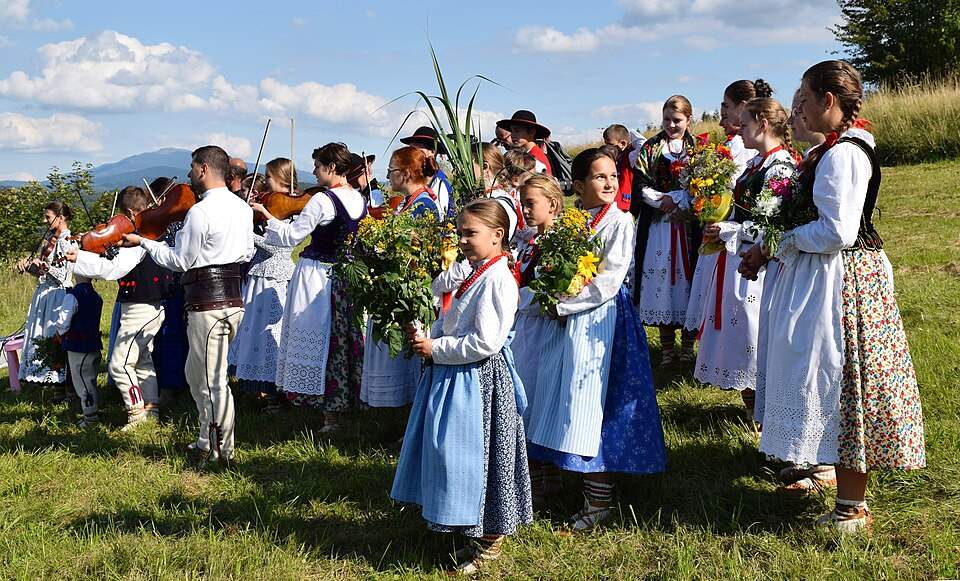 Festivals take place throughout the year. Summer and winter are the most active seasons.
- Summer festivals in Kraków with music and street events
- Christmas markets in cities like Warsaw
- Local fairs with traditional crafts and food
These events bring energy and local character.
Popular Festivals and Events in Poland
Poland hosts events throughout the year. These festivals add energy and local character to your trip.
- Christmas Markets → Held in cities like Kraków and Warsaw during December
- Summer Festivals → Music and cultural events across major cities
- Local Folk Festivals → Traditional dance, food, and crafts in smaller towns
Events vary by season, so timing your trip can improve your experience.
Plan your visit around a festival if possible. It adds a more local and memorable experience.
Music and Performing Arts
Music plays an important role in Polish culture. Classical concerts are easy to attend.
- Chopin concerts in Warsaw
- Opera and theatre in major cities
- Street performances in old town areas
You can enjoy both formal and casual performances.
Local Traditions and Daily Culture
Every day experiences also reflect Polish culture.
- Visit local markets and cafes
- Explore historic neighborhoods like Kazimierz
- Try traditional food during festivals
These moments feel more personal and less crowded than major attractions.
Cultural experiences help you understand Poland beyond landmarks. They make your trip more meaningful.
- Attend a local festival or concert to experience Poland’s culture in a simple and engaging way.
What to Pack for Poland
Pack layers, comfortable shoes, and basic travel essentials. Poland’s weather changes by season, so flexibility is key.
Packing for Poland is simple if you match your items to the season. Cities are walkable, so comfort matters more than style.
Seasonal Clothing
Weather varies across the year, so adjust your packing based on your travel dates.
- Spring/Autumn → Light jacket, layers, and comfortable shoes
- Summer → T-shirts, light clothes, sunglasses
- Winter → Heavy coat, gloves, scarf, and warm boots
Even in spring and autumn, temperatures can change during the day.
Travel Essentials
A few basic items will make your trip smoother.
- Comfortable walking shoes for city exploration
- Day backpack for daily use
- Reusable water bottle and basic toiletries
You may walk a lot in cities like Kraków and Warsaw, so comfort is important.
Power Adapters
Poland uses European plug types C and F. The standard voltage is 230V.
- Carry a universal travel adapter
- Check if your devices support 230V
- Bring a power bank for daily use
Adapters are easy to find locally, but bringing one saves time.
Packing light and practical works best for Poland. You can always buy small items locally if needed.
- Pack for the season, focus on comfort, and carry a universal adapter. This covers most travel needs in Poland.
Do You Need Travel Insurance for Poland?
Yes, travel insurance is recommended for Poland. It is required for some travelers and useful for everyone.
Travel insurance helps protect you from unexpected costs. Medical care, trip delays, or lost luggage can become expensive without coverage.
Schengen Requirement
Poland is part of the Schengen Area. Some travelers must show travel insurance when applying for a visa.
The policy usually needs:
- Minimum coverage of €30,000
- Valid for all Schengen countries
- Coverage for medical emergencies and repatriation. If you need a visa, insurance is mandatory.
Medical Coverage Importance
Even if you do not need a visa, insurance is still important. Medical treatment in Europe can be costly for visitors.
Insurance covers common issues during travel.
- Emergency medical treatment
- Hospital stays and doctor visits
- Trip cancellation or delays
It also helps in situations like lost baggage or missed connections.
Healthcare in Poland is good, especially in cities like Warsaw and Kraków. However, private care may require payment up front.
Travel insurance gives peace of mind during your trip. It reduces financial risk and helps you handle unexpected situations.
Travel insurance is essential if you need a visa and highly recommended for all travelers to Poland.
Poland Travel Guide: SIM Cards & Internet in Poland
Getting internet in Poland is easy. You can use a local SIM, an eSIM, or free WiFi in most cities.
Staying connected helps with maps, bookings, and transport. Poland has strong mobile coverage and fast internet speeds.
Local SIM Providers
Buying a local SIM card is the most affordable option for travelers.
Popular providers include Orange, Play, Plus, and T-Mobile. You can buy SIM cards at airports, malls, or convenience stores.
- Low cost for data plans
- Good coverage in cities and towns
- Easy activation with a passport
Prepaid plans usually include data, calls, and SMS. Most travelers only need data.
eSIM Options
eSIM is a convenient choice if your phone supports it. You can activate it before arriving in Poland.
This option avoids the need to change physical SIM cards.
- Instant activation
- No need to visit a store
- Ideal for short trips
eSIM plans may cost slightly more than local SIM cards but offer convenience.
Free WiFi Availability
Free WiFi is widely available across Poland, especially in cities.
You will find WiFi in:
- Cafes and restaurants
- Hotels and hostels
- Airports and shopping centers
Connection quality is generally good, but public networks may be slower during peak hours.
Mobile internet works well in cities like Warsaw and Kraków. Coverage in rural areas is also decent, but speeds may vary.
- Use a local SIM for the best value, or choose eSIM for convenience. Free WiFi is useful, but should not be your only option.
Poland vs Other European Destinations
Poland offers better value, fewer crowds, and easier travel compared to many Western European countries. It is a strong choice for budget-conscious travelers.
Choosing between destinations depends on your priorities. If you want lower costs and fewer crowds, Poland often performs better.
Poland vs Italy
Italy is famous for landmarks and food, but it is more crowded and expensive.
Poland offers a quieter and more affordable experience.
- Italy → Iconic sites, higher prices, heavy crowds
- Poland → Lower costs, less crowded, easier planning
Choose Italy for its famous landmarks, but Poland for better value and a relaxed trip.
Poland vs France
France offers global attractions, especially in Paris, but costs are significantly higher.
Poland provides similar cultural depth at a lower price.
- France → Premium experience, higher daily costs
- Poland → Budget-friendly with strong cultural value
Verdict: Choose France for luxury travel, but Poland for affordability and balance.
Poland vs Germany
Germany is well-organized and modern, but slightly more expensive.
Poland feels more budget-friendly and less crowded.
- Germany → Efficient transport, higher costs
- Poland → Cheaper travel, relaxed pace
Choose Germany for efficiency, but Poland for lower costs and a simpler experience.
Overall Comparison
| Factor | Poland | Italy | France | Germany |
| Cost | Low | High | High | Medium |
| Crowds | Low–Medium | High | High | Medium |
| Ease of Travel | Easy | Moderate | Moderate | Easy |
| Variety | High | High | High | Medium |
Poland stands out for travelers who want a balanced trip without high expenses. It delivers culture, history, and nature at a lower cost.
Choose Poland if you want the best value in Europe. It is one of the smartest travel choices for 2026.
Common Mistakes to Avoid When Visiting Poland
Most problems travelers face in Poland come from small planning mistakes. Avoid these, and your trip becomes smoother and more cost-effective.
Poland is easy to travel in, but first-time visitors often make avoidable errors. These mistakes affect time, budget, and overall experience.
Assuming Poland Uses the Euro
This is one of the most common mistakes. Poland does not use the euro. It uses the Polish złoty.
Some tourists try to pay in euros, but most places do not accept them. Even if they do, the exchange rate is poor.
Paying in euros often increases your costs without you noticing.
- Always pay in złoty for better value
- Use ATMs or trusted exchange offices
- Avoid airport currency exchange when possible
Card machines may offer to charge in your home currency. This looks convenient, but it adds hidden fees.
- Always choose złoty when paying. It saves money on every transaction.
Ignoring Smaller Cities
Many travelers only visit popular destinations like Kraków and Warsaw.
These cities are important, but they do not show the full picture of Poland.
Smaller cities offer a more local and relaxed experience. Streets feel less crowded, and prices are often lower.
Places like Wrocław, Lublin, and Toruń add variety to your trip.
- Fewer tourists and more space to explore
- More authentic local culture
- Better value for food and accommodation
Skipping these places can make your trip feel limited.
- Add at least one smaller city to experience Poland beyond the main tourist route.
Underestimating Travel Distances
Poland may look small on the map, but travel times can be longer than expected.
Moving between cities takes planning. High-speed trains help, but distances still matter.
For example, traveling from Kraków to Gdańsk can take 5–6 hours.
Trying to visit too many places in a short trip can make your schedule rushed.
- Plan routes based on travel time, not just distance
- Limit the number of cities in short trips
- Allow time for rest and local exploration
Rushing between destinations reduces the quality of your experience.
- Focus on fewer places and explore them well instead of trying to cover everything.
Not Booking Trains in Advance
Train travel in Poland is efficient, but seats can fill up on popular routes.
Last-minute bookings may cost more or limit your options. This is common during summer and holidays.
Booking early helps you secure better prices and preferred timings.
- Book tickets online in advance
- Choose reserved seats for comfort
- Plan travel during peak seasons carefully
Waiting until the last moment can create unnecessary stress.
- Book trains early to save money and ensure a smooth travel experience.
Poland rewards simple planning and smart decisions. Avoiding these common mistakes makes your trip more relaxed and enjoyable.
Final Verdict: Use local currency, plan realistic routes, explore beyond major cities, and book transport early for the best experience.
FAQs About the Poland Travel Guide
Is Poland safe for tourists?
Yes, Poland is safe for tourists. It has low crime rates, and most visits are trouble-free.
Cities like Kraków and Warsaw are considered safe, even at night.
Petty theft can happen in crowded areas, so basic precautions help.
- Keep valuables secure
- Stay aware in busy places
- Use official transport
Poland is a safe destination with simple precautions.
How many days are enough for Poland?
5 to 7 days are enough for a first-time visit to Poland.
A shorter trip works, but you will need to limit destinations.
- 3 days → One city like Kraków
- 5 days → Kraków + Warsaw
- 7 days → Add Zakopane or Gdańsk
More time allows a relaxed pace and better exploration.
Plan at least 5 days for a balanced experience.
Do people speak English in Poland?
Yes, many people speak English in Poland, especially in cities and tourist areas.
You will manage easily in hotels, restaurants, and transport hubs.
In smaller towns, English may be less common.
- Younger people speak better English.
- Tourist areas are English-friendly.
- Translation apps help when needed.
English is enough for most travel situations.
Is Poland good for solo travelers?
Yes, Poland is a good destination for solo travelers. It is safe, affordable, and easy to navigate.
Public transport is reliable, and cities are walkable.
Hostels and social spaces make it easy to meet other travelers.
- Safe environment for solo travel
- Budget-friendly accommodation options
- Easy transport and clear routes
Poland is a strong choice for solo travel in Europe.
What currency is used in Poland?
Poland uses the Polish złoty (PLN), not the euro.
Most places accept cards, but carrying some cash is useful.
- Pay in złoty for better rates
- Use ATMs or official exchange offices
- Avoid paying in foreign currency
Always use złoty for payments to avoid extra charges.
Conclusion – Is Poland Worth Visiting in 2026?
Yes, Poland is worth visiting in 2026. It offers strong value, diverse experiences, and easy travel for first-time visitors.
Poland stands out as a balanced European destination. You get history, culture, and nature without high costs.
Cities like Kraków and Warsaw offer rich experiences and easy access to attractions. Places like Zakopane and Gdańsk add variety to your trip.
Travel remains simple. Transport is reliable, and planning does not feel complicated. This makes Poland a good choice for both first-time and experienced travelers.
If you compare destinations, Poland offers better value than many Western European countries. You can stay longer, explore more, and still keep your budget under control.
- Balanced mix of cities and nature
- Affordable travel without reducing quality
- Easy planning and smooth transport
Poland also feels less crowded than many popular destinations. This allows a more relaxed and authentic experience.
Final Verdict: Poland is a smart and rewarding travel choice in 2026. It offers value, variety, and simplicity in one trip.
People Also Ask Questions on the Poland Travel Guide
Is Poland cheap or expensive for tourists?
Poland is a budget-friendly destination compared to most of Europe.
Daily costs are lower for food, transport, and accommodation. You can travel comfortably without a high budget.
- Budget → $40–60 per day
- Mid-range → $70–120 per day
Answer: Poland is affordable and offers strong value for money.
What is the best city to visit in Poland?
Kraków is the best city for first-time visitors.
It offers history, walkable streets, and easy access to major attractions.
Warsaw is also worth visiting for a modern experience.
Answer: Start with Kraków, then add Warsaw for balance.
Is Poland good for first-time European travel?
Yes, Poland is one of the best countries for first-time European travel.
It is affordable, safe, and easy to navigate. Tourist infrastructure is well developed.
You can explore cities, nature, and culture without complex planning.
Answer: Poland is a smart and easy starting point for Europe.
What is Poland famous for?
Poland is known for its history, castles, food, and cultural heritage.
Popular highlights include:
- Historic cities like Kraków
- WWII sites like Auschwitz
- Traditional food like pierogi
Answer: Poland is famous for its history, culture, and traditional cuisine.
Can I use euros in Poland?
No, Poland does not use the euro. It uses the Polish złoty (PLN).
Some tourist areas may accept euros, but exchange rates are poor.
Answer: Always use złoty for better value.
Is Poland safe at night?
Yes, Poland is generally safe at night, especially in city centers.
Tourist areas are well-lit and active. Basic precautions are still important.
Answer: Poland is safe at night with normal travel awareness.
Do I need cash in Poland?
Yes, but only a small amount. Cards are widely accepted.
Cash helps in small shops, markets, and rural areas.
Answer: Use cards for most payments and carry some cash for small expenses.
What is the best time to visit Poland?
Spring (April–June) and autumn (September–October) are the best times.
These months offer mild weather and fewer crowds.
Answer: Visit in spring or autumn for the best overall experience.
Is Poland crowded with tourists?
No, Poland is less crowded than many Western European countries.
Popular areas get busy in summer, but overall travel feels more relaxed.
Answer: Poland offers a less crowded travel experience.
How do I travel between cities in Poland?
Trains are the best way to travel between cities.
They are fast, affordable, and well-connected.
Routes between Kraków and Warsaw are frequent.
Answer: Use trains for easy and efficient intercity travel.
This Poland travel guide was last updated in April 2026 to reflect the latest travel information.
