

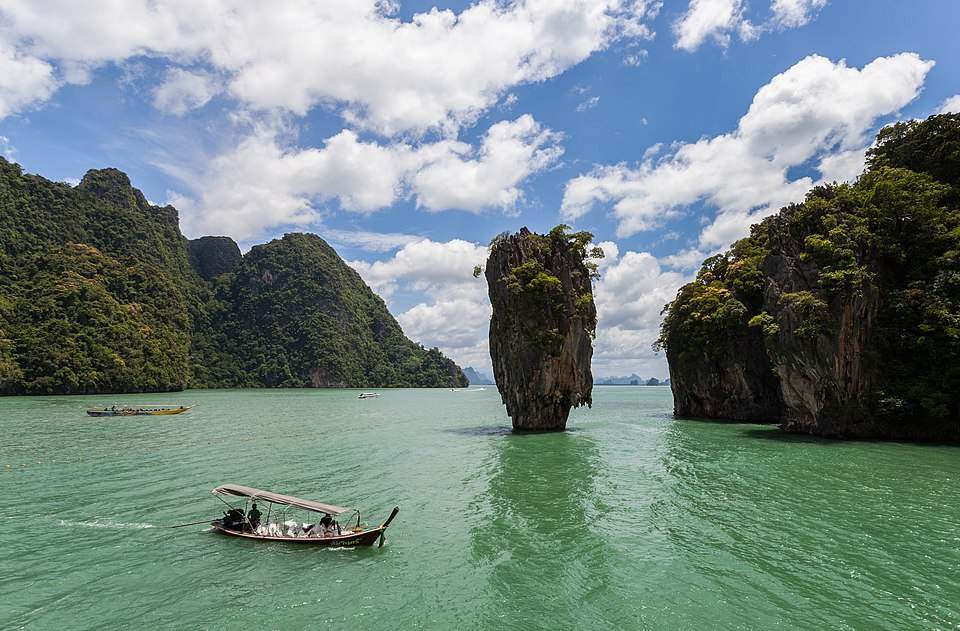
The best time to visit Thailand for island hopping is from December to April, when the seas are calm, visibility is excellent, and ferry services operate reliably across both the Andaman Sea and the Gulf of Thailand islands.
Why Timing Matters for Thailand Island Hopping
Thailand island-hopping depends more on the sea than the sky.
Blue weather apps can still mean rough crossings and cancelled tours.
Sea conditions matter more than air temperature.
Warm air does not mean calm water. You can face high waves even on sunny days.
Calm seas decide whether boats run smoothly or not.
For island-hopping, water conditions shape the whole trip. Bad seas turn short rides into long, exhausting journeys.
Monsoon decides on ferries and speedboats.
Monsoon season changes everything on the water. Speedboats stop first, ferries follow soon after.
Some islands shut down routes for safety reasons. Others stay open but reduce daily connections.
Your plan must match the season, not the calendar.
Visibility affects snorkeling and diving.
Clear water defines island-hopping in Thailand. Poor visibility ruins snorkeling, even if the beaches look fine.
Plankton blooms and runoff lower clarity during rough months. You may reach islands but miss what lies underwater.
Safety and island access depend on timing.
Rough seas raise accident risks. Boat crews cancel trips when conditions turn unstable.
Remote islands face closures during harsh months. You cannot island-hop freely year-round across Thailand.
Timing controls which islands you can reach safely.
Crowds change the experience.
Peak season brings calm seas and heavy crowds. Off-season offers space but limits access.
Island-hopping feels rushed during busy months. Quiet seasons feel relaxed but unpredictable.
The right timing balances comfort, safety, and freedom.
Thailand Island-Hopping Seasons Explained (Quick Overview)
Thailand island-hopping changes clearly by season, so timing decides access, comfort, and reliability early.
Some months give calm seas and full routes, but others limit movement across islands.
This quick overview helps you choose the right window without reading long forecasts.
| Season | Months | Sea conditions | Island-hopping decision |
| Peak dry season | December to February | Calm and stable | Best overall choice |
| Shoulder season | March to April | Mostly calm | Good, but hot |
| Southwest monsoon | May to October | Rough on the West Coast | Avoid the Andaman Islands |
| Gulf monsoon | October to November | Unstable in the east | Risky and limited |
- Peak dry season works best for Thailand island-hopping.
- Boats run daily, and most islands stay fully accessible.
- Shoulder season still allows island-hopping, but heat rises and comfort drops.
- Seas remain usable, so experienced travelers manage well.
- Monsoon seasons split Thailand into workable and unworkable zones.
- West coast islands struggle first, while eastern islands recover sooner.
For Thailand island-hopping, December to April offers the safest and smoothest experience overall.
Weather by Coast and Month (Quick Comparison)
This table shows how Thailand island hopping changes by coast through the year.
Use it to choose the right side, not just the right month.
| Month | Andaman Sea (West Coast) | Gulf of Thailand (East Coast) | What to do |
| January | Calm seas, clear water | Calm seas, clear water | Either coast works well |
| February | Calm and stable | Calm and stable | Best balance overall |
| March | Calm, warmer water | Calm, warmer water | Great for exploration |
| April | Calm, very hot | Calm, very hot | Start early each day |
| May | Turning rough | Mostly usable | Shift to the Gulf Islands |
| June | Rough, cancellations | Usable with caution | Gulf focus only |
| July | Rough, limited routes | Usable, mixed days | Plan flexible days |
| August | Very rough, closures | Mixed, some rough days | Avoid island hopping |
| September | Very rough, closures | Mixed, improving late | Land travel works better |
| October | Improving late month | Rough early, improving | Gulf late month only |
| November | Reopening gradually | Mostly usable | Late month is better |
| December | Calm and open | Calm and open | Best overall month |
Choose the Andaman Sea from December to April.
Choose the Gulf of Thailand from May to September, with flexibility.
Andaman Sea vs Gulf of Thailand – Crucial Difference
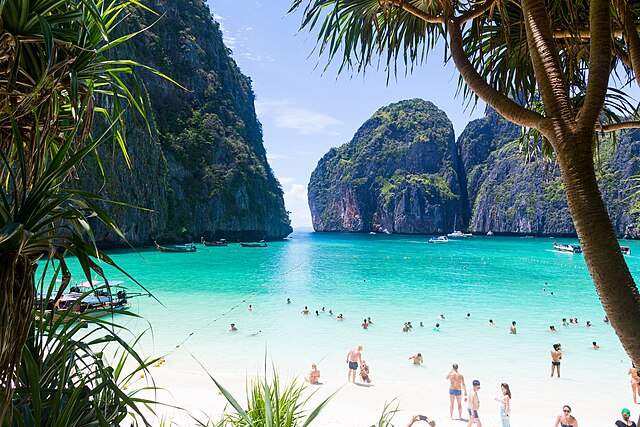 Thailand island-hopping works on two different coasts. Timing affects each side very differently. Choosing the wrong coast for your travel month can ruin island plans.
Andaman Sea islands
The Andaman Sea sits on Thailand’s west coast. This side offers dramatic scenery and classic island routes. Sea conditions stay calm during the dry season.
Monsoon winds hit this coast hard from late spring. Island-hopping here works best when the seas stay stable. Once rough weather starts, boats cancel quickly.
Gulf of Thailand islands
The Gulf of Thailand lies on the east coast. Its weather pattern follows a different rhythm. This side stays usable when the Andaman turns rough.
Monsoon impact arrives later and fades sooner here. Island-hopping remains possible during months when west coast routes close.
Which side is better?
Neither coast stays best all year. The better choice depends on your travel month.
Choose the Andaman Sea for classic island-hopping between December and April.
Choose the Gulf of Thailand when the West Coast seas turn unstable.
Pick the coast that matches the season, not the islands you saw on social media.
Andaman Sea Islands (West Coast)
The Andaman Sea delivers Thailand’s most famous island-hopping routes.
This coast works best during the dry season and shuts down hard during monsoon months.
Best months: November to April
Avoid: May to October, when southwest monsoon seas turn rough
Phi Phi Islands
The Phi Phi Islands sit at the center of Andaman island-hopping routes.
January to March gives calm crossings and clear water.
Day trips run daily during peak months. Snorkeling visibility stays strong, and boat schedules stay reliable.
From May onward, sea conditions worsen fast. Tours often cancel, and speedboat rides feel uncomfortable.
Best choice: December to March
Skip: June to September
Phuket
Phuket works as the main island-hopping base on the west coast. Ferries and speedboats connect nearby islands easily during dry months.
Winter months give smooth access to Phi Phi, Coral Island, and Racha Islands.
Travel feels predictable and well-organized.
The monsoon season limits routes from Phuket. Open sea crossings face frequent delays.
Best choice: November to April
Skip: Peak monsoon months if island-hopping matters
Krabi
Krabi offers shorter hops and sheltered routes. This helps slightly during shoulder months.
Island-hopping to Railay, Hong Islands, and nearby islets works well in the dry season.
Seas stay calm and clear through early spring. Once the monsoon starts, tours reduce sharply.
Smaller boats struggle more here than many expect.
Best choice: December to March
Skip: July to September
Similan Islands
The Similan Islands depend heavily on timing. They open only during safe sea conditions.
From November to April, visibility ranks among Thailand’s best. Diving and snorkeling draw serious travelers to the Similan Islands.
Outside this window, the islands are completely closed. No tours operate during monsoon months.
Best choice: January to March
Skip: Entirely from May to October
Koh Lanta
Koh Lanta feels calmer than the busier Andaman islands. Island-hopping works well during stable winter months.
Ferries connect nearby islands smoothly from December to April. Travel feels relaxed and less rushed.
During the monsoon season, ferry services slow down. Some routes stop without much notice.
Best choice: December to March
Skip: August and September
Choose the Andaman Sea islands only between November and April. Outside this window, island-hopping becomes unreliable and often frustrating.
Gulf of Thailand Islands (East Coast)
The Gulf of Thailand follows a different weather cycle from the west coast.
This makes it a smart backup when Andaman routes shut down.
Best months: January to September
Worst months: October to November, during the short but intense monsoon
Koh Samui
Koh Samui works as the main hub in the Gulf. Island-hopping stays possible here for most of the year.
Sea conditions remain manageable even during the summer months. Ferries and speedboats run more consistently than on the West Coast.
October and November bring heavy rain and rough seas. Boat schedules turn unreliable during this short window.
Best choice: February to August
Skip: Late October and November
Koh Phangan
Koh Phangan sits close to Koh Samui, so routes stay shorter. This helps island-hopping remain stable most of the year.
Calm seas allow easy travel to nearby beaches and islands. Conditions stay usable even when the West Coast islands close.
During late monsoon months, crossings feel rough. Tours reduce quickly when the seas turn unstable.
Best choice: January to August
Skip: October and early November
Koh Tao
Koh Tao attracts snorkelers and divers more than casual island-hoppers.
Clear water defines the experience here. Visibility stays strong for most of the year.
Summer months still deliver decent snorkeling conditions. Monsoon hits Koh Tao harder than nearby islands. Rough seas limit access and reduce visibility quickly.
Best choice: March to September
Skip: October and November
Choose the Gulf of Thailand islands when traveling between May and September.
Avoid them during October and November, when conditions turn unreliable fast.
Andaman Sea vs Gulf of Thailand for Island-Hopping
| Factor | Andaman Sea (West Coast) | Gulf of Thailand (East Coast) |
| Best months | November to April | January to September |
| Worst months | May to October | October to November |
| Monsoon impact | Long and strong | Short and intense |
| Island access | Seasonal and strict | More flexible |
| Sea conditions | Very calm in the dry season | Mostly usable most of the year |
| Snorkeling visibility | Excellent in peak months | Good for longer periods |
| Backup option | Poor during the monsoon | Strong when the West Coast closes |
Clear verdict:
Choose the Andaman Sea for classic island-hopping during the winter months.
Choose the Gulf of Thailand if you travel between late spring and summer.
Regional Weather Patterns (Beyond Coasts)
Thailand island hopping depends on wind direction as much as rainfall. Two monsoon systems shape sea conditions throughout the year.
Northeast vs southwest monsoon winds
The northeast monsoon blows from November to February. It brings dry air and calmer seas to most island routes.
The southwest monsoon arrives from May to October. It pushes strong winds and waves toward Thailand’s west coast.
Wind strength matters more than rain. Strong winds create rough seas even on clear days.
How monsoon winds affect each coast
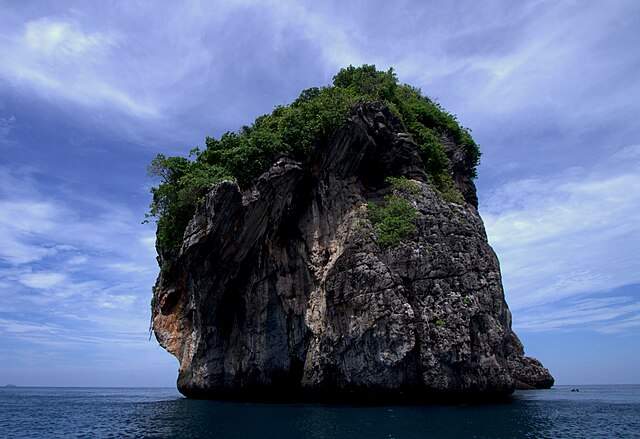 The southwest monsoon hits the Andaman Sea directly. Open water absorbs wind energy, so waves grow fast.
Boat crossings turn rough and unsafe. Routes cancel early to avoid accidents.
The Gulf of Thailand sits more sheltered. Landmasses block direct wind impact for longer periods. This shelter keeps sea conditions usable when the west coast shuts down.
Why do the Gulf islands stay usable when the Andaman closes
Gulf islands face shorter crossings and gentler wave patterns. Wind reaches them later and with less force. Rain may increase, but seas stay manageable. Boats continue running when the Andaman routes stop.
This difference explains seasonal confusion among travelers. Same country, same month, but very different island access.
When the Andaman closes during the monsoon, the Gulf remains the safer option.
Wind and Current Effects on Sea Conditions
Wind and currents shape Thailand island hopping more than clouds or rain. Many problems start even when the sky looks clear.
Why snorkeling feels bad on sunny days
Strong winds push surface water across reefs. This movement stirs sand and plankton from the seabed. Water turns cloudy without warning.
Visibility drops even under bright sun. Currents also increase with wind strength.
Snorkeling feels tiring and unsafe during strong flow.
Clear skies do not protect underwater conditions. Calm wind does.
Why ferries cancel without warning
Boat crews watch wind speed and wave height closely. They trust these more than weather apps.
Strong winds create side waves on open routes. Large ferries handle this better than speedboats. When waves cross safety limits, operators cancel trips. This happens fast and often surprises travelers.
Currents worsen this problem. They slow down crossings and strain engines.
How does this affect comfort and safety?
Wind increases wave height and boat motion. Currents add a pulling force beneath the surface.
Together, they decide:
- How rough the ride feels.
- Whether snorkeling stays safe.
- If boats operate at all.
Calm wind and weak currents matter more than sunshine. Good island hopping starts with stable sea movement, not clear skies.
Monsoon Exceptions and Microclimates
Thailand island hopping does not follow one single monsoon rule. Local geography creates exceptions that confuse many travelers. Some islands stay usable while nearby routes shut down.
This happens because rain, wind, and sea patterns do not hit evenly.
Why do some islands escape full monsoon impact?
Mountain ranges and landmasses block wind on certain routes. This reduces wave height even during rainy weeks. Short crossings also help. Sheltered waters stay calmer than open sea routes.
That is why nearby islands can feel very different on the same day.
Gulf islands behave differently.
The Gulf of Thailand follows a delayed monsoon cycle. Heavy rain arrives later compared to the West Coast.
Seas remain manageable for longer periods. Boat access stays possible when Andaman routes close.
Rain may increase, but crossings stay shorter and safer.
Island-specific microclimates matter
Some islands sit behind natural barriers. Others face the open sea with no protection.
This creates local differences in:
- Wave strength
- Visibility
- Tour reliability
Travelers who plan by island, not by country, face fewer surprises.
Monsoon season does not shut down all Thai islands equally. Understanding microclimates helps you choose islands that still work.
Sub-Season Nuances (Shoulder Seasons)
Shoulder seasons shape Thailand island hopping more than most guides explain. These short windows sit between peak comfort and full disruption.
April heat spike and its effect on tours
April brings rising heat across coastal areas. Seas stay calm, but midday conditions feel intense.
Long boat rides feel tiring in the strong sun. Some tours shorten routes or add shade breaks.
Early departures work better during this period. Late afternoon trips feel more manageable.
Late November conditions before peak
Late November marks a quick shift toward stable seas. Rain fades, and routes start reopening.
Water clarity improves fast. Tour availability increases week by week.
Crowds remain lighter than in December. This window suits travelers who want calm seas without peak pressure.
Early May transitional weather
Early May feels calm on the surface. Conditions change quietly during this time.
Some Andaman routes still operate. Others reduce schedules without much notice.
The Gulf remains usable. Flexibility decides whether island hopping works smoothly.
Shoulder seasons reward travelers who watch timing closely and stay adaptable.
Best Time to Visit Thailand for Island Hopping (Month-by-Month)
The best time to visit Thailand for island hopping depends on the sea, not the calendar. Each month brings different access, comfort, and risk levels.
Thailand does not follow one single island season. The West Coast and East Coast behave differently across the year.
Some months offer smooth crossings and open routes. Other months limit boats, reduce visibility, and cancel plans without warning.
A month-by-month view removes confusion. It shows when island hopping feels easy and when it feels forced.
This breakdown helps you decide, not guess. You can match your travel dates with real island conditions.
We will now go through each month one by one.
January – Peak Conditions, Peak Crowds
January gives Thailand island hopping its most reliable conditions. Seas stay calm, and boat crossings feel smooth and predictable.
Water clarity reaches its peak across most routes. Snorkeling and diving deliver the best visibility of the year. Reefs look sharp, and currents stay manageable.
Most tours run daily without weather-related changes. The downside is cost and crowd pressure. Ferries sell out early, and prices rise fast.
Hotels near popular islands fill weeks ahead. Spontaneous island hopping feels difficult during this month.
Busy routes feel rushed by late morning. Quiet beaches exist, but timing matters more.
January suits travelers who want perfect water conditions and accept crowds and higher prices.
February – Ideal Balance
February keeps Thailand island hopping easy and predictable. Seas stay calm, and crossings remain comfortable across most routes.
Water visibility stays excellent for snorkeling and diving. Conditions feel almost as good as January, without the same pressure.
Crowds drop slightly after the holiday rush. Popular islands still feel busy, but movement feels less rushed. Boat schedules stay reliable throughout the month.
You can plan island days without constant weather checks.
Prices remain high, but they soften compared to January. Finding rooms and ferry seats feels easier.
February suits travelers who want near-perfect conditions with fewer crowds than January.
March – Best for Island Exploration
March works well for Thailand island hopping and longer island days.
Seas stay calm, and routes remain fully open.
Water temperature rises, which makes swimming feel more comfortable.
Snorkeling stays clear, and marine life remains active. Speedboat tours run smoothly during this month. Island hopping feels faster and more flexible.
Heat starts to build as the month progresses. Midday sun feels intense on exposed beaches and boats. Early starts help manage the heat. Shaded breaks become important during long island days.
March suits active travelers who want open routes and accept rising heat.
April – Last Great Month (With Heat Warning)
April marks the final strong month for Thailand island hopping before weather patterns start shifting. Seas remain calm, and boat routes stay mostly reliable.
Water conditions still support snorkeling and swimming. Visibility stays good, though not as sharp as earlier months.
Heat becomes the main challenge during April. Midday sun feels intense on boats and exposed beaches. Early morning departures work best. Long tours feel tiring without shade and breaks.
Songkran adds a unique travel moment. Water fights cool things down, but crowds rise around festival days. Prices hold steady from peak season. Some travelers leave early due to the heat, which frees up limited space.
April works well for island hopping if you handle heat and plan early starts.
May – Transition Month
May marks the shift between reliable island hopping and seasonal uncertainty.
Weather changes fast, and conditions vary by coast.
The Andaman Sea starts turning unstable. Waves grow stronger, and some West Coast routes reduce service. Speedboat tours cancel more often as the month progresses.
Long crossings feel rough even on clear days. The Gulf of Thailand stays more accessible. Koh Samui, Koh Phangan, and Koh Tao still see usable sea conditions.
Visibility drops slightly, but snorkeling remains possible. Boat schedules stay flexible rather than fixed.
Prices begin to fall after peak season. Crowds thin out, which improves the onshore experience.
May works best if you focus on the Gulf islands and stay flexible with plans.
June – July – Budget Travelers Only
June and July bring mixed results for Thailand island hopping. Sea conditions change often, and plans need daily adjustments.
The Andaman Sea turns rough for most routes. Speedboats cancel frequently, and ferries reduce schedules.
Some days look fine but feel rough once boats leave shore. Crossings take longer and feel uncomfortable.
The Gulf of Thailand stays more usable during these months. Koh Samui and nearby islands still see workable conditions.
Tour cancellations remain common across both coasts. Flexibility matters more than fixed itineraries. Prices drop across islands and beach towns. Crowds stay light, which appeals to slow travelers.
June and July suit budget travelers who accept cancellations and focus on the Gulf islands.
August – September – Worst for Island Hopping
August and September bring the toughest conditions for Thailand island hopping.
Seas stay rough for long stretches, and crossings feel unstable.
The Andaman Sea becomes largely unusable. Many routes shut down, and boats stop running for safety reasons. Visibility drops across most islands. Snorkeling feels disappointing due to stirred sand and poor water clarity.
Several islands are completely closed during these months. Marine parks restrict access, and tours suspend operations.
Even the Gulf of Thailand struggles at times. Calm days exist, but they rarely last.
Travel plans face constant changes. Delays and cancellations become part of the routine.
August and September do not suit island hopping and work only for land-based travel.
October – Risky but Recovering
October sits between shutdown and recovery for Thailand island hopping.
Conditions improve slowly, but reliability stays uneven. The Andaman Sea remains rough for most of the month.
Many West Coast routes stay closed or operate on limited schedules. Some islands begin reopening late in the month. Sea conditions still change fast and catch travelers off guard.
The Gulf of Thailand starts to stabilize. Boat crossings feel calmer, and schedules regain some consistency.
Snorkeling visibility improves compared to previous months. Conditions still fall short of peak season quality. Prices remain low, and crowds stay minimal.
Flexibility decides whether island hopping works or fails.
October works only if you focus on the Gulf islands and accept real weather risks.
November – Mixed Conditions
November marks the return of island hopping across much of Thailand.
Conditions change quickly, so timing inside the month matters.
The Andaman Sea starts reopening. Some routes resume early, while others wait for stable seas. Boat schedules improve week by week. Early November still brings rough days and short notices.
Water clarity improves as rain fades. Snorkeling feels decent by mid to late month.
The Gulf of Thailand stays usable most days. Crossings feel calmer compared to October.
Prices begin rising as peak season approaches. Crowds stay moderate until late December.
November works if you travel late in the month and stay flexible early on.
December – Best Overall Month
December offers the most reliable conditions for Thailand island hopping.
Seas stay calm across both coasts, and routes remain fully open.
Water clarity improves fast after the rains fade. Snorkeling and diving feel clean and consistent. Ferries and speedboats run on full schedules. Ifeels smooth and easy to plan.
The festive season brings energy and movement. Popular islands feel lively, and tours fill quickly. Prices rise across hotels and ferries. Advance booking becomes necessary for popular routes.
Crowds increase toward the end of the month. Early December feels calmer than the holiday week.
December is the best overall month for island hopping if you accept higher prices.
Best Time to Visit Thailand for Island Hopping (Month-by-Month Summary)
| Month | Sea conditions | Island access | Visibility | Cost level | Verdict |
| January | Very calm | Fully open | Excellent | High | Best but crowded |
| February | Calm | Fully open | Excellent | High | Ideal balance |
| March | Calm | Fully open | Very good | Medium-high | Great for exploration |
| April | Calm | Mostly open | Good | Medium-high | Good if you handle heat |
| May | Mixed | Gulf only | Fair | Medium | Works with flexibility |
| June | Rough | Limited | Fair | Low | Budget travelers only |
| July | Rough | Limited | Fair | Low | Expect cancellations |
| August | Very rough | Mostly closed | Poor | Low | Avoid island hopping |
| September | Very rough | Mostly closed | Poor | Low | Worst month |
| October | Improving | Gulf focus | Fair | Low | Risky but possible |
| November | Improving fast | Reopening | Good | Medium | Better late month |
| December | Very calm | Fully open | Excellent | High | Best overall |
- For Thailand island hopping, December to April delivers the safest and smoothest experience.
- Outside this window, success depends on coast choice and flexibility.
Best Islands for Island-Hopping by Season
Not all Thai islands work year-round for island hopping. Season decides which islands stay open, safe, and worth the effort.
Some islands shine only in calm months. Others work better when the monsoon shuts down popular routes.
Choosing islands by season avoids cancellations and wasted travel days. It also improves water clarity, boat comfort, and overall experience.
This section breaks down island choices by season. You can then match your travel month with islands that actually work.
We will cover each season next, one by one, with clear recommendations.
Best Islands (Dec–April)
December to April gives the calmest season on Thailand’s west coast. Island hopping feels smooth, predictable, and fully open during these months.
This season suits classic routes with open crossings and clear water.
Phi Phi Islands
Phi Phi works best during these months. Sea conditions stay calm, so day trips run daily without disruption.
Water clarity supports snorkeling around Maya Bay and nearby reefs. Boat rides feel short and comfortable.
This period also brings crowds. Early starts help avoid the busiest hours.
Similan Islands
The Similan Islands only open during this season. That alone makes timing critical.
Visibility reaches its peak, which suits snorkeling and diving. Seas remain stable enough for longer open-water crossings.
Missing this window means missing the islands entirely.
Koh Lanta
Koh Lanta feels calmer than the other Andaman islands. Island hopping works well without constant crowd pressure.
Ferries and small tours operate reliably. Nearby islands stay easy to reach throughout the season.
This island suits travelers who want space and steady conditions.
Krabi 4-Island Tour
This route depends heavily on calm seas. December to April gives the best access.
Short boat hops connect beaches, lagoons, and snorkeling stops. Tours run daily with minimal cancellations.
Outside this season, routes shut down quickly.
For island hopping between December and April, these west coast islands deliver the best access and water conditions.
Best Islands (June–September)
June to September shifts island hopping to Thailand’s east coast. The Gulf of Thailand stays more usable during these months.
West coast routes struggle in this period. Choosing the right islands avoids constant cancellations.
Koh Samui
Koh Samui works as the main base during these months. Sea conditions remain manageable for most crossings.
Ferries and speedboats run more consistently than on the West Coast. Day trips are still possible without daily weather stress.
This island suits travelers who want reliability over scenery.
Koh Tao
Koh Tao performs well for snorkeling during this season. Water clarity stays decent despite occasional rough days.
Boat access remains steady from Koh Samui. Diving schools operate normally through the summer months.
Rough days happen, but full shutdowns stay rare.
Koh Phangan
Koh Phangan offers short island hops and sheltered routes. This helps keep trips running during mixed weather.
Calmer crossings connect nearby beaches and small islands. Conditions feel usable even when the Andaman routes close.
Late September brings growing instability. Plans work best earlier in the season.
For island hopping between June and September, the Gulf of Thailand islands offer the safest and most reliable option.
Lesser-Known Islands and Side Detours
Some Thai islands offer great island-hopping and diving, but stay off most travel lists. These places work only in short seasonal windows, which keeps crowds low.
Surin Islands
The Surin Islands open only during calm sea months. Access usually runs from November to April. Visibility stays high, and reefs remain healthy. Divers value this area for coral density and marine life.
Outside this window, the islands are completely closed. Timing decides whether the trip works at all.
Koh Rok
Koh Rok sits south of Koh Lanta and sees fewer visitors. Island hopping works best during the dry season.
Water clarity stays strong on calm days. Snorkeling feels quieter than Phi Phi routes. Tours stop early once the seas turn rough.
This island rewards travelers who arrive before the monsoon.
Koh Kradan
Koh Kradan offers shallow reefs close to shore. It works well for relaxed snorkeling during peak months. Boat access stays simple in calm conditions.
Rough seas cut services quickly.
This island suits slow travel rather than packed itineraries. These lesser-known islands work only with correct timing. Visit them during calm months or skip them entirely.
Worst Time for Thailand Island-Hopping (Be Honest)
Some months look cheap and quiet but fail completely for island hopping. Ignoring this reality leads to lost days and unsafe crossings.
The worst time for Thailand island hopping falls between August and September.
These months bring long stretches of rough seas and limited access.
Late June through October also carries a serious risk. Conditions change fast, and reliability stays low.
This is where most travel guides stay vague. Here is the honest view.
Ferry cancellations become normal.
Rough seas force ferries to cancel or reduce trips. Schedules change daily, and updates come late.
From July to October, ferry schedules break down often. Cancellations happen with little warning.
West coast routes shut first. Gulf routes struggle during October and November.
You may wait hours at piers without clear answers. Missed connections pile up fast.
Speedboat conditions turn unsafe.
Speedboats suffer first during bad weather. High waves make rides uncomfortable and risky.
Speedboats face the highest risk between August and September. High waves make open crossings dangerous.
Operators cancel trips for safety, not convenience. Even short routes feel dangerous on rough days. Short routes feel rough and exhausting.
Underwater visibility drops sharply.
Rough seas stir sand and plankton. Water turns cloudy even when the skies look clear.
Visibility falls from July through October. During this time, stirred sand and plankton cloud the water.
Snorkeling disappoints, and diving conditions suffer.
Marine life stays harder to see.
Hidden costs and delays add up.
Cancellations trigger extra hotel nights on islands or the mainland. Last-minute changes raise transport and food costs.
Travel insurance helps, but does not save time. Delays peak between August and October. Short trips lose valuable days. Delays steal days from short trips.
Avoid island hopping during peak monsoon months. Low prices never make up for lost access and safety risks.
Avoid Thailand island hopping from August to September. Treat July and October as risky months that require flexibility.
Thailand Island-Hopping Weather & Sea Conditions (Quick Guide)
Thailand island hopping depends on sea behavior more than daily weather forecasts.
Clear skies do not always mean safe or comfortable crossings. Wind direction, wave height, and rainfall patterns shape each coast differently.
Understanding this helps you avoid poor travel windows.
Dry season brings stability.
From December to April, seas stay calmer across most island routes. Boat schedules run on time, and crossings feel smooth.
Rain stays low, and wind remains manageable. This period supports long island days and open-water routes.
Monsoon season changes everything.
From May onward, southwest winds affect the west coast first. Waves rise, and open crossings become uncomfortable or unsafe.
Rain falls in short bursts, but seas stay rough for longer periods. Boat operators reduce services as conditions worsen.
The East Coast follows a different cycle. Gulf islands stay usable longer, but heavy rain peaks later.
Sea conditions affect visibility.
Calm seas keep sand settled and water clear. Rough seas stir sediment and plankton. Visibility drops fast during unstable months. Snorkeling and diving quality suffer before boats even cancel.
Safety follows sea patterns.
Boat crews monitor sea state more than weather apps. Routes close when wave height crosses safety limits.
Remote islands shut down earlier than busy routes. Access shrinks before most travelers expect.
Quick guide to weather and sea conditions
| Period | Sea conditions | Visibility | Island access |
| Dec–Feb | Very calm | Excellent | Fully open |
| Mar–Apr | Calm | Very good | Fully open |
| May–Jun | Mixed | Fair | Gulf focused |
| Jul–Sep | Rough | Poor | Mostly closed |
| Oct | Improving | Fair | Limited |
| Nov | Stabilizing | Good | Reopening |
For Thailand island hopping, calm seas matter more than sunshine. Plan trips based on sea conditions, not just temperatures.
Is Island hopping in Monsoon Season Worth It?
It is worth it, only in the Gulf of Thailand, and only for flexible travelers.
For most people, monsoon months create more problems than value.
Island hopping during the monsoon works very differently from peak season.
Expect limits, changes, and trade-offs from day one.
Who should go
Monsoon island hopping suits travelers with open schedules. You should feel comfortable changing plans at short notice.
It also works if:
- You focus on Gulf islands like Koh Samui or Koh Tao.
- You value lower prices over perfect conditions.
- You stay longer and move slowly.
These travelers adapt instead of forcing daily tours.
Who should avoid
The monsoon season does not suit short trips. Tight itineraries suffer first.
You should avoid it if:
- Island hopping is your main trip goal.
- You want snorkeling and clear water.
- You dislike delays and uncertainty.
Families and first-time visitors often feel frustrated during this period.
Realistic expectations
Seas change quickly during monsoon months. A calm morning can turn rough by afternoon. Some days allow island hopping. Other days, cancel all boats without warning.
Visibility stays mixed at best. Sometimes, Snorkeling feels hit or miss, even on clear days.
You save money, but you spend more time waiting. That trade-off defines monsoon travel.
Island hopping in the monsoon season works only in the Gulf of Thailand. Choose it only if flexibility matters more than control and clarity.
Thailand Island-Hopping Costs by Season
Thailand island-hopping costs change sharply by season. Knowing when prices make sense helps you avoid false bargains.
Cheap months often come with limits. Expensive months usually buy reliability and access.
Peak vs off-season pricing
Peak season runs from December to April. Prices stay high because boats run daily and islands stay open.
Off-season prices drop from May onward. Lower costs reflect cancellations, not generosity.
Peak season gives value through certainty. Off-season saves money but adds risk.
Tour price ranges by season
Island-hopping tours follow clear seasonal patterns. Prices reflect fuel costs, demand, and safety margins.
Typical ranges look like this:
- Peak season: higher prices with full routes and fixed schedules.
- Shoulder season: moderate prices with some flexibility.
- Monsoon season: low prices with frequent cancellations.
Cheap tours disappear fast when seas turn rough. Refunds often come as credits, not cash.
Ferry vs Speedboat costs
Ferries cost less and suit calm seas. They also cancel later than speedboats.
Speedboats cost more but save time. They also stop running first when conditions worsen.
In rough months, ferry tickets offer better value. Speedboat deals look tempting, but fail often.
When deals are real vs risky
Real deals appear during shoulder months. Seas stay usable, and demand softens naturally.
Risky deals dominate peak monsoon months. Low prices exist because routes may not operate.
If savings depend on perfect weather, the deal is risky. If savings come with stable seas, the deal is real.
Pay more during peak months for reliable island hopping. Chase discounts only when seas stay calm, and routes remain open.
Price Seasonality with Real Examples
Costs for Thailand island hopping change a lot by season and transport choice.
Peak months cost more, while shoulder and off-season months look cheaper but carry risk.
Here is a real cost grid to show how pricing works in practice.
Typical Island-Hopping Cost Examples
| Cost Type | Peak Season (Dec–Apr) | Shoulder (May–Jun, Oct–Nov) | Off-Season (Jul–Sep) |
| Day tour (speedboat) | $47–$118+ per person | ~$40–$90 | ~$30–$70, but cancellations are likely |
| Ferry Phuket → Phi Phi | ~฿650–฿950 ($18–$27) | Similar range | Similar but fewer runs |
| Ferry Samui → Koh Tao | ~$27–$72 | ~$27–$72 | ~$27–$72 |
| Full tour packages | ~$500+/week | ~$350–$500 | ~$300+ but flexible |
Note: Peak season prices are stable and predictable.
Off-season discounts often reflect limited availability or cancellations.
Peak vs Shoulder vs Off-Season
Peak months (Dec–Apr)
- Tours operate daily with fixed schedules.
- Speedboat day trips often range from $47 to $118+ per person.
- Ferry tickets between islands stay consistent and plentiful.
- Hotels, transport, and demand fares remain high.
Shoulder months (May–Jun, Oct–Nov)
- Prices start to soften as demand drops.
- Some operators reduce runs but still operate.
- Savings come with some uncertainty.
Off-season (Jul–Sep)
- Discounted tours and low ferry prices look tempting.
- Many boats cancel or run reduced schedules.
- Savings often come at the cost of reliability.
Ferry vs Speedboat Cost Patterns
Ferries
- Cheaper and steadier when seas are calm.
- Typical routes like Phuket to Phi Phi cost about ฿650–฿950 ($18–$27) one way
- Routes like Koh Samui to Koh Tao range roughly $27–$72 depending on carrier and season.
- Ferries cancel less often than speedboats in rough months.
Speedboats
- Faster but cost more than ferries for similar distances.
- Day tours often include stops and gear, costing around $47–$118+.
- Speedboats cancel first when seas turn.
When Deals Are Real vs Risky
Real deals:
Shoulder months with stable seas
Lower prices without major schedule cuts
Early bookings before peak crowds arrive
Risky deals:
Deep discounts in heavy monsoon months
Packages that depend on calm weather for the itinerary
“Last-minute” speedboat deals during rough seas
Savings matter less if boats don’t run. A cheap ticket that gets cancelled does not save you time or stress.
Quick Cost Grid (Simplified)
| Category | Typical Price Range | Notes |
| Speedboat Day Trip | $30–$120 | Higher in peak months; lower but risky off-season |
| Ferry Transfer (short) | ~$18–$30 | Phuket ↔ Phi Phi, Krabi ↔ Phi Phi |
| Ferry Transfer (long) | $27–$70+ | Koh Samui ↔ Koh Tao |
| Weekly Tour Package | $300–$500+ | Peak packages hit $500+ |
Clear takeaway:
Peak season costs more but buys reliability.
Off-season looks cheap but comes with weather risk and cancellations.
Essential Tips for Thailand Island-Hopping
Smart preparation makes Thailand island hopping smoother and safer. Small choices affect comfort more than most travelers expect.
Choosing between a ferry and a speedboat
Ferries suit calm seas and longer routes. They feel steadier and cost less.
Speedboats save time but react badly to waves. They cancel first when the weather turns.
Choose ferries for stability. Choose speedboats only in calm months.
Sea Sickness preparation
Even calm seas cause motion on small boats. Rough months make it worse.
Take medication before boarding. Sit near the center and avoid open decks.
Skipping preparation ruins island days fast.
Reef-safe sunscreen
Many islands protect coral reefs. Regular sunscreen damages marine life.
Carry reef-safe sunscreen from the start. Some islands ban harmful products.
This small step protects reefs and avoids fines.
Travel insurance timing
Buy insurance before arriving in Thailand. Coverage must include boat travel.
Some policies exclude speedboats. Check this detail early.
Insurance helps with cancellations and medical costs.
Avoiding tour scams
Avoid street sellers offering deep discounts. Cheap tours often cut safety standards.
Book through hotels or licensed operators. Confirm route, return time, and refund rules.
Choose steady transport, prepare for motion, and book responsibly. These steps protect both your trip and the islands.
Frequently Asked Questions on Thailand Island Hopping
What is the best month for island hopping in Thailand?
December and February offer the best balance of calm seas and clear water.
January also works well, but brings heavier crowds and higher prices.
Can you island hop year-round in Thailand?
You can island hop year-round only by changing coasts. The west coast closes during the monsoon, while the Gulf stays usable longer.
Is Thailand island hopping safe during the monsoon?
Safety drops during monsoon months due to rough seas and sudden weather changes. It works only in the Gulf of Thailand and only with flexible plans.
Which side of Thailand is better for island hopping?
The Andaman Sea works best from December to April. The Gulf of Thailand works better from June to September.
How many days do you need for island hopping?
Plan three to five days for a relaxed island-hopping experience. Shorter trips feel rushed and leave little room for weather changes.
Final Verdict – When Should You Go?
Thailand island hopping works best when sea conditions stay calm and predictable.
Choosing the right months avoids stress, delays, and missed islands.
Here is a clear summary to help you decide quickly.
Best overall: December–February
These months deliver calm seas, clear water, and full island access. Crowds and prices rise, but reliability stays high.
Best value: March–April
Seas remain calm, and routes stay open. Heat increases, but prices soften slightly.
Risky: June–September
Rough seas and frequent cancellations dominate this period. Island hopping feels limited and unpredictable.
Alternative: Gulf islands during the monsoon
Koh Samui, Koh Phangan, and Koh Tao remain usable longer. Flexibility remains essential.
Final call:
Go between December and April for the best island-hopping experience. Travel outside this window only if plans stay flexible.
