

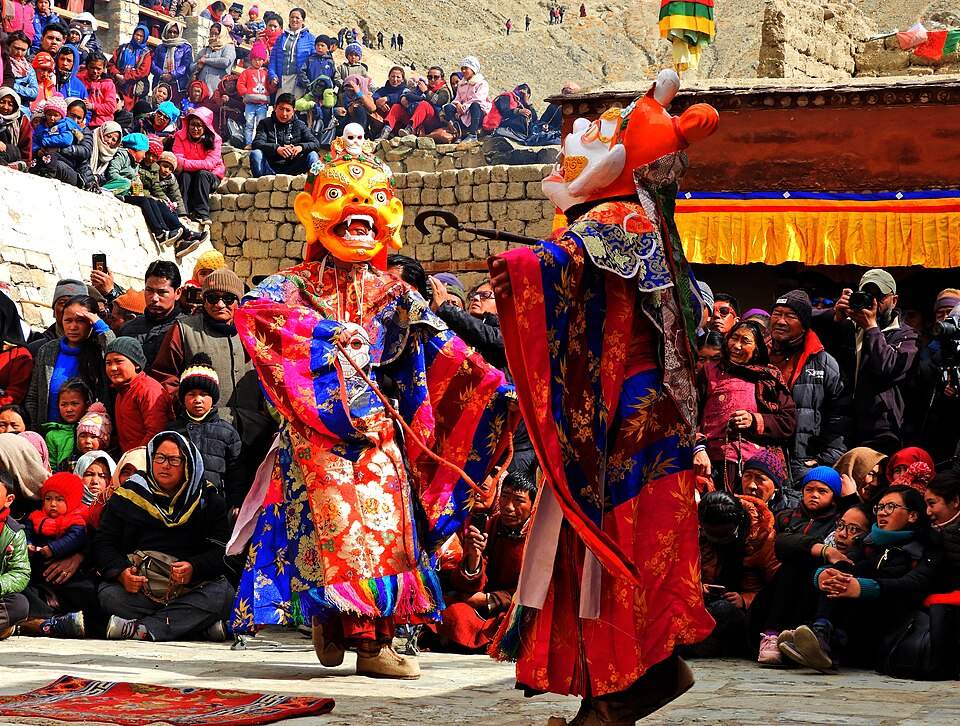
The best time to visit Ladakh for photography is from late June to September, when the roads are open, the skies are clear, the lakes turn deep blue, and cultural life reaches its peak. That offers the widest range of photographic opportunities in a single trip.
Introduction
Ladakh never looks the same twice.
A mountain pass that feels lifeless in one month can appear surreal in another. Lakes shift from frozen white to electric blue, monasteries glow differently with seasonal light, and even the sky changes character with altitude and weather.
That is why timing is the single most important decision for photography in Ladakh.
Many photographers arrive with the right gear but at the wrong time—only to face closed roads, harsh light, empty landscapes, or missed locations. Others visit during the right window and return with images that look unreal, even without heavy editing.
So, when exactly is the best time to visit Ladakh for photography?
The answer depends on what you want to capture—vast landscapes, mirror-like lakes, monks and festivals, Milky Way skies, or snow-covered terrain.
There is no universal “perfect month,” but there is a perfect window for every photography style.
This guide is based on seasonal access patterns, light conditions, and real-world photography planning considerations for Ladakh.
This guide breaks Ladakh down month by month, from a photographer’s perspective, not a tourist brochure.
Whether you shoot with a smartphone or a professional camera, this article will help you choose the exact timing that turns effort into portfolio-worthy images.
What Is the Best Time to Visit Ladakh for Photography?
The best time to visit Ladakh for photography is from late June to September, when the roads are open, the skies remain clear, and the landscapes, lakes, and monasteries are fully accessible. During these months, photographers get the best combination of vibrant colors, stable weather, and varied shooting opportunities across Ladakh.
Why the Right Season Matters for Photography in Ladakh
Choosing the right season in Ladakh is not a travel preference; it is a technical photography decision. Light behavior, physical access, and landscape colors all change sharply with seasons. And they are directly affecting image quality and shooting possibilities.
High-Altitude Light & Atmospheric Conditions
At high altitude, light behaves differently. At higher altitudes, light becomes harsher, clearer, and more contrast-heavy depending on the season.
Ladakh sits at over 3,000 meters above sea level. At that height, the atmosphere is thinner and scatters less light. During peak summer months (June–September), this results in exceptional clarity, deep blue skies, and well-defined mountain edges. In contrast, winter and early spring bring flatter light, haze, and frequent cloud cover, that is limiting dynamic range and color depth.
Season also affects shadow length and color temperature. Summer mornings and evenings produce long, soft shadows ideal for landscape photography, while midday light can be unforgiving if visited at the wrong time of year.
The right season ensures balanced light, clearer skies, and higher image sharpness, which are critical for professional-quality photography in Ladakh.
Road Accessibility & Location Availability
Even the best photography season is useless if key locations are inaccessible.
Many of Ladakh’s most iconic photography spots, such as high mountain passes, remote valleys, and alpine lakes, are seasonally accessible.
From late October to early May, snowfall closes major roads. Snowfall is cutting off areas like Pangong Lake, Nubra Valley, and Tso Moriri for long periods.
From late June onward, roads reopen, allowing photographers to reach diverse terrains in a single trip.
This seasonal accessibility directly determines whether you can capture wide-angle landscapes, lake reflections, or high-altitude panoramas—or be limited to a few nearby locations.
Timing your visit correctly ensures full access to Ladakh’s most photogenic locations. The right time visit maximizes variety and creative freedom.
Seasonal Color Changes in Ladakh Landscapes
Ladakh’s color palette transforms dramatically with the seasons. That reshapes every photograph.
In early summer, melting snow creates striking contrasts between white peaks, brown mountains, and emerging greenery.
Mid-summer adds vivid blues to lakes and skies. September introduces golden grasslands and warm earth tones. Winter strips the landscape down to monochrome whites and greys. Winter offers minimalism but limited diversity.
These seasonal shifts affect not only aesthetics but also storytelling. A photograph taken in July conveys scale and vibrancy, while one taken in September emphasizes mood and stillness. Choosing the wrong season can flatten compositions or remove visual contrast entirely.
Seasonal timing defines Ladakh’s colors, contrast, and emotional tone. The timing makes it a decisive factor in impactful photography.
Ladakh Photography by Month – What You Can Capture
This month-by-month guide explains exactly what you can and cannot photograph in Ladakh. This section is based on weather, access, and real shooting conditions and not assumptions. Each period offers distinct opportunities and trade-offs.
May to Early June – Snow-Capped Drama
May to Early June is the transition period when winter retreats. This period reveals dramatic snow-covered mountains under clear skies.
Visual conditions:
High peaks remain snow-laden. That creates a strong contrast against dark rock faces. The sky is usually clean and intensely blue due to low atmospheric moisture, though valley floors can appear dry and muted.
Accessibility:
Road access is partial. Some high passes reopen late, and locations like Pangong Lake or Nubra Valley may still be inaccessible or reachable only toward the end of this period. Travel plans often require flexibility.
Photography strengths:
- Snow-textured mountains
- High-contrast wide-angle shots
- Minimal tourist presence
Limitations:
- Limited access to key lakes
- Cold mornings restrict long shoots
- Fewer color variations in landscapes
May to early June is ideal for dramatic mountain photography, but unsuitable if your focus is on lakes and full regional access.
Late June to July – Peak Landscape Photography (Best Overall)
This is the most reliable and visually rewarding period for photography across Ladakh.
Lakes, valleys, skies:
Iconic locations such as Pangong Lake, Nubra Valley, and Tso Moriri are fully accessible. Lakes display deep blues. During this period, valleys show fresh greenery, and skies remain largely cloud-free. That offers balanced light throughout the day.
Ideal photography styles:
- Landscape and panoramic photography
- Reflection shots at lakes
- Travel storytelling with wide compositions
Light during early mornings and late evenings is especially forgiving, producing depth without harsh shadows.
Late June to July offers the best balance of access, light, and color. This is the right time to make it the top choice for most photographers.
August – Cultural & Festival Photography
August introduces human stories and cultural depth into Ladakh’s photographic landscape.
Monasteries:
Active monasteries become visual focal points. By this month, monasteries are active with rituals and daily life, adding context beyond scenery. Natural light inside monasteries is softer during this period due to occasional cloud cover.
Portraits:
Local festivals and gatherings allow candid portrait opportunities. The people showcase traditional attire and expressions that are otherwise difficult to capture.
Events:
Major cultural festivals, including masked dances, take place in August. It offers motion, color, and narrative-rich scenes.
August is the best month for photographers interested in people, culture, and storytelling rather than pure landscapes.
September – Autumn Colors & Astrophotography
September delivers cleaner air, fewer tourists, and some of the best night skies in Ladakh.
Milky Way:
Reduced atmospheric moisture and longer nights improve visibility of the Milky Way. The visible Milky Way makes this month ideal for astrophotography away from settlements.
Fewer crowds:
Tourist numbers drop significantly, allowing uninterrupted compositions at popular locations and greater flexibility in framing.
Sharp light:
The sun angle lowers. It creates crisp textures and warm tones across grasslands and mountain slopes.
September is a favorite among experienced photographers seeking clarity, solitude, and night-sky photography.
October to April – Winter Photography (Experts Only)
Winter transforms Ladakh into a monochrome. The extreme environment is suited only for highly skilled photographers.
Snow & frozen landscapes:
Frozen Rivers, snowbound monasteries, and stark white landscapes dominate the frame. It offers minimalist compositions rarely seen in other seasons.
Travel risks:
Most roads close, temperatures drop well below freezing, and accommodation options become limited. Equipment failure due to cold is common.
Skill level required:
Photographers must be experienced in extreme weather shooting, acclimatization, and logistics planning.
Winter photography in Ladakh is visually unique but demands advanced skills, preparation, and risk tolerance.
Best Season in Ladakh Based on Photography Goals
Different photography styles demand different environmental conditions. Choosing the right season based on your photography goal ensures you return with usable, high-quality images rather than missed opportunities.
Landscape & Lake Photography
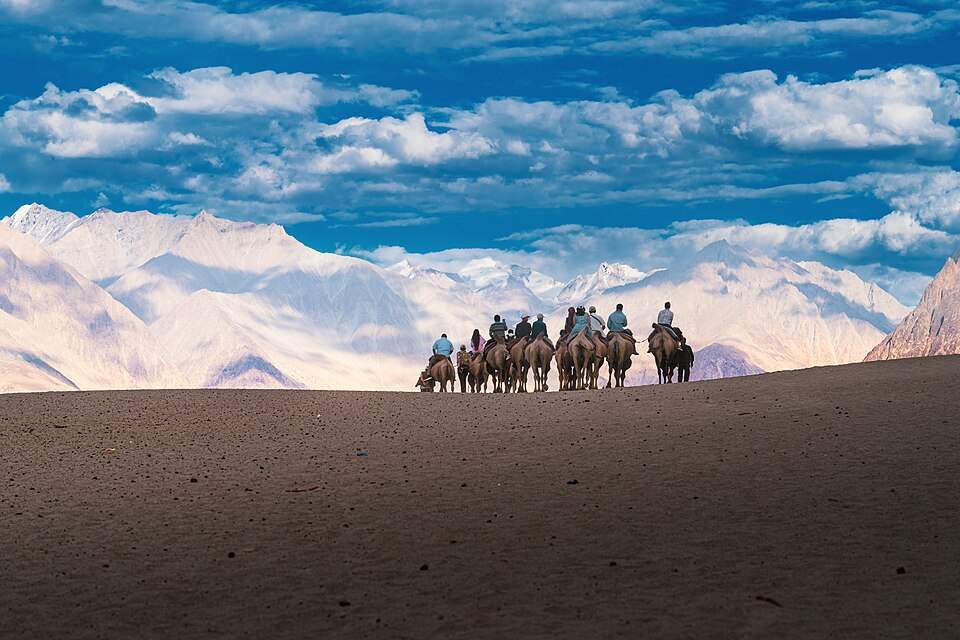 Landscape and lake photography in Ladakh depends heavily on road access, water levels, and sky clarity.
The most photogenic lakes, Pangong Tso and Tso Moriri, are fully accessible only during summer. From late June to July, snowmelt fills these lakes. That is intensifying blue tones and producing clean reflections during early mornings. Valleys show subtle greenery. That creates contrast against barren mountains and adds depth to wide-angle compositions.
Earlier months lack access, while later months reduce water vibrancy. Midday light can be harsh. But golden hours remain consistent during this period.
For landscapes and lake reflections, late June to July offers the most reliable conditions and visual impact.
Cultural & Portrait Photography
Human activity, festivals, and monastic life in Ladakh follow a seasonal rhythm.
August is when monasteries host major festivals, attracting monks, performers, and local communities. Natural light is softer due to partial cloud cover. The soft light helps to reduce harsh shadows on faces. Portrait photographers benefit from the presence of traditional clothing, ceremonial masks, and authentic interactions rarely seen outside festival season.
Outside this window, cultural activity becomes limited, and opportunities for meaningful portraits decline.
August is the best season for cultural and portrait photography. This month offers storytelling depth beyond landscapes.
Astrophotography & Night Sky
Clear skies, low humidity, and minimal light pollution are essential for night photography.
September offers optimal conditions for astrophotography in Ladakh. Tourist numbers drop, artificial lights reduce, and the atmosphere becomes crisper after the monsoon influence fades.
Longer nights and stable weather improve the visibility of stars and the Milky Way in remote areas away from towns.
Earlier months have shorter nights, while winter introduces extreme cold that complicates long exposures.
For Milky Way and night-sky photography, September provides the clearest skies and safest conditions.
Snow & Extreme Weather Photography
Snow photography requires both visual readiness and technical endurance.
From December to February, Ladakh becomes a frozen landscape. Snow-covered monasteries, icy rivers, and stark mountain forms dominate the scene.
However, equipment performance drops in extreme cold, batteries drain rapidly, and access is highly restricted.
This season demands prior experience in cold-weather photography and survival logistics.
Winter is suitable only for experienced photographers seeking extreme, minimalist snow imagery.
Crowd-Free Photography
Crowds limit composition freedom and disrupt natural framing.
September is the most balanced month for photographers who want quiet locations without sacrificing accessibility.
Tourist traffic declines sharply after August, yet roads remain open, and the weather stays stable. This allows uninterrupted shooting at popular sites during golden hours.
Early summer also has fewer crowds, but limits access. That makes September the better choice overall.
For crowd-free yet fully accessible photography, September is the ideal month.
Quick Reference Table
| Photography Goal | Best Time to Visit Ladakh |
| Landscape & lakes | Late June – July |
| Cultural & portraits | August |
| Astrophotography | September |
| Snow photography | December – February |
| Minimal crowds | September |
Light and Weather Conditions Photographers Should Know
Understanding light and weather in Ladakh is essential because small environmental changes produce large visual differences at high altitude. Planning shoots around these factors improves consistency, color accuracy, and overall image quality.
Best Time of Day for Photography in Ladakh
At high altitude, sunlight is harsher and more direct. That is making timing more critical than camera settings.
Early mornings and late afternoons are the most reliable windows for photography in Ladakh. During these hours, the sun stays low. That is softening shadows and enhancing texture on mountains and monasteries. Golden hour light creates depth without blowing highlights, especially around lakes and wide valleys.
Midday light, particularly between 11 a.m. and 3 p.m., is intense due to thin atmospheric filtering. This often results in clipped highlights, harsh shadows, and reduced color fidelity, especially in summer months.
For controlled light and balanced exposure, shoot during early morning and late evening, and avoid midday whenever possible.
Cloud Patterns & Sky Colors by Season
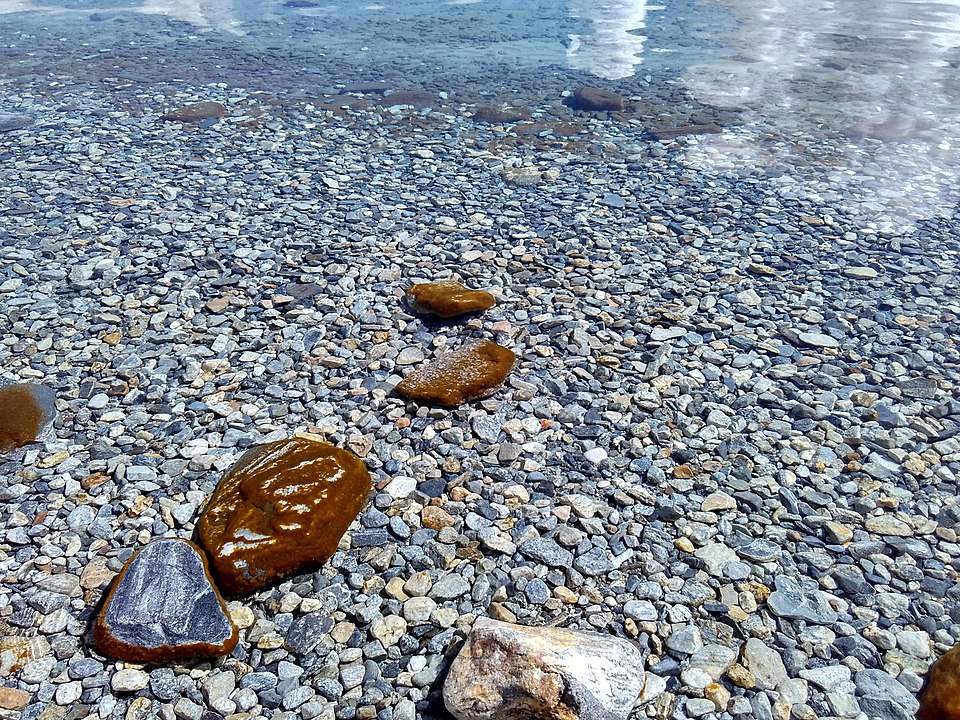 Sky conditions determine mood, contrast, and color balance in landscape photography.
From late June to July, skies are typically clear with deep blue tones. The clear sky with a deep blue tone offers clean backdrops for mountain silhouettes and reflections. August introduces intermittent cloud formations. The cloud formation can add drama but also reduce predictability. These clouds soften light and occasionally enhance color gradients during sunrise and sunset.
By September, atmospheric moisture drops, resulting in sharper skies and cooler tones. September is ideal for crisp landscapes and night photography. Winter skies are often pale or overcast. That limits color richness but enhances minimalist compositions.
Clear summer skies favor classic landscapes, while late-season skies offer sharper contrast and creative cloud textures.
Wind, Dust, and Reflection Challenges
Wind and dust directly affect sharpness, reflections, and long-exposure stability.
Afternoons in Ladakh frequently bring strong winds near lakes and open plains. This disturbs water surfaces. It reduces reflections and makes tripod use difficult. Dust kicked up by vehicles or wind can lower clarity and introduce unwanted haze in images.
Mornings are generally calmer, offering smoother lake surfaces and cleaner air. Weather shifts can occur quickly, so planning flexible shooting windows is essential.
To capture clean reflections and sharp images, prioritize calm mornings and plan around afternoon wind patterns.
Photography Gear Tips for Ladakh’s Harsh Conditions
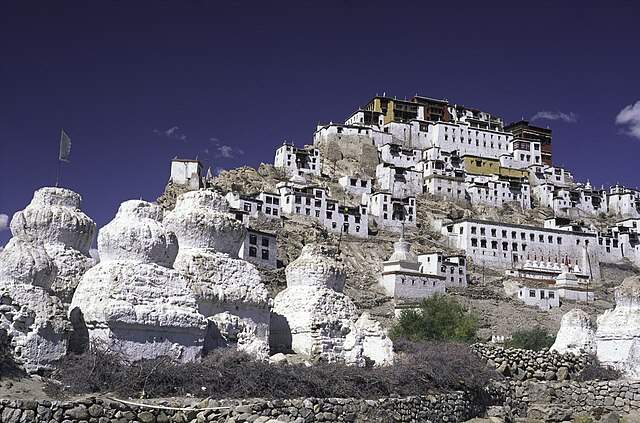 Ladakh’s altitude, cold, and dust place unusual stress on photography equipment. Choosing the right gear and preparing it correctly can be the difference between coming back with usable images or technical failures.
Lenses for Landscapes, Portraits & Stars
Lens choice determines how effectively you can translate Ladakh’s scale, people, and night skies into photographs.
A wide-angle lens (typically 16–35mm on full frame) is essential for capturing expansive valleys, layered mountains, and lake reflections. For portraits and monastery details, a standard or short telephoto lens (35–85mm) provides a natural perspective without compressing facial features.
For astrophotography, a fast wide lens (f/2.8 or wider) improves light capture and reduces exposure time. That is critical in cold environments where long exposures strain batteries.
Carry at least one wide-angle lens and one mid-range lens to cover landscapes, portraits, and night photography efficiently.
Filters for Lakes and Skies
Filters help control contrast and reflections that are otherwise unmanageable in high-altitude light.
A circular polarizing filter is particularly useful in Ladakh. It reduces glare on lakes, deepens sky color, and enhances contrast in cloud formations. However, overuse can make skies appear unnaturally dark, so adjustments should be subtle.
Neutral density filters are helpful for long exposures of flowing water or clouds, but they are optional unless you plan creative motion shots.
A polarizing filter is the most valuable accessory for Ladakh photography. That is improving both the skies and the water surfaces.
Battery, Storage & Protection Tips
Cold temperatures and dust can quickly disable unprotected gear.
Batteries drain significantly faster in cold weather, especially during early mornings and night shoots. Carry multiple fully charged batteries and keep spares warm inside inner pockets. High-capacity memory cards reduce the need to swap cards in dusty conditions.
Weather-sealed camera bodies and lenses perform better. But basic protection, such as lens covers and dry bags, is still necessary due to sudden weather changes and fine dust.
Extra batteries, ample storage, and basic weather protection are essential for uninterrupted shooting in Ladakh.
Mistakes Photographers Make When Visiting Ladakh
Many photography trips to Ladakh fail not because of poor equipment, but due to avoidable planning and execution mistakes. Understanding these errors helps protect both image quality and personal safety.
Seasonal Misjudgment
Choosing the wrong month can make key photography locations unreachable. Photographers often assume Ladakh is accessible year-round, only to discover closed roads or frozen lakes upon arrival.
Visiting too early in the season can limit access to Pangong Lake or Nubra Valley. While visiting too late risks weather disruptions and road closures.
A mismatch between photography goals and season results in missed shots, rushed schedules, and compromised compositions.
Align your visit with the correct season to ensure full access to Ladakh’s most photogenic locations.
Over-Saturation Edits
Over-editing can reduce image credibility and visual impact.
Ladakh’s naturally blue skies and lakes tempt photographers to push saturation excessively during post-processing. This often leads to unnatural color tones, clipped details, and images that appear unrealistic on calibrated displays.
Search engines and editorial platforms increasingly favor authentic-looking imagery. That makes restrained editing more effective for long-term visibility.
Preserve natural colors and tonal balance to maintain authenticity and professional image quality.
Ignoring Acclimatization
Poor acclimatization affects both health and creative output.
High altitude can cause fatigue, headaches, and reduced concentration. Photographers who rush into intensive shooting schedules often experience slower reaction times and poor decision-making. Acclimatization leads to missed moments and technical mistakes.
Allowing at least one full day for acclimatization improves physical performance and creative focus.
Proper acclimatization is essential for consistent shooting and personal safety in Ladakh.
Poor Timing Choices
Even the right season can fail if shooting times are poorly planned.
Midday shooting under harsh light results in flat images and extreme contrast. Arriving late to popular locations during golden hour often means crowded frames and compromised angles.
Successful photography in Ladakh requires disciplined scheduling around light conditions and location access.
Plan shoots around early mornings and late evenings to maximize light quality and composition flexibility.
Quick Guide: Best Month to Visit Ladakh for Photography
If you want a fast, reliable decision without reading the full guide, this selector matches your photography goal to the right month in seconds.
Fast Decision Aid (Mini-Table)
| Your Photography Goal | Best Month(s) | Why It Works |
| Classic landscapes & blue lakes | Late June – July | Full road access, filled lakes, clear skies |
| Snow-capped mountains (without extreme winter) | May – Early June | Residual snow with improving light |
| Culture, monasteries & portraits | August | Festivals, daily monastic life, softer light |
| Milky Way & night sky | September | Crisp air, fewer lights, longer nights |
| Crowd-free compositions | September | Tourist drop-off with stable weather |
| Extreme snow & frozen scenes | Dec – Feb | Minimalist winter landscapes (experts only) |
One-Line Month Selector (Ultra-Skimmable)
- June–July: Best overall photography conditions.
- August: Best for people, culture, and festivals.
- September: Best for night sky and quiet landscapes.
- May: Best for snow drama with limited access.
- Winter: Best for extreme, minimalist photography only.
Choose late June to July for the safest, most versatile photography. August is best for the cultural storytelling type. And September best suits for stars, solitude, and sharp light. Everything else is specialized and skill-dependent.
Exact Locations in Ladakh + Best Months for Photography
This section removes ambiguity by matching Ladakh’s most photographed locations with their optimal shooting months, based on access, light, and visual conditions.
Pangong Lake – Best Time: Late June to July
Pangong Lake’s color, reflections, and accessibility change drastically by month.
From late June to July, the lake is fully accessible and filled by snowmelt, producing its signature deep blue tones. Morning hours during this period offer the calmest water surfaces. Calm water makes reflections more predictable. Earlier months risk partial freezing or road closures. While later months reduce water vibrancy and clarity.
Late June to July is the most reliable window for photographing Pangong Lake at its visual peak.
Nubra Valley – Best Time: July to August
Nubra Valley’s sand dunes, greenery, and contrast depend on seasonal melt and accessibility.
July and August bring maximum accessibility to Nubra Valley, with sand dunes clearly defined against the surrounding mountains. Vegetation peaks during this period. That is adding color contrast that enhances wide-angle compositions. Early mornings provide soft light over dunes. And late afternoons add texture and depth.
July to August is ideal for capturing Nubra Valley’s sand dunes and valley contrasts.
Tso Moriri – Best Time: July
Tso Moriri is more remote and weather-sensitive than Pangong Lake.
July offers the best balance of road access, stable weather, and full lake levels at Tso Moriri. During this month, the skies are clearer, and the wind conditions are calmer in the mornings. Clear sky and calm winds improve chances for clean reflections. Early or late-season visits often face access uncertainty.
July is the safest and most visually rewarding month for photographing Tso Moriri.
Ladakh Monasteries – Best Time: August
Monastery photography depends more on human activity and festivals than on landscapes.
August coincides with major monastic festivals and increased daily activity. Masked dances, ceremonial attire, and communal gatherings provide storytelling opportunities not available in other months. Light is slightly diffused due to intermittent cloud cover. That benefits portraits and architectural details.
August is the best month to photograph Ladakh’s monasteries, monks, and cultural life.
Quick Location-to-Month Reference Table
| Location | Best Month(s) | Primary Photography Benefit |
| Pangong Lake | Late June – July | Deep blue color, reflections |
| Nubra Valley | July – August | Sand dunes, greenery contrast |
| Tso Moriri | July | Access + stable conditions |
| Monasteries | August | Festivals, portraits, rituals |
Mapping exact Ladakh locations to their best photography months captures highly specific search intent and helps photographers plan with precision. That is further reducing guesswork and improving real-world results.
If you want, the next strongest gap to fill would be a 5–7 day photography itinerary mapped to these locations, which further increases dwell time and ranking strength.
Mobile & Smartphone Photography in Ladakh
A significant share of travel photos today, especially those shown in Google Discover, are captured on smartphones.
Is Ladakh Good for Smartphone Photography?
Smartphone cameras perform best in bright, contrast-controlled environments.
Yes, Ladakh is well-suited for smartphone photography during peak season. Strong natural light, clear skies, and wide landscapes allow modern phone cameras to capture sharp images without manual controls. However, extreme contrast and midday glare can challenge phone sensors.
Ladakh is smartphone-friendly when visited in the right season and light conditions.
Best Months for Smartphone Photography in Ladakh
Phone cameras struggle in harsh or low light, making seasonal timing critical.
Late June to August offers the most forgiving conditions for smartphone users. During these months, light levels are high, locations are accessible, and weather remains stable. Early mornings and late afternoons further reduce contrast issues.
June to August is the best period for smartphone photography in Ladakh.
When HDR Works Best in Ladakh
HDR helps phones balance bright skies and dark terrain.
HDR mode performs best during July and August, when skies are clear, but cloud cover occasionally softens contrast. This allows phones to preserve details in both highlights and shadows without overprocessing.
Use HDR mainly in July–August and avoid it during harsh midday light.
Smartphone photographers can capture high-quality images in Ladakh by visiting between June and August, shooting during softer light, and using HDR selectively, expanding the article’s relevance without weakening its authority.
Permits & Photography Restrictions in Ladakh
Knowing where photography is restricted prevents legal issues, denied access, and wasted shooting opportunities.
Restricted Zones & Sensitive Areas
Ladakh is a border-sensitive region with military presence.
Photography is restricted near military bases, border roads, airstrips, and checkpoints. Cameras are often prohibited in these areas, regardless of the season. Always follow signage and instructions from security personnel.
Avoid photography near military and border-sensitive zones to prevent confiscation or fines.
Monastery Photography Rules
Cultural respect determines access inside religious spaces.
Many monasteries allow photography only in outdoor areas. Indoor photography during prayers is often restricted or requires permission. Flash photography is commonly prohibited.
Always ask before photographing inside monasteries and respect local rules.
Drone & Aerial Photography Restrictions
Drone use is tightly regulated in Ladakh.
Drones are restricted near borders, monasteries, and towns. Special permissions may be required, and recreational drone flying is often not allowed for tourists.
Drone photography in Ladakh is limited and should not be assumed to be permissible.
Permits & Seasonal Access Impact on Photography
Permits determine whether photographers can reach key locations.
Inner Line Permits are required for places like Pangong Lake and Nubra Valley. These areas become accessible mainly from late June to September, depending on road conditions.
Secure permits in advance and plan photography trips during open-road seasons.
Understanding permits and photography restrictions in Ladakh protects your trip, builds trust, and ensures uninterrupted shooting. That is key for both safety and successful photography outcomes.
Weather Failure Scenarios in Ladakh (What to Do When Conditions Fail)
Real photography success depends on having backup plans when the weather disrupts ideal conditions.
What to Do If Clouds Ruin Landscape Shots
Cloud cover can flatten landscapes and hide mountain detail.
When heavy clouds block peaks, shift focus to monasteries, villages, and close-range compositions. Overcast light reduces contrast, which is ideal for architectural details and portraits without harsh shadows.
Use cloudy conditions for culture, details, and storytelling instead of wide landscapes.
Cloudy August? Shift to Culture & Portraits
August often brings intermittent cloud cover.
If skies turn dull, redirect shooting to monastery interiors (where permitted), festivals, monks, and daily life. Soft light during cloudy days improves skin tones and fabric textures.
August clouds are an advantage for portrait and cultural photography.
Windy Afternoons? Avoid Lakes and Go Close
Wind destroys reflections and tripod stability.
Strong afternoon winds are common near the lake. That makes reflection shots unreliable. Instead, shoot indoor monastery details, prayer wheels, murals, or sheltered streets until conditions calm.
Avoid open landscapes during wind; focus on sheltered subjects.
Sudden Weather Changes? Adjust Timing, Not Location
The weather in Ladakh changes faster than travel routes.
If the weather deteriorates suddenly, wait for early morning or late evening windows rather than abandoning locations entirely. Light often improves briefly around sunrise or sunset.
Flexible timing often saves a shoot even when conditions shift.
Experienced photographers plan for failure scenarios—using clouds, wind, and weather shifts to change subjects, not cancel shoots. This adaptability separates productive Ladakh trips from disappointing ones.
Sample 5–7 Day Photography Itinerary in Ladakh
A clear day-by-day plan turns timing advice into actionable results. Clear sky helps photographers maximize light, access, and recovery time.
5-Day Photography Plan (July – Best Overall Conditions)
July offers full access, stable weather, and predictable light—ideal for a compact plan.
- Day 1: Arrive Leh → acclimatization, evening cityscapes
- Day 2: Leh monasteries → sunset viewpoints
- Day 3: Nubra Valley → sand dunes at sunrise, village details
- Day 4: Pangong Lake → sunrise reflections, mid-day scouting
- Day 5: Return to Leh → buffer shots, backups
This 5-day plan prioritizes iconic landscapes with minimal risk and maximum efficiency.
7-Day Photography Plan (September – Pro & Crowd-Free)
September rewards slower pacing, cleaner light, and night photography.
- Day 1: Leh → acclimatization, blue-hour streets
- Day 2: Local monasteries → portraits and rituals
- Day 3: Nubra Valley → dunes + golden-hour landscapes
- Day 4: Pangong Lake → sunrise, long compositions
- Day 5: Tso Moriri → wide panoramas, calm mornings
- Day 6: Night-sky shoot → Milky Way (remote area)
- Day 7: Return to Leh → final edits & reshoots
The 7-day plan maximizes quality, solitude, and creative control—ideal for serious photographers.
Use July for a fast, reliable 5-day shoot and September for a deeper 7-day photography experience—both plans reduce guesswork and improve results.
People Also Ask: Best Time to Visit Ladakh for Photography
What is the best month to visit Ladakh for photography?
The best month depends on what you want to photograph.
Late June and July are best for landscapes and lakes. August month is for culture, and September is for the night sky and fewer crowds.
June–July is best overall; September is best for clarity and stars.
Is July a good time for photography in Ladakh?
July offers the most reliable access and weather for photographers.
Yes, July has clear skies, open roads, and vibrant lakes, though popular spots can be crowded during midday.
July is excellent for photography if you shoot early mornings or evenings.
Can you do photography in Ladakh during winter?
Winter photography in Ladakh is possible but highly challenging.
From December to February, extreme cold and road closures limit access. Extreme cold makes it suitable only for experienced photographers.
Winter photography is a niche and not recommended for beginners.
Which season is best for Pangong Lake photography?
Lake color and access determine Pangong photography quality.
Pangong Lake looks best from late June to July when it is fully accessible and displays deep blue tones.
Late June to July is the best season for Pangong Lake photos.
Is September good for photography in Ladakh?
September balances access, light quality, and low crowds.
Yes, September offers sharp light, fewer tourists, and excellent conditions for astrophotography.
September is ideal for serious and crowd-free photography.
What time of day is best for photography in Ladakh?
High-altitude light is harsh during midday.
Early morning and late afternoon provide softer light and better contrast.
Golden hours are best; avoid midday shooting.
Final Verdict – The Best Time for Your Photography Style
The best time to visit Ladakh for photography ultimately depends on your experience level and what you want to capture, not on a single “perfect” month.
Below are three clear, no-confusion recommendations based on photographer type.
For Beginners & First-Time Photographers
If you want reliable weather, full access, and minimal technical challenges, this window offers the highest success rate.
Best time: Late June to July
During this period, Ladakh delivers stable light, open roads, and visually rich landscapes without extreme conditions. Lakes are full, skies are clear, and popular locations are accessible without advanced planning. Beginners benefit from predictable shooting windows and forgiving environmental conditions.
Late June to July is the safest and most rewarding time for first-time photographers visiting Ladakh.
For Experienced & Professional Photographers
If you prioritize image quality, solitude, and creative control, timing becomes a strategic choice.
Best time: September
September offers fewer crowds, sharper light, and excellent night-sky conditions. The reduced tourist presence allows uninterrupted compositions, while cleaner air improves clarity and contrast. This period suits photographers who are comfortable with planning around shorter daylight and cooler temperatures.
September is the best choice for professionals seeking refined landscapes and astrophotography opportunities.
For Culture & Storytelling-Focused Photographers
If people, rituals, and daily life matter more than empty landscapes, then timing must align with cultural activity.
Best time: August
August is when Ladakh’s monasteries, villages, and festivals come alive. Masked dances, communal gatherings, and traditional attire provide narrative-rich scenes. Light is slightly softer due to cloud patterns, which benefits portrait and documentary-style photography.
August is the ideal month for capturing Ladakh’s cultural depth and human stories.
Overall Recommendation (Clear Takeaway)
If you need one clear answer without overthinking.
- Best overall: Late June – July
- Best for quality & stars: September
- Best for culture: August
Choose your month based on your photography intent; Ladakh rewards precision in timing more than any other travel decision.
FAQs – Ladakh Photography Timing
These FAQs are crafted to capture extra SERP real estate by answering common, high-intent questions photographers search for before planning a Ladakh trip.
Is July too crowded for photography in Ladakh?
Crowds directly affect composition freedom, shooting angles, and time spent waiting for clean frames.
July is the busiest month in Ladakh due to ideal weather and full road access. Popular locations like Pangong Lake and Nubra Valley can feel crowded during midday. However, photographers who shoot early mornings and late evenings can still capture clean, crowd-free frames.
July is crowded during peak hours, but disciplined timing makes high-quality photography still achievable.
Can you photograph Pangong Lake in May?
Access determines whether a photography plan is even possible.
In most years, Pangong Lake remains partially or fully inaccessible in May due to snow-covered passes. When access is possible late in the month, the lake may still be partially frozen, limiting reflections and color depth.
May is unreliable for Pangong Lake photography; late June onward is safer and more visually rewarding.
Is Ladakh good for photography in September?
Many photographers seek clarity, solitude, and night-sky conditions rather than peak-season visuals.
September is one of the best months for photography in Ladakh. Tourist numbers drop, air clarity improves, and night skies become darker. Landscapes shift toward warmer tones, and shooting locations are quieter.
Yes—September is excellent for landscape, astrophotography, and crowd-free shooting.
Is winter photography in Ladakh worth it?
Winter photography involves high risk and limited access, making it unsuitable for most travelers.
From October to April, Ladakh experiences extreme cold, closed roads, and restricted movement. While winter offers unique snow-covered scenes and frozen rivers, it demands advanced planning, cold-weather gear, and prior experience.
Winter photography is visually unique but only worthwhile for experienced photographers prepared for extreme conditions.
What is the best month for beginners to photograph Ladakh?
Beginners benefit from stable weather, open roads, and forgiving light.
Late June to July offers the most predictable conditions, full access to key locations, and balanced light throughout the day. This reduces technical and logistical challenges for first-time visitors.
Late June to July is the best time for beginners to photograph Ladakh confidently.
Does Ladakh have good light for photography all day?
High-altitude light behaves differently from that at lower elevations.
Ladakh’s midday light is harsh due to the thin atmosphere, often causing blown highlights and deep shadows. Early mornings and late afternoons provide softer, more controlled light ideal for photography.
No—shoot during golden hours for best results; avoid midday whenever possible.
Are drones allowed for photography in Ladakh?
Legal restrictions can invalidate an entire photography plan.
Drone usage in Ladakh is restricted, especially near border areas, monasteries, and military zones. Special permissions are often required and may not be granted to tourists.
Drone photography in Ladakh is limited and regulated—always verify permissions before planning.
Final FAQ Takeaway
Clear answers reduce planning mistakes and improve photography outcomes.
Most photography challenges in Ladakh stem from timing misconceptions, not skill or gear. Aligning your visit with the right month eliminates the majority of problems photographers face.
Choose your timing wisely—late June to July for reliability, August for culture, and September for clarity and stars.
