

Introduction
Some places in the world have water so clear and blue that it looks unreal.
You see shades of turquoise, deep blue, and crystal clarity in one view.
Travelers often search for these destinations because the photos look almost edited.
But these places are real, and you can visit them with the right planning.
The clearest blue water usually appears in locations like the Maldives, Bora Bora, and Palawan.
These regions have clean ecosystems, white sand, and calm waters.
But not every “blue water” destination looks the same.
Some places offer shallow, glowing turquoise lagoons.
Others show deep, rich blue tones near cliffs or reefs.
So how do you choose the right place?
This guide lists the top 15 places with the clearest blue water in the world.
It also explains why the water looks this way and when to visit.
By the end, you will know:
- Where to see the clearest blue water
- When to visit for the best visibility
- Which destination fits your travel style
If you want clear, practical answers, you are in the right place.
What Are the Places With the Clearest Blue Water in the World?
The places with the clearest blue water in the world include destinations like the Maldives, Bora Bora, Palawan, Navagio Beach, and Exuma. These locations are known for crystal-clear visibility, white sand seabeds, and minimal pollution that enhance vibrant blue tones.
Why Does Water Look So Blue and Clear in These Places?
Clear blue water forms when light, seabed, and water purity align perfectly.
These places are not random. They share similar natural conditions.
You usually see this effect in locations like the Maldives or Bora Bora.
They have shallow lagoons, clean ecosystems, and stable weather.
Understanding this helps you choose the right destination and timing.
Light Absorption and Reflection Explained
Sunlight contains many colors, but water filters them quickly.
Red, orange, and yellow wavelengths disappear within the first few meters.
Blue light travels deeper and reflects back to your eyes.
That is why oceans appear blue instead of colorless.
In very clear water, this effect becomes stronger and more visible.
There are fewer particles to scatter or block the light.
Calm water acts like a mirror and enhances brightness.
You get sharp reflections and richer blue tones.
But murky water absorbs more light and looks green or brown.
So clarity directly affects how blue the water appears.
According to the NOAA, water color depends on how light interacts with particles and depth in the ocean.
Role of White Sand and Coral Reefs
The seabed controls how light behaves underwater.
White sand reflects sunlight back through the water column.
This reflection creates that glowing turquoise effect in shallow areas.
You see this clearly in places like Palawan.
Dark seabeds absorb light instead of reflecting it.
So the water looks deeper blue or even dull.
Coral reefs also play an important role.
They act as natural filters and stabilize the ecosystem.
Reefs reduce sediments and prevent water from turning cloudy.
They also slow down currents, which keeps the water calm.
Healthy reefs often mean clearer water and better visibility.
Why Some Waters Look Turquoise vs Deep Blue
Water color changes based on depth, seabed, and sunlight angle.
It is not a fixed color.
Shallow lagoons with white sand produce bright turquoise shades.
These areas scatter light evenly and look almost glowing.
Mid-depth water shows a balanced blue tone.
It appears clean, bright, and visually rich.
Deep water absorbs most light except blue wavelengths.
So it looks darker and more intense.
Cliffside beaches, like Navagio Beach, often show electric blue water.
Minerals and depth create a high-contrast effect.
So turquoise means shallow and reflective.
Deep blue means depth and light absorption.
Best Conditions to See the Bluest Water
Even the best destination can look average under poor conditions.
Timing and weather make a big difference.
For the clearest and bluest water:
- Visit during the dry season when sediments are low
- Choose calm days with little wind
- Aim for midday sunlight for maximum brightness
Rain and storms disturb sediments and reduce clarity.
Wind creates waves that scatter light and reduce reflection.
Sun angle also matters more than most people think.
When the sun is high, light penetrates directly into the water.
Early morning and evening light comes at an angle.
So colors look softer and less vibrant.
If your goal is photography or snorkeling, timing is critical.
Clear sky + calm water + strong sunlight gives the best results.
Key Takeaway
Clear blue water is not luck.
It depends on light behavior, clean ecosystems, and seabed reflection.
If you choose the right place and the right time,
you will see water that looks unreal in real life.
Marine ecosystems protected by organizations like the UNESCO help maintain water clarity and biodiversity.
Top 15 Places With the Clearest Blue Water in the World
Not all blue water looks the same.
Some places show bright turquoise lagoons, while others have deep ocean blue.
This list focuses on destinations where water clarity and color stand out clearly.
You will find a mix of tropical islands, beaches, and coastal regions.
Each place is selected based on visibility, seabed conditions, and overall experience.
We also include how to reach, the best time to visit, and who it suits.
Start with Southeast Asia, where some of the clearest lagoons exist.
Top 15 Places With the Clearest Blue Water in the World
1. Palawan, Philippines
Location: Palawan
What makes it unique
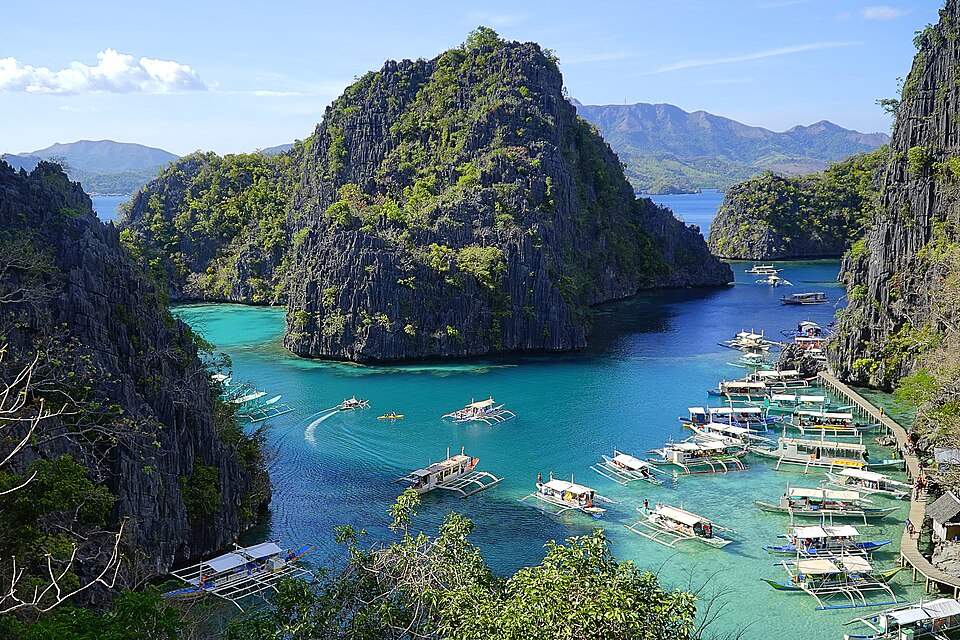
Palawan has some of the clearest lagoons in Southeast Asia.
The water looks bright turquoise due to the shallow depth and white sand.
Limestone cliffs surround the lagoons and block strong waves.
This keeps the water calm and improves visibility. Water looks almost glowing under the midday sun.
Places like El Nido and Coron offer unreal clarity for snorkeling.
How to reach
You can fly to Puerto Princesa or El Nido from Manila.
El Nido airport is closer to major lagoons and island tours.
From the airport, take a van or boat transfer to your hotel.
Island-hopping tours usually start early in the morning.
Best time to visit
Visit from December to May for clear skies and calm water.
Dry season offers the best visibility and bright blue tones.
Avoid June to October due to rain and rough sea conditions.
Who it’s for
- Travelers who want calm, shallow turquoise lagoons
- Snorkeling and island-hopping enthusiasts
- Budget to mid-range travelers
2. Maldives
Location: Maldives
What makes it unique
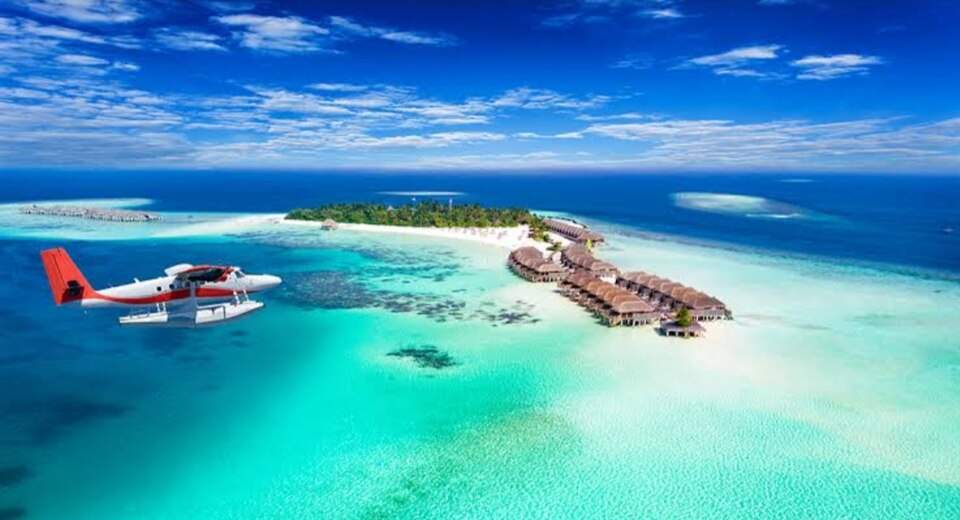 The Maldives offers some of the clearest water in the world.
Visibility often reaches 20–30 meters in calm lagoon areas.
White sand seabeds reflect sunlight and create bright blue shades.
The shallow lagoons produce glowing turquoise water near resorts.
Coral reefs filter the water and keep it clean and stable. You can clearly see fish even from the shore.
How to reach
Fly to Malé International Airport from major global cities.
From there, take a speedboat or seaplane to your resort island.
Seaplanes offer faster access but cost more than boats.
Best time to visit
Visit from November to April for dry weather and calm seas.
These months provide the clearest water and best visibility.
Avoid May to October due to monsoon rains and rough waters.
Who it’s for
- Honeymoon travelers and luxury seekers
- Snorkeling and diving enthusiasts
- Travelers who want private island experiences
3. Bora Bora, French Polynesia
Location: Bora Bora
What makes it unique
Bora Bora has one of the most visually striking lagoons in the world.
The water shows multiple shades of blue, from light turquoise to deep navy.
A barrier reef surrounds the island and protects the lagoon from strong waves.
This keeps the water calm, clear, and ideal for snorkeling.
The contrast between the lagoon and Mount Otemanu creates a dramatic view.
How to reach
Fly to Tahiti (Faa’a International Airport) from major international hubs.
Then take a domestic flight to Bora Bora Airport.
From the airport, use a boat transfer to reach your resort.
Best time to visit
Visit from May to October for dry weather and clear visibility.
These months offer calm lagoons and bright blue water conditions.
Avoid November to April due to higher humidity and rainfall.
Who it’s for
- Luxury travelers and honeymoon couples
- Lagoon lovers who want calm, shallow water
- Travelers seeking scenic, high-end island experiences
4. Navagio Beach, Zakynthos, Greece
Location: Navagio Beach
What makes it unique
Navagio Beach shows one of the brightest blue water tones in Europe.
The water looks electric blue due to limestone cliffs and mineral reflection.
Deep water near the shore creates a strong color contrast.
The famous shipwreck adds a unique visual element to the beach.
Cliffs surround the cove and enhance the color intensity.
How to reach
Fly to Zakynthos Island from Athens or other European cities.
From Zakynthos town, take a boat tour to reach the beach.
You can also view the beach from a cliff-top viewpoint by road.
Best time to visit
Visit from May to September for clear skies and vibrant water color.
Midday sunlight shows the strongest blue tones.
Avoid windy days, as waves can reduce water clarity.
Who it’s for
- Travelers who want dramatic, deep blue water views
- Photography enthusiasts
- Visitors exploring European coastal destinations
5. Exuma, Bahamas
Location: Exuma
What makes it unique
Exuma is known for its shallow sandbars and extremely clear water.
The water appears bright turquoise due to the white sand and low depth.
You can see shifting shades of blue across the islands and cays.
The famous swimming pigs add a unique and playful experience.
The water stays calm and clear in most areas year-round.
How to reach
Fly to Exuma International Airport from Nassau or Miami.
From the airport, take a taxi or boat to your hotel or resort.
Many experiences require boat tours to nearby cays and sandbanks.
Best time to visit
Visit from December to April for dry weather and calm seas.
These months offer the best visibility and comfortable temperatures.
Avoid late summer and fall due to hurricane risk.
Who it’s for
- Travelers who want shallow, crystal-clear turquoise water
- Families and couples looking for relaxed beach experiences
- Visitors interested in unique attractions like swimming pigs
6. Sardinia, Italy
Location: Sardinia
What makes it unique
Sardinia offers some of the clearest water in the Mediterranean.
Many beaches have fine white sand that reflects sunlight strongly.
Places like Costa Smeralda and La Maddalena show bright turquoise water.
The sea remains calm and clean in protected coastal areas.
You often get Caribbean-like watercolors in a European setting.
How to reach
Fly to Olbia, Cagliari, or Alghero from major European cities.
Olbia is the best airport for the Costa Smeralda beaches.
From the airport, rent a car to explore multiple beaches easily.
Best time to visit
Visit from June to September for warm weather and clear water.
June and September offer fewer crowds with good visibility.
Avoid the winter months as the sea becomes rough and less vibrant.
Who it’s for
- Travelers who want clear blue water in Europe
- Beach lovers who enjoy scenic coastal drives
- Mid-range to luxury travelers
7. Whitsundays, Australia
Location: Whitsunday Islands
What makes it unique
The Whitsundays offer some of the most striking blue water patterns in the world.
Whitehaven Beach has pure silica sand that reflects sunlight strongly.
This creates swirling shades of turquoise and blue near Hill Inlet.
The nearby reef system keeps the water clean and highly visible.
The contrast between sand and sea makes the water look unreal.
How to reach
Fly to Hamilton Island or Proserpine (Airlie Beach) from major Australian cities.
From there, take a boat or seaplane to reach the islands.
Airlie Beach serves as the main base for tours and ferries.
Best time to visit
Visit from May to October for calm seas and clear skies.
These months offer the best water clarity and visibility.
Avoid the wet season due to rain and reduced clarity.
Who it’s for
- Travelers who want unique swirling blue water views
- Photography and drone enthusiasts
- Adventure travelers and sailing lovers
8. Turks and Caicos
Location: Turks and Caicos
What makes it unique
The Turks and Caicos have some of the clearest shallow water in the Caribbean.
Grace Bay Beach is known for its calm, transparent, and bright turquoise sea.
The seabed has fine white sand that reflects sunlight strongly.
This creates a clean and glowing blue water effect.
Barrier reefs nearby keep the water protected and less turbulent.
How to reach
Fly to Providenciales International Airport from major US and Caribbean cities.
Providenciales is the main hub for resorts and beaches.
From the airport, hotels are a short drive away.
Best time to visit
Visit from December to April for dry weather and calm conditions.
These months offer the clearest water and the best beach experience.
Avoid late summer and fall due to hurricane risk.
Who it’s for
- Travelers who want calm, shallow, crystal-clear water
- Families and beach-focused vacations
- Mid-range to luxury travelers
9. Maui, Hawaii
Location: Maui
What makes it unique
Maui offers a mix of turquoise shallows and deep blue ocean views.
The water stays clear due to strong ocean circulation and protected bays.
Molokini Crater is one of the best spots for visibility.
You can often see marine life clearly at great distances.
The island combines beaches, reefs, and volcanic landscapes in one place.
How to reach
Fly to Kahului Airport from major US cities.
From the airport, rent a car to reach beaches and snorkeling spots.
Boat tours operate daily to Molokini Crater and nearby reefs.
Best time to visit
Visit from April to October for calmer seas and better clarity.
Summer months offer excellent snorkeling conditions.
Winter can bring waves, which may reduce visibility in some areas.
Who it’s for
- Travelers who want both beaches and adventure
- Snorkeling and marine life enthusiasts
- Couples, families, and road trip travelers
10. Fiji Islands
Location: Fiji
What makes it unique
Fiji offers clear lagoons with rich blue and turquoise shades.
The water stays clean due to healthy coral reef systems.
You get excellent visibility for snorkeling and diving across many islands.
Remote islands like Yasawa and Mamanuca show the clearest water.
The mix of reefs and white sand creates a strong color contrast.
How to reach
Fly to Nadi International Airport from major global hubs.
From Nadi, take a ferry, seaplane, or domestic flight to the outer islands.
Island transfers vary based on distance and resort location.
Best time to visit
Visit from May to October for dry weather and calm seas.
These months offer the best water clarity and visibility.
Avoid November to April due to rain and cyclone risk.
Who it’s for
- Travelers who want clear water with rich marine life
- Snorkeling and diving enthusiasts
- Couples, honeymooners, and island explorers
11. Coron, Philippines
Location: Coron
What makes it unique
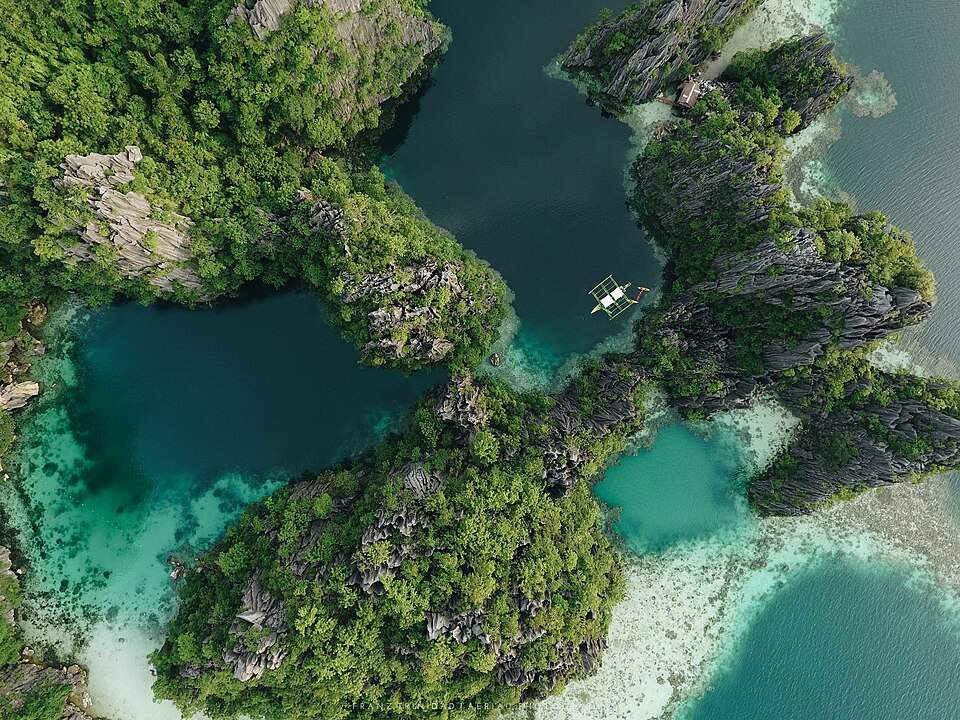 Coron offers some of the clearest water in Southeast Asia.
Kayangan Lake is known for near-perfect water clarity and visibility.
Limestone cliffs surround the lagoons and block strong currents.
This keeps the water calm and clean.
Coron is also famous for WWII shipwreck diving sites.
How to reach
Fly to Busuanga Airport from Manila or Cebu.
From the airport, take a van transfer to Coron town.
Boat tours are required to reach lakes, lagoons, and dive sites.
Best time to visit
Visit from December to May for dry weather and clear water.
These months provide the best visibility for snorkeling and diving.
Avoid the rainy season due to rough seas and reduced clarity.
Who it’s for
- Travelers who want ultra-clear lagoons and lakes
- Snorkelers and scuba divers
- Adventure travelers and photographers
12. Seychelles
Location: Seychelles
What makes it unique
Seychelles offers clear water with soft turquoise shades and granite backdrops.
Beaches like Anse Source d’Argent have shallow, calm, and transparent water.
Granite rocks and white sand enhance light reflection and water clarity.
Protected bays keep the sea calm and ideal for swimming.
The water remains clean due to low pollution and limited development.
How to reach
Fly to Seychelles International Airport on Mahé Island.
From Mahé, take ferries or domestic flights to islands like Praslin or La Digue.
Local transport includes taxis, bikes, and small boats.
Best time to visit
Visit from April to May or October to November for calm seas.
These months offer the best water clarity and snorkeling conditions.
Avoid windy periods as they can affect visibility.
Who it’s for
- Travelers who want calm, shallow turquoise beaches
- Couples and honeymoon travelers
- Nature lovers and relaxed island explorers
13. Amalfi Coast, Italy
Location: Amalfi Coast
What makes it unique
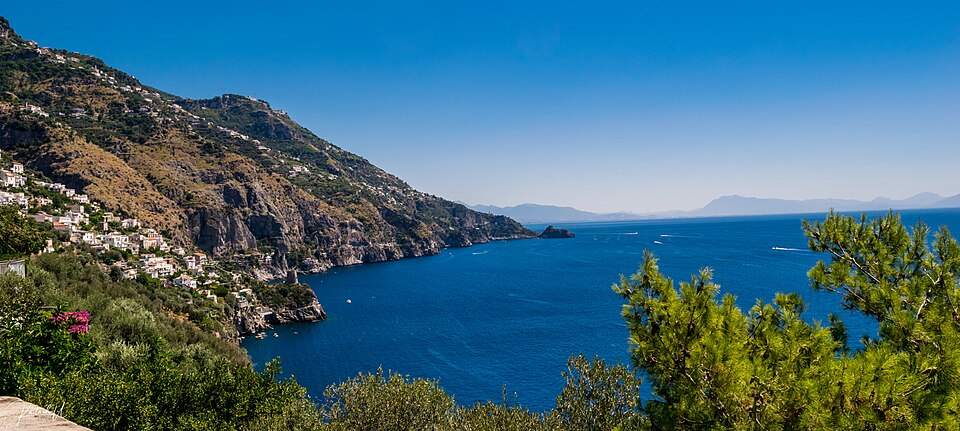
The Amalfi Coast offers deep blue water along dramatic cliffside towns.
The water appears darker and richer due to depth and rocky seabeds.
You get high clarity in calm conditions, especially near smaller beaches.
The contrast between cliffs and sea creates a striking visual effect.
Nearby spots like Capri enhance the overall coastal experience.
How to reach
 Fly to Naples International Airport from major European cities.
From Naples, travel by car, bus, or ferry to Amalfi Coast towns.
Positano and Amalfi are the main access points for visitors.
Best time to visit
Visit from May to September for clear skies and calm seas.
June and September offer fewer crowds with good visibility.
Avoid the winter months due to rough seas and limited access.
Who it’s for
- Travelers who prefer deep blue coastal views over lagoons
- Couples and scenic travelers
- Visitors exploring European destinations
14. Great Barrier Reef, Australia
Location: Great Barrier Reef
What makes it unique
The Great Barrier Reef offers clear water across a vast coral ecosystem.
You see bright turquoise lagoons near reefs and deeper blue offshore waters.
Coral structures filter water and improve clarity in many zones.
Remote reef areas often have excellent visibility for snorkeling and diving.
The scale and diversity make it one of the most unique blue water locations.
How to reach
Fly to Cairns or Airlie Beach from major Australian cities.
From there, take a boat or helicopter tour to reef sites.
Many tours depart daily to outer reef locations.
Best time to visit
Visit from June to October for dry weather and calmer seas.
These months offer better visibility and safer conditions.
Avoid the wet season due to rain and reduced water clarity.
Who it’s for
- Snorkelers and scuba divers
- Travelers interested in marine ecosystems
- Adventure and nature-focused travelers
15. Blue Lagoon, Iceland
Location: Blue Lagoon
What makes it unique
The Blue Lagoon looks very different from tropical blue water.
It has a milky blue color caused by silica and geothermal minerals.
The water is opaque, so you cannot see through it clearly.
But the color looks intense and almost artificial in photos.
Steam rising from the water adds a dramatic visual effect.
How to reach
Fly to Keflavík International Airport near Reykjavik.
The Blue Lagoon is about a 20-minute drive from the airport.
You can reach it by taxi, shuttle bus, or rental car.
Best time to visit
You can visit year-round, as the water stays warm.
Winter offers a unique contrast with snow and steam.
Summer gives longer daylight for better visibility and photos.
Who it’s for
- Travelers who want a unique blue water experience
- Spa and relaxation seekers
- Visitors exploring Iceland’s landscapes
Which Place Has the Clearest Blue Water? (Quick Comparison)
If you want a quick answer, some places stand out more than others.
Each destination offers a different type of blue water experience.
Here is a simple comparison to help you decide faster.
- Best overall clarity: Maldives
- → Consistent visibility, calm lagoons, and clean white sand seabeds
- Best budget option: Palawan
- → Lagoon-style turquoise water at a much lower cost
- Best in Europe: Navagio Beach
- → Deep blue water with strong color contrast and dramatic cliffs
- Best luxury experience: Bora Bora
- → Private lagoons with multiple shades of blue and premium stays
Quick takeaway
- Choose the Maldives if you want the most reliable, clear water
- Choose Palawan if you want value without losing clarity
- Choose Navagio Beach for its intense blue color in Europe
- Choose Bora Bora for a premium lagoon experience
Each place excels differently.
The best choice depends on your budget and travel style.
Top Places With the Clearest Blue Water (Quick Table)
If you want a fast comparison, use this table.
It helps you match destinations with your travel goals.
| Place | Water Type | Best For | Budget |
| Maldives | Shallow lagoon | Luxury, snorkeling | High |
| Palawan | Turquoise lagoon | Budget travel, island hopping | Low |
| Bora Bora | Protected lagoon | Honeymoon, scenic views | High |
| Navagio Beach | Deep blue cove | Photography, viewpoints | Medium |
| Exuma | Shallow sandbanks | Relaxed beach experience | Medium |
| Sardinia | Coastal clear sea | European beach travel | Medium |
| Whitsunday Islands | Mixed lagoon | Sailing, aerial views | High |
| Turks and Caicos | Calm shallow water | Families, beach relaxation | High |
| Maui | Reef + open ocean | Snorkeling, road trips | High |
| Fiji | Coral lagoons | Diving, island stays | Medium |
| Coron | Lagoons + lakes | Diving, adventure | Low |
| Seychelles | Calm shallow bays | Couples, nature | High |
| Amalfi Coast | Deep coastal water | Scenic travel | Medium |
| Great Barrier Reef | Reef systems | Diving, marine life | High |
| Blue Lagoon | Mineral-rich water | Unique experience | High |
How to use this table
- Pick lagoon destinations for bright turquoise water
- Pick coastal cliffs for deep blue views
- Pick reef locations for snorkeling and marine life
This table helps you decide quickly based on your goal and budget.
Best Time to Visit for the Clearest Blue Water
Timing decides how blue and clear the water looks.
The same beach can look average or unreal based on conditions.
You need three things working together:
- Strong sunlight
- Calm seas
- Low sediment in the water
These factors change with seasons and regions.
So you must plan based on location, not guesswork.
Tropical Destinations (Maldives, Philippines, Fiji)
Tropical regions offer the most consistent, clear water.
But clarity drops quickly during monsoon or cyclone periods.
Places like the Maldives, Palawan, and Fiji depend heavily on dry seasons.
Best months by destination
- Maldives: November to April
- Philippines: December to May
- Fiji: May to October
During these months, the weather stays stable and predictable.
Why does the dry season give clearer water
Rainfall is low, so rivers and runoff do not carry sediment.
Less sediment means water stays transparent and bright.
Wind speeds are also lower, so waves remain small.
Calm water allows light to pass through and reflect properly.
Strong overhead sunlight enhances turquoise and blue shades.
This is why lagoons look glowing during midday.
What happens during the monsoon
Monsoon changes water clarity very quickly.
- Rain increases sediment and reduces visibility
- Strong winds create waves that scatter light
- Cloud cover reduces brightness and color depth
Even famous destinations can look dull in this period.
Practical decision tip
If your goal is snorkeling or photography: Always choose the peak dry season
If you want lower prices, shoulder months work, but clarity may vary
Mediterranean Destinations (Greece, Italy)
Mediterranean water does not rely on monsoons.
Instead, clarity depends on the sunlight angle and sea calmness.
In places like Zakynthos and Sardinia, seasonal light plays a bigger role.
Best months
- May to September
June and September offer the best balance of conditions.
Why summer works best
The sun stays high in the sky for longer hours.
This allows light to penetrate deeper into the water.
Sea conditions are usually calmer in the summer months.
So the water remains smooth and reflective.
Tourist activity does not affect clarity directly.
But crowded beaches can reduce the experience.
Early vs peak summer
- May–June → fewer crowds, slightly cooler water
- July–August → strongest color, but very crowded
- September → warm water + fewer tourists
Why winter is not ideal
Winter brings rough seas and weaker sunlight.
Water appears darker and less vibrant.
So even clear water may not look visually striking.
Avoiding Crowds vs Peak Visibility
You often face a trade-off between clarity and crowd levels.
Peak conditions attract more travelers.
But you can plan smart to balance both.
Peak season benefits
- Best water clarity
- Strongest blue color
- Ideal for snorkeling and diving
Peak season drawbacks
- Crowded beaches
- Higher prices
- Less peaceful experience
Smart travel strategy
- Visit shoulder months (just before or after peak)
- Choose early morning hours for calmer water
- Explore less crowded spots within popular areas
Water is usually calmest in the morning.
Wind builds up later in the day and affects clarity.
Time of day matters more than expected
Midday sunlight gives the strongest blue tones.
But early morning gives smoother water surfaces.
So the best approach is:
- Morning → calm water
- Midday → best color
If possible, experience both.
Key Takeaway
Clear blue water depends on the season, sunlight, and sea conditions.
For best clarity:
Choose dry season + calm weather + strong midday sun
For a better experience:
Travel in shoulder months and visit early in the day
If you time it right,
The same destination can look completely different.
Budget vs Luxury – Where Can You See Clear Blue Water for Less?
You do not need a luxury budget to see clear blue water.
Some destinations offer similar clarity at a much lower cost.
The main difference is access, comfort, and exclusivity.
Water quality can be excellent in both budget and luxury locations.
So the better choice depends on your travel style and priorities.
Budget-Friendly Destinations
If you want clear water without high costs, Southeast Asia is a strong option.
You get great visibility, island diversity, and flexible travel choices.
Philippines
The Philippines offers some of the clearest water at affordable prices.
Places like Palawan and Coron have lagoon-style turquoise clarity.
Accommodation ranges from budget hostels to mid-range resorts.
Island-hopping tours are also reasonably priced.
Thailand
Thailand provides easy access to clear beaches and islands.
Destinations like Krabi and Phi Phi show bright blue water in the dry season.
Transport is simple, and food costs stay low.
So it works well for first-time international travelers.
Indonesia
Indonesia offers clear water across many islands, including Bali and Komodo.
Some areas provide strong visibility with fewer crowds than Thailand.
You can mix budget stays with premium experiences easily.
Best choice if you want:
- Clear water on a limited budget
- Flexible travel plans
- Island hopping and adventure
Luxury Experiences
Luxury destinations offer more privacy, comfort, and curated experiences.
The water clarity is often similar, but the experience feels exclusive.
Maldives
The Maldives is known for private islands and overwater villas.
Water clarity is consistently high across most resort lagoons.
You get direct lagoon access, calm water, and premium service.
Bora Bora
Bora Bora offers a protected lagoon with multiple shades of blue.
Luxury resorts sit directly above shallow, clear water.
The experience focuses on privacy, scenery, and high-end comfort.
Seychelles
Seychelles combines clear water with unique granite landscapes.
Beaches are less crowded, and the water stays calm in many areas.
It offers a mix of boutique luxury and natural beauty.
Best choice if you want:
- Private and quiet beach experience
- Direct access to clear lagoons
- Premium comfort and service
Quick Decision Guide
- Choose budget destinations if you want value and flexibility
- Choose luxury destinations if you want privacy and convenience
Water clarity is excellent in both.
Your experience depends more on budget, comfort, and travel style.
Travel Tips to Experience the Bluest Water
Small choices can change how the water looks in real life.
Use these tips to get the clearest color and best visibility.
Best time of day (midday sun)
The sun’s position affects how blue the water appears.
Midday sunlight hits the water directly and boosts color.
You see brighter turquoise and stronger blue tones at this time.
Shadows are minimal, so the water looks more transparent.
Early morning offers calmer water, but colors look softer.
Late evening reduces brightness and depth of color.
Best approach:
- Visit in the morning for calm conditions
- Stay until midday for the strongest color
Avoid windy conditions
Wind is one of the biggest factors that reduces clarity.
It creates waves that disturb the surface and scatter light.
Even clear water can look dull on windy days.
Sediments can also rise and reduce visibility.
Check weather forecasts before planning beach or boat trips.
Choose days with low wind for the best experience.
Snorkeling vs drone photography
Your experience changes based on how you view the water.
Snorkeling:
- Best for seeing underwater clarity and marine life
- Works well in calm, shallow areas
Drone photography:
- Shows color patterns and shades from above
- Works best during midday with strong sunlight
If possible, try both for a complete experience.
Each gives a different view of the same water.
Looking Specifically for Island Destinations?
If you prefer only island locations, you have more focused options.
Island destinations often offer the clearest lagoons and calm water.
For a detailed breakdown, check our guide on
islands with the clearest water in the world.
This will help you compare island destinations and plan better.
FAQs About the Clearest Blue Water in the World
Which place has the clearest blue water in the world?
The clearest blue water is often found in the Maldives, Bora Bora, and Palawan.
These locations have white sand, calm lagoons, and very low pollution.
Water visibility in these places can reach 20–30 meters in good conditions.
So they are among the best choices for clear blue water.
Why is Maldives water so blue?
The water in the Maldives looks very blue due to shallow lagoons and white sand.
Sunlight reflects off the seabed and enhances turquoise tones.
The water is also very clean with low sediment levels.
Coral reefs help filter the water and maintain clarity.
Calm seas allow light to pass through and reflect clearly.
This combination creates the bright blue effect.
Where is the bluest water on Earth?
The “bluest” water depends on depth, light, and surroundings.
But places like Navagio Beach, Exuma, and Whitsunday Islands show some of the most intense blue shades.
Deep water near cliffs often appears darker and richer.
Shallow lagoons show brighter turquoise tones.
So the “bluest” place can vary based on what you prefer.
Is crystal clear water always safe to swim in?
Clear water does not always mean safe water.
You still need to check local conditions before swimming.
Some clear areas may have strong currents or marine life risks.
Others may have sharp coral or sudden depth changes.
Always follow local safety guidelines and warnings.
Choose designated swimming areas for the safest experience.
Final Thoughts – Which Destination Should You Choose?
There is no single “best” place for everyone.
The right destination depends on your budget, travel style, and expectations.
All locations in this guide offer clear blue water.
But the experience varies a lot between them.
Quick decision guide
Use this to decide quickly:
- Choose the Maldives or Bora Bora
- → If you want luxury, privacy, and direct lagoon access
- Choose Palawan or Coron
- → If you want budget-friendly turquoise lagoons
- Choose Navagio Beach or Sardinia
- → If you prefer European coastal scenery
- Choose Exuma or Turks and Caicos
- → If you want shallow, calm, crystal-clear beaches
Who should go where
Different destinations suit different travelers:
- Honeymooners → Maldives, Bora Bora, Seychelles
- Adventure travelers → Coron, Fiji, Whitsundays
- Budget travelers → Philippines, Indonesia, Thailand
- Relaxed beach trips → Bahamas, Turks and Caicos, Sardinia
Choose based on what matters most to you:
comfort, cost, or unique experience.
Final recommendation
If you want the best mix of clarity and value, start with Southeast Asia.
If you want the best overall experience, choose a luxury island destination.
Water clarity will impress you in all these places.
The real difference is how you experience it.
Explore more
If you want a more focused guide, check these:
- Our detailed guide on islands with the clearest water in the world
- Budget breakdowns for Maldives and Southeast Asia trips
- Comparison guides like Maldives vs Bora Bora
These will help you plan better and choose faster.
Final takeaway
Pick your destination based on budget, season, and travel style.
Get the timing right, and the water will look unreal in real life.
People Also Ask
Where can I find the clearest blue water in the world?
You can find the clearest blue water in places like the Maldives, Palawan, and Bora Bora.
These locations have white sand, calm lagoons, and very low sediment levels.
They offer high visibility, especially during dry seasons with clear skies.
Which country has the bluest water?
Countries with the bluest water include the Maldives, the Bahamas, the Philippines, and Greece.
Destinations like Exuma and Zakynthos show very intense blue shades.
Water color depends on depth, sunlight, and seabed conditions.
Why does some ocean water look bluer than others?
Water looks bluer when it is clean and free of particles.
It absorbs other colors and reflects blue wavelengths back to your eyes.
White sand and shallow depth enhance this effect further.
Calm water also improves clarity and brightness.
Is turquoise water always clear?
Turquoise water often indicates shallow and clear conditions, but not always.
Color depends on light reflection, not only clarity.
Some turquoise water may still contain sediments or algae.
So visibility can vary even if the color looks bright.
What time of day is water the bluest?
Water looks bluest around midday when the sun is overhead.
Direct sunlight increases brightness and color intensity.
Morning offers calmer water, but colors appear softer.
Cloudy conditions reduce the blue effect significantly.
