

Introduction
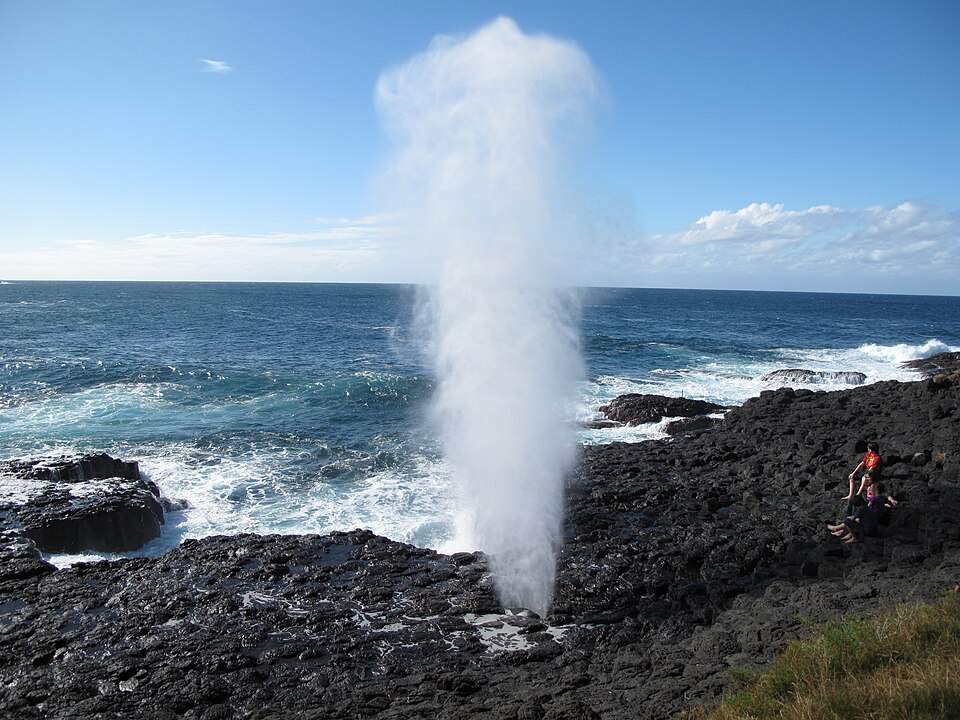
How Are Blowholes Formed? Ocean waves can create some surprising natural wonders. One of the most impressive is a blowhole. Blowholes are coastal formations that can shoot seawater high into the air like a natural fountain. Information in this guide is based on geological research, coastal erosion studies, and official scientific resources discussing sea cave and blowhole formation.
Why Blowholes Fascinate Travelers
A blowhole is one of the few natural attractions that can surprise visitors every time it erupts. One moment, the coastline appears calm. Seconds later, a powerful jet of seawater shoots into the air.
This combination of unpredictability and raw ocean power makes blowholes popular with travelers, photographers, and nature enthusiasts. Unlike waterfalls or geysers, blowholes depend entirely on ocean conditions, meaning no two visits are exactly the same.
Many of the world’s most famous blowholes also sit in spectacular coastal settings. This adds dramatic scenery to the experience.
Where Blowholes Are Found Around the World
Blowholes form along coastlines where strong waves interact with sea caves, cliffs, and rock formations. They are most common in locations exposed to powerful ocean swells and long-term coastal erosion.
Some of the best-known examples can be found in Mexico, Sri Lanka, Australia, Hawaii, Samoa, New Zealand, and the United States. These destinations feature the geological conditions needed for blowholes to develop over thousands of years.
While some blowholes are located near major tourist destinations, others remain hidden along remote coastlines where nature continues to shape the landscape.
What You’ll Learn in This Guide
Many travelers enjoy watching blowholes in action without knowing what causes them to form. Understanding the science behind these coastal wonders can make the experience even more rewarding.
In this guide, you’ll learn”
- What a blowhole is,
- How ocean waves create the pressure needed for eruptions,
- Why do some blowholes become much larger than others?
- What are the factors that influence blowhole activity,
- How they differ from geysers, and
- Where you can see some of the world’s most impressive examples.
By the end, you’ll have a clear understanding of how blowholes form and why they remain one of the most fascinating natural features found along the world’s coastlines.
What Is a Blowhole?
A blowhole is a natural coastal opening that shoots seawater and air into the air when ocean waves force water through underground sea caves and rock chambers. Blowholes are created by coastal erosion and are commonly found along rocky shorelines exposed to strong wave action.
Blowholes are among the most fascinating geological features found along coastlines. They act like natural pressure-release valves. They use the energy of incoming waves to create powerful eruptions that can reach heights of a few feet to more than 100 feet.
Although they may look similar to geysers, blowholes rely entirely on ocean waves rather than underground heat. Their size, shape, and activity depend on the structure of the surrounding rock and the strength of the sea conditions.
Some blowholes erupt only during high tide, while others remain active throughout the day. The most impressive examples are often found in areas where strong ocean swells meet rugged coastal cliffs.
Definition of a Blowhole
A blowhole is a vertical opening in coastal rock connected to a sea cave or underground chamber that allows pressurized seawater and air to escape above the surface.
The formation begins beneath the coastline. Waves gradually carve caves and tunnels into cliffs and rocky shorelines through a process known as erosion.
As these underground passages expand, a vertical shaft may eventually develop from the cave to the surface. When waves enter the cave, pressure builds inside the chamber, and forces water upward through the opening.
The result is the dramatic spray that gives blowholes their name.
Most blowholes consist of three key elements:
| Component | Purpose |
| Sea Cave | Collects incoming wave energy |
| Underground Chamber | Builds pressure from water and air |
| Surface Opening | Releases water and compressed air |
Without all three components, a true blowhole cannot form.
How Blowholes Differ from Geysers
Blowholes are powered by ocean waves, while geysers are powered by underground geothermal heat.
Because both features shoot water into the air, many people assume they are similar. In reality, they form through completely different natural processes.
A blowhole depends on wave action. Ocean water enters a sea cave, pressure builds, and water erupts through a coastal opening.
A geyser works differently. Underground water is heated by volcanic activity. As the water temperature rises, pressure builds beneath the surface until hot water and steam erupt.
| Feature | Blowhole | Geyser |
| Energy Source | Ocean waves | Geothermal heat |
| Location | Coastal areas | Volcanic regions |
| Water Type | Seawater | Groundwater |
| Eruption Trigger | Wave pressure | Heat and steam pressure |
| Examples | La Bufadora, Kiama Blowhole | Old Faithful, Yellowstone |
While both can create spectacular eruptions, their origins are entirely different.
Why Blowholes Are Considered Coastal Geological Features
Blowholes are considered coastal geological features because they form through natural processes such as erosion, wave action, weathering, and rock formation over long periods of time.
Geology studies how natural forces shape landscapes. Blowholes are a perfect example of this process in action.
The formation of a blowhole may take thousands or even millions of years. Waves slowly erode weaknesses in coastal rock, creating caves, tunnels, and eventually the vertical openings that produce eruptions.
The type of rock also plays an important role. Volcanic basalt, limestone, sandstone, and other coastal rock formations respond differently to erosion, which helps explain why blowholes vary so much in size and shape.
Because they reveal the long-term interaction between the ocean and the coastline, blowholes are often studied by geologists interested in coastal landforms and erosion processes.
They are not only exciting tourist attractions but also valuable examples of how natural forces continue to shape the world’s coastlines today.
How Are Blowholes Formed?
Blowholes form when powerful ocean waves erode cracks in coastal cliffs and gradually create sea caves beneath the shoreline. Over time, continued erosion opens a vertical shaft to the surface. As waves enter the cave, pressure builds and forces seawater through the opening. That is creating the eruptions seen at a blowhole.
The formation of a blowhole is a slow geological process that often takes thousands of years. It requires the right combination of coastal rock, wave energy, and erosion. While every blowhole is unique, most develop through the same series of stages.
Step 1: Waves Create Cracks in Coastal Cliffs
The process begins when waves repeatedly strike weaknesses in coastal rock. That gradually widening small cracks and fractures.
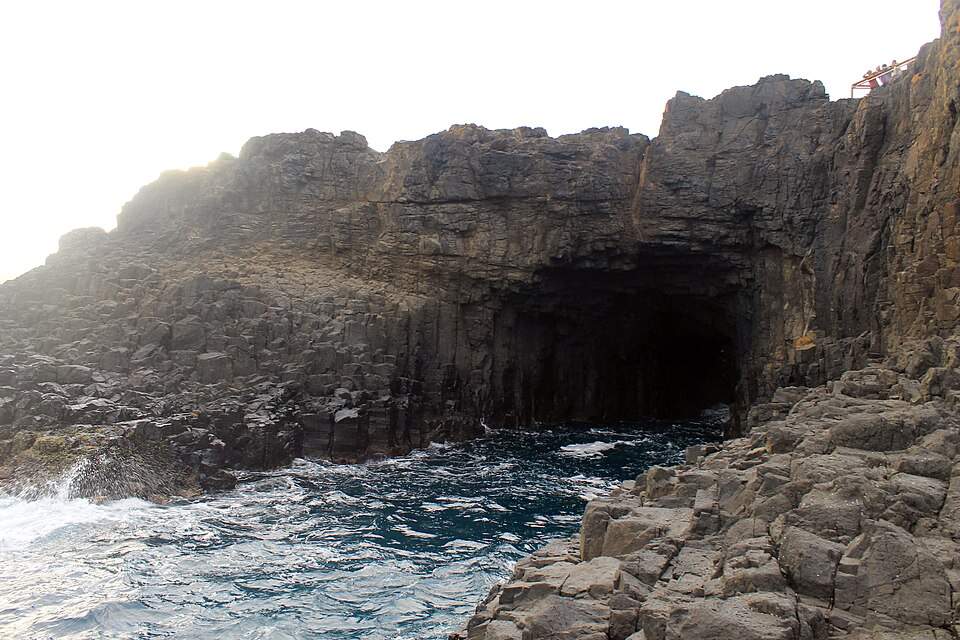 Ocean waves carry tremendous force. Every day, they crash against cliffs, headlands, and rocky shorelines. Over time, this constant pressure weakens the rock.
Natural faults, joints, and fractures provide starting points for erosion. Water enters these small openings and slowly enlarges them through repeated wave action.
The stronger the waves and the softer the rock, the faster the erosion process occurs. Along exposed coastlines, these cracks can grow significantly over many years.
Step 2: Sea Caves Develop Beneath the Surface
As erosion continues, the cracks expand into sea caves that extend beneath the coastline.
Once waves gain access to deeper sections of the rock, they begin carving larger underground chambers. These sea caves become the foundation of a future blowhole.
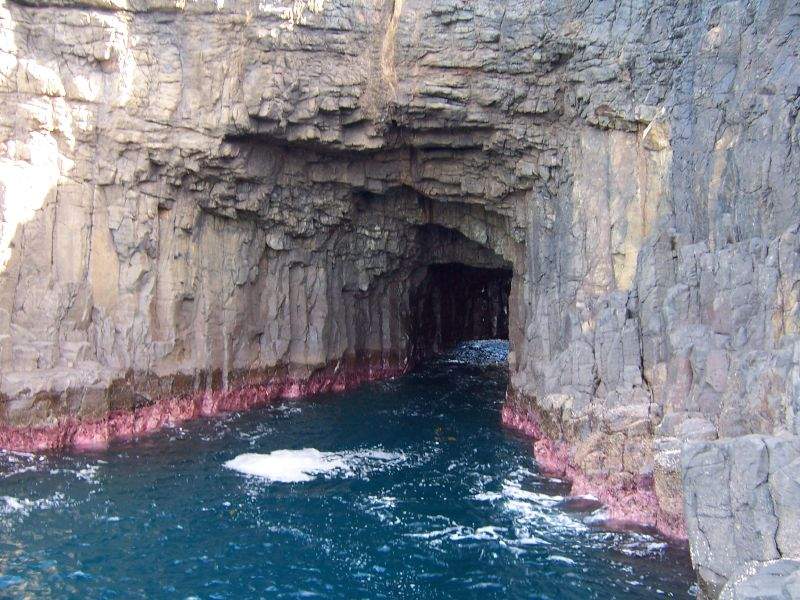 The size and shape of the cave depend on factors such as rock type, wave strength, and the coastline’s structure. Some caves remain small, while others grow into extensive networks of tunnels and chambers.
At this stage, the feature is still a sea cave rather than a blowhole because there is no opening to the surface.
Step 3: Ocean Pressure Builds Inside the Cave
Incoming waves compress air and seawater inside the cave, creating pressure that seeks an escape route.
As waves surge into the underground chamber, air becomes trapped inside. Each incoming wave increases the pressure within the cave.
This pressure is particularly strong during high tide and periods of large ocean swell. The confined space forces water and air into any available cracks or weaknesses in the rock above.
Over time, the pressure contributes to further erosion and helps create a pathway toward the surface.
Step 4: Water Escapes Through a Vertical Opening
Continued erosion eventually creates a vertical shaft that connects the sea cave to the surface.
Once the opening reaches the surface, the cave gains a new outlet for the trapped water and air.
Every time waves enter the chamber, pressure forces seawater upward through the shaft. The narrow opening acts like a nozzle, concentrating the force of the water and creating an eruption.
The shape and width of the opening influence how high the water can rise. Narrow openings often produce more dramatic sprays because they increase pressure inside the system.
The Result: A Natural Ocean Fountain
A fully formed blowhole functions like a natural fountain powered by wave energy and coastal geology.
When conditions are right, incoming waves continuously force water through the opening. That creates spectacular bursts of spray above the coastline.
Some blowholes produce small eruptions only during high tide. Others can launch water more than 100 feet (30 meters) into the air when powerful ocean swells arrive.
The entire process is a remarkable example of how erosion shapes the natural world. What begins as a small crack in a coastal cliff can eventually become one of the most dramatic geological features found along the shoreline.
Blowhole Formation Process at a Glance
| Stage | What Happens |
| 1. Crack Formation | Waves widen natural fractures in coastal rock |
| 2. Sea Cave Development | Erosion creates underground chambers |
| 3. Pressure Build-Up | Waves compress air and water inside the cave |
| 4. Surface Opening Forms | A vertical shaft connects the cave to the surface |
| 5. Blowhole Activity Begins | Water erupts through the opening during wave action |
Understanding these stages helps explain why blowholes are relatively rare. They require a precise combination of geology, erosion, and ocean energy that develops over very long periods of time.
The Science Behind Blowhole Eruptions
Blowhole eruptions occur when ocean waves force water into underground sea caves, creating pressure that pushes seawater and air through a surface opening. The size and frequency of eruptions depend on wave energy, air compression, cave structure, and tide conditions.
A blowhole may appear simple from the surface. However, the science behind each eruption is surprisingly complex. Every burst of water results from a combination of ocean forces and geological features working together beneath the coastline.
Understanding these processes helps explain why some blowholes produce towering sprays while others create only small bursts of water.
How Wave Energy Creates Pressure
Wave energy creates pressure when incoming ocean waves force large volumes of water into a confined sea cave or underground chamber.
As waves move toward the coast, they carry kinetic energy. When this energy enters a narrow cave, the water has limited space to move.
Each incoming wave pushes more water into the chamber. The confined space increases pressure inside the cave and forces water toward any available opening.
The stronger the incoming waves, the greater the pressure generated within the cave system. This is why blowholes often become more active during high tide and periods of strong ocean swell.
Coastlines exposed to the open ocean typically produce larger eruptions because they receive more wave energy throughout the year.
Why Air Compression Matters
Air compression acts like a natural spring inside the cave, helping increase the force of blowhole eruptions.
When waves enter a sea cave, they do not push only water. They also trap pockets of air inside the chamber.
As additional waves arrive, the trapped air becomes compressed. This compressed air stores energy and increases pressure within the cave.
Eventually, the pressure becomes strong enough to force both air and water upward through the blowhole opening. The sudden release creates the explosive sprays visitors see above the surface.
Without trapped air, many blowholes would produce weaker eruptions because there would be less pressure available to drive the water upward.
This is one reason why the size and shape of the underground chamber are so important to blowhole activity.
Why Some Blowholes Erupt More Frequently
Some blowholes erupt more often because they receive stronger wave action, have larger cave systems, or contain openings that allow pressure to build more efficiently.
Not all blowholes behave the same way. Some may erupt every few seconds, while others remain quiet for several minutes between bursts.
Several factors influence eruption frequency:
| Factor | Effect on Eruption Frequency |
| Wave Activity | Stronger waves create more frequent eruptions |
| Tide Level | High tide often increases activity |
| Cave Size | Larger chambers can store more water and air |
| Opening Shape | Narrow openings increase pressure |
| Coastal Exposure | Open coastlines receive more wave energy |
A blowhole located on a rugged ocean-facing cliff will usually be more active than one situated inside a sheltered bay.
Seasonal weather patterns can also affect frequency. During storm seasons, larger swells often generate more eruptions than calm summer conditions.
Why Eruption Heights Vary
Blowhole eruption height depends on the amount of pressure generated inside the cave and the shape of the surface opening.
A narrow opening can act like a nozzle, concentrating the force of the water and producing taller sprays. Wider openings often release pressure more gradually.
This explains why two blowholes exposed to similar wave conditions can produce very different eruptions.
Some famous blowholes, such as La Bufadora in Mexico and Hummanaya Blowhole in Sri Lanka, can launch water more than 80 to 100 feet (24 to 30 meters) into the air because their geological structures maximize pressure buildup.
The Science in Simple Terms
Think of a blowhole as a natural ocean-powered pressure system. Waves push water into a cave, trapped air increases the pressure, and the built-up force escapes through an opening in the rock.
The result is a dramatic eruption that demonstrates the ongoing interaction between ocean energy and coastal geology.
Every blowhole eruption is a reminder that even seemingly simple natural attractions are driven by powerful scientific processes hidden beneath the surface.
What Conditions Make Blowholes More Active?
Blowholes become more active when high tides, strong ocean swells, and energetic wave conditions increase pressure inside the underground cave system. The greater the wave energy entering the cave, the larger and more frequent the eruptions tend to be.
Not every visit to a blowhole produces the same experience. On some days, visitors may see only small bursts of water. On others, the same blowhole can launch towering sprays into the air.
The difference usually comes down to ocean conditions. Tide levels, wave size, weather patterns, and seasonal changes all influence how much pressure builds inside the cave.
Understanding these factors can help travelers choose the best time to witness a blowhole at its most impressive.
High Tide vs Low Tide
High tide usually creates stronger blowhole activity because more seawater can enter the underground cave system and generate greater pressure.
As the tide rises, the ocean reaches higher levels along the coastline. This allows larger volumes of water to flow into sea caves and underground chambers.
The increased water flow creates more pressure inside the cave, which often results in taller and more frequent eruptions.
During low tide, less water reaches the cave entrance. As a result, blowholes may produce smaller sprays or become temporarily inactive.
| Tide Level | Typical Blowhole Activity |
| Low Tide | Smaller eruptions or reduced activity |
| Mid Tide | Moderate activity |
| High Tide | Stronger and more frequent eruptions |
| High Tide + Large Swells | Most dramatic displays |
Many experienced photographers and local guides plan their visits around high tide because it often offers the best viewing opportunities.
The Impact of Ocean Swells
Ocean swells are one of the most important factors affecting blowhole eruptions because they determine how much wave energy reaches the coastline.
Swells are waves generated by distant winds and storms across the ocean. As they travel toward shore, they carry significant amounts of energy.
When large swells reach a blowhole, more water is forced into the cave system. This increases pressure and produces stronger eruptions.
Small swells may still create blowhole activity, but the resulting sprays are usually less dramatic.
Some of the world’s most powerful blowholes, including La Bufadora in Mexico and Hummanaya Blowhole in Sri Lanka, become especially impressive when large ocean swells arrive.
Seasonal Weather Patterns
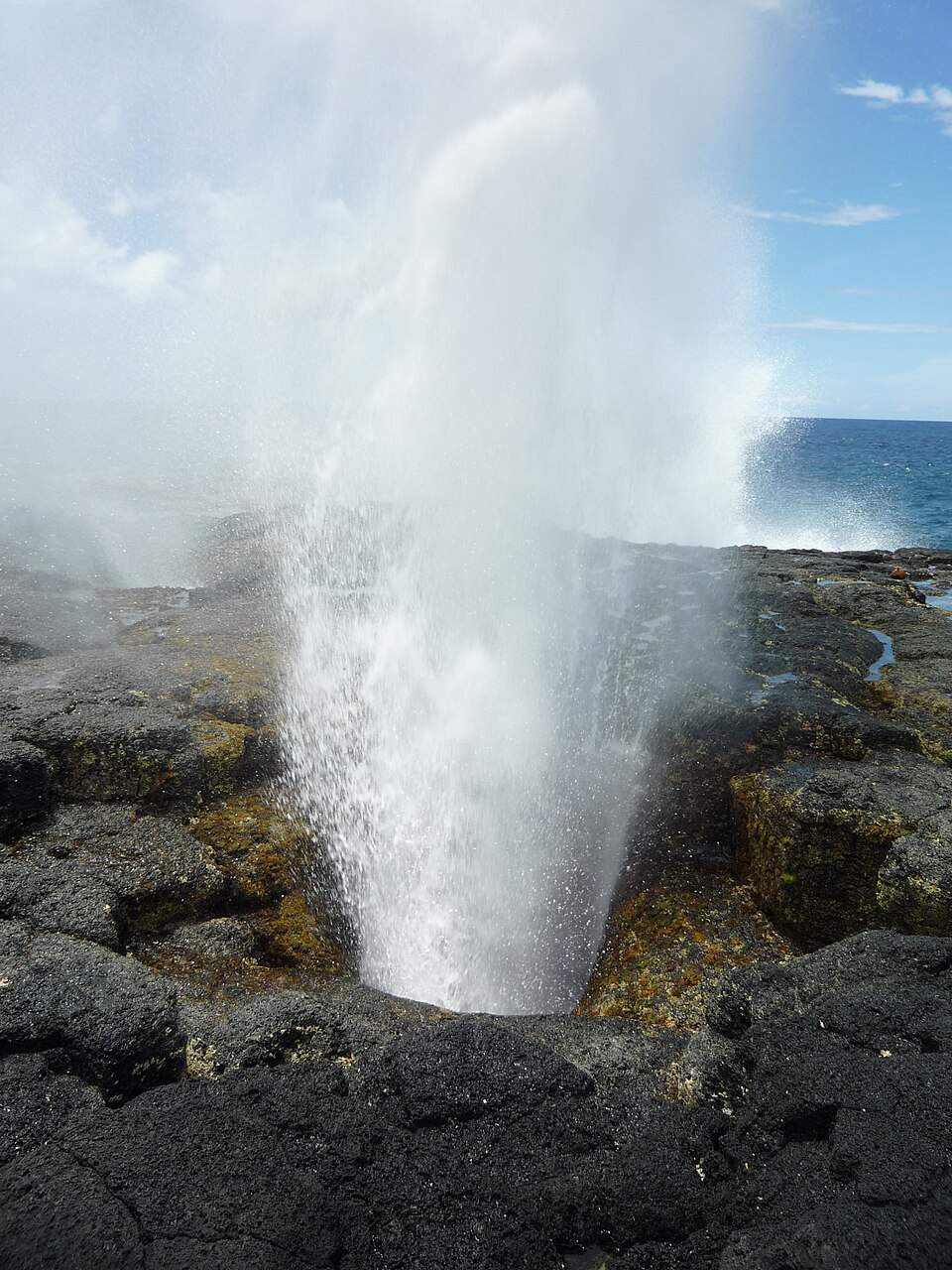 Seasonal weather changes affect wave activity and can significantly influence blowhole performance throughout the year.
Many coastal regions experience larger waves during specific seasons. Winter storms often generate stronger swells that travel long distances across the ocean.
For example, the Pacific Ocean typically produces larger swells during winter months, which can increase blowhole activity along coastlines in Hawaii, Oregon, Australia, and New Zealand.
During calmer summer periods, wave energy often decreases, resulting in smaller eruptions.
| Season | Typical Blowhole Conditions |
| Winter | Larger swells and stronger eruptions |
| Spring | Active ocean conditions and moderate crowds |
| Summer | Calmer seas and smaller eruptions |
| Fall | Increasing swell activity and changing weather |
The best season varies by location, but areas exposed to winter storm systems often provide the most dramatic displays.
Storm Waves and Extreme Eruptions
Storm-generated waves can create the largest blowhole eruptions because they deliver enormous amounts of water and energy into coastal cave systems.
When storms develop over the ocean, they generate powerful swells that can travel hundreds or even thousands of miles before reaching shore.
These waves dramatically increase pressure inside blowhole chambers. As a result, water may shoot significantly higher than normal.
Some famous blowholes have recorded eruptions exceeding 80 to 100 feet (24 to 30 meters) during periods of strong storm swell.
However, extreme conditions also increase safety risks. Powerful waves can produce dangerous surges, slippery rocks, and unexpected ocean movement.
| Ocean Condition | Blowhole Performance |
| Calm Seas | Reduced activity |
| Moderate Swells | Reliable eruptions |
| Large Swells | Strong blowhole displays |
| Storm Swells | Maximum eruption potential |
| Severe Storm Conditions | Spectacular but potentially hazardous |
For most travelers, moderate to strong swells provide the best balance between impressive eruptions and safe viewing conditions.
Best Conditions for Seeing a Blowhole at Its Peak
The most memorable blowhole experiences usually occur when several favorable conditions happen at the same time:
| Factor | Ideal Condition |
| Tide | High Tide |
| Wave Activity | Moderate to Large Swells |
| Weather | Clear Visibility |
| Season | Peak Swell Season |
| Safety | Designated Viewing Areas |
By checking tide charts, wave forecasts, and local weather conditions before visiting, travelers can significantly improve their chances of seeing a blowhole at its most active.
Why Do Some Blowholes Become So Large?
Some blowholes become larger and more powerful because of their underground cave size, the shape of their openings, exposure to strong ocean waves, and the type of rock from which they formed. When these factors work together, a blowhole can produce exceptionally high and forceful eruptions.
Not all blowholes are created equal. Some generate modest sprays only a few feet high, while others can launch seawater more than 100 feet (30 meters) into the air.
The difference usually comes down to geology and ocean conditions. A blowhole’s size and power depend on how effectively it can collect, compress, and release wave energy.
Understanding these factors helps explain why locations such as La Bufadora in Mexico and Hummanaya Blowhole in Sri Lanka rank among the world’s most impressive blowholes.
Cave Size and Shape
Larger underground caves can store more water and air, allowing greater pressure to build before an eruption occurs.
The cave beneath a blowhole acts like a natural pressure chamber. When waves enter the cave, water and trapped air accumulate inside.
A spacious chamber can hold larger volumes of water and compressed air, creating stronger eruptions when the pressure is released.
The shape of the cave is equally important. Long, narrow tunnels often funnel wave energy more efficiently than wide, open chambers.
Some cave systems direct incoming waves toward a single outlet, increasing pressure and producing taller sprays.
| Cave Characteristic | Effect on Blowhole Activity |
| Large Chamber | Greater pressure potential |
| Small Chamber | Reduced eruption strength |
| Narrow Tunnel | Concentrates wave energy |
| Complex Cave Network | Variable eruption patterns |
The most powerful blowholes often have cave systems specifically shaped to maximize pressure buildup.
Width of the Blowhole Opening
Narrow openings generally produce stronger and taller eruptions because they concentrate pressure into a smaller space.
The opening at the top of a blowhole functions much like the nozzle of a hose. When the same amount of water is forced through a smaller opening, it often exits with greater force.
A narrow shaft can channel pressure upward and create impressive jets of water. Wider openings may release pressure more gradually, resulting in lower sprays.
This is why two blowholes with similar cave systems can produce very different eruption heights.
| Opening Type | Typical Result |
| Narrow Opening | Taller and more forceful eruptions |
| Medium Opening | Balanced pressure and spray height |
| Wide Opening | Broader but lower eruptions |
The shape of the opening can also influence the appearance of the spray, creating anything from a narrow jet to a wide plume of mist.
Ocean Exposure
Blowholes exposed directly to the open ocean usually receive more wave energy and produce stronger eruptions.
Location matters as much as geology. A blowhole facing the open ocean receives a constant supply of incoming swells generated by distant storms and winds.
These waves carry more energy than waves found in protected bays or sheltered coastlines.
As a result, blowholes along exposed coastlines often experience more frequent and more powerful eruptions.
Examples include many of the famous blowholes found in Hawaii, Australia, Samoa, and along the Pacific Coast of North America.
| Coastal Setting | Blowhole Potential |
| Open Ocean Coast | High |
| Semi-Protected Coast | Moderate |
| Sheltered Bay | Lower |
The strongest blowholes typically combine favorable geology with direct exposure to powerful ocean swells.
Geological Rock Types
Different rock types influence how easily sea caves and blowholes form, affecting their size, shape, and long-term development.
Coastal erosion works differently on different rocks. Softer rocks may erode quickly, while harder rocks can withstand wave action for much longer periods.
Common rock types associated with blowholes include:
| Rock Type | Characteristics |
| Basalt | Durable volcanic rock is common in Hawaii and Samoa |
| Limestone | Easily shaped by erosion and common in coastal regions |
| Sandstone | Relatively softer and often forms sea caves |
| Volcanic Rock | Frequently creates complex cave systems |
Basalt and volcanic rocks often produce dramatic blowholes because they can maintain stable cave structures while still allowing erosion to create tunnels and openings.
Limestone coastlines may develop extensive cave networks, leading to unique blowhole formations.
The combination of suitable rock, long-term erosion, and strong wave action creates the conditions necessary for some of the world’s largest blowholes.
What Creates a Truly Giant Blowhole?
The world’s largest blowholes generally share four key characteristics:
| Factor | Importance |
| Large Underground Cave | Builds significant pressure |
| Narrow Surface Opening | Concentrates the eruption |
| Strong Ocean Exposure | Provides constant wave energy |
| Suitable Rock Type | Allows long-term formation and stability |
When all four conditions occur together, the result can be a blowhole capable of producing spectacular eruptions that attract visitors from around the world.
This explains why only a small number of blowholes achieve truly massive size while most remain relatively modest coastal features.
Blowholes vs Geysers: What’s the Difference?
Blowholes and geysers both shoot water into the air, but they are created by completely different natural processes. Ocean waves and coastal geology are powering blowholes, while Underground heat and geothermal activity power the Geysers.
Because both features produce dramatic water eruptions, many travelers assume they are the same. In reality, they form in different environments, use different energy sources, and behave in very different ways.
Understanding the distinction helps travelers appreciate the unique science behind each natural phenomenon.
How Blowholes Work
Blowholes work when ocean waves force water and air into underground sea caves, creating pressure that pushes seawater through a vertical opening in coastal rock.
Blowholes are found along rocky coastlines exposed to wave action. Over thousands of years, erosion creates sea caves beneath the shoreline.
As waves enter these caves, air and water become compressed inside the chamber. The pressure eventually forces seawater upward through an opening in the rock, creating a visible eruption.
The strength of a blowhole depends on factors such as wave energy, tide levels, cave size, and the shape of the opening.
Unlike geysers, blowholes rely entirely on the ocean. Without waves, they would not erupt.
Famous examples include La Bufadora in Mexico, Hummanaya Blowhole in Sri Lanka, and Kiama Blowhole in Australia.
How Geysers Work
Geysers work when groundwater is heated by underground volcanic activity, creating steam pressure that forces hot water to erupt at the surface.
Geysers form in areas with significant geothermal activity. Rainwater and groundwater seep deep into the earth, where hot rocks heat the water.
As the temperature rises, pressure builds underground. Eventually, the pressure becomes strong enough to force hot water and steam through narrow channels to the surface.
The eruption continues until the pressure is released. The process then begins again as more water enters the system.
Unlike blowholes, geysers do not depend on ocean waves. Their energy comes from heat beneath the Earth’s surface.
Some of the world’s most famous geysers include Old Faithful and the geyser fields of Haukadalur.
Key Differences at a Glance
The main difference is the source of energy. Blowholes are powered by ocean waves, while geysers are powered by geothermal heat.
| Feature | Blowhole | Geyser |
| Energy Source | Ocean waves | Underground geothermal heat |
| Water Type | Seawater | Groundwater |
| Location | Coastal areas | Volcanic and geothermal regions |
| Formation Process | Coastal erosion and sea caves | Heated underground water systems |
| Eruption Trigger | Wave pressure | Steam and heat pressure |
| Water Temperature | Usually cold | Hot or boiling |
| Predictability | Depends on tides and waves | Often follows eruption cycles |
| Examples | La Bufadora, Kiama Blowhole | Old Faithful, Strokkur |
Which Is More Powerful?
Both can produce impressive eruptions, but they generate power in different ways.
Some blowholes can launch massive volumes of seawater high into the air when strong ocean swells arrive. Geysers often produce smaller water volumes but use intense geothermal pressure and heat.
For travelers, the experience is very different. Blowholes showcase the power of the ocean, while geysers demonstrate the energy hidden beneath the earth’s surface.
Can a Blowhole Become a Geyser?
No. Blowholes and geysers require completely different geological conditions and cannot transform into one another.
A blowhole needs a coastline, a sea cave, and wave action. A geyser requires underground heat, groundwater, and a specialized geothermal plumbing system.
Although they may look similar from a distance, they are separate natural phenomena created by entirely different geological processes.
Which One Should Travelers Visit?
Both are worth seeing, but the choice depends on your interests.
Travelers who enjoy coastal scenery, dramatic ocean views, and wave-powered eruptions will likely prefer blowholes. Those interested in volcanoes, geothermal activity, and hot springs may find geysers more fascinating.
The good news is that both offer a memorable opportunity to witness the power of nature in action.
Famous Examples of Blowholes Around the World
Some of the world’s most famous blowholes include La Bufadora in Mexico, Hummanaya Blowhole in Sri Lanka, Kiama Blowhole in Australia, Nakalele Blowhole in Hawaii, and the Alofaaga Blowholes in Samoa. These locations showcase how different geological conditions can create spectacular coastal eruptions.
Blowholes can be found on nearly every continent, but only a handful have become internationally known for their size, power, or scenic setting.
Each blowhole forms through the same basic process of coastal erosion and wave pressure. However, differences in geology, ocean exposure, and cave structure give every location its own character.
If you want to see how blowholes work in the real world, these destinations provide some of the best examples.
La Bufadora, Mexico
La Bufadora is one of the largest blowholes in the world and one of Mexico’s most visited natural attractions.
Located near Ensenada in Baja California, La Bufadora can launch seawater more than 100 feet (30 meters) into the air during favorable conditions.
The blowhole benefits from strong Pacific Ocean swells and a large underground sea cave that generates significant pressure. Its easy accessibility and consistent activity attract millions of visitors each year.
For travelers, La Bufadora provides one of the clearest examples of how a powerful blowhole operates.
Hummanaya Blowhole, Sri Lanka
Hummanaya is the largest blowhole in Sri Lanka and one of the most powerful blowholes in Asia.
Situated on Sri Lanka’s southern coast near Kudawella, Hummanaya regularly produces dramatic eruptions fueled by Indian Ocean swells.
Its dedicated viewing platform allows visitors to safely observe the force of the blowhole while learning about the geology behind its formation.
The site demonstrates how strong ocean exposure and a well-developed cave system can create impressive eruptions.
Kiama Blowhole, Australia
Kiama Blowhole is Australia’s most famous blowhole and one of the country’s most popular coastal attractions.
Located south of Sydney in New South Wales, Kiama Blowhole has been attracting visitors for generations. The blowhole is known for its reliability, often producing multiple eruptions throughout the day.
Its location within a developed coastal reserve makes it one of the easiest blowholes in the world to visit.
Kiama also shows how volcanic rock formations can create ideal conditions for blowhole development.
Nakalele Blowhole, Hawaii
Nakalele Blowhole is one of Hawaii’s most dramatic natural attractions and a striking example of a blowhole formed within volcanic rock.
Found on the island of Maui, Nakalele is powered by strong Pacific Ocean waves that surge through lava rock formations beneath the coastline.
The blowhole can produce powerful eruptions during periods of large swell. Unlike some developed attractions, reaching Nakalele requires a short hike across rugged terrain.
Its volcanic setting offers an excellent example of how Hawaii’s geological history contributes to blowhole formation.
Alofaaga Blowholes, Samoa
The Alofaaga Blowholes are among the most powerful blowholes in the South Pacific and are famous for their explosive eruptions.
Located on the island of Savai’i, these blowholes were formed within ancient lava fields created by volcanic activity.
Strong Pacific waves enter underground channels and force water through multiple openings in the rock. During active conditions, the eruptions can be spectacular.
The blowholes are also closely connected to local Samoan culture and legends, making them both a geological and cultural attraction.
Comparing Famous Blowholes Around the World
| Blowhole | Country | Known For |
| La Bufadora | Mexico | One of the world’s largest blowholes |
| Hummanaya Blowhole | Sri Lanka | Largest blowhole in Sri Lanka |
| Kiama Blowhole | Australia | Australia’s most famous blowhole |
| Nakalele Blowhole | Hawaii, USA | Volcanic coastal landscape |
| Alofaaga Blowholes | Samoa | Powerful South Pacific eruptions |
These examples highlight how the same natural process can create dramatically different attractions around the world.
For travelers interested in discovering more destinations, see our guide to Blowholes Around the World, where we explore additional blowholes, travel tips, and the best places to witness these coastal wonders in action.
Are Blowholes Dangerous?
Blowholes can be dangerous if visitors get too close to the opening or ignore changing ocean conditions. Powerful waves, unexpected surges, and slippery coastal rocks create risks that should never be underestimated.
Most blowholes are safe to visit when viewed from designated platforms and approved viewing areas. However, the same ocean forces that create spectacular eruptions can also create hazardous conditions.
Many accidents occur because visitors focus on getting closer for photographs or underestimate the power of incoming waves. Understanding the risks can help ensure a safe and enjoyable experience.
Unexpected Ocean Surges
Sudden wave surges are one of the biggest dangers around blowholes because they can occur with little warning.
Ocean waves power the blowholes. When larger-than-normal waves reach the coastline, they can send water much farther than expected.
Even on relatively calm days, a single large wave may create a powerful eruption or sweep across nearby rocks. These unexpected surges can catch visitors off guard, especially if they are standing too close to the blowhole opening.
Coastal conditions can change within seconds, making constant awareness important whenever visiting an active blowhole.
Some of the world’s most dangerous blowholes are located along coastlines exposed directly to the open ocean, where strong swells can arrive without warning.
Slippery Coastal Rocks
Wet rocks surrounding blowholes can become extremely slippery, increasing the risk of falls and injuries.
Ocean spray often covers nearby rocks with a thin layer of water, algae, or salt residue. These surfaces may appear safe, but can become surprisingly slippery underfoot.
Many visitors focus on the blowhole itself and pay less attention to where they are walking. Uneven terrain, sharp rocks, and sudden drops can add to the danger.
Wearing sturdy footwear with good grip can help reduce the risk of slips and falls.
Visitors should also avoid climbing over barriers or stepping onto rocks that have been soaked by recent waves.
| Common Hazard | Potential Risk |
| Wet Rocks | Slips and falls |
| Ocean Spray | Reduced traction |
| Uneven Terrain | Trips and ankle injuries |
| Sharp Coastal Rocks | Cuts and abrasions |
| Unexpected Waves | Loss of balance |
Simple precautions can significantly improve safety around blowholes.
Why Visitors Should Keep Their Distance
Keeping a safe distance allows visitors to enjoy the blowhole while reducing the risk of injury from eruptions, wave surges, and unstable coastal terrain.
Many travelers are tempted to stand near the opening for photographs. While this may seem harmless, blowholes can erupt suddenly and with considerable force.
Large eruptions may send water, spray, and debris much farther than expected. In some locations, waves associated with the blowhole can knock people off balance or sweep them toward the ocean.
Designated viewing platforms exist for a reason. They provide safe vantage points while still allowing visitors to enjoy the spectacle.
| Safe Practice | Benefit |
| Stay Behind Barriers | Reduces exposure to waves |
| Use Viewing Platforms | Provides safer observation points |
| Monitor Ocean Conditions | Helps avoid unexpected surges |
| Wear Proper Footwear | Improves stability |
| Supervise Children Closely | Enhances safety near cliffs and rocks |
A good rule is simple: if you think you are too close, step back a little farther.
Are Blowholes Safe to Visit?
For most travelers, the answer is yes. Millions of people safely visit blowholes around the world every year. Problems usually occur when visitors ignore warning signs, enter restricted areas, or underestimate ocean conditions.
By respecting barriers, staying alert, and maintaining a safe distance, you can safely enjoy one of nature’s most impressive coastal attractions.
For a more detailed look at safety concerns, accident risks, and practical visitor advice, see our guide: Are Blowholes Dangerous? Safety Tips Every Traveler Should Know.
Can New Blowholes Form Naturally?
Yes, new blowholes can form naturally when coastal erosion, wave action, and geological conditions gradually create sea caves and surface openings in coastal rock. However, the process is extremely slow and often takes thousands or even millions of years.
The world’s coastlines are constantly changing. Waves, tides, weather, and geological activity continue to reshape cliffs and rocky shorelines every day.
Because blowholes form through these natural processes, new ones can develop over time. At the same time, older blowholes may become inactive or disappear as coastal landscapes continue to evolve.
This ongoing cycle makes blowholes a fascinating example of how dynamic coastal environments can be.
Ongoing Coastal Erosion
Coastal erosion is the primary force responsible for creating new blowholes.
Every wave that strikes a coastline removes tiny amounts of rock. While the change is usually invisible from day to day, the effects become significant over long periods.
Water gradually exploits natural cracks, faults, and weak points in coastal cliffs. As erosion continues, these openings widen and deepen until sea caves begin to form.
Over time, wave pressure inside the cave may create a vertical shaft that reaches the surface. Once this connection develops, a new blowhole is born.
The process never truly stops. Coastal erosion continues to reshape the cave and opening long after the blowhole becomes active.
| Stage | What Happens |
| Crack Formation | Waves widen weaknesses in rock |
| Sea Cave Development | Underground chambers form |
| Pressure Build-Up | Water and air compress inside the cave |
| Surface Opening Forms | A shaft reaches the surface |
| Blowhole Activity Begins | Water erupts through the opening |
This gradual progression explains why blowholes are relatively rare despite widespread coastal erosion.
Volcanic Coastlines and Blowhole Formation
Volcanic coastlines often provide ideal conditions for blowhole formation because lava flows create cracks, tunnels, and rock structures that wave action can exploit.
Many famous blowholes are located in volcanic regions, including Hawaii, Samoa, and parts of New Zealand.
When lava cools, it often forms fractures and natural cavities within the rock. These features provide pathways for seawater to enter and begin the erosion process.
Over time, ocean waves enlarge these openings and create underground chambers capable of generating blowhole eruptions.
Volcanic basalt is also strong enough to support large cave systems without collapsing quickly, allowing impressive blowholes to develop.
Examples of blowholes formed in volcanic landscapes include:
| Blowhole | Location |
| Nakalele Blowhole | Maui, Hawaii |
| Alofaaga Blowholes | Savai’i, Samoa |
| Kiama Blowhole | New South Wales, Australia |
| Halona Blowhole | Oahu, Hawaii |
These locations demonstrate how volcanic geology and ocean energy often work together to create spectacular coastal features.
How Long Blowholes Take to Develop
Most blowholes take thousands to millions of years to form, depending on the rock type, wave energy, and coastal conditions.
There is no fixed timeline because every coastline is different. Softer rocks may erode more quickly, while harder rocks require much longer periods of wave action.
Several factors influence development speed:
| Factor | Impact on Formation Time |
| Rock Hardness | Harder rocks take longer to erode |
| Wave Energy | Stronger waves accelerate erosion |
| Climate Conditions | Storms can increase erosion rates |
| Geological Structure | Existing cracks speed development |
| Coastal Exposure | Open coastlines often erode faster |
Even under ideal conditions, blowhole formation remains a slow geological process compared with a human lifetime.
The dramatic eruptions visitors see today are often the result of thousands of years of coastal evolution.
Can Blowholes Disappear?
Yes, blowholes can eventually become inactive or disappear as erosion continues to reshape the coastline.
A cave may collapse, the opening may widen too much to maintain pressure, or changes in wave patterns may reduce activity.
Some blowholes remain active for centuries, while others gradually lose the conditions needed to produce eruptions.
This constant cycle of formation, growth, and decline highlights the dynamic nature of coastal landscapes.
Nature’s Ongoing Coastal Construction Project
Blowholes are not permanent features. They are part of a continuing geological process that shapes coastlines around the world.
As waves continue eroding cliffs and volcanic shorelines, new blowholes may slowly emerge while older ones change or disappear. Although the process takes far longer than a human lifetime, it serves as a reminder that coastlines are constantly evolving under the influence of the ocean.
Best Places to See Blowholes in Action
Some of the best places to see blowholes in action include La Bufadora in Mexico, Kiama Blowhole in Australia, Hummanaya Blowhole in Sri Lanka, Nakalele Blowhole in Hawaii, and the Alofaaga Blowholes in Samoa. These locations combine strong ocean conditions, impressive eruptions, and memorable coastal scenery.
Not all blowholes offer the same experience. Some are ideal for first-time visitors, while others appeal more to photographers, adventure travelers, or families.
The best blowhole for you depends on what type of travel experience you want. Accessibility, safety, scenery, and eruption frequency all play important roles.
Best Locations for First-Time Visitors
First-time visitors should choose blowholes that offer reliable activity, easy access, and safe viewing areas.
A good first blowhole experience should not require difficult hikes or risky terrain. Locations with viewing platforms and visitor facilities often provide the best introduction.
Kiama Blowhole in Australia is one of the easiest and most reliable blowholes to visit. The viewing area is well-developed, and eruptions occur frequently under favorable conditions.
La Bufadora in Mexico is another excellent choice because of its size, accessibility, and consistent activity.
Hummanaya Blowhole in Sri Lanka also offers a dedicated observation platform that allows visitors to enjoy the spectacle safely.
| Blowhole | Why It’s Great for Beginners |
| Kiama Blowhole, Australia | Easy access and reliable activity |
| La Bufadora, Mexico | One of the world’s largest blowholes |
| Hummanaya Blowhole, Sri Lanka | Safe viewing platform |
| Spouting Horn, Hawaii | Family-friendly and easy to reach |
These destinations allow travelers to experience powerful blowholes without extensive hiking or advanced planning.
Best Blowholes for Photography
Photographers often prefer blowholes that combine dramatic eruptions with scenic coastal landscapes.
Capturing a blowhole eruption requires timing, patience, and favorable ocean conditions. Locations with high eruption potential and attractive surroundings tend to produce the best images.
Hummanaya Blowhole is a favorite among photographers because its eruptions can reach impressive heights against a backdrop of rugged coastline.
Nakalele Blowhole on Maui offers dramatic volcanic scenery and powerful ocean action, making it one of Hawaii’s most photographed natural attractions.
The Pancake Rocks Blowholes in New Zealand combine unusual limestone formations with ocean sprays, creating unique photographic opportunities.
| Blowhole | Photography Highlights |
| Hummanaya Blowhole, Sri Lanka | Tall eruptions and coastal views |
| Nakalele Blowhole, Hawaii | Volcanic landscape and ocean action |
| Pancake Rocks, New Zealand | Unique limestone formations |
| La Bufadora, Mexico | Massive water eruptions |
| Cape Perpetua, Oregon | Rugged Pacific coastline |
Early morning and late afternoon often provide the best lighting conditions for photography.
Best Blowholes for Families
Families should look for blowholes with safe viewing areas, easy walking paths, and nearby attractions.
Safety and accessibility become especially important when traveling with children. Blowholes located within developed parks or visitor areas generally offer the best experience.
Spouting Horn on Kauai is one of the most family-friendly blowholes in Hawaii. The viewing area is easily accessible and requires minimal walking.
Kiama Blowhole is another excellent choice because visitors can watch eruptions from safe observation points.
The Pancake Rocks Blowholes in New Zealand also feature maintained walkways and viewing platforms suitable for most ages.
| Blowhole | Family-Friendly Features |
| Spouting Horn, Hawaii | Easy access and safe viewpoints |
| Kiama Blowhole, Australia | Viewing platforms and nearby facilities |
| Pancake Rocks, New Zealand | Short walking trail and railings |
| Hummanaya Blowhole, Sri Lanka | Dedicated observation area |
These locations allow families to enjoy the excitement of a blowhole without venturing into hazardous coastal environments.
Quick Recommendations by Traveler Type
| Traveler Type | Recommended Blowhole |
| First-Time Visitor | Kiama Blowhole, Australia |
| Photographer | Hummanaya Blowhole, Sri Lanka |
| Family Traveler | Spouting Horn, Hawaii |
| Adventure Traveler | Nakalele Blowhole, Hawaii |
| Road Trip Enthusiast | Oregon Coast Blowholes, USA |
| Off-the-Beaten-Path Explorer | Alofaaga Blowholes, Samoa |
The best blowhole is ultimately the one that matches your travel style. Whether you prefer easy access, dramatic scenery, photography opportunities, or remote coastal adventures, there is a blowhole destination that fits your interests.
For a deeper look at these destinations and several others, see our guide to Blowholes Around the World, where we compare some of the planet’s most impressive coastal blowholes and travel experiences.
Frequently Asked Questions
How Are Blowholes Formed?
Blowholes form when ocean waves gradually erode cracks in coastal cliffs and create sea caves beneath the shoreline. Over time, continued erosion opens a vertical shaft from the cave to the surface. When waves enter the cave, pressure builds and forces seawater through the opening, creating the eruptions associated with a blowhole.
What Causes a Blowhole to Erupt?
A blowhole erupts when incoming ocean waves push water and air into an underground chamber. As pressure builds inside the cave, seawater is forced upward through a narrow opening in the rock. Larger waves, strong ocean swells, and high tide conditions typically produce stronger eruptions.
Are Blowholes and Geysers the Same Thing?
No. Blowholes and geysers may look similar because both shoot water into the air, but they form in different ways. Blowholes are powered by ocean waves and coastal erosion, while geysers are powered by geothermal heat beneath the Earth’s surface. Blowholes contain seawater, whereas geysers release heated groundwater and steam.
How Long Does It Take for a Blowhole to Form?
Most blowholes take thousands or even millions of years to form. The exact timeline depends on factors such as rock type, wave energy, climate conditions, and the structure of the coastline. Coastal erosion is a slow process, which is why fully developed blowholes are relatively rare natural features.
Which Is the Largest Blowhole in the World?
La Bufadora in Mexico is widely regarded as one of the largest blowholes in the world. Under favorable ocean conditions, it can send seawater more than 100 feet (30 meters) into the air. Other notable contenders include Hummanaya Blowhole in Sri Lanka and Nakalele Blowhole in Hawaii, both known for their powerful eruptions.
Can Blowholes Disappear?
Yes. Blowholes can become inactive or disappear as coastal erosion continues to reshape the landscape. A sea cave may collapse, the opening may widen too much to maintain pressure, or changing wave patterns may reduce activity. Just as new blowholes can form naturally, older ones can gradually lose the conditions needed to function.
Why Are Some Blowholes More Powerful Than Others?
The power of a blowhole depends on several factors, including the size of the underground cave, the shape of the opening, exposure to ocean swells, and the type of rock involved. Blowholes connected to large chambers and exposed to strong wave energy generally produce the tallest and most forceful eruptions.
When Is the Best Time to Visit a Blowhole?
The best time to visit a blowhole is usually during high tide and periods of moderate to strong ocean swell. These conditions increase pressure inside the cave system and often result in larger eruptions. Checking local tide charts before visiting can significantly improve the experience.
Are Blowholes Dangerous to Visit?
Most blowholes are safe when viewed from designated observation areas. However, visitors should remain cautious around slippery rocks, strong waves, and unexpected ocean surges. Following local safety signs and maintaining a safe distance from the opening can help prevent accidents.
Where Can You See Famous Blowholes?
Some of the world’s most famous blowholes include La Bufadora in Mexico, Hummanaya Blowhole in Sri Lanka, Kiama Blowhole in Australia, Nakalele Blowhole in Hawaii, and the Alofaaga Blowholes in Samoa. These destinations are known for their impressive eruptions and scenic coastal settings.
Final Thoughts: Understanding How Blowholes Form
Blowholes are among the most fascinating natural features found along the world’s coastlines. What appears to be a simple burst of seawater is actually the result of thousands of years of erosion, geological change, and powerful ocean forces working together.
From the first crack in a coastal cliff to the formation of a sea cave and a surface opening, every blowhole tells a story of how the ocean shapes the landscape over time. The eruptions visitors see today are the product of natural processes that often take far longer than a human lifetime to complete.
Understanding how blowholes form not only makes them more interesting to observe but also provides a deeper appreciation for the dynamic nature of coastal environments.
Key Takeaways
Blowholes form through coastal erosion, rely on ocean wave energy, and continue evolving long after they become active.
Here are the most important points to remember:
- Blowholes begin as cracks in coastal rock created by wave erosion.
- Over time, these cracks develop into sea caves and underground chambers.
- Pressure from incoming waves forces seawater through a vertical opening.
- High tides and strong ocean swells usually produce the most impressive eruptions.
- Some blowholes take thousands or millions of years to form.
- New blowholes can develop naturally, while older ones may become inactive or disappear.
- Blowholes and geysers may look similar, but they are formed by completely different processes.
These factors combine to create one of nature’s most impressive coastal spectacles.
Why Blowholes Are Important Coastal Features
Blowholes help scientists understand coastal erosion, geological change, and the long-term interaction between the ocean and the land.
Blowholes are more than tourist attractions. They are living examples of how coastlines evolve over time.
Geologists study blowholes because they reveal valuable information about rock structure, wave energy, and erosion patterns. Their presence often indicates the existence of underground cave systems and ongoing coastal change.
For travelers, blowholes offer a unique opportunity to witness natural forces in action. Few coastal features demonstrate the power of the ocean as clearly as a blowhole eruption.
They also contribute to local tourism by attracting visitors to coastal destinations around the world, from Mexico and Australia to Hawaii, Sri Lanka, and Samoa.
Related Coastal Wonders Worth Exploring
Travelers interested in blowholes may also enjoy exploring other coastal landforms created by erosion and ocean activity.
Many of the same processes responsible for blowholes also create other spectacular natural features.
Consider exploring:
| Coastal Wonder | How It Forms |
| Sea Caves | Wave erosion carves chambers into coastal cliffs |
| Sea Arches | Erosion creates openings through headlands |
| Sea Stacks | Isolated rock pillars remain after erosion |
| Cliffs and Headlands | Resistant rock withstands wave action |
| Tide Pools | Depressions fill with seawater during low tide |
| Sinkholes and Marine Caverns | Geological collapse and erosion create underground features |
These landforms often appear together along rugged coastlines and provide excellent opportunities for sightseeing, photography, and geological exploration.
If you would like to see blowholes in action, continue with our guide to Blowholes Around the World: Incredible Coastal Wonders Worth Seeing, where you’ll discover some of the most impressive blowholes and coastal landscapes on the planet.
Understanding how blowholes form is the first step. Seeing one erupt beside the ocean is an experience you won’t soon forget.
Jane Sophia | Last Updated: June 2026
