

Introduction
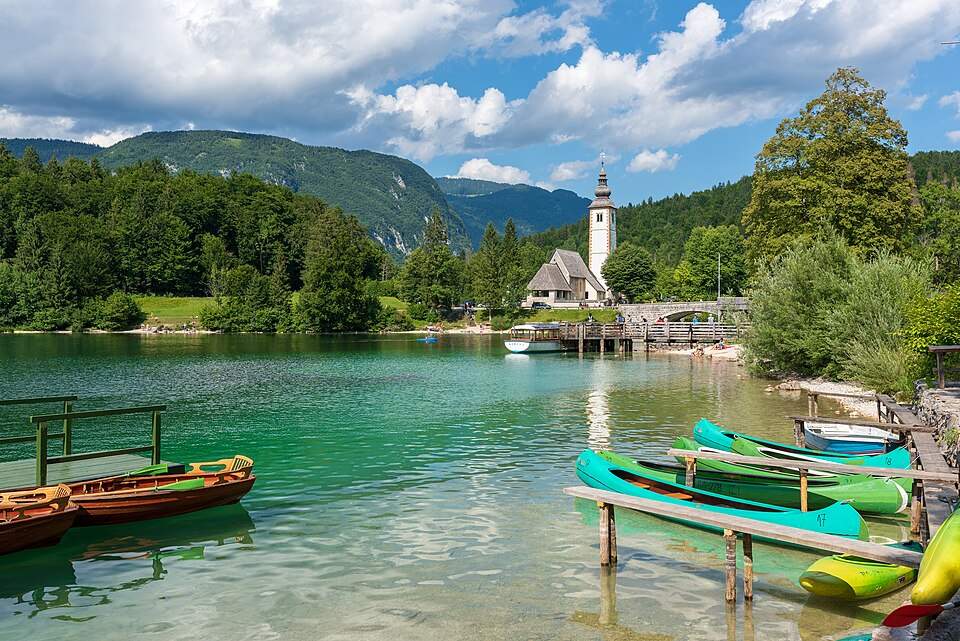
In our Slovenia travel diary, this Lake Bohinj Travel Guide explores one of Slovenia’s most beautiful Alpine destinations.
Lake Bohinj is one of Slovenia’s most beautiful Alpine destinations, known for its clear waters, mountain scenery, and peaceful lakeside villages. Located in the Julian Alps within Triglav National Park, it offers a quieter alternative to the popular Lake Bled while providing plenty of opportunities for outdoor adventures.
The best things to do at Lake Bohinj include walking along the lakeshore, swimming in summer, riding the Vogel cable car, hiking to Savica Waterfall, and exploring nearby mountain trails. Visitors can enjoy the area on a day trip or stay for several days to experience its villages, natural attractions, and seasonal activities.
Lake Bohinj is an excellent choice for nature lovers, hikers, couples, families, and travelers who prefer scenic destinations away from busy tourist centers. In this travel guide, you’ll discover the best things to do, when to visit, how to get there, where to stay, and practical tips for planning your trip.
Where Is Lake Bohinj, Slovenia?
Lake Bohinj lies in northwestern Slovenia, in the Julian Alps, about 26 km southwest of Bled by road. Surrounded by forested slopes and towering mountains, it is the largest natural permanent lake in Slovenia. The lake sits in the Bohinj Valley, within the Triglav National Park area, making it an excellent base for exploring the region’s alpine landscapes.
Lake Bohinj is best known for its natural setting and outdoor activities. The surrounding villages provide places to stay, eat, and connect with local transport, while the lake and nearby mountains offer options for both relaxed visits and active days.
Lake Bohinj and Triglav National Park
Lake Bohinj is located in the southeastern part of the Julian Alps, within the wider landscape protected by Triglav National Park. The park is Slovenia’s only national park and protects alpine forests, mountain peaks, rivers, lakes, and traditional settlements.
The lake stretches for approximately 4.2 km and reaches a maximum depth of around 45 metres. Its setting makes it a popular destination for hiking, photography, kayaking, cycling, and other outdoor activities.
The surrounding area includes several small settlements, including Ribčev Laz, Stara Fužina, and Ukanc. Each offers a different experience, from convenient lakeside access to quieter surroundings closer to hiking routes.
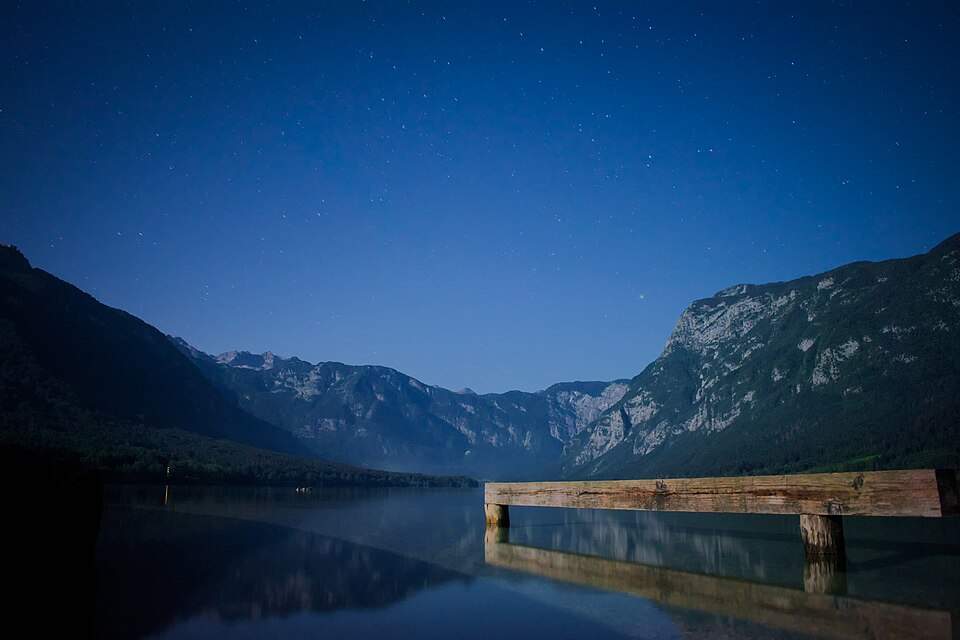 Visitors should remember that Lake Bohinj is part of a protected natural environment. Follow marked trails, use designated parking areas, respect swimming and boating rules, and take rubbish away with you. Conditions and restrictions can vary by location and season.
Lake Bohinj vs. Lake Bled: What Is the Difference?
Lake Bohinj and Lake Bled are both famous Slovenian lake destinations, but they offer different experiences. Lake Bled is known for its island church, medieval castle, and established tourist facilities. Lake Bohinj appeals more to travelers seeking open landscapes, hiking, swimming, and a closer connection with nature.
| Feature | Lake Bohinj | Lake Bled |
| Atmosphere | Quieter and more nature-focused | Busier and more developed |
| Main appeal | Mountains, outdoor activities, and scenery | Island church, castle, and classic viewpoints |
| Best for | Hikers, nature lovers, and outdoor enthusiasts | First-time visitors, sightseeing, and short breaks |
| Swimming | Designated lakeside areas in suitable conditions | Designated areas in suitable conditions |
| Accommodation | Villages and nature-oriented stays | Wider range of established tourist facilities |
| Ideal stay | One to three days, depending on activities | One or two days for the main sights |
Neither lake is universally better. Lake Bled may suit travelers who want iconic landmarks and convenient sightseeing, while Lake Bohinj is a stronger choice for those who want to explore alpine scenery and spend more time outdoors.
If your schedule allows, visiting both lakes makes an excellent addition to a Slovenia itinerary.
Is Lake Bohinj Worth Visiting?
Lake Bohinj is worth visiting if you enjoy Alpine scenery, outdoor activities, and a quieter atmosphere than Slovenia’s busier tourist destinations. Its lake, forested slopes, and mountain setting make it a rewarding destination for both relaxed sightseeing and active holidays.
A day is enough for the main lakeside sights, while two or three days allow time for hikes, viewpoints, waterfalls, and water activities.
Summer is best for swimming and water sports, autumn brings colorful scenery, and winter offers seasonal mountain activities when weather and operating conditions allow.
It may be less suitable for travelers who want extensive nightlife, large shopping areas, or a packed schedule of indoor attractions. The region’s main appeal is its natural environment, so the best experience comes from allowing enough time to enjoy it at a relaxed pace.
Best Things to Do at Lake Bohinj
Lake Bohinj offers a wonderful mix of alpine scenery, outdoor adventures, and cultural attractions. You can spend a few hours enjoying the lakeshore or several days exploring the surrounding mountains, waterfalls, and traditional villages. From swimming in summer to riding the Vogel cable car, the best things to do at Lake Bohinj suit a range of interests and fitness levels.
Walk Along the Shores of Lake Bohinj
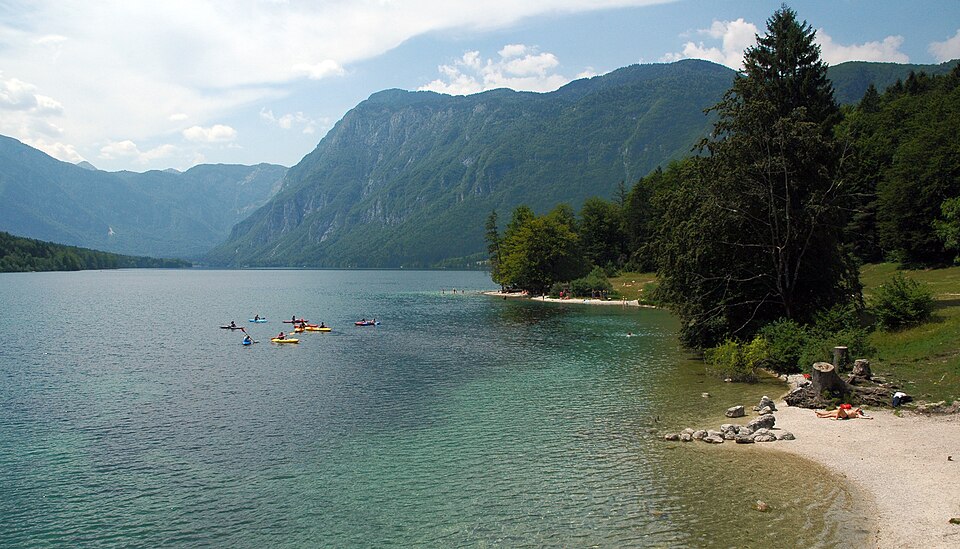 Walking along Lake Bohinj is one of the best ways to appreciate its natural beauty. The shoreline features pebbled beaches, wooded sections, open viewpoints, and beautiful views of the Julian Alps. You can enjoy a short stroll or explore different sections of the lake at a relaxed pace.
Start at Ribčev Laz, near the eastern end of the lake. This area offers convenient access to the water, the historic church, and the famous stone bridge. From here, follow the available lakeside paths towards quieter areas and enjoy the changing scenery.
The lakeshore measures approximately 11.35 km, but a complete circuit is not a continuous, flat lakeside promenade. Some sections involve uneven paths or roads. Plan your route according to your fitness level and available time.
You do not need to walk the entire shoreline to enjoy the experience. A short morning or evening walk provides excellent opportunities for photography, birdwatching, and peaceful mountain views.
The shores of Lake Bohinj offer more than beautiful mountain views. Along the way, you can find picturesque boat piers, peaceful waterfront spots, and lovely places to stop for photographs. The main passenger boat boarding points are at Ribčev Laz, near the stone bridge and Church of St. John the Baptist, and at Ukanc. These locations provide different perspectives of the lake and the surrounding Julian Alps.
Travel tip: Wear comfortable walking shoes and carry water. Follow designated paths, as some sections have restrictions on cycling and other activities.
Visit the Church of St. John the Baptist and the Stone Bridge
The Church of St. John the Baptist is one of the most recognizable landmarks at Lake Bohinj. Located in Ribčev Laz, near the lake’s eastern shore, it stands beside a picturesque stone bridge that has become a popular photography spot.
The church is notable for its traditional architecture and medieval frescoes. It also provides an opportunity to learn more about the area’s religious heritage and local history.
After exploring the church, walk towards the nearby bridge. The setting offers attractive views across the lake towards the surrounding mountains. It is particularly appealing in the early morning, when the water can reflect the landscape, or in the evening, when the light softens.
Allow around 20–40 minutes to explore the area, depending on whether you enter the church. Check local opening arrangements if you want to see the interior.
While exploring Ribčev Laz, look for the statue of Zlatorog, the legendary white chamois with golden horns. This mythical figure is part of Slovenian Alpine folklore and is closely associated with the Bohinj region. The statue adds a distinctive local touch to the scenery and makes a worthwhile stop during a lakeside walk.
Take a Panoramic Boat Ride
A panoramic boat ride is a relaxing way to experience Lake Bohinj from the water. The electric passenger boats connect Ribčev Laz and Ukanc during their operating season, offering a different perspective of the lake and its mountain surroundings.
The journey allows you to appreciate the scale of the landscape without walking the entire shoreline. It can also help you combine sightseeing at one end of the lake with a walk or excursion at the other.
Boat services operate according to seasonal schedules. Departures may be more frequent during busy summer months and more limited outside the main tourist season. Check the current timetable before planning your day.
If you prefer a more active experience, consider kayaking or paddleboarding instead. Both allow you to explore the lake at your own pace, subject to local regulations and suitable weather conditions.
Travel tip: If you plan to use the boat as transport, check the return departures in advance. This is particularly important if you intend to visit nearby attractions before returning to your starting point.
Swim in Lake Bohinj
Swimming is one of the most enjoyable activities at Lake Bohinj during summer. The clear alpine water, pebbled shoreline, and surrounding mountains create an appealing setting for a refreshing break.
Designated bathing areas include locations around Fužinski Bay and Ukanc. These provide suitable places to enjoy the lake while respecting local conservation rules.
Summer is generally the best season for swimming, but the water can remain cold even on warm days. Enter gradually and pay attention to weather conditions. Families should supervise children closely, and anyone unfamiliar with cold-water swimming should be cautious.
Lake Bohinj is a natural lake rather than a supervised swimming pool. Water temperatures and conditions can change, and not every part of the shoreline is equally suitable for swimming.
Check local signs and current bathing-water information before entering the water. Respect restricted areas and avoid swimming during storms or when visibility is poor.
Best Beaches and Swimming Spots Around Lake Bohinj
Lake Bohinj’s “beaches” are natural lakeshores rather than broad sandy beaches. Expect pebbles, grass, or rocky sections, with mountain views and places to sit beside the water. The official designated bathing areas are Fužinski Bay and Ukanc; follow local signs and use these areas for swimming.
Fužinski Bay: A Popular Lakeside Swimming Spot
Fužinski Bay, near Ribčev Laz, is one of the designated bathing areas and a convenient choice for visitors staying at the eastern end of the lake. It is easy to combine time by the water with a lakeshore walk, the stone bridge, and nearby cafés.
Ukanc Beach: Relax by the Western Shore
Ukanc, at the western end of the lake, is the other designated bathing area. Its natural setting makes it a good place to relax beside the water and combine a lakeside stop with nearby excursions toward Savica Waterfall or the Vogel cable car.
Beach and Swimming Tips
- Best time: Summer is generally the most comfortable season for swimming, although water temperatures remain variable.
- What to bring: Pack swimwear, a towel, sun protection, drinking water, and water shoes if you prefer them on pebbly shores.
- Safety: The lake can remain cold even in warm weather. Check local signs and water-quality notices, enter cautiously, and supervise children closely.
- Facilities: Facilities vary by location. Check locally for toilets, refreshments, parking, and other amenities.
Ride the Vogel Cable Car for Mountain Views
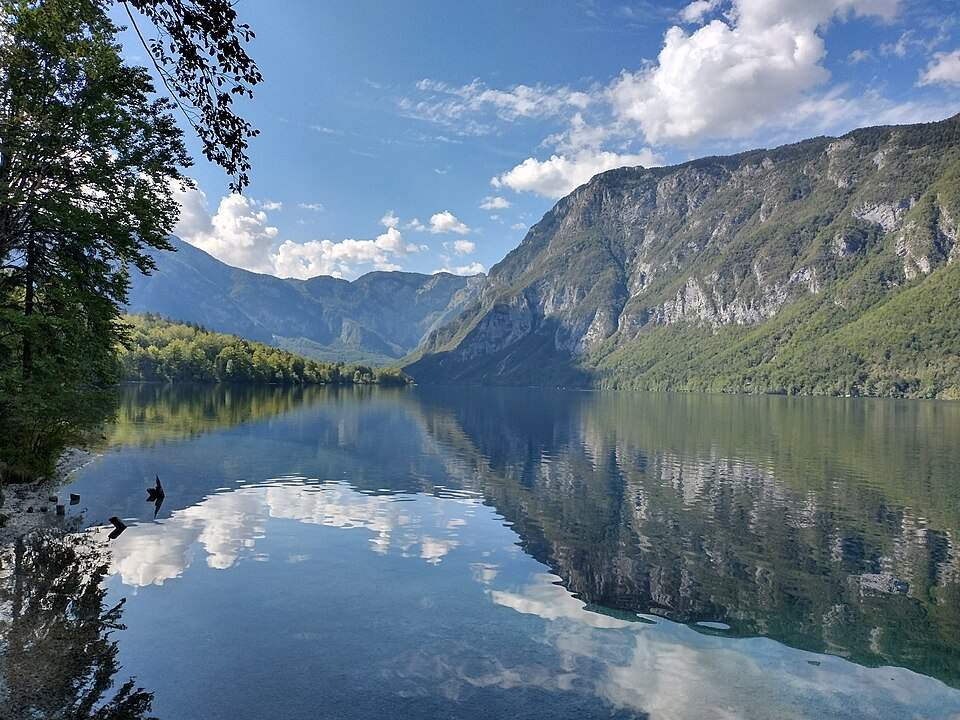 The Vogel cable car offers some of the most impressive views in the Lake Bohinj area. As the cable car climbs above the valley, the landscape opens to reveal the lake, surrounding forests, and peaks of the Julian Alps.
At the upper station, visitors can enjoy panoramic viewpoints and explore mountain walking routes when conditions permit. The experience provides access to elevated scenery without requiring a long ascent on foot from the lakeshore.
Vogel is also a popular winter sports destination. During the warmer months, it attracts visitors who want mountain views, photography opportunities, and access to alpine trails.
Weather is an important consideration. Cloud cover can obscure the views, while wind and other conditions may affect cable car operations. Check the forecast and current operating schedule before setting out.
Best for: Visitors who enjoy scenic viewpoints, photography, and mountain experiences without committing to a strenuous hike.
Hike to Savica Waterfall
Savica Waterfall is one of the best-known natural attractions near Lake Bohinj. Water emerges from a rocky mountainside and drops into a striking green pool surrounded by steep cliffs and forest.
The waterfall makes an excellent excursion for visitors who want to experience more of the region’s natural scenery. The approach involves climbing a substantial flight of steps, so allow enough time and wear suitable footwear.
Although the walk is relatively short compared with many alpine hikes, it can feel strenuous because of the continuous ascent. Visitors with limited mobility should consider the steps before making the trip.
The waterfall is particularly appealing after periods of rainfall, although water flow varies with the season and weather. Check access arrangements, opening information, and any applicable entrance fees before visiting.
You can combine Savica Waterfall with time at Lake Bohinj on the same day. However, allow sufficient time for transport, the walk, and other planned activities.
Explore Mostnica Gorge and the Voje Valley
Mostnica Gorge offers a different landscape from the open shoreline of Lake Bohinj. Here, the stream flows through narrow limestone formations, creating sculpted rock walls, clear pools, and interesting natural shapes.
Walking beside the gorge provides an opportunity to appreciate the geology and forest scenery of the Bohinj region. The nearby Voje Valley extends the experience with meadows, woodland, and mountain views.
This excursion is a good choice for travelers who enjoy nature walks and want to explore beyond the lake itself. You can choose a shorter outing or spend longer exploring the surrounding valley, depending on your available time and fitness level.
Some sections of the route can be uneven or slippery, particularly after rain. Wear sturdy shoes and remain on marked paths.
Follow local conservation rules and signs around the gorge. Swimming may be prohibited in protected sections, so do not assume that every pool is suitable for entering.
Allow extra time if you intend to visit both Mostnica Gorge and Voje Valley. Check local access conditions before departure, especially outside the main summer season.
Go Cycling, Kayaking, or Paddleboarding
Lake Bohinj is an excellent destination for travelers who enjoy outdoor activities. Cycling, kayaking, and stand-up paddleboarding offer different ways to explore the landscape beyond the main lakeside viewpoints.
Cycling: The Bohinj Cycling Route provides an opportunity to explore the wider area by bicycle. The designated route is approximately 12 km long and is generally considered relatively easy. Follow official route signs and observe restrictions on lakeside paths.
Kayaking and canoeing: Paddling lets you explore the lake from the water while enjoying close views of the surrounding mountains. Beginners should check rental availability, weather conditions, and safety requirements before setting out.
Stand-up paddleboarding: Paddleboarding is another popular warm-weather activity. Calm conditions are generally preferable for beginners, and local rules may restrict access to certain areas.
Other outdoor activities in the wider Bohinj region include fishing, horse riding, climbing, and paragliding. Availability depends on the season and local providers.
Choose activities that suit your ability and the weather. Alpine conditions can change quickly, so check forecasts and follow local safety guidance before heading out.
Enjoy Lake Bohinj in Winter
Lake Bohinj offers a quieter and different experience in winter. Snow-covered mountains, peaceful villages, and crisp alpine air create an appealing setting for travelers who enjoy seasonal scenery.
Depending on snow conditions, activities in the wider Bohinj region include skiing, cross-country skiing, snowshoeing, and winter walks. Vogel is one of the area’s best-known destinations for winter sports.
Winter visits require more planning than summer trips. Some attractions, boat services, and mountain facilities may operate on reduced schedules or close seasonally. Check transport options and opening information before traveling.
The lake does not necessarily freeze enough for skating every winter. Never walk or skate on the ice unless local authorities have explicitly confirmed that it is safe.
For winter hiking, use appropriate footwear and equipment, and consider daylight hours, snow, ice, and visibility before choosing a route.
Lake Bohinj is worth visiting in winter if you enjoy mountain scenery and seasonal outdoor activities. However, summer is generally more suitable for swimming, paddling, and enjoying the widest range of outdoor excursions.
Hike to the Best Viewpoints Around Lake Bohinj
Lake Bohinj looks beautiful from the shoreline, but hiking to a higher viewpoint reveals an even more impressive Alpine landscape. The surrounding Julian Alps provide several opportunities to see the lake from above, photograph its deep blue waters, and enjoy views of the forested slopes.
Whether you prefer a short uphill walk or a more challenging mountain excursion, consider these viewpoints when planning your visit.
Peč Viewpoint: A Short Hike with Beautiful Lake Views
Peč Viewpoint is one of the easiest places to enjoy an elevated view of Lake Bohinj. The trail starts near the Lev Bridge in Stara Fužina and takes around 20 minutes of leisurely walking along a marked forest path. The climb gains approximately 200 metres in elevation.
From the viewpoint, you can see Lake Bohinj, Ribčev Laz, the surrounding mountains, and parts of the Bohinj Valley. It is an excellent choice for travelers who want impressive scenery without committing to a long hike.
Vogar Viewpoint: Panoramic Views of Lake Bohinj
Vogar is a rewarding option for hikers who want a higher vantage point. The trail from Stara Fužina takes about an hour and climbs roughly 500 metres, so expect a steeper ascent than the walk to Peč.
At the top, you can enjoy sweeping views of Lake Bohinj, the surrounding valleys, and the Julian Alps. There are also viewpoints along the way, and a mountain hut near the top provides a place to rest when open. Wear suitable hiking shoes and allow extra time if you plan to visit both viewpoints.
Vogel Mountain: Alpine Scenery from Above
Vogel offers some of the most spectacular mountain views in the Bohinj region. You can take the cable car from the lake area to the upper station, approximately 1,535 metres above sea level. From there, the landscape opens up to reveal Lake Bohinj, the Julian Alps, and the Triglav mountain range on clear days.
You do not need to attempt a demanding summit hike to enjoy the scenery. Short walks around the upper station offer excellent views, while experienced hikers can explore longer mountain trails. Check cable car operating times and trail conditions before your visit.
Rudnica Hill: Views Across the Bohinj Valley
Rudnica is another worthwhile destination for travelers who enjoy forest walks and panoramic scenery. Its summit reaches 946 metres and offers views across the Upper and Lower Bohinj valleys, surrounding mountains, and nearby villages.
You can approach Rudnica from several villages, including Stara Fužina and Srednja vas. One option is to combine it with Peč Viewpoint for a longer outing. Continuing from Peč to the summit of Rudnica adds roughly an hour of walking, with additional climbing along the route.
Vodnik Viewpoint: A Shorter Scenic Walk
Vodnik Viewpoint, also known locally as Gospodovec, offers broad views across the Bohinj valleys and surrounding Julian Alps. The walk from Koprivnik is relatively short, making it a useful option for visitors who want a viewpoint without a long mountain ascent. Check the route and current conditions before setting out.
Which Viewpoint Should You Choose?
- For a short hike with a view of the lake: Choose Peč Viewpoint.
- For a steeper hike and panoramic lake views: Choose Vogar.
- For impressive Alpine scenery with less uphill walking: Take the Vogel cable car and explore the upper area.
- For a longer hiking experience: Combine Peč and Rudnica.
For a relatively short viewpoint walk from Koprivnik: Consider Vodnik Viewpoint.
Before setting out, check the weather forecast, wear suitable footwear, and carry water. Mountain conditions can change quickly, even during summer. Stay on marked trails and choose a route that matches your fitness and experience.
Travel tip: If you have only one day at Lake Bohinj, Peč is a practical viewpoint to add to your itinerary. If you have two or more days, consider Vogar or Rudnica for a more substantial hiking experience.
Best Time to Visit Lake Bohinj
The best time to visit Lake Bohinj depends on the activities you want to enjoy. June to September is generally the most versatile period for outdoor activities, including hiking, swimming, cycling, and exploring the lakeshore. Spring brings fresh greenery and flowing waterfalls, autumn offers colorful mountain scenery, and winter is ideal for snow-dependent activities when conditions permit.
Lake Bohinj experiences four distinct seasons, each offering a different travel experience. Use the following guide to choose the best months for your visit.
Visiting Lake Bohinj in Spring (March to May)
Spring is a lovely time to visit Lake Bohinj if you prefer quieter surroundings, fresh greenery, and fewer summer crowds. As temperatures rise, the surrounding forests become greener, wildflowers appear, and waterfalls may carry stronger flows from melting snow and seasonal rainfall.
March can still feel like winter, particularly at higher elevations. Snow and cold weather may affect hiking routes and mountain facilities. April and May generally bring milder conditions, making them better suited to lakeside walks, village visits, and photography.
Spring is also a good time to explore nearby natural attractions. However, some mountain trails may remain snowy or muddy, and seasonal boat services or cable car operations may follow limited schedules.
Swimming is usually less appealing during spring because the lake water remains cold.
Best months: April and May for spring scenery and quieter sightseeing, depending on weather conditions.
Best for: Nature lovers, photographers, peaceful walks, and travelers who prefer visiting outside the peak summer season.
Visiting Lake Bohinj in Summer (June to August)
Summer is generally the best time to visit Lake Bohinj for outdoor adventures. Longer daylight hours and warmer weather make it easier to combine swimming, kayaking, cycling, hiking, and boat rides in one trip.
June offers a good balance of outdoor activities and relatively manageable crowds. July and August are the busiest months, with warmer conditions that are generally more suitable for swimming and a wider range of seasonal activities.
Summer is also a good time to ride the Vogel cable car, hike to Savica Waterfall, and explore Mostnica Gorge and the Voje Valley. However, popular parking areas and accommodation can become busy during school holidays.
Book accommodation early for July and August, especially if you plan to stay close to the lake.
Best months: June to August for outdoor activities, with July and August generally preferable for swimming.
Best for: Swimming, kayaking, paddleboarding, hiking, cycling, and first-time visitors who want a wide choice of activities.
Visiting Lake Bohinj in Autumn (September to November)
Autumn brings cooler weather, quieter trails, and colorful scenery to Lake Bohinj. The surrounding forests gradually develop shades of yellow, orange, and gold, creating beautiful conditions for photography and relaxed lakeside walks.
September is particularly appealing because the weather can remain mild enough for hiking and other outdoor activities. It can also offer a good balance between summer conditions and fewer crowds.
October is often the most attractive month for autumn colors, although rainfall and cooler temperatures become more likely. By November, conditions can be considerably colder, daylight hours are shorter, and some seasonal attractions may reduce their operating schedules or close.
If you plan to hike, check trail conditions and mountain weather before setting out. Boat services and cable car operations may also become less frequent as the season progresses.
Best months: September and October for autumn scenery, subject to weather conditions.
Best for: Photography, colorful forests, peaceful walks, cooler-weather hiking, and travelers seeking fewer crowds.
Visiting Lake Bohinj in Winter (December to February)
Winter transforms Lake Bohinj into a peaceful Alpine destination with snowy mountain views when conditions are suitable. It is an appealing season for visitors who enjoy winter landscapes, skiing, and other cold-weather activities.
December brings a winter atmosphere, although snow at lake level is not guaranteed. January and February are often the most promising months for winter sports in the wider Bohinj region, depending on snowfall and operating conditions.
Vogel is a popular destination for skiing and mountain scenery. The surrounding region may also offer cross-country skiing, snowshoeing, and winter walks.
Winter visitors should prepare for cold temperatures, snow, ice, and shorter daylight hours. Some hiking routes, boat services, and seasonal attractions may be unavailable. Check current transport schedules and mountain conditions before traveling.
Do not assume the lake is safe for skating or walking on ice, even when parts of its surface appear frozen.
Best months: December to February for winter scenery and snow-dependent activities, depending on conditions.
Best for: Winter sports, snowy mountain landscapes, peaceful surroundings, and travelers seeking a different Alpine experience.
Which Month Is Best for Visiting Lake Bohinj?
| Month | What to expect | Best suited for |
| March | Early spring, possible snow at higher elevations | Quiet sightseeing |
| April | Greener landscapes and changeable weather | Nature walks and photography |
| May | Spring scenery and improving conditions | Hiking at suitable elevations |
| June | Longer days and outdoor activities | Hiking and exploring |
| July | Warm weather and peak-season activity | Swimming and water sports |
| August | Warm conditions and busy attractions | Swimming and family holidays |
| September | Mild conditions and fewer summer crowds | Hiking and sightseeing |
| October | Autumn colors and cooler weather | Photography and scenic walks |
| November | Colder conditions and reduced seasonal services | Quiet escapes, with flexible plans |
| December | Winter atmosphere, snow depending on conditions | Seasonal scenery |
| January | Cold weather and potential snow | Winter sports when available |
| February | Winter activities and mountain scenery | Skiing and snow-based adventures |
Final recommendation: Choose June or September for a balance of outdoor activities and a more relaxed visit. Visit in July or August if swimming is your priority, October for autumn colors, or January and February for winter sports when snow conditions are favorable.
These months are general planning guidance, not guarantees of particular weather, snow, or service availability.
How to Get to Lake Bohinj
Lake Bohinj is located in northwestern Slovenia, in the Julian Alps, and can be reached from Ljubljana, Lake Bled, and other parts of the country by car or public transport. Most visitors use Ljubljana as their starting point because it has Slovenia’s main international airport and convenient connections to other destinations.
Driving offers flexibility for exploring the villages, waterfalls, and mountain attractions around the lake. Public buses provide an alternative for travelers who prefer not to rent a car, although journey times and departure schedules vary by season.
When planning your trip, consider where you are staying, whether you want to visit nearby attractions, and how much time you have. These factors will help you choose the most convenient way to reach Lake Bohinj.
How to Get to Lake Bohinj From Ljubljana
Ljubljana is one of the most convenient starting points for a trip to Lake Bohinj. The distance is approximately 80 km by road, and the journey usually takes around 1.5 to 2 hours by car, depending on traffic and the route.
If you prefer public transport, regular buses connect Ljubljana’s main bus station with the Bohinj area. Some services continue to Ukanc, near the western end of the lake. Depending on the departure, you may stop at Ribčev Laz or other villages along the route.
Driving is a good option if you want to explore nearby attractions, such as Savica Waterfall and Mostnica Gorge, without depending on bus schedules. However, public transport can be more convenient if your main plan is to stay near the lake and enjoy its walking routes.
If you arrive at Ljubljana Jože Pučnik Airport, you can continue towards Bohinj by rental car or public transport connections. Allow additional time for transfers when planning your journey.
Travel tip: Check bus departure times before leaving Ljubljana, especially if you plan to arrive in Bohinj in the evening. Services and journey times can vary by day and season.
How to Get to Lake Bohinj From Lake Bled
Lake Bled and Lake Bohinj are two of Slovenia’s most popular Alpine destinations, making it easy to include both in the same itinerary.
The road distance between the lakes is approximately 25–30 km, depending on your destination around Bohinj. Driving generally takes around 30–45 minutes in normal traffic, although summer congestion can increase journey times.
If you are not driving, buses connect Bled with the Bohinj area. The journey typically takes around 45–60 minutes, depending on the service and stop. Some buses continue towards Lake Bohinj, while others may require you to check the destination and stopping points carefully.
Travelers staying in Bled can visit Lake Bohinj on a day trip. However, spending a night or two in Bohinj gives you more time to explore the surrounding villages, hiking trails, and natural attractions without rushing back.
Travel tip: If you plan to visit both lakes, consider staying in Bled first and then continuing to Bohinj. This can make your Slovenia itinerary easier to organize.
Visiting Lake Bohinj by Bus or Train
Public transport is a practical way to reach Lake Bohinj, particularly for travelers who want to avoid driving in the mountains.
By bus: Regular bus services connect Ljubljana with Bohinj, with routes passing through Bled and Bohinjska Bistrica. Depending on the service, buses may continue to Ribčev Laz and Ukanc. The journey from Ljubljana generally takes around two hours, although some services may take longer.
By train: Bohinjska Bistrica is the main railway station serving the Lake Bohinj area. Trains run along the scenic Bohinj railway line, connecting the region with destinations such as Jesenice and Nova Gorica. From Bohinjska Bistrica, you can continue to the lake by bus, taxi, or a seasonal shuttle when available.
There is no railway station directly beside Lake Bohinj, so you will need to arrange onward transport if you arrive by train.
Travelers arriving from other parts of Europe may find it convenient to combine train travel with a local bus connection. This can be a comfortable alternative to renting a car, especially if you are staying near one of the main villages.
Travel tip: Check the latest timetables before traveling. Bus and train schedules may differ on weekends, public holidays, and outside the main tourist season.
Can You Visit Lake Bohinj Without a Car?
Yes, you can visit Lake Bohinj without a car. Public buses, trains to Bohinjska Bistrica, local transfers, and seasonal shuttle services provide several ways to reach the lake and explore the surrounding area.
Staying in Ribčev Laz is a convenient choice for first-time visitors who want access to the lakeshore, restaurants, and local transport. Ukanc is another option for travelers who prefer a quieter setting near nature and outdoor activities.
Once you arrive, you can explore parts of the shoreline on foot, use the seasonal panoramic boat between Ribčev Laz and Ukanc, and take local transport to selected attractions when services are operating.
However, visiting every attraction without a car requires more planning. Some waterfalls, trailheads, and mountain destinations have limited transport connections, particularly outside summer.
If you plan to rely on public transport, choose accommodation near a bus stop and organize your daily activities around available services. A combination of walking, buses, and the panoramic boat can make a car-free visit enjoyable.
Best approach: For a short stay, use public transport and focus on the lake and nearby villages. For a longer trip with several remote attractions, compare shuttle availability with the convenience of renting a car.
Driving, Parking, and Local Transport
Driving gives you greater flexibility when exploring Lake Bohinj and the surrounding Julian Alps. It is particularly useful if you want to visit several attractions in one day or travel outside the main tourist season.
The roads to Bohinj pass through scenic Alpine countryside, but some sections are narrow or winding. Drive carefully, allow extra time during busy periods, and check weather conditions if you are visiting in winter.
Parking requires some planning, especially during summer. Use designated parking areas and follow local signs rather than leaving your vehicle along roadsides or in restricted spaces. Parking fees and restrictions vary by location and season.
To reduce traffic around the lake, local authorities also organize seasonal shuttle services and park-and-ride connections. These services can help visitors reach popular attractions without driving directly to every destination. Routes and operating dates change, so check the current arrangements before your trip.
Local buses, the panoramic boat, and walking routes can help you move between the main settlements. However, not every attraction is connected by frequent public transport throughout the year.
Practical advice: If you are visiting during July or August, arrive early at popular parking areas or consider using public transport. During spring, autumn, and winter, check transport schedules carefully because some seasonal services may not operate.
Where to Stay Near Lake Bohinj
Choosing the right place to stay can make your Lake Bohinj trip much easier. The area has several villages, each offering a different balance of lake access, mountain scenery, transport connections, and local amenities. Ribčev Laz is convenient for first-time visitors, Stara Fužina offers a traditional village atmosphere, Ukanc appeals to nature lovers, and Bohinjska Bistrica is practical for travelers who value transport and everyday services.
Before booking, consider whether you will have a car, which attractions you want to visit, and how close you want to be to restaurants and public transport. Accommodation advertised as being in the Bohinj area may be several kilometres from the lake itself, so check the exact location rather than relying on the listing title.
Ribčev Laz: Best for First-Time Visitors
Ribčev Laz is one of the most convenient places to stay for a first visit to Lake Bohinj. Located at the eastern end of the lake, it provides easy access to the lakeshore, the Church of St. John the Baptist, the stone bridge, and nearby walking routes.
The village is also a practical base for visitors who prefer not to drive everywhere. It has bus connections, restaurants, accommodation, and access to the seasonal passenger boat serving the lake. You can enjoy a lakeside walk or explore nearby attractions without having to begin every outing with a long drive.
Ribčev Laz offers a range of accommodation, including hotels, apartments, guesthouses, and private rooms. Staying here can be particularly convenient during a short visit when you want to spend most of your time around the lake.
The main drawback is that popular locations can become busy during summer. Accommodation close to the water may also be in high demand during peak travel periods.
Best for: First-time visitors, couples, short stays, and travelers who want convenient lake access without relying entirely on a car.
Stara Fužina: Best for Village Atmosphere and Hiking
Stara Fužina is a traditional village near the northeastern side of Lake Bohinj. It offers a quieter atmosphere than the main lakeside area and provides a good base for travelers who want to experience local village life alongside outdoor activities.
The village is well placed for exploring the Mostnica Gorge and Voje Valley. It also offers access to walking routes and the surrounding countryside, making it appealing to visitors who prefer hiking and nature excursions over busy tourist areas.
Accommodation options include apartments, guesthouses, and holiday homes. Staying here can provide a more residential feel, particularly if you choose self-catering accommodation.
However, the distance to the lake varies by property. Some places are within a comfortable walk, while others require a longer walk or local transport. Check the exact address before booking, especially if you plan to travel without a car.
Best for: Hikers, nature lovers, couples, and travelers who prefer a traditional village setting.
Ukanc: Best for Nature and Outdoor Activities
Ukanc lies at the western end of Lake Bohinj, surrounded by forested slopes and mountain scenery. It is a good choice for travelers who want to stay close to nature and spend much of their time exploring the western side of the lake.
The village provides convenient access to the Savica Waterfall area and the lower station of the Vogel cable car. It is also a good starting point for lakeside walks, photography, and outdoor activities in suitable weather.
Accommodation in Ukanc includes apartments, guesthouses, and campsites. Some properties offer a peaceful setting close to the lake, making this area attractive for travelers seeking a quieter Alpine stay.
The main disadvantage is its more limited range of shops, restaurants, and everyday services compared with larger settlements. Public transport and seasonal services may also be less convenient outside the main tourist season.
If you plan to stay here, check meal options, transport schedules, and the distance between your accommodation and nearby attractions before booking.
Best for: Nature lovers, hikers, campers, photographers, and travelers seeking a quieter lakeside setting.
Bohinjska Bistrica: Best for Transport and Amenities
Bohinjska Bistrica is the main town in the Bohinj area and an important transport hub. It is a practical base for visitors who value railway connections, bus services, shops, and everyday amenities.
The town is particularly useful if you plan to arrive by train or travel around Slovenia using public transport. Accommodation options include hotels, guesthouses, apartments, and other places to stay, with choices for different budgets.
However, Bohinjska Bistrica is not directly beside Lake Bohinj. You will need to travel to the lake by car, bus, bicycle, or another available local transport option. This extra journey is worth considering if you want to spend most of your time swimming, walking along the shore, or enjoying the lake views.
For longer stays, the town can be a convenient base for exploring several parts of the region without paying for accommodation immediately beside the lake.
Best for: Travelers arriving by train, visitors seeking everyday amenities, longer stays, and those who prioritize transport connections over a lakeside location.
Hotels, Apartments, Guesthouses, and Campsites
Lake Bohinj and the surrounding villages offer several types of accommodation. The right choice depends on your budget, travel style, length of stay, and preferred location.
Hotels: Hotels are a good option if you prefer services such as breakfast, on-site dining, reception assistance, or wellness facilities. They can be particularly convenient for short stays when you want to focus on sightseeing rather than preparing meals.
Apartments and holiday homes: Apartments suit families, couples, and groups who want extra space and the flexibility to prepare their own meals. They are available in several villages, but their distance from the lake and transport stops varies.
Guesthouses and private rooms: Guesthouses provide a more personal stay and may offer breakfast or access to local dining. Private rooms can also be a practical option for travelers seeking simpler accommodation.
Campsites: Camping is an appealing choice for travelers who enjoy spending time outdoors. Official campsites in the Bohinj area provide designated places for tents and caravans. Wild camping and overnight stays outside authorized areas are not permitted, so use an approved campsite.
When comparing accommodation, look beyond the nightly price. Consider parking, breakfast, cancellation policies, access to public transport, and whether restaurants or grocery shops are within walking distance.
During July and August, booking early is advisable because popular properties can fill quickly. For spring and autumn visits, check seasonal opening dates, while winter travelers should confirm access and nearby facilities.
Our recommendation: Choose Ribčev Laz for convenient access to the lake, Stara Fužina for village atmosphere and hiking, Ukanc for a quieter nature-focused stay, or Bohinjska Bistrica for transport and amenities. The best place to stay near Lake Bohinj is the one that keeps your preferred activities and daily travel arrangements convenient.
Best Places to Visit Near Lake Bohinj
The main waterfall, gorge, and mountain excursions are covered in the activities section above. If you have extra time, consider these additional cultural sights and longer hikes around the Bohinj region.
Some attractions are easy to visit in a few hours, while others deserve half a day or longer. If you have two or three days in the area, consider combining Lake Bohinj with nearby natural attractions to experience more of the region without rushing.
Church of the Holy Spirit (Cerkev sv. Duha)
The Church of the Holy Spirit (Cerkev sv. Duha) is a small historic church on the southern shore of Lake Bohinj, near the lake’s eastern half. It offers a quieter cultural stop alongside the lake’s better-known outdoor attractions. If you plan to visit the interior, confirm opening arrangements locally.
Lake Bled
Lake Bled is an easy addition to a Bohinj itinerary, roughly 25–30 km away by road depending on the destination. Its island church, medieval castle, and developed lakeside facilities offer a contrast to Bohinj’s nature-focused atmosphere.
Visitors can walk beside the water, photograph the island, visit Bled Castle, or stop at a café. Allow a separate half-day or full day if you want to explore beyond the main viewpoints.
You can visit Bled as a day trip or include both lakes in a wider Slovenia itinerary. Check bus schedules in advance if you are not driving.
During summer, Lake Bled can become crowded, particularly around its most popular viewpoints and attractions. Arriving early may help you enjoy the scenery at a more relaxed pace.
Best for: First-time visitors to Slovenia, sightseeing, photography, and travelers who want to combine natural scenery with historic landmarks.
Other Attractions in the Bohinj Region
If you have extra time, add one of these cultural or hiking experiences rather than trying to fit every attraction into a short visit.
Valley of the Triglav Lakes: This high-alpine valley is a rewarding choice for experienced hikers with a full day available. It is a more demanding mountain excursion than the lakeside walks in this guide, so plan for elevation gain, changing weather, and suitable equipment.
Devil’s Bridge (Hudičev most): Near Stara Fužina, this historic stone bridge is a useful stop when visiting the Mostnica Gorge area. Combine it with the gorge walk rather than making a separate trip.
Alpine Dairy Museum and Oplen House: These heritage attractions introduce traditional farming, alpine dairy production, and historic Bohinj home life. They are worth considering when you want a cultural break from hiking or when the weather is less suitable for mountain activities. Check opening days before visiting.
International Wild Flower Festival: If your visit falls in May or June, check whether the annual festival is taking place. Events across the Bohinj area celebrate Alpine flowers and local culture, although the programme and dates vary each year.
Lake Bohinj Itinerary: How Many Days Do You Need?
You can experience the highlights of Lake Bohinj in one day, but staying for two or three days gives you more time to explore its surrounding mountains, waterfalls, and traditional villages. The ideal length of your visit depends on whether you prefer relaxed lakeside sightseeing, outdoor activities, or longer excursions into the Julian Alps.
A one-day visit is suitable for travelers with limited time. Two days allow you to explore the main attractions without rushing, while three days provide flexibility for hiking, mountain views, and a day trip to Lake Bled.
One Day at Lake Bohinj
If you have only one day, focus on the lakeshore and a few nearby attractions. Starting early gives you more time to enjoy the scenery and avoid the busiest periods at popular locations.
Morning: Explore the lakeshore
Begin your day in Ribčev Laz. Visit the Church of St. John the Baptist and the stone bridge, then take a leisurely walk beside the lake. Allow time for photographs and views of the surrounding mountains.
Late morning: Take a boat ride or enjoy the water
If the seasonal service is operating, take a panoramic boat ride towards Ukanc. Alternatively, spend more time walking along the shoreline or enjoying a lakeside break.
Afternoon: Visit Savica Waterfall
Head towards Savica Waterfall for a short excursion. The approach involves climbing steps, so allow enough time for the walk and rest stops.
If you prefer mountain views, you could visit Vogel instead, provided the cable car is operating and the weather is suitable. Trying to fit both attractions into one day may make the itinerary feel rushed.
Evening: Enjoy the lake at a relaxed pace
Return to the lakeshore for an evening stroll or dinner in one of the nearby villages.
Best for: Day-trippers, travelers staying in Bled, and visitors with limited time in Slovenia.
Two Days at Lake Bohinj
Two days provide a more balanced Lake Bohinj experience. You can explore the main attractions on the first day and spend the second day discovering the surrounding natural landscapes.
Day 1: Lake Bohinj and Savica Waterfall
- Start with the Church of St. John the Baptist and the stone bridge in Ribčev Laz.
- Walk along the lakeshore and enjoy the mountain scenery.
- Take a seasonal panoramic boat ride if available.
- Visit Savica Waterfall in the afternoon.
- Finish with dinner and a relaxed evening near the lake.
Day 2: Vogel Mountain and Mostnica Gorge
- Begin with a trip to Vogel for panoramic views, weather and cable car operations permitting.
- Enjoy a mountain walk if the conditions and your fitness level allow.
- Return to the valley for lunch.
- Spend the afternoon exploring Mostnica Gorge and, if time permits, the Voje Valley.
This itinerary combines lakeside sightseeing, mountain scenery, and walking. However, check opening schedules and trail conditions before committing to both Vogel and Mostnica Gorge on the same day. If you prefer a slower pace, choose one of them as your main excursion.
Best for: First-time visitors, couples, families with older children, and travelers who want to see the main attractions without rushing.
Three Days in Bohinj and the Surrounding Julian Alps
Three days give you greater flexibility to explore the Bohinj region at a relaxed pace. You can enjoy the lake, visit nearby natural attractions, and reserve time for a longer excursion or a day trip to Lake Bled.
Day 1: Discover Lake Bohinj
- Explore Ribčev Laz and its historic church and stone bridge.
- Walk along the lakeshore.
- Enjoy a boat ride or a suitable water activity during the warmer months.
- Spend the evening in one of the nearby villages.
Day 2: Explore the mountains and waterfalls
- Visit Savica Waterfall in the morning.
- Ride the Vogel cable car for mountain views if it is operating.
- Enjoy a suitable walking route or spend more time exploring the western end of the lake.
- Return to your accommodation for a relaxed evening.
Day 3: Explore Mostnica Gorge or visit Lake Bled
Choose your final day according to your interests.
If you enjoy nature and hiking, explore Mostnica Gorge and the Voje Valley. Allow enough time for the walking route and check local access conditions.
If you prefer historic landmarks and classic sightseeing, take a day trip to Lake Bled. Visit the lakeshore, enjoy views of the island church, and explore the castle area if time permits.
Avoid trying to fit both options into the same day unless you have a car, start early, and are comfortable with a busy schedule.
Best for: Nature lovers, photographers, hikers, and travelers who want to explore more of Slovenia’s Alpine scenery.
Which Itinerary Should You Choose?
| Length of stay | Recommended focus |
| One day | Lakeshore, Ribčev Laz, and one major excursion |
| Two days | Lake Bohinj, Savica Waterfall, Vogel, or Mostnica Gorge |
| Three days | Main attractions, mountain scenery, and Lake Bled or a longer nature excursion |
Our recommendation: Spend at least two days at Lake Bohinj if your schedule allows. This gives you time to appreciate the lake itself rather than treating it as a quick photo stop. Choose three days if you want to explore the surrounding Julian Alps at a relaxed pace.
These itineraries are flexible suggestions. Seasonal opening hours, weather, transport availability, and your preferred walking pace may affect what you can comfortably fit into each day.
Practical Tips for Visiting Lake Bohinj
A little preparation can make your Lake Bohinj trip easier, especially during the busy summer season. Planning your parking, checking local transport, packing suitable clothing, and understanding the rules of Triglav National Park will help you enjoy the region while protecting its natural environment.
Parking Fees and Public Transport
Parking around Lake Bohinj is regulated, and visitors must use designated parking spaces. Popular areas can become busy during summer, so arriving early or using public transport can save time.
If you are driving, check the location, operating hours, and current parking fees before setting out. Parking prices and restrictions vary by location and season. Avoid leaving your vehicle along roadsides or in unauthorized spaces.
Seasonal shuttle services connect selected parking areas, villages, trailheads, and attractions. These can be especially useful during summer, when traffic and parking demand increase. Local transport offers may include discounted or bundled travel options, but prices and availability can change.
Buses, the seasonal passenger boat, and walking routes provide additional ways to explore the area. Visitors staying for several nights may also qualify for the Julian Alps: Bohinj Card, which offers transport benefits and other advantages through participating accommodation providers.
Travel tip: If you are staying overnight, ask your accommodation provider about transport cards, parking arrangements, and seasonal shuttle services before driving to popular attractions.
Swimming Rules and Water Safety
Lake Bohinj is a popular place for swimming during the warmer months. Designated bathing areas include Fužinski Bay and Ukanc, where visitors can enjoy the water while respecting local regulations.
The water can remain cold even in summer, so enter gradually and avoid swimming during storms or when conditions are unsafe. Children should be supervised closely, and inexperienced swimmers should remain within their abilities.
Swimming is prohibited in high-mountain lakes and in the Mostnica River. These restrictions protect sensitive aquatic habitats; follow signs and local rules.
If you bring a dog, check the local rules for swimming areas and keep your pet under control. Restrictions may apply near designated bathing areas.
Visitors using kayaks, canoes, or paddleboards must also follow local boating regulations. Use designated entry and exit points, observe restricted areas, and check whether your activity requires a permit.
Travel tip: Check local signs and current water-quality information before swimming. Conditions can change with weather, rainfall, and seasonal water temperatures.
Hiking Gear and Mountain Weather
Lake Bohinj provides access to a variety of walking routes, from easy lakeside strolls to demanding mountain hikes. Choosing suitable clothing and equipment is important because conditions in the Julian Alps can change quickly.
For shorter walks, comfortable walking shoes, drinking water, sun protection, and a light waterproof jacket are usually sensible choices. If you plan to hike at higher elevations, wear sturdy footwear and carry additional layers, food, and a map or reliable navigation device.
Check the weather forecast before leaving, particularly if you plan to visit Vogel Mountain or explore longer routes. Rain, strong winds, fog, and sudden temperature changes can make mountain trails more difficult.
Do not assume that a route is safe simply because it looks clear from the lakeshore. Snow and ice may remain at higher elevations after conditions improve in the valley.
Travel tip: Start longer hikes early, allow extra time for breaks, and turn back if weather or trail conditions deteriorate. Choose a route that matches your experience and fitness level.
Visitor Rules in Triglav National Park
Lake Bohinj lies within the protected Alpine landscape of Triglav National Park. Visitors can help preserve this environment by following local regulations and respecting the people who live and work in the region.
Keep these important rules in mind:
- Stay on marked paths: Avoid damaging vegetation or entering private meadows and pastures.
- Take your rubbish with you: Do not leave food scraps, packaging, or other waste in the natural environment.
- Camp only in authorized areas: Wild camping and overnight stays outside designated places are not permitted.
- Keep dogs under control: Clean up after your pet and respect restrictions around bathing areas and sensitive habitats.
- Respect cycling restrictions: Cycling is not allowed on mountain and hiking trails or along the northern lakeshore. Follow local signs for permitted routes.
- Follow water regulations: Swimming is prohibited in designated sensitive habitats, including high-mountain lakes and the protected section of Mostnica.
- Respect drone restrictions: Drone use in the natural environment of the national park is prohibited without the required authorization.
These rules protect wildlife, reduce environmental damage, and help maintain a pleasant experience for residents and visitors.
Food, Shops, and Essential Facilities
The villages around Lake Bohinj provide restaurants, cafés, grocery shops, and other visitor facilities. Ribčev Laz is convenient for lakeside dining and basic travel needs, while Bohinjska Bistrica offers a wider range of everyday services.
You can find Slovenian dishes, regional specialties, bakery items, and casual meals in the Bohinj area. If you plan to spend the day hiking or visiting waterfalls, consider carrying snacks and enough drinking water rather than relying on finding food along every route.
Facilities are more limited in quieter areas such as Ukanc, particularly outside the main tourist season. Some restaurants and seasonal businesses may reduce their opening hours or close during winter.
Public toilets and other facilities are available at selected visitor locations, but they are not present along every trail. Plan ahead before starting a longer walk.
Travel tip: If you are staying in a self-catering apartment, buy groceries in advance and check local opening hours, especially on Sundays, public holidays, and during the quieter seasons.
Travel Costs and Budget Planning
The cost of visiting Lake Bohinj depends on your accommodation, transport choices, activities, and season. Summer is generally the busiest period, and accommodation close to the lake may cost more than properties farther away.
Here are the main expenses to consider when planning your budget:
| Expense | Budgeting advice |
| Accommodation | Compare villages and book early for July and August |
| Transport | Compare car rental, buses, trains, and seasonal shuttles |
| Parking | Check current fees and choose designated parking areas |
| Food | Mix restaurant meals with groceries or self-catering |
| Activities | Budget for cable cars, boat rides, and attraction entrance fees |
| Hiking and sightseeing | Many walks and lakeside viewpoints can be enjoyed without an attraction ticket |
You can reduce costs by visiting outside the busiest summer weeks, staying in a self-catering apartment, and using public transport where practical. Walking around the lake and exploring the villages can also fill your itinerary without requiring a paid activity at every stop.
If you plan to visit several paid attractions, check whether a current local visitor package offers better value. Travelers staying multiple nights may also benefit from a regional visitor card if they meet its eligibility conditions.
Our recommendation: Decide on your accommodation and transport first, then set aside a separate budget for activities and meals. Check current prices before your trip rather than relying on outdated estimates, as fees and seasonal offers can change.
Frequently Asked Questions About Lake Bohinj
Is Lake Bohinj better than Lake Bled?
Lake Bohinj is better for travelers who prefer peaceful Alpine scenery, hiking, swimming, and outdoor activities. Lake Bled is ideal for visitors who want iconic landmarks, including its island church and medieval castle. Both lakes are worth visiting if your Slovenia itinerary allows enough time.
How long should you spend at Lake Bohinj?
Plan at least one day to see the main lakeside attractions. Two days allow time for Savica Waterfall, Vogel Mountain, and other nearby sights. Three days are ideal if you want to explore the surrounding Julian Alps at a relaxed pace.
Can you swim in Lake Bohinj?
Yes, swimming is possible in Lake Bohinj, particularly during summer. Designated bathing areas include Fužinski Bay and Ukanc. The water can remain cold even in warm weather, so check local signs, water conditions, and swimming restrictions before entering.
Do you need a car to visit Lake Bohinj?
No, you can visit Lake Bohinj without a car. Buses connect the area with Ljubljana and Lake Bled, while trains reach nearby Bohinjska Bistrica. Local buses, seasonal shuttles, walking routes, and passenger boats can help you explore, although some attractions require additional planning.
Is Lake Bohinj suitable for families?
Yes, Lake Bohinj is suitable for families who enjoy nature and outdoor activities. Families can walk along the lakeshore, enjoy scenic boat rides, visit nearby villages, and explore suitable trails. Supervise children near the water and choose hiking routes appropriate for their ages and abilities.
Is Lake Bohinj expensive to visit?
Lake Bohinj can suit different budgets, depending on accommodation, transport, dining, and activities. Staying in a self-catering apartment, using public transport, and enjoying free lakeside walks can reduce costs. Accommodation near the lake may be more expensive during July and August.
Can you visit Lake Bohinj in winter?
Yes, Lake Bohinj is worth visiting in winter for Alpine scenery, peaceful villages, and seasonal activities. The wider region offers skiing and other winter sports when conditions permit. Check weather forecasts, transport schedules, and attraction opening times because some services operate on reduced schedules or close seasonally.
Final Thoughts: Is Lake Bohinj Worth Visiting?
Lake Bohinj is worth visiting for its Alpine scenery, peaceful shoreline, and easy access to outdoor adventures in the Julian Alps. It offers a different experience from Lake Bled, with a stronger focus on nature, hiking, and time beside the water.
Choose activities that suit your interests and the season, and leave room in your schedule for changing mountain weather. Scenic viewpoints such as Peč and Vogar are especially worthwhile if you want to see the lake from above.
A two-day stay is a good balance for most visitors, while three days allow time for longer hikes or a visit to Lake Bled. If you prefer nature and a slower pace, Lake Bohinj deserves a place on your Slovenia itinerary.
