

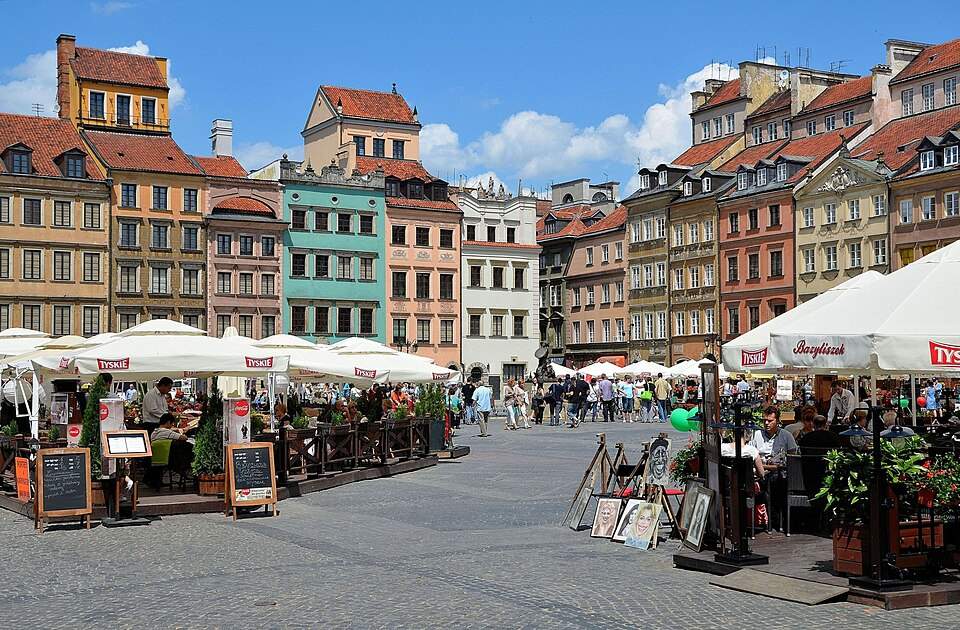
Warsaw Travel Guide: Warsaw offers a mix of history, modern city life, museums, local food, green parks, and affordable travel experiences. The Polish capital combines reconstructed historical districts with contemporary urban culture, making it one of the most interesting and underrated cities in Central Europe.
Introduction
Warsaw is one of Europe’s most underrated capitals, known for its historic Old Town, affordable travel experiences, vibrant food culture, museums, and modern city atmosphere. This Warsaw travel guide covers the best things to do, travel costs, local food, transport, and essential travel tips for everyone.
Many travelers visit Poland for Kraków first, but Warsaw feels very different. The city combines rebuilt historical districts with modern business areas, wide boulevards, riverfront spaces, and contemporary architecture. Visitors can walk through centuries of history and still experience a fast-moving modern European capital.
Warsaw also remains more affordable than many popular European cities. Hotels, transportation, and restaurants often cost less than in Western Europe. This makes the city attractive for budget travelers, solo travelers, families, and long-term travelers.
History plays a major role in Warsaw’s identity. Much of the city was destroyed during World War II, but residents rebuilt important landmarks with remarkable accuracy. Areas like Warsaw Old Town now reflect both resilience and cultural preservation.
Food also adds depth to the travel experience. Visitors can explore traditional Polish cuisine, local bakeries, milk bars, modern cafes, and riverside restaurants throughout the city. Dishes like Pierogi and traditional soups remain important parts of Warsaw’s food culture.
This Warsaw travel guide covers the best things to do, local food experiences, travel costs, transportation, where to stay, safety advice, and practical travel tips for first-time visitors. You will also learn the best time to visit Warsaw and how to plan your trip more efficiently.
Overall, Warsaw suits travelers who want history, culture, affordability, and modern city life in one destination. The city may not feel as crowded as other European capitals, but it offers a deeper and more balanced travel experience for many visitors.
Why Visit Warsaw?
Warsaw is worth visiting for its mix of history, affordability, culture, and modern city life. The Polish capital offers museums, rebuilt historical districts, green public spaces, local food, and a less crowded experience compared to many major European cities.
Many travelers expect Warsaw to feel heavily historical, but the city offers much more than war history. Modern skyscrapers stand beside reconstructed streets, contemporary cafes operate near historic squares, and local neighborhoods still maintain a strong cultural identity. This combination gives Warsaw a very different atmosphere from many European capitals.
A City Rebuilt From History
Warsaw’s history shapes almost every part of the city. During World War II, large parts of Warsaw were destroyed. After the war, residents rebuilt churches, homes, public buildings, and market squares with careful detail.
Today, places like Warsaw Old Town reflect that rebuilding effort. Walking through the area feels historic, but the reconstruction itself also represents resilience and national identity. This gives Warsaw a deeper historical atmosphere than many travelers expect.
The city also preserves important historical sites, museums, and memorials connected to Poland’s wartime history and political struggles.
Affordable European Travel Destination
Warsaw remains more affordable than many well-known European capitals. Travelers often spend less on hotels, public transport, and dining compared to cities like Paris, Amsterdam, or Vienna.
Budget travelers can find:
- Reasonably priced public transport
- Affordable local restaurants
- Lower accommodation costs outside peak season
Mid-range travelers also benefit because hotels and restaurants often provide better value for the price.
This balance between quality and affordability makes Warsaw practical for longer stays and flexible travel budgets.
Warsaw’s Blend of Old and Modern
Warsaw combines historical districts with modern urban development. Visitors can spend the morning exploring royal palaces and old streets, then visit rooftop bars, shopping centers, or modern business districts later in the day.
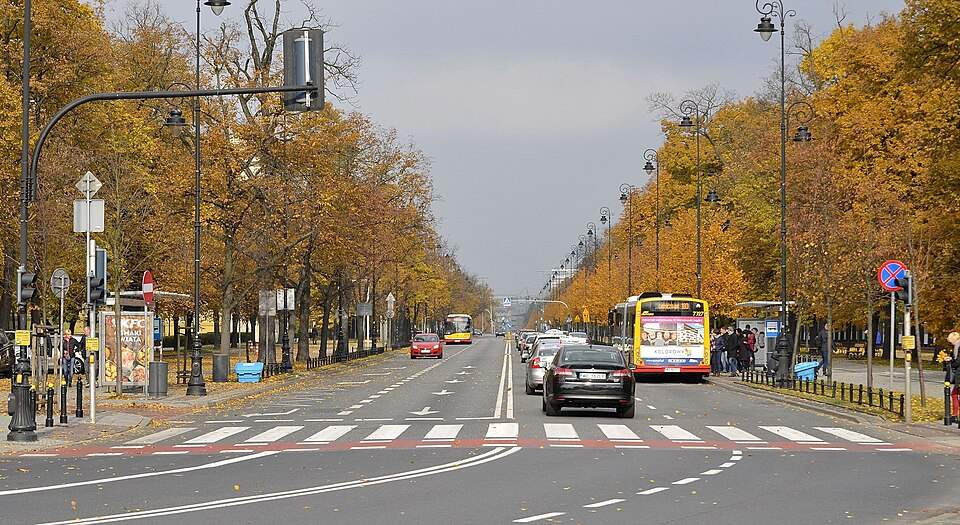
The city does not feel trapped in the past. Instead, Warsaw continues to evolve while preserving important historical landmarks. Areas around the city center show this contrast clearly, where restored buildings stand beside glass towers and modern public spaces.
This combination gives Warsaw a dynamic atmosphere that appeals to both history-focused travelers and modern city explorers.
Culture, Museums, and Nightlife
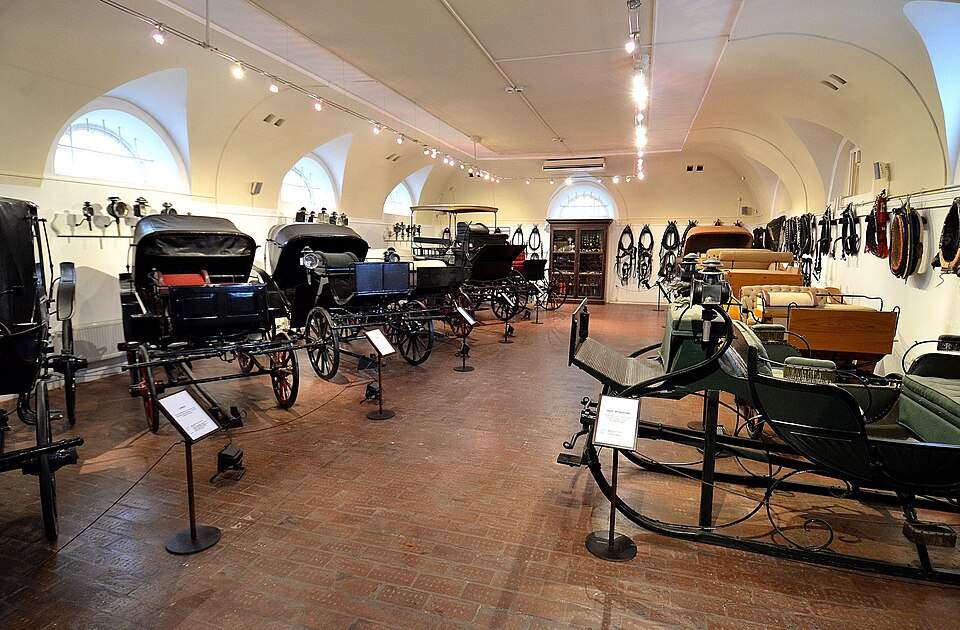
Warsaw offers one of the strongest museum scenes in Central Europe. Attractions like the Warsaw Uprising Museum and the POLIN Museum help visitors understand Polish history through immersive exhibits and storytelling.
The city also supports music, theater, public art, and seasonal cultural events throughout the year. During warmer months, the Vistula River area becomes active with cafes, live music, and riverside gatherings.
Nightlife in Warsaw also feels more varied than many travelers expect. Visitors can explore:
- Traditional pubs
- Modern cocktail bars
- Electronic music clubs
Different neighborhoods offer different atmospheres, so travelers can choose between relaxed evenings and active nightlife experiences.
Why Warsaw Is Different From Kraków
Many travelers compare Warsaw with Kraków, but the two cities offer very different experiences. Kraków feels more medieval and tourist-focused, while Warsaw feels larger, more modern, and more residential.
Warsaw also provides:
- Wider boulevards and business districts
- Stronger modern urban culture
- More contemporary architecture
- A faster city atmosphere
Travelers who prefer lively modern capitals may enjoy Warsaw more, while those seeking a compact medieval atmosphere may prefer Kraków. Many visitors eventually appreciate both cities for different reasons.
Overall, Warsaw offers much more than a standard historical city break. The city combines resilience, affordability, culture, modern development, and local character in a way few European capitals fully replicate. Travelers who want a balanced and less overcrowded European experience often find Warsaw surprisingly rewarding.
Best Time to Visit Warsaw
The best time to visit Warsaw is from May to September. During these months, the weather stays comfortable, parks remain active, and outdoor attractions operate fully. However, each season in Warsaw offers a different travel experience depending on budget, weather preferences, and crowd levels.
Warsaw experiences all four seasons clearly, so the city changes noticeably throughout the year. Some travelers prefer summer festivals and long daylight hours, while others enjoy winter markets or quieter autumn streets.
Warsaw in Spring
Spring is one of the best seasons to visit Warsaw for comfortable weather and fewer crowds. Temperatures slowly rise between March and May, and parks across the city begin to turn green again.
Spring also works well for travelers who want balanced sightseeing conditions. Popular attractions remain less crowded than during summer, and hotel prices often stay more reasonable.
During this season, visitors can enjoy:
- Outdoor cafes reopening
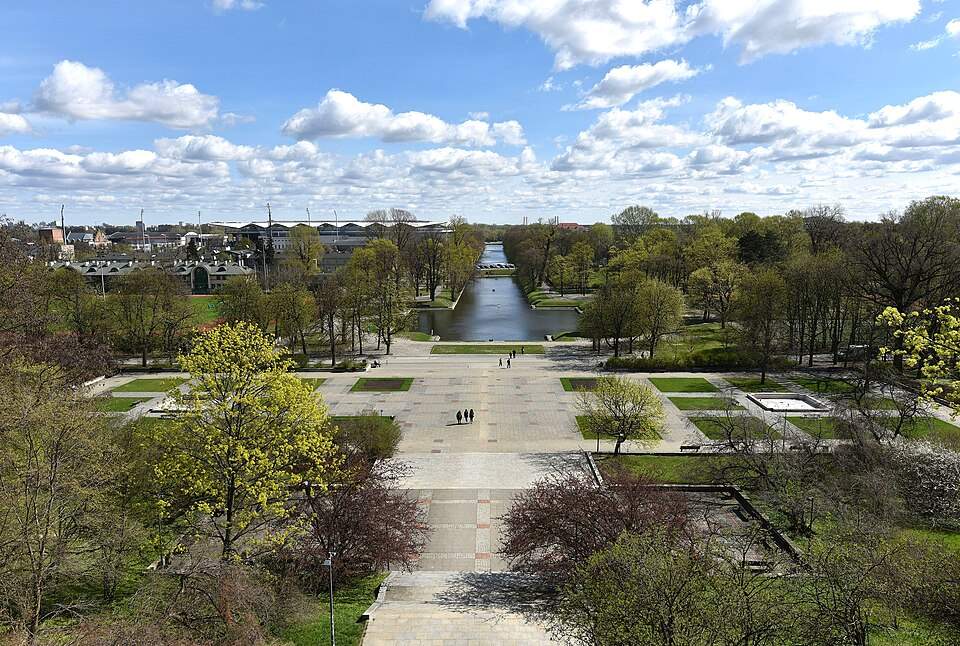
- Walks through łazienki park
- Milder weather for city exploration
Rain still appears occasionally in early spring, so light jackets and layered clothing remain important.
Overall, spring offers a balanced Warsaw experience with pleasant temperatures, manageable crowds, and good sightseeing conditions. Travelers who prefer calmer city atmospheres often enjoy this season the most.
Warsaw in Summer
Summer is the most popular time to visit Warsaw. Between June and August, the city becomes more active with outdoor events, riverfront gatherings, music festivals, and extended daylight hours.
Warm weather makes sightseeing easier, especially for walking tours and evening activities near the Vistula River. Restaurants and cafes also expand outdoor seating during this period.
Summer visitors can enjoy:
- Riverside nightlife and festivals
- Long daylight hours
- Full operation of outdoor attractions
However, this season also brings larger tourist crowds and higher accommodation prices. July and August usually become the busiest months.
Overall, summer offers the most energetic travel experience in Warsaw. Travelers who enjoy outdoor activities, nightlife, and active city environments may find this season ideal despite higher costs.
Warsaw in Autumn
Autumn is a good time to visit Warsaw for cooler temperatures and fewer tourists. Between September and November, the city becomes quieter, and parks begin showing autumn colors across public gardens and historic districts.
Early autumn still provides comfortable weather for walking tours and sightseeing. Hotel prices may also decrease after the summer travel season ends.
This season works well for:
- Photography and city walks
- Museum visits
- Quieter travel experiences
Late autumn becomes colder and darker, especially during November, so outdoor activities may feel more limited compared to summer.
Overall, autumn offers a calmer and more relaxed Warsaw experience. Travelers who prefer lower crowds and cooler weather often appreciate this season for cultural sightseeing and photography.
Warsaw in Winter
Winter is the coldest season in Warsaw, but the city still attracts travelers during December and the holiday period. Snow, Christmas decorations, and seasonal markets create a different atmosphere across the city center.
Temperatures often fall below freezing between December and February, so proper winter clothing becomes necessary. Shorter daylight hours also reduce sightseeing time.
Winter visitors can experience:
- Christmas markets and festive lights
- Snow-covered historical streets
- Lower hotel prices outside holiday periods
January and February usually remain the coldest months, but they also bring fewer tourists to major attractions.
Overall, winter suits travelers who enjoy festive atmospheres, seasonal photography, and quieter city experiences. However, colder weather may limit outdoor exploration for some visitors.
Cheapest Time to Visit Warsaw
The cheapest time to visit Warsaw is usually during late autumn and winter outside the Christmas season. Hotel prices often drop between November and early March, especially after the New Year celebrations end.
Budget travelers can often find lower airfare and accommodation rates during these months. Tourist attractions also become less crowded compared to summer.
Travelers looking to save money may benefit from:
- Discounted hotel rates
- Cheaper flight availability
- Lower tourist crowds
However, colder weather and shorter daylight hours may reduce outdoor sightseeing opportunities.
Overall, winter and late autumn provide the best value for budget-conscious travelers visiting Warsaw. Travelers who prioritize affordability over warm weather can often save significantly during the off-season.
Overall, the best season to visit Warsaw depends on the type of travel experience you want. Summer offers the most active atmosphere, spring and autumn provide balanced sightseeing conditions, and winter delivers lower costs with a quieter city environment. Most first-time visitors prefer late spring or early autumn because these seasons combine comfortable weather with manageable tourist crowds.
How to Reach Warsaw
Warsaw is well connected by air, train, and long-distance bus networks. Most international travelers arrive through Warsaw Chopin Airport, while European travelers often use rail and bus connections from nearby countries.
Warsaw serves as Poland’s main transportation hub, so reaching the city is usually straightforward for both international and regional travelers. The city also connects efficiently with other major European destinations.
Flying Into Warsaw Chopin Airport
Warsaw Chopin Airport is the main international airport serving the city. It handles domestic flights, European routes, and long-haul international connections throughout the year.
The airport sits relatively close to the city center, so transfer times remain manageable compared to some larger European capitals. Travelers can reach central Warsaw using trains, buses, taxis, or ride-sharing services.
Most travelers prefer the airport because:
- Public transport connections work efficiently
- Transfer times remain short
- Major airlines operate regular routes
Warsaw also has another airport, Warsaw Modlin Airport, which mainly serves low-cost airlines and budget European routes.
Overall, flying remains the fastest and most convenient option for most international visitors traveling to Warsaw.
Traveling to Warsaw by Train
Warsaw has strong rail connections with many European cities. International and domestic train services connect Warsaw with destinations like Berlin, Vienna, Prague, Budapest, and Kraków.
Train travel works especially well for travelers already exploring Central Europe. Many routes provide comfortable seating, overnight options, and direct city-center arrivals.
Rail travel offers several advantages:
- Central station access
- Comfortable long-distance travel
- Scenic european routes
Warszawa Centralna serves as the city’s main railway station and connects travelers with most major domestic and international routes.
Overall, trains provide a practical and comfortable way to reach Warsaw, especially for multi-country European trips.
Traveling to Warsaw by Bus
Long-distance buses connect Warsaw with many cities across Europe. Bus travel often costs less than flights or trains, so it remains popular among budget travelers and backpackers.
Several European bus operators run regular services to Warsaw from neighboring countries and major capitals. Most buses arrive at central transport terminals connected to the city’s public transport network.
Bus travel may suit travelers who:
- Prioritize lower transportation costs
- Travel between nearby European countries
- Plan flexible regional trips
However, bus journeys can take significantly longer than flights or high-speed rail connections.
Overall, buses offer an affordable transportation option for travelers who want to reduce travel costs across Europe.
Schengen Travel and Visa Information
Poland is part of the Schengen Area, so travelers from many European countries can enter without additional border checks. Visitors from several non-European countries may also enter Poland visa-free for short tourist stays, depending on nationality.
Travelers requiring visas usually need a Schengen visa before arrival. Entry rules may vary based on citizenship, travel duration, and current regulations.
Before traveling, visitors should:
- Check passport validity requirements
- Review the current Schengen visa rules
- Confirm entry regulations before booking flights
Travel regulations can change, so travelers should always verify official government guidance before departure.
Overall, Warsaw remains relatively accessible for international travelers because Poland participates in the Schengen travel system. Most visitors find entry procedures straightforward when documents and visa requirements are prepared in advance.
Best Areas to Stay in Warsaw
The best area to stay in Warsaw depends on your budget, travel style, and sightseeing priorities. Old Town suits first-time visitors, Śródmieście works best for nightlife and transportation, while Praga attracts travelers looking for lower accommodation costs and a more local atmosphere.
Warsaw is larger than many travelers expect. The city spreads across both sides of the Vistula River, and each district feels noticeably different. Some neighborhoods focus on tourism and historical landmarks, while others feel more residential, modern, or creative. Choosing the right area can reduce travel time, improve convenience, and shape the overall experience of visiting Warsaw.
Many travelers stay near the city center during their first visit because public transport connections remain strong and most major attractions are within a reasonable distance.
Old Town for First-Time Visitors
Warsaw Old Town is one of the most popular places to stay for first-time visitors. The district places travelers close to Warsaw’s historical core, including public squares, churches, museums, restaurants, and major sightseeing landmarks.
The area feels visually different from the modern parts of Warsaw. Narrow streets, colorful buildings, and reconstructed historical architecture create a classic European atmosphere that many travelers expect when visiting Poland. Staying here also allows visitors to explore early in the morning or later in the evening, after tourist crowds become smaller.
Many attractions remain within walking distance of Old Town. Travelers can easily visit the Royal Castle, Castle Square, riverside viewpoints, and several museums without depending heavily on transportation. Cafes and traditional Polish restaurants also operate throughout the district, making it practical for short stays and sightseeing-focused trips.
However, Old Town usually becomes busier during the summer and holiday periods. Accommodation prices may rise significantly between June and August, especially for hotels with central historical views. Some properties inside older buildings may also have smaller rooms or limited elevator access compared to newer hotels.
Despite these limitations, Old Town remains one of the best areas for travelers who want a classic Warsaw experience centered around history, architecture, and walkable sightseeing.
Śródmieście for City Life
Śródmieście is the modern heart of Warsaw and one of the most convenient areas for staying in the city. The district combines shopping centers, restaurants, business towers, nightlife venues, museums, and major transport connections in one central location.
Travelers who stay here gain fast access to almost every part of Warsaw. Metro lines, trams, buses, and train stations connect directly through the district, making transportation simple even for first-time visitors. This convenience becomes especially useful for travelers planning day trips or visiting multiple neighborhoods during their stay.
Śródmieście also offers a broader accommodation range than Old Town. Visitors can find luxury hotels, business hotels, serviced apartments, boutique properties, and budget-friendly options across the district. Many modern hotels here provide larger rooms and newer facilities compared to historical buildings in Old Town.
The district feels more contemporary and fast-moving than Warsaw’s historical center. Glass office towers stand beside shopping streets, rooftop bars, and modern cafes. Areas near the Palace of Culture and Science remain active throughout the day and evening, especially during weekends.
Nightlife also plays an important role in Śródmieście. Travelers can easily access cocktail bars, music venues, late-night restaurants, and riverside entertainment areas from this part of the city. Because of this, the district appeals strongly to younger travelers and visitors who want both sightseeing and nightlife access.
Śródmieście works especially well for:
- Travelers using public transportation frequently
- Visitors interested in nightlife and dining
- Travelers wanting modern hotels with central access
Overall, Śródmieście offers the most balanced location for many travelers visiting Warsaw. The district combines convenience, transportation, modern accommodation, and city life without losing access to historical attractions.
Praga for Budget Travelers
Praga sits on the eastern side of the Vistula River and offers a very different atmosphere from the central Warsaw districts. For many years, travelers overlooked the area, but Praga has gradually developed into one of Warsaw’s most creative and affordable neighborhoods.
The district feels more local and less tourist-oriented than Old Town or Śródmieście. Older residential buildings, independent cafes, murals, art studios, and small cultural venues give the neighborhood a more authentic urban atmosphere. Travelers looking for a less commercial side of Warsaw often prefer staying here.
Accommodation prices in Praga usually remain lower than in the central tourist districts. Hostels, budget hotels, and apartment rentals often provide better value, especially during peak summer months when central Warsaw prices increase.
Praga also attracts younger travelers because of its growing nightlife and alternative cultural scene. Several warehouses and industrial spaces now operate as bars, music venues, galleries, and creative event spaces. This gives the district a more experimental and artistic identity compared to Warsaw’s business-focused center.
Despite recent development, parts of Praga still appear rougher and less polished than central Warsaw. Some streets may feel quieter late at night, especially for travelers unfamiliar with the area. However, safety conditions have improved significantly over recent years, and many visitors now view Praga as one of Warsaw’s most interesting neighborhoods.
For travelers comfortable using public transportation, reaching central attractions from Praga remains relatively simple through trams, buses, and metro connections.
Overall, Praga suits travelers who want lower accommodation costs, local culture, and a more alternative side of Warsaw beyond the standard tourist districts.
Best Luxury Hotels in Warsaw
Warsaw offers a strong luxury hotel scene, especially around Śródmieście and central historical districts. Many upscale hotels combine modern facilities with excellent transport access and proximity to major attractions.
Luxury travelers often choose Warsaw because high-end accommodation remains more affordable than in cities like London, Paris, or Zurich. Visitors can often book premium hotels, spacious suites, and wellness facilities at comparatively lower prices.
Many luxury properties provide rooftop dining, spas, fitness centers, executive lounges, and panoramic city views. International hotel brands operate throughout central Warsaw, but the city also offers boutique luxury properties with more personalized experiences.
Location plays an important role when selecting luxury accommodation. Hotels near Old Town provide easier access to historical sightseeing, while properties in Śródmieście place travelers closer to nightlife, shopping, and modern business districts.
Luxury accommodation in Warsaw generally offers strong value for travelers seeking comfort, convenience, and modern facilities without extremely high European capital pricing.
Budget Accommodation Options
Warsaw remains one of the more affordable capital cities in Europe for accommodation. Budget travelers can find hostels, guesthouses, small hotels, and apartment rentals across different districts without sacrificing transportation access.
Many hostels in Warsaw maintain good quality standards and often include shared kitchens, social spaces, and organized tours for younger travelers. Budget hotels near metro stations also remain practical because public transport reduces the need for expensive taxis.
Travelers staying longer in Warsaw sometimes prefer apartment rentals because they provide more flexibility for cooking, laundry, and extended stays. Prices often remain lower outside the immediate tourist center, especially in districts connected by metro or tram lines.
Season strongly affects accommodation pricing in Warsaw. Summer months and holiday periods usually increase hotel costs, while late autumn and winter often provide lower rates outside the Christmas season.
Overall, Warsaw offers flexible accommodation choices for almost every budget level. Travelers can stay centrally without facing the extremely high accommodation costs common in many other European capitals.
Overall, choosing the right area to stay in Warsaw depends on the type of experience you want from the city. Old Town offers historical atmosphere and sightseeing convenience, Śródmieście provides modern city life and transport access, while Praga delivers affordability and local character. Most first-time visitors benefit from staying near central districts because they simplify transportation, dining, and access to major attractions throughout the trip.
Best Things to Do in Warsaw
The best things to do in Warsaw include exploring reconstructed historical districts, visiting museums, relaxing in large public parks, experiencing Polish food culture, and discovering the city’s modern riverfront and nightlife areas. Warsaw offers a mix of history, culture, and modern urban experiences that appeal to different types of travelers.
Unlike some European capitals that focus heavily on one style of tourism, Warsaw provides a broader travel experience. Visitors can spend the morning exploring royal landmarks, the afternoon visiting museums or cafes, and the evening enjoying riverside nightlife or modern city districts.
The city also feels layered. Some attractions reflect Poland’s wartime history and resilience, while others highlight contemporary architecture, modern art, and changing urban culture. This balance makes Warsaw more dynamic than many travelers initially expect.
Many of Warsaw’s main attractions remain accessible through walking routes and public transport connections. Travelers can explore several important sites within the same day without needing long transportation times across the city.
The following attractions represent the most important places to experience in Warsaw for first-time visitors, history enthusiasts, food travelers, photographers, and culture-focused travelers. Each location offers a different perspective on the city’s identity and atmosphere.
Overall, Warsaw stands out because its attractions feel connected to the city’s history, reconstruction, and modern transformation. Travelers who explore beyond only the main tourist landmarks often discover a deeper and more rewarding side of the Polish capital.
Explore Warsaw Old Town
Warsaw Old Town is one of the most important attractions in Warsaw and a UNESCO World Heritage Site. The area features colorful streets, reconstructed historical buildings, public squares, cafes, churches, and major landmarks connected to Poland’s wartime history and cultural identity.
Old Town represents the resilience of Warsaw more than almost any other part of the city. During World War II, much of the district was destroyed. After the war, architects, historians, and local residents carefully rebuilt the area using old paintings, photographs, and historical records. Today, many visitors feel surprised when learning that large parts of the district were reconstructed rather than fully original.
Walking through Old Town feels very different from exploring Warsaw’s modern business districts. Cobblestone streets, pastel-colored buildings, outdoor restaurants, and historical squares create a more traditional European atmosphere. The area remains active throughout the day, but it becomes especially attractive during the evening when lights illuminate the streets, and fewer tour groups remain.
Castle Square acts as one of the main entry points into Old Town. From there, travelers can explore narrow streets leading toward cafes, museums, churches, and viewpoints overlooking the Vistula River. Street musicians and seasonal cultural events also appear frequently around the district during warmer months.
The area also works well for photography because many streets remain visually compact and colorful. Early morning and late afternoon usually provide the best lighting conditions for photographs. During sunrise hours, the district feels quieter and more relaxed compared to busy midday periods.
Visitors exploring Old Town should also spend time near:
- The Royal Castle
- Market Square
- John’s Archcathedral
Many travelers combine these attractions into a single walking route because the district remains highly walkable.
The best time to visit Warsaw Old Town during the day is usually early morning or late afternoon. Morning visits provide fewer crowds and cooler temperatures during summer, while evening visits offer a more atmospheric experience with illuminated streets and outdoor dining activity. Midday hours often become busier, especially during the summer tourist season.
Winter also changes the atmosphere of Old Town significantly. Snow, festive decorations, and Christmas lights create a quieter and more seasonal experience compared to the busy summer months.
Travelers should wear comfortable walking shoes because many streets use uneven stone surfaces. Exploring slowly often provides the best experience since small alleys, courtyards, and hidden cafes appear throughout the district.
Overall, Warsaw Old Town remains one of the best places to understand the city’s identity, resilience, and cultural history. The district combines architecture, historical reconstruction, local atmosphere, and walkable sightseeing in a way that makes it essential for first-time visitors to Warsaw.
Visit the Royal Castle
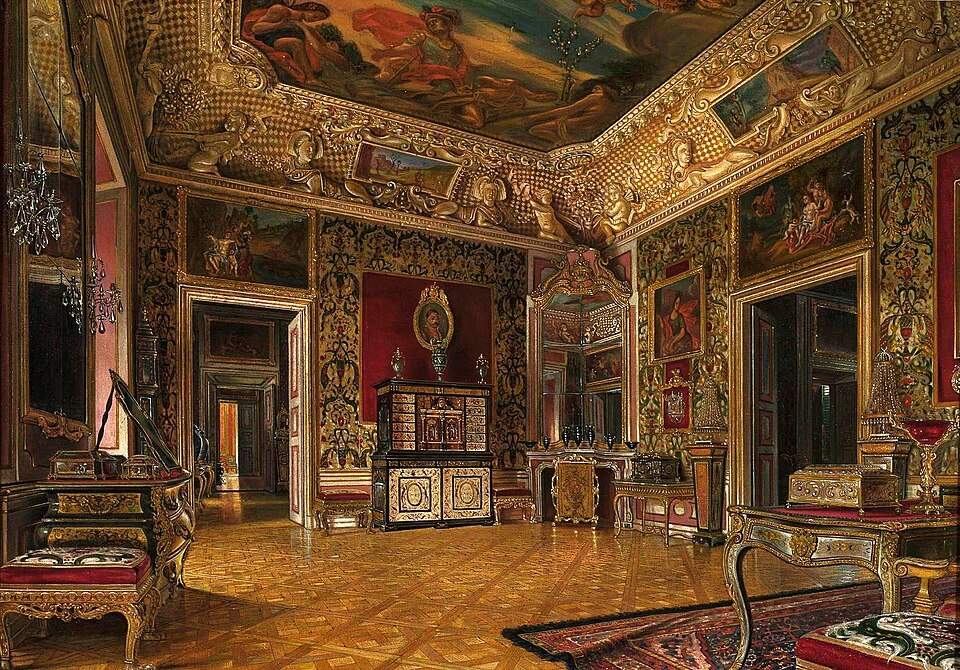
The Royal Castle is one of the most important historical landmarks in Warsaw. The castle served as the former residence of Polish monarchs and now functions as a museum displaying royal apartments, historical artifacts, paintings, and reconstructed interiors connected to Poland’s political and cultural history.
The castle stands beside Castle Square at the entrance of Warsaw Old Town, making it one of the easiest major attractions to include during a walking tour of the city center. Its red-brick exterior and clock tower remain among the most recognizable sights in Warsaw.
Inside the castle, visitors can explore restored royal chambers, ceremonial halls, parliamentary rooms, and galleries filled with historical artwork and decorative pieces. Much of the interior was carefully reconstructed after World War II because the original structure suffered severe destruction during the war.
The Grand Assembly Hall and Royal Apartments remain some of the most impressive sections inside the building. Ornate ceilings, chandeliers, historical furniture, and classical paintings reflect the importance of the castle during the Polish–Lithuanian Commonwealth period.
History enthusiasts often spend additional time exploring exhibitions related to:
- Polish monarchy and politics
- Wartime destruction and reconstruction
- National cultural heritage
The castle also holds strong symbolic importance for Poland because it represents both historical continuity and postwar rebuilding efforts.
Travelers visiting the castle should plan at least one to two hours for the experience, especially if they want to explore the museum exhibitions slowly. Guided tours may help visitors understand the historical context more deeply, but self-guided visits also work well because many sections include detailed explanations.
The best time to visit the Royal Castle is usually during the morning, shortly after opening hours, or later in the afternoon, before closing. These periods often feel less crowded than midday, especially during summer. Weekdays also tend to remain calmer compared to weekends and public holidays.
Photography conditions outside the castle become particularly attractive during golden hour when sunlight reaches Castle Square and surrounding historical buildings. Evening walks around the castle area also provide a quieter atmosphere after daytime crowds decrease.
Travelers should combine the Royal Castle visit with nearby attractions like Warsaw Old Town, Market Square, and the riverside viewpoints because these locations remain within walking distance.
Overall, the Royal Castle offers one of the best historical experiences in Warsaw. The landmark combines royal history, reconstructed architecture, museum collections, and national symbolism in a way that helps visitors understand both Poland’s past and Warsaw’s remarkable reconstruction after World War II.
Relax at Łazienki Park.
Łazienki Park is the largest and most famous park in Warsaw. The park features gardens, walking paths, lakes, palaces, classical architecture, open green spaces, and seasonal cultural events that provide a quieter experience away from the busy city center.
Many travelers visit Łazienki Park to slow down after exploring Warsaw’s historical districts and museums. The park feels spacious, calm, and well-maintained, making it one of the best places in the city for walking, photography, and relaxed sightseeing.
One of the park’s most recognizable landmarks is the Palace on the Isle, a neoclassical palace surrounded by water and landscaped gardens. The palace reflects Warsaw’s royal history and remains one of the most photographed locations inside the park.
The area also includes:
- Tree-lined walking paths
- Peacocks and squirrels
- Outdoor sculptures and monuments
Visitors often spend several hours exploring different sections because the park covers a large area and changes visually throughout the seasons.
During the summer, Łazienki Park becomes especially active. Outdoor concerts, public gatherings, and cultural performances attract both locals and tourists. The Chopin concerts near the Chopin Monument remain particularly popular on weekends during warmer months.
Spring and autumn also provide excellent conditions for visiting the park. Spring brings blooming flowers and greener landscapes, while autumn colors create attractive photography opportunities across the gardens and lakes.
The best time to visit Łazienki Park during the day is usually early morning or late afternoon. Morning visits provide quieter walking conditions and softer lighting for photography. Late afternoon offers cooler temperatures and a more relaxed atmosphere, especially during summer.
Travelers should wear comfortable shoes because the park covers large walking areas. Bringing water and allowing extra time also helps because many visitors stay longer than initially planned after exploring the grounds.
Unlike crowded urban attractions, Łazienki Park allows visitors to experience a calmer side of Warsaw. The atmosphere feels less commercial and more connected to local daily life, especially outside peak tourist hours.
Overall, Łazienki Park remains one of the best places in Warsaw for relaxation, nature, and slower sightseeing. The park combines royal architecture, green landscapes, wildlife, and cultural experiences in a way that balances the city’s historical and modern urban atmosphere.
Discover the POLIN Museum of the History of Polish Jews
The POLIN Museum of the History of Polish Jews is one of the most important museums in Warsaw. The museum presents more than 1,000 years of Jewish history in Poland through interactive exhibitions, historical artifacts, multimedia storytelling, reconstructed spaces, and educational displays.
Unlike many museums that focus only on World War II, POLIN explores the broader history, culture, traditions, and contributions of Jewish communities across Poland over several centuries. This wider perspective gives visitors a deeper understanding of Polish history and cultural diversity.
The museum stands in the area of the former Warsaw Ghetto, which adds strong historical significance to the location itself. Visitors often describe the experience as emotional, educational, and highly immersive because exhibitions combine personal stories with large historical events.
Inside the museum, travelers move through multiple galleries that explain:
- Jewish settlement and cultural development in Poland
- Wartime persecution and the Holocaust
- Postwar history and cultural memory
The exhibitions use digital installations, reconstructed interiors, sound design, films, and interactive displays instead of relying only on traditional museum presentation styles. This makes the experience engaging even for visitors who do not usually spend long periods inside museums.
One of the most visually impressive sections is the reconstructed wooden synagogue ceiling and interior, which demonstrates the artistic and architectural traditions of historical Jewish communities in Poland.
Visitors should plan at least two to three hours for the museum because the exhibitions remain extensive and information-rich. Travelers interested in history often spend even longer exploring the galleries carefully.
The best time to visit the POLIN Museum is usually during weekday mornings when crowds remain smaller, and exhibitions feel quieter. Visiting earlier in the day also provides more time to move slowly through the museum without rushing.
Because some sections cover difficult historical subjects, the museum experience can feel emotionally heavy at times. Many visitors choose to take breaks between galleries or spend time outside afterward in the surrounding memorial areas and public spaces.
The museum also works well for travelers who want deeper historical context before visiting other wartime landmarks in Warsaw, including the Warsaw Uprising Museum and former ghetto locations.
Overall, the POLIN Museum offers one of the most meaningful cultural experiences in Warsaw. The museum combines history, storytelling, architecture, and education in a way that helps visitors understand both the tragedy and the long cultural history of Jewish life in Poland.
See the Palace of Culture and Science
The Palace of Culture and Science is one of the most recognizable buildings in Warsaw. The skyscraper dominates the city skyline and functions as a cultural and administrative center containing theaters, museums, cinemas, conference halls, offices, and an observation deck with panoramic views of the city.
The building was completed during the Soviet era and remains one of the most debated landmarks in Poland. Some residents view it as a reminder of communist influence, while others see it as an important part of Warsaw’s modern identity and architectural history.
Its large scale immediately stands out when exploring central Warsaw. The tower rises above surrounding districts and remains visible from many parts of the city. At night, lighting around the structure gives the skyline a very different atmosphere compared to daytime views.
Inside the building, visitors can explore cultural venues, exhibitions, event spaces, and restaurants. However, the observation terrace remains the main attraction for most travelers. Located on the upper floors, the viewing platform offers wide panoramic views across Warsaw’s modern skyline, historical districts, and the Vistula River area.
The viewpoint becomes especially popular for:
- City photography
- Sunset views
- Skyline observation
Travelers visiting Warsaw for the first time often use the observation deck to understand the city’s layout before exploring different neighborhoods.
The area surrounding the Palace of Culture and Science also acts as one of Warsaw’s busiest urban zones. Shopping centers, hotels, public transport stations, cafes, and business towers surround the building, making it a practical stop during city exploration.
The best time to visit the Palace of Culture and Science is usually late afternoon or near sunset. Daylight visits provide clearer long-distance visibility, while sunset and evening hours offer dramatic skyline views as city lights begin appearing across Warsaw.
Morning visits may feel less crowded, especially outside peak summer months. Travelers interested in photography often prefer golden hour because the changing light improves panoramic city views significantly.
Because the building sits near major metro and tram connections, reaching the area remains easy from most parts of Warsaw.
Overall, the Palace of Culture and Science offers one of the best panoramic experiences in Warsaw. The landmark combines history, politics, architecture, and modern city views in a way that reflects both Warsaw’s complicated past and its rapidly developing urban identity.
Walk Along the Vistula River
Walking along the Vistula River is one of the best ways to experience the modern and local side of Warsaw. The riverfront features walking paths, cycling routes, cafes, public gathering spaces, seasonal events, and skyline viewpoints that become especially active during warmer months.
Unlike the historical atmosphere of Old Town, the Vistula River area feels more contemporary and relaxed. Locals often gather here for evening walks, outdoor dining, music events, and riverside social activities. This gives travelers a chance to experience daily city life beyond museums and tourist landmarks.
Large sections of the riverfront have been modernized with pedestrian-friendly spaces, seating areas, and landscaped walkways. Visitors can walk for long distances while enjoying views of bridges, modern buildings, green riverbanks, and sections of Warsaw’s skyline.
The riverfront becomes particularly lively during spring and summer. Outdoor bars, floating cafes, food stands, and temporary event spaces appear across different sections of the riverside promenade.
Visitors often come here for:
- Sunset walks and skyline photography
- Riverside cafes and nightlife
- Cycling and outdoor relaxation
The atmosphere changes noticeably between day and night. During the day, the area feels calmer and more recreational, while evenings bring larger crowds, music, and social gatherings near popular riverside venues.
Several walking routes near the Vistula River also connect conveniently with attractions like Warsaw Old Town, the Copernicus Science Centre, and nearby parks. This makes the riverfront easy to include during longer sightseeing days.
The best time to walk along the Vistula River is usually during late afternoon or evening, especially between May and September. Sunset hours provide cooler temperatures, attractive lighting conditions, and more active riverside energy. Early mornings also work well for travelers seeking quieter walking conditions and photography opportunities.
Weather plays an important role because the riverside experience becomes less active during colder months. Winter visits still offer peaceful city views, but most outdoor cafes and seasonal venues close during this period.
Travelers should consider bringing light jackets during evening walks because river winds can feel cooler even during summer.
Overall, the Vistula River area offers one of the best modern urban experiences in Warsaw. The riverfront combines outdoor relaxation, local culture, nightlife, and skyline views in a way that balances the city’s historical atmosphere with contemporary city life.
Experience Warsaw Nightlife
Warsaw has one of the most active nightlife scenes in Central Europe. The city offers cocktail bars, rooftop lounges, traditional pubs, live music venues, riverside bars, and electronic music clubs that attract both locals and international travelers throughout the week.
Nightlife in Warsaw feels diverse rather than concentrated in one single district. Different neighborhoods offer different experiences, so travelers can choose between relaxed evenings, cultural performances, casual pubs, or late-night club environments.
Śródmieście remains one of the most popular nightlife areas because of its central location and large concentration of bars, restaurants, and clubs. The Vistula River area also becomes highly active during warmer months when outdoor venues and riverside gatherings operate late into the night.
Warsaw’s nightlife scene appeals to different travel styles because visitors can find:
- Quiet wine bars and cafes
- Rooftop and riverside venues
- Electronic music clubs and live concerts
Compared to some Western European capitals, nightlife prices in Warsaw often remain more affordable, especially for drinks and late-night dining. This makes the city attractive for younger travelers and groups exploring Europe on moderate budgets.
The atmosphere also changes by season. Summer nightlife feels more outdoor-oriented, with riverside events, open-air bars, and longer evenings. Winter nightlife shifts more toward indoor cocktail bars, underground clubs, and live music venues.
Travelers interested in local culture should also explore traditional Polish pubs and smaller neighborhood bars instead of only tourist-heavy nightlife districts. These places often provide a more authentic atmosphere and a chance to experience local social culture.
The best time to experience Warsaw nightlife is usually Thursday through Saturday evenings. Activity levels increase significantly after sunset, especially near central districts and riverside entertainment areas. Many venues remain active until late at night or early morning on weekends.
Travelers should still use standard city safety precautions late at night, especially when moving between clubs or using transportation after midnight. Public transport continues operating in many central areas, and taxis and ride-sharing services remain widely available.
Overall, Warsaw nightlife offers a strong mix of modern entertainment, local social culture, and affordable evening experiences. The city combines casual riverside gatherings, sophisticated cocktail venues, and energetic club scenes in a way that appeals to a wide range of travelers.
Visit Warsaw Uprising Museum
The Warsaw Uprising Museum is one of the most important historical museums in Poland. The museum explains the 1944 Warsaw Uprising through immersive exhibitions, personal stories, wartime artifacts, multimedia displays, and reconstructed environments that help visitors understand one of the most significant events in Warsaw’s history.
Unlike traditional museums that mainly display objects behind glass, the Warsaw Uprising Museum creates a highly interactive and emotional experience. Visitors move through reconstructed streets, underground passages, sound installations, wartime photographs, and documentary footage that recreate the atmosphere of occupied Warsaw during World War II.
The museum focuses on the Warsaw Uprising of 1944, when Polish resistance fighters attempted to liberate the city from Nazi occupation before Soviet forces arrived. The uprising lasted more than two months and resulted in massive destruction across Warsaw.
Inside the museum, visitors can explore exhibitions covering:
- Resistance movements and underground operations
- Civilian life during the uprising
- Destruction and rebuilding of Warsaw
Many sections include personal letters, audio recordings, survivor testimonies, and historical films that give the experience a deeply human perspective rather than only a military focus.
One of the most memorable areas inside the museum includes a replica wartime bomber aircraft suspended within the exhibition space. The museum also features a short historical film showing the destruction of Warsaw after the uprising ended.
Because the exhibitions remain detailed and emotionally intense, visitors should plan at least two to three hours for the museum. Travelers interested in wartime history often spend even longer exploring the galleries carefully.
The best time to visit the Warsaw Uprising Museum is usually during weekday mornings shortly after opening hours. Early visits provide quieter conditions and more time to move through the exhibitions comfortably before larger crowds arrive.
Photography is allowed in many sections, but visitors should still maintain a respectful atmosphere because the museum covers sensitive historical events and civilian suffering during the war.
Travelers may also find it helpful to visit this museum before exploring Warsaw Old Town because it provides important historical context about the destruction and reconstruction of the city after World War II.
Overall, the Warsaw Uprising Museum offers one of the most powerful cultural and historical experiences in Warsaw. The museum combines storytelling, historical documentation, immersive design, and personal narratives in a way that helps visitors understand both the tragedy and resilience that shaped modern Warsaw.
Explore Local Markets and Cafes
Exploring local markets and cafes is one of the best ways to experience the everyday culture of Warsaw. The city offers traditional food markets, modern coffee shops, bakeries, dessert cafes, and small neighborhood restaurants that reflect both Polish culinary traditions and Warsaw’s growing modern food scene.
While museums and historical landmarks explain Warsaw’s past, local cafes and markets reveal how the city feels in daily life. Travelers can observe local routines, try traditional dishes, and experience neighborhoods beyond the main tourist areas.
Warsaw’s cafe culture has expanded significantly in recent years. Modern coffee shops now operate beside historic bakeries and traditional milk bars, creating a blend of old and new food experiences throughout the city.
Visitors exploring local markets and cafes can enjoy:
- Traditional Polish pastries and desserts
- Specialty coffee and modern brunch cafes
- Local produce and street food experiences
Traditional milk bars remain especially interesting for travelers seeking affordable Polish meals. These simple cafeterias originally expanded during the communist era and still serve classic local dishes at relatively low prices. Many travelers visit them to try authentic Polish comfort food without tourist-focused pricing.
Markets across Warsaw also provide insight into local food culture. Seasonal produce, smoked meats, cheeses, baked goods, and handmade products appear throughout many neighborhood markets. Some locations feel highly traditional, while others focus more on modern food halls and contemporary dining experiences.
Cafe culture becomes particularly active during spring and summer when outdoor seating areas open across the city. Streets near Old Town, Śródmieście, and riverside districts often fill with outdoor diners and coffee drinkers during warmer evenings.
The best time to explore local markets is usually during the morning or early afternoon when stalls remain fully active, and produce appears freshest. Cafes become more lively during late afternoons and evenings, especially near central districts and student areas.
Travelers interested in photography may also enjoy Warsaw’s cafe interiors because many modern coffee shops combine industrial architecture, minimalist design, and historical building spaces.
Exploring beyond the most tourist-heavy restaurants often leads to better food experiences and more reasonable prices. Smaller neighborhood cafes frequently provide a more relaxed atmosphere and stronger local character.
Overall, Warsaw’s local markets and cafes offer a deeper cultural experience beyond standard sightseeing. These places combine food, daily life, local interaction, and modern urban culture in a way that helps travelers understand the city more naturally.
Warsaw Food Guide
The food scene in Warsaw combines traditional Polish cooking, modern European dining, street food culture, specialty cafes, and growing vegetarian options. Travelers can explore everything from historic milk bars and local bakeries to contemporary restaurants and riverside cafes across the city.
Food plays an important role in understanding Warsaw’s culture and daily life. Traditional Polish meals remain deeply connected to family traditions, regional ingredients, and seasonal cooking. At the same time, Warsaw’s younger food scene continues to introduce modern cafes, international influences, and creative dining concepts.
Many visitors initially expect Polish food to feel heavy, but Warsaw offers far more variety than many travelers anticipate. The city balances hearty traditional dishes with lighter cafe culture, desserts, vegetarian cuisine, and modern street food experiences.
Traditional Polish Dishes to Try
Traditional Polish food remains one of the highlights of visiting Warsaw. Many dishes reflect the country’s history, colder climate, and strong home-cooking traditions built around soups, meats, potatoes, bread, and fermented ingredients.
One of the most famous dishes is Pierogi. These dumplings usually contain fillings such as potato, cheese, meat, mushrooms, or cabbage. Restaurants often serve them boiled or fried with onions, butter, or sour cream. Different regions in Poland also prepare pierogi differently, so recipes vary between restaurants.
Żurek represents another important part of Polish cuisine. The soup uses fermented rye flour and often includes sausage, potatoes, and boiled egg. Its slightly sour flavor makes it very different from standard European soups, and many travelers consider it one of the most memorable dishes in Poland.
Bigos is a slow-cooked dish made with cabbage, meat, sausages, and spices. The stew develops a richer flavor over time and traditionally appears during colder months. Restaurants serving classic Polish cuisine usually include bigos on their menus.
Travelers with a sweet tooth should also try Paczki. These filled pastries often contain jam, cream, or fruit fillings and remain especially popular during festive periods and bakery visits.
Traditional Polish meals often feel hearty and filling, especially during winter. Many restaurants also serve smoked meats, potato pancakes, pickled vegetables, and seasonal soups connected to local culinary traditions.
The best time to experience traditional Polish food is usually during lunch or dinner hours when restaurants prepare full local menus. Milk bars also remain excellent places for affordable home-style Polish meals.
Overall, traditional Polish dishes offer travelers one of the best ways to understand Warsaw’s cultural identity and culinary heritage. The food reflects history, climate, family traditions, and regional cooking styles that still remain important throughout Poland.
Best Traditional Restaurants in Warsaw
Warsaw offers many traditional restaurants serving classic Polish cuisine in both historical and modern settings. Some restaurants focus on old-style interiors and regional recipes, while others present traditional dishes with more contemporary preparation styles.
Old Town contains several well-known Polish restaurants because many travelers search for traditional dining experiences after sightseeing. These locations often serve pierogi, soups, roasted meats, and seasonal desserts inside reconstructed historical buildings.
However, some of the best food experiences appear outside the main tourist center. Neighborhood restaurants and family-run establishments sometimes provide more authentic flavors and calmer dining environments compared to highly tourist-oriented locations.
Traditional restaurants in Warsaw often emphasize:
- Regional Polish recipes
- Slow-cooked comfort food
- Locally inspired seasonal ingredients
Many restaurants also design interiors around Polish folk culture, historical decoration, or rustic architectural styles to create a stronger cultural atmosphere during meals.
Travelers interested in affordable local dining should also visit milk bars, known locally as “Bar Mleczny.” These simple cafeterias became popular during the communist era and still serve inexpensive Polish meals today. While interiors may feel basic, many travelers appreciate the authentic atmosphere and lower prices.
Dinner hours in Warsaw usually become busiest between early evening and nighttime, especially during weekends. Reservations may help during summer or holiday periods near Old Town and central districts.
Overall, Warsaw’s traditional restaurants provide more than food alone. They help travelers experience Polish hospitality, regional cooking traditions, and the social atmosphere connected to local dining culture.
Warsaw Street Food Experiences
Warsaw’s street food scene has expanded significantly over recent years. The city now combines traditional Polish quick meals with international street food influences, food trucks, seasonal outdoor markets, and modern food halls.
Street food areas remain especially active during spring and summer when outdoor dining spaces operate across the city. Riverside districts near the Vistula River often attract food trucks, temporary stalls, and evening food events during warmer months.
Traditional street food in Warsaw includes grilled sausages, zapiekanka, pastries, and quick bakery snacks. Zapiekanka remains particularly popular because it combines toasted bread, mushrooms, cheese, and different toppings into a simple but filling meal.
Modern food markets across Warsaw also offer:
- Local Polish snacks
- International street food
- Seasonal outdoor dining events
Younger travelers often explore food halls and riverside food markets because these places combine casual dining with nightlife and social activity.
Street food prices in Warsaw generally remain lower than restaurant dining, making this a good option for budget travelers and visitors exploring the city throughout the day.
The best time for street food experiences is usually during late afternoons and evenings, especially near riverside districts and public event spaces during summer.
Overall, Warsaw’s street food culture reflects the city’s changing urban atmosphere. The scene combines traditional local flavors with modern dining trends in a more casual and social environment.
Best Cafes and Dessert Spots
Warsaw has developed a strong cafe culture over the last decade. The city now offers specialty coffee shops, artisan bakeries, dessert cafes, and modern brunch spaces throughout both historical and modern districts.
Many cafes combine minimalist interiors, industrial architecture, and historical buildings, creating spaces that feel both modern and connected to Warsaw’s urban identity.
Coffee culture remains especially strong in neighborhoods around Śródmieście and creative districts near the riverfront. Travelers can easily find independent cafes serving specialty coffee, handmade pastries, cakes, and local desserts.
Popular cafe experiences in Warsaw often include:
- Specialty coffee and espresso drinks
- Polish cheesecakes and pastries
- Relaxed work-friendly environments
Dessert culture also plays an important role in Warsaw. Bakeries sell pastries, cream cakes, fruit desserts, and seasonal sweets connected to Polish traditions. Paczki, apple cakes, and cheesecakes remain among the most common choices.
Cafe terraces become highly active during warmer months, especially around Old Town and central walking streets. Many travelers spend long afternoons relaxing in cafes after museum visits or sightseeing walks.
The best time to explore Warsaw’s cafe scene is usually during late mornings and afternoons when cafes feel more relaxed and social.
Overall, Warsaw’s cafes and dessert spots provide a calmer side of the city that balances historical sightseeing with modern urban culture and local daily life.
Vegetarian and Vegan Food in Warsaw
Warsaw has become one of the more vegetarian- and vegan-friendly cities in Central Europe. The city now offers a growing number of plant-based restaurants, vegan bakeries, healthy cafes, and vegetarian versions of traditional Polish dishes.
While Polish cuisine historically focused heavily on meat-based cooking, Warsaw’s modern food scene has adapted quickly to changing dining preferences. Many restaurants now include vegetarian and vegan menus alongside traditional dishes.
Travelers can find:
- Vegan pierogi and soups
- Plant-based cafes and bakeries
- Vegetarian international cuisine
Some restaurants specialize completely in vegan cooking, while others modernize traditional Polish recipes using plant-based ingredients.
Neighborhoods near the city center and university areas usually provide the widest variety of vegetarian dining choices. Modern cafes also frequently offer oat milk coffee, vegan desserts, and healthier menu options.
Vegetarian travelers visiting Warsaw today generally face far fewer limitations than in the past. Even traditional restaurants increasingly include meat-free options because of growing local demand.
Overall, Warsaw’s vegetarian and vegan food scene reflects the city’s modern culinary evolution. Travelers can still experience Polish flavors while finding flexible dining choices that suit different dietary preferences and travel styles.
Overall, Warsaw offers one of the most varied food scenes in Central Europe. The city combines traditional Polish cooking, affordable local dining, modern cafes, evolving street food culture, and growing vegetarian options in a way that gives travelers both cultural depth and practical dining variety throughout their trip.
Warsaw Travel Costs
Warsaw is more affordable than many major European capitals. Travelers usually spend less on hotels, transportation, restaurants, and attractions compared to cities like Paris, Amsterdam, Copenhagen, or Zurich.
Warsaw works well for both budget and mid-range travelers because the city offers flexible accommodation choices, affordable public transport, and reasonably priced dining. Even luxury travelers often receive better value compared to Western European destinations.
Travel costs still depend on season, nightlife spending, accommodation type, and sightseeing plans. Summer months and holiday periods usually increase hotel prices, especially near Old Town and central districts.
Average Daily Budget
The average daily budget in Warsaw depends on travel style and spending habits. Budget travelers can explore the city comfortably with lower daily expenses by staying in hostels, using public transport, and eating at local cafes or milk bars.
Mid-range travelers usually spend more on private hotels, restaurant dining, museums, and nightlife, but Warsaw still feels manageable compared to many European capitals. Luxury travelers naturally spend more on premium hotels, fine dining, and private transportation, although prices often remain lower than similar experiences in Western Europe.
Warsaw also allows travelers to adjust spending easily. Visitors can combine low-cost transportation and local dining with occasional luxury experiences without dramatically increasing the total trip budget.
Winter outside the holiday season often provides lower accommodation prices, while summer usually becomes the most expensive period.
Overall, Warsaw offers strong value because travelers can experience a major European capital without extremely high daily expenses.
Hotel Prices in Warsaw
Hotel prices in Warsaw vary based on location, season, and comfort level. Central areas like Old Town and Śródmieście usually cost more because they provide easier access to sightseeing attractions, restaurants, nightlife, and transport connections.
Budget travelers can still find affordable hostels, guesthouses, and apartment rentals across different neighborhoods. Many mid-range hotels in Warsaw provide modern facilities at prices lower than equivalent hotels in cities like Vienna or Paris.
Luxury accommodation also remains relatively competitive. Travelers often receive larger rooms, newer facilities, and better service standards for lower prices compared to many Western European capitals.
Hotel prices rise noticeably during summer, Christmas holidays, New Year celebrations, and large city events. Booking accommodation early often helps reduce costs during these periods.
Apartment rentals work especially well for longer stays because they provide more space, kitchen facilities, and flexibility for families or remote workers.
Overall, Warsaw provides accommodation options for nearly every travel budget while still maintaining relatively good value for a central European city travel.
Food Costs
Food costs in Warsaw remain moderate compared to many popular European destinations. Travelers can eat well without overspending, especially when mixing local restaurants, bakeries, cafes, and traditional milk bars.
Traditional Polish meals usually feel filling and affordable. Milk bars remain one of the cheapest ways to experience local cuisine, while bakeries and street food stalls help travelers reduce food expenses during busy sightseeing days.
Modern cafes, rooftop restaurants, and international dining venues cost more, especially in central tourist districts and nightlife areas. However, even these prices often remain lower than restaurant costs in many Western European capitals.
Travelers who want to save money usually benefit from eating larger lunches at local restaurants and lighter evening meals at cafes or bakeries. Seasonal food markets and food halls also provide reasonably priced dining experiences.
Coffee culture in Warsaw continues growing rapidly, but specialty cafes still remain more affordable than many equivalent cafes in cities like London or Copenhagen.
Overall, Warsaw offers a balanced food scene where travelers can experience local cuisine, modern cafes, and quality restaurants without extremely high dining costs.
Public Transport Costs
Public transportation in Warsaw is affordable, efficient, and easy for travelers to use. The metro, tram, bus, and suburban rail systems connect most major attractions and neighborhoods throughout the city.
Short-term transport passes usually cost much less than public transportation systems in Western European capitals. Many travelers rely heavily on public transport because it reduces taxi expenses and simplifies sightseeing across different districts.
Transportation tickets typically work across multiple systems, making transfers between buses, trams, and metro lines relatively simple. Walking also helps reduce transportation costs because several major attractions near Old Town and Śródmieście remain close together.
Taxi and ride-sharing prices in Warsaw remain moderate compared to many larger European cities, but public transport still provides the most economical option for regular travel.
Overall, Warsaw’s transportation system offers excellent value because travelers can move around the city efficiently without spending heavily on daily transport.
Attraction Ticket Prices
Attraction ticket prices in Warsaw remain relatively reasonable compared to many major tourist cities in Europe. Museums, observation decks, historical landmarks, and cultural exhibitions often cost less than similar attractions in Western European capitals.
Large museums such as the Warsaw Uprising Museum and the POLIN Museum charge moderate entrance fees considering the depth of their exhibitions and historical importance. Some museums and cultural institutions also offer discounted admission days or lower-cost student and family tickets.
Travelers focused mainly on parks, churches, public squares, and walking tours can still explore large parts of Warsaw without major sightseeing expenses.
Guided tours, temporary exhibitions, and seasonal events may increase daily attraction costs slightly, especially during peak tourism months.
Overall, Warsaw allows travelers to experience high-quality museums and historical attractions without the extremely expensive entrance fees common in some European capitals.
Is Warsaw Expensive Compared to Other European Cities?
Warsaw is less expensive than many major Western and Northern European capitals. Travelers usually spend noticeably less on hotels, transportation, food, and entertainment compared to cities like Paris, Amsterdam, Zurich, or Copenhagen.
At the same time, Warsaw may feel slightly more expensive than some smaller Eastern European destinations because the city continues to develop economically and attract more international tourism.
The city still provides strong overall value because travelers can experience modern infrastructure, historical attractions, nightlife, and cultural experiences without facing the extremely high prices found in some heavily touristed European capitals.
Luxury travelers also benefit because premium hotels, fine dining, and nightlife venues often remain cheaper than equivalent experiences in Western Europe.
Overall, Warsaw remains one of the better-value capital cities in Europe. The city balances affordability, culture, transportation, and modern urban life in a way that works well for both budget-conscious travelers and visitors seeking more comfortable travel experiences.
Getting Around Warsaw
Getting around Warsaw is relatively easy because the city has an efficient public transportation system, walkable central districts, and widely available taxi and ride-sharing services. Most travelers can explore major attractions comfortably without renting a car.
Warsaw is larger than many first-time visitors expect, so transportation becomes important when moving between historical areas, museums, parks, and modern districts. Fortunately, metro lines, trams, buses, and pedestrian-friendly zones connect most tourist areas effectively.
Public transportation also remains affordable compared to many major European capitals, making it practical for both short visits and longer stays.
Warsaw Metro System
The Warsaw Metro system is one of the fastest ways to travel across the city. The network connects several important districts, transportation hubs, shopping areas, and tourist locations through modern underground lines.
Metro trains remain clean, reliable, and relatively easy for international travelers to navigate. Stations usually include clear signage, route maps, and ticket machines with multiple language options.
The metro works especially well for reaching:
- Central districts like Śródmieście
- Business and shopping areas
- Major train stations and transport hubs
Although Warsaw’s metro network is smaller than systems in cities like London or Paris, it still handles many important travel routes efficiently.
Rush hours during weekday mornings and evenings may feel crowded because many local residents use the metro for daily commuting. Outside these hours, trains usually remain comfortable and convenient.
The best advantage of the metro is speed. Travelers can avoid surface traffic and move quickly between districts, especially during busy daytime periods.
Overall, the Warsaw Metro provides one of the simplest and fastest ways to explore the city for both tourists and local residents.
Trams and Buses
Trams and buses form the backbone of Warsaw’s transportation network. These services reach areas beyond the metro system and connect many neighborhoods, historical sites, and residential districts throughout the city.
Trams remain particularly useful for sightseeing because many routes pass directly through central Warsaw and major tourist zones. Travelers can often enjoy city views while moving between attractions.
Buses help connect districts where metro or tram access may feel more limited. Night buses also operate on important routes after regular metro services reduce operations during late hours.
Public buses and trams generally remain:
- Affordable and frequent
- Well-connected across districts
- Practical for daily sightseeing
Travelers should still allow extra time during rush hour because road traffic can slow bus movement in busy central areas.
Most central transport stops display digital schedules and route information, which helps simplify navigation for first-time visitors.
Overall, Warsaw’s tram and bus systems provide reliable coverage across the city and remain essential for reaching areas outside the metro network.
Using Public Transport Tickets
Warsaw uses an integrated ticket system that works across metro lines, buses, trams, and some suburban rail services. This makes transportation simpler because travelers do not need separate tickets for each transport type.
Visitors can buy short-term tickets, time-based passes, or longer-duration travel cards depending on trip length and sightseeing plans. Many travelers prefer daily or multi-day passes because they allow unlimited travel within selected time periods.
Ticket machines appear inside metro stations, near major tram stops, and at transportation hubs. Many machines support card payments and multiple languages.
Travelers should validate tickets properly before beginning travel because ticket inspections occur regularly across the system. Fines may apply for invalid or unvalidated tickets.
Mobile ticket apps also continue growing in popularity, especially among younger travelers and long-term visitors.
Overall, Warsaw’s integrated ticket system remains practical, affordable, and relatively easy for tourists to understand.
Taxi and Ride-Sharing Apps
Taxis and ride-sharing apps remain widely available throughout Warsaw. Services like app-based ride platforms operate actively across the city and often provide convenient transportation during late evenings or poor weather conditions.
Ride-sharing services usually feel easier for international travelers because apps display route pricing, estimated arrival times, and digital payment options in advance.
Traditional taxis still operate throughout Warsaw, especially near airports, hotels, train stations, and tourist areas. Travelers should still use licensed taxis or trusted apps to avoid unnecessary overcharging.
Taxi and ride-sharing options work particularly well for:
- Airport transfers
- Late-night travel
- Transportation during winter weather
Compared to many Western European capitals, ride prices in Warsaw often remain more affordable, although heavy traffic may increase travel times and fares during peak hours.
Travelers staying mainly in central districts may not need taxis frequently because public transportation and walking usually remain sufficient during daytime sightseeing.
Overall, taxis and ride-sharing apps provide useful backup transportation options, especially for late-night travel and airport connections.
Is Warsaw Walkable?
Warsaw is partially walkable, especially around central districts and historical areas. Neighborhoods like Old Town, Śródmieście, and parts of the riverfront remain comfortable for walking between attractions, restaurants, cafes, and public spaces.
Many first-time visitors explore major historical attractions on foot because several important landmarks remain relatively close together. Walking also allows travelers to notice smaller streets, cafes, murals, and architectural details often missed during faster transportation.
However, Warsaw is still a large capital city, so some attractions require metro, tram, or bus connections between districts.
Walking works especially well for:
- Old Town sightseeing
- Riverside exploration
- Cafe and restaurant districts
Season also affects walkability. Spring and summer provide the most comfortable walking conditions, while winter weather and snow may reduce longer outdoor exploration.
Comfortable shoes remain important because many historical areas contain cobblestone streets and uneven walking surfaces.
Overall, Warsaw combines walkable tourist districts with efficient transportation networks. Travelers can comfortably explore central areas on foot while using metro lines, trams, and buses for longer city travel.
Warsaw Travel Tips
Traveling in Warsaw is generally straightforward for international visitors, but understanding local customs, transportation habits, payment systems, and seasonal conditions can make the trip smoother and more comfortable.
Warsaw combines modern infrastructure with strong local traditions, so travelers usually adapt quickly after learning a few practical details. Public transportation works efficiently, card payments remain common, and many younger residents speak English in tourist areas.
At the same time, weather conditions, cultural expectations, and city size can surprise first-time visitors who arrive without preparation.
Currency and Payments
Poland uses the Polish Złoty instead of the Euro, so travelers visiting Warsaw should prepare for currency exchange or international card payments before arrival.
Card payments remain widely accepted across Warsaw, including restaurants, cafes, hotels, supermarkets, shopping centers, and public transportation ticket machines. Many travelers rely mostly on debit cards or credit cards during their stay.
Small shops, local markets, or older businesses may still prefer cash payments occasionally, so carrying a small amount of local currency remains useful.
Airport exchange counters often provide less favorable exchange rates compared to city exchange offices or bank withdrawals. Travelers usually save money by exchanging currency inside the city or using international bank cards with lower foreign transaction fees.
Contactless payments also remain extremely common in Warsaw, including mobile payment systems and digital wallets.
Overall, Warsaw operates as a modern card-friendly city, but keeping some Polish currency available still helps for smaller purchases and local businesses.
Safety Tips for Tourists
Warsaw is generally considered a safe city for tourists, including solo travelers and families. Most visitors experience very few safety issues while exploring the city, especially in central districts and tourist areas.
Like any large capital city, travelers should still remain aware of pickpocketing risks in crowded public transport stations, nightlife areas, and busy tourist zones.
Visitors can improve safety by:
- Watching personal belongings in crowded areas
- Using licensed taxis or trusted ride-sharing apps
- Avoiding poorly lit, isolated areas late at night
Public transportation remains safe for most travelers, including evening travel in central districts. Police presence also remains visible in busy city areas and transportation hubs.
Nightlife districts near the city center generally stay active and safe, but excessive alcohol consumption can still increase risks related to scams or personal belongings.
Overall, Warsaw remains one of the safer major cities in Central Europe for tourists who follow normal urban travel precautions.
Language and Communication
Polish is the official language in Warsaw, but many younger residents and tourism workers speak English reasonably well, especially in hotels, restaurants, cafes, museums, and transportation hubs.
Travelers visiting major tourist areas usually manage without serious communication problems. Restaurant menus, transportation machines, and tourist attractions often include English translations.
However, English proficiency may become more limited:
- Outside central tourist districts
- Among older residents
- In smaller neighborhood businesses
Learning a few basic Polish greetings or polite phrases can still improve interactions with locals and show cultural respect.
Translation apps also help significantly when reading menus, transport information, or communicating in smaller establishments.
Overall, communication in Warsaw remains manageable for international travelers, especially within tourist-oriented parts of the city.
Tipping Culture
Tipping in Warsaw is appreciated but not always mandatory. Restaurants, cafes, taxis, and some service industries generally expect moderate tips when service quality feels good.
Many travelers leave around 10 percent in restaurants, especially during full-service dining experiences. Smaller tips also remain acceptable for cafes, bars, and taxi rides.
Some restaurants may already include service charges on bills, particularly for larger groups, so travelers should review receipts before adding extra payment.
Cash tips remain common even when paying by card because some payment terminals may not include tipping options automatically.
Overall, tipping in Warsaw follows a moderate and practical approach rather than aggressive tipping expectations found in some countries.
Internet and SIM Cards
Internet access in Warsaw is usually fast and reliable. Hotels, cafes, restaurants, shopping centers, and public spaces often provide free Wi-Fi connections for customers and visitors.
Travelers staying several days may benefit from purchasing local SIM cards or eSIM plans because mobile internet prices remain relatively affordable compared to many Western European countries.
Major mobile providers operate across Warsaw, and SIM cards remain easy to purchase at:
- Airports and convenience stores
- Shopping malls
- Official mobile provider shops
Most modern phones also support eSIM options, which help travelers activate data plans quickly without changing physical SIM cards.
Mobile coverage across Warsaw generally remains strong, including metro stations and central tourist districts.
Overall, staying connected in Warsaw is usually simple, affordable, and convenient for international travelers.
What to Pack for Warsaw
What travelers should pack for Warsaw depends heavily on the season. The city experiences cold winters, mild springs, warm summers, and cooler autumn weather, so clothing requirements change significantly throughout the year.
Summer travelers usually need light clothing, comfortable walking shoes, sunglasses, and light jackets for cooler evenings near the riverfront.
Winter visitors should prepare for:
- Freezing temperatures and snow
- Insulated jackets and gloves
- Waterproof shoes or boots
Spring and autumn weather can change quickly, so layered clothing works best during these transitional seasons.
Comfortable walking shoes remain important throughout the year because many sightseeing areas contain cobblestone streets, parks, and long walking routes between attractions.
Travelers should also carry portable chargers and reusable water bottles during longer sightseeing days.
Overall, packing for Warsaw becomes easier when travelers prepare for seasonal weather changes and prioritize comfortable walking conditions.
Common Tourist Mistakes to Avoid
Many first-time visitors enjoy Warsaw more after avoiding a few common travel mistakes. One of the biggest mistakes is spending too much time only inside Old Town without exploring modern districts, riverside areas, parks, and local neighborhoods.
Another common mistake involves underestimating Warsaw’s size. While central attractions remain walkable, longer distances between districts often require metro or tram transportation.
Travelers also sometimes:
- Exchange money only at airports
- Ignore weather changes during spring or autumn
- Skip local restaurants outside tourist zones
Some visitors expect Warsaw to feel similar to Kraków, but the cities offer very different atmospheres. Warsaw feels larger, more modern, and more business-oriented, while Kraków focuses more heavily on medieval architecture and tourism.
Rushing through major museums also reduces the experience because places like the POLIN Museum and Warsaw Uprising Museum require time and emotional attention.
Overall, travelers who combine historical sightseeing with local neighborhoods, cafes, parks, and modern districts usually experience a more complete and rewarding side of Warsaw.
Overall, Warsaw remains one of the easier European capitals for international travelers to navigate. The city combines modern transportation, strong infrastructure, reasonable safety, and practical travel convenience in a way that supports both short visits and longer stays. Travelers who prepare for seasonal weather and explore beyond only the main tourist areas often enjoy the most balanced experience in Warsaw.
Suggested Warsaw Itinerary
The ideal Warsaw itinerary depends on how much time travelers have and what type of experience they want from Warsaw. One day covers the main historical highlights, two days allow deeper cultural exploration, and three days provide time for museums, local neighborhoods, food experiences, and slower sightseeing.
Warsaw works well for short city breaks because many major attractions remain concentrated around central districts. At the same time, travelers who stay longer usually gain a better understanding of the city’s modern culture, history, and local atmosphere beyond the main tourist landmarks.
The itineraries below balance sightseeing, walking, food experiences, museums, and practical travel flow without making the schedule feel overly rushed.
Warsaw in 1 Day
One day in Warsaw is enough to experience the city’s most important historical attractions and central districts. Travelers with limited time should focus mainly on Old Town, major landmarks, and one or two cultural sites.
The day usually begins best in Warsaw Old Town because the morning hours provide quieter walking conditions and better photography opportunities. Visitors can explore Castle Square, Market Square, narrow historical streets, and nearby churches before larger crowds arrive.
After exploring Old Town, travelers can visit the Royal Castle and continue toward central Warsaw using walking routes or public transportation.
Lunch works well at a traditional Polish restaurant or milk bar, where travelers can try dishes like Pierogi or local soups before continuing sightseeing.
Afternoon activities usually include:
- The Palace of Culture and Science
- Łazienki Park
- Riverside walking areas
Travelers interested in history may prefer replacing the park with the Warsaw Uprising Museum, depending on available time.
Evening hours work best near the Vistula River or central cafe districts, where travelers can experience Warsaw’s nightlife atmosphere and modern city culture.
Overall, one day in Warsaw provides a good introduction to the city’s history and architecture, but the experience may still feel fast-paced for museum-focused travelers.
Warsaw in 2 Days
Two days in Warsaw allow travelers to combine historical sightseeing with museums, local food experiences, and modern city districts more comfortably.
The first day usually focuses on Old Town, the Royal Castle, Castle Square, and central historical attractions. Travelers can move at a slower pace compared to a one-day itinerary and spend more time exploring museums, cafes, and local streets.
The second day works well for deeper cultural experiences. Many travelers begin with the Warsaw Uprising Museum or the POLIN Museum of the History of Polish Jews because both museums require several hours for a meaningful visit.
After museum visits, travelers can explore modern Warsaw through neighborhoods like Śródmieście or riverside districts along the Vistula River. This creates a stronger contrast between historical Warsaw and the city’s contemporary atmosphere.
Two-day visitors also gain more flexibility for:
- Local cafe exploration
- Evening nightlife experiences
- Relaxed park visits and photography
Łazienki Park fits especially well into a two-day itinerary because travelers no longer need to rush between attractions.
Dinner on the second evening often becomes a good opportunity to explore Warsaw’s modern restaurant scene or rooftop dining locations.
Overall, two days provide a much more balanced Warsaw experience by combining history, museums, food culture, and modern city life without excessive rushing.
Warsaw in 3 Days
Three days in Warsaw allow travelers to explore the city at a more comfortable pace while experiencing both major landmarks and less tourist-focused neighborhoods.
The first two days usually cover historical attractions, museums, parks, and central districts. The third day then creates space for local experiences, slower exploration, and areas many short-term visitors never see.
Travelers staying three days often explore Praga, local markets, riverside cafes, modern art spaces, and neighborhood restaurants beyond the immediate tourist center. This helps visitors experience Warsaw as a living modern capital instead of only a historical destination.
A three-day itinerary also allows more time for:
- Detailed museum visits
- Local food experiences
- Seasonal events and nightlife
Travelers interested in photography benefit significantly from longer stays because different districts and landmarks look very different during morning, afternoon, and evening lighting conditions.
Three days also reduces travel fatigue because visitors no longer need to compress multiple attractions into a single day. Parks, cafes, and public spaces become easier to enjoy naturally instead of functioning only as short sightseeing stops.
Some travelers even use the third day for short regional trips or additional cultural attractions, depending on the weather and personal interests.
Overall, three days provide one of the best ways to experience Warsaw fully. The extra time allows travelers to understand the city’s history, food culture, local atmosphere, and modern identity in a much deeper and more relaxed way.
Overall, Warsaw works well for both short city breaks and longer cultural trips. One day covers the essentials, two days provide a balanced travel experience, and three days allow travelers to explore the city more deeply beyond only the main tourist attractions.
Best Day Trips From Warsaw
Several excellent day trips are available from Warsaw through Poland’s rail network, domestic flights, and organized tours. Travelers can explore historical cities, Baltic coastal destinations, World War II memorial sites, and cultural heritage locations within a manageable travel distance from the capital.
Warsaw’s central location makes it a good base for exploring other parts of Poland. High-speed trains and modern transportation connections allow travelers to visit major destinations without needing extensive travel planning.
Some destinations work best as long day trips, while others may feel more comfortable with overnight stays, depending on personal travel pace and transportation schedules.
Visit Kraków
Kraków is one of the most popular day trips from Warsaw and one of Poland’s most famous historical cities. The city is known for its medieval architecture, royal history, churches, public squares, and strong cultural atmosphere.
Unlike modern Warsaw, Kraków feels more preserved and traditional. Large sections of the city survived World War II destruction, so travelers can experience original medieval streets, historic buildings, and centuries-old landmarks throughout the city center.
High-speed trains connect Warsaw and Kraków efficiently, making same-day visits possible for travelers comfortable with early departures and late returns.
Many visitors spend time exploring:
- The main market square
- Wawel castle
- The historic old town district
Kraków also offers a more compact and walkable atmosphere compared to Warsaw. Cafes, restaurants, churches, and museums remain concentrated near the city center, making sightseeing relatively convenient.
Travelers interested in architecture, history, and traditional European city atmospheres often consider Kraków one of the highlights of Poland.
Overall, Kraków provides one of the best cultural and historical day trips from Warsaw, especially for travelers wanting to compare Poland’s modern capital with its more medieval former royal city.
Explore Gdańsk
Gdańsk offers a very different experience from Warsaw because of its Baltic coastal location, maritime history, and colorful waterfront architecture. The city combines Hanseatic trading history with modern cultural development and seaside atmosphere.
Gdańsk stands out for its riverside streets, reconstructed merchant buildings, and strong connections to European trade history. The city also played an important role in modern political history through the Solidarity movement.
Travelers arriving from Warsaw usually notice a calmer and more coastal atmosphere compared to the capital’s business-oriented environment.
Popular attractions in Gdańsk include:
- The historic waterfront area
- Long market and neptune fountain
- Museums connected to maritime history
Fast train connections make Gdańsk accessible from Warsaw, although travel times remain longer than Kraków day trips. Some travelers eventually prefer spending one or two nights in the city instead of returning the same day.
Seafood restaurants, riverside cafes, and Baltic coastal scenery also add a different culinary and visual experience compared to inland Warsaw.
Overall, Gdańsk offers one of the most visually distinct and historically rich day trips from Warsaw, especially for travelers interested in coastal cities and maritime culture.
Visit the Auschwitz-Birkenau Memorial and Museum
The Auschwitz-Birkenau Memorial and Museum is one of the most important historical memorial sites in Europe. The site preserves the former Nazi concentration and extermination camp where more than one million people lost their lives during World War II.
Many travelers visit Auschwitz from Warsaw through organized tours or train connections combined with transportation from Kraków. Because of travel distances, some visitors combine Auschwitz with overnight stays in Kraków instead of attempting a fast same-day return.
The memorial site focuses on historical education, remembrance, and preservation. Visitors explore original barracks, watchtowers, railway tracks, exhibitions, and personal belongings connected to Holocaust victims.
The experience can feel emotionally difficult because the museum presents:
- Holocaust history and documentation
- Preserved camp structures
- Survivor testimonies and artifacts
Guided tours help visitors understand the historical context more clearly and respectfully.
Travelers should prepare emotionally before visiting because the atmosphere remains deeply serious and reflective throughout the site.
Overall, Auschwitz-Birkenau offers one of the most powerful historical experiences accessible from Warsaw. The memorial helps visitors understand the scale of World War II atrocities and the importance of preserving historical memory.
Discover Żelazowa Wola and Chopin Heritage Sites
Żelazowa Wola is one of the most culturally significant day trips from Warsaw for music lovers and travelers interested in Polish heritage. The village is best known as the birthplace of Frédéric Chopin, one of the most influential composers in classical music history.
Located outside Warsaw, the area offers a quieter and more rural atmosphere compared to the capital city. Visitors can tour Chopin’s birthplace museum, landscaped gardens, and surrounding cultural sites connected to the composer’s early life.
The location appeals strongly to travelers interested in:
- Classical music history
- Peaceful countryside scenery
- Polish cultural heritage
Seasonal piano performances and cultural events also take place throughout the year, especially during warmer months.
Many travelers combine Żelazowa Wola with other smaller cultural destinations outside Warsaw because the region provides a slower and more relaxed atmosphere compared to busy urban sightseeing.
Spring and summer usually provide the best visiting conditions because gardens and outdoor areas become more visually attractive during warmer weather.
Overall, Żelazowa Wola offers a quieter and more cultural day trip experience from Warsaw. The destination combines music history, nature, and Polish heritage in a way that differs significantly from large-city tourism.
Overall, Warsaw serves as an excellent base for exploring different sides of Poland. Travelers can experience medieval cities, Baltic coastal culture, wartime memorial sites, and classical music heritage through well-connected day trips that expand the overall travel experience beyond the capital itself.
Is Warsaw Safe for Tourists?
Warsaw is generally considered a safe city for tourists. Most travelers experience very few problems while visiting Warsaw, especially in central districts, historical areas, transportation hubs, and major tourist zones.
The city maintains modern infrastructure, a visible public security presence, and reliable transportation systems that help travelers feel comfortable during both daytime and evening exploration. Like any large European capital, visitors should still follow normal urban safety precautions, especially in crowded public spaces and nightlife areas.
Many travelers, including solo visitors and families, find Warsaw safer and calmer than some larger Western European capitals.
Safety During the Day
Warsaw feels relatively safe during daytime, especially around major tourist areas such as Old Town, Śródmieście, Łazienki Park, museums, and transportation hubs.
Public spaces usually remain active with local residents, office workers, students, and tourists throughout the day. Police patrols and security presence also remain visible in central districts and major transit areas.
Most daytime safety concerns involve minor issues such as pickpocketing in crowded places rather than violent crime. Travelers should still remain careful with bags, phones, passports, and wallets in busy tourist locations and on public transportation.
Daytime travel in Warsaw generally works well because:
- Public transport remains reliable
- Tourist districts stay active and populated
- The major attractions feel well-organized
Travelers exploring outside the tourist center may notice quieter residential districts, but these areas usually remain safe as well.
Overall, daytime sightseeing in Warsaw feels comfortable and manageable for most international visitors, including first-time travelers to Poland.
Nightlife Safety
Warsaw’s nightlife areas generally remain safe, especially in central districts and popular entertainment zones. Areas around Śródmieście, the Vistula River, and major nightlife streets stay active late into the night with restaurants, bars, cafes, and public transportation options.
Many travelers comfortably explore Warsaw nightlife without problems, but alcohol-heavy environments still require normal caution, especially during weekends and late-night hours.
Travelers should avoid:
- Leaving drinks unattended
- Accepting unofficial taxi offers
- Walking alone through isolated areas late at night
Ride-sharing apps and licensed taxis usually provide the safest transportation options after midnight, particularly for travelers unfamiliar with the city.
Crowded bars and clubs may occasionally attract pickpocketing or overcharging attempts, especially in tourist-heavy nightlife areas. Checking restaurant or club pricing before ordering also helps avoid misunderstandings.
Compared to some major nightlife cities in Europe, Warsaw’s nightlife scene often feels relatively controlled and less aggressive.
Overall, nightlife in Warsaw remains safe for most travelers who follow normal city precautions and stay aware of their surroundings during late-night activities.
Tourist Scams to Avoid
Tourist scams in Warsaw are relatively limited compared to some heavily touristed European cities, but travelers should still remain alert in crowded areas and transportation zones.
Unofficial taxis remain one of the most common issues affecting visitors. Travelers should use licensed taxi companies or trusted ride-sharing apps instead of accepting rides from drivers approaching tourists directly at airports or stations.
Some restaurants or nightlife venues in tourist areas may also charge unexpectedly high prices if menus and pricing are not reviewed carefully beforehand.
Travelers can reduce scam risks by:
- Using official transportation services
- Checking menus and prices clearly
- Avoiding currency exchange at poor-rate airport counters
Pickpocketing may occur around crowded tram stops, train stations, and busy sightseeing districts, especially during the summer tourist season.
ATM scams and card skimming remain relatively uncommon, but using machines attached to banks or major shopping centers still provides additional security.
Overall, Warsaw experiences fewer aggressive tourist scams than many popular European tourist capitals, but travelers should still maintain standard awareness in crowded areas and transportation hubs.
Solo Travel Safety
Warsaw is generally considered safe for solo travelers, including solo female travelers. Many people explore the city independently without major problems because public transportation works well, central districts remain active, and tourist infrastructure stays organized.
Solo travelers often appreciate Warsaw because the city feels modern, walkable in central areas, and relatively easy to navigate compared to larger European capitals.
Hostels, cafes, walking tours, and public spaces also create opportunities for meeting other travelers and locals during longer stays.
Solo travelers should still:
- Avoid isolated areas late at night
- Keep emergency contacts available
- Use trusted transportation services after midnight
Women traveling alone may still prefer staying near central districts where nightlife, transport access, and public activity remain stronger during evening hours.
The city’s growing tourism industry also means hotel staff, transportation workers, and younger residents often communicate reasonably well in English, which helps reduce stress for international solo travelers.
Overall, Warsaw works well for solo travel because the city combines practical transportation, relatively low crime levels, and a comfortable urban atmosphere for independent visitors.
Overall, Warsaw remains one of the safer major cities in Central Europe for tourists. Travelers who follow normal urban precautions, stay aware in crowded areas, and use official transportation services usually experience a comfortable and trouble-free visit throughout the city.
Shopping in Warsaw
Shopping in Warsaw combines modern shopping malls, historical streets, local markets, designer stores, bookstores, artisan shops, and traditional Polish souvenirs. Travelers can explore both international retail brands and smaller local businesses across different districts of the city.
Warsaw’s shopping scene reflects the city’s broader identity. Some areas feel modern and business-oriented, while others focus more on local crafts, cultural products, and historical atmosphere. Travelers interested in fashion, handmade goods, food products, or local design usually find a wide variety of options throughout the city.
Shopping also works well alongside sightseeing because many retail districts remain close to restaurants, cafes, museums, and public transportation connections.
Best Shopping Streets
Warsaw offers several shopping streets where travelers can combine retail browsing with cafes, restaurants, and city exploration. Streets in central districts usually provide the best mix of international brands, local boutiques, bookstores, and lifestyle stores.
Areas around Śródmieście remain especially popular because they combine shopping with nightlife, public transport access, and a modern city atmosphere. Some streets focus more on luxury fashion and designer stores, while others attract younger visitors through independent cafes and smaller creative businesses.
Travelers exploring Warsaw’s shopping streets often enjoy:
- Fashion boutiques and local brands
- Bookstores and lifestyle shops
- Cafes and street-side restaurants
Historical districts near Old Town also contain souvenir shops, artisan stores, and smaller local businesses selling Polish crafts and decorative products.
The best time for shopping is usually late morning or afternoon when most stores operate fully, and cafes remain active. Weekends may feel busier, especially near shopping centers and tourist-heavy streets.
Overall, Warsaw’s shopping streets provide more than retail experiences alone. They also help travelers experience the city’s modern lifestyle and evolving urban culture.
Traditional Polish Souvenirs
Traditional Polish souvenirs remain popular among travelers visiting Warsaw because many products reflect the country’s history, craftsmanship, and cultural traditions.
Souvenir shops in Old Town and central tourist areas often sell magnets, postcards, decorative crafts, and historical memorabilia. However, travelers looking for more meaningful souvenirs usually prefer handmade or locally produced items connected to Polish culture.
Popular Polish souvenirs often include:
- Amber jewelry and crafts
- Traditional ceramics and folk art
- Polish chocolates and local food products
Some visitors also purchase vodka, regional sweets, embroidered textiles, or Christmas ornaments, depending on the season.
Local bookstores and museum shops may offer higher-quality cultural souvenirs such as historical books, music collections, art prints, and educational gifts connected to Warsaw’s museums and heritage sites.
Travelers should still compare prices between shops because heavily tourist-oriented stores sometimes charge more than smaller local businesses outside major sightseeing zones.
Overall, traditional Polish souvenirs allow travelers to take home products connected to the country’s culture, history, and craftsmanship rather than only mass-produced tourist items.
Modern Shopping Malls
Warsaw has several large modern shopping malls that combine fashion stores, electronics, restaurants, cinemas, supermarkets, and entertainment spaces in one location.
Shopping malls remain especially useful during winter or rainy weather because travelers can spend long periods indoors comfortably while still exploring local retail culture.
Major malls in Warsaw often include both international brands and Polish retail companies. Many centers also connect directly to metro stations or public transportation routes, making them convenient for visitors staying near central districts.
Modern malls usually attract travelers looking for:
- International fashion brands
- Electronics and lifestyle products
- Indoor dining and entertainment
Food courts and cafe areas inside malls also provide practical meal options during busy sightseeing days.
Compared to some Western European capitals, shopping prices in Warsaw may feel slightly lower for certain clothing brands and everyday products, although luxury goods usually maintain similar international pricing.
Overall, Warsaw’s modern shopping malls reflect the city’s contemporary urban development and provide convenient retail experiences throughout the year.
Local Handmade Products
Warsaw offers many locally handmade products for travelers interested in crafts, design, and artisan work. Small shops, local markets, museum stores, and creative neighborhoods often sell items produced by Polish artists and craftspeople.
Handmade ceramics, wooden crafts, jewelry, candles, textiles, and illustrated artwork remain common across artisan markets and boutique stores. Some products also incorporate traditional Polish folk patterns and regional artistic styles.
Creative districts and local design shops often focus on:
- Handmade home decor
- Locally designed fashion items
- Artisan gifts and crafts
Travelers interested in photography and creative culture may especially enjoy browsing smaller artisan shops because many stores reflect Warsaw’s growing independent design scene.
Seasonal markets and holiday fairs also provide opportunities to discover handmade products from local producers, especially during Christmas and summer cultural festivals.
Prices for handmade goods vary depending on craftsmanship and materials, but many travelers appreciate these products because they feel more personal and culturally connected than standard souvenir items.
Overall, Warsaw’s handmade products and artisan shops offer travelers a more authentic shopping experience connected to local creativity, craftsmanship, and modern Polish design culture.
Overall, shopping in Warsaw combines modern retail convenience with local cultural experiences. Travelers can explore luxury malls, historical shopping streets, artisan stores, and traditional Polish crafts in a way that adds another dimension to the city beyond sightseeing and museums.
Frequently Asked Questions About Warsaw
Is Warsaw worth visiting?
Yes, Warsaw is worth visiting for its mix of history, modern city life, museums, parks, food culture, and affordable travel experiences. The city combines reconstructed historical districts with modern architecture and offers a less crowded atmosphere compared to many major European capitals.
How many days do you need in Warsaw?
Most travelers need two to three days in Warsaw to explore the main attractions comfortably. Two days cover historical landmarks, museums, and food experiences, while three days allow time for parks, nightlife, local neighborhoods, and slower sightseeing.
Is Warsaw expensive for tourists?
Warsaw is generally more affordable than many Western European capitals. Hotels, restaurants, public transportation, and attractions usually cost less than in cities like Paris, Amsterdam, or Copenhagen, making Warsaw a good option for both budget and mid-range travelers.
Can you speak English in Warsaw?
Yes, many people in Warsaw speak English, especially in hotels, restaurants, cafes, museums, and tourist areas. Younger residents and tourism workers usually communicate well in English, although smaller local businesses outside central districts may use less English.
What is Warsaw famous for?
Warsaw is famous for its rebuilt Old Town, World War II history, museums, royal landmarks, and modern skyline. The city is also known for the Warsaw Uprising Museum, the Royal Castle, Chopin heritage, and its combination of historical reconstruction and contemporary urban development.
Is Warsaw safe at night?
Yes, Warsaw is generally safe at night in central districts and popular nightlife areas. Travelers should still follow normal city precautions, use trusted transportation services, and remain aware of personal belongings in crowded nightlife zones and public transport areas.
What food is Warsaw known for?
Warsaw is known for traditional Polish dishes such as Pierogi, Żurek, Bigos, and Paczki. The city also has a growing cafe culture, street food scene, and modern vegetarian dining options.
When does it snow in Warsaw?
Snow in Warsaw usually appears between December and February, with January often being the coldest month. Winter conditions vary each year, but travelers visiting during this period should prepare for freezing temperatures, shorter daylight hours, and occasional snowfall.
Final Thoughts on Visiting Warsaw
Warsaw offers a very different experience from many European capitals. The city combines wartime history, reconstructed architecture, modern business districts, green public spaces, local food culture, and affordable travel experiences in one destination.
Many travelers arrive in Warsaw expecting a purely historical city, but the capital feels much more dynamic once explored beyond Old Town. Modern cafes, riverside nightlife, contemporary museums, creative neighborhoods, and local cultural life give the city a more balanced atmosphere than many visitors initially expect.
Warsaw works especially well for:
The city also suits travelers who prefer destinations that feel active and modern without becoming overwhelmingly crowded. Compared to some heavily touristed European capitals, Warsaw still feels more local and less commercial in many neighborhoods.
First-time visitors often appreciate how practical the city feels. Public transportation works efficiently, accommodation remains relatively affordable, and many major attractions connect easily through walking routes and metro lines.
Warsaw may not always receive the same attention as cities like Paris, Prague, or Vienna, but that often becomes part of its appeal. Travelers who spend time exploring beyond the main tourist landmarks usually discover a city shaped by resilience, rebuilding, and continuous transformation.
The contrast between reconstructed historical districts and modern urban development also gives Warsaw a unique identity within Europe. Few capitals reflect both historical destruction and contemporary renewal as visibly as Warsaw does today.
For first-time visitors to Poland, Warsaw provides an excellent introduction to the country’s history, culture, cuisine, and modern lifestyle. The city rewards travelers who explore slowly, try local food, visit museums carefully, and spend time outside only the most famous attractions.
Overall, Warsaw offers a deeper and more rewarding travel experience than many people expect before arriving. Travelers looking for history, culture, affordability, and modern European city life often leave Warsaw with a much stronger impression than they originally anticipated.
