

7 Day Italy Itinerary for Beginners – Is 7 Days Enough?
Yes, 7 days is enough for Italy if you plan your route carefully.
You will not see everything, but you will experience Italy’s highlights in one week. This itinerary focuses on three iconic cities: Rome, Florence, and Venice.
These cities offer history, culture, food, and classic Italian views in a short time. You will visit ancient landmarks, walk through historic streets, and enjoy local cuisine.
Here is what you can expect in a 7 day Italy itinerary for beginners:
- Explore Rome’s top sights like the Colosseum and Vatican City
- Discover Florence’s art, architecture, and Renaissance charm
- Experience Venice’s canals, gondolas, and unique island culture
This plan works best for first-time travelers who want a balanced trip. It avoids long travel days and keeps the schedule simple and practical.
But here is the key decision:
Do you want to see more places or enjoy fewer places at a slower pace?
- Choose 3 cities if you want variety and iconic experiences
- Choose 2 cities if you prefer a relaxed and deeper travel experience
Verdict:
A 7 day Italy itinerary is ideal for beginners who want a structured and memorable first trip.
What Is the Best 7 Day Italy Itinerary for Beginners?
The best 7 day Italy itinerary for beginners is Rome (2 days), Florence (2 days), and Venice (2 days), with one travel day. This route covers Italy’s top highlights efficiently using high-speed trains.
Italy in 7 Days – What You Can Realistically Cover
A 7 Day Italy Itinerary for Beginners works best when you focus on 2 to 3 major cities only. Trying to see everything will waste time and reduce your overall experience.
What You Can See in One Week
In seven days, you can comfortably explore:
- Rome (2–3 days) for history, landmarks, and food
- Florence (2 days) for art, culture, and Tuscany views
- Venice (2 days) for canals and a unique city experience
This route gives a strong first impression of Italy. You will see ancient ruins, Renaissance art, and iconic landscapes in one trip.
Travel between these cities is simple by train, so you save time. The plan keeps your days full but still manageable for beginners.
What You Should Skip
You need to make smart choices when time is limited. Avoid adding too many destinations like Milan, Naples, or the Amalfi Coast.
These places are great, but they require extra travel time and planning. Skip long detours and remote villages on your first trip. Focus on famous cities, as they offer the best mix of experiences.
Trying to “see everything” will leave you tired and rushed.
First-Time Traveler Mistakes
Many beginners make the same mistakes in Italy. You can avoid them with better planning.
- Packing too many cities into one week
- This leads to constant travel and less time to explore
- Underestimating travel time between cities
- Train journeys take time, and delays can happen
- Booking late and paying higher prices
- Italy gets crowded, especially in peak seasons
- Skipping advance tickets for major attractions
- You may face long lines at places like the Colosseum
- Not planning daily routes properly
- This wastes time and causes unnecessary walking
Verdict
You can cover Rome, Florence, and Venice comfortably in 7 days.
This is the best choice for first-time travelers. Trying to add more cities will reduce your experience quality. Fewer places with better planning always win in Italy.
How to Plan Your 7 Day Italy Itinerary (Beginner Tips)
Planning 7 Day Italy Itinerary for Beginners is simple when you follow a clear structure. Focus on fewer cities, smart routes, and realistic daily plans.
A good plan saves time and avoids travel stress. It also helps you enjoy each city without feeling rushed.
Choose the Right Route (North vs South Italy)
Your route shapes your entire trip, so choose it carefully. For beginners, North and Central Italy are the better choice.
It includes Rome, Florence, and Venice, which are well connected by fast trains. These cities offer history, art, and iconic views in a compact area.
Travel between them is quick and simple. Southern Italy includes Naples, the Amalfi Coast, and Sicily.
These places are beautiful, but travel takes longer and needs more planning. Road travel is common in the south, and public transport can feel less predictable.
Verdict:
Choose Rome → Florence → Venice for a smooth and beginner-friendly route.
How Many Cities Should You Visit in 7 Days?
This decision can make or break your trip. Many first-time travelers try to visit too many cities. This leads to constant packing, travel fatigue, and less time for exploration.
In 7 days, you have two clear options:
- 3 cities for variety and iconic experiences
- 2 cities for a slower and deeper experience
A 3-city plan gives you a full taste of Italy. But it requires efficient planning and early starts. A 2-city plan feels more relaxed and less rushed.
You get more time for food, walking, and local experiences.
Verdict:
Choose 3 cities if you want highlights.
Choose 2 cities if you prefer a relaxed pace.
Train vs Flights – Which Is Better in Italy?
Transport choices affect both time and comfort. Trains are the most efficient way to travel between major cities. High-speed trains connect Rome, Florence, and Venice in a few hours.
You travel from city center to city center, so you save time. There is no long airport wait or security delay. Flights may look faster on paper, but they include airport transfers.
You also need to arrive early, which adds more time. Driving is another option, but it is not ideal for beginners. Parking is difficult, and city traffic can be stressful.
Verdict:
Trains are the best choice for a 7 Day Italy Itinerary for Beginners.
Best Time to Visit Italy for First-Timers
Timing affects crowds, prices, and your overall experience. Spring (April to June) offers mild weather and fewer crowds. You can explore cities comfortably and enjoy outdoor attractions.
Fall (September to October) is also a great time to visit. The weather stays pleasant, and tourist crowds start to drop.
Summer (July and August) brings heavy crowds and high prices. Popular attractions become crowded, and the heat can feel intense.
Winter (November to February) is quieter and more affordable. But some attractions may have shorter hours or limited access.
Verdict:
Visit in spring or fall for the best balance of comfort and cost.
Plan Your Daily Schedule Smartly
A good daily plan keeps your trip smooth and enjoyable. Start your day early to avoid crowds at major attractions.
Visit popular landmarks in the morning when lines are shorter. Group nearby attractions together to save time and energy. Avoid crossing the city multiple times in one day.
Leave space for breaks, meals, and unexpected discoveries. Italy is best enjoyed slowly, even on a short trip.
Tip:
Plan 2–3 main activities per day, not more.
Book Tickets and Hotels in Advance
Italy is one of the most visited countries in the world. Popular attractions and hotels fill up quickly.
Book tickets early for places like:
- Colosseum
- Vatican Museums
- Uffizi Gallery
Advance booking helps you skip long lines and save time. Choose hotels close to city centers or train stations. This reduces travel time and makes your stay more convenient.
Set a Realistic Budget Before You Travel
Your budget affects your travel style and comfort.
Plan your daily expenses for:
- Accommodation
- Food
- Transport
- Attractions
Italy offers options for every budget, from hostels to luxury hotels. But prices can rise quickly in peak seasons.
Tip:
Keep extra budget for food and experiences.
Italy is famous for both.
Balance Sightseeing and Experience
Many beginners focus only on famous landmarks.
But Italy is more than just attractions.
Take time to:
- Walk through local streets
- Sit at a café
- Enjoy slow meals
These moments often become the best memories.
Verdict:
Balance sightseeing with relaxation for a better travel experience.
Final Verdict
A well-planned 7 Day Italy Itinerary for Beginners should be simple and realistic.
Focus on 2–3 cities, use trains, and plan your days wisely.
Avoid rushing, and enjoy each place fully.
That is the best way to experience Italy for the first time.
Perfect 7 Day Italy Itinerary for Beginners (Day-by-Day Plan)
This 7 day Italy itinerary for beginners follows a simple and efficient route. You will visit Rome, Florence, and Venice with a clear daily structure.
The plan balances sightseeing, travel time, and rest. It helps you see top highlights without feeling rushed.
Each day focuses on key experiences while keeping your schedule realistic. You will move between cities using fast and convenient trains.
This itinerary works best for first-time travelers who want variety and clarity. Follow it step by step for a smooth and well-organized Italy trip.
Day 1 – Arrive in Rome and Explore the City Center
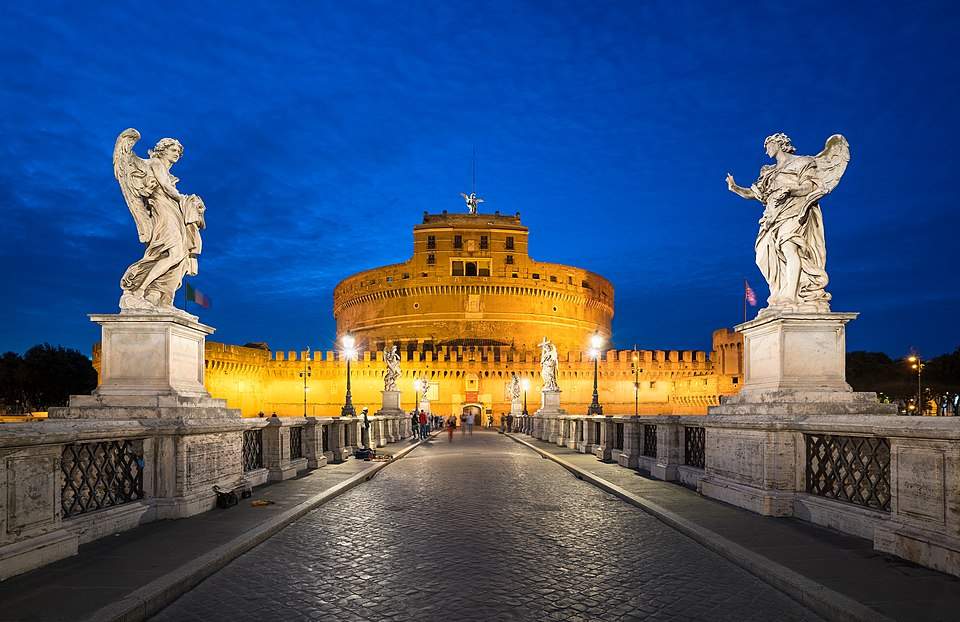 Your 7 day Italy itinerary for beginners starts in Rome, the country’s historic capital. Plan to arrive early in the day, so you can make the most of your time.
After landing, head to your hotel and check in or drop your luggage. Choose accommodation near the city center, so you can walk to major attractions easily.
Start your day with a slow walk through Rome’s historic streets. This helps you adjust to the city and recover from travel fatigue. Begin at the Spanish Steps, one of Rome’s most famous landmarks.
The area is lively and perfect for first-time visitors. From there, walk towards the Trevi Fountain, which is a short distance away. This route lets you explore local streets and small shops along the way.
Spend some time at the fountain and take in the atmosphere. It can get crowded, so visiting earlier in the day helps. Next, head to the Pantheon, one of the best-preserved ancient buildings in Rome.
Entry is simple, and the structure offers a quick but impressive experience. For lunch, stop at a nearby café or trattoria. Try simple dishes like pasta, pizza, or a classic Italian sandwich.
In the afternoon, walk to Piazza Navona, known for its fountains and street artists. This area is great for relaxing and people-watching.
Keep your first day light and flexible. Avoid booking too many attractions or tours. In the evening, enjoy a relaxed dinner near your hotel.
Choose a local restaurant and try authentic Italian cuisine. End your day with a short evening walk through the city center. Rome feels different at night, with quieter streets and beautiful lighting.
Tip:
Stay hydrated and wear comfortable shoes, as you will walk a lot.
Verdict:
Day 1 is about settling in, exploring slowly, and getting your first feel of Rome.
Day 2 – Rome Highlights (Colosseum, Vatican, Trevi Fountain)
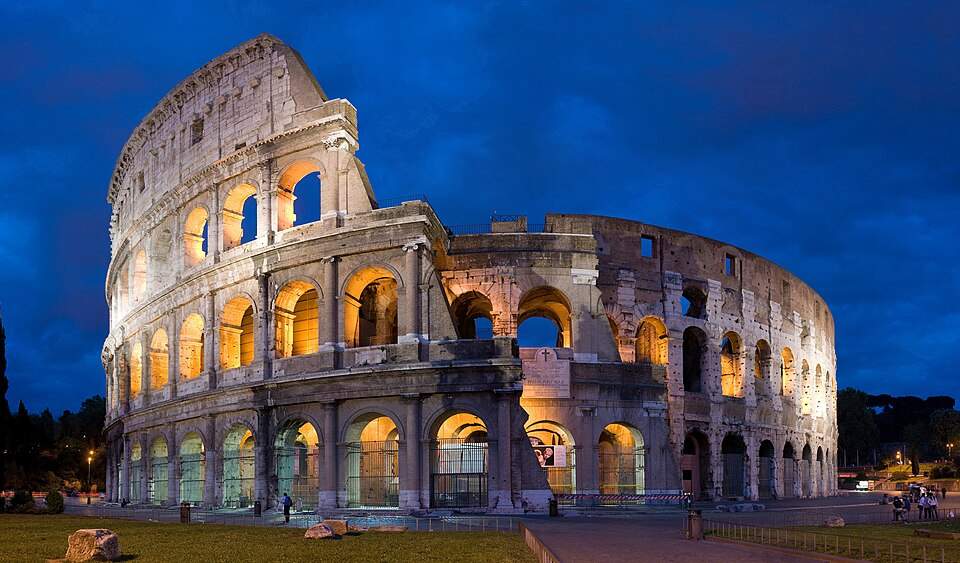 Day 2 is your main sightseeing day in Rome. You will cover the city’s most iconic landmarks, so plan your time carefully. Start your day early to avoid large crowds at popular attractions.
Begin with the Colosseum, one of the most famous landmarks in the world. Book your ticket in advance to skip long lines. Explore the structure and learn about ancient Roman history.
Next, visit the nearby Roman Forum and Palatine Hill. These sites are close to the Colosseum and easy to explore together. Take your time walking through the ruins and viewpoints.
This area offers a deep look into ancient Rome. After your morning visit, take a break for lunch. Choose a restaurant near the Vatican area to save travel time.
In the afternoon, head to Vatican City, another must-see destination. Visit the Vatican Museums and the Sistine Chapel. The museums are large, so focus on key sections to avoid exhaustion.
Booking tickets in advance is essential here. Then visit St. Peter’s Basilica, one of the most impressive churches in the world. Entry is free, but lines can be long during peak hours.
Climb the dome if you want a panoramic view of Rome. It requires effort, but the view is worth it. In the evening, return to the city center.
You can revisit the Trevi Fountain at night for a different experience. The fountain looks less crowded and more peaceful after dark. End your day with dinner at a traditional Italian restaurant.
Try local specialties like pasta carbonara or cacio e pepe.
Tip:
Wear comfortable shoes and carry water, as this is a busy day.
Verdict:
Day 2 covers Rome’s top highlights and gives you a complete first-time experience.
Day 3 – Travel to Florence and Visit Top Attractions
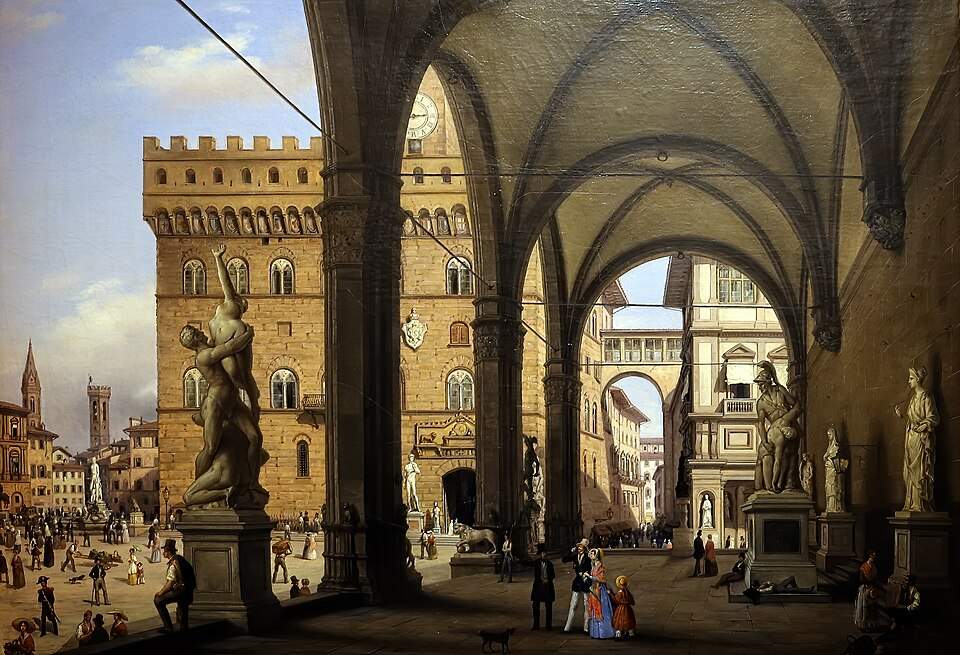 Day 3 shifts your 7 day Italy itinerary from Rome to Florence. Florence is smaller, so it feels easier and more relaxed than Rome. Start your day early and take a high-speed train to Florence.
The journey takes about 1.5 hours and is comfortable and scenic. Arrive at Firenze Santa Maria Novella station in the city center. Most major attractions are within walking distance of here.
Check in to your hotel or drop your luggage and head out quickly. Florence is compact, so you can cover key sights in one day. Begin at the Florence Cathedral (Duomo), the city’s most iconic landmark.
The dome dominates the skyline and is hard to miss. Take time to explore the cathedral exterior and the nearby square. If you plan to climb the dome, book tickets in advance.
Next, walk to Piazza della Signoria, the political heart of Florence. You will see sculptures and historic buildings in this open square.
From here, head to the Uffizi Gallery, one of the world’s top art museums. It houses works by Leonardo da Vinci, Michelangelo, and Botticelli. If you enjoy art, spend at least 1–2 hours inside.
If not, you can skip it and focus on outdoor sights. In the afternoon, walk to the Ponte Vecchio, Florence’s famous old bridge. The shops and river views make it a great photo spot.
Cross the bridge and explore the quieter Oltrarno area if time allows. This side feels more local and less crowded. In the evening, head to Piazzale Michelangelo for sunset views.
You get one of the best panoramic views of Florence from here. End your day with dinner at a local trattoria. Try dishes like Florentine steak or fresh pasta.
Tip:
Florence is walkable, so wear comfortable shoes and plan short routes.
Verdict:
Day 3 offers a smooth transition and a strong introduction to Florence.
Day 4 – Florence + Pisa Day Trip (Optional Choice)
Day 4 gives you two choices based on your travel style. You can explore Florence deeply or take a short trip to Pisa.
Option 1: Explore Florence in Depth (Better for Relaxed Travel)
If you prefer a slower pace, stay in Florence for the full day. This option allows you to enjoy the city without rushing. Start your day with a visit to the Accademia Gallery.
You can see Michelangelo’s famous statue of David here. Then explore Florence’s local streets and markets. Visit places like Mercato Centrale for food and local flavors.
You can also visit:
- Boboli Gardens for a peaceful outdoor walk
- Pitti Palace for art and history
- Local neighborhoods for a more authentic experience
Take your time with meals and enjoy Florence’s relaxed atmosphere.
Option 2: Pisa Day Trip (Best for First-Time Visitors)
If you want to see another famous landmark, visit Pisa. The journey takes about one hour by train from Florence. Head to the Leaning Tower of Pisa, one of Italy’s most iconic sights.
The tower is located in the Piazza dei Miracoli, along with other monuments. Spend a few hours exploring the area and taking photos. Climbing the tower is optional but offers a unique experience.
Pisa is small, so you do not need a full day here. Most travelers return to Florence by afternoon or early evening.
Which Option Is Better?
- Choose Florence only if you want a relaxed and deeper experience
- Choose the Pisa day trip if you want to see more iconic landmarks
Verdict
For most beginners, staying in Florence is the better choice.
It reduces travel time and lets you enjoy the city more fully.
But if this is your first European trip, Pisa is worth a quick visit.
Day 5 – Travel to Venice and Explore Canals
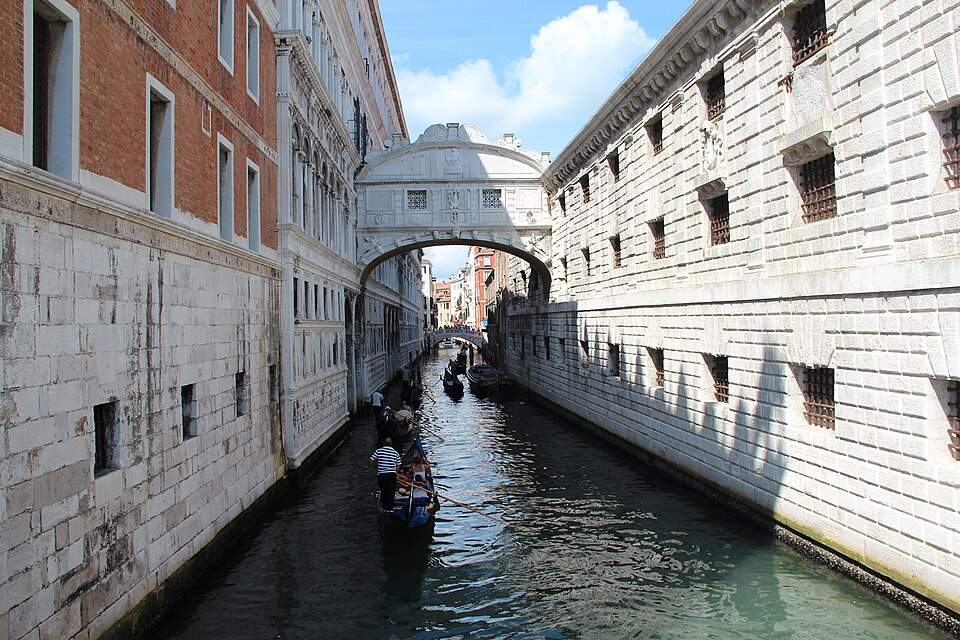 Day 5 takes you from Florence to Venice, one of Italy’s most unique cities. Venice feels completely different, so expect a new experience from the start.
Take a morning high-speed train from Florence to Venice. The journey takes about 2 hours and arrives at Venezia Santa Lucia station.
As you exit the station, you will see canals instead of roads. This first view often becomes a highlight of the trip. Head to your hotel and drop your luggage before exploring.
Choose a stay near the Grand Canal or central districts for convenience. Start your visit with a vaporetto ride on the Grand Canal. This is the city’s water bus and offers a scenic introduction.
You will pass historic buildings, bridges, and busy waterways. It feels like a moving tour through Venice. Next, walk toward St. Mark’s Square, the heart of Venice. This area is lively and full of historic landmarks. Visit St. Mark’s Basilica and admire its detailed architecture. Entry lines can be long, so go earlier if possible.
Walk around the square and nearby streets to explore local shops. You will find souvenirs, cafes, and small boutiques here. In the afternoon, take time to get lost in Venice’s narrow alleys.
This is one of the best ways to experience the city. Cross small bridges, explore quiet canals, and enjoy the slower pace. Venice rewards travelers who explore without a strict plan.
In the evening, consider a gondola ride for a classic experience. It is expensive, but many first-time visitors find it worth it. End your day with dinner near a canal-side restaurant. Try seafood dishes, as Venice is known for fresh flavors.
Tip:
Avoid dragging heavy luggage across bridges, as Venice has many steps.
Verdict:
Day 5 offers a unique and memorable shift from land travel to canal life.
Day 6 – Venice Highlights and Island Visit (Murano or Burano)
Day 6 focuses on a deeper exploration and a short island trip. You will see more of Venice and experience its surroundings. Start your morning at St. Mark’s Square if you missed anything earlier.
You can visit the basilica or climb the bell tower for city views. Next, visit the Doge’s Palace, a historic government building. It offers insight into Venice’s political and cultural past.
After exploring the main city, plan an island visit. This adds variety to your 7 day Italy itinerary.
Murano vs Burano – Which Is Better?
You need to choose between Murano and Burano based on your interest.
Murano (Best for Culture and Glass Art)
Murano is famous for its glass-making tradition. You can visit workshops and see live demonstrations. It is closer to Venice, so travel time is shorter.
This makes it a convenient option.
Burano (Best for Colorful Views and Photography)
Burano is known for its bright, colorful houses. It is one of the most photogenic places in Italy. The island feels calm and less crowded than central Venice.
It is ideal if you want a relaxed and scenic experience.
Final Choice
- Choose Murano if you enjoy culture and craftsmanship
- Choose Burano if you prefer visuals and peaceful streets
Return to Venice by late afternoon or evening. Spend your final evening walking through quiet canals. Enjoy a relaxed dinner and reflect on your trip so far.
Verdict:
Burano is better for most beginners, but Murano suits cultural interests.
Day 7 – Return or Extend Your Trip
Day 7 marks the end of your 7 day Italy itinerary for beginners. You have two main options based on your schedule and travel plans.
Option 1: Return Home
If your trip ends here, plan your departure carefully. Venice has two main airport access options: water taxi or bus transfer. Both require extra time compared to typical city transport.
Leave early to avoid delays and reach the airport comfortably. Allow enough time for check-in and security procedures.
Option 2: Extend Your Trip
If you have more time, extending your trip is a great idea.
You can choose from nearby destinations:
- Milan for fashion and modern city vibes
- Lake Como for scenic beauty and relaxation
- The Dolomites mountains for outdoor activities
These places are well-connected and easy to reach from Venice.
Which Option Is Better?
- Return home if you have limited time or budget
- Extend your trip if you want a deeper Italy experience
Final Verdict
A 7 day Italy itinerary gives you a strong introduction to the country. You experience history, culture, food, and unique landscapes. If possible, extend your trip to explore more regions.
But even in one week, Italy offers a memorable first journey.
7 Day Italy Itinerary for Beginners at a Glance
Here is a simple table to understand your 7 day Italy itinerary quickly.
This helps you see the full plan at a glance.
| Day | Destination | What You Will Do |
| Day 1 | Rome | Arrive, explore city center, visit the Trevi Fountain and the Pantheon |
| Day 2 | Rome | Visit the Colosseum, the Vatican, and the major landmarks |
| Day 3 | Florence | Travel to Florence, explore the Duomo, and city highlights |
| Day 4 | Florence | Explore Florence or take an optional Pisa day trip |
| Day 5 | Venice | Travel to Venice, explore the canals and St. Mark’s Square |
| Day 6 | Venice | Visit islands like Burano or Murano, and explore the city |
| Day 7 | Return | Travel back home or extend your trip |
Verdict
This table gives a clear and practical overview of your trip. Follow this structure for a smooth and well-balanced Italy experience.
Who This 7 Day Italy Itinerary Is NOT For
This 7 day Italy itinerary for beginners works well for many travelers. But it is not the right choice for everyone. You should check this section before finalizing your plan.
It will help you decide if this itinerary truly fits your travel style.
Not Ideal for Luxury-Only Travelers
This itinerary focuses on efficiency, not premium comfort. It includes train travel, walking, and packed sightseeing days. Luxury travelers often prefer slower mornings and private experiences.
They may also want high-end hotels and exclusive tours. This plan does not allow much time for spa visits or fine dining experiences. It prioritizes coverage of cities instead of comfort and indulgence.
Better option:
Choose a luxury itinerary with fewer cities and private transfers.
Verdict:
If you want comfort and premium experiences, this plan may feel rushed.
Not Ideal for Slow Travelers
This itinerary follows a moderate pace with frequent movement between cities. You will change hotels and travel multiple times during the week.
Slow travelers prefer staying longer in one place. They enjoy relaxed mornings, local exploration, and flexible plans. This itinerary leaves limited time for deep exploration of each city.
You may not fully experience local neighborhoods and hidden spots.
Better option:
Choose a 2-city itinerary like Rome and Florence for a slower pace.
Verdict:
If you prefer relaxed travel, this itinerary may feel too fast.
Not Ideal for South Italy Trips
This itinerary focuses on central and northern Italy only. It does not include destinations like Naples, the Amalfi Coast, or Sicily.
Southern Italy requires different planning and more travel time. It also offers a different experience with coastal views and local culture.
Trying to include both north and south in 7 days is not practical. You will spend too much time traveling and less time exploring.
Better option:
Plan a separate South Italy trip or focus only on that region.
Verdict:
If your goal is South Italy, this itinerary is not the right fit.
- Choose this itinerary for a balanced first-time Italy experience
- Avoid it if you want luxury, slow travel, or a focus on South Italy
Making the right choice now will improve your entire trip.
Pro Travel Tips for Your 7 Day Italy Itinerary for Beginners
These tips help you avoid common problems and travel smarter in Italy. They are simple, practical, and useful for first-time travelers.
How to Validate Train Tickets
Train travel in Italy is easy, but ticket rules can confuse beginners. If you buy a paper ticket, you must validate it before boarding. Look for small machines at the station near the platforms.
Insert your ticket into the machine until it gets stamped. This confirms your travel time and prevents misuse. If you skip validation, you may face a fine during inspection.
Inspectors check tickets regularly on trains. If you buy online or digital tickets, validation is usually not needed. Your ticket already has a fixed time and seat.
Verdict:
Always validate paper tickets, but digital tickets are already valid.
Pickpocket Safety Tips
Pickpocketing can happen in crowded tourist areas in Italy. But you can stay safe with simple precautions.
Be extra careful in:
- Train stations
- Public transport
- Busy attractions like the Colosseum or the Vatican
Keep your valuables in a secure bag or front pocket. Avoid carrying wallets in your back pocket. Use anti-theft bags or money belts if possible.
Do not keep all your cash and cards in one place. Stay alert when someone tries to distract you. Pickpockets often work in groups.
Verdict:
Stay aware and keep your belongings secure at all times.
Restaurant Scams to Avoid
Most restaurants in Italy are honest, but some target tourists. You should know what to watch for before ordering.
Avoid restaurants with:
- Menus only in English with high prices
- Staff aggressively invite you inside
- No visible price list
Check the menu carefully before ordering food or drinks. Some places charge extra for bread or seating without clear notice. Look for “coperto” or service charge on the bill.
This is normal in Italy, but it should be listed clearly. Choose restaurants a few streets away from tourist hotspots. They often offer better food and fair prices.
Verdict:
Avoid tourist traps and choose local spots for better value.
Tipping Culture in Italy
Tipping in Italy is different from countries like the USA. It is not mandatory, but small tips are appreciated. Most restaurants include a service charge in the bill.
So you do not need to tip a large amount.
You can:
- Round up the bill
- Leave a small tip for good service
Tipping is less common in cafes and casual places. But you can still leave small change if you wish. Do not feel pressured to tip heavily. Good service is already included in most cases.
Verdict:
Tip small amounts only, as tipping is not expected in Italy.
These small tips can save you time, money, and stress.
They also help you travel confidently as a first-time visitor.
Plan smart, stay aware, and enjoy your Italy trip fully.
Rome vs Florence vs Venice – Which Is Better for Beginners?
Choosing between Rome, Florence, and Venice can feel confusing for first-time travelers. Each city offers a different experience, so your choice depends on your travel style. If you only have 7 days, you must decide how to split your time wisely.
This section helps you compare clearly and make the right decision.
What Each City Offers
Rome – Best for History and Iconic Landmarks
Rome is the most famous city in Italy for first-time visitors. It offers ancient history, major landmarks, and vibrant city life.
You can explore:
- Colosseum and Roman Forum
- Vatican City and St. Peter’s Basilica
- Trevi Fountain and historic streets
Rome feels busy, large, and full of energy. There is always something to see, but it can feel overwhelming. Best for: History lovers and first-time travelers who want iconic sights
Florence – Best for Art and Culture
Florence is smaller, calmer, and easier to explore on foot. It is the center of Renaissance art and architecture.
You can enjoy:
- Florence Cathedral (Duomo)
- Uffizi Gallery and Accademia Gallery
- Charming streets and local markets
Florence feels more relaxed and less crowded than Rome. It is ideal if you prefer culture without the chaos.
Best for: Art lovers and travelers who want a slower pace
Venice – Best for Unique Experience and Views
Venice is unlike any other city in the world. It is built on water, so there are no roads or cars.
You can experience:
- Grand Canal and gondola rides
- Mark’s Square and Basilica
- Colorful islands like Burano
Venice feels romantic, scenic, and very different. But it can be expensive and crowded in peak seasons.
Best for: Unique experiences and scenic travel moments
Which City Should You Spend More Time In?
Time allocation is key in a 7 Day Italy Itinerary for Beginners.
- Spend 3 days in Rome because it has the most attractions
- Spend 2 days in Florence for culture and relaxation
- Spend 2 days in Venice for exploration and island visits
Rome needs more time due to its size and number of landmarks. Florence and Venice are smaller, so you can explore them faster.
Verdict:
Rome deserves the most time, especially for first-time visitors.
Which City Should You Skip If Short on Time?
If your schedule is tight, you may need to skip one city.
- Skip Venice if you want more history and less travel
- Skip Florence if you prefer iconic landmarks over art
- Avoid skipping Rome, as it is essential for first-time trips
Venice takes extra effort due to its layout and higher costs. Florence is easier to skip, but you lose cultural depth.
Verdict:
If you must skip one, skip Florence or Venice based on your interest.
But always keep Rome in your itinerary.
Final Decision Guide
Choose based on your travel preference:
- Want history and major landmarks → Rome is your priority
- Want art and relaxed travel → Florence is the better choice
- Want a unique and scenic experience → Venice is worth it
Final Verdict
For most beginners, the best plan is simple:
Visit all three cities, but prioritize Rome.
This gives you variety without missing key experiences. If time is limited, reduce cities but do not rush your trip.
Italy Trip Cost for 7 Days (Budget, Mid-Range, Luxury)
Planning your budget is a key step in your 7 day Italy itinerary for beginners. Italy can suit different budgets, but costs vary based on your travel style.
You can travel in Italy on a budget, but smart planning is important. At the same time, Italy also offers premium experiences for luxury travelers. Here is a clear breakdown to help you decide what works best.
Average Cost Overview (Per Person for 7 Days)
- Budget travel: $900 – $1,300
- Mid-range travel: $1,500 – $2,500
- Luxury travel: $3,500+
These estimates include hotels, food, transport, and attractions. Flights are usually not included in these totals. Your final cost depends on season, booking time, and travel choices.
Daily Budget Breakdown (Hotels, Food, Transport)
Understanding daily costs helps you plan better and avoid overspending.
Accommodation Costs
Hotels take the biggest share of your travel budget.
- Budget: $50–$100 per night (hostels or budget hotels)
- Mid-range: $120–$250 per night (3-star hotels or Airbnb)
- Luxury: $300+ per night (4–5 star hotels or boutique stays)
Prices are higher in Rome and Venice compared to Florence. Booking early helps you secure better rates.
Food Costs
Italy offers great food at different price levels.
- Budget: $15–$30 per day (street food, casual meals)
- Mid-range: $40–$80 per day (restaurants and cafés)
- Luxury: $100+ per day (fine dining experiences)
You can enjoy authentic meals without spending too much. Local trattorias often offer the best value.
Transport Costs
Transport in Italy is efficient and easy to plan.
- High-speed train tickets: $30–$80 per trip
- Local transport (metro, bus): $5–$10 per day
- Vaporetto in Venice: $10–$25 per ride or day pass
Booking train tickets early helps reduce costs. Travel between Rome, Florence, and Venice is smooth by train.
Attractions and Activities
Entry tickets can add up if you visit many attractions.
- Colosseum: ~$15–$20
- Vatican Museums: ~$20–$30
- Uffizi Gallery: ~$20–$25
- Gondola ride: ~$80 (shared cost possible)
Some attractions offer skip-the-line tickets at higher prices. These can save time, especially during peak season.
Daily Cost Summary
- Budget traveler: $120–$180 per day
- Mid-range traveler: $200–$350 per day
- Luxury traveler: $500+ per day
How to Save Money in Italy
You can reduce costs without affecting your experience.
Smart choices make a big difference in your total budget.
Book Early and Choose Smart Locations
Book hotels at least 1–2 months in advance. Prices increase quickly as travel dates approach. Stay near city centers or train stations. This reduces daily transport costs and saves time.
Use Trains Instead of Flights
Trains are faster for short distances and more convenient. You avoid airport transfers and extra waiting time. Book train tickets early to get lower prices.
Last-minute bookings are often expensive.
Eat Like a Local
Avoid restaurants near major tourist spots. They often charge higher prices for average food. Choose local trattorias or small cafés instead. You get better food and better value.
Try:
- Pizza slices
- Pasta dishes
- Local bakeries
Book Attractions in Advance
Pre-book tickets for popular attractions online. This helps you avoid long queues and higher on-site prices. Some combo passes can also save money.
But only buy them if you plan to visit multiple sites.
Walk More and Use Public Transport
Most Italian city centers are walkable. Walking saves money and helps you explore more. Use public transport for longer distances. Avoid taxis unless necessary.
Carry a Water Bottle
Italy has public drinking fountains in many cities. You can refill your bottle for free. This saves money and keeps you hydrated during long days.
Avoid Unnecessary Spending
Souvenirs and impulse shopping can increase your budget quickly. Set a small limit for shopping and stick to it.
Focus on experiences rather than buying items.
Budget vs Mid-Range vs Luxury – Which Is Better?
- Choose budget travel if you want to save money and travel simply
- Choose mid-range travel for comfort and balanced spending
- Choose luxury travel for premium experiences and convenience
Final Verdict
A 7 Day Italy Itinerary for Beginners can fit different budgets with proper planning. Most travelers prefer a mid-range budget for comfort and flexibility.
You can save money with smart choices and still enjoy Italy fully. Plan ahead, spend wisely, and focus on experiences over expenses.
How to Travel Between Cities in Italy
Travel between cities is simple in Italy if you choose the right option. Your choice affects time, comfort, and overall trip experience. For a 7 day Italy itinerary, you need fast and reliable transport.
Most beginners prefer trains because they are easy and efficient.
Is Train Travel Better Than Renting a Car?
This is a common question for first-time travelers in Italy. Both options work, but one is clearly better for most trips.
Train Travel – Best for Most Travelers
Trains are the most popular way to travel between major Italian cities. They connect Rome, Florence, and Venice with high-speed routes.
You travel from city center to city center, so you save time. There is no need for airport transfers or long waiting periods.
Trains are also comfortable and easy to use. You can relax, enjoy the views, and avoid navigation stress. Booking tickets online is simple, and schedules are frequent.
This makes planning your itinerary easier and more flexible.
Renting a Car – Not Ideal for This Itinerary
Driving in Italy can feel challenging, especially for beginners. Cities have narrow streets, heavy traffic, and limited parking. Many city centers have restricted zones for cars.
Entering these areas can result in fines. You also need to deal with toll roads and fuel costs. These add extra expenses to your trip. A car makes more sense for countryside trips or rural areas.
But for city travel, it creates more problems than benefits.
Final Comparison
- Choose train travel for speed, comfort, and convenience
- Choose a car rental only if you plan a countryside exploration
Verdict:
Train travel is clearly the better option for a 7 day Italy itinerary.
Best Train Routes for This Itinerary
Your itinerary follows a simple and efficient train route. These routes are fast, direct, and widely used by travelers.
Rome to Florence
- Travel time: about 1 hour and 30 minutes
- Train type: high-speed train (Frecciarossa or Italo)
This is one of the fastest and easiest routes in Italy. Trains run frequently throughout the day.
Florence to Venice
- Travel time: about 2 hours
- Train type: high-speed train
This route offers a smooth journey with scenic views. You arrive directly in Venice without extra transfers.
Venice to Rome (Return Option)
- Travel time: about 3.5 to 4 hours
- Train type: high-speed train
This route is useful if your return flight is from Rome. Booking early helps you secure better prices.
Tips for Booking Train Tickets
- Book tickets early for lower prices
- Choose flexible timings if your schedule may change
- Travel light for easier movement between stations
Final Verdict
Trains make your Italy trip simple, fast, and stress-free. They are the best choice for traveling between major cities.
Stick to high-speed routes and plan your timings well. This will help you enjoy your 7 day Italy itinerary without travel issues.
Where to Stay in Each City (Best Areas for Beginners)
Choosing the right area is one of the most important decisions in your trip. A good location saves time, reduces stress, and improves your daily experience.
In Italy, staying near city centers works best for first-time travelers. You can walk to attractions, find restaurants easily, and avoid long commutes.
Here is a clear guide to help you choose the best areas in each city.
Best Areas to Stay in Rome
Rome is large, busy, and full of historic neighborhoods. Choosing the right area helps you avoid long travel times.
Centro Storico – Best Overall Location
Centro Storico is the historic heart of Rome. It places you close to major attractions and lively streets.
You can easily walk to:
- Trevi Fountain
- Pantheon
- Piazza Navona
The area has many restaurants, cafes, and shops. It feels vibrant both during the day and at night.
Pros:
- Central location
- Easy walking access
- Great atmosphere
Cons:
- Higher hotel prices
- Can feel crowded
Best for: First-time travelers who want convenience and quick access
Trastevere – Best for Local Experience
Trastevere sits across the river from the main city center. It offers a more local and relaxed vibe. The streets are narrow, charming, and full of character.
Restaurants here are known for authentic Italian food. It is slightly away from major attractions, but still accessible. You can walk or take public transport easily.
Pros:
- Authentic local feel
- Great food scene
- Less touristy
Cons:
- Slightly farther from the main sites
- More walking required
Best for: Travelers who want culture and quieter evenings
Termini Area – Best for Budget and Transport
Termini is near Rome’s main train station. It offers budget hotels and strong transport connections. You can reach most attractions by metro or bus from here.
It is a practical choice for short stays. The area feels less charming compared to other neighborhoods. But it works well if you prioritize budget and convenience.
Pros:
- Affordable hotels
- Easy transport access
- Good for short stays
Cons:
- Less scenic
- Limited atmosphere
Best for: Budget travelers and quick city visits
Rome Area Verdict
- Choose Centro Storico for convenience and a classic experience
- Choose Trastevere for culture and food
- Choose Termini for budget and transport
Final Verdict:
Centro Storico is the best choice for most beginners.
Best Areas to Stay in Florence
Florence is compact, so location matters less than in Rome. Most attractions are within walking distance. Still, choosing the right area improves your stay.
Historic Center (Centro Storico) – Best Overall
The historic center is the best place to stay in Florence. You are close to major landmarks and attractions.
You can walk to:
- Florence Cathedral (Duomo)
- Uffizi Gallery
- Ponte Vecchio
The area is lively and full of cafes and shops. Everything feels accessible and easy to navigate.
Pros:
- Central location
- Walkable city layout
- Easy access to attractions
Cons:
- Higher prices
- Crowded during peak season
Best for: First-time travelers who want everything nearby
Oltrarno – Best for Quiet and Local Feel
Oltrarno lies across the Arno River from the main center. It offers a quieter and more authentic experience. The area has artisan shops, local cafes, and fewer crowds.
It feels less touristy and more relaxed. You can still walk to the main attractions within minutes.
Pros:
- Peaceful atmosphere
- Local vibe
- Close to the city center
Cons:
- Fewer hotel options
- Less nightlife
Best for: Travelers who want a calm and local experience
Near Santa Maria Novella – Best for Transport
This area is close to the main train station. It is convenient for arrivals, departures, and day trips. Hotels here are often slightly more affordable. You can still walk to major attractions easily.
The atmosphere is less charming compared to the historic center. But it is practical for short stays.
Pros:
- Close to the train station
- Good value hotels
- Easy transport
Cons:
- Less scenic
- More commercial feel
Best for: Travelers with tight schedules or early departures
Florence Area Verdict
- Choose the Historic Center for convenience and access
- Choose Oltrarno for a quieter and more authentic stay
- Choose the Station area for transport and value
Final Verdict:
The Historic Center is the best option for most beginners.
Best Areas to Stay in Venice
Venice is unique because it has no roads or cars. Location matters even more due to walking and water transport. Choosing the right area saves time and effort.
San Marco – Best for First-Time Visitors
San Marco is the main tourist area in Venice. It is home to St. Mark’s Square and major landmarks.
You will be close to:
- Mark’s Basilica
- Doge’s Palace
- Grand Canal
Everything feels central and easy to access. This is the most convenient area for beginners.
Pros:
- Central location
- Close to major attractions
- Easy navigation
Cons:
- Expensive hotels
- Crowded during peak season
Best for: First-time visitors who want convenience
Dorsoduro – Best for Balance and Value
Dorsoduro offers a quieter and more relaxed atmosphere. It is less crowded but still close to the main attractions. You can walk to key sites within 15–20 minutes.
The area also has good restaurants and local spots. Hotels here are often more affordable than in San Marco.
Pros:
- Peaceful environment
- Good value
- Close to attractions
Cons:
- Slightly longer walks
- Fewer major landmarks nearby
Best for: Travelers who want a balance between comfort and cost
Cannaregio – Best for Budget Travelers
Cannaregio is a quieter residential area in Venice. It is located near the train station. The area feels more local and less touristy. Hotels here are usually more affordable. You can still reach major attractions by walking or vaporetto.
Pros:
- Budget-friendly
- Local atmosphere
- Less crowded
Cons:
- Farther from the main landmarks
- Longer travel time
Best for: Budget travelers and longer stays
Venice Area Verdict
- Choose San Marco for convenience and a first-time experience
- Choose Dorsoduro for balance and value
- Choose Cannaregio for budget and local feel
Final Verdict:
San Marco is best for beginners, but Dorsoduro offers better value.
Final Verdict
Where you stay can shape your entire Italy experience. Choose central locations to save time and reduce stress.
- Rome → Centro Storico
- Florence → Historic Center
- Venice → San Marco or Dorsoduro
Best overall strategy:
Stay central, walk more, and keep travel simple.
2 Cities vs 3 Cities – Which Is Better?
Choosing between 2 or 3 cities is one of the biggest decisions in your trip. Your choice will affect your pace, comfort, and overall experience.
Quick Comparison
| Option | Best For |
| 2 Cities | Relaxed travel and deeper exploration |
| 3 Cities | First-time highlights and variety |
2 Cities – Relaxed and Deeper Experience
A 2-city itinerary focuses on quality over quantity. You spend more time in each place and avoid frequent travel. This option works well if you want to slow down and enjoy the experience.
You can explore neighborhoods, try more food, and avoid rushing.
Example plan:
- Rome + Florence
- Rome + Venice
You will have fewer travel days and less packing. This makes your trip feel smoother and less tiring.
Pros:
- More relaxed pace
- Deeper local experience
- Less travel stress
Cons:
- Fewer destinations
- Miss one major city
Verdict:
Choose 2 cities if you prefer comfort and meaningful experiences.
3 Cities – Best for First-Time Highlights
A 3-city itinerary gives you a full overview of Italy. You visit Rome, Florence, and Venice in one trip. This option works best for first-time visitors with limited time.
You experience history, art, and unique scenery in one week. The pace is faster, but still manageable with good planning. You will need to move between cities efficiently.
Pros:
- Covers major highlights
- Great for first-time visitors
- More variety in one trip
Cons:
- Faster pace
- More travel and hotel changes
Verdict:
Choose 3 cities if you want a complete first Italy experience.
Final Decision
- Want a relaxed trip → choose 2 cities
- Want full highlights → choose 3 cities
For most beginners, 3 cities is the better choice.
It gives a balanced and memorable introduction to Italy.
What to Eat in Italy During Your 7 Day Trip
Food is a big part of your 7 day Italy itinerary for beginners. Each city offers different flavors, so you should try local dishes at every stop. Italian food is simple, fresh, and focused on quality ingredients.
You do not need expensive restaurants to enjoy great meals. This section helps you choose what to eat and where to focus.
Must-Try Food in Rome
Rome offers bold flavors and classic Italian dishes. The food here feels simple but rich in taste. Start with Pasta Carbonara, one of Rome’s most famous dishes.
It uses eggs, cheese, pancetta, and pepper, but no cream. Next, try Cacio e Pepe, a simple pasta with cheese and black pepper. It looks basic, but the flavor is strong and satisfying.
You should also try Amatriciana, made with tomato sauce and cured meat. It adds a slightly tangy and savory taste. For quick meals, grab a slice of Roman-style pizza.
It is thinner and crispier than other versions. Do not miss Supplì, a fried rice ball filled with cheese. It is a popular street food and easy to find.
For dessert, enjoy gelato from a local shop. Choose natural flavors for better quality.
Where to eat:
Avoid restaurants near major tourist spots. Walk a few streets away for better food and prices.
Verdict:
Rome is best for classic pasta dishes and simple street food.
Local Dishes in Florence
Florence focuses on rich flavors and high-quality ingredients. The food here feels more traditional and hearty. The most famous dish is Bistecca alla Fiorentina.
It is a thick steak, usually shared between two people. The meat is cooked simply, so quality matters most. It is perfect if you enjoy bold and natural flavors.
You should also try Ribollita, a traditional vegetable soup. It is filling, healthy, and popular with locals. Another good option is Pappardelle al Cinghiale, pasta with wild boar sauce.
This dish has a rich and slightly gamey flavor. For a quick meal, try panini sandwiches from local shops. They are fresh, affordable, and very popular.
Visit Mercato Centrale for a mix of food options. You can try different dishes in one place. For dessert, enjoy cantucci biscuits with sweet wine.
This is a traditional Tuscan experience.
Verdict:
Florence is best for meat dishes and authentic Tuscan flavors.
Food Experiences in Venice
Venice offers a different food style compared to Rome and Florence. Seafood plays a major role due to its coastal location. Start with Spaghetti alle Vongole, pasta with clams.
It is light, fresh, and full of flavor. Try Risotto al Nero di Seppia, made with cuttlefish ink. It has a unique taste and dark color.
You should also try Sarde in Saor, sweet and sour sardines. This dish reflects Venice’s historic trade influences. For small bites, enjoy Cicchetti, Venice’s version of tapas.
They are served in bars and are perfect for quick tasting. Pair your food with a glass of local wine or spritz. Venice is known for its relaxed drinking culture.
Avoid eating near major tourist areas like St. Mark’s Square. Prices are higher, and quality may be lower. Explore quieter neighborhoods for better food experiences.
You will find more authentic and affordable options.
Verdict:
Venice is best for seafood and unique small-plate experiences.
Final Verdict
Each city offers a different food experience in Italy.
- Rome → Best for classic pasta and street food
- Florence → Best for meat and traditional dishes
- Venice → Best for seafood and local specialties
To enjoy Italian food fully, eat like a local and explore beyond tourist spots.
Italy Packing List for First-Time Travelers
Packing smart makes your 7 day Italy itinerary easier and more comfortable. You will walk a lot, change cities, and deal with different weather conditions.
A good packing list keeps things simple and avoids unnecessary stress. Focus on essentials and choose items that work across multiple days.
Essentials for Your Italy Trip
Start with the basics that every traveler needs.
Clothing Essentials
Pack light and choose comfortable outfits for daily walking.
- Comfortable walking shoes (most important item)
- 3–5 breathable tops or shirts
- 1–2 pairs of pants or jeans
- 1 light jacket or sweater
- Casual outfit for evenings or dining
Italy involves long walking days, so comfort matters more than style. Choose neutral colors so you can mix and match easily.
Travel Gear
Carry items that make your daily travel easier.
- Small backpack or day bag
- Reusable water bottle
- Power bank for your phone
- Universal travel adapter (European plug type)
A light backpack helps you carry essentials during sightseeing. Avoid carrying heavy bags while exploring cities.
Documents and Essentials
Keep all important documents organized and accessible.
- Passport and visa documents
- Travel insurance copy
- Hotel and booking confirmations
- Credit/debit cards and some cash
Use a secure pouch or folder to store documents safely.
Personal Items
Pack only what you need to avoid extra weight.
- Basic toiletries (toothbrush, toothpaste, deodorant)
- Sunscreen and lip balm
- Personal medications
- Hand sanitizer and tissues
Most items are available in Italy, so avoid overpacking.
Tech Essentials
Technology helps you navigate and stay connected.
- Smartphone with maps and travel apps
- Charging cables and accessories
- Headphones or earbuds
Download offline maps to avoid data issues while traveling.
Seasonal Packing Tips
Italy’s weather changes based on the season, so pack accordingly.
Spring (April to June)
Spring offers mild weather, but conditions can change quickly.
Pack:
- Light layers
- A light jacket
- Comfortable shoes
Rain is possible, so carry a small umbrella or rain jacket.
Summer (July to August)
Summer in Italy can be hot and crowded.
Pack:
- Light, breathable clothing
- Sunglasses and a hat
- Sunscreen
Avoid heavy clothes and choose fabrics that keep you cool.
Fall (September to October)
Fall is one of the best times to visit Italy.
Pack:
- Light layers
- A medium jacket for evenings
The weather stays pleasant, but nights can feel cooler.
Winter (November to February)
Winter is quieter but colder, especially in northern cities.
Pack:
- Warm jacket
- Sweaters and layers
- Comfortable closed shoes
Some areas may feel cold and damp, so stay prepared.
What to Pack vs What to Skip
Making the right packing decisions improves your travel experience.
Pack:
- Comfortable shoes
- Light clothing layers
- Essentials only
Skip:
- Heavy luggage
- Too many outfits
- Unnecessary gadgets
Traveling between cities is easier with lighter luggage. You will also move faster and feel less tired.
Final Verdict
Pack light, stay practical, and focus on comfort over style.
Choose versatile items that work across different days and cities.
A smart packing list makes your 7 day Italy itinerary smooth and stress-free.
Common Mistakes to Avoid in Your First Italy Trip
First-time travelers often make small planning mistakes that affect the whole trip. Avoiding these mistakes will make your 7 day Italy itinerary smoother and more enjoyable.
Overpacking Your Itinerary
Many travelers try to visit too many places in a short time. This is the most common mistake in a 7 day Italy trip. Italy has many beautiful cities, but you cannot see everything in one week.
Adding too many destinations leads to constant travel and less time to explore. You may spend more time on trains than actually enjoying each city.
This can make your trip feel rushed and tiring. A packed itinerary also leaves no room for rest or flexibility. You miss the slow travel experience that Italy is known for.
Better approach:
- Focus on 2 to 3 cities only
- Spend more time in each place
- Keep your daily plan simple
Verdict:
Less travel and more time in each city always gives a better experience.
Ignoring Travel Time Between Cities
Travel time is often underestimated by beginners. This can disrupt your entire daily schedule. Even high-speed trains require planning and preparation.
You need time to reach stations, board trains, and settle in. Delays can also happen, especially during busy travel periods. Ignoring this can lead to missed plans or rushed sightseeing.
For example, a 2-hour train journey may take half a day overall. Packing too many activities on travel days creates stress. Travel days should be lighter and more flexible.
Plan only a few activities after reaching your next city.
Better approach:
- Treat travel days as half days
- Avoid scheduling major attractions on the same day
- Allow buffer time between activities
Verdict:
Respect travel time, and your itinerary will feel smooth and manageable.
Booking Late
Late bookings can cause major problems in Italy. This is especially true during peak travel seasons. Hotels, trains, and attractions fill up quickly in popular cities.
Prices also increase as availability decreases. You may end up paying more for lower-quality options. Or you may miss out on key experiences completely.
Attractions like the Colosseum and the Vatican often require advance tickets. Without booking early, you may face long lines or limited entry slots.
Train tickets are also cheaper when booked in advance. Last-minute bookings usually cost more.
Better approach:
- Book hotels and trains at least 3–6 weeks early
- Reserve attraction tickets in advance
- Plan your itinerary before arrival
Verdict:
Early booking saves money, reduces stress, and improves your overall trip.
Final Verdict
Avoiding these mistakes can completely change your travel experience.
Keep your itinerary simple, plan your time well, and book early.
A well-planned 7 day Italy itinerary feels smooth, relaxed, and memorable.
Alternative 7 Day Italy Itinerary Options
Not every traveler wants the same experience in Italy. Your travel style should decide how you plan your 7 day Italy itinerary. Some prefer a slow pace, while others focus on budget or luxury.
These alternative plans help you choose what fits you best.
Slow Travel Itinerary (2 Cities Only)
A slow travel plan focuses on fewer places and deeper experiences.This is the best option if you want a relaxed and less stressful trip. Instead of visiting three cities, choose only two.
This reduces travel time and gives you more time to explore.
Suggested Plan
- Rome (3–4 days)
- Florence (3–4 days)
You can skip Venice to avoid extra travel and crowds.
This gives you more time for local experiences and hidden spots.
What You Gain
You can:
- Spend more time at each attraction
- Enjoy slow meals and local cafes
- Explore neighborhoods beyond tourist areas
This approach feels more personal and less rushed.
Is It Better Than 3 Cities?
- Choose slow travel if you prefer comfort and deeper exploration
- Choose 3 cities if you want variety and iconic highlights
Verdict:
Slow travel is better for relaxation and quality experiences.
Budget-Friendly Italy Itinerary
A budget itinerary focuses on saving money without missing key experiences.
Italy can be affordable if you plan smartly.
Suggested Plan
- Rome (3 days)
- Florence (3 days)
- Optional: short Venice visit or skip it
Venice is usually more expensive, so skipping it saves money.
Budget Travel Strategy
- Stay in budget hotels or hostels
- Eat at local cafes and street food spots
- Use trains instead of flights
- Book tickets early for better prices
Walking more also helps reduce daily expenses.
Is It Better Than a Standard Itinerary?
- Choose budget travel if you want to reduce costs
- Choose the standard itinerary if you prefer comfort
Verdict:
A budget itinerary works well if you prioritize savings over luxury.
Luxury Italy Itinerary
A luxury itinerary focuses on comfort, convenience, and premium experiences.
This option suits travelers who want a smooth and high-end trip.
Suggested Plan
- Rome (2–3 days)
- Florence (2 days)
- Venice (2–3 days)
You still visit all major cities, but with upgraded experiences.
Luxury Travel Experience
- Stay in 4–5 star hotels or boutique properties
- Book private tours for major attractions
- Dine at high-end restaurants
- Use private transfers instead of public transport
You spend less time planning and more time enjoying.
Is It Worth It?
- Choose luxury travel if you value comfort and convenience
- Choose mid-range travel if you want a balance
Verdict:
Luxury travel offers the best comfort but comes at a higher cost.
Final Verdict
There is no single “best” way to plan your Italy trip.
The right itinerary depends on your travel style and priorities.
- Want relaxation → choose slow travel
- Want savings → choose a budget itinerary
- Want comfort → choose a luxury itinerary
Pick the option that matches your goals for the best experience.
Best Apps for Traveling in Italy
Using the right apps can make your 7 day Italy itinerary much easier. They help you navigate, book tickets, and communicate without stress. You do not need too many apps.
Just a few essential ones can handle everything during your trip.
Navigation Apps (Getting Around Easily)
Google Maps – Best Overall
Google Maps is the most important app for your trip. It helps you find directions, restaurants, and nearby attractions.
You can:
- Use walking and public transport routes
- Download offline maps
- Check opening hours and reviews
It works reliably in Italian cities and supports offline use
ViaMichelin – Best for Route Planning
ViaMichelin helps you plan routes and estimate travel costs. It is useful if you compare travel options or plan road trips.
Transport Apps (Trains & Public Transport)
Trenitalia – Official Train App
This is the main app for booking trains in Italy. You can check schedules, prices, and live updates. It helps you track delays and manage tickets easily
Italo Treno – High-Speed Trains
Italo is a private train service with modern trains. The app lets you book and store digital tickets.
Omio – Compare Transport Options
Omio shows trains, buses, and flights in one place. You can compare prices and choose the best option.
- It simplifies planning multi-city travel
Moovit – City Transport Guide
Moovit helps you navigate buses, metro, and local transport. It shows routes, timings, and real-time updates.
Communication & Language Apps
Google Translate – Must-Have
This app helps you translate menus, signs, and conversations. You can even use the camera to translate text instantly. Works offline if you download the Italian language pack
WhatsApp – Essential for Communication
Many hotels and hosts use WhatsApp for communication. You can message easily without extra charges.
Taxi & Ride Apps
Free Now – Best Taxi App
Free Now lets you book taxis quickly in major cities. You can see the price before booking.
Uber – Limited but Useful
Uber works in some Italian cities, but mostly for taxis. It is more expensive than local options.
Food & Experience Apps
TheFork – Best for Reservations
TheFork helps you find and book restaurants. You can read reviews and sometimes get discounts.
GetYourGuide – Tours & Activities
This app helps you book tours, skip-the-line tickets, and experiences. It is useful for planning activities in advance.
Connectivity & Travel Tools
Airalo – Stay Connected
Airalo provides mobile data without needing a physical SIM. You can activate it before your trip.
- eSIM apps help avoid roaming charges
Which Apps Do You Really Need?
If you want a simple setup, use these core apps:
- Navigation → Google Maps
- Transport → Trenitalia or Omio
- Language → Google Translate
- Communication → WhatsApp
These cover almost all travel needs. You do not need many apps for Italy travel. A few well-chosen apps can make your trip smooth and stress-free.
Download them before your trip and test them in advance. This will save time and avoid confusion during your journey.
Where to Book Tickets and Tours
Booking the right way saves time, avoids long lines, and reduces stress. For a 7 day Italy itinerary, you should book key items in advance. Focus on trusted platforms and official sources.
This helps you avoid scams and last-minute price increases.
Attractions – Where to Book
Major attractions in Italy sell out quickly, especially in peak season. Booking early helps you skip long lines and secure your time slot.
You can book through:
- Official websites for places like the Colosseum and the Vatican
- Trusted platforms like GetYourGuide or Tiqets
- Guided tour providers for skip-the-line access
Booking official tickets is often cheaper, but less flexible. Third-party platforms may cost more, but offer easier cancellation.
Tip:
Book at least 1–2 weeks in advance for popular attractions.
Verdict:
Use official sites for savings, and platforms for convenience.
Trains – Where to Book
Train travel is the best way to move between cities in Italy. Booking early gives you better prices and seat options.
Use these platforms:
- Trenitalia (official Italian railway service)
- Italo (private high-speed train provider)
- Omio (compare trains, buses, and flights)
Official sites often offer the lowest prices. Comparison platforms help you find the best schedule quickly. Download tickets on your phone to avoid printing.
Digital tickets are easier to manage during travel.
Tip:
Book trains 2–4 weeks in advance for the best deals. Check train prices here.
Verdict:
Use official apps for booking and comparison tools for planning.
Hotels – Where to Book
Choosing the right hotel platform affects both price and convenience. Booking early gives you better location options and lower prices.
Popular platforms include:
- com for wide hotel options and flexible cancellation
- Airbnb for apartments and longer stays
- Expedia for bundled deals
Look for hotels near city centers or train stations. This reduces travel time and makes your trip easier. Always check reviews and location before booking.
Photos alone do not give the full picture.
Tip:
Book hotels 1–2 months in advance, especially for summer travel.
Verdict:
Use trusted platforms and choose central locations for convenience.
Final Booking Strategy
- Attractions → Book early to skip lines. Book skip-the-line Vatican tickets here
- Trains → Book early for lower prices. Book your train tickets here.
- Hotels → Book early for better locations
Booking in advance is essential for a smooth Italy trip.
It saves time, money, and avoids last-minute stress.
Use official sources when possible, and trusted platforms when needed.
FAQs About a 7 Day Italy Itinerary for Beginners
This section answers common questions that first-time travelers often ask. Each answer is clear, practical, and focused on helping you plan better.
Is 7 Days Enough for Italy?
Yes, 7 days is enough for a first Italy trip if you plan carefully.
You cannot see the whole country, but you can cover key highlights. Most beginners visit Rome, Florence, and Venice within one week. This gives you a mix of history, culture, and scenic experiences.
But your itinerary must stay focused and realistic. If you try to add too many places, your trip will feel rushed. Fewer cities with better planning always give a better experience.
Verdict:
7 days is enough for a strong introduction, but not for exploring all of Italy.
What Is the Best Route for First-Time Visitors?
The best route is simple, efficient, and well-connected by trains.
Recommended route:
Rome → Florence → Venice
This route works well because travel time is short between cities. You can move easily without wasting time on long journeys. Each city offers something different:
- Rome → history and major landmarks
- Florence → art and culture
- Venice → unique canals and scenery
This combination gives a balanced travel experience.
Verdict:
Rome → Florence → Venice is the best route for first-time travelers.
How Much Does a 7 Day Italy Trip Cost?
The cost depends on your travel style and booking choices.
Average cost per person (excluding flights):
- Budget: $900 – $1,300
- Mid-range: $1,500 – $2,500
- Luxury: $3,500+
Daily expenses include hotels, food, transport, and attractions. Prices increase during peak travel seasons like summer. You can save money by booking early and choosing local options. Walking and using public transport also reduces daily costs.
Verdict:
Most travelers choose a mid-range budget for comfort and flexibility.
Which Month Is Best to Visit Italy?
The best months depend on the weather, crowds, and your travel style.
Best overall months:
April to June and September to October
During these months, the weather is pleasant, and crowds are manageable. You can explore cities comfortably without extreme heat. Summer (July and August) is busy and expensive.
Winter is quieter but colder, with shorter attraction hours. If you want fewer crowds, choose early spring or late fall. If you want a lively atmosphere, summer works better.
Verdict:
Spring and fall offer the best balance of weather, cost, and crowd levels.
Final Verdict – Is This 7 Day Italy Itinerary for Beginners Right for You?
This 7 day Italy itinerary for beginners is simple, structured, and easy to follow. But it does not suit every type of traveler. Your travel style, pace, and expectations should guide your final decision.
Who Should Follow This Plan
This itinerary works best for first-time visitors who want a complete experience. It covers Italy’s most famous cities without making travel too complex. You should follow this plan if you:
- Want to see Rome, Florence, and Venice in one trip
- Prefer a clear day-by-day structure
- Are comfortable with a moderate travel pace
- Want a mix of history, culture, and iconic sights
This plan balances sightseeing and travel efficiently. It helps you experience Italy without feeling lost or confused.
Who Should Choose a Different Route
This itinerary may not suit everyone, especially if your priorities differ. You should consider a different route if you:
- Prefer a slow and relaxed travel experience
- Want to explore only one region in depth
- Dislike frequent hotel changes and travel days
- Plan to visit less crowded or offbeat destinations
In this case, a 2-city or single-region itinerary works better. You will have more time to enjoy each place without rushing.
Clear Recommendation
- Choose this itinerary if you want a balanced first-time Italy experience
- Choose a slower route if you value comfort and deeper exploration
Final Verdict
For most beginners, this is the best 7 day Italy itinerary to follow. It offers variety, structure, and efficient travel between cities.
If you plan well and keep your pace realistic, this trip will feel smooth. You will leave Italy with a strong first impression and lasting memories.
