

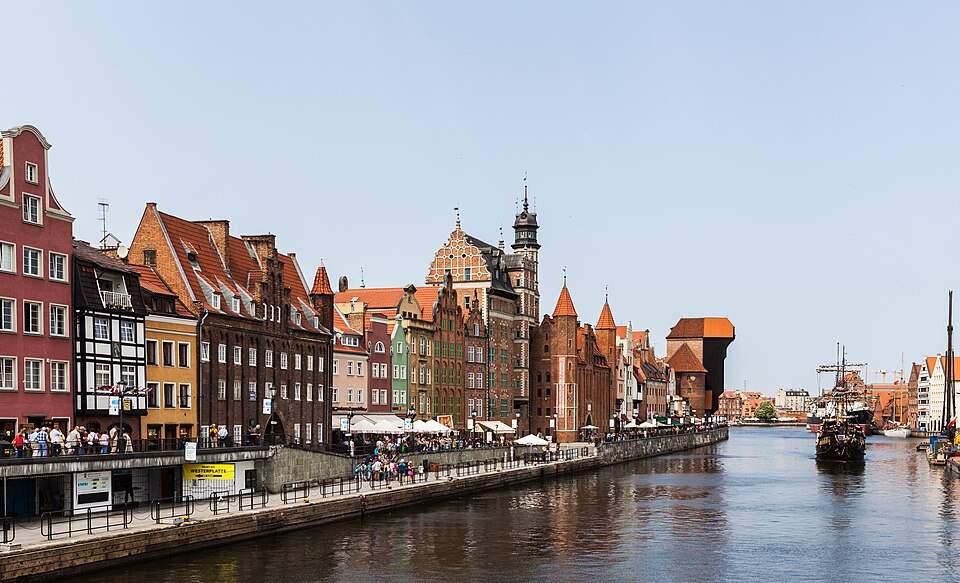
The best time to visit Poland depends on your travel goals. Summer (June to August) offers warm weather and festivals, winter (December to February) is ideal for snow and Christmas markets, while spring and autumn provide fewer crowds and lower travel costs.
Introduction
Poland offers different travel experiences throughout the year. Summer brings long daylight hours and lively city streets. Winter transforms the country into a snowy destination filled with Christmas markets and ski resorts. Spring and autumn offer mild weather, smaller crowds, and lower travel costs.
The best time to visit Poland depends on what you want from your trip. Many travelers visit for historic cities, mountain landscapes, seasonal festivals, and affordable European travel. Poland also attracts food lovers with its traditional dishes, local bakeries, and regional specialties.
In recent years, Poland has become more popular among international travelers looking for culture, history, and value. Cities like Kraków, Warsaw, and Gdańsk combine medieval architecture with modern cafés, museums, and vibrant public spaces. Travelers can explore castles, old town squares, and UNESCO World Heritage Sites without the high prices found in many Western European destinations.
Poland’s seasonal diversity also makes the country appealing year-round. Summer suits beach trips along the Baltic coast and outdoor festivals. Winter draws visitors to snowy mountain towns and famous Christmas markets. Autumn adds colorful landscapes and cooler temperatures, while spring brings blooming parks and pleasant sightseeing conditions.
The country also offers a wide mix of landscapes and experiences. You can hike in the Tatra Mountains, relax on Baltic beaches, walk through medieval streets, or enjoy traditional Polish food in local restaurants. From budget travelers to cultural explorers, Poland appeals to many types of visitors.
This guide explains the best time to visit Poland based on weather, festivals, travel costs, and seasonal activities. It will help you choose the right season for your travel style and budget.
What Is the Best Time to Visit Poland?
The best time to visit Poland is from May to September for warm weather and sightseeing. Travelers looking for lower costs and fewer crowds should visit in spring or autumn, while December is ideal for Christmas markets and winter experiences.
Best Time to Visit Poland: Quick Seasonal Overview
The best time to visit Poland depends on your budget, weather preferences, and travel plans. Each season offers a different experience across the country. Some travelers prefer summer festivals and coastal trips, while others visit for snowy mountains and Christmas markets.
Poland experiences four distinct seasons. Summer brings warm temperatures and long daylight hours. Winter covers many regions with snow and attracts skiers and holiday travelers. Spring and autumn offer quieter streets, lower hotel prices, and comfortable sightseeing weather.
From the Baltic coast to the Tatra Mountains, seasonal conditions change across the country. Coastal cities stay cooler during summer, while southern mountain regions receive colder winters and snowfall. Large cities like Kraków and Warsaw remain popular throughout the year.
Choosing the right season can help you avoid crowds, reduce travel costs, or enjoy specific festivals and outdoor activities. The sections below explain what to expect during each season in Poland.
Poland in Spring (March to May)
Spring is one of the best times to visit Poland for relaxed sightseeing and comfortable weather. Cities become greener, flowers begin to bloom, and outdoor cafés slowly reopen after winter.
Temperatures remain mild across most parts of the country during spring. March still feels cold in some regions, though April and May bring warmer days and longer daylight hours. Southern mountain areas stay cooler than coastal cities and central Poland.
Spring also brings fewer tourists compared to the busy summer season. Popular attractions in Kraków, Warsaw, and Gdańsk feel less crowded during this period. Hotel prices and flight costs also remain lower in many destinations.
This season works well for walking tours, photography, and cultural travel. Historic town squares, castles, and riverside streets look more vibrant under spring light. Parks and gardens also become more colorful by late April.
Travelers who prefer calm city breaks often enjoy Poland in the spring. The weather supports long walks without the summer heat or winter snow.
Poland in Summer (June to August)
Summer is the most popular season to visit Poland. Warm weather, longer days, and outdoor events attract both local and international travelers.
June to August brings the highest temperatures across most regions. Daytime temperatures often range between 20°C and 30°C in cities like Kraków, Warsaw, and Wrocław. Coastal areas along the Baltic Sea usually stay cooler and more comfortable.
This season suits travelers who enjoy sightseeing, festivals, and outdoor dining. City squares remain active late into the evening, and many restaurants open outdoor terraces during the summer months. Parks, riverside areas, and public spaces also become busier.
Summer is also Poland’s peak tourist season. Hotels and flights cost more in July and August, mainly in major cities and beach destinations. Popular attractions may have longer waiting times during weekends and holidays.
Music festivals and cultural events take place throughout the country during the summer. Open-air concerts, food festivals, and local celebrations create a lively atmosphere in many cities and towns.
The Baltic coast becomes one of Poland’s busiest travel regions during this period. Cities like Gdańsk, Sopot, and Gdynia attract visitors looking for beaches, seaside cafés, and coastal walks. Summer also works well for lake tourism and hiking in the southern mountain regions.
Travelers who prefer warm weather and active city life often choose summer for their trip to Poland.
Poland in Autumn (September to November)
Autumn is one of the most comfortable seasons to visit Poland for cultural travel and relaxed sightseeing. Cooler temperatures, colorful landscapes, and lower travel costs attract many travelers during this period.
September usually remains mild across most parts of the country. October brings cooler weather and vibrant autumn colors in parks, forests, and mountain regions. November feels colder and wetter, though major cities still receive visitors.
Fall foliage transforms many destinations across Poland during the autumn months. Historic streets in Kraków, Warsaw, and Wrocław look more scenic under golden and red leaves. Mountain areas and national parks also become popular for photography and hiking.
Autumn also works well for budget-friendly travel. Hotel prices often drop after the summer season, and tourist crowds become smaller in many cities. Travelers can explore museums, castles, and old towns without long waiting times.
This season suits travelers interested in food, history, and cultural experiences. Cafés, local restaurants, and indoor attractions feel more relaxed during autumn. Many visitors also enjoy seasonal Polish dishes and warm regional foods during colder evenings.
Autumn offers a quieter side of Poland while still providing comfortable conditions for city walks and cultural tourism.
Poland in Winter (December to February)
Winter brings a completely different travel experience across Poland. Snow-covered streets, festive decorations, and mountain resorts attract many visitors during this season.
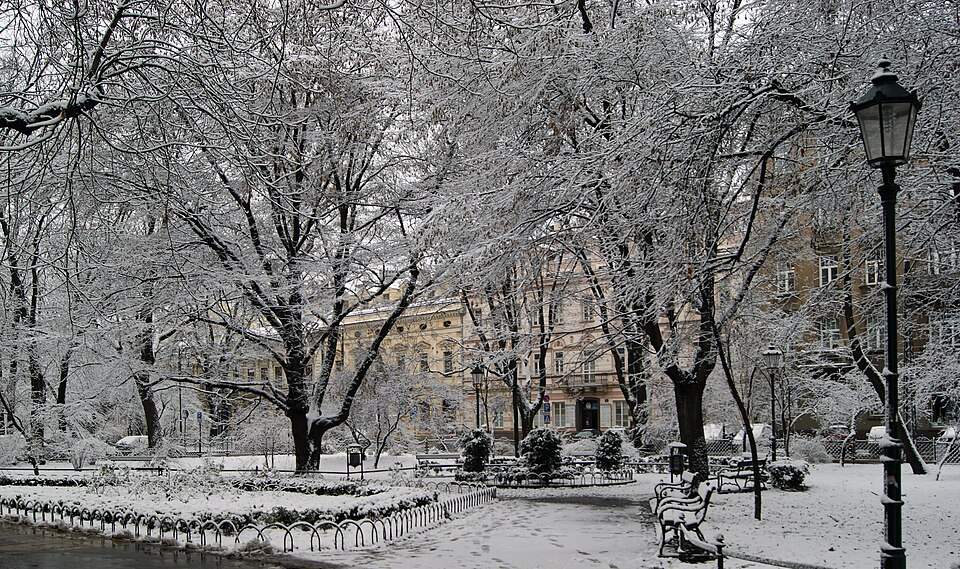 December to February remains cold in most parts of the country. Temperatures often fall below freezing in southern regions and mountain towns. Snow becomes common in places like Zakopane and the Tatra Mountains.
Winter is one of the best times to visit Poland for Christmas markets and seasonal festivals. Cities like Kraków, Warsaw, and Wrocław host large holiday markets filled with lights, local food, handmade crafts, and traditional drinks. Many town squares also organize concerts and winter events during December.
The ski season usually starts in late December and continues through February. Zakopane becomes Poland’s main winter tourism destination during this period. Travelers visit for skiing, snowboarding, mountain views, and traditional wooden architecture.
Winter also creates a quieter atmosphere in many historic cities after the holiday season. Museums, cafés, and cultural attractions remain open, while tourist crowds become smaller in January and February.
Travelers planning a winter trip should prepare for shorter daylight hours and freezing temperatures. Warm clothing, waterproof shoes, and layered outfits help make winter sightseeing more comfortable.
Poland Weather by Month
Poland experiences four distinct seasons throughout the year. Summer brings warm temperatures and festivals; winter offers snow and Christmas markets, while spring and autumn provide milder weather with fewer crowds and lower travel costs.
Weather conditions in Poland change noticeably from month to month. Northern coastal areas stay cooler during summer, while southern mountain regions experience colder winters and heavier snowfall. Cities like Kraków, Warsaw, and Gdańsk also show different seasonal patterns throughout the year.
Understanding Poland’s monthly weather can help travelers choose the right time for sightseeing, hiking, skiing, festivals, or budget travel. The monthly guide below explains temperatures, crowd levels, seasonal activities, travel costs, and packing advice for every month of the year.
Poland Weather in January
January is the coldest month in Poland. Average temperatures range between 5°C and 2°C in most regions.
Snowfall becomes common in southern Poland and mountain towns. Cities like Zakopane receive heavy snow during this period.
Tourist crowds stay moderate after the New Year holidays. Hotel prices often drop in late January.
Winter sports and Christmas market visits remain popular early in the month. Museums and indoor attractions also attract travelers during colder days.
Pack thermal clothing, gloves, waterproof boots, and thick winter jackets.
Poland Weather in February
February stays cold across most parts of Poland. Average temperatures range between -4°C and 3°C.
Snow continues in mountain regions and some central cities. Rain and wet conditions appear more often near coastal areas.
Crowds remain low outside ski resorts. Travel costs stay affordable in many cities.
February works well for skiing, winter photography, and quiet cultural trips. Zakopane remains busy during the ski season.
Bring warm layers, scarves, insulated footwear, and waterproof outerwear.
Poland Weather in March
March marks the beginning of spring in Poland. Temperatures usually range between 1°C and 10°C.
Snow starts melting in many cities, though mountain regions stay colder. Rain showers become more frequent during late March.
Tourist numbers remain lower than in the summer months. Flights and hotels still offer good value.
This month suits travelers who prefer quieter sightseeing conditions. Historic city walks become more comfortable during sunny afternoons.
Pack layered clothing, light sweaters, and a rain-resistant jacket.
Poland Weather in April
April brings milder weather and blooming landscapes across Poland. Average temperatures range between 5°C and 15°C.
Rain showers appear often during spring afternoons. Snow becomes rare outside mountain areas.
Crowd levels stay moderate in most tourist destinations. Hotel prices remain reasonable before the summer season begins.
April works well for photography, city breaks, and park visits. Outdoor cafés and walking tours become more common.
Pack light layers, comfortable walking shoes, and a compact umbrella.
Poland Weather in May
May is one of the most pleasant months to visit Poland. Temperatures usually range between 10°C and 20°C.
Spring flowers bloom across cities, parks, and countryside regions. Rain becomes lighter compared to earlier spring months.
Tourist activity increases before the summer rush. Travel costs remain lower than peak season rates.
May suits sightseeing, river walks, and cultural tourism. Many travelers also visit mountain and lake regions during this period.
Pack light jackets, comfortable clothing, and walking shoes for outdoor activities.
Poland Weather in June
June brings warm temperatures and long daylight hours across Poland. Average temperatures range between 15°C and 25°C.
Rainfall stays moderate, though sunny days become more frequent. Coastal regions remain cooler than inland cities.
Tourist crowds increase in major cities and beach destinations. Hotel prices start rising before the peak summer season.
June works well for festivals, sightseeing, and outdoor dining. Hiking and lake tourism have also become popular.
Pack breathable clothing, sunglasses, sunscreen, and light evening layers.
Poland Weather in July
July is the warmest month in Poland. Temperatures often range between 18°C and 30°C.
Sunny weather dominates most regions during summer. Short thunderstorms may occur during hotter afternoons.
This month brings the highest tourist crowds across Poland. Flights and hotels usually reach peak prices.
July suits beach trips, festivals, and outdoor activities. Coastal cities and mountain resorts become very busy.
Pack summer clothing, comfortable shoes, sunscreen, and light rain protection.
Poland Weather in August
August remains warm and active across Poland. Average temperatures range between 17°C and 29°C.
Rain showers and summer storms appear occasionally. Baltic coastal areas continue attracting beach travelers.
Tourist crowds stay high during most of the month. Travel costs remain expensive in popular destinations.
August works well for cultural festivals, city breaks, and coastal tourism. Outdoor cafés and public events stay lively.
Pack lightweight clothing, sunglasses, and a light jacket for evenings.
Poland Weather in September
September brings cooler temperatures and calmer travel conditions. Average temperatures range between 12°C and 22°C.
Rainfall increases slightly during late September. Autumn colors begin appearing in parks and forests.
Tourist crowds become smaller after the summer holidays end. Hotel and flight prices often decrease.
September suits photography, cultural travel, and walking tours. Many travelers prefer this month for balanced weather and lower costs.
Pack light sweaters, layered clothing, and comfortable walking shoes.
Poland Weather in October
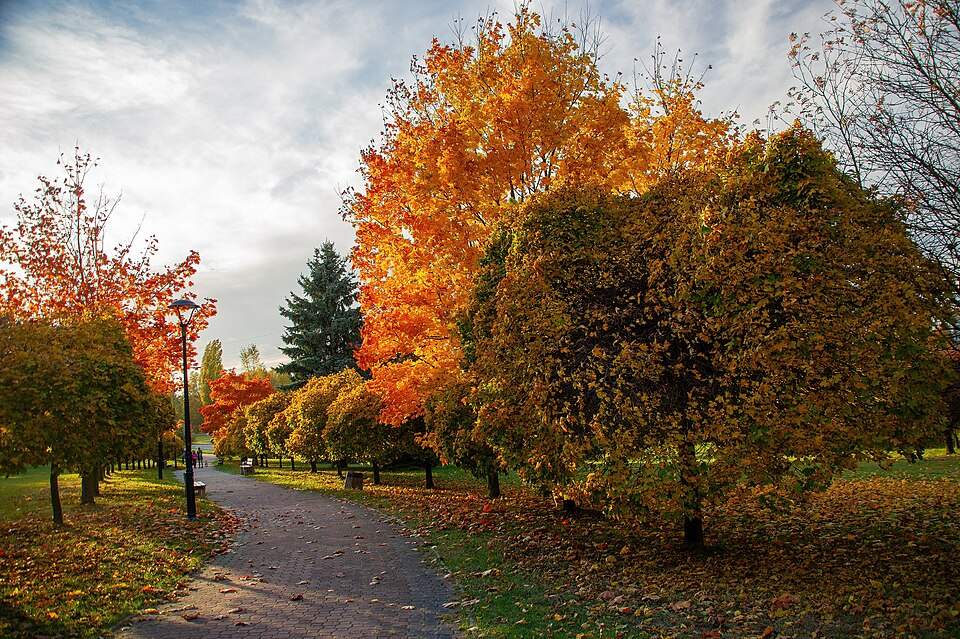 October feels cooler and more autumn-focused across Poland. Temperatures usually range between 7°C and 15°C.
Rain becomes more common during this month. Mountain areas may experience early snowfall by late October.
Tourist activity slows in many destinations. Travel costs continue dropping outside major cities.
October works well for museum visits, food experiences, and autumn photography. Historic cities feel quieter and more relaxed.
Pack warm layers, waterproof shoes, and a medium-weight jacket.
Poland Weather in November
November brings colder temperatures and shorter daylight hours. Average temperatures range between 2°C and 9°C.
Rain, fog, and cloudy conditions become more frequent. Some regions may receive early winter snow.
Crowd levels stay low in most tourist areas. Hotel prices often become cheaper during this month.
November suits budget travelers and indoor cultural experiences. Cafés, museums, and local restaurants become popular during colder evenings.
Pack warm clothing, waterproof jackets, and insulated footwear.
Poland Weather in December
December marks the start of the winter travel season in Poland. Temperatures usually range between -3°C and 4°C.
Snowfall becomes more common across southern and central regions. Christmas lights and festive decorations appear throughout major cities.
Tourist crowds increase during the Christmas and New Year holidays. Hotel prices rise in popular winter destinations.
December works well for Christmas markets, winter festivals, and mountain trips. Kraków, Wrocław, and Zakopane attract many seasonal visitors.
Pack heavy winter clothing, gloves, scarves, and waterproof boots.
Best Season to Visit Poland Based on Travel Style
The best time to visit Poland depends on the type of trip you want. Some travelers prefer warm weather and outdoor festivals, while others look for snowy mountains, Christmas markets, or lower travel costs.
Each season in Poland offers different advantages for sightseeing, hiking, beach holidays, cultural experiences, and budget travel. Summer attracts the largest crowds and supports outdoor activities across the country. Winter suits ski trips and festive city breaks. Spring and autumn provide calmer travel conditions with moderate weather and fewer tourists.
Choosing the right season can improve your overall travel experience. Weather, hotel prices, crowd levels, and local events change significantly throughout the year. Some destinations also work better during specific seasons.
The sections below explain the best season to visit Poland based on different travel styles, interests, and budgets.
Best Time for Budget Travelers
Spring and autumn are usually the best seasons for budget travelers visiting Poland. These shoulder seasons offer lower travel costs without extreme weather conditions.
March to May and September to November often bring cheaper flights and hotel prices. Major cities like Kraków, Warsaw, and Gdańsk become more affordable outside the busy summer season. Budget airlines also offer better deals during these months.
Tourist crowds stay smaller during the shoulder seasons. Popular attractions, museums, and historic sites usually have shorter queues and quieter public spaces. Travelers can explore old towns and cultural landmarks at a slower pace.
Budget travelers also benefit from lower accommodation demand during spring and autumn. Many hotels and guesthouses reduce prices after the summer holidays end. Restaurant reservations and train bookings also become easier.
The weather during these seasons remains comfortable for sightseeing and city walks. Travelers can enjoy Poland’s cultural attractions without summer heat or winter snow.
Packing layered clothing helps during spring and autumn trips. Temperatures may change throughout the day, mainly during evenings and early mornings.
Best Time for Snow and Winter Lovers
December to February is the best time to visit Poland for snow and winter activities. Southern mountain regions receive the heaviest snowfall during this period.
Zakopane becomes Poland’s main winter destination from late December onward. The town attracts skiers, snowboarders, and travelers looking for snowy mountain scenery. January and February usually offer the most reliable snow conditions.
Many mountain resorts in southern Poland stay active throughout the winter season. Ski slopes, cable cars, and winter hiking trails operate across the Tatra Mountain region. Smaller mountain towns also provide quieter alternatives to Zakopane.
Snowfall varies across different parts of Poland during winter. Mountain regions often receive thick snow coverage, while cities like Kraków and Warsaw experience lighter snowfall and icy conditions. Coastal areas near the Baltic Sea usually stay milder.
Winter also brings festive city experiences beyond skiing. Christmas markets, seasonal decorations, and traditional winter foods create a different atmosphere across Poland during December.
Travelers planning winter trips should expect freezing temperatures and shorter daylight hours. Warm layered clothing and waterproof boots help make outdoor activities more comfortable.
Best Time for Festivals and Events
Summer and winter are the best seasons to visit Poland for festivals and major cultural events. Different regions host music festivals, holiday celebrations, and local traditions throughout the year.
June to August brings Poland’s busiest festival season. Cities like Kraków, Warsaw, and Gdańsk organize outdoor concerts, food festivals, film events, and cultural programs during the summer months. Warm weather and longer daylight hours support large public gatherings and open-air performances.
Summer music festivals attract both local and international visitors. Many events take place in city squares, parks, and coastal destinations near the Baltic Sea. Restaurants, cafés, and nightlife areas also become more active during festival season.
Winter offers a different type of cultural experience across Poland. December transforms many cities with Christmas lights, seasonal markets, and holiday decorations. Kraków, Wrocław, and Warsaw host some of the country’s most popular Christmas markets.
Christmas markets usually open from late November through December. Travelers visit for traditional Polish food, handmade crafts, mulled drinks, and festive entertainment. Town squares also host concerts and seasonal performances during the holiday period.
Spring and autumn also feature smaller cultural celebrations and local events. These seasons suit travelers who prefer quieter experiences with fewer tourist crowds.
Best Time for Sightseeing
Spring and early autumn are often the best times for sightseeing in Poland. Mild temperatures and smaller crowds make city exploration more comfortable during these seasons.
Kraków looks beautiful from April to June and again during September and October. Travelers can walk through the Old Town, Wawel Castle area, and historic streets without intense summer crowds. Autumn also adds colorful scenery around parks and riverside areas.
Warsaw suits sightseeing during late spring and early autumn. Pleasant weather supports walking tours, museum visits, and outdoor cafés across the city. Summer also works well, though tourist activity becomes busier during July and August.
Gdańsk attracts many visitors during the summer because of its Baltic coastal location. June and September often provide balanced weather with fewer crowds than peak summer months. Coastal walks and waterfront sightseeing feel more relaxed during these periods.
Wrocław remains a strong year-round sightseeing destination. Spring and autumn offer comfortable temperatures for exploring bridges, market squares, and historic buildings. December also attracts visitors to the city’s Christmas market and festive atmosphere.
Travelers planning sightseeing-focused trips usually benefit from shoulder seasons. Attractions are easier to access, hotel prices often become lower, and city walks feel more enjoyable.
Best Time for Nature and Hiking
Late spring to early autumn is the best time for nature trips and hiking in Poland. June to September usually offers the most comfortable outdoor conditions across the country.
The Tatra Mountains attract hikers during summer and early autumn. Trails remain easier to access between June and September, when snow clears from higher paths. July and August bring the warmest weather, though trails become busier during school holidays.
September suits travelers who prefer quieter hiking conditions in the mountains. Cooler temperatures and autumn colors create good conditions for photography and long walks.
Białowieża Forest works well from late spring through early autumn. Mild temperatures support wildlife watching, cycling, and forest walks during these months. Summer also brings greener landscapes and longer daylight hours.
The Masurian Lakes region becomes most active during summer. June through August attracts travelers interested in boating, kayaking, camping, and lakeside relaxation. Warm weather supports outdoor activities across the region.
Nature travelers should prepare for changing weather conditions in mountain and forest areas. Layered clothing, waterproof gear, and proper walking shoes help during outdoor trips.
Best Time for Beach Holidays in Poland
June to August is the best time for beach holidays in Poland. Warm temperatures and longer daylight hours attract many travelers to the Baltic Sea coast during summer.
The Baltic coast offers sandy beaches, seaside cafés, walking paths, and relaxed coastal towns. Sea temperatures remain coolest in early June and become more comfortable during July and August.
Sopot becomes one of Poland’s busiest summer beach destinations. Travelers visit for its long wooden pier, beach atmosphere, restaurants, and nightlife. July usually brings the largest tourist crowds to the city.
Gdynia suits travelers looking for a calmer coastal experience. The city combines beaches with parks, waterfront areas, and modern seaside attractions. Summer festivals and outdoor events also take place during warmer months.
Gdańsk beaches attract visitors who want both coastal scenery and historic sightseeing. Travelers can combine beach time with visits to the city’s Old Town, museums, and waterfront streets.
Late June and early September often provide balanced weather with fewer crowds. Hotel prices may also become slightly lower outside peak summer weeks.
Travelers planning beach holidays in Poland should pack light clothing, sunscreen, and a light jacket for cooler evenings near the coast.
Best Time to Visit Poland for Christmas Markets
The best time to visit Poland for Christmas markets is from late November through December. Cities like Kraków, Wrocław, Warsaw, and Gdańsk host festive markets filled with lights, traditional food, handmade crafts, and seasonal events during this period.
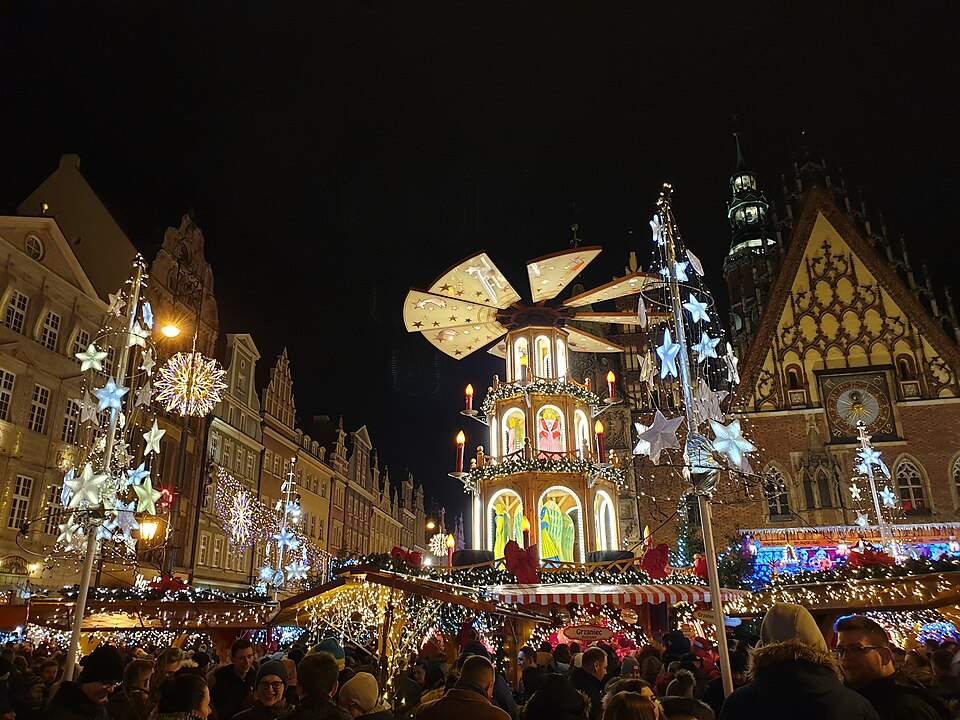 Poland becomes one of Central Europe’s most atmospheric winter destinations during the Christmas season. Historic city squares transform with wooden stalls, holiday decorations, music performances, and festive lighting. Many travelers visit Poland during December for winter scenery, cultural traditions, and seasonal food experiences.
Most Christmas markets open during the final week of November and continue until Christmas or early January. December usually offers the best atmosphere, though crowds increase closer to the Christmas holidays. Snowfall becomes more common in southern cities and mountain regions during this period.
Christmas market trips also combine well with sightseeing, winter festivals, and local food experiences. Travelers can explore medieval old towns during the day and visit festive markets in the evening.
The sections below explain the best Christmas markets in Poland, what to expect during the season, and useful winter travel tips.
Top Christmas Markets in Poland
Poland hosts some of Central Europe’s most atmospheric Christmas markets during winter. Historic city centers fill with festive lights, wooden stalls, seasonal food, and holiday performances throughout December.
Kraków Christmas Market
Kraków Christmas Market is one of the most famous holiday markets in Poland. The market takes place in the city’s medieval Main Market Square and attracts visitors from across Europe.
Travelers visit for traditional Polish food, handmade crafts, Christmas decorations, and live music events. The surrounding historic buildings and winter atmosphere make Kraków one of the best cities for Christmas travel in Poland.
Warsaw Christmas Market
Warsaw Christmas Market combines modern city energy with traditional holiday celebrations. Market stalls appear around the Old Town and central public squares during the festive season.
Visitors can enjoy seasonal foods, ice skating areas, holiday lights, and winter entertainment. Warsaw also offers museums, shopping streets, and cultural attractions during colder months.
Wrocław Christmas Market
Wrocław Christmas Market is known for its large festive displays and fairy-tale atmosphere. The market spreads across the city’s historic center and attracts many winter travelers every year.
Colorful decorations, wooden stalls, and themed attractions create a lively holiday setting. Travelers also enjoy warm drinks, local sweets, and traditional Polish winter dishes during evening visits.
Gdańsk Christmas Fair
Gdańsk Christmas Fair offers a coastal holiday atmosphere along with historic architecture and festive events. The city’s decorated streets and waterfront areas create a different winter experience compared to southern Polish cities.
The market features local crafts, seasonal food, music performances, and family-friendly activities. Gdańsk also suits travelers who want to combine Christmas markets with Baltic coastal sightseeing.
What Makes Polish Christmas Markets Unique
Polish Christmas markets combine festive traditions, local food, and historic city settings. Many markets take place in medieval town squares surrounded by churches, colorful buildings, and winter decorations.
Traditional food plays a major role during the Christmas season in Poland. Travelers can try pierogi, grilled oscypek cheese, smoked meats, gingerbread, and warm pastries while exploring market stalls. Many cities also serve seasonal soups and regional winter dishes during colder evenings.
Mulled wine remains one of the most popular winter drinks at Polish Christmas markets. Vendors serve warm spiced drinks that help visitors stay comfortable during freezing temperatures. Hot chocolate and traditional herbal teas also appear across many markets.
Handmade crafts add another local element to the experience. Wooden ornaments, holiday decorations, candles, knitted clothing, and handmade gifts fill many market stalls throughout December. Travelers often buy local crafts as souvenirs from different cities.
The winter atmosphere also makes these markets memorable for many visitors. Snow-covered streets, festive lights, live music, and evening performances create a calm holiday setting across Poland’s historic city centers.
Many travelers choose Poland for Christmas market trips because the experience feels traditional, scenic, and more affordable than some Western European destinations.
Weather Conditions During the Christmas Season
Poland experiences cold winter weather during the Christmas season. Temperatures in December usually range between -3°C and 5°C across most cities.
Snow becomes more common in southern Poland and mountain regions during this period. Cities like Kraków and Zakopane often experience snowy conditions before Christmas. Warsaw and Wrocław may receive lighter snowfall or cold rain depending on weather patterns.
Travelers should not expect guaranteed snow in every city during December. Some years bring snowy Christmas markets, while others remain colder and wetter without heavy snowfall. Mountain towns usually offer the highest chance of snow-covered scenery.
Daylight hours stay shorter during winter in Poland. Sunset often arrives between 3:30 PM and 4:00 PM in December. Christmas lights and evening market visits become an important part of the winter atmosphere because of earlier sunsets.
Proper winter clothing makes Christmas market trips far more comfortable. Temperatures often feel colder during evening walks and outdoor events.
Travelers should pack:
- insulated winter jackets
- gloves and scarves
- waterproof boots
- thermal layers
- warm socks and hats
Layered clothing helps travelers stay comfortable while moving between outdoor markets and heated indoor spaces.
Best Time to Visit Poland’s Major Cities
The best time to visit Poland’s major cities depends on the weather, crowd levels, and travel interests. Some cities work best during summer festivals, while others become more attractive during the Christmas season or autumn months.
Cities like Kraków, Warsaw, Gdańsk, and Wrocław experience different seasonal conditions throughout the year. Coastal destinations stay cooler during summer, while southern cities and mountain regions receive colder winters and more snowfall.
Spring and autumn often provide the most balanced conditions for city sightseeing. Temperatures remain comfortable, tourist crowds become smaller, and hotel prices usually stay lower than peak summer months. Summer attracts the largest number of visitors because of festivals, outdoor dining, and longer daylight hours.
Winter also offers a different experience across Poland’s historic cities. Christmas markets, seasonal decorations, and snow-covered streets attract many travelers during December.
The sections below explain the best time to visit Poland’s most popular cities based on weather, seasonal activities, and travel style.
Best Time to Visit Kraków
Spring, early autumn, and December are the best times to visit Kraków. These seasons offer comfortable weather, scenic streets, and a more atmospheric city experience.
Kraków’s Old Town remains one of the most visited places in Poland throughout the year. Spring and autumn create pleasant conditions for walking through medieval streets, public squares, and historic landmarks. Temperatures stay comfortable for sightseeing without intense summer crowds.
September and October bring colorful autumn scenery across the city. Parks, riverside paths, and historic streets look more scenic during this season. Cooler weather also suits long city walks and café visits.
December transforms Kraków into one of Poland’s most popular Christmas destinations. The Main Market Square fills with festive lights, holiday stalls, seasonal food, and live performances during the Christmas market season. Snowfall sometimes adds to the city’s winter atmosphere.
Summer also attracts many visitors because of festivals and outdoor dining. July and August remain the busiest months in Kraków, and hotel prices often increase during this period.
Travelers looking for balanced weather and fewer crowds usually prefer late spring or early autumn for visiting Kraków.
Best Time to Visit Warsaw
Late spring and summer are the best times to visit Warsaw. Warm temperatures and longer daylight hours make the city more active and comfortable for sightseeing.
Spring brings pleasant conditions for walking through Warsaw’s parks, riverside areas, and historic streets. April and May offer blooming gardens, moderate temperatures, and smaller tourist crowds compared to peak summer months.
Summer transforms Warsaw into one of Poland’s busiest cultural destinations. Outdoor concerts, festivals, public events, and open-air cafés become common across the city from June to August. The Vistula River area also becomes more active during warmer evenings.
Warsaw’s Old Town and museum district remain popular throughout the year. Summer supports longer sightseeing days, while spring offers a calmer atmosphere for exploring historic landmarks and public spaces.
July and August attract the highest number of visitors to the city. Hotel prices and tourist activity often increase during major festivals and holiday periods.
Travelers who prefer balanced weather and fewer crowds often choose late spring for visiting Warsaw. Summer works better for nightlife, cultural events, and outdoor entertainment.
Best Time to Visit Gdańsk
Summer is the best time to visit Gdańsk for coastal weather and outdoor activities. June to August brings warmer temperatures, longer daylight hours, and active tourism across the Baltic coast.
Gdańsk experiences cooler summer temperatures compared to inland Polish cities. Coastal winds and Baltic Sea conditions help keep the weather more comfortable during warmer months. July and August usually offer the warmest days for beach visits and waterfront walks.
Summer tourism reaches its peak during this period. Travelers visit Gdańsk for its beaches, harbor areas, historic streets, and nearby coastal towns like Sopot and Gdynia. Outdoor cafés, boat tours, and seaside events also become more common.
The city’s Old Town remains busy throughout summer evenings. Restaurants, riverside paths, and public squares stay active because of tourism and seasonal festivals.
Late spring and early autumn also work well for visiting Gdańsk. June and September often provide pleasant weather with fewer crowds and slightly lower hotel prices.
Travelers planning coastal trips should prepare for changing Baltic weather conditions. Even during summer, evenings near the sea can feel cooler than inland regions.
Best Time to Visit Wrocław
Spring, summer, and December are the best times to visit Wrocław. The city combines colorful architecture, cultural festivals, and one of Poland’s most popular Christmas markets.
Spring and early autumn offer comfortable conditions for sightseeing across Wrocław’s historic center. Travelers can explore bridges, riverside paths, market squares, and Gothic buildings without peak summer crowds.
Summer brings warmer temperatures and a more active festival season. Outdoor concerts, cultural events, and open-air cafés become common across the city during June, July, and August. Public spaces stay lively late into the evening because of longer daylight hours.
Wrocław also attracts many visitors during the winter market season. The city’s Christmas market transforms the Old Town with festive lights, wooden stalls, seasonal food, and holiday entertainment during December.
The winter atmosphere suits travelers looking for Christmas markets and festive city breaks. Evening walks through decorated streets become one of the city’s main seasonal attractions.
Travelers who prefer balanced weather and fewer crowds often choose late spring or early autumn for visiting Wrocław. December works best for holiday experiences and winter scenery.
Best Time to Visit Zakopane
The best time to visit Zakopane depends on whether you prefer skiing or hiking. Winter attracts snow sports travelers, while summer suits mountain walks and outdoor activities.
December to February is the main ski season in Zakopane. Snowfall becomes common across the Tatra Mountains during this period, and ski resorts remain active throughout winter. January and February usually offer the best snow conditions for skiing and snowboarding.
Winter also brings festive scenery and traditional mountain culture to Zakopane. Wooden houses, snow-covered streets, and local markets create a strong winter atmosphere across the town.
June to September is the best season for hiking in Zakopane. Mountain trails become easier to access after the snow melts from higher elevations. Summer temperatures also make long walks and outdoor activities more comfortable.
July and August attract the largest number of hikers to the region. Popular trails and cable car routes become busy during school holiday periods.
September suits travelers looking for quieter hiking conditions and cooler mountain weather. Autumn colors also improve photography conditions across the Tatra Mountains.
Travelers visiting Zakopane should prepare for changing mountain weather in every season. Warm layers and waterproof clothing remain useful even during summer months.
Cheapest Time to Visit Poland
Travelers looking for lower costs usually find the best deals during spring and autumn. Flights, hotels, and tourist services often become cheaper outside the busy summer and Christmas travel seasons.
Poland already ranks among the more affordable European destinations. Careful timing can reduce travel costs even further. Shoulder seasons often provide lower prices, fewer crowds, and comfortable weather for sightseeing.
The sections below explain the cheapest months for flights and hotels, along with practical ways to save money while traveling across Poland.
Cheapest Months for Flights
The cheapest months for flights to Poland are usually February, March, November, and early December. These periods fall outside the country’s busiest tourism seasons and often offer lower airfare prices from international destinations.
Flight prices to Poland change significantly throughout the year. Summer months like July and August bring higher airfare because of school holidays, festivals, and peak European tourism. December also becomes more expensive due to Christmas market travel and holiday demand.
Late winter and late autumn usually offer the best flight deals. February often provides some of the lowest international fares after New Year travel slows down. March also remains affordable before spring tourism increases across Europe.
November is another low-cost period for flights to Poland. Tourist activity drops after the autumn travel season ends, and airlines reduce prices to attract travelers during quieter weeks. Early December may also provide cheaper fares before Christmas crowds arrive.
Major cities like Warsaw, Kraków, and Gdańsk receive frequent low-cost airline connections from many European airports. Travelers with flexible travel dates can often find better deals during weekdays instead of weekends.
Booking flights several weeks in advance can also reduce travel costs. Budget airlines usually increase prices closer to departure dates, mainly during holidays and festival periods.
Travelers should also compare nearby airports when searching for flights. Warsaw Chopin Airport, Kraków Airport, and Gdańsk Airport often show different pricing depending on seasonal demand and airline competition.
Spring and autumn remain good choices for travelers, balancing lower airfare with comfortable weather. These seasons allow visitors to explore Poland without paying peak summer travel prices.
February, March, November, and early December usually offer the cheapest flights to Poland. Flexible travel dates and advance booking can help travelers save even more.
Cheapest Months for Hotels
The cheapest months for hotels in Poland are usually January, February, March, and November. Hotel prices often drop outside the summer tourism and Christmas market season.
Accommodation costs in Poland depend heavily on seasonal demand and location. Cities like Kraków, Warsaw, and Gdańsk experience major price increases during summer holidays, Christmas markets, and large festivals.
January and February often bring lower hotel prices after the New Year holiday period ends. Tourist crowds decrease in many cities outside ski destinations like Zakopane. Budget travelers can often find better hotel deals during these colder months.
March also remains relatively affordable before spring tourism begins increasing across Europe. Hotel availability improves during this period, and many city-center accommodations offer discounted rates.
November is another low-cost month for accommodation across Poland. Tourist activity slows significantly during late autumn, allowing travelers to find cheaper rooms in popular destinations.
Summer months usually bring the highest accommodation prices. July and August remain the busiest periods for tourism across Poland’s cities and Baltic coastal regions. The Christmas market season also increases hotel demand during December.
Budget travelers can reduce costs further by staying slightly outside historic city centers. Public transportation in Poland remains reliable and affordable, making outer neighborhoods practical for many visitors.
Hostels, guesthouses, and apartment rentals also help reduce accommodation expenses. Many cities offer budget-friendly lodging options close to train stations and public transport routes.
Travelers planning long stays may also benefit from weekly apartment rental discounts. Booking early often helps during festival seasons and major holiday periods.
January, February, March, and November usually provide the lowest hotel prices in Poland. Staying outside city centers and booking early can help reduce accommodation costs further.
How to Save Money in Poland
Travelers can save money in Poland by using public transport, eating at local restaurants, choosing budget accommodations, and visiting during off-season months. Poland already offers better value than many Western European destinations, making it suitable for budget-conscious travelers.
Public transportation remains one of the easiest ways to reduce travel expenses in Poland. Cities like Warsaw, Kraków, and Wrocław operate affordable tram, bus, and metro systems that connect major tourist areas. Train travel between cities also remains cheaper than domestic flights in many cases.
Walking also helps travelers reduce transportation costs in historic city centers. Many attractions in Kraków, Gdańsk, and Wrocław remain within walking distance of each other.
Local food provides another good way to manage travel expenses. Traditional Polish restaurants, milk bars, bakeries, and neighborhood cafés often serve filling meals at lower prices than tourist-focused restaurants. Travelers can try pierogi, soups, grilled meats, and local pastries without spending heavily.
Budget accommodations remain widely available across Poland. Hostels, guesthouses, apartment rentals, and smaller hotels often provide lower nightly rates than international hotel chains. University cities and backpacker destinations also offer competitive hostel pricing throughout the year.
Off-season travel creates some of the biggest savings opportunities. Spring and autumn usually bring cheaper flights, lower hotel prices, and smaller tourist crowds. Attractions also feel less crowded during these periods.
Travelers can also save money by avoiding major holiday weeks and summer peak season. Prices rise quickly during Christmas markets, summer festivals, and school holidays.
Many museums and attractions across Poland also offer discounted entry days on certain weekdays. Students and younger travelers may receive additional discounts on transportation and cultural sites.
Budget planning becomes easier because Poland generally remains more affordable than many nearby European destinations. Travelers can still experience historic cities, cultural attractions, and regional food without extremely high daily costs.
Public transport, local food, budget accommodations, and off-season travel help travelers reduce costs in Poland. Spring and autumn often provide the best balance between affordability and comfortable travel conditions.
Poland Budget Travel Overview
| Travel Category | Cheapest Time | Budget Advantage | Best Budget Tip |
| Flights | February, March, November | Lower international airfare | Book weekday flights early |
| Hotels | January, February, November | Reduced hotel demand | Stay outside city centers |
| City Transport | Year-round | Affordable public transport | Use trams and trains |
| Food | Year-round | Local meals remain inexpensive | Eat at milk bars and local cafés |
| Attractions | Spring and autumn | Smaller crowds and discounts | Visit during weekday mornings |
| Beach Destinations | June or September | Lower coastal hotel prices | Avoid peak July weekends |
| Christmas Markets | Early December | Slightly cheaper before the holidays | Book accommodation early |
| Hiking Trips | September | Lower mountain tourism demand | Travel after the summer holidays |
| General Budget Travel | Spring and autumn | Balanced prices and weather | Avoid major festival periods |
Poland Festivals and Cultural Events by Season
Poland hosts festivals and cultural events throughout the year. Seasonal celebrations include music festivals, food events, folk traditions, religious holidays, and national celebrations across different regions of the country.
Travelers visiting Poland during festival seasons can experience local culture beyond traditional sightseeing. Historic cities, public squares, mountain towns, and coastal destinations often organize seasonal events that reflect Poland’s history, food culture, and artistic traditions.
The sections below explain the main festivals and cultural events travelers can experience during spring, summer, autumn, and winter in Poland.
Spring Festivals in Poland
Spring festivals in Poland focus on cultural celebrations, folk traditions, seasonal food events, and Easter customs. March to May brings milder weather and the beginning of outdoor cultural activities across the country.
Spring marks the transition from winter celebrations to outdoor festivals and public events in Poland. Cities and smaller towns begin organizing seasonal markets, music performances, and cultural gatherings as temperatures become warmer.
Easter remains one of the most important spring celebrations in Poland. Many cities decorate public squares and churches during this period. Travelers visiting around Easter can experience traditional food, religious processions, and handmade Easter decorations sold at local markets.
Folk traditions also become more visible during spring festivals. Rural areas and cultural centers often organize traditional dance performances, craft exhibitions, and regional food fairs. Travelers can see traditional Polish clothing, folk music, and seasonal customs during these events.
Spring food festivals also attract many visitors across Poland. Local markets and culinary events begin serving seasonal dishes, pastries, smoked cheeses, and regional specialties after the winter months. Kraków and Warsaw often host food-themed public events during late spring.
Music events slowly increase during April and May as outdoor conditions improve. Public concerts and local performances appear in city parks, riverside areas, and historic squares during warmer weekends.
Spring also remains a calmer season for cultural tourism compared to summer. Travelers can attend local festivals without the peak tourist crowds found during July and August.
Photography conditions improve during spring because parks and historic streets become greener and more colorful. Cities like Wrocław and Kraków feel more active without becoming overcrowded.
Travelers planning spring festival trips should prepare for changing weather conditions. Rain showers remain common during March and April, though temperatures become more comfortable by May.
Spring festivals in Poland combine Easter traditions, folk culture, food events, and early outdoor concerts. This season suits travelers looking for cultural experiences with fewer tourist crowds.
Summer Festivals in Poland
Summer is Poland’s busiest festival season. June to August brings music festivals, food events, outdoor concerts, cultural celebrations, and national gatherings across major cities and coastal regions.
Warm weather and longer daylight hours allow Poland to host large outdoor festivals throughout the summer. Cities like Warsaw, Kraków, Gdańsk, and Wrocław organize cultural events almost every week during peak season.
Music festivals remain one of the biggest attractions during the summer in Poland. Open-air concerts, jazz festivals, electronic music events, and classical performances take place across public parks, old town squares, and coastal destinations. Some festivals attract international performers and thousands of visitors every year.
Summer food festivals also become popular during this season. Travelers can try traditional Polish dishes, street food, regional desserts, grilled meats, and local drinks at seasonal culinary events. Food markets and open-air dining areas become more active during warmer evenings.
Coastal cities near the Baltic Sea organize beach festivals and summer celebrations throughout July and August. Gdańsk, Sopot, and Gdynia attract visitors with concerts, waterfront events, and outdoor nightlife during peak tourism season.
National celebrations and public holidays also take place during the summer months. Independence-themed ceremonies, military parades, and cultural performances appear in larger cities during official events and anniversaries.
Folk traditions continue during summer festivals in smaller towns and rural regions. Travelers may see harvest celebrations, regional dance performances, craft markets, and historical reenactments during countryside events.
Summer remains the most energetic period for cultural travel in Poland. Streets stay active late into the evening because of warm weather and extended daylight hours.
Hotel prices and tourist crowds increase during major festival weekends. Travelers planning summer festival trips should book accommodation and train tickets in advance.
Summer festivals in Poland focus on music, outdoor culture, food events, and coastal celebrations. This season suits travelers looking for lively city experiences and large public events.
Autumn Cultural Events
Autumn cultural events in Poland focus on film festivals, food celebrations, historical events, and local traditions. September to November offers a calmer cultural atmosphere with smaller crowds and cooler temperatures.
Autumn marks a quieter cultural season compared to summer, though many important events continue across Poland. Cities shift from outdoor concerts toward indoor performances, art exhibitions, theater programs, and cultural festivals during cooler months.
Film and literature festivals become more common during autumn. Warsaw, Kraków, and Wrocław host cultural programs that attract artists, writers, filmmakers, and students from different parts of Europe.
Autumn also becomes an important season for food festivals and harvest traditions. Local markets and regional events celebrate mushrooms, apples, smoked meats, cheeses, and seasonal Polish dishes during this period. Restaurants often introduce warmer traditional foods during colder evenings.
Folk traditions remain visible during harvest festivals in smaller towns and rural areas. Travelers may experience traditional music, local costumes, handmade crafts, and agricultural celebrations connected to Polish countryside culture.
Historical commemorations and national remembrance events also take place during the autumn months. Museums, memorial sites, and cultural institutions organize educational programs and public ceremonies during important anniversaries.
September remains one of the best months for combining cultural tourism with sightseeing. The weather usually stays comfortable, while tourist crowds become smaller after the summer holidays end.
October and November create a calmer travel atmosphere in major cities. Museums, cafés, and indoor cultural spaces become more attractive during colder and wetter conditions.
Travelers visiting during autumn should prepare for shorter daylight hours and occasional rain. Layered clothing and waterproof footwear help during city walks and festival visits.
Autumn cultural events in Poland focus on film festivals, food traditions, harvest celebrations, and historical programs. This season suits travelers looking for quieter cultural experiences and local traditions.
Winter Celebrations and Traditions
Winter celebrations in Poland center around Christmas markets, religious traditions, seasonal festivals, and New Year events. December remains the country’s most festive cultural season.
Winter transforms many Polish cities into holiday destinations filled with lights, decorations, and seasonal traditions. Christmas markets become the main attraction during December across Kraków, Warsaw, Wrocław, and Gdańsk.
Religious traditions remain an important part of Polish winter culture. Churches organize Christmas services, concerts, and community celebrations throughout December. Families also follow long-standing customs connected to Christmas Eve meals and holiday gatherings.
Winter food traditions become more visible during this season. Travelers can try pierogi, gingerbread, grilled oscypek cheese, smoked sausages, and warm soups at seasonal markets and restaurants. Mulled wine and hot drinks also become common during colder evenings.
New Year celebrations bring concerts, fireworks, and public gatherings to major Polish cities. Public squares often host countdown events, music performances, and winter entertainment during late December.
Mountain towns like Zakopane combine winter sports with local folk traditions during ski season. Travelers can experience wooden mountain architecture, traditional music, and regional food culture in southern Poland.
Folk customs also continue during winter festivals and religious celebrations. Handmade decorations, carol singing, and winter craft markets remain part of seasonal traditions in many towns.
January and February bring quieter tourism after the Christmas season ends. Winter cultural attractions continue, though public spaces become less crowded outside ski resorts.
Travelers visiting Poland during winter should prepare for freezing temperatures and shorter daylight hours. Warm clothing and waterproof footwear become necessary during outdoor events and evening market visits.
Winter celebrations in Poland focus on Christmas markets, holiday traditions, seasonal foods, and New Year’s events. This season suits travelers looking for festive city experiences and winter cultural tourism.
Poland Festivals and Cultural Events by Season Overview
| Season | Main Events | Popular Experiences | Best Cities | Crowd Level |
| Spring | Easter festivals, folk events, and food fairs | Cultural travel, local traditions, spring markets | Kraków, Warsaw, Wrocław | Moderate |
| Summer | Music festivals, food festivals, and outdoor concerts | Festivals, nightlife, coastal events | Gdańsk, Warsaw, Kraków | High |
| Autumn | Film festivals, harvest events, and cultural programs | Museums, food culture, quieter travel | Warsaw, Kraków, Wrocław | Moderate to Low |
| Winter | Christmas markets, New Year celebrations | Holiday travel, winter food, festive atmosphere | Kraków, Wrocław, Zakopane | High in December |
| Music Festivals | Summer season | Open-air concerts, cultural events | Gdynia, Warsaw, Kraków | High |
| Food Festivals | Spring to autumn | Regional dishes, street food, and local markets | Kraków, Gdańsk | Moderate |
| Folk Traditions | Year-round | Dance, crafts, and regional celebrations | Rural Poland, Zakopane | Moderate |
| National Celebrations | Summer and autumn | Public ceremonies, historical events | Warsaw | Moderate |
What to Pack for Poland by Season
Packing for Poland depends heavily on the season and travel destination. Weather conditions change noticeably throughout the year, from warm summer days along the Baltic coast to snowy winters in the Tatra Mountains.
Travelers visiting multiple regions should also prepare for temperature differences between cities, coastal areas, and mountain towns. Layered clothing usually works best during spring and autumn, while winter requires proper cold-weather preparation.
The seasonal packing lists below outline what travelers should bring for comfortable sightseeing, outdoor activities, and the seasonal weather in Poland.
Spring Packing List
The best clothing for spring in Poland includes light layers, waterproof jackets, comfortable walking shoes, and clothing suitable for changing temperatures. Spring weather often shifts between cool mornings, mild afternoons, and rainy evenings.
Spring temperatures in Poland usually range between 5°C and 18°C from March to May. Early spring still feels cold in many regions, while late May becomes warmer and more comfortable for sightseeing.
Layered clothing remains important during spring travel. Temperatures may change quickly throughout the day, mainly in cities like Kraków, Warsaw, and Wrocław. A light sweater or hoodie works well during mornings and evenings.
Rain showers also become common during the spring months. Travelers should carry a waterproof jacket or a compact umbrella during city walks and outdoor activities. Waterproof footwear helps during wetter conditions in March and April.
Comfortable walking shoes remain important for sightseeing in Poland’s historic city centers. Many old towns include cobblestone streets, long walking routes, and public squares that require supportive footwear.
Spring also suits nature trips and park visits. Travelers planning mountain walks or countryside trips should pack slightly warmer layers because temperatures stay cooler outside major cities.
Useful items for spring travel in Poland include:
- light sweaters and layered clothing
- waterproof jacket or umbrella
- comfortable walking shoes
- light scarf for cooler evenings
- day bag for sightseeing
Spring weather in Poland stays unpredictable compared to summer. Travelers should prepare for both sunny afternoons and colder rainy conditions during the same trip.
Spring packing in Poland focuses on layered clothing, rain protection, and comfortable walking gear. Flexible clothing works best because temperatures often change throughout the day.
Summer Packing List
Summer packing for Poland should include lightweight clothing, comfortable shoes, sunscreen, sunglasses, and light evening layers. June to August brings the warmest weather and the busiest tourism season across the country.
Summer temperatures in Poland usually range between 20°C and 30°C. Inland cities like Warsaw and Kraków often feel warmer than Baltic coastal areas such as Gdańsk and Sopot.
Lightweight and breathable clothing works best during summer sightseeing. Travelers spend long hours outdoors visiting historic cities, festivals, beaches, and public events during this season.
Comfortable walking shoes remain necessary because many travelers explore cities on foot. Summer also brings outdoor concerts, long walking tours, and riverside activities that require practical footwear.
Sun protection becomes important during warmer afternoons. Sunscreen, sunglasses, and hats help during beach visits, city sightseeing, and hiking trips. Travelers visiting the Baltic coast may also need a light jacket because evenings near the sea can feel cooler.
Summer rainstorms occasionally appear during hotter days. A compact rain jacket or travel umbrella remains useful during July and August.
Travelers planning hiking trips to Zakopane or the Tatra Mountains should pack extra layers because mountain weather changes quickly. Temperatures in higher elevations remain cooler even during summer.
Useful items for summer travel in Poland include:
- lightweight shirts and trousers
- comfortable walking shoes
- sunscreen and sunglasses
- reusable water bottle
- light jacket for evenings
- compact rain protection
Summer also attracts larger tourist crowds across Poland. Travelers carrying lighter luggage often move more comfortably between trains, hotels, and city centers during busy travel periods.
Summer packing for Poland should focus on lightweight clothing, walking comfort, and sun protection. A light jacket and rain gear also remain useful during changing summer weather.
Autumn Packing List
Autumn packing for Poland should include warm layers, waterproof shoes, medium-weight jackets, and clothing suitable for cooler temperatures and occasional rain. September to November brings colder evenings and changing weather conditions.
Autumn temperatures in Poland usually range between 5°C and 18°C, depending on the month and region. September often stays mild, while November feels much colder across most cities.
Layered clothing becomes important during autumn travel. Days may begin cold, become milder during afternoons, and cool down quickly after sunset. Sweaters, hoodies, and long-sleeved clothing work well during this season.
Rain becomes more common during the autumn months. Waterproof shoes and rain-resistant jackets help during city walks and outdoor sightseeing. Cobblestone streets in historic centers may become slippery during wet weather.
Autumn also remains one of the best seasons for photography and cultural travel in Poland. Travelers often spend long hours outdoors exploring parks, old towns, and seasonal festivals during cooler weather.
Travelers visiting mountain areas should pack warmer layers because temperatures drop faster in southern Poland. Windproof outerwear also helps during autumn hiking trips and lakeside travel.
Useful items for autumn travel in Poland include:
- sweaters and layered clothing
- medium-weight jacket
- waterproof walking shoes
- umbrella or rain jacket
- scarf for cooler evenings
- comfortable trousers for outdoor sightseeing
Autumn weather feels calmer than winter but colder than spring. Travelers who prepare for rain and temperature changes usually remain more comfortable during longer sightseeing days.
Autumn packing for Poland should focus on warm layers, waterproof footwear, and rain protection. Flexible clothing helps travelers adjust to cooler and changing weather conditions.
Winter Packing List
Winter packing for Poland requires insulated clothing, waterproof boots, thermal layers, gloves, scarves, and proper cold-weather protection. December to February often brings freezing temperatures and snowfall across many regions.
Winter temperatures in Poland commonly fall below freezing during January and February. Southern mountain regions like Zakopane experience colder weather and heavier snowfall than coastal cities.
A heavy winter jacket remains essential during winter travel. Travelers visiting Christmas markets, ski resorts, or outdoor festivals often spend long periods outside during cold evenings.
Thermal clothing helps maintain comfort during freezing temperatures. Layering thermal shirts, sweaters, and insulated outerwear provides better protection against cold winds and snow.
Waterproof boots become important during winter city walks. Snow, ice, and slushy streets appear frequently in many Polish cities during the winter months. Proper footwear also improves comfort during mountain trips and Christmas market visits.
Accessories like gloves, scarves, and winter hats help protect against cold temperatures during outdoor sightseeing. Many travelers underestimate how cold evenings can feel during December and January.
Travelers visiting Zakopane or mountain regions should also pack:
- thermal socks
- insulated gloves
- snow-friendly footwear
- waterproof outerwear
Indoor spaces in Poland usually remain well-heated during winter. Travelers often feel more comfortable wearing removable layers instead of very heavy indoor clothing.
Useful items for winter travel in Poland include:
- insulated winter jacket
- thermal inner layers
- waterproof boots
- gloves, scarf, and hat
- thick socks
- moisturizer and lip balm for cold weather
Winter travel in Poland becomes much easier with proper cold-weather preparation. Travelers planning outdoor activities should focus on warmth, comfort, and waterproof protection.
Winter packing for Poland should focus on insulation, waterproof footwear, and layered cold-weather clothing. Proper winter preparation improves comfort during outdoor sightseeing and seasonal travel.
Best Time to Visit Poland for Specific Travelers
The best time to visit Poland often depends on travel style, budget, and personal interests. Some travelers look for romantic winter cities, while others prefer affordable student trips or family-friendly summer holidays.
Poland’s seasonal variety makes it suitable for different types of travelers throughout the year. The sections below explain which seasons work best for couples, families, solo travelers, and students.
Best Time to Visit Poland for Couples
The best time to visit Poland for couples is in the autumn and winter. Autumn offers scenic city walks and cozy cafés, while winter creates romantic Christmas market experiences across cities like Kraków and Wrocław.
Couples visiting Poland during September and October can enjoy cooler weather, colorful streets, and quieter sightseeing conditions. Historic areas in Kraków, Gdańsk, and Wrocław feel more relaxed after summer tourism slows down.
Autumn also suits travelers interested in photography, riverside walks, and café culture. Restaurants and boutique hotels often feel calmer during this season.
Winter creates a completely different atmosphere for couples visiting Poland. Christmas markets, festive lights, and snow-covered streets make December one of the most romantic periods for city travel.
Kraków and Wrocław become popular destinations for couples during the Christmas season because of their decorated market squares and evening atmosphere. Zakopane also attracts couples looking for mountain scenery and winter cabins.
Spring works well for couples who prefer mild weather and lower crowds. Parks, gardens, and old town areas become more scenic during April and May.
Summer suits couples interested in beach holidays and nightlife, though major tourist destinations become busier during peak season.
Best Time to Visit Poland with Family
The best time to visit Poland with family is during the summer because of warm weather, school holidays, outdoor attractions, and family-friendly festivals.
June through August offer the most comfortable conditions for family sightseeing and outdoor activities. Children can enjoy parks, beaches, boat rides, zoos, museums, and public events during warmer months.
The Baltic coast becomes highly popular with families during the summer. Destinations like Gdańsk, Sopot, and Gdynia offer beaches, waterfront attractions, and family-friendly walking areas.
Families also visit Zakopane and the Tatra Mountains during summer for hiking, cable cars, and outdoor scenery. Lake regions in northern Poland attract travelers interested in boating and nature trips.
Warsaw and Kraków provide family-friendly museums, public parks, and historic attractions suitable for different age groups. Summer also brings more open-air events and cultural activities across cities.
Families traveling during winter should prepare carefully for cold weather and shorter daylight hours. December remains popular for Christmas markets and festive experiences, though freezing temperatures may feel challenging for younger children.
Spring and autumn work well for families looking for fewer crowds and lower travel costs. School schedules and changing weather may affect travel planning during these seasons.
Best Time to Visit Poland for Solo Travelers
The best time to visit Poland for solo travelers is during spring and autumn because these seasons offer lower costs, smaller crowds, and comfortable conditions for city exploration.
Solo travelers often prefer quieter periods that allow more flexible movement between destinations. Spring and autumn make sightseeing easier because cities feel less crowded compared to summer.
Kraków, Warsaw, and Wrocław remain good destinations for solo travelers because of their walkable city centers, public transportation systems, and active café culture.
Hostels and social accommodations also remain active throughout spring and autumn. Many solo travelers meet other visitors during walking tours, cultural events, and train journeys between cities.
Summer attracts solo travelers interested in festivals, nightlife, and outdoor activities. Public spaces remain highly active during warmer evenings, mainly in Warsaw and Gdańsk.
Winter suits solo travelers looking for Christmas markets, photography opportunities, and slower cultural experiences. Zakopane also attracts solo visitors interested in skiing and mountain scenery.
Poland generally feels safe and manageable for solo travel. Public transport networks and tourism infrastructure make traveling between cities relatively straightforward.
Budget-conscious solo travelers often benefit from shoulder seasons because hotel and flight prices remain lower outside peak tourism periods.
Best Time to Visit Poland for Students
The best time to visit Poland for students is during spring and autumn because these seasons provide lower travel costs, affordable accommodation, and comfortable sightseeing weather.
Poland already remains more affordable than many European destinations, making it attractive for student travelers. Flights, hostels, food, and public transportation usually cost less compared to Western Europe.
Spring allows students to explore cities comfortably without paying peak summer prices. Parks, historic districts, and cultural attractions become more active during April and May.
Autumn also works well for student travel because cities feel less crowded after summer tourism declines. September often provides mild weather and lower hotel prices across many destinations.
Students visiting Poland during the summer may enjoy festivals, nightlife, and outdoor events. Larger crowds and higher accommodation prices become the main disadvantages during July and August.
Hostels, student-friendly cafés, and affordable restaurants remain easy to find in cities like Kraków, Warsaw, and Wrocław. Public transportation also helps students reduce travel expenses while moving between destinations.
Winter may suit students interested in Christmas markets and seasonal travel photography. Budget travelers should book accommodation early in December because festive tourism increases hotel demand.
Students planning longer European trips often include Poland because of its balance between affordability, cultural attractions, and reliable transportation networks.
Best Time to Visit Poland for Northern Lights
The best chance to see the Northern Lights in Poland is during winter, mainly between December and February, when nights become longer and darker. Sightings remain rare but possible in northern coastal regions during periods of strong geomagnetic activity.
Poland is not considered one of Europe’s main Northern Lights destinations, though rare aurora sightings do happen during high solar activity. Travelers occasionally spot faint green or purple light displays across northern Poland during strong geomagnetic storms.
The Baltic coast offers the best viewing conditions in Poland. Areas with lower light pollution near the sea provide darker skies compared to large inland cities.
Coastal regions near Gdańsk, Hel Peninsula, and quieter Baltic towns sometimes attract photographers and sky watchers during the winter months. Open coastal landscapes help improve visibility when aurora activity becomes unusually strong.
Winter provides the highest chance of seeing the Northern Lights because nights remain longer and darker. December and January usually offer the best viewing window, mainly during clear and cold weather conditions.
Travelers should understand that Northern Lights sightings in Poland remain unpredictable. Unlike Norway, Iceland, or northern Finland, Poland sits much farther south, making aurora appearances relatively uncommon.
Clear skies become more important than temperature during aurora viewing attempts. Cloud cover along the Baltic coast may reduce visibility even during periods of stronger geomagnetic activity.
Travelers interested in photography should bring:
- tripod equipment
- low-light camera settings
- warm winter clothing
- waterproof footwear
- Extra camera batteries for cold weather
Northern Lights travel in Poland works better as an additional winter experience rather than the main reason for visiting. Travelers can combine possible aurora viewing with Christmas markets, winter festivals, coastal trips, and seasonal city tourism.
Winter coastal trips also feel quieter compared to the summer tourism season. Travelers looking for calm winter scenery and dark night skies may still enjoy the experience even without aurora sightings.
Although sightings remain rare, stronger solar cycles have increased occasional aurora visibility across parts of northern and Central Europe in recent years.
Northern Lights sightings in Poland remain rare but possible during winter in northern coastal regions. December through February offers the best chance because of darker skies and longer nights along the Baltic coast.
Poland Travel Tips for First-Time Visitors
Poland is one of the easier European countries for first-time travelers to explore. The country offers reliable transportation, affordable travel costs, walkable historic cities, and a growing tourism infrastructure.
Travelers can move comfortably between cities like Warsaw, Kraków, Gdańsk, Wrocław, and Zakopane using trains, buses, and domestic transport systems. Most tourist areas also provide English signage and visitor information.
The sections below explain important travel tips for budgeting, transportation, safety, communication, and food experiences in Poland.
Currency and Budget Tips
Poland uses the Polish Złoty (PLN), and the country remains more affordable than many Western European destinations. Budget planning becomes easier because transportation, food, and accommodation often cost less than in nearby European countries.
Many first-time visitors expect Poland to use the Euro, though the official currency remains the Polish Złoty. Travelers should check exchange rates before arrival and avoid exchanging large amounts at airports because rates may be less favorable.
Credit and debit cards work widely across major Polish cities. Hotels, restaurants, supermarkets, and shopping centers usually accept card payments without issues. Smaller towns, local markets, and small cafés may still prefer cash payments.
ATMs remain easy to find in tourist areas and city centers. Travelers should use official bank ATMs instead of independent currency exchange machines when possible.
Poland suits different travel budgets. Backpackers can travel comfortably using hostels, local restaurants, and public transportation. Mid-range travelers often find good hotel quality at lower prices compared to Western Europe.
Restaurant costs also remain reasonable in many cities. Local restaurants and traditional milk bars often provide affordable meals with large portions. Tourist-focused restaurants in Old Town areas usually charge higher prices.
Travelers visiting during spring and autumn often save more money on hotels and flights. Summer and Christmas market seasons usually increase travel costs in popular destinations.
Useful budget tips for first-time visitors include:
- Use public transport instead of taxis
- Book trains early for cheaper tickets
- Eat at local restaurants instead of tourist zones
- Travel during shoulder seasons
- Compare accommodation prices across neighborhoods
Poland offers good value for travelers compared to many European destinations. Using local transport, planning seasonal travel, and eating at local restaurants can reduce overall costs.
Transportation Tips
Poland has a reliable transportation system that includes trains, buses, trams, metro lines, and domestic flights. Public transportation remains affordable and practical for first-time visitors.
Train travel remains one of the best ways to move between Polish cities. Major destinations like Warsaw, Kraków, Gdańsk, and Wrocław connect through fast and comfortable rail services. Booking tickets early often helps travelers secure lower fares.
Cities also operate strong public transportation systems. Warsaw has a metro network, while Kraków and Wrocław rely heavily on trams and buses. Public transport usually reaches tourist attractions, railway stations, and airport areas efficiently.
Travelers can buy transport tickets through ticket machines, mobile apps, or station counters. Many ticket machines in large cities also support English language options.
Walking remains practical in historic city centers because many attractions stay close together. Kraków Old Town, Gdańsk waterfront areas, and Wrocław Market Square all support walking-based sightseeing.
Ride-sharing apps and taxis remain available in larger cities. Travelers should use official taxi companies or transportation apps instead of unmarked street taxis.
Domestic flights may help travelers cover long distances quickly, though trains usually provide better city-center access and lower costs for many routes.
Winter travelers should prepare for occasional weather-related transportation delays during snowstorms in mountain regions and southern Poland.
Useful transportation tips include:
- Validate public transport tickets when required
- Book train tickets early during holidays
- Carry small cash for local buses in smaller towns
- Use official transport apps for navigation
- allow extra travel time during winter weather
Poland’s transportation network remains affordable, reliable, and tourist-friendly. Trains and public transport systems make travel between cities and attractions relatively easy.
Safety and Local Etiquette
Poland is generally considered a safe destination for international travelers. Basic travel awareness, respectful behavior, and understanding local customs help visitors travel more comfortably.
Major Polish cities remain safe for tourists during both daytime and evening hours. Historic centers, public transportation, and tourist districts usually maintain a strong police presence and active public activity.
Pickpocketing may occur in crowded tourist areas, train stations, and Christmas markets. Travelers should keep their valuables secure and avoid leaving bags unattended in busy locations.
Polish people often appear reserved during first interactions, though many remain polite and helpful once conversations begin. Respectful communication and basic courtesy usually create positive interactions.
Greeting etiquette remains simple in most situations. Saying hello when entering smaller shops or restaurants feels polite and appreciated in many places.
Churches and religious sites remain culturally important across Poland. Visitors should dress respectfully when entering active religious buildings and avoid loud behavior during services.
Tipping in restaurants remains common, though not mandatory. Many travelers leave around 10 percent for good service in restaurants and cafés.
Travelers should also respect local rules around public transportation and quiet residential areas during nighttime hours.
Useful safety and etiquette tips include:
- Keep passports and valuables secure
- Use official taxis and transportation apps
- Respect church dress codes
- avoid loud behavior in quiet public spaces
- learn a few basic Polish greetings
Most first-time visitors find Poland welcoming and easy to navigate once they understand local customs and travel habits.
Poland remains a safe and comfortable destination for tourists. Respectful behavior, awareness in crowded areas, and understanding local customs help improve the travel experience.
Language and Communication
Polish is the official language of Poland, though English is commonly spoken in tourist areas, hotels, restaurants, and larger cities. Communication usually becomes easier in major destinations visited by international travelers.
Travelers visiting Warsaw, Kraków, Gdańsk, and Wrocław often find English-speaking staff in hotels, cafés, museums, and transportation hubs. Younger generations usually speak English more comfortably than older residents.
Smaller towns and rural regions may have fewer English speakers. Learning a few basic Polish phrases often helps during local interactions and shows cultural respect.
Useful Polish phrases include:
- Dzień dobry — Good morning
- Dziękuję — Thank you
- Proszę — Please
- Tak — Yes
- Nie — No
Polish pronunciation may feel difficult for first-time visitors because of unfamiliar letter combinations and sounds. Most travelers rely on translation apps and basic English communication during trips.
Signs at major train stations, airports, and tourist attractions often include English translations. Restaurant menus in tourist areas also commonly provide English versions.
Mobile internet coverage remains strong across Poland. Travelers can easily use navigation apps, translation tools, and online transportation services during city travel.
Travelers should speak slowly and clearly when communicating in English. Simple wording usually improves understanding in local interactions.
English works well in major Polish cities and tourist areas. Learning a few Polish phrases and using translation apps can improve communication during travel.
Food Experiences You Should Not Miss
Polish food combines hearty meals, regional traditions, baked dishes, soups, smoked products, and seasonal desserts. First-time visitors should try both traditional dishes and local pastries during their trip.
Food remains an important part of travel culture in Poland. Different regions offer unique dishes influenced by history, mountain traditions, countryside cooking, and seasonal ingredients.
Pierogi remains one of Poland’s most famous traditional foods. These filled dumplings often contain potato, cheese, meat, mushrooms, or fruit fillings. Restaurants across Poland serve different regional variations of pierogi throughout the year.
Żurek is a traditional sour rye soup commonly served with sausage, eggs, and bread. Many travelers try this dish during colder months because it feels warm and filling.
Bigos, sometimes called hunter’s stew, combines cabbage, meat, mushrooms, and spices cooked slowly over time. The dish appears frequently in traditional restaurants and winter menus.
Oscypek comes from the Tatra Mountain region near Zakopane. This smoked sheep cheese often appears grilled and served with cranberry sauce at markets and mountain restaurants.
Polish pastries and bakery products also remain popular across the country. Travelers should try:
- paczki doughnuts
- apple cakes
- poppy seed pastries
- gingerbread
- cream-filled desserts
Local milk bars provide another traditional dining experience in Poland. These simple restaurants serve affordable homemade meals that reflect older Polish food traditions.
Food markets and Christmas markets also offer seasonal dishes and regional specialties during festivals and winter celebrations.
Traditional foods like pierogi, Żurek, bigos, oscypek, and Polish pastries remain essential parts of the travel experience. Local restaurants and markets provide some of the best opportunities to explore Polish food culture.
Poland Travel Seasons Compared
Poland offers very different travel experiences throughout the year. Weather conditions, travel prices, daylight hours, festivals, and tourist crowds change noticeably between seasons.
Some travelers prefer summer for beaches, hiking, and festivals. Others visit during winter for snow, Christmas markets, and ski resorts. Spring and autumn remain popular for quieter sightseeing and balanced travel costs.
The comparisons below explain how each season differs and which period suits different travel styles.
Summer vs Winter in Poland
Summer and winter create completely different travel atmospheres across Poland. Summer feels lively, warm, and highly active. Winter feels festive, colder, and more focused on seasonal traditions.
Summer in Poland lasts from June to August. Temperatures usually remain between 20°C and 30°C in most cities. Daylight hours stay long, allowing travelers to spend more time outdoors during evenings.
Cities like Kraków, Warsaw, and Gdańsk become very active during the summer. Outdoor cafés, public events, concerts, and riverside areas stay busy throughout the day. The Baltic coast also attracts beach travelers during this season.
Summer suits travelers who enjoy walking tours, outdoor festivals, hiking trips, beach holidays, and nightlife. Mountain regions and lake areas also remain popular for nature tourism during warmer months.
The biggest challenge during summer involves larger crowds and higher prices. Hotels, flights, and tourist attractions become busier during July and August. Popular destinations may also require advance bookings during peak holiday weeks.
Winter in Poland lasts from December to February and creates a completely different travel experience. Temperatures often fall below freezing, mainly in southern regions and mountain towns.
December becomes one of the busiest winter travel months because of Christmas markets and holiday tourism. Cities like Kraków and Wrocław transform with festive lights, seasonal food stalls, and winter decorations.
Zakopane becomes Poland’s most popular winter destination during ski season. Snowfall in the Tatra Mountains attracts travelers interested in skiing, snowboarding, and mountain scenery.
Winter also suits travelers looking for traditional food experiences, snowy photography, and festive city breaks. The atmosphere feels calmer after the Christmas season ends in January.
Cold weather remains the main challenge during winter travel. Travelers need proper winter clothing, waterproof footwear, and extra preparation for snow and icy conditions.
| Feature | Summer in Poland | Winter in Poland |
| Weather | Warm and sunny | Cold and snowy |
| Crowds | High | Moderate to high in December |
| Travel Costs | Expensive | Moderate outside holidays |
| Main Activities | Beaches, hiking, festivals | Skiing, Christmas markets |
| Daylight Hours | Long | Short |
| Best Destinations | Gdańsk, Kraków, Masurian Lakes | Zakopane, Kraków, Wrocław |
Spring vs Autumn in Poland
Spring and autumn remain two of the most balanced seasons for visiting Poland. Both periods offer moderate weather, lower travel costs, and smaller crowds compared to summer.
Spring usually begins in March and continues through May. Temperatures slowly rise during this period, and cities become greener as flowers and trees begin blooming.
Historic cities like Warsaw and Kraków feel calmer during the spring months. Parks, riverside paths, and public squares become more attractive for walking tours and photography. Outdoor cafés also begin reopening after winter.
Spring weather still changes quickly during March and April. Some days feel warm and sunny, while others bring rain and colder temperatures. Layered clothing remains useful during this season.
Autumn runs from September through November and creates a quieter atmosphere across the country. Cooler temperatures and colorful landscapes make many cities look more scenic during this period.
September often provides the best combination of weather and lower crowd levels. Tourist activity decreases after summer holidays end, though sightseeing conditions remain comfortable.
Autumn suits travelers interested in photography, museums, local food, and cultural tourism. Cafés, restaurants, and historic districts feel more relaxed during cooler evenings.
October and November become colder and wetter across many regions. Mountain areas may also experience early snowfall during late autumn.
Spring feels fresher and more energetic because of blooming landscapes and improving weather. Autumn feels calmer and more atmospheric because of cooler temperatures and seasonal colors.
| Feature | Spring in Poland | Autumn in Poland |
| Weather | Mild and changing | Cool and crisp |
| Landscape | Green parks and flowers | Fall foliage |
| Crowds | Low to moderate | Low |
| Travel Costs | Lower than summer | Lower than summer |
| Main Experiences | City walks and photography | Cultural travel and food experiences |
| Rain Conditions | Frequent spring showers | Cooler rain and fog |
| Best Months | April and May | September and October |
Peak Season vs Shoulder Season
Peak season and shoulder season provide very different travel experiences in Poland. Peak season brings larger crowds, festivals, and busy attractions. Shoulder season offers calmer sightseeing and lower travel costs.
Peak season in Poland mainly includes July, August, and the Christmas period in December. Tourist activity increases sharply during these months because of school holidays, festivals, and seasonal travel.
Summer peak season creates a lively atmosphere across cities, beaches, and mountain destinations. Restaurants, public spaces, and nightlife areas stay active late into the evening during warmer months.
Travelers visiting during peak season benefit from longer attraction opening hours, larger cultural events, and stronger tourism services. Beach resorts and lake regions also operate at full capacity during summer.
The main disadvantage of peak season involves higher prices and larger crowds. Hotels and flights become more expensive, while attractions may require longer waiting times.
Shoulder season mainly includes April, May, September, and October. These months balance comfortable weather with more relaxed tourism conditions.
Travelers often prefer shoulder season because cities feel easier to explore. Museums, restaurants, and transportation systems remain active without becoming overcrowded.
Spring and autumn also provide better opportunities for photography and slower travel experiences. Hotel prices usually remain lower than peak summer rates during these periods.
The weather during shoulder season may feel less predictable than summer. Rain showers and cooler evenings become more common, mainly during early spring and late autumn.
Peak season suits travelers looking for festivals, nightlife, beaches, and active city energy. Shoulder season works better for travelers focused on sightseeing, comfort, and lower travel expenses.
| Feature | Peak Season | Shoulder Season |
| Main Months | July, August, December | April, May, September, October |
| Crowds | High | Moderate to low |
| Hotel Prices | Expensive | More affordable |
| Festival Activity | Very high | Moderate |
| Weather | Warm or festive winter | Mild and balanced |
| Attraction Queues | Longer | Shorter |
| Best For | Festivals and outdoor tourism | Sightseeing and budget travel |
Is Poland Worth Visiting in Every Season?
Yes, Poland is worth visiting in every season because the country offers different travel experiences throughout the year. Spring brings blooming cities and lower crowds, summer offers festivals and beaches, autumn creates scenic cultural trips, and winter transforms Poland into a festive destination filled with Christmas markets and snow-covered landscapes.
Poland changes dramatically between seasons, making it one of Europe’s more flexible travel destinations. Travelers can choose different experiences depending on weather, budget, festivals, outdoor activities, and personal travel style.
Spring creates a calm and refreshing atmosphere across Poland. Cities become greener, parks begin blooming, and sightseeing conditions feel more comfortable after winter. Travelers who prefer photography, walking tours, and quieter travel often enjoy spring visits.
Spring also helps budget travelers save money because hotel prices and tourist crowds remain lower than in summer. Historic districts in Kraków, Warsaw, and Wrocław feel less crowded during April and May.
Summer transforms Poland into a highly active tourism destination. Beaches along the Baltic coast become busy, festivals take place across major cities, and outdoor cafés stay open late into the evening.
Long daylight hours during summer allow travelers to spend more time sightseeing and exploring public spaces. Hiking trails in the Tatra Mountains and lake regions also become more accessible during warmer weather.
Summer suits travelers looking for nightlife, festivals, outdoor activities, and energetic city experiences. The busiest months remain July and August, when tourist numbers and travel prices increase significantly.
Autumn creates a slower and more scenic travel atmosphere. Parks, forests, and historic streets fill with autumn colors during September and October. Cooler temperatures also make sightseeing more comfortable for many travelers.
Autumn works well for cultural tourism, museum visits, photography, and local food experiences. Hotels and transportation often become more affordable after peak summer tourism ends.
Winter gives Poland a completely different personality. Christmas markets, snow-covered towns, ski resorts, and winter festivals attract travelers looking for seasonal experiences.
Cities like Kraków and Wrocław become highly atmospheric during December because of festive lights, holiday food stalls, and winter decorations. Zakopane attracts visitors interested in skiing, mountain scenery, and traditional winter culture.
Poland also remains underrated compared to some larger European destinations. Many travelers prioritize countries like France, Italy, or Spain while overlooking Poland’s architecture, medieval cities, food culture, and natural scenery.
One of Poland’s strongest advantages involves variety. Travelers can experience beaches, mountains, forests, lakes, modern cities, and historic towns within the same country. Different regions also offer unique seasonal experiences throughout the year.
Poland’s affordability also increases its appeal for international travelers. Accommodation, food, transportation, and attractions often cost less than in many Western European destinations while still offering a strong travel infrastructure.
Another reason Poland feels underrated involves crowd levels. Even major tourist cities often feel more manageable compared to some heavily visited European capitals. Travelers can still enjoy historic areas without extreme overcrowding during many parts of the year.
The country also combines history, culture, nature, and seasonal traditions in a balanced way. Travelers interested in architecture, food, festivals, hiking, winter tourism, or cultural travel can all find suitable experiences depending on the season.
Poland may not always dominate European travel lists, though many visitors leave surprised by its atmosphere, cultural depth, and seasonal diversity.
Poland is worth visiting throughout the year because each season offers different advantages, travel experiences, and cultural highlights. The country combines affordability, history, nature, festivals, and seasonal diversity while remaining less crowded than many major European destinations.
Suggested Seasonal Itineraries
Poland becomes a very different destination depending on the season you choose. Summer focuses on beaches, outdoor cafés, and festivals. Winter highlights Christmas markets and mountain tourism. Spring and autumn create calmer cultural and sightseeing experiences.
The seasonal itineraries below help travelers plan trips based on weather conditions, seasonal attractions, and travel style. These routes also work well for first-time visitors exploring different parts of Poland.
5-Day Summer Poland Itinerary
A summer Poland itinerary works best for travelers interested in city sightseeing, coastal tourism, festivals, and outdoor activities. June through August offers the warmest weather and the longest daylight hours.
Day 1 – Arrive in Warsaw
Start the trip in Warsaw, Poland’s capital city. Spend the day exploring the Old Town, Royal Castle, and riverside areas along the Vistula River.
Summer evenings remain lively across Warsaw because of outdoor cafés, music events, and public spaces. Travelers can also visit museums and city parks during warmer weather.
Day 2 – Travel to Kraków
Take a morning train to Kraków. The journey remains comfortable and well-connected by rail services.
Spend the afternoon exploring Kraków’s Old Town, Market Square, St. Mary’s Basilica, and riverside walking areas. Summer street performances and outdoor dining create a very active atmosphere across the city.
Day 3 – Explore Kraków and Nearby Attractions
Use the third day for deeper sightseeing around Kraków. Travelers may visit Wawel Castle, the Kazimierz district, or nearby attractions like the Wieliczka Salt Mine.
Summer also works well for walking tours and local food experiences around the historic center.
Day 4 – Visit Gdańsk and the Baltic Coast
Travel north to Gdańsk for coastal tourism and Baltic Sea experiences. Explore the colorful waterfront, historic streets, and harbor areas during the afternoon.
Travelers can also visit nearby Sopot for beaches, seaside cafés, and summer nightlife along the coast.
Day 5 – Relax Along the Baltic Coast
Spend the final day enjoying Poland’s Baltic coastline. Beach walks, boat tours, and coastal restaurants remain popular during the summer months.
Travelers may return home from Gdańsk Airport or continue toward other northern European destinations.
This itinerary suits travelers looking for a combination of city culture, coastal scenery, food experiences, and summer tourism.
Winter Poland Christmas Route
Winter is one of the best times to experience Poland’s Christmas markets, festive atmosphere, and snowy city scenery. December offers seasonal traditions, winter food, and holiday celebrations across major cities.
Day 1 – Arrive in Kraków
Begin the winter route in Kraków, one of Poland’s most popular Christmas destinations. The Main Market Square transforms with festive lights, seasonal food stalls, and holiday decorations during December.
Spend the evening exploring the Christmas market and trying local winter foods like pierogi, grilled oscypek cheese, and mulled drinks.
Day 2 – Explore Kraków’s Winter Atmosphere
Visit Wawel Castle, historic churches, and the Kazimierz district during daytime hours. Snowfall often adds a scenic atmosphere to Kraków’s medieval streets during winter.
Evenings work well for café visits, Christmas shopping, and seasonal photography around the Old Town.
Day 3 – Travel to Wrocław
Take a train to Wrocław, another city known for its large Christmas market. The colorful Market Square becomes one of Poland’s most festive winter destinations during December.
Travelers can explore decorated streets, handmade craft stalls, and winter food stands across the city center.
Day 4 – Continue to Zakopane
Travel south toward Zakopane in the Tatra Mountains. Winter scenery changes significantly as travelers approach mountain regions.
Zakopane combines Christmas atmosphere with traditional wooden architecture and winter mountain culture.
Day 5 – Experience Poland’s Winter Mountain Region
Spend the final day exploring Zakopane’s winter scenery, ski areas, local food markets, and mountain surroundings.
Travelers interested in skiing or snowboarding may extend their stay for additional winter activities.
This route suits travelers looking for Christmas markets, winter photography, festive food, and snowy landscapes.
Spring Kraków + Zakopane Trip
Spring creates one of the most balanced travel experiences in Poland because cities become greener while tourist crowds remain smaller than in summer.
Day 1 – Arrive in Kraków
Begin the trip in Kraków during April or May when parks and public squares start becoming greener. Spring temperatures remain comfortable for walking tours and sightseeing.
Explore the Old Town, Market Square, and riverside walking areas during the afternoon.
Day 2 – Explore Kraków’s Cultural Attractions
Spend the second day visiting museums, historic churches, cafés, and local markets. Spring weather supports slower sightseeing without intense summer crowds.
Travelers can also visit the Kazimierz district and nearby cultural attractions during this period.
Day 3 – Travel to Zakopane
Take a scenic trip south toward Zakopane. Spring in the mountains feels cooler than Kraków, though landscapes become greener as snow begins melting from lower elevations.
Spend the evening exploring local restaurants and traditional wooden streets.
Day 4 – Hiking and Mountain Scenery
Spring works well for lighter hiking routes and mountain photography. Some higher trails may still contain snow during early spring, though lower scenic areas remain accessible.
Travelers can also use cable cars and viewpoint areas for mountain scenery during clearer weather.
Day 5 – Relaxed Return Journey
Use the final day for local food experiences, souvenir shopping, and slower sightseeing before returning to Kraków or continuing onward travel.
This itinerary suits travelers looking for balanced weather, scenic landscapes, cultural travel, and quieter tourism conditions.
Autumn Cultural Poland Route
Autumn works very well for cultural tourism in Poland because cities become calmer, hotel prices decrease, and historic areas feel more atmospheric during cooler weather.
Day 1 – Arrive in Warsaw
Begin the cultural route in Warsaw during September or October. Cooler temperatures and autumn colors create comfortable conditions for museums, walking tours, and historic sightseeing.
Visit the Old Town, the Royal Castle, and public parks during the afternoon.
Day 2 – Museums and Local Food Experiences
Spend the second day exploring Warsaw’s museums, cultural spaces, cafés, and traditional restaurants. Autumn weather encourages slower city exploration and indoor cultural activities.
Travelers can also enjoy seasonal Polish dishes and autumn food markets during this period.
Day 3 – Travel to Kraków
Continue south toward Kraków. Autumn colors make train journeys and city walks more scenic during September and October.
Spend the evening exploring Kraków’s historic center and riverside areas.
Day 4 – Explore Kraków’s Historic Districts
Use the fourth day for cultural sightseeing around Wawel Castle, the Kazimierz district, churches, and local cafés.
Autumn creates a quieter atmosphere compared to busy summer tourism months.
Day 5 – Visit Wrocław
Finish the route in Wrocław, known for its colorful architecture, bridges, and cultural atmosphere. Autumn weather supports photography and relaxed sightseeing around the Market Square and riverside areas.
Travelers interested in longer cultural trips may extend the route toward Gdańsk or Zakopane.
This itinerary suits travelers looking for museums, food experiences, architecture, photography, and relaxed cultural tourism.
Poland Seasonal Travel Cost Breakdown
Spring and autumn are usually the cheapest seasons to visit Poland, while summer and Christmas holiday periods bring higher travel costs because of increased tourism demand.
Travel expenses in Poland change noticeably throughout the year. Flight prices, hotel rates, transportation costs, and attraction demand all vary depending on weather, festivals, school holidays, and seasonal tourism activity.
Summer remains the most expensive period because beaches, festivals, hiking destinations, and major cities attract large numbers of visitors. December also becomes more expensive during the Christmas market season.
Spring and autumn usually offer the best balance between affordability and comfortable weather. Travelers can often find lower hotel prices, cheaper flights, and shorter attraction queues during these seasons.
Winter outside the Christmas holiday period may also provide affordable hotel rates in many cities. Ski destinations like Zakopane usually remain more expensive during peak snow season.
The table below compares seasonal travel costs and tourism conditions across Poland.
| Season | Flight Costs | Hotel Prices | Crowd Level | Weather Conditions | Best For | Budget Level |
| Spring (March to May) | Moderate to low | Moderate | Low to moderate | Mild with occasional rain | Sightseeing, photography, and budget travel | Good value |
| Summer (June to August) | High | High | High | Warm and sunny | Festivals, beaches, hiking | Most expensive |
| Autumn (September to November) | Low to moderate | Moderate to low | Low | Cool and scenic | Cultural travel, food experiences | Best balance |
| Winter (December to February) | Moderate to high in December | High during holidays | Moderate | Cold and snowy | Christmas markets, skiing | Seasonal pricing |
| Christmas Season | High | High | High | Festive winter weather | Holiday tourism | Expensive |
| Shoulder Season | Low to moderate | Lower | Moderate to low | Comfortable sightseeing weather | Budget and relaxed travel | Most affordable |
Budget travelers often benefit from avoiding peak summer holidays and Christmas weeks. Booking flights and hotels early can also reduce costs during busier seasons.
Travelers looking for the best value usually choose April, May, September, or October. These months combine manageable tourism levels with relatively comfortable weather conditions.
Poland Travel Mistakes to Avoid
Many first-time travelers enjoy Poland more when they prepare for seasonal weather, regional differences, and local travel habits. Avoiding a few common mistakes can help make your trip smoother, more comfortable, and more affordable.
Poland remains relatively easy to travel around, though seasonal conditions and local travel details can surprise first-time visitors. Travelers who plan carefully often experience fewer travel disruptions and avoid unnecessary expenses.
One common mistake involves underestimating winter cold. Travelers visiting Poland during December, January, or February sometimes expect mild European winter weather. In reality, temperatures often fall below freezing across many regions.
Cities like Kraków, Warsaw, and Wrocław may experience snow, icy streets, and freezing winds during the winter months. Mountain destinations such as Zakopane become even colder because of altitude and snowfall conditions.
Proper winter preparation becomes important for comfort and safety. Warm layers, waterproof boots, gloves, scarves, and insulated jackets help travelers enjoy outdoor sightseeing and Christmas markets more comfortably.
Another common mistake involves not booking Christmas season accommodation early. December attracts large numbers of travelers because of Poland’s popular Christmas markets and festive atmosphere.
Hotels in Kraków, Wrocław, and Zakopane may fill quickly during holiday weeks. Prices also rise sharply closer to the Christmas and New Year periods. Travelers planning winter trips should reserve accommodation well in advance.
Ignoring regional weather differences can also affect travel plans. Poland’s climate varies between coastal regions, central cities, and southern mountain areas.
The Baltic coast near Gdańsk often feels windier and cooler than inland cities during summer. Southern mountain regions may experience colder temperatures and heavier snowfall during winter.
Travelers visiting multiple regions should pack flexible clothing suitable for changing conditions. Layered clothing usually works better than relying only on one type of seasonal outfit.
Another frequent mistake involves carrying only Euros. Poland uses the Polish Złoty (PLN), not the Euro. Many places accept card payments, though smaller cafés, markets, and local shops may still prefer local currency.
Travelers should exchange some money into Polish Złoty or use local ATMs after arrival. Understanding the local currency also helps avoid confusion while budgeting during the trip.
Overpacking for summer also creates problems for many travelers. Poland’s summer weather usually remains comfortable rather than extremely hot. Travelers often bring heavier clothing than necessary during June, July, and August.
Lightweight clothing, comfortable walking shoes, and one light jacket for evenings usually work well for summer trips. Packing lighter also makes train travel and city movement easier.
Some travelers also try to visit too many cities within a short trip. Poland offers large distances between destinations, and rushing through several cities may reduce the overall experience.
Slower travel often works better in Poland. Spending extra time in places like Kraków, Gdańsk, or Zakopane allows travelers to experience local food, seasonal events, and cultural atmosphere more comfortably.
Planning around seasons also improves the trip significantly. Summer suits outdoor activities and festivals, while winter works better for Christmas markets and skiing. Spring and autumn often provide the best balance between weather, crowd levels, and travel costs.
Travelers who prepare for seasonal conditions and local travel habits usually find Poland easy, affordable, and rewarding to explore.
Common Poland travel mistakes include underestimating winter weather, booking Christmas trips too late, ignoring regional climate differences, carrying only Euros, and overpacking during summer. Careful seasonal planning can help travelers enjoy a smoother and more comfortable trip.
Frequently Asked Questions
What is the best month to visit Poland?
September is often considered the best month to visit Poland because it offers comfortable weather, smaller tourist crowds, lower travel costs, and scenic autumn landscapes.
September combines many of the advantages of summer and autumn travel. Temperatures remain pleasant in most cities, while major tourist destinations become less crowded after the peak summer holidays end.
Travelers can still enjoy sightseeing, outdoor cafés, hiking trips, and cultural tourism during this period. Hotel prices also become more affordable compared to July and August.
May and December are also popular months, depending on travel interests. May suits spring sightseeing and nature trips, while December attracts visitors interested in Christmas markets and winter festivals.
Is Poland expensive for tourists?
No, Poland is generally considered one of the more affordable travel destinations in Europe. Food, transportation, hotels, and attractions usually cost less than in many Western European countries.
Budget travelers can travel comfortably in Poland using hostels, public transport, and local restaurants. Mid-range travelers also find good hotel quality and dining options at reasonable prices.
Major cities like Warsaw and Kraków may cost slightly more than smaller towns, though Poland still remains cheaper than destinations like France, Germany, or Italy in many cases.
Travel costs increase during the summer and Christmas market season because of higher tourism demand.
Does Poland get heavy snow?
Yes, Poland receives heavy snowfall in some regions during winter, mainly in southern mountain areas like Zakopane and the Tatra Mountains.
Snowfall usually becomes more common between December and February. Mountain regions often experience thick snow coverage suitable for skiing and winter tourism.
Cities like Kraków and Warsaw may also receive snow during winter, though conditions vary from year to year. Coastal regions near the Baltic Sea usually experience milder winter weather.
January and February often bring the coldest and snowiest conditions across much of the country.
How many days are enough for Poland?
Seven to ten days is usually enough for a balanced Poland trip covering major cities, cultural attractions, and regional experiences.
Travelers visiting for one week can explore destinations like Kraków, Warsaw, and Gdańsk comfortably. A longer trip allows additional time for Zakopane, the Tatra Mountains, or the Masurian Lakes region.
Short city-focused trips may work well within four to five days. Travelers interested in culture, food, history, and nature often benefit from longer itineraries.
Train travel between cities also makes multi-destination trips relatively convenient.
Is Poland better in summer or winter?
Poland is better in summer for festivals, beaches, hiking, and outdoor tourism, while winter suits travelers interested in Christmas markets, snow, and ski resorts.
Summer brings warm weather, longer daylight hours, and active tourism across cities and coastal destinations. This season works best for sightseeing, festivals, and nature travel.
Winter creates a completely different atmosphere with snow-covered towns, festive decorations, and mountain tourism. December remains highly popular for Christmas markets and seasonal events.
The better season depends on personal travel style and weather preferences.
What is the coldest month in Poland?
January is usually the coldest month in Poland. Temperatures often fall below freezing across many parts of the country during this period.
Southern mountain regions experience the coldest winter conditions because of altitude and snowfall. Cities like Zakopane often remain colder than Warsaw or Gdańsk during the winter months.
Snow, ice, and freezing temperatures become common during January. Travelers visiting during this period should pack proper winter clothing and waterproof footwear.
Short daylight hours also affect winter sightseeing schedules during January.
Is Poland safe for international tourists?
Yes, Poland is generally considered safe for international tourists. Major cities, tourist attractions, and transportation systems remain safe for most travelers.
Violent crime against tourists remains relatively uncommon in Poland. Travelers usually experience safe conditions while visiting historic cities, museums, restaurants, and public spaces.
Basic travel awareness still remains important in crowded tourist areas, train stations, and Christmas markets where pickpocketing may occasionally occur.
Using official transportation services and securing valuables properly helps improve travel safety.
Which Polish city is best for first-time visitors?
Kraków is often considered the best Polish city for first-time visitors because of its historic atmosphere, walkable Old Town, cultural attractions, and strong tourism infrastructure.
The city combines medieval architecture, museums, local food culture, and popular sightseeing areas within a compact historic center. Travelers can explore much of Kraków on foot.
Kraków also works well as a base for nearby attractions like Auschwitz-Birkenau and the Wieliczka Salt Mine.
Warsaw suits travelers interested in modern city life and history, while Gdańsk works well for coastal tourism and Baltic Sea experiences.
Conclusion
Poland remains one of Europe’s most versatile travel destinations because every season offers something different. Travelers can plan trips around weather, festivals, landscapes, food experiences, or seasonal activities without feeling limited to one specific time of year.
Spring suits travelers looking for blooming parks, lower crowds, and comfortable city walks. Summer attracts visitors interested in festivals, beaches, hiking, and outdoor dining. Autumn creates calmer cultural experiences with colorful scenery and lower travel costs. Winter transforms Poland into a festive destination filled with Christmas markets, snow-covered streets, and mountain tourism.
The best time to visit Poland depends on the type of experience you want. Budget travelers often prefer spring and autumn because flights and hotels become more affordable. Festival lovers usually enjoy summer events and winter holiday celebrations. Nature travelers may choose the summer hiking season or autumn landscapes in mountain regions.
Poland also works well for travelers who want a mix of history, food, nature, and culture within one country. Medieval cities, Baltic beaches, mountain towns, forests, lakes, and traditional food culture all create very different travel experiences throughout the year.
Another major advantage involves affordability. Poland often costs less than many Western European destinations while still offering reliable transportation, historic attractions, and strong tourism infrastructure.
Travelers should also look beyond the country’s largest cities. Smaller towns, mountain villages, coastal regions, and countryside destinations often provide some of Poland’s most memorable experiences.
Planning your trip around seasonal weather, festivals, and activities can make the experience more rewarding. Summer works best for outdoor tourism, winter suits festive travel, and the shoulder seasons offer balanced conditions for sightseeing and budget travel.
Whether you visit Kraków during the Christmas season, hike the Tatra Mountains in summer, explore Gdańsk along the Baltic coast, or experience autumn culture in Warsaw, Poland continues to offer strong year-round travel value.
Start planning your Poland itinerary based on the season that matches your travel style, budget, and interests. Exploring beyond the main tourist routes can also help you discover a more authentic side of the country.
