


Looking for fresh, crowd-free travel ideas for 2025? Here are 12 underrated destinations, from medieval Tomar (Portugal) to the celestial Tien Shan Mountains of Kyrgyzstan. I am explaining in detail why you should go, how to get there, and tips to travel like a local.
These are the best underrated travel destinations in 2025.
They combine authentic local life, improved accessibility, and deep natural or cultural experiences. Think Tomar (Portugal), Tien Shan (Kyrgyzstan), and St. Simons Island (USA). They are perfect for travelers seeking quieter beauty, unique traditions, and less commercialization.
Why go underrated in 2025?
Travel in 2025 is shifting toward authenticity, sustainability, and discovery. After years of overtourism in hotspots like Santorini, Bali, and Paris, more travelers are craving places where the rhythm is slower, and locals still outnumber tourists. Further, the travelers prefer that every encounter feels genuine. “Underrated” doesn’t mean “unworthy.” It means unspoiled, undiscovered, and unforgettable.
Hidden-gem destinations often deliver richer experiences. Here, the local festivals are unlisted in guidebooks, and traditional food is prepared by families rather than franchises. Natural landscapes not yet filtered into sameness by social media. They remind us why we started traveling in the first place: curiosity, wonder, and connection.
What this guide on Underrated Travel Destinations 2025 includes:
In this article, you will find 12 destinations that deserve your 2025 bucket list. Each has been carefully chosen for its cultural depth, scenic beauty, and relative obscurity on the tourist map. You will get:
- A 1-line snapshot of why it is special.
- Practical tips on how to get there and the best time to visit.
- Local insights on what to eat, where to stay, and how to explore responsibly.
- Optional itineraries for combining these places into meaningful journeys.
These places span continents from Europe’s forgotten medieval towns to Central Asia’s mountain valleys and the Americas’ quiet coastlines. It is proving that real adventure often lies just beyond the beaten path.
TL;DR — 12 Hidden Gems at a Glance
- Tomar, Portugal — Templar history
- Tien Shan, Kyrgyzstan — Alpine solitude
- St. Simons Island, USA — Quiet coastal charm
- Vis Island, Croatia — Authentic Adriatic
- Lecce, Italy — Baroque backstreets
- Mostar Region, Bosnia & Herzegovina — Timeless bridges
- Sierra Norte, Oaxaca, Mexico — Cloudforest trails
- Chios, Greece — Mastic villages
- Brisighella, Italy — Hilltown tranquility
- Sakhalin, Russia — Wild coastlines
- Samaná Peninsula, Dominican Republic — Untouched beaches
- Svaneti, Georgia — Medieval mountain villages
Why this article is different
Unlike generic “best places to visit” lists, this guide focuses on emerging trends backed by real traveler insights and local sustainability movements. It is written for the dreamers, planners, and explorers who want 2025 to be the year of meaningful discovery.
So, pack your curiosity, not just your camera, and let us uncover the underrated wonders waiting quietly for you across the world.
Why “Underrated” Matters in 2025
In 2025, travelers are moving away from the overcrowded icons of global tourism. They are seeking authentic, less commercialized experiences. The rise of “slow travel,” eco-conscious choices, and a yearning for deeper cultural immersion has redefined what makes a destination desirable. According to recent travel trend reports by Bookingdotcom, Lonely Planet, and Skyscanner, travelers are prioritizing places where they can connect with local communities. They prefer to avoid over-touristed hubs and explore hidden regions that still retain their natural rhythm of life. Many are intentionally skipping viral destinations in favor of lesser-known towns, islands, and mountain regions. Those lesser-known destinations offer genuine charm without the chaos of mass tourism.
Moreover, post-pandemic travelers have become experience-driven rather than checklist-driven. They are looking for meaning, solitude, and sustainability in their journeys. From remote eco-lodges in Central Asia to cultural stays in small European towns, the focus has shifted toward places that value preservation over popularity. These underrated destinations are not just alternatives; they represent a new philosophy of travel. These Underrated Travel Destinations are the one that values discovery, respect, and balance between visitor and host.
How I Picked These Underrated Travel Destinations
Every destination featured in this 2025 list was chosen with purpose; not just for beauty, but for balance, access, and authenticity. I considered five key factors while curating them:
- Crowd Levels: These are places where you can still wander without bumping into tour groups or selfie sticks at every corner.
- Affordability: Rising travel costs have made value an important metric. Each spot offers rich experiences without luxury-level pricing.
- Uniqueness: Whether through history, landscape, or culture, every destination offers something distinct that you will not easily find elsewhere.
- Access Improvements: Many of these regions recently benefited from new flight routes, upgraded roads, or simplified visa policies. These are making them easier to reach than before.
- Sustainability: I favored locations promoting slow tourism that support local artisans, protect ecosystems, and limit overtourism through mindful travel practices.
Together, these criteria spotlight places that blend authentic adventure with ethical exploration. These places are perfect for modern travelers who want their 2025 journeys to be both memorable and meaningful.
The 12 Underrated Destinations 2025
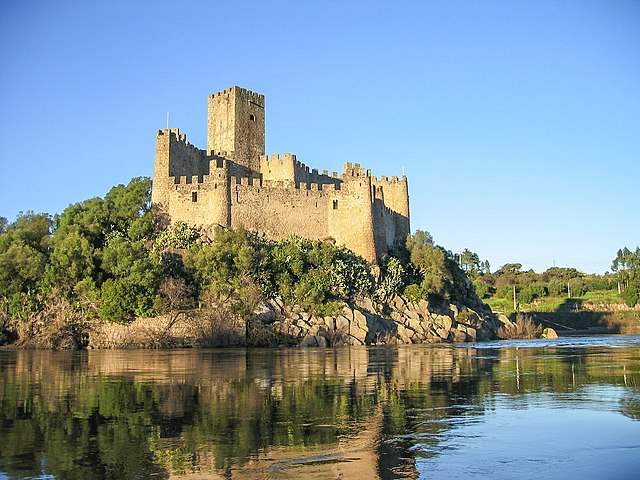
Tomar, Portugal — Medieval Charm without the Crowds
“A UNESCO convent, knife-edge history, and calm river cafés; Yes, Tomar is Portugal’s best hidden gem for culture.”
Why Go:
It was once the headquarters of the Knights Templar. Tomar is where Portuguese history and quiet romance intertwine. Its star attraction, the Convento de Cristo, is one of Europe’s finest examples of Manueline architecture. Tomar is far less visited than Lisbon’s Jerónimos Monastery. Beyond its walls, you can breathe cobbled streets unfold around the Nabão River, lined with pastel façades, bakeries, and family-run taverns. The town bursts to life every four years during the Festa dos Tabuleiros. Festa dos Tabuleiros is a centuries-old celebration of faith and flowers that turns every balcony into a mosaic of color.
How to Get There:
Tomar sits just 140 km north of Lisbon. From Lisbon Oriente Station, take the direct Comboios de Portugal train (about 2 hours). Travelers renting a car can reach it via the A1 highway. That is ideal for pairing with day trips to nearby Alcobaça or Batalha. Most visitors come for a day. However, they stay overnight. The overnight stay rewards you with candle-lit river walks and empty morning streets.
Insider Tip:
Visit in late May or early June, when the town is wrapped in jacaranda bloom yet before the high-summer rush. Stay in a restored azulejo-tiled guesthouse near Republica Square. Try the local fatias de Tomar, a delicate egg-yolk dessert invented by convent nuns.
(Named among Europe’s overlooked towns by European Best Destinations 2024.)
Tien Shan Mountains, Kyrgyzstan — Celestial Peaks for Solitude
“Between snow-dusted summits and emerald lakes, the Tien Shan offers Asia’s last frontier for untouched trekking.”
Why Go:
Stretching from China to Kazakhstan, the Tien Shan (“Celestial Mountains”) remains one of the least-crowded alpine regions on Earth. Here, turquoise lakes like Issyk-Kul and wildflower valleys rival the Alps, without the lift lines or luxury prices. According to International Traveller Magazine, 2025 will see Kyrgyzstan rise as a leading destination for sustainable adventure. Thanks to new community-run trekking routes and an expanding network of CBT (Kyrgyz Community-Based Tourism) homestays. You will find a rare mix of hospitality and raw nature. You can enjoy a rare mix of things from eagle-hunting demonstrations to nights beneath starlit yurts.

How to Get There:
Fly into Bishkek (Manas International Airport), and then head east toward Karakol (about 6 hours by shared minivan or private transfer). Local guides arrange multi-day treks across Ala-Kul Pass or horse expeditions through the Jyrgalan Valley. No special permits are needed for most trails. However, some border areas near Kazakhstan or China require prior clearance.
Insider Tip:
The best trekking window runs from mid-June to early September. Book a night with a CBT family yurt near Song-Kol Lake. You will dine on fresh bread and kumis (fermented mare’s milk) while mountain silence hums outside your felt walls. Bring cash (soms) since ATMs vanish after Karakol.
(Highlighted by UNWTO 2025 Adventure Travel Report as a top emerging region.)
St. Simons Island, Georgia, USA — Classic Coastal Calm
“Spanish moss, cycling trails, and sunset piers; St. Simons Island is America’s low-key escape for 2025.”
Why Go:
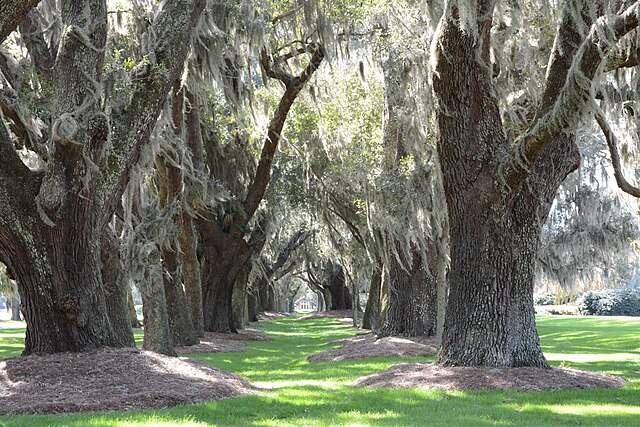 St. Simons Island is part of Georgia’s Golden Isles. St. Simons Island offers a nostalgic slice of southern coastal life, sans the crowds of Florida. Expect oak-canopied lanes, storybook churches, and beaches where pelicans outnumber people. Southern Living recently named it among the U.S.’s most underrated islands for its heritage blends. The heritage blends include the ruins of Fort Frederica, Gullah-Geechee traditions, and seafood shacks serving shrimp fresh off the dock. Golfers adore the Sea Island courses. However, even non-players find serenity in kayaking salt marshes or watching bottlenose dolphins glide past the pier.
How to Get There:
The closest airport is Brunswick Golden Isles Airport (BQK) with flights from Atlanta. Larger hubs (Jacksonville, FL, or Savannah, GA) are 1.5–2 hours away by car. Once on the island, rent a bike. Drive on its 30 miles of paved paths that connect beaches, historic sites, and cafes.
Insider Tip:
Visit in April or October for mild weather and fewer visitors. Order Wild Georgia shrimp at a waterside grill and catch the fiery sunset from the St. Simons Pier Village. Lodging ranges from Victorian inns to boutique eco-resorts. Book early if traveling over U.S. spring break.
(Featured in Southern Living’s 2024 “Hidden Island Escapes” list.)
Vis Island, Croatia — The Adriatic’s Untouched Gem
Why Go:
 Dubrovnik and Split continue to draw crowds. However, Vis Island remains Croatia’s best-kept secret. Known for its pristine coves, Venetian architecture, and cinematic charm (it was the filming location for Mamma Mia 2). Vis captures the essence of the Adriatic before mass tourism arrived. Travelers in 2025 are drawn to its laid-back pace, organic food culture, and crystal-clear waters. Vis Island is ideal for those seeking serenity without sacrificing sophistication.
How to Get There:
You can reach Vis via a 2.5-hour ferry from Split. Daily services are available during the summer season. The new fast-catamaran routes added in 2024 have made weekend getaways more accessible for island hoppers and digital nomads based in Dalmatia.
Travel Like a Local:
Stay in a family-run villa in Komiža or Vis Town. Rent a scooter to explore hidden beaches like Stiniva Cove, and enjoy freshly caught seafood at a konoba (local tavern). Avoid July crowds by visiting in May or September, when the sea is warm and the vineyards are in bloom.
Lecce, Italy — The “Florence of the South”
Why Go:
Often, Lecce is overshadowed by Rome, Venice, and Florence. Lecce in Italy’s Puglia region is a baroque masterpiece waiting to be rediscovered. With its honey-colored stone architecture, slow lifestyle, and buzzing café culture, Lecce offers authentic Southern Italian charm without the tourist chaos. It is also one of Condé Nast Traveler’s 2025 “Next Great European Escapes.” It is highlighting its growing appeal among cultural travelers and food lovers.
How to Get There:
Fly into Brindisi or Bari Airport, both connected to major European hubs, and then take a train or car (1–2 hours) to Lecce. Improved rail connections launched in 2024 have made it an easy weekend destination from Rome or Naples.
Travel Like a Local:
Wander through the Piazza del Duomo at sunset. Do not forget to sample local dishes like orecchiette alle cime di rapa. Try to stay in a restored masseria (farmhouse) surrounded by olive groves. Join a pottery or pasta-making workshop for an immersive experience.
Mostar Region, Bosnia & Herzegovina — Where East Meets West
Why Go:
Mostar is more than its iconic Stari Most (Old Bridge). It is a city that tells a story of resilience and coexistence. The Mostar Region is characterized by its blend of Ottoman, Mediterranean, and Balkan influences. Mostar Region offers an evocative experience rarely found elsewhere in Europe. In 2025, Bosnia will focus on eco-tourism and cross-border heritage trails. That has placed Mostar on the radar of travelers seeking authenticity and history beyond the usual Eurotrip circuit.
How to Get There:
Fly into Sarajevo or Dubrovnik, then take a scenic 2.5-hour train or drive through the Neretva River Valley. The Neretva River valley is one of Europe’s most beautiful routes. Cross-border day trips from Croatia are now easier thanks to simplified EU border procedures introduced in 2024.
Travel Like a Local:
Stay in a riverside guesthouse in Mostar’s Old Town. Explore nearby Blagaj Tekke Monastery and Kravice Waterfalls. Dine on local dishes like ćevapi and burek. Visit in spring or early autumn for pleasant weather and fewer crowds.
Alentejo Coast, Portugal — Europe’s Quiet Coastal Soul
Why Go:
While Portugal’s Algarve gets the fame, the Alentejo Coast remains blissfully uncrowded. The Alentejo Coast stretches between Setúbal and the Algarve border. It is a haven of wild beaches, cork forests, and slow-living villages. In 2025, sustainable travel trends and the rise of “slow tourism” have spotlighted Alentejo as Europe’s new eco-luxury escape. It is praised by Lonely Planet for its raw natural beauty and organic food scene.
How to Get There:
From Lisbon, it is a 2-hour drive south along the scenic Atlantic coast (IC1 or A26 routes). Public transport exists but is sparse. Renting a car or joining a small eco-tour offers the best flexibility.
Travel Like a Local:
Please, base yourself in Vila Nova de Milfontes or Zambujeira do Mar. Explore secret coves along the Vicentine Coast Natural Park. Do not forget to taste Alentejano wines paired with local cheeses. Visit in late spring or early fall for empty beaches and perfect hiking weather. Travelers seeking calm often follow the Rota Vicentina trail. The Rota Vicentia Trail is one of Europe’s top-rated long-distance walking routes.
Chios, Greece — The Island of Mastic and Myth
Why Go:
Santorini and Mykonos draw the spotlight. But Chios remains a secret among Greeks. It is a quiet Aegean island rich in Byzantine history, medieval villages, and aromatic mastic trees. In 2025, travelers craving authenticity and affordability are discovering Chios through curated “hidden island” roundups by Condé Nast Traveller and Culture Trip. Here, you can wander the labyrinthine alleys of Pyrgi. Relax on volcanic beaches. And sample local dishes flavored with the island’s unique mastic resin. Mastic resins have been used in perfumes and cuisine for centuries.
How to Get There:
Take a domestic flight from Athens (40 minutes) or a ferry from Piraeus (7–8 hours, overnight options available). Chios also has ferry connections with Çeşme, Turkey. That is making it a fascinating cross-cultural gateway.
Travel Like a Local:
Base yourself in Mesta, a medieval fortress village. Rent a car from Mesta to explore secluded beaches like Emporios. Visit Nea Moni Monastery, a UNESCO site. Do not forget to try the island’s famous mastelo cheese and souma spirit. Late spring (May–June) or early fall (September–October) offer ideal weather and fewer visitors.
Sierra Norte de Oaxaca, Mexico — A Model for Eco-Tourism
Why Go:
Oaxaca City lies in the Sierra Norte Mountains. It is a network of Zapotec villages pioneering community-run eco-tourism. It is named one of the top sustainable travel regions for 2025 by National Geographic Traveler. It is perfect for hikers, birdwatchers, and those who crave meaningful encounters. You will find misty pine forests, local guides trained by cooperatives. The trails linking villages like Benito Juárez, Cuajimoloyas, and Latuvi.
How to Get There:
Fly into Oaxaca City International Airport. Then travel by shared taxi or bus (about 2 hours) to the first village. Guided treks can be arranged through Expediciones Sierra Norte. They are the official community tourism organization.
Travel Like a Local:
Stay in eco-cabins run by locals, hike cloud forests, and learn about traditional medicinal plants. Bring layers, since it gets chilly at night. Do not forget to bring cash for buying local crafts. Visiting between November and March aligns with dry, cool hiking weather. Travelers increasingly call Sierra Norte the “blueprint for responsible tourism in Mexico.”
Brisighella, Italy — Hilltown Tranquillity and Olive-Scented Lanes
“Pastel houses, a medieval ridgeway and award-winning olive oil; Brisighella feels like Emilia-Romagna distilled into one perfect, sleepy village.”
Why go:
Brisighella is tucked into the rolling hills of Emilia-Romagna. Brisighella is a portrait of Italy’s quieter charms. It is a trio of hilltops crowned by a fortress and clock tower. It has beautiful, narrow, cobbled streets draped in bougainvillea. It is with a culinary scene rooted in honest produce, with its celebrated extra-virgin olive oil and local Sangiovese wines. Unlike busy Tuscan towns, Brisighella still moves at local speed: morning markets, neighborhood trattorie serving home-made pastas, and panoramic belvederes that rarely find themselves full of tourists. Travel writers and regional guides increasingly name it among Italy’s best small-town discoveries for travelers who want authentic architecture. It has easy hikes on scenic ridgelines and a slow food culture without crowds.
How to get there:
Brisighella sits roughly halfway between Bologna and Florence. The easiest route is to fly into Bologna Guglielmo Marconi Airport (BLQ) and rent a car for the scenic 50–70 minute drive. It has regional trains to connect nearby Faenza and then a short local bus/taxi to Brisighella. Driving lets you weave the surrounding countryside into day trips to Dozza’s mural town or the vineyards of the Romagna hills. Public transport is doable but slower. For maximum exploration, use a car.
Insider tip:
Climb the Via degli Asini. It is the covered medieval ridge path linking the three hills. Start at golden hour for the best light and near-empty views. Sample the town’s olio extravergine at a family frantoio (olive mill) and pick up a bottle labeled “Brisighella DOP.” Stay at a restored farmhouse just outside the center for sunrise vistas. Taste cicchetti-style breakfasts. Visit in late April–June or September–October to avoid the small-town festival weekends and enjoy perfect walking weather.
Sakhalin (southern pockets), Russia — Wild Coastlines and Raw Pacific Edge
“Sea cliffs, pumice beaches and remote fishing towns — southern Sakhalin is Russia’s raw, maritime frontier for adventurous travelers.”
Why go:
Sakhalin Island stretches along the Sea of Okhotsk and the North Pacific. You will feel like a different planet from mainland Russia. It is filled with spruce-lined coasts, dramatic rock formations, mud volcanoes, and rich seafood culture. You can anchor in small port towns like Yuzhno-Sakhalinsk and coastal capes with seal haulouts and bird colonies. For travelers who prize isolation and unusual landscapes, Sakhalin’s southern tip offers wild hiking, volcanic outcrops, and a chance to explore a Pacific-rim culture shaped by Russian, Ainu, and Japanese histories. Tour operators have been expanding small-group expeditions (coastal hikes, wildlife watching, and cultural visits). Those small-group expeditions highlight the region’s geological and maritime appeal.
How to get there:
The international gateway is Yuzhno-Sakhalinsk (UUS). It is reachable by flights from major Russian hubs (Moscow, Vladivostok) and seasonal Asian connections. From Yuzhno, you can access southern coastal highlights by car, local minivan, or small boat excursions. Guided tours handle the trickier logistics (boat transfers, permits for protected areas). Travelers should prepare for remote logistics. Some trails and capes are best reached with a local guide or expedition company offering multi-day coastal circuits.
Insider tip:
Book a local naturalist-led trip to Velikan Cape or Bird Cape to see seabird colonies and unusual coastal rock formations. Try the island’s seafood, like smoked salmon and sashimi-fresh catches at family-run cafés in Yuzhno. Travel in late spring–early autumn for the mildest weather and active wildlife. Winter offers stark, frozen drama but requires specialized gear and transport.
Samaná Peninsula, Dominican Republic — Untouched Caribbean Bays and Whale Song
“Emerald bays, secluded beaches, and seasonal humpback whales; Samaná is the Caribbean’s unhurried corner for nature lovers.”
Why go:
The Samaná Peninsula feels distinct from the Dominican Republic’s resort belts. It is a stretch of tropical rainforest, mangrove-lined bays, and cliff-backed beaches that still retain a remote, natural quality. Samaná Bay becomes a global spectacle each winter when thousands of humpback whales migrate to mate and give birth. It is the most famous wildlife event that draws ethical whale-watching operators. Inland, Los Haitises National Park offers karst caves, mangrove tunnels, and birdlife. Coastal spots like Playa Rincón and Las Galeras remain among the Caribbean’s quieter beaches. For travelers seeking whale encounters, hiking, and Dominican culture away from all-inclusive resorts, Samaná is ideal.
How to get there:
Most visitors arrive via Samaná El Catey International Airport (AZS). This airport has seasonal and regional flights. You can reach it by road transfer from Santo Domingo (around 3 hours). Las Terrenas is the peninsula’s liveliest hub with restaurants. The remote coves and eco-lodges are scattered along the coastline. Boat trips are a common way to reach many prime beaches and whale-watching sites. Peak whale season runs from January to March.
Insider tip:
Choose licensed, small-group whale-watching operators who follow responsible viewing guidelines. Combine a morning boat trip with an afternoon visit to Los Haitises for caves and mangroves. For near-deserted sandbars, head to Playa Frontón via a short boat ride from Las Galeras. Visit in December–March for whales, or April–June for quieter beaches and good snorkeling.
Svaneti, Georgia — Medieval Towers and Mountain Time
“Stone watch-towers rising above green valleys. Svaneti is Georgia’s highland time capsule where medieval villages meet glacier-framed peaks.”
Why go:
Upper Svaneti, notably Mestia and Ushguli, preserves a landscape of fortified stone tower houses and remote alpine pastures that seem frozen between centuries. Ushguli’s Chazhashi settlement is a UNESCO World Heritage Site thanks to its concentration of defensive towers and high-altitude farms. This region is prized for dramatic treks (Mestia–Ushguli), cable car vistas, and intact mountain culture. Travelers come for an immersive mountain experience. Shepherds, ancient icons, and trekking routes reward solitude and sweeping Caucasus panoramas. Svaneti’s combination of culture and scenery makes it a standout for those craving medieval villages without tourist trappings.
How to get there:
The usual entry point is Tbilisi, followed by a domestic flight to Mestia (seasonal) or a scenic drive (6–8 hours) through mountain roads. Many visitors combine Mestia and Ushguli on multi-day treks. Local guides and guesthouses operate year-round. Travelers can access Ushguli by road. However, road access is limited in winter. Bring sturdy hiking shoes and weather layers. Mountain weather changes quickly.
Insider tip:
Stay in a family-run guesthouse in Ushguli to experience traditional Svan hospitality and sunrise views of Mount Shkhara. Hike early to avoid afternoon mountain storms and visit the Svaneti Museum in Mestia to learn about regional icons and medieval weaponry. The best time is June–September for trekking and wildflowers. Late autumn yields dramatic light and fewer travelers.
Practical Planning & Travel Tips
Best Seasons to Visit
For underrated destinations, timing can make all the difference. Spring (March–May) and early autumn (September–October) are ideal for most of Europe’s hidden gems. Enjoy Tomar’s medieval charm without the crowds or Lecce’s golden light before the heat rises.
In Central Asia, the Kyrgyz Mountains and Svaneti, Georgia, are best explored between June and September, when alpine passes are snow-free. For tropical gems like the Samaná Peninsula, Chios, or Sierra Norte, Oaxaca, aim for shoulder seasons. Avoid both peak humidity and tourist influx.
Pro tip: Check regional festivals and local holidays. They often enhance cultural immersion but can also affect accommodation prices and transport availability.
Budgeting Smartly
Underrated does not always mean cheap. It often means better value for authenticity. In 2025, travelers are increasingly choosing mid-range stays with local character over standardized resorts.
- Europe: Expect daily budgets of $80–150 for places like Tomar or Lecce.
- Central Asia: Kyrgyzstan remains affordable at $50–90/day with local guesthouses and shared transport.
- Caribbean & Latin America: Samaná and Oaxaca offer comfortable experiences between $70–130/day. That depends on other activities.
Use regional trains, shared taxis, or car rentals for flexibility. And always book eco-certified stays that support community tourism initiatives.
Safety & Visa Essentials
Many underrated destinations remain politically stable and welcoming. However, it is wise to check travel advisories and visa requirements before booking.
- Europe: Most EU and Schengen countries (Portugal, Italy, Croatia, and Greece) allow visa-free entry for up to 90 days for many nationalities.
- Central Asia: Kyrgyzstan and Georgia are among the most visa-friendly countries for travelers.
- Americas: The Dominican Republic and Mexico have streamlined e-visa or visa-free entry for short-term visits.
Keep copies of your documents. Register with your embassy if traveling remotely. Always have offline maps and emergency contacts saved locally.
Sustainable Travel Practices
In 2025, sustainability is not a trend; it is a traveler’s responsibility. Whether hiking the cloud forests of Oaxaca or swimming near Vis Island’s hidden coves, adopt a “leave no trace” approach:
- Avoid single-use plastics and bring a reusable bottle.
- Choose locally owned lodges, cafés, and guides to support the community.
- Respect fragile ecosystems.
- Avoid geotagging sensitive natural spots.
- Offset carbon emissions from flights through credible climate initiatives.
Traveling slowly and spending more time in fewer places is one of the most eco-conscious ways to explore these underrated gems.
Quick Packing Checklist for Mixed Adventures
If your 2025 itinerary combines historic towns, coastlines, and mountain trails, here is a smart hybrid list:
- Footwear: lightweight hiking shoes + stylish city sneakers
- Layers: moisture-wicking base, fleece or light jacket, compact rain shell
- Tech: universal adapter, power bank, eSIM, or local SIM card
- Health & safety: travel insurance, mini first-aid kit, reusable face mask
- Extras: reusable cutlery, microfiber towel, compact daypack
Pack light, versatile, and intentional. It is the hallmark of the modern, responsible traveler.
Best Season to Visit Each Underrated Destination (2025 Guide)
Traveling at the right time can mean the difference between a good trip and a life-changing one. Beyond weather, 2025 travelers are chasing authentic cultural experiences such as local festivals, food fairs, and moments when destinations come alive. Here is your curated calendar for 12 hidden gems around the world.
Tomar, Portugal — Templar History Revisited
Best Time to Visit: April to June and September to October
Why: Spring brings perfect weather (18–26°C). It is blooming riversides. Every four years (next in 2027), Tomar hosts the Festa dos Tabuleiros. Festa dos Tabuleiros is a stunning flower-and-bread parade celebrating centuries-old traditions. Smaller local fairs in June (Feira de Santa Iria) also offer a peek into regional culture.
Pro Tip: Visit midweek in May for calm convent tours and riverside café culture.
Tien Shan Mountains, Kyrgyzstan — Alpine Solitude
Best Time to Visit: June to early September
Why: Ideal for trekking, horseback expeditions, and yurt stays under crystal-clear skies. July hosts the World Nomad Games (biennial, check for 2025 venue). By that time, traditional sports and eagle hunting demonstrations showcase Kyrgyz heritage.
Pro Tip: Time your trip for August’s local yurt festivals around Issyk-Kul to meet nomadic families.
St. Simons Island, USA — Quiet Coastal Charm
Best Time to Visit: March to May and September to November
Why: Warm breezes, calm seas, and fewer tourists. The Golden Isles Food & Spirits Festival (April) and Jekyll Island Shrimp & Grits Festival (September) celebrate Southern coastal cuisine and live music.
Pro Tip: Combine spring’s azalea bloom with bike rides through the island’s oak tunnels.
Vis Island, Croatia — Authentic Adriatic Escape
Best Time to Visit: May to early October
Why: A sweet spot for sea swimming, local vineyards, and quiet coves. In July, Vis hosts the Goulash Disko Festival. It is an offbeat world music and eco-friendly gathering. It is perfect for slow travelers.
Pro Tip: Plan a visit during September’s grape harvest for local wine tastings and family-run feasts.
Lecce, Italy — Baroque Backstreets and Sunshine
Best Time to Visit: April to June and September to November
Why: The Salento region shines in spring and fall with pleasant 22–28°C temperatures. Do not miss the Festa di Sant’Oronzo (August 24–26). Festa di Sant’Oronzo is the celebration of the city’s patron saint with fireworks, processions, and street food.
Pro Tip: Pair your visit with Cantine Aperte (May). It is Italy’s open-winery weekend — for local tastings.
Mostar Region, Bosnia & Herzegovina — Timeless Bridges
Best Time to Visit: May to October
Why: Dry, sunny weather for exploring Mostar’s cobblestones and Ottoman bridges. The Stari Most Diving Competition (July) draws cliff divers from across the world. Stari Most Diving Competition is a thrilling spectacle by the emerald Neretva River.
Pro Tip: Visit in June or September for lower hotel rates and less tour-bus traffic.
Sierra Norte, Oaxaca, Mexico — Cloudforest Trails
Best Time to Visit: November to April
Why: Clear skies and cool air are ideal for eco-trails between Zapotec villages. December brings Noche de Rábanos (Night of the Radishes) in nearby Oaxaca City. It is a surreal carving festival celebrating indigenous art and humor.
Pro Tip: Visit in early February for Candelaria festivities in local communities.
Chios, Greece — Mastic Villages and Medieval Castles
Best Time to Visit: May to June and September
Why: Ideal for exploring medieval mastic villages before the summer crowds. In August, locals celebrate the Mastiha Festival. Mastiha Festival is showcasing the island’s famed resin with music and street markets.
Pro Tip: Catch the Easter rocket war in Vrontados. Easter rocket war is a unique, adrenaline-filled tradition if you visit in the spring.
Brisighella, Italy — Hilltown Tranquillity
Best Time to Visit: April to June and September to October
Why: Perfect for scenic hikes and olive oil tastings. May’s Festa dell’Olio e del Brisighello DOP highlights the town’s award-winning olive oil. However, the autumn harvest season brings truffle fairs.
Pro Tip: Stay during Notte dei Borghi (August), Italy’s “Night of Villages.” Brisighella glows with music and lights during that festive season.
Sakhalin, Russia — Wild Coastlines and Remote Beauty
Best Time to Visit: July to September
Why: Warmest and greenest months. That is great for hiking and whale watching. Sakhalin Summer Festival (August) blends local cuisine, art, and music, bringing this remote island to life.
Pro Tip: Late August offers clear skies for kayaking and fewer mosquitoes.
Samaná Peninsula, Dominican Republic — Untouched Beaches
Best Time to Visit: January to April
Why: Blue skies and calm seas coincide with humpback whale season (Jan–Mar). During that time, thousands gather at Samaná Bay. Semana Santa (Holy Week) in April adds vibrant local festivities.
Pro Tip: Book early for eco-lodges during whale season, because they fill fast.
Svaneti, Georgia — Medieval Mountain Villages
Best Time to Visit: June to September
Why: Clear trails and flower-filled meadows. The Shoveloba Festival (August) celebrates traditional music and dance in Ushguli. Ushguli is one of Europe’s highest villages.
Pro Tip: Combine your plan with the Tbilisi Open Air Festival (June) if you are entering via the capital.
Travel Planner’s Note
For a perfectly timed year-round itinerary:
- Spring (March–May): Tomar, Lecce, Brisighella, Chios.
- Summer (June–August): Kyrgyzstan, Vis, Mostar, Svaneti.
- Autumn (Sept–Oct): Alentejo Coast, St. Simons, Brisighella.
- Winter (Jan–Apr): Samaná, Sierra Norte.
You will experience authentic festivals, local food seasons, and minimal crowds. That is exactly what 2025’s travelers are craving.
Best Itineraries for Underrated Travel Destinations (2025)
Not every adventure needs months of planning; sometimes, the most memorable trips are the ones stitched together from hidden corners of the world. Whether you have a long weekend, a week, or two weeks, these flexible itineraries connect the most underrated destinations of 2025 into journeys filled with culture, solitude, and soul.
-
Long Weekend Getaways (3–5 Days)
Perfect for: Quick escapes with deep local flavor.
Tomar, Portugal — Templar Town + Lisbon Day Trips
- Day 1: Arrive in Lisbon, explore Alfama & Belém.
- Day 2: Train to Tomar (2 hrs). Tour the Convento de Cristo and stroll the Nabão River.
- Day 3: Visit the Templar Castle, explore local cafes, and return to Lisbon for nightlife.
- Add-on Tip: Stay overnight at a heritage inn for sunrise walks around Tomar’s historic core.
St. Simons Island, USA — Slow Southern Shores
- Day 1: Fly into Jacksonville or Savannah; drive to St. Simons.
- Day 2: Explore Fort Frederica. Cycle the causeway, and watch the sunset from the pier.
- Day 3: Enjoy beach brunch, local seafood, and quiet boardwalks before departure.
- Add-on Tip: Pair with nearby Jekyll Island for an extended coastal calm.
Lecce, Italy — Baroque City Break
- Day 1: Arrive in Brindisi/Bari, transfer to Lecce.
- Day 2: Explore Piazza del Duomo, Roman Amphitheatre, and street art cafés.
- Day 3: Visit local wineries or take a half-day trip to Otranto or Gallipoli.
- Add-on Tip: Perfect for a cultural escape from the usual Florence–Rome route.
-
7–10 Day Explorations
Perfect for: A full dive into local culture and nature.
Kyrgyz Highlands Adventure (Tien Shan Mountains)
- Day 1–2: Fly into Bishkek; explore Ala Archa National Park.
- Day 3–5: Travel to Karakol. Trek in the Tien Shan range, and stay in local yurts.
- Day 6–8: Visit Issyk-Kul Lake. Try traditional Kyrgyz cuisine. Explore petroglyphs.
- Day 9–10: Return to Bishkek; shop for crafts at Osh Bazaar before flying home.
- Highlight: A mix of nomadic culture, alpine solitude, and off-grid adventure.
Adriatic Hidden Isles (Vis + Mostar Region)
- Day 1–3: Start in Split, ferry to Vis Island. Explore Komiža and the Blue Cave.
- Day 4–6: Return to the mainland, drive to Mostar. Witness the bridge diving and Ottoman charm.
- Day 7–9: Explore Blagaj and Kravica waterfalls; end in Dubrovnik or Sarajevo.
- Highlight: Combine sea, history, and Balkan hospitality in one unforgettable route.
Sierra Norte + Oaxaca Culture Trail
- Day 1–2: Arrive in Oaxaca City. Explore markets and Monte Albán ruins.
- Day 3–6: Transfer to Sierra Norte for eco-village trekking (Cuajimoloyas–Benito Juárez route).
- Day 7–9: Return to Oaxaca for art galleries, mezcal tastings, and festivals.
- Highlight: Culture meets conservation. It is ideal for slow, sustainable travelers.
-
Two-Week Grand Circuits (14–16 Days)
Perfect for: Travelers ready to combine continents, climates, and cultures.
Europe’s Hidden Heritage Trail — Portugal → Italy → Balkans
- Days 1–3: Explore Tomar, Portugal (Templar route).
- Days 4–6: Fly to Lecce, Italy. Wander baroque streets. Plan a day trip to Brisighella.
- Days 7–10: Ferry to Vis Island, Croatia. Enjoy beaches and vineyards.
- Days 11–14: Cross to Mostar, Bosnia. Explore canyons, waterfalls, and local markets.
- Highlight: A seamless Old World itinerary linking medieval charm, coastal calm, and Balkan energy.
Asia’s Wild Frontiers — Kyrgyzstan + Svaneti, Georgia
- Days 1–3: Arrive in Bishkek, trek in the Tien Shan foothills.
- Days 4–6: Visit Issyk-Kul and alpine valleys.
- Days 7–9: Fly to Tbilisi. Drive to Svaneti for medieval towers and Caucasus hikes.
- Days 10–14: Explore Ushguli. Relax in mountain lodges and fly home from Tbilisi.
- Highlight: The ultimate off-grid adventure across Central Asia’s highlands.
Americas Escape Loop — Dominican Republic + Mexico
- Days 1–4: Fly into Samaná Peninsula. Do enjoy whale-watching and relax on untouched beaches.
- Days 5–9: Transfer to Oaxaca. Explore Sierra Norte’s eco-villages.
- Days 10–14: Immerse in local crafts, cuisine, and culture before heading home.
- Highlight: Combines Caribbean serenity with Mexico’s mountain soul. It is ideal from January to April.
Pro Traveler Tip
If you plan to turn this into a 2025 travel sabbatical, sequence these itineraries by hemisphere:
- Winter (Jan–Apr): Samaná + Oaxaca
- Spring (Apr–Jun): Tomar + Lecce + Brisighella
- Summer (Jun–Aug): Kyrgyzstan + Svaneti
- Autumn (Sep–Oct): Vis + Mostar + St. Simons
That is an entire “Year of Hidden Gems” itinerary. It covers 4 continents, 12 destinations, and every climate without crowds.
Where to Stay & Eat Like a Local
The real magic of travel begins once you step away from the all-inclusive resorts and global chains. In 2025, more travelers are choosing authentic, community-based stays. These are the best places where your money supports local livelihoods and your mornings start with a homemade breakfast, not a buffet.
Stay Small, Sleep Local
Skip the big-name hotels and look for guesthouses, family-run inns, and eco-homestays. Those are the places that reflect the soul of each destination.
- Tomar & Brisighella (Portugal & Italy): Choose restored stone B&Bs near historic centers. In Tomar, Casa dos Templários offers Templar-era charm. At the same time, Brisighella’s Locanda La Cavallina blends rustic architecture with modern comfort.
- Tien Shan & Svaneti (Kyrgyzstan & Georgia): Stay in yurts or mountain lodges managed by local families. Platforms like Community-Based Tourism Kyrgyzstan (CBT) connect travelers with sustainable nomadic stays.
- Vis Island & Lecce (Croatia & Italy): Look for heritage villas or trullo-style homes listed on Agroturizam.hr or Agriturismo.it. They are offering olive oil tastings and farm-to-table dining.
- Mostar & Sarajevo (Bosnia): Family guesthouses near the Old Bridge area, like Villa Cardak, often include homemade breakfasts with Bosnian coffee.
- Sierra Norte (Mexico): Trek between Zapotec-run eco-lodges. Here, enjoy solar-powered cabins and communal meals that define slow tourism.
- Chios (Greece): Stay in stone guesthouses within mastic villages like Pyrgi or Mesta. Enjoy the cultural immersion amid narrow alleys.
- Samaná Peninsula (Dominican Republic): Choose eco-lodges or beach cabanas owned by local families near Las Galeras for a quiet, off-grid experience.
- Sakhalin (Russia): Opt for small coastal inns or fisherman-run cottages. These are the best ways to taste the local seafood straight from the source.
- St. Simons Island (USA): Historic inns like Grey Owl or local bed & breakfasts near East Beach offer coastal Southern hospitality minus the tourist bustle.
Pro Tip: Use niche platforms like Fairbnb, EcoBnb, or Hostelworld Sustainable Stays. They verify local ownership and ensure fair pay for hosts.
Eat Where Locals Eat — Not Where Signs Are in English
The easiest way to experience a place is through its markets, street stalls, and traditional taverns. Those are the same ones locals frequent after work.
- Portugal & Italy: Try petiscos and trattorias tucked behind main squares. In Tomar, ask for bacalhau à Brás. In Lecce, order pasticciotto at sunrise from a local bakery.
- Kyrgyzstan & Georgia: Join locals at chaikhanas (tea houses) for plov or kymyz (fermented mare’s milk). In Svaneti, sample kubdari. It is spiced meat bread made for mountain winters.
- Balkans (Mostar & Vis): Eat where locals lunch. Try cevapi and pita in Mostar’s old market, or grilled sardines in Vis’ harborside konobas.
- Mexico & Dominican Republic: Visit mercados like Oaxaca’s 20 de Noviembre Market or Samaná’s fish stalls for coconut stews and handmade tortillas.
- Greece: Dine at family-run tavernas in Chios. Order mastiha liqueur with dessert, a local specialty you will not find elsewhere.
Insider Tip: When in doubt, look for a queue of locals and a no-English menu. That is usually the best meal you will have on the trip.
Sustainable Choices Matter
- Avoid global franchises: They rarely benefit local economies.
- Carry reusable cutlery and bottles: Especially in remote or beach regions.
- Shop at markets, not malls: Every euro, peso, or lari spent locally circulates back into the community.
- Ask before photographing: Respect cultural privacy in villages.
Best Way to Experience a Destination Like a Local (2025):
Stay in family-run guesthouses. Eat at traditional markets, and support small community-led tours. You will save money. Further, it helps you to reduce your footprint and experience genuine hospitality.
Conclusion: The World Still Has Secrets — Go Find Them
Even in 2025, the world remains full of hidden treasures waiting beyond the beaten path, from the fairytale streets of Tomar to the rugged peaks of Svaneti and the tropical calm of Samaná. These underrated destinations remind us that true travel is not only about ticking off landmarks; it is about connection, discovery, and slowing down to savor the journey.
Want to explore smarter, not just farther? Download our free 2025 Hidden Gems Travel Checklist to plan your next adventure like a pro. It comes with packing tips, local experiences, and seasonal guides for all 12 destinations.
We would love to hear from you: Have you visited an underrated destination that deserves the spotlight? Drop your story in the comments. Your recommendation might inspire someone’s next great escape!
Stay inspired: Subscribe to our monthly Hidden Gems eBook Series to uncover new travel ideas, authentic stays, and cultural insights for every season of 2025.
FAQ: Underrated Travel Destinations 2025
- What is an underrated travel destination?
An underrated destination is a lesser-known place that offers incredible experiences without the usual tourist crowds. That is often more affordable, authentic, and peaceful than popular hotspots.
- Are these destinations safe to travel in 2025?
Yes, most of these destinations are safe for responsible travelers. Always check the latest travel advisories. Do respect local customs, and choose registered guides or lodgings for added security.
- When is the best time to book to avoid crowds?
For most destinations, booking 3–6 months in advance and traveling in the shoulder season (just before or after peak months) helps you enjoy fewer crowds and lower prices.
- How can I find authentic local stays?
Opt for family-run guesthouses, eco-lodges, or verified homestays listed on trusted platforms. Local tourism boards often feature hidden gems run by residents.
- Which underrated destinations are best for budget travelers?
Places like Kyrgyzstan, Mostar, and Oaxaca’s Sierra Norte offer affordable lodging, local food, and stunning natural beauty. That is perfect for travelers seeking high value at low cost.
- How can I travel sustainably to these hidden gems?
Support small local businesses, use reusable travel gear, respect wildlife, and cultural heritage. Follow “leave no trace” principles to minimize environmental impact.
