

Kotor Travel Guide: Plan Your Visit to Montenegro’s Bay
Kotor is easy to underestimate on a map. The Old Town is compact, but the experience changes sharply as you move from its shaded lanes to the harbor, then look up at the stone fortifications zigzagging into the mountains. Add boat trips, small waterfront settlements, and mountain excursions, and Kotor becomes more than a quick photo stop.
This Kotor travel guide explains what to prioritize, how many days to allow, which area makes the best base, and how to plan around summer crowds and the steep fortress climb. The practical distinction is simple: explore the Old Town on foot, while trips around the wider bay need a little more planning.
Kotor at a Glance
| Trip question | Quick answer |
| How long should you stay? | Two to three days is a useful balance for the Old Town, fortress route, and a nearby excursion. |
| Best all-round months | May, June, September, and early October often balance sightseeing weather with less intense crowds than midsummer. |
| Nearest airport | Tivat Airport; Montenegro Airports lists Kotor at about 8 km by road. |
| Do you need a car? | Not for the Old Town or a short stay. Consider one for a wider road trip, after weighing parking and seasonal traffic. |
| What catches visitors out? | Cruise-day crowds, summer road congestion, steep exposed steps on the fortress route, and seasonal opening changes. |
Where Is Kotor?
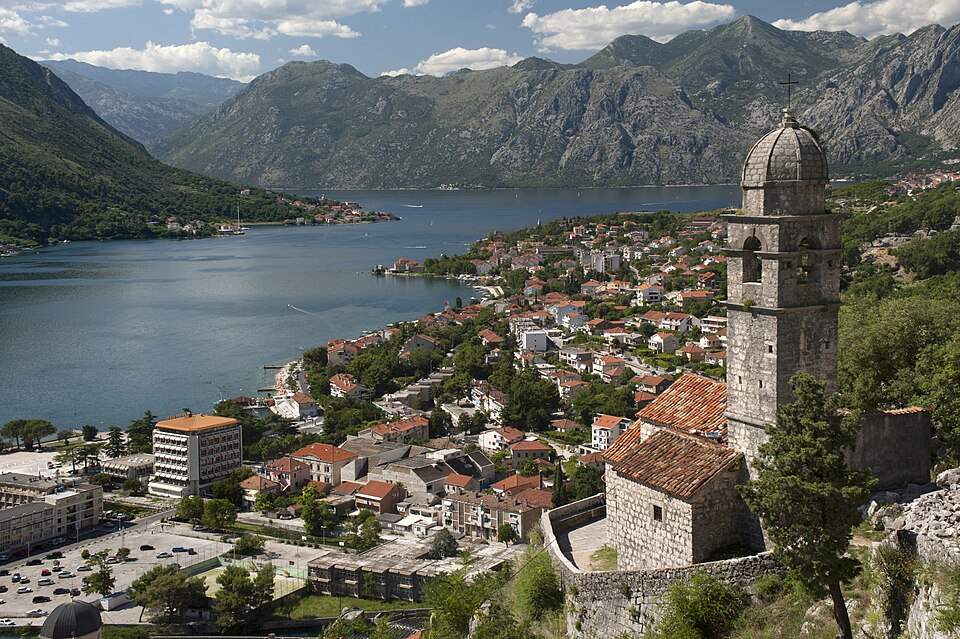 Kotor sits at the southeastern end of the Bay of Kotor (Boka Kotorska) on Montenegro’s Adriatic coast. The town’s historic center is backed by steep slopes, while the wider bay curves past settlements such as Dobrota and Perast. The bay is often compared with a fjord, but it is a submerged river canyon rather than a true glacial fjord.
Kotor is part of the UNESCO-listed Natural and Culturo-Historical Region of Kotor, recognized for the relationship between its historic settlements, architecture, and mountainous setting. Tivat Airport is the closest airport; Podgorica and Dubrovnik airports are alternatives, but involve longer road journeys. Dubrovnik is across the Croatian border, so border queues can make the drive less predictable in busy periods.
Best Things to Do in Kotor
1. Explore Kotor Old Town on Foot
Begin at the Sea Gate and Arms Square, then follow the side lanes rather than treating the Old Town as a straight route between landmarks. The appeal is in the changes of scale: a broad square opens into a narrow passage, a church façade appears between stone buildings, and a quiet courtyard can sit just a few steps from a busy café.
Allow around two hours for an unhurried first walk, longer if you plan to visit churches or museums. The paving is uneven, and the lanes include steps, so supportive shoes are more useful than dress shoes. Early morning is generally calmer; later in the day, check whether cruise arrivals are likely to increase foot traffic.
2. See St. Tryphon’s Cathedral
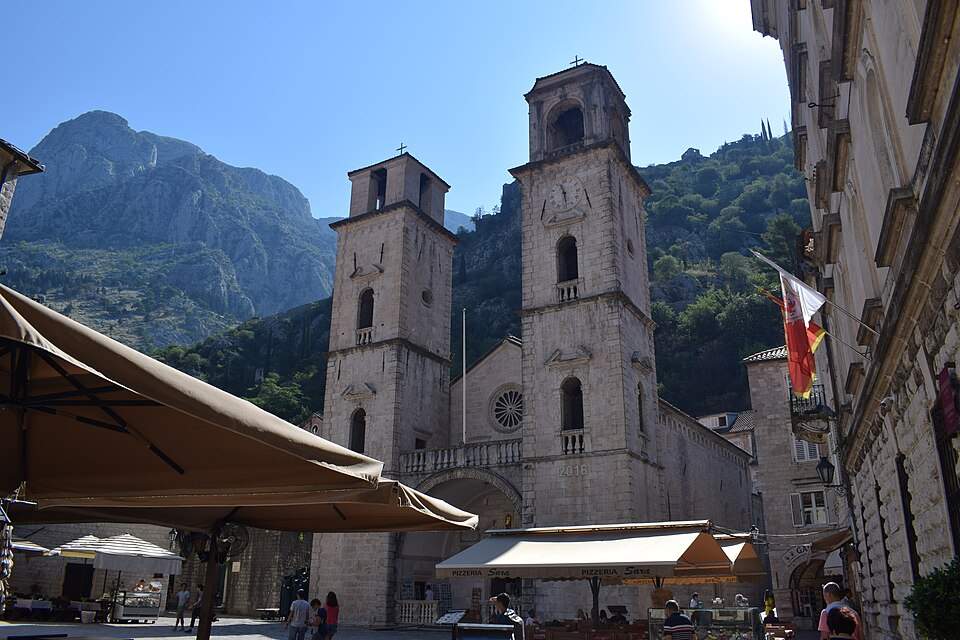 St. Tryphon’s Cathedral is one of Kotor’s defining historic buildings. Consecrated in 1166, it has been repaired and altered over the centuries, including after damaging earthquakes. Its façade and twin towers are worth noticing from the square, while an interior visit can add context about the town’s religious history and craftsmanship.
The cathedral is an active religious site. Dress respectfully and check current visiting arrangements before planning around an interior visit; access may be restricted during services or ceremonies.
3. Walk the Fortress Route Above the Town
The climb toward St. John’s Fortress is the big physical commitment in a Kotor visit. The route rises from the Old Town along stone steps and defensive walls, with views opening over the terracotta roofs and the bay as you gain height. It is not simply a viewpoint reached by a short stroll: the ascent is steep, exposed in places, and tiring in hot weather.
Start early during warm months, carry water, wear shoes with grip, and check current access and ticket information. If rain has made the stone steps slippery, postpone the climb. Travelers who are uncomfortable with steep stairs can still appreciate the lower fortifications from around the Old Town and waterfront.
4. Notice the City Walls and Historic Gates
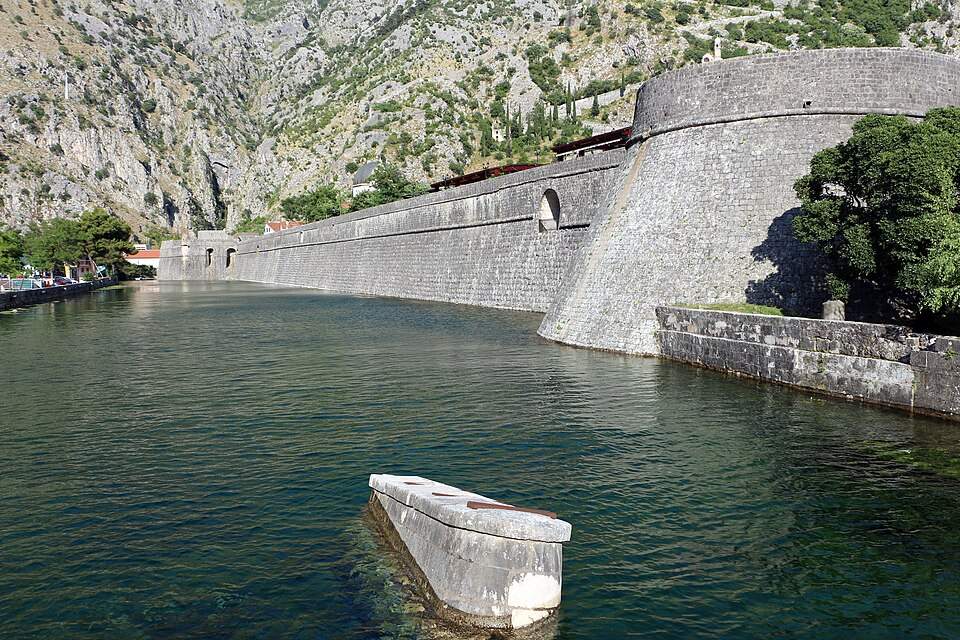 Kotor’s defenses are unusual because they do more than enclose the historic center: sections climb the mountainside toward the fortress. Look at the lower walls and gates from outside the Old Town, then compare them with the elevated line visible above the roofs. This helps explain how the terrain shaped the town’s defenses over centuries, especially during periods of Venetian rule.
The lower walls can be appreciated without committing to the full uphill route. Keep the distinction clear when planning: walking around the Old Town and seeing its lower defenses is not the same activity as climbing the ticketed fortress route.
5. Visit the Maritime Museum
The Maritime Museum of Montenegro, housed in Grgurina Palace, provides context for Kotor’s seafaring past. Its collections cover maritime families, naval service, trade, and life connected with the Adriatic. This is a useful counterpoint to the churches and fortifications: it explains why a sheltered bay town developed strong connections with ports and shipping.
Set aside roughly 30–60 minutes if you enjoy history, and consider it for a very hot or wet part of the day. Verify current opening hours and admission details directly before visiting.
6. Take a Slower Walk Along the Waterfront
The harbor is a good place to pause between indoor sights and the fortress climb. From the waterfront, the walls and steep mountain backdrop are seen from below, while boats provide a sense of the bay’s continuing role as a working and leisure waterway. Continue beyond the busiest stretch near the Old Town if you want a longer walk.
Choose this for an easy scenic break rather than expecting a sandy beach. Much of the shoreline around the bay is rocky or pebbly, and swimming access varies by location.
7. Stop at the Cats Museum
Cats have become an unofficial symbol of Kotor, and the small Cats Museum celebrates that connection through cat-related art, postcards, and memorabilia. It is a short, quirky stop rather than a major museum, making it easy to fit between the main historic sights. Be respectful around animals outdoors: do not feed or handle them unless local guidance permits it.
Best Places to Visit Near Kotor
Perast and Our Lady of the Rocks
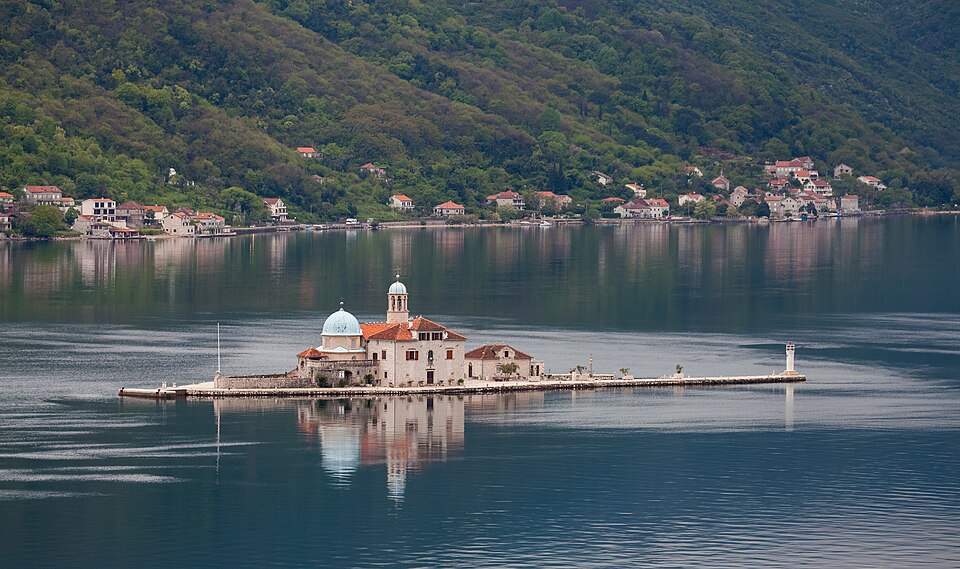
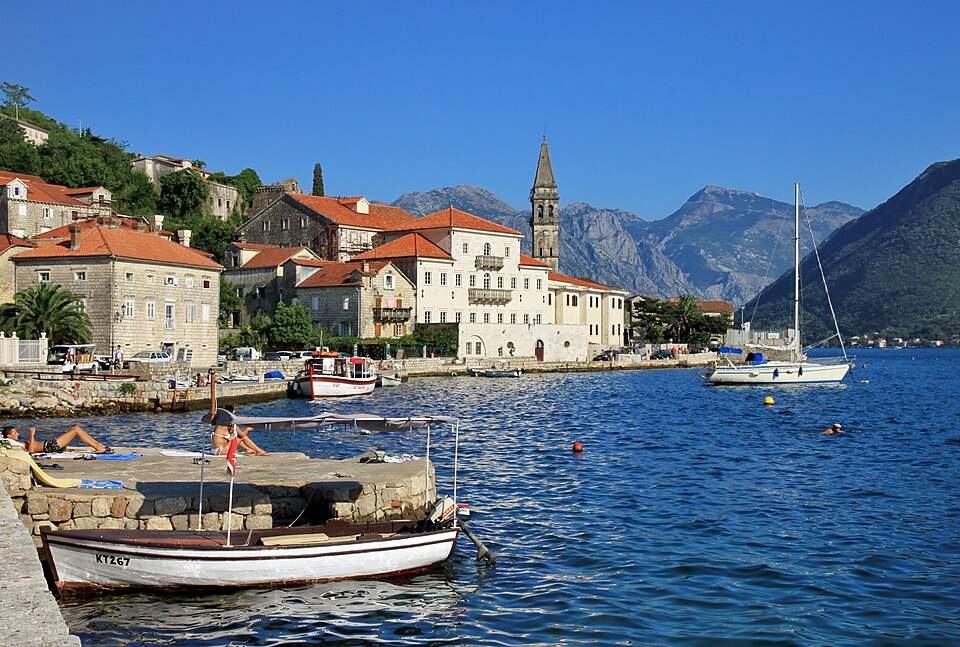 Perast is a strong choice for a half-day trip if you want historic waterfront architecture without repeating Kotor’s busier streets. Walk along its compact seafront, look at the stone palaces and churches, and consider a boat excursion to Our Lady of the Rocks, the artificial island offshore. Boat operations depend on weather and schedules, so confirm details locally rather than building a tight connection into your day.
The simplest plan is to combine Perast’s waterfront, the island visit, and a relaxed meal. Avoid trying to add several distant stops to the same half-day.
Lovćen National Park
Choose Lovćen for a change from the coast: the road climbs into a mountain landscape, and the Njegoš Mausoleum is a major cultural landmark. The excursion involves more travel and winding roads than a visit to Perast, so allow several hours and check road conditions, weather, and the mausoleum’s seasonal opening arrangements.
Tivat and Porto Montenegro
Tivat offers a more contemporary waterfront experience, particularly around Porto Montenegro marina. It suits travelers interested in yachts, cafés, and a polished marina setting rather than medieval architecture. It can work as a relaxed half-day, especially if you are staying near the bay or flying through Tivat.
Budva’s Old Town and Coast
Budva combines a walled historic center with a busier beach-resort atmosphere. It is a useful option for travelers who want to pair old-town sightseeing with time by the coast, but expect a livelier summer scene than in Kotor. Choose Budva as the main excursion for the day rather than squeezing it between Perast and Lovćen.
How Many Days Do You Need in Kotor?
One day is enough for a focused look at the Old Town and waterfront. Two days allow time for the fortress route or museum and a trip to Perast. Three days create room for a slower pace and one larger excursion. Add more days if you want to swim, take several boat trips, or explore the bay without rushing.
| Stay | A practical plan | Best for |
| 1 day | Old Town, key squares, cathedral exterior or interior if open, and waterfront; add the fortress climb only if time, weather, and fitness allow. | Cruise visitors and short stopovers |
| 2 days | Day 1: historic center and fortress route or museum. Day 2: Perast and Our Lady of the Rocks. | Most first-time visitors |
| 3 days | Add one main excursion: Lovćen, Tivat, or Budva—or keep a day flexible for the bay. | Travelers who prefer a less rushed trip |
| 4–5 days | Use Kotor as a base for swimming, boat trips, nearby settlements, and additional coastal or mountain excursions. | Slow travelers and regional explorers |
Best Time to Visit Kotor
For walking and cultural sightseeing, May, June, September, and early October are often good options. Conditions vary from year to year, but spring and early autumn can be more comfortable for exploring on foot than the hottest part of summer. July and August suit travelers prioritizing warm-weather swimming and a busy coastal atmosphere, but usually bring more visitors and higher accommodation demand.
Spring: April to May
Spring is a good fit for Old Town walks and the fortress route, particularly later in the season. April can be changeable, and the sea may still be cold, so keep outdoor plans flexible.
Summer: June to August
Summer brings the strongest beach and boat-trip focus, but midday heat and congestion can make sightseeing harder. Schedule the Old Town and any strenuous climb early, and check traffic before planning airport transfers or longer excursions.
Autumn: September to October
September often offers a useful mix of warm conditions and a less intense atmosphere than peak summer. October can be pleasant for cultural sightseeing, although rain and seasonal service changes become more relevant.
Winter: November to March
Winter is quieter and can suit visitors focused on architecture, food, and local life rather than swimming. Some tours and seasonal businesses may reduce their schedules, so confirm services before relying on them.
Where to Stay in Kotor
| Area | Best for | Advantages | Trade-offs |
| Old Town | First visits, history, walkability | Main sights, cafés, and restaurants close by | Stairs, noise, limited vehicle access, and possible luggage challenges |
| Dobrota | Couples, families, longer stays | Residential waterfront feel and bay views | It is a long area; walking distance depends on the exact property |
| Other waterfront areas around the bay | Scenery and a slower stay | Water views, piers, and a quieter setting in some locations | Some properties are far from Kotor and may require transport |
Which Area Should You Choose?
Choose the Old Town if you want to walk to the main historic sights and enjoy the lanes after day-trippers leave. Choose Dobrota if you prefer a waterfront base and do not mind checking the exact walking route to the center. For accommodation elsewhere around the bay, do not rely on a listing’s broad “Kotor” label: check the map, nearby bus stops, parking, and whether restaurants are within walking distance.
How to Get to Kotor
By Air
Tivat Airport is the closest airport, around 8 km from Kotor by road according to Montenegro Airports. The journey can still take longer than the distance suggests during congestion. Podgorica Airport is farther inland, while Dubrovnik Airport in Croatia can be useful for some flight routes but adds an international border crossing. Compare the full door-to-door journey, not just airfare.
By Bus or Car
Kotor is connected by road to coastal towns and other parts of Montenegro. Buses can be a practical option for common routes, while a car provides more flexibility for destinations beyond the main transport network. In summer, allow a generous buffer for traffic around the bay, especially if you have a flight, boat departure, or border crossing to make.
By Cruise Ship
Cruise passengers can reach the Old Town on foot from the port area, but the amount of time available ashore is limited. Prioritize the Old Town first, then decide whether the fortress climb fits your fitness, the weather, and your return deadline. Avoid a distant excursion unless the ship’s schedule leaves a comfortable margin.
Getting Around Kotor
The Old Town is best explored on foot; vehicles are not useful inside its narrow pedestrian lanes. For the wider area, choose transport based on the route rather than assuming every bay destination is an easy walk.
| Option | Useful for | What to check |
| Walking | Old Town, squares, waterfront | Uneven paving, stairs, and step-free access |
| Public bus | Selected nearby towns and regional routes | Route, timetable, stop location, and luggage arrangements |
| Taxi or transfer | Airport trips, luggage, direct journeys | Fare or quote, pickup point, and summer traffic |
| Rental car | Flexible trips beyond Kotor | Parking, insurance, cross-border permissions, and congestion |
| Boat excursion | Perast and bay sightseeing | Departure point, weather policy, duration, and accessibility |
Kotor Travel Costs: What to Budget
Kotor’s cost depends heavily on season, accommodation location, and how often you book private transport or boat trips. Summer rooms can cost substantially more than shoulder-season stays. The ranges below are only planning estimates, not live quotes; replace them with current rates before publication if you intend to show specific prices.
| Expense | Indicative planning range |
| Hostel dorm bed | €15–35 per person per night |
| Budget room or guesthouse | €40–80 per room per night |
| Mid-range hotel or apartment | €70–150 per room per night |
| Casual meal | €8–15 per person |
| Restaurant dinner | €15–30 per person |
| Short taxi ride | €5–20, depending on distance |
| Group boat excursion | €25–45 per person; route and season vary |
| Rental car | €30–55 per day before fuel and parking |
The Old Town itself is public space and does not require an individual entry ticket. The climb on the city walls toward St. John’s Fortress is a separate paid attraction; confirm the current fee and seasonal arrangements before visiting. Museum and tour prices can also change.
To spend less, travel outside peak summer if your dates are flexible, compare the total cost of accommodation locations, use buses for suitable routes, and check restaurant menus before sitting down. A cheaper room far from the center may cost more in taxis or rental-car parking.
Practical Kotor Travel Tips
Prepare for the Fortress Climb
- Wear closed shoes with good grip; the stone steps can be uneven or slippery.
- Carry water and sun protection, particularly in summer.
- Start early to reduce exposure to midday heat and check access conditions before setting out.
- Skip or postpone the climb if conditions are unsafe or the route is beyond your comfort level.
Plan Around Crowds and Traffic
The Old Town can feel very different on a busy cruise day. If you have flexibility, visit the main lanes early, then use the middle of the day for a museum, lunch, or a trip elsewhere. Leave extra time for summer road journeys; a short distance around the bay does not guarantee a short drive.
Money, Language, and Etiquette
Montenegro uses the euro (€). Cards are accepted in many hotels, restaurants, and shops, but carrying some cash is useful for small purchases and some local services. Montenegrin is the official language; hvala means “thank you.” Dress respectfully at active religious sites and follow any local photography rules.
Pack for the Season
Bring comfortable shoes year-round, sun protection in warmer months, and a lightweight waterproof layer in spring and autumn. Swimwear is useful in summer if your accommodation or excursion includes suitable swimming access. If you plan to cross into Croatia, check entry requirements and keep the required travel documents available.
Accessibility and Family Considerations
Kotor’s compact center does not mean every route is easy: cobbles, narrow lanes, steps, and steep fortifications can be difficult for wheelchairs, strollers, and visitors with limited mobility. Ask accommodation providers about stairs and vehicle access, and confirm boat boarding arrangements before booking. Families should supervise children near the waterfront and assess the fortress route carefully.
Frequently Asked Questions About Kotor
Is Kotor, Montenegro, worth visiting?
Yes. Kotor is especially worthwhile for travelers interested in medieval architecture, maritime history, mountain scenery, and exploring the Bay of Kotor. It is less suitable as a long sandy-beach destination on its own.
How many days should you spend in Kotor?
Two to three days is a good target for most first-time visitors. One day covers the main historic center, while extra time allows for the fortress route and a trip to Perast or another nearby destination.
Can you visit Kotor without a car?
Yes. You can explore the Old Town on foot and use buses, taxis, transfers, or boat excursions for selected trips around the bay. A car is most useful if you plan to visit several places beyond convenient public transport routes.
Is Kotor walkable?
The main sights in the Old Town are close together, but the cobbled lanes and steps can be uneven. The fortress climb is much more strenuous than ordinary town sightseeing.
What is the best month to visit Kotor?
May and September are useful all-round choices for many travelers, balancing sightseeing conditions with fewer peak-summer crowds. Choose July or August if warm-weather swimming is your priority, and check the forecast close to departure.
Is Kotor expensive?
It can be moderately priced or expensive depending on season and accommodation. Peak-summer lodging and private excursions can raise costs, while walking, shoulder-season travel, and public transport can help keep spending down.
Can you swim in the Bay of Kotor?
Yes, swimming is possible at suitable waterfront spots and bathing areas, especially in warmer months. Much of the shoreline is rocky or pebbly rather than sandy, and you should choose a safe location away from boat traffic.
Is Kotor suitable for a day trip?
Yes, if you focus on the Old Town and waterfront. An overnight stay is better if you want to climb the fortress route, visit a museum, or see the bay without rushing.
Final Advice for Planning a Kotor Trip
For a first visit, plan two days if you want to see Kotor and Perast, or three if you also want a mountain or coastal excursion. Keep the itinerary realistic: the Old Town is compact, but the fortress climb, summer traffic, and boat schedules can each take more time than expected.
Kotor’s strongest feature is the contrast between its close-packed historic center and the landscape rising immediately behind it. Explore the lanes slowly, decide whether the uphill route suits you, and leave enough room in the schedule to experience the bay beyond the main square.
