

Introduction
Christmas markets in Italy bring a different feel to the holiday season. Alpine towns glow with lights, wooden stalls, local foods, and handmade gifts. Historic squares become lively meeting places as Christmas approaches.
The best Christmas markets in Italy combine festive traditions with local culture. Northern Italy offers mountain scenery, snow-covered villages, and Alpine specialties. Central and southern Italy brings historic cities, regional foods, and unique Christmas traditions.
The best time to visit Christmas markets in Italy is from late November through December. Some popular markets continue into early January. However, opening dates and schedules vary by destination.
From the famous markets of Bolzano and Merano to festive celebrations in Verona, Trento, Florence, and Naples, Italy offers plenty of choices. Each destination has its own atmosphere, food, crafts, and seasonal traditions.
This Christmas Markets in Italy 2026 guide covers the best markets, confirmed dates, locations, food, shopping, weather, transportation, itineraries, and practical travel tips. Whether you are planning a romantic getaway or a family Christmas trip, you can find the right Italian market for your journey.
Christmas Markets in Italy 2026 at a Glance
Christmas markets in Italy typically run from late November through December, with some continuing into early January. Northern Italy has the largest concentration of traditional markets. Bolzano, Merano, Trento, Verona, and other cities combine festive stalls with local food, crafts, lights, and Christmas traditions. The best market depends on whether you want Alpine scenery, snow, food, culture, shopping, or a romantic getaway.
| Christmas Market | Region | 2026 Dates | Best For | Snow Chance | Recommended Stay |
| Bolzano | South Tyrol | Nov. 26, 2026–Jan. 6, 2027* | First-time visitors, Alpine Christmas | Moderate | 2–3 days |
| Merano | South Tyrol | Nov. 26, 2026–Jan. 6, 2027* | Couples, spa, mountains | Moderate | 2–3 days |
| Trento | Trentino | To verify | Families, traditional atmosphere | Moderate | 1–2 days |
| Verona | Veneto | To verify | Couples, culture, city break | Low–Moderate | 2–3 days |
| Aosta | Aosta Valley | To verify | Mountains, Alpine scenery | High | 2 days |
| Turin | Piedmont | To verify | Culture, food, city trips | Low | 2–3 days |
| Asti | Piedmont | To verify | Food, smaller markets | Low | 1 day |
| Arezzo | Tuscany | To verify | Families, festive events | Very low | 1–2 days |
| Florence | Tuscany | To verify | Art, culture, shopping | Very low | 2–3 days |
| Naples | Campania | To verify | Nativity traditions, food | Very low | 2–3 days |
* Bolzano and Merano currently have official 2026–27 dates published. Other market dates should be checked against their official tourism or market websites before publication.
What Are the Best Christmas Markets in Italy in 2026?
The best Christmas markets in Italy in 2026 include Bolzano, Merano, Trento, Verona, Aosta, and Florence. Each market offers a different Christmas experience. Bolzano stands out for its classic Alpine atmosphere. Merano combines festive markets with mountain scenery and wellness. Trento offers family-friendly traditions, while Verona adds romance and historic charm.
Best Christmas Market in Italy Overall
Bolzano Christmas Market is one of the best Christmas markets in Italy. It offers a classic Alpine Christmas experience in South Tyrol. The market fills Piazza Walther with wooden stalls, lights, decorations, food, and local crafts.
Bolzano also makes a great base for exploring nearby Christmas markets. You can easily combine it with Merano, Bressanone, or other South Tyrolean towns.
The mountain setting adds to the festive atmosphere. However, snowfall is never guaranteed during your visit.
Best for: First-time visitors, couples, families, Christmas atmosphere, and Alpine scenery.
Best Christmas Market for Alpine Scenery
Merano Christmas Market is one of the best choices for Alpine scenery. The market sits beside the Passer River in South Tyrol. Mountains surround the town, creating a beautiful winter setting.
Merano also offers more than market stalls. You can enjoy historic streets, mountain views, festive lights, and nearby winter landscapes. The setting feels elegant rather than purely traditional.
For an even stronger mountain experience, consider San Candido in the Dolomites. Its Christmas market sits in a mountain village surrounded by the Dolomite landscape.
Best for: Alpine scenery, couples, photography, winter landscapes, and relaxed Christmas trips.
Our pick: Merano for the best balance of Christmas atmosphere and Alpine scenery. San Candido is the better choice if dramatic Dolomite scenery is your priority.
Best Christmas Market for Families
Trento Christmas Market is one of the best choices for families. The market combines festive stalls with activities designed for children and adults. Its Christmas program includes games, readings, craft workshops, and a Christmas train.
Families can also visit Trento’s Enchanted Father Christmas Village in Piazza Dante. A large Ferris wheel adds another attraction for children. The city also offers museums and other family-friendly activities during the Christmas season.
The surrounding Trentino region adds more options. Families can combine the market with mountain scenery, winter activities, and nearby Christmas villages.
Best for: Families with children, festive activities, workshops, and a longer Christmas holiday.
Our pick: Trento offers the best overall balance of Christmas-market atmosphere and family entertainment.
Best Christmas Market for Couples
Verona is one of the best Christmas markets in Italy for couples. The city combines festive markets with historic squares, romantic streets, and famous Romeo and Juliet landmarks. Christmas lights and decorations add extra charm to the historic center.
Couples can explore the market around Piazza dei Signori before walking through Verona’s historic center. The city also offers seasonal concerts, exhibitions, and festive events.
Verona works especially well for a short romantic getaway. You can combine Christmas markets with Italian food, historic sightseeing, and evening walks.
Best for: Couples, romantic getaways, historic cities, food, and festive evenings.
Our pick: Verona is the best choice for couples who want Christmas markets with romance and culture.
Best Christmas Market for Food
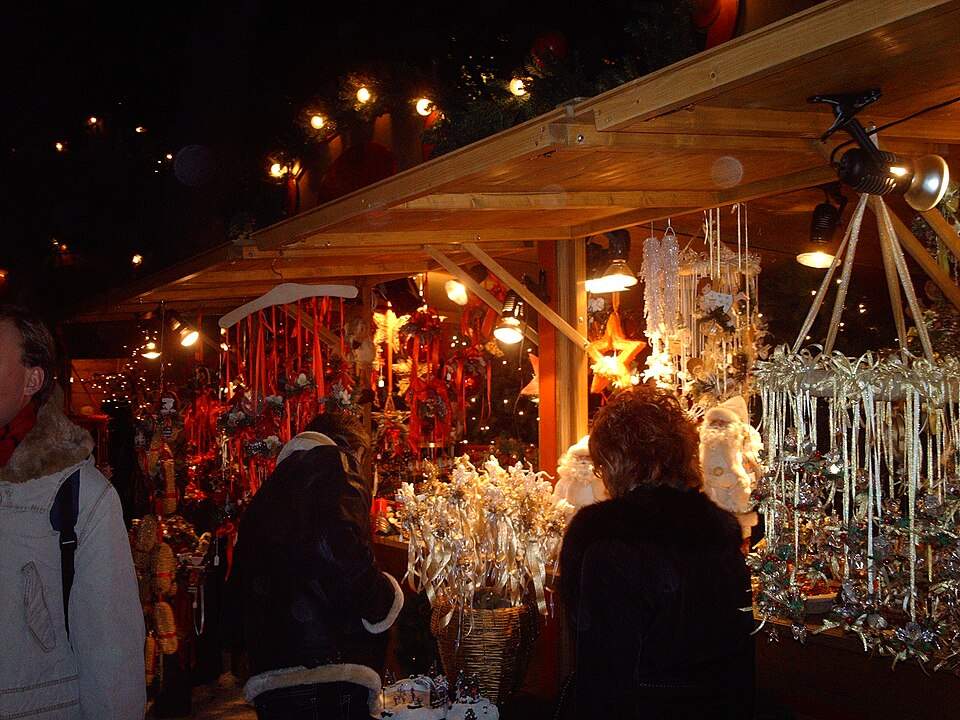 Bolzano Christmas Market is one of the best choices for food lovers. Its stalls showcase South Tyrolean specialties, regional drinks, and festive sweets. The market also focuses strongly on locally produced food and beverages.
You can try speck, strudel, fritters, pretzels, Christmas cookies, and local wines. Warm mulled wine and spiced drinks are popular choices on cold evenings.
The wider South Tyrol region adds even more culinary experiences. Local cuisine blends Alpine traditions with Italian influences. You can find dishes such as Schlutzkrapfen, dumplings, Gröstl, and regional cheeses.
Merano is another excellent choice for food-focused travelers. Its market offers more refined dishes, including buckwheat dumplings, Alpine cheese, venison, smoked meats, and local trout.
Best for: Food lovers, local specialties, festive drinks, and South Tyrolean cuisine.
Our pick: Bolzano for the widest traditional Christmas-market food experience. Merano is a strong alternative for more refined Alpine cuisine.
Best Christmas Market for Snow
Aosta is one of the best Christmas markets in Italy for snow. The city sits in the Italian Alps, surrounded by high mountain peaks. Its Marché Vert Noël combines festive stalls with an Alpine winter setting.
For a broader choice, look toward South Tyrol and the Dolomites. Bolzano, Merano, Bressanone, Brunico, and Vipiteno form a well-known Christmas market route. These towns offer easy access to higher mountain areas.
However, no Italian Christmas market can guarantee snow. Snowfall depends on weather and elevation during your visit. For the best chance, combine your market visit with a higher-elevation Alpine destination.
Best for: Snow lovers, mountain scenery, winter photography, and Alpine Christmas trips.
Our pick: Aosta for the best snow-focused Christmas market experience. South Tyrol is the better choice if you want several markets within one trip.
Best Christmas Market for Christmas Shopping
Bolzano is one of the best Christmas markets in Italy for shopping. Its market features around 100 wooden stalls with South Tyrolean handicrafts and local products. You can find Christmas decorations, nativity figures, wool items, felt slippers, soaps, food products, and regional drinks.
The shopping experience also extends beyond the market stalls. Bolzano’s historic center has boutiques, specialty shops, local stores, and traditional markets. Via dei Portici is particularly useful for combining Christmas-market shopping with regular retail shopping.
Look for locally made gifts rather than mass-produced souvenirs. South Tyrolean crafts, food products, Christmas decorations, and regional specialties make memorable gifts.
Best for: Handmade gifts, Christmas decorations, local foods, crafts, and authentic souvenirs.
Our pick: Bolzano offers the best overall Christmas shopping experience, especially for travelers seeking locally made South Tyrolean products.
Best Christmas Market for First-Time Visitors
Bolzano is the best Christmas market in Italy for first-time visitors. It offers a classic Alpine Christmas experience in a compact historic center. Visitors can enjoy traditional stalls, local food, crafts, festive lights, and Christmas activities in one trip.
Bolzano is also an excellent base for exploring nearby markets. Merano, Bressanone, Vipiteno, and Brunico are all accessible from the region. This makes it easier to experience several markets without changing hotels every night.
The city also works well beyond the market itself. You can explore its historic center, museums, shops, restaurants, and nearby mountain attractions. The 2026 market runs from November 26, 2026, through January 6, 2027.
Best for: First-time visitors, families, couples, food lovers, and short Christmas trips.
Our pick: Bolzano is the easiest all-around introduction to Christmas markets in Italy.
Best Christmas Markets in Italy 2026
Italy has many wonderful Christmas markets, but the best offer different experiences. Northern Italy leads with Alpine scenery, traditional crafts, and festive food. Bolzano, Merano, Trento, and Verona are among the standout destinations. Other markets add historic cities, local traditions, and regional Christmas flavors.
The sections below explore the best Christmas markets in Italy in 2026. Each destination is judged by its atmosphere, location, food, activities, shopping, and overall visitor experience. This makes it easier to choose the right market for your trip.
Bolzano Christmas Market 2026
Bolzano Christmas Market is one of Italy’s most famous Christmas markets. It takes place in the heart of Bolzano, South Tyrol. The market combines Alpine traditions with Italian culture, food, and hospitality.
Its central location also makes Bolzano ideal for a Christmas market trip. Travelers can explore nearby South Tyrolean markets by train or bus. The city also offers museums, shopping streets, restaurants, and mountain experiences.
Bolzano Christmas Market Dates
The Bolzano Christmas Market runs from November 26, 2026, to January 6, 2027. The official opening takes place on November 26 at 5 p.m. The market is located in Piazza Walther and surrounding areas.
This extended season gives travelers more flexibility. You can visit before Christmas or during the holidays. However, individual stalls and attractions may have different schedules.
Where Is the Bolzano Christmas Market?
The main Christmas market is held in Piazza Walther. This central square sits beside Bolzano’s historic center. The train station is only a two-minute walk away.
The market also connects naturally with surrounding streets. Visitors can explore Bolzano‘s arcades, shops, cafes, and historic buildings. This makes the market easy to combine with sightseeing.
What Makes Bolzano Christmas Market Special?
Bolzano combines a traditional Christmas market with an Alpine city setting. Wooden stalls surround the illuminated Piazza Walther during the season. Christmas trees, lights, music, and festive decorations create the atmosphere.
The city’s location adds another major advantage. Bolzano sits at the gateway to the Dolomites. Cable cars provide quick access to surrounding panoramic viewpoints.
The cultural mix also makes Bolzano distinctive. South Tyrolean and Italian influences appear throughout the city. You will notice this blend in its food, architecture, and traditions.
What to Eat and Buy
Bolzano’s Christmas market is excellent for regional food and handmade gifts. Popular treats include apple strudel, Christmas biscuits, and Zelten. Warm drinks also suit the cold winter evenings.
South Tyrolean cuisine adds more choices beyond the market. Try canederli, Schlutzkrapfen, speck, venison, and local cheeses. Regional wines and craft beers also feature strongly in Bolzano’s food culture.
For gifts, look for local crafts and Christmas decorations. Traditional South Tyrolean products make useful souvenirs. Bolzano’s historic center also offers boutiques and specialty food shops.
How to Get to Bolzano
Train travel is the easiest way to reach Bolzano’s Christmas market. The central railway station sits just two minutes from Piazza Walther. Direct services connect Bolzano with several major Italian cities.
Trenitalia services connect Bolzano with Rome, Florence, Bologna, Verona, and Trento. Italo also operates connections between Rome and Bolzano. DB-ÖBB trains provide connections from northern Italy and Austria.
Several airports can also serve a Bolzano trip. These include Verona, Innsbruck, Bergamo, Milan, Venice, and Munich. Airport transfers connect with South Tyrol’s transport network.
Driving is possible, but parking requires more planning. Bolzano’s historic center has restricted vehicle access. Follow signs toward designated parking areas.
How Long Should You Stay?
Plan two to three nights for a first Bolzano Christmas trip. Two nights work well for the market and city center. Three nights allow time for nearby attractions and markets.
A longer stay works better for a regional Christmas trip. You can add Merano, Bressanone, Vipiteno, or Brunico. Bolzano’s central location makes it a useful South Tyrol base.
The official tourism board also promotes longer stays. Its five-day itinerary includes historic sights, food, culture, and surrounding attractions.
Best Things to Do in Bolzano at Christmas
The Christmas market should be only part of your Bolzano experience. Start with Piazza Walther and the surrounding historic center. Then explore the city’s arcaded streets and local shops.
Visit the South Tyrol Museum of Archaeology to see Ötzi. Explore the Mercantile Museum and Bolzano’s historic architecture. You can also visit local churches and cultural attractions.
For mountain views, take a cable car into the surrounding landscape. The Renon and San Genesio areas offer scenic winter experiences.
Food lovers should explore local restaurants and traditional specialties. Try South Tyrolean dishes alongside Italian favorites. The combination reflects Bolzano’s distinctive cultural identity.
Best experience: Spend two days in Bolzano. Then add one nearby Christmas market. This creates a compact and varied South Tyrol Christmas trip.
Merano Christmas Market 2026
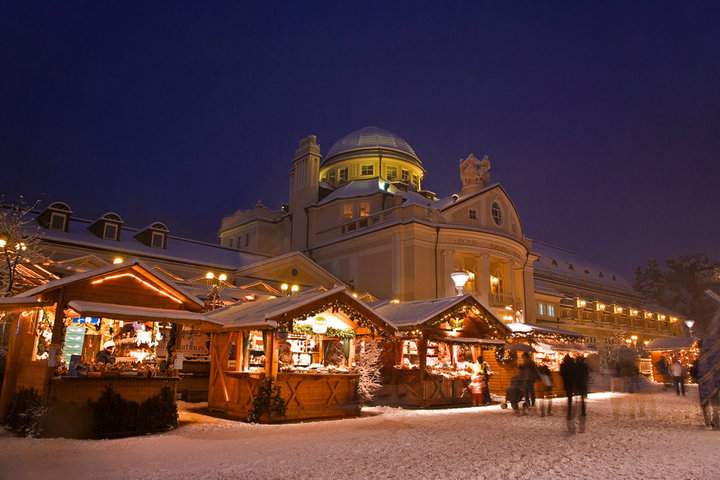
Merano Christmas Market is one of Italy’s most elegant Christmas markets. It stretches through Merano’s pedestrian center beside the Passer River. The setting combines festive stalls, Alpine scenery, historic architecture, and the relaxed atmosphere of a spa town.
Merano Christmas Market Dates
 The Merano Christmas Market runs from November 26, 2026, to January 6, 2027. The market opens at 5 p.m. on November 26. It remains closed on December 25. The final day ends at 6 p.m.
Most market days run from 10 a.m. to 8 p.m. The opening evening runs from 5 p.m. to 8 p.m. Individual stalls and attractions may have different hours.
Where Is the Market?
The market is located in Merano’s town center and pedestrian zone. Many stalls line the Passer promenade near the Kurhaus and historic center. The location makes sightseeing easy on foot.
Merano’s main railway station is outside the central market area. City buses connect the station with Theaterplatz, from where the market is within walking distance.
What Makes Merano Christmas Market Special?
Merano combines Christmas traditions with an elegant Alpine spa-town setting. The market features local handicrafts, festive concerts, children’s entertainment, and traditional customs.
The surrounding scenery adds to the experience. Mountains rise around the town, while the Passer River runs through the center. This creates a quieter atmosphere than some larger city markets.
Merano also has several festive attractions beyond the main stalls. Piazza Terme becomes a Christmas World with an ice rink and decorated Christmas trees.
Christmas Food and Drinks
Merano’s Christmas market offers plenty of South Tyrolean specialties. Expect regional dishes, festive sweets, baked goods, and warm seasonal drinks.
Local cuisine reflects both Alpine and Italian influences. Look for specialties featuring speck, cheese, dumplings, and regional ingredients. The market also features local products and handmade goods.
For a more complete food experience, explore Merano’s restaurants beyond the market. This lets you experience South Tyrolean cuisine in a wider setting.
Things to Do in Merano
Merano offers many attractions beyond its Christmas market. Walk along the Passer River and explore the historic center. The arcaded streets are ideal for shopping and winter walks.
Visit the Merano Thermal Baths for a relaxing break. The town is also known for its gardens, promenades, and mountain surroundings.
Piazza Terme deserves a visit during the Christmas season. Its ice rink and festive decorations create another seasonal attraction.
You can also explore nearby villages and mountain areas. This makes Merano a useful base for a longer South Tyrol winter trip.
How to Get to Merano
The easiest way to reach Merano is by train or public transportation. Trains connect Merano with Bolzano and other destinations in South Tyrol.
From Merano railway station, city buses can take you toward Theaterplatz. The main market area is then accessible on foot.
Driving is also possible, but parking requires more planning. The central market area is pedestrianized and traffic-calmed. Public transportation is therefore a convenient choice during busy periods.
How Long Should You Stay?
Plan two nights for a first visit to Merano Christmas Market. This gives you enough time for the market, historic center, and Christmas attractions.
Stay three nights if you want a slower trip. You can add the thermal baths, mountain excursions, and nearby Christmas markets.
Merano also works well with Bolzano. The two cities can form the core of a South Tyrol Christmas market itinerary without requiring frequent hotel changes.
Best experience: Spend two to three nights in Merano. Combine the Christmas market with the town’s thermal baths, historic center, and surrounding Alpine scenery.
Trento Christmas Market 2026
Trento Christmas Market is one of Italy’s best traditional Christmas markets. It fills two historic squares in the city center. Local crafts, regional foods, lights, and festive events create a warm atmosphere. The market also works especially well for families.
Trento Christmas Market Dates
The 2026 Trento Christmas Market runs from November 20, 2026, to January 6, 2027. The market operates daily during this period. Regular hours are generally 10 a.m. to 8 p.m.
The market has special holiday hours. On December 24 and 31, it closes earlier. On Christmas Day, it opens from 4 p.m. to 8 p.m. The food area also has extended hours on selected Fridays and Saturdays.
Where Is the Market?
The Trento Christmas Market is held in Piazza Fiera and Piazza Mostra. Both squares sit in the heart of the historic city center. They are about a 10-minute walk apart.
The two locations make it easy to explore the market on foot. You can also combine them with Trento’s historic streets and main attractions.
What to See and Buy
Trento’s market focuses on local crafts, Christmas decorations, and regional products. Wooden and ceramic decorations are popular choices. You can also find textiles, candles, natural cosmetics, chocolates, honey, and local cheeses.
The market also offers traditional Christmas gifts and artisan products. Its official 2026 regulations include nativity figures, wooden toys, ceramics, textiles, local food products, and Christmas decorations among permitted merchandise.
For families, the market offers another advantage. Trento’s wider Christmas program includes workshops, storytelling, concerts, and children’s activities.
Christmas Food and Drinks
Trento Christmas Market is a good place to try Trentino specialties. Expect hearty mountain dishes, traditional sweets, and warming drinks.
Popular choices include canederli, polenta, local cheeses, speck, and apple strudel. You can also try mulled wine, hot apple juice, local beer, and hot chocolate.
The food reflects Trentino’s Alpine traditions. Italian and Central European influences also appear in the local cuisine.
Things to Do in Trento
Trento offers plenty to do beyond the Christmas market. Explore the historic center and Piazza Duomo. Visit Buonconsiglio Castle and discover the city’s long history.
Families can visit MUSE, Trento’s science museum. The Christmas program also includes cultural events and activities at the city’s museums.
The Christmas Train is another family-friendly option. It connects several festive locations around the historic center.
For mountain scenery, consider a trip toward Monte Bondone. This adds an Alpine experience to your Christmas market visit.
How to Get There
Trento is easy to reach by train from several major Italian cities. The main station is about a five-minute walk from the historic center. The Christmas markets are roughly 10 minutes away on foot.
Direct train connections are available from Bolzano, Verona, Venice, Rome, and Naples. There are also daily connections with Munich.
You can also reach Trento by car via the A22 Brenner-Modena motorway. Use the Trento Nord or Trento Sud exit.
Best experience: Allow at least one full day for the market. Stay two nights if you want time for Trento’s historic sights, museums, food, and nearby mountain scenery.
Verona Christmas Market 2026
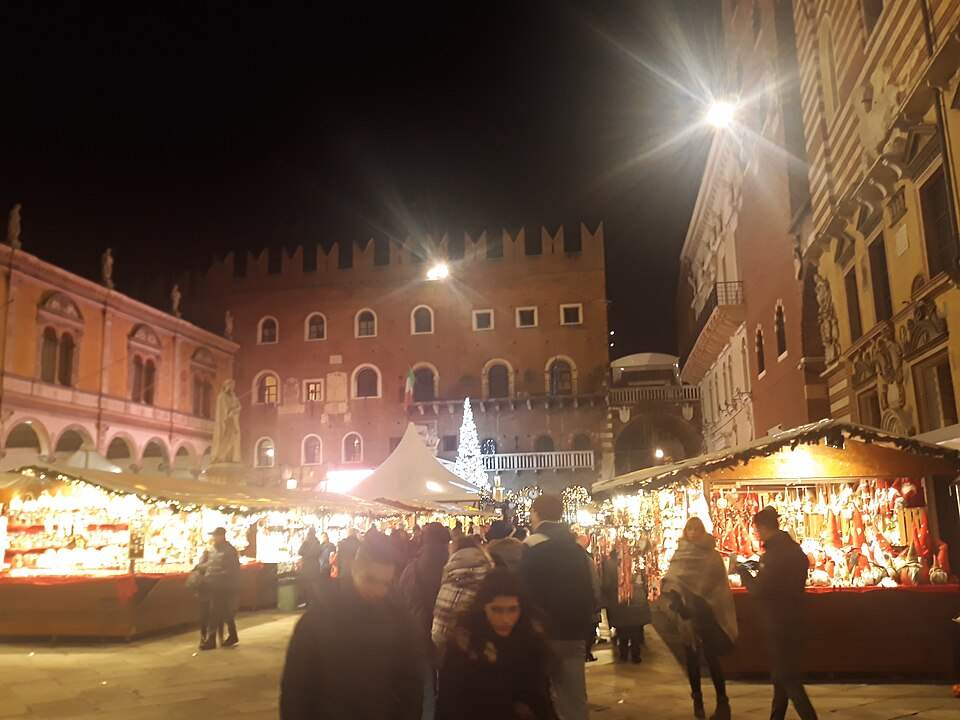 Verona Christmas Market is one of Italy’s most romantic festive experiences. The city combines Christmas stalls with medieval streets, grand squares, and the Arena. Its connection with Nuremberg also gives the market a distinctive German-inspired tradition.
Verona Christmas Market Dates
The official 2026 Christmas market dates have not yet been published. The latest official edition ran from November 21 through December 28, 2025. The city may announce the 2026 schedule later in the year.
For this reason, travelers should check Verona’s official tourism calendar before booking a Christmas trip. We should also update this section once the 2026 dates are officially confirmed.
Where Is the Market?
Verona’s main Christmas market area is in the historic city center. The 2025 edition moved its main market to Piazza Bra, beside the Arena. Additional stalls operated around Piazza dei Signori and Piazza Sacco e Vanzetti.
This central location makes the market easy to combine with sightseeing. Piazza Bra, Piazza dei Signori, Piazza delle Erbe, and the Arena are all within walking distance.
The exact locations can change between editions. Check the official 2026 program before visiting.
What Makes Verona Special at Christmas?
Verona combines Christmas traditions with one of Italy’s most atmospheric historic centers. The Arena provides a dramatic backdrop for festive decorations. Historic streets, illuminated squares, and Christmas events create a lively evening atmosphere.
Verona also has a special connection with Nuremberg. The city’s Christmas market tradition draws inspiration from its German twin city. This gives the market a different character from many purely Italian markets.
The city also hosts a wider Christmas program. Events can include concerts, family activities, lights, nativity displays, and seasonal performances. The 2025–26 program extended across several central locations.
Christmas in Piazza Bra and Piazza dei Signori
Piazza Bra is one of Verona’s most memorable Christmas settings. The square sits directly beside the Arena. Christmas stalls, lights, and decorations create a festive atmosphere around the historic monument.
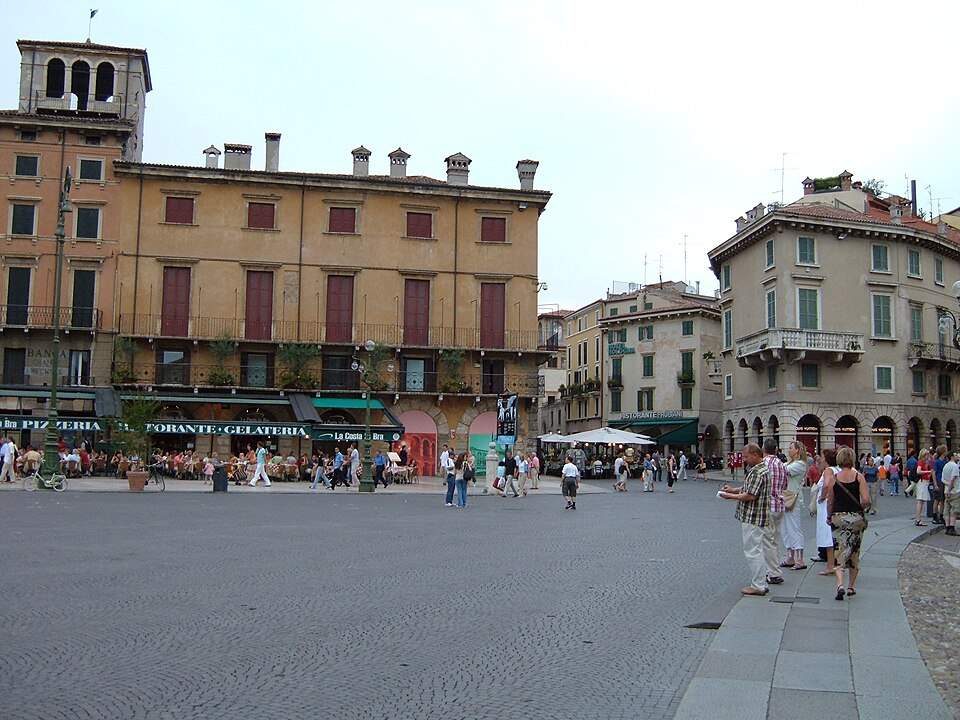 Piazza dei Signori offers a different experience. Its historic architecture creates a more intimate setting. The square has hosted Verona’s traditional Christkindlmarkt in previous editions.
The market layout can change from year to year. For 2026, travelers should confirm the final locations before visiting.
Christmas Food and Shopping
Verona’s Christmas markets offer Italian specialties, festive sweets, drinks, and handmade gifts. Look for regional foods, Christmas decorations, crafts, and gift items.
Verona is also a strong destination for food beyond the market. Try local specialties such as Pandoro, which originated in Verona. Pair your market visit with traditional restaurants and pastry shops.
For shopping, explore the historic center after visiting the stalls. Via Mazzini and nearby streets offer many opportunities for gifts and Italian products.
Things to Do Beyond the Market
Verona has enough attractions for a full Christmas weekend. Visit the Arena di Verona, Piazza delle Erbe, and Piazza dei Signori. Walk across Ponte Pietra and explore the historic center.
Romeo and Juliet sites are another popular attraction. You can visit Juliet’s courtyard and explore the surrounding streets.
For panoramic views, climb toward Castel San Pietro. The viewpoint offers impressive views across Verona and the Adige River.
Families can also look for seasonal events across the city. Verona’s Christmas program has included activities for children, cultural events, and festive performances.
Is Verona Good for Couples?
Yes, Verona is one of the best Christmas markets in Italy for couples. The city combines romantic streets, historic architecture, festive lights, and Christmas markets. Its Romeo and Juliet connection adds another romantic element.
Couples can spend the morning exploring historic sights. Afternoon works well for Christmas shopping and market food. Evening is ideal for illuminated squares and festive events.
Best experience: Plan two or three nights in Verona. This allows enough time for the Christmas market, major sights, Italian food, and a relaxed evening atmosphere.
Aosta Christmas Market 2026
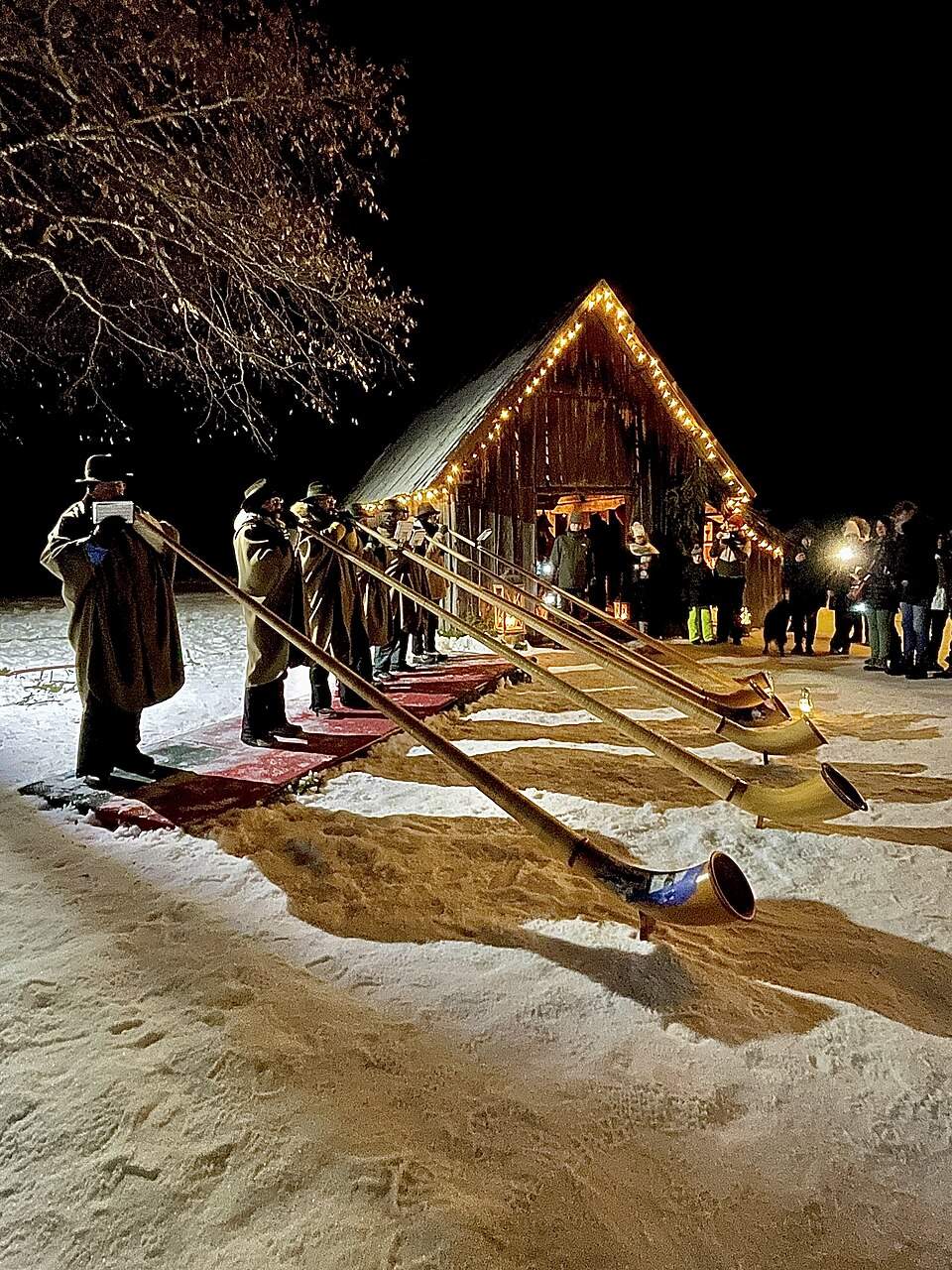 Aosta Christmas Market is a great choice for an Alpine Christmas experience. Known as Marché Vert Noël, the market transforms Aosta’s historic center into an Alpine Christmas village. Local food, handmade crafts, and Nordic-style decorations fill the festive setting.
Aosta Christmas Market Dates
The 2026–27 market dates should be confirmed before publication. The official regional tourism information currently lists the market as a late-November to January 6 event. The latest published edition ran from November 22, 2025, to January 6, 2026.
Where Is the Market?
The Marché Vert Noël is centered around Piazza Chanoux in Aosta’s historic center. The market creates an Alpine village atmosphere among the city’s historic streets and squares.
Its central location makes sightseeing easy. You can walk between the market, Roman monuments, churches, shops, and restaurants.
Why Visit Aosta at Christmas?
Aosta combines a Christmas market with Roman history and Alpine culture. The city sits in the Aosta Valley, surrounded by major Alpine peaks. Its historic center adds another layer to the Christmas experience.
The market focuses on local traditions. Visitors can browse regional delicacies, handmade crafts, and Nordic-inspired Christmas decorations.
Aosta also offers a quieter alternative to larger Italian Christmas destinations. It works especially well for travelers who prefer mountains and local culture.
Alpine Scenery and Snow
Aosta offers an excellent setting for travelers seeking Alpine scenery. The city lies in a mountain valley surrounded by high peaks. Nearby resorts provide access to higher elevations and winter activities.
However, snow in Aosta itself is not guaranteed in December. For a stronger chance of snow, travel to higher mountain resorts in the surrounding valley.
This makes Aosta useful as a base for combining Christmas markets with Alpine scenery. You can also add destinations such as Cervinia or other mountain resorts to your itinerary.
Things to Do in Aosta
Aosta offers much more than its Christmas market. Explore the city’s Roman heritage and medieval streets during the day.
Important sights include the Arch of Augustus, Roman Theatre, Porta Praetoria, and Aosta Cathedral. The historic center is compact and easy to explore on foot.
December also brings a special local tradition. Aosta celebrates its foundation anniversary around December 23, marking the founding of Augusta Praetoria in 25 BC.
For a longer winter trip, explore the surrounding Aosta Valley. Mountain villages, ski resorts, and Alpine landscapes make excellent additions to a Christmas market itinerary.
Best experience: Spend one or two nights in Aosta. Add a mountain excursion for a stronger Alpine winter experience.
Turin Christmas Market 2026
Turin offers a different Christmas experience from Italy’s Alpine market towns. The city combines festive markets with grand squares, historic cafés, museums, and spectacular Christmas lights. It is a strong choice for travelers who want Christmas traditions and urban culture in one trip.
Turin Christmas Market Dates
The official 2026 Turin Christmas Market dates have not yet been announced. The most recent Christmas Village ran from December 5, 2025, to January 6, 2026. Turin’s official tourism calendar should be checked for the confirmed 2026–27 schedule.
This distinction matters for a 2026 guide. We should not present last year’s dates as confirmed 2026 dates.
Christmas Markets and Festive Events
Turin’s Christmas season includes markets, concerts, nativity displays, and festive events. The city spreads its celebrations across several central locations. This makes Turin feel more like a Christmas city than a single-market destination.
The previous Christmas Village featured food, drinks, entertainment, and seasonal activities. Turin also organizes Christmas events beyond the main market period.
For 2026, travelers should check the official event calendar before visiting. Individual markets and events can change location and schedule.
Christmas Lights in Turin
Turin’s Luci d’Artista is one of its biggest Christmas attractions. The annual event turns streets, squares, and landmarks into an open-air exhibition of contemporary light art. The 2026 edition runs from October 22, 2026, to January 10, 2027.
The installations make evening walks especially memorable. You can combine the lights with the Christmas market and Turin’s historic center.
This is one reason Turin stands apart from smaller Italian Christmas markets. The city offers a broader cultural experience alongside its festive events.
What to Eat in Turin
Turin is an excellent destination for travelers who enjoy chocolate and Piedmontese food. The city is famous for its chocolate tradition, historic cafés, and regional specialties.
Try gianduiotti, bicerin, and traditional Piedmontese dishes during your visit. Turin’s historic cafés also offer a classic setting for winter drinks and desserts.
The city is also known for Vermouth di Torino. Food lovers can explore restaurants, cafés, markets, and specialty shops throughout the historic center.
Things to Do in Turin
Turin has enough attractions for a full Christmas weekend. Start with Piazza Castello and the city’s historic center. Walk along Via Roma and explore Piazza San Carlo.
Visit the Mole Antonelliana and the National Cinema Museum. The Egyptian Museum is another major attraction. Turin’s royal residences also add cultural depth to the trip.
The city works well for families, couples, and culture-focused travelers. You can also take a winter excursion into the Turin Alps for mountain scenery and snow activities. Turin’s official December guide highlights nearby winter options, including skiing, snowshoeing, and ice skating.
Best experience: Stay two to three nights in Turin. Combine the Christmas events with Luci d’Artista, historic cafés, museums, and Piedmontese food.
Asti Christmas Market 2026
Asti Christmas Market is one of Italy’s most distinctive Christmas markets. It forms part of Il Magico Paese di Natale, a wider Christmas event in Piedmont. The market combines local crafts, food, wine, and festive entertainment in the historic center.
Asti Christmas Market Dates
The Asti Christmas Market runs from November 13 to December 20, 2026. The main market operates in Piazza Alfieri. It has more than 140 wooden stalls featuring crafts, gastronomy, and street food.
The market opens exceptionally on November 13 from 3 p.m. to 8 p.m. It then operates on selected weekends through November. From December 3, it opens from Thursday through Sunday. December 8 is also an exceptional opening day.
Entry is free, and visitors do not need a reservation.
What Makes Asti Worth Visiting?
Asti is ideal for travelers who want Christmas markets with Piedmontese culture. The market sits in the historic center of this medieval city. Its festive atmosphere combines shopping with regional food and wine.
Asti is also part of a larger Christmas experience. Il Magico Paese di Natale connects Asti with nearby destinations such as Govone and San Damiano d’Asti. Each location offers a different Christmas attraction.
The event has also gained international recognition. Its organizers note that the Asti Christmas Market entered the European Best Destinations top ten.
Local Food and Christmas Products
Food is one of the biggest reasons to visit Asti at Christmas. The market features Piedmontese gastronomy, street food, local products, and regional specialties.
Asti is particularly appealing to wine and food lovers. The wider area is famous for Piedmontese wines and seasonal ingredients. You can also explore local shops and markets for regional products.
The Christmas market is a good place to look for handmade gifts. Crafts, food products, Christmas decorations, and artisan goods feature among the stalls.
Things to Do in Asti
Asti’s historic center is worth exploring beyond the Christmas market. Walk along Corso Vittorio Alfieri and discover the city’s medieval streets and historic buildings.
Visit Asti Cathedral, one of the city’s major landmarks. You can also explore Palazzo Mazzetti and other museums in the historic center.
Asti’s traditional shopping streets offer another reason to stay longer. Corso Vittorio Alfieri, Corso Dante, Via Cavour, and Via Garibaldi contain shops, restaurants, and bars.
For a fuller Christmas trip, explore the surrounding Langhe, Monferrato, and Roero areas. These UNESCO-listed landscapes add food, wine, villages, and seasonal experiences to your itinerary.
Best experience: Spend one or two nights in Asti. Add Govone or San Damiano d’Asti for a wider Piedmont Christmas experience.
Arezzo Christmas Market 2026
Arezzo Christmas Market is part of the larger Arezzo Città del Natale celebration. The event transforms the historic Tuscan city with markets, lights, family attractions, and festive entertainment. Its famous Tyrolean Village adds a distinctive Central European touch.
Arezzo Christmas Market Dates
The official 2026–27 dates have not yet been published. The latest official program ran from November 15, 2025, to January 6, 2026. The organizers also operated the Christmas market and attractions across this period.
We should update this section once the 2026 dates are officially announced. That will keep the guide accurate and avoid presenting projected dates as confirmed.
The Tyrolean Christmas Village
The Tyrolean Village is one of Arezzo’s main Christmas attractions. It is centered around Piazza Grande, one of the city’s most beautiful historic squares. Wooden houses create a traditional Christmas-market setting among Arezzo’s medieval architecture.
The village has previously featured 34 wooden houses and a large wooden chalet. It offers Christmas gifts, crafts, food, and festive products.
Arezzo’s organizers have described it as the largest Tyrolean Village in Italy outside Tyrol. That gives the market a character different from typical Tuscan Christmas events.
What to Eat and Buy
Arezzo is a good place to combine Christmas shopping with Tuscan food. Market stalls offer Christmas gifts, handmade products, decorations, and regional specialties.
Look for Tuscan food products, sweets, wines, crafts, and Christmas decorations. The wider city also has restaurants and specialty shops worth exploring.
The market experience extends beyond Piazza Grande. Previous editions have included artisan markets and food stalls across the Christmas village.
Things to Do in Arezzo
Arezzo offers plenty of historic sights beyond the Christmas market. Explore Piazza Grande and the medieval streets around the historic center. The square itself is one of Tuscany’s most distinctive urban spaces.
Visit the Basilica of San Francesco to see Piero della Francesca’s famous Legend of the True Cross fresco cycle. The city’s museums also provide excellent cultural options during winter.
Families can enjoy the wider Arezzo Città del Natale program. Previous editions have featured a Ferris wheel, ice skating, children’s attractions, LEGO activities, and Christmas installations.
Arezzo therefore works well for travelers who want more than market stalls. You can combine Christmas activities with Tuscany’s art, history, food, and architecture.
Best experience: Allow one full day for the Christmas attractions. Stay two nights if you also want to explore Arezzo’s historic center and museums.
Florence Christmas Markets 2026
Florence offers a more cultural Christmas experience than Alpine market towns. Its main Christmas market traditionally takes place around Piazza Santa Croce. The city also adds festive lights, seasonal events, shopping, and Tuscan food.
Florence Christmas Market Dates
The official 2026 Florence Christmas Market dates have not yet been confirmed. The traditional Santa Croce market returned from November 15 to December 21 in 2025. We should update this section when the 2026 dates are officially announced.
Florence also hosts other markets during December. For example, La Fierucola has a December 13 market at Piazza del Carmine and another on December 20 at Piazza Santo Spirito.
This means Florence can still offer festive shopping beyond its main Christmas market.
Where to Find Christmas Markets in Florence
Piazza Santa Croce is the main Christmas market location in Florence. The square sits in the historic center, beside the Basilica of Santa Croce. Its central location makes the market easy to combine with Florence’s major sights.
The market traditionally features wooden stalls with Christmas gifts, decorations, food, drinks, and crafts. The exact layout and participating vendors can change each year.
Other seasonal markets appear around Florence during December. Check the city’s official event calendar before visiting.
Christmas in Florence Beyond the Markets
Florence offers much more than its Christmas market. The historic center becomes especially attractive during winter evenings. Christmas decorations add a festive touch to famous squares and shopping streets.
Visit Piazza del Duomo, Piazza della Signoria, Ponte Vecchio, and Piazza Santa Croce. You can also explore Florence’s museums and historic churches during colder or rainy periods.
The Basilica of Santa Croce is particularly convenient during a market visit. Its monumental complex includes important artworks and the Pazzi Chapel.
Florence also works well as a base for nearby Tuscan destinations. Consider adding Siena, Lucca, or other Tuscan towns to a longer Christmas trip.
Christmas Food and Shopping
Florence is an excellent destination for Tuscan food and Christmas shopping. The city’s markets offer seasonal treats, handmade gifts, decorations, and regional products.
Look for Tuscan sweets, chocolates, biscuits, leather goods, ceramics, and artisan crafts. Florence’s historic shopping streets offer even more choices beyond the Christmas stalls.
Food lovers can also explore traditional Florentine restaurants. Try local specialties such as ribollita, pappa al pomodoro, lampredotto, and cantucci during your winter visit.
The city also offers excellent pastry shops and cafés. These provide a warm break between Christmas-market visits and sightseeing.
Best Things to Do in Florence
Florence has enough attractions for several days beyond the Christmas market. Visit the Duomo, Uffizi Gallery, Accademia Gallery, Palazzo Vecchio, and Ponte Vecchio.
Walk through Piazza della Signoria and explore the historic center. Visit the Mercato Centrale for food and local products.
For panoramic views, head to Piazzale Michelangelo around sunset. Winter evenings can offer beautiful views across the illuminated city.
Santa Croce also deserves time beyond the market. The basilica and its museum contain important works from Florence’s artistic history.
Best experience: Stay two or three nights in Florence. Combine the Christmas market with major Renaissance sights, Tuscan food, shopping, and festive evening walks.
Travel tip: Florence is best for travelers who want Christmas markets combined with art, history, food, and city sightseeing. It is less suitable if your main goal is snow or a traditional Alpine Christmas setting.
Naples Christmas Markets 2026
Naples offers a very different Christmas experience from northern Italy. Its festive identity centers on nativity art, historic streets, local food, and lively Christmas traditions. The heart of this experience is Via San Gregorio Armeno, famous for its handmade presepi and figurines.
Naples Christmas Market Dates and Opening Period
Naples does not have one single Christmas market with fixed citywide dates. Christmas activities take place across different neighborhoods and locations. The famous nativity workshops on Via San Gregorio Armeno operate throughout the year. They become especially lively during the Christmas season.
For the 2026 guide, individual market dates should be checked against Naples’ official Christmas events calendar. The city’s Christmas program can include markets, exhibitions, performances, guided tours, and local craft events.
This makes Naples different from destinations such as Bolzano. Travelers should plan around Christmas events and nativity traditions, rather than one main market.
Via San Gregorio Armeno and Nativity Traditions
Via San Gregorio Armeno is the centerpiece of Christmas in Naples. The narrow street is known as the Street of the Nativity Scenes. Artisan workshops display handmade figures for traditional Neapolitan presepi.
The tradition of handmade nativity figures became established in Naples during the 18th century. Today, artisans create both traditional and unusual characters. You may see saints, historical figures, celebrities, and modern personalities alongside the classic nativity figures.
The street is located in the historic center. It connects with the wider Spaccanapoli area and other important sights. Visit early if you want a calmer experience. The narrow street becomes very busy during the Christmas season.
Christmas Markets and Festive Streets
Naples spreads its Christmas atmosphere across several parts of the historic center. San Gregorio Armeno is the most famous destination. Other streets and squares host seasonal markets, craft stalls, nativity displays, and Christmas events.
The city also organizes a wider Christmas program. Events can include music, theatre, dance, guided tours, and local craft markets.
For families, Christmas villages and seasonal attractions may also appear outside the historic center. Check the official program before your trip because locations and dates can change each year.
What to Eat in Naples at Christmas
Christmas food is a major part of the Naples experience. Local bakeries, restaurants, and market stalls offer traditional Campanian sweets and festive dishes.
Try struffoli, mustaccioli, roccocò, and susamielli during the Christmas season. These traditional sweets offer a different taste from the Alpine treats found in northern Italy.
Naples is also famous for everyday foods worth trying during your trip. Pizza, pasta, seafood, and street food make the city especially appealing to food lovers.
For the best experience, combine Christmas-market browsing with traditional Neapolitan restaurants. The city’s food culture is as important as its Christmas decorations.
Things to Do Beyond the Markets
Naples offers enough attractions for several days beyond Christmas shopping. Explore the historic center and walk through the Spaccanapoli district.
Visit the Cloister of Santa Chiara, which features a large nativity scene during the Christmas period.
You can also visit Naples Cathedral, the Naples National Archaeological Museum, Castel Nuovo, and the Royal Palace. Each adds cultural depth to a Christmas trip.
For a longer stay, consider a day trip to Pompeii, Mount Vesuvius, or the Amalfi Coast. Winter can also be a quieter period for exploring these famous destinations.
Best experience: Stay two or three nights in Naples. Focus one day on San Gregorio Armeno and the historic center. Use another day for major sights and traditional Neapolitan food.
Why Naples belongs in this guide: Naples should not be judged by the same criteria as Bolzano or Merano. Its strength is Neapolitan nativity art, Christmas traditions, food, and historic atmosphere, rather than Alpine scenery or snow.
More Christmas Markets in Italy Worth Visiting
Italy has many Christmas markets beyond its best-known destinations. South Tyrol offers several smaller Alpine markets with strong local traditions. Central Italy adds historic towns, food, crafts, and festive events. These markets are ideal for travelers seeking a quieter experience.
Bressanone Christmas Market
Bressanone Christmas Market is one of South Tyrol’s most atmospheric markets. The stalls surround Piazza Duomo in the historic center. Christmas lights, traditional crafts, and Alpine scenery create a classic Advent setting.
Bressanone is also known for its historic nativity traditions. The compact center makes the market easy to explore on foot. It works especially well as a day trip from Bolzano.
Brunico Christmas Market
Brunico Christmas Market brings Christmas traditions to the Puster Valley. The market combines local crafts, regional food, and festive decorations. Its mountain setting adds a strong Alpine character.
Brunico also works well for travelers exploring the eastern Dolomites. It can be combined with nearby mountain villages and other South Tyrolean markets. Italy’s official tourism site includes Brunico among the region’s notable Christmas markets.
Vipiteno Christmas Market
Vipiteno offers one of the most picturesque small Christmas markets in South Tyrol. The market occupies Stadtplatz beneath the town’s famous Tower of the Twelve. Traditional stalls sell local crafts, decorations, food, and drinks.
The smaller scale makes Vipiteno appealing for travelers who prefer a quieter market. Its historic architecture also creates excellent photography opportunities.
Ortisei Christmas Market
Ortisei is a strong choice for a Christmas market surrounded by the Dolomites. The village combines festive decorations with dramatic mountain scenery. Its location makes it especially appealing to winter travelers.
Ortisei works best as part of a Dolomites Christmas itinerary. Add nearby villages and mountain viewpoints for a fuller experience.
San Candido Christmas Market
San Candido offers a small Christmas market in an impressive Dolomite setting. The historic village sits close to some of the region’s most scenic mountain landscapes.
It is a good choice for travelers prioritizing scenery over large market crowds. San Candido also pairs well with other markets in eastern South Tyrol.
Milan Christmas Markets
Milan offers a modern city Christmas experience rather than a traditional Alpine market. The city hosts seasonal markets, Christmas villages, lights, shopping, and family attractions.
The Villaggio delle Meraviglie is one of Milan’s long-running Christmas attractions. It includes stalls, entertainment, skating, and family activities.
Milan is best for travelers who want Christmas events alongside fashion, shopping, museums, and Italian city life.
Venice Christmas Markets
Venice offers a quieter Christmas experience than its summer season. Seasonal markets and festive events appear around the historic city and nearby islands.
Christmas in Venice is more about atmosphere, lights, food, and local traditions than one huge central market. Combine seasonal events with St. Mark’s Square, Rialto, and quieter neighborhoods.
Bologna Christmas Markets
Bologna combines Christmas markets with excellent food and historic architecture. Seasonal markets appear in different parts of the city. Traditional events have included Piazza Minghetti and the Santa Lucia Fair.
Food is a major reason to visit Bologna. Travelers can combine Christmas shopping with fresh pasta, regional specialties, and traditional Italian desserts.
Rome Christmas Markets
Rome offers Christmas markets alongside some of Italy’s most famous historic sights. Seasonal markets and Christmas events appear in different parts of the city.
Rome is a strong choice for travelers who want culture rather than Alpine scenery. Combine Christmas activities with the Colosseum, Vatican City, historic churches, and major piazzas.
Montepulciano Christmas Market
Montepulciano offers one of Tuscany’s most distinctive Christmas market experiences. Its historic center becomes a festive setting for Christmas stalls and seasonal attractions.
The market is particularly appealing to families. Previous editions have included Santa’s Castle, children’s activities, and festive entertainment. The surrounding wine country also adds a strong food-and-wine dimension.
Siena Christmas Markets
Siena combines Christmas shopping with one of Tuscany’s most beautiful historic centers. Seasonal markets and festive events bring additional activity to the medieval city.
Visitors can explore Piazza del Campo, Siena Cathedral, and the surrounding streets between market visits. Siena works particularly well as part of a wider Tuscany Christmas itinerary.
Lucca Christmas Markets
Lucca offers Christmas markets within a compact historic city center. Its medieval streets and famous walls create a distinctive setting for seasonal events.
The city is easy to explore on foot. Combine Christmas shopping with Lucca Cathedral, Piazza dell’Anfiteatro, and a walk along the historic walls.
Which Smaller Italian Christmas Market Should You Choose?
Choose Bressanone or Vipiteno for a traditional Alpine atmosphere. Choose Ortisei or San Candido for dramatic Dolomite scenery. Montepulciano and Siena suit travelers exploring Tuscany. Milan, Bologna, Venice, and Rome work better for travelers combining Christmas events with major city attractions.
These smaller destinations also make excellent additions to a longer Christmas markets in Italy itinerary. You do not need to choose only one market. South Tyrol, Tuscany, and northern Italian cities can each support multi-stop Christmas trips.
Christmas Markets in Northern Italy
Northern Italy has some of the best Christmas markets in the country. The region combines Alpine scenery, historic cities, local food, artisan crafts, and festive traditions. South Tyrol offers the strongest concentration of traditional markets. Trentino and Aosta Valley add mountain experiences. Piedmont, Lombardy, and Veneto combine Christmas events with major Italian cities.
South Tyrol and the Dolomites
South Tyrol is the best region for a classic Alpine Christmas experience. It has five Original South Tyrolean Christmas Markets. They are located in Bolzano, Merano, Bressanone, Vipiteno, and Brunico. Smaller village markets add even more variety.
The region combines Christmas traditions with dramatic mountain scenery. Local stalls focus on handicrafts, decorations, food, and regional products. Apple strudel, Zelten, mulled wine, and other specialties are popular seasonal choices.
South Tyrol is also easy to explore without a car. Bus and train connections link many towns and markets. This makes the region excellent for a multi-market Christmas trip.
Best for: Alpine scenery, traditional markets, food, couples, and first-time visitors.
Trentino
Trentino combines Christmas markets with mountain landscapes and historic towns. The main Trento Christmas Market occupies Piazza Fiera and Piazza Mostra. Smaller markets appear in villages throughout the province.
Trentino is particularly appealing to families. Christmas programs can include children’s activities, workshops, entertainment, and festive events. The region also offers winter scenery around its mountain villages.
Trento is a convenient starting point for exploring the region. Its historic center adds museums, architecture, restaurants, and cultural attractions to a market visit.
The region also has many smaller Christmas events. These can provide a quieter experience than major city markets. For example, Bosentino’s 2026 Christmas market focuses on handmade products, local foods, music, and children’s workshops.
Best for: Families, mountain scenery, local crafts, and longer Christmas trips.
Aosta Valley
Aosta Valley is ideal for travelers seeking Christmas markets with Alpine scenery. The region sits in northwestern Italy and is surrounded by some of the country’s highest mountains.
Aosta is the main city and hosts the Marché Vert Noël Christmas market. The market combines festive stalls with the city’s historic center. Nearby mountain resorts add opportunities for skiing and winter activities.
The region feels different from South Tyrol. Its culture reflects Italian and French influences. Local food, mountain traditions, and historic architecture shape the Christmas experience.
Snow is also a major attraction. However, snowfall in Aosta itself is never guaranteed. Higher mountain resorts offer better chances for a snowy landscape.
Best for: Alpine scenery, mountain lovers, winter sports, and travelers seeking a quieter Christmas destination.
Piedmont
Piedmont is a strong choice for Christmas markets and food-focused travel. Turin provides the region’s largest city experience. Smaller towns add local markets, crafts, and festive traditions.
Turin combines Christmas events with museums, historic cafés, shopping streets, and its famous winter light installations. The surrounding Piedmont countryside offers a very different atmosphere.
Asti is another excellent option. Its Christmas market forms part of the wider Il Magico Paese di Natale celebration. The event combines markets with Piedmontese food, wine, crafts, and nearby Christmas attractions.
Piedmont works especially well for travelers who enjoy regional cuisine. Chocolate, wine, pastries, and traditional dishes add depth to the Christmas experience.
Best for: Food lovers, wine enthusiasts, city breaks, and couples.
Lombardy
Lombardy offers Christmas markets with a more urban Italian atmosphere. Milan is the region’s main Christmas destination. Its festive season combines markets, lights, shopping, entertainment, and cultural attractions.
Milan works well for travelers who want Christmas activities without focusing on Alpine scenery. The city offers major museums, historic landmarks, designer shopping, and excellent restaurants.
Smaller Lombardy cities can provide a more traditional experience. Bergamo, Brescia, Como, and other destinations often host seasonal events and markets.
The region is also convenient for international travelers. Milan’s airports provide extensive connections with Europe and beyond.
Best for: Shopping, city breaks, families, culture, and travelers combining Christmas with Italian urban life.
Veneto
Veneto combines Christmas markets with historic cities and romantic destinations. Verona is the region’s standout choice for Christmas travelers. Its festive events complement the Arena, historic center, and famous romantic landmarks.
Venice offers a different Christmas experience. The city focuses more on seasonal events, decorations, local traditions, and smaller markets than on one enormous Christmas market.
Other Veneto towns can also add festive experiences. Padua, Treviso, Vicenza, and surrounding destinations are worth considering for regional Christmas trips.
Veneto is especially attractive for couples. Travelers can combine Christmas markets with Italian food, historic architecture, shopping, and cultural attractions.
Best for: Couples, culture, historic cities, romantic trips, and first-time visitors to northern Italy.
Christmas Markets in Central Italy
Central Italy offers a different Christmas experience from the Alpine north. Tuscany, Umbria, and Lazio combine festive markets with medieval towns, historic cities, art, food, and Italian Christmas traditions. Snow is less common, but the cultural experience is exceptional.
This region works especially well for travelers who want Christmas markets alongside sightseeing. You can explore historic centers during the day and enjoy festive markets in the evening. Tuscany is particularly strong for Christmas villages and food-focused trips.
Tuscany Christmas Markets
Tuscany offers Christmas markets in historic towns and beautiful countryside settings. Arezzo, Montepulciano, Siena, and Lucca are among the most interesting destinations.
Arezzo stands out for its large Christmas program and Tyrolean Village. Montepulciano combines Christmas attractions with its medieval setting and surrounding wine country. Siena and Lucca offer smaller festive experiences within historic city centers.
Tuscany is ideal for travelers who want Christmas markets with art, architecture, food, and wine. A road trip also makes it easy to combine several destinations.
Best for: Couples, food lovers, families, historic towns, and Christmas road trips.
Christmas Markets in Florence
Florence offers Christmas markets alongside world-famous Renaissance attractions. The main festive market traditionally takes place around Piazza Santa Croce. Other seasonal markets appear across the city.
Florence is better suited to travelers seeking culture than snow. The city’s museums, churches, shopping streets, and historic squares provide plenty to do between market visits.
Its central location also makes Florence useful for exploring Tuscany. You can combine the city with Arezzo, Siena, Lucca, or other Christmas destinations.
Best for: Art lovers, first-time visitors, couples, shopping, and cultural trips.
Christmas Markets in Umbria
Umbria offers smaller Christmas markets with a strong medieval atmosphere. Historic towns such as Perugia, Gubbio, and Orvieto become especially atmospheric during the festive season.
Gubbio is particularly famous for its enormous Christmas tree formed from lights across Mount Ingino. Perugia combines seasonal events with its historic center and famous food traditions.
Umbria is a good choice for travelers seeking quieter destinations. The region also works well for road trips through central Italy.
Best for: Couples, families, medieval towns, food, and slower travel.
Christmas Markets in Lazio
Lazio combines Christmas markets with historic towns and Rome’s major attractions. The region offers more variety than the capital alone.
Outside Rome, travelers can explore towns and villages with local Christmas events. These destinations provide a more relaxed atmosphere than the capital.
Lazio is especially useful for travelers building a longer central Italy itinerary. You can combine Christmas markets with historic sites, Italian food, and countryside experiences.
Best for: Culture, history, road trips, and travelers combining cities with smaller towns.
Christmas Markets in Rome
Rome offers Christmas markets with an extraordinary historic backdrop. Festive events take place around the city during the Christmas season. Piazza Navona has traditionally been the city’s best-known Christmas setting.
Rome is not an Alpine Christmas destination. Instead, its appeal comes from historic landmarks, churches, nativity traditions, food, and festive celebrations.
You can combine Christmas activities with the Colosseum, Vatican City, Trevi Fountain, Pantheon, and Roman Forum. This makes Rome especially attractive for first-time visitors to Italy.
Best for: History, culture, families, first-time visitors, and combining Christmas with major Italian attractions.
Christmas Markets in Southern Italy
Southern Italy offers a warmer and more traditional Christmas atmosphere. Markets are often smaller than those in northern Italy. Christmas streets, nativity scenes, local food, and historic neighborhoods play a bigger role.
Naples is the strongest destination for Christmas traditions. Campania, Puglia, and Sicily offer additional seasonal experiences. These regions suit travelers who prefer culture and food over snow and Alpine scenery.
Christmas Markets in Naples
Naples is Southern Italy’s most famous Christmas destination. Its Christmas identity centers on nativity art, local food, and historic streets.
Via San Gregorio Armeno is the city’s most famous Christmas street. Artisan workshops display handmade presepi and figurines throughout the year. The Christmas season brings especially large crowds.
Naples also hosts seasonal markets and festive events across the historic center. Travelers can combine these experiences with pizza, traditional sweets, churches, museums, and archaeological sites.
Best for: Nativity traditions, food, culture, families, and historic-city experiences.
Christmas Markets in Campania
Campania offers Christmas markets beyond Naples. Towns and cities across the region host seasonal events, markets, nativity displays, and Christmas villages.
Salerno is particularly known for Luci d’Artista, its large-scale Christmas light festival. The event transforms streets and public spaces with elaborate light installations.
Smaller Campanian towns can offer a more local atmosphere. Visitors can combine Christmas events with regional food and historic sights.
Best for: Christmas lights, food, local traditions, and city breaks.
Christmas Markets in Puglia
Puglia offers Christmas markets with a distinctly southern Italian character. Cities and towns decorate historic centers with lights, markets, nativity scenes, and festive events.
Bari, Alberobello, Lecce, and other destinations can be interesting choices during the Christmas season. Alberobello is especially atmospheric because of its famous trulli architecture.
Puglia rarely provides a snowy Christmas experience. Its appeal comes from architecture, food, local traditions, and milder winter weather.
Best for: Couples, photography, food, architecture, and mild winter trips.
Christmas Markets in Sicily
Sicily combines Christmas traditions with historic cities and Mediterranean culture. Palermo, Catania, Syracuse, and smaller towns host seasonal markets and festive events.
Sicilian Christmas food is a major attraction. Visitors can find traditional sweets, pastries, nuts, chocolate, and regional specialties.
Mountain areas can provide colder winter scenery, but most major Sicilian destinations offer a relatively mild Christmas experience. The island works well for travelers seeking culture without Alpine winter conditions.
Best for: Food lovers, culture, mild weather, and longer Italian trips.
What Makes Southern Italian Christmas Markets Different?
Southern Italian Christmas markets focus more on traditions, food, lights, and nativity culture than snow. The atmosphere often feels deeply connected to local communities and historic neighborhoods.
Northern markets often emphasize Alpine scenery and wooden market stalls. Southern destinations place greater emphasis on presepi, churches, street decorations, regional food, and festive events.
This makes Southern Italy a strong alternative for travelers who want something different. You can enjoy Christmas traditions without planning around snow or freezing temperatures.
Choose Southern Italy for culture and food. Choose Northern Italy for Alpine scenery and traditional market villages.
When Are Christmas Markets in Italy Open in 2026?
Most Christmas markets in Italy open between late November and early December. Many operate throughout December, while some continue until early January. Exact dates vary by city, so check the official market schedule before planning your trip.
For example, the Bolzano Christmas Market runs from November 26, 2026, through January 6, 2027. Its official schedule also shows a closure on Christmas Day.
When Do Christmas Markets in Italy Start?
Most Italian Christmas markets start in late November or early December. The opening period usually begins several weeks before Christmas.
Some major markets open around the final week of November. Smaller markets may operate only on selected weekends. Others begin in early December and run through Christmas.
Bolzano opens on November 26, 2026, while several smaller South Tyrolean markets also begin during the final days of November.
If you want the widest choice, early December is a reliable time to visit. Most major markets should be operating by then.
When Do Christmas Markets in Italy End?
Many Christmas markets close shortly before or after Christmas. However, some major markets continue through New Year’s Day and into early January.
Bolzano is one of the longer-running examples. Its 2026–27 market continues until January 6, 2027.
Some smaller markets have much shorter seasons. Others operate only on specific weekends.
Therefore, travelers visiting after Christmas should choose their destination carefully. A market that closes on December 24 will not suit a post-Christmas trip.
Are Christmas Markets Open on Christmas Day?
Some Christmas markets close on December 25, while others may open with reduced hours. There is no single rule across Italy.
Bolzano’s official 2026 schedule lists December 25 as a closure day.
Christmas Day is also an important family holiday in Italy. Some businesses, restaurants, attractions, and transport services may operate on reduced schedules.
If you plan to visit Italy on December 25, check the specific market’s official schedule. Do not assume normal opening hours.
Which Markets Stay Open After Christmas?
Several Christmas markets continue after December 25 and into early January. These are useful choices for travelers visiting Italy between Christmas and New Year’s Day.
Bolzano is scheduled to remain open through January 6, 2027. South Tyrol also has smaller festive events continuing after Christmas. For example, the Rittner Christbahnl Christmas Train Market has dates through January 3, 2027.
Markets that continue after Christmas can be less crowded than during the busiest pre-Christmas period. However, some individual stalls or attractions may have different schedules.
Best choices for a post-Christmas trip: South Tyrol and selected markets with extended seasons.
Are Markets Open on New Year’s Day?
Some Italian Christmas markets remain open on January 1, but opening hours can be reduced. This depends entirely on the destination.
Markets with seasons extending into January are the safest choices. Bolzano, for example, continues its Christmas season into the first week of January.
New Year’s Day is also a public holiday. Restaurants, shops, museums, and transport services may have different operating hours.
If January 1 is part of your itinerary, check the official schedule for both the market and nearby attractions.
When Is the Best Time to Visit?
Early to mid-December is the best overall time to visit Christmas markets in Italy. Most major markets are operating, festive events are in full swing, and you still have plenty of time before Christmas.
Choose late November for smaller crowds and the beginning of the Christmas season. Choose early December for the widest choice of markets. Choose mid-December for the fullest festive atmosphere.
The period immediately before Christmas is usually the busiest. Accommodation can also become more expensive.
For a quieter experience, consider visiting on weekdays. For snow, choose Alpine destinations, but remember that snowfall is never guaranteed.
| Travel Period | Best For | Crowd Level | Market Availability |
| Late November | Early Christmas atmosphere | Lower | Growing |
| Early December | Best overall balance | Moderate | Excellent |
| Mid-December | Full festive experience | Moderate–High | Excellent |
| December 20–24 | Traditional Christmas atmosphere | High | Very high |
| December 25–31 | Post-Christmas trips | Lower–Moderate | Varies |
| January 1–6 | Extended markets | Lower | Selected markets |
Planning tip: Always verify dates before booking flights or hotels. Christmas market schedules can change between editions, and individual markets may have different holiday opening hours.
Italy Christmas Markets 2026 Dates Calendar
Christmas markets in Italy open at different times between November and December 2026. Some continue through Christmas and into January 2027. The longest-running markets include Bolzano, Merano, and Trento, while Asti operates mainly on selected dates. Always check the official market website before traveling because schedules can change.
November 2026
November marks the beginning of the main Christmas market season in Italy. Several major markets open during the final weeks of the month.
The earliest confirmed dates include Asti on November 13, with its regular market dates beginning November 14. Trento opens on November 20. Bolzano and Merano both open on November 26.
November is a good choice for travelers seeking fewer crowds. However, some smaller markets may operate only on weekends.
December 2026
December is the busiest month for Christmas markets in Italy. Almost all major markets operate during this month. Festive events, Christmas shopping, food stalls, and evening lights are also at their peak.
Early December usually offers the best balance. Markets are fully open, but the busiest Christmas crowds have not yet arrived.
Asti follows a different schedule. Its market operates on selected dates through December 20. Trento, Bolzano, and Merano continue throughout most of December.
Christmas week requires more planning. Some markets close early on December 24. Others close completely on December 25.
January 2027
Some Italian Christmas markets continue into January 2027. This makes early January a good option for travelers who want a quieter festive trip.
Bolzano and Merano are scheduled to continue until January 6, 2027. Trento also remains open until January 6.
January is generally quieter than the weeks before Christmas. However, individual stalls and attractions may have reduced schedules.
Best Time to Visit Christmas Markets in Italy
The best time to visit Christmas markets in Italy is early to mid-December. Most major markets are open by then. Festive events are active, but Christmas crowds have not yet reached their peak. Late November suits quieter trips, while the period after Christmas works best for markets with extended seasons.
Visiting in Late November
Late November is ideal for an early Christmas atmosphere and smaller crowds. Many major markets begin opening during the final week of November.
Bolzano and Merano both begin their 2026 Christmas seasons in late November. Other South Tyrolean markets also open around this period.
Accommodation can also be easier to find than in December. However, some smaller markets may operate only on selected days.
Best for: Fewer crowds, early Christmas shopping, and flexible travelers.
Visiting in Early December
Early December is the best overall time for most travelers. The major markets are operating, Christmas decorations are complete, and festive programs are underway.
You can also visit several markets during one trip. South Tyrol is especially convenient for this approach.
The weather can be cold in northern Italy. Snow is possible in Alpine areas, but it is never guaranteed.
Best for: First-time visitors, families, couples, and multi-market trips.
Visiting Around December 8
December 8 is an excellent date for experiencing Christmas markets in Italy. It is the Feast of the Immaculate Conception, a national public holiday.
The holiday falls on Tuesday, December 8, 2026. Many Italians use the long-weekend period to begin their Christmas celebrations.
Markets can therefore feel busier around this date. Accommodation may also be more expensive in popular destinations.
Some markets have special holiday programming. For example, Merano’s 2026 market is scheduled to operate on December 8.
Best for: Festive atmosphere, holiday events, and traditional Christmas shopping.
Visiting in Mid-December
Mid-December offers the fullest traditional Christmas-market atmosphere. Markets are busy, decorations are at their best, and seasonal food and entertainment are widely available.
This period works especially well for couples and families. You can enjoy evening lights without waiting for Christmas week.
The main disadvantage is higher demand. Popular Alpine towns can become busy, especially on weekends.
Best for: Christmas atmosphere, photography, shopping, and festive evenings.
Visiting Before Christmas
The week before Christmas is best for travelers wanting maximum festive excitement. Markets are fully decorated and Christmas shopping is at its peak.
However, this is also one of the busiest periods. Hotels and transportation can cost more.
December 24 can also have special opening hours. Some markets close earlier than usual, while others close completely on December 25. Always check the official schedule.
Best for: Traditional Christmas atmosphere and last-minute shopping.
Visiting Between Christmas and New Year
The period between Christmas and New Year is quieter at many markets. It can be an excellent choice if you want festive experiences without the biggest pre-Christmas crowds.
The key is choosing a market with an extended season. Bolzano and Merano continue through January 6, 2027.
Some smaller markets close before Christmas. Therefore, this period requires more careful planning.
New Year’s Eve can also bring special events and altered opening hours.
Best for: Quieter trips, couples, post-Christmas travel, and extended market seasons.
Visiting in Early January
Early January is best for a quieter Christmas-market experience. Some major markets remain open through the Feast of the Epiphany on January 6.
Bolzano and Merano are scheduled to remain open until January 6, 2027. The Rittner Christbahnl Christmas Train Market also continues into early January.
Crowds are generally lower after New Year’s Day. Some individual stalls or attractions may have reduced schedules, however.
January also offers a better chance of experiencing winter conditions in northern mountain areas. Snow still depends on the weather and elevation.
Best for: Fewer crowds, Alpine winter scenery, and travelers visiting after New Year’s.
Best Time to Visit Christmas Markets in Italy: Quick Comparison
| Period | Crowds | Atmosphere | Best For |
| Late November | Low–Moderate | Early festive | Quiet trips |
| Early December | Moderate | Excellent | Best overall |
| December 8 | Moderate–High | Very festive | Holiday atmosphere |
| Mid-December | High | Excellent | Traditional Christmas |
| December 18–24 | Very High | Peak festive | Pre-Christmas trips |
| December 26–31 | Moderate | Festive | Post-Christmas travel |
| January 1–6 | Low–Moderate | Quieter | Extended markets |
Our recommendation: Choose early to mid-December for the best balance of market availability, festive atmosphere, and manageable crowds. Choose late November for a quieter trip. Choose early January if you prefer fewer visitors and extended markets.
Will It Snow at Christmas Markets in Italy?
Snow is possible at Italian Christmas markets, but it is never guaranteed. Your best chances are in higher Alpine and Dolomite locations. South Tyrol, the Dolomites, and Aosta Valley offer the strongest winter settings. Lower cities such as Bolzano and Merano can still have snow-free Christmases.
Which Italian Christmas Markets Have the Best Snow Chance?
Higher-elevation markets generally offer the best chance of snow. Look toward the Dolomites, South Tyrol, and Aosta Valley.
For the strongest snow experience, choose a market near mountain resorts. San Candido, Ortisei, and other Dolomite destinations offer higher surrounding terrain. Their markets also provide direct access to winter landscapes.
Aosta is another strong choice for mountain scenery. However, snow conditions can change quickly during December.
Best choices for snow: Dolomite villages, higher South Tyrol, and Alpine resorts.
Christmas Markets in the Dolomites
The Dolomites offer some of Italy’s most scenic Christmas markets. Mountain peaks surround many villages and towns. This creates a stronger winter atmosphere than most Italian cities.
San Candido hosts a Christmas market surrounded by the Dolomites. Its 2026–27 market runs from November 27 through January 6.
South Tyrol also has markets around Castelrotto, Val Gardena, and Kronplatz. Several operate at higher elevations or near mountain areas.
Snow remains weather-dependent. A beautiful mountain setting does not guarantee snow-covered stalls.
Best for: Snow seekers, photographers, skiers, and mountain lovers.
Christmas Markets in South Tyrol
South Tyrol offers Italy’s strongest concentration of Alpine Christmas markets. Five major markets form the region’s traditional Christmas-market network. They include Bolzano, Merano, Bressanone, Vipiteno, and Brunico.
The region also has numerous smaller village markets. Some are located closer to higher mountain areas. These can provide a better winter setting than valley-floor cities.
Bolzano sits at a lower elevation than many surrounding destinations. Therefore, snow in the city is less dependable.
You can improve your chances by combining Bolzano with higher locations. The Ritten plateau provides panoramic Dolomite views and winter experiences.
Best strategy: Base yourself in Bolzano. Take day trips toward higher Alpine destinations.
Christmas Markets in the Alps
The Italian Alps offer the best overall chance of a snowy Christmas setting. Higher elevations generally provide colder conditions and more reliable winter landscapes.
The Aosta Valley is particularly suitable for Alpine scenery. South Tyrol also provides numerous mountain destinations near its Christmas markets.
However, altitude matters more than the region’s name alone. A valley town can remain snow-free while nearby mountains are white.
For travelers prioritizing snow, choose accommodation at higher elevations. Then visit nearby Christmas markets during the day.
Best for: Snow-focused trips, skiing, mountain scenery, and winter photography.
Can You Expect Snow in Bolzano?
You should not expect guaranteed snow in Bolzano at Christmas. The city sits in a valley and has a relatively moderate winter climate.
Snow can occur during December. However, conditions vary considerably from year to year.
Bolzano remains an excellent Christmas destination without snow. Its market offers lights, wooden stalls, regional food, crafts, and festive entertainment.
For a better snow experience, travel higher into the surrounding mountains. The Ritten plateau offers impressive Dolomite views and winter scenery.
Verdict: Visit Bolzano for the market. Do not visit solely for guaranteed snow.
Can You Expect Snow in Merano?
Snow is possible in Merano, but it is not guaranteed. The town sits in a valley with a relatively mild climate. Its Christmas market is famous for its elegant setting and mountain surroundings.
The surrounding mountains can provide a snowy backdrop. Higher elevations offer better chances for actual snow cover.
Merano therefore works well for travelers wanting scenery without extreme winter conditions. You can enjoy the market, thermal baths, historic streets, and mountain views.
For guaranteed snow, conditions still need checking closer to your travel date.
Verdict: Choose Merano for atmosphere and scenery. Choose higher mountains for snow.
What If There Is No Snow?
A snow-free Christmas market can still be magical. Italian markets focus on lights, food, crafts, music, and local traditions.
Bolzano offers illuminated squares and South Tyrolean specialties. Merano adds riverside scenery and thermal attractions. Verona provides historic architecture and romantic Christmas events.
If snow matters, build flexibility into your itinerary. Visit a lower city market first. Then travel into higher mountain areas.
This approach gives you two experiences. You get the Christmas market atmosphere and Alpine scenery.
Best approach: Treat snow as a bonus, not a guarantee.
Snow vs Christmas Market: Which Should You Choose?
| Priority | Best Choice | Why |
| Highest snow potential | Higher Dolomite destinations | Greater elevation |
| Classic Christmas market | Bolzano | Large traditional market |
| Alpine scenery | San Candido | Dolomite setting |
| Elegant Christmas atmosphere | Merano | Mountain and spa-town setting |
| Mountain Christmas trip | Aosta Valley | Strong Alpine environment |
| Several markets | South Tyrol | Excellent regional network |
| Guaranteed snow | None | Weather cannot be guaranteed |
Our recommendation: Choose South Tyrol or the Dolomites if snow matters most. For the classic market experience, choose Bolzano. Then add a higher mountain destination for better winter scenery.
What Are Christmas Markets in Italy Like?
Christmas markets in Italy combine festive traditions with local culture, food, crafts, and historic settings. Northern markets often have Alpine influences and wooden stalls. Central and southern markets place more emphasis on nativity scenes, local foods, decorations, and community celebrations. The experience varies considerably by region.
Italian Christmas Market Traditions
Italian Christmas markets are closely connected to local Christmas traditions. Markets usually appear in historic squares, pedestrian streets, and town centers.
In northern Italy, Alpine and Central European influences are particularly strong. South Tyrol and Trentino feature wooden stalls, regional crafts, warm drinks, and mountain foods.
Further south, Christmas traditions often focus more strongly on nativity scenes, religious customs, family celebrations, and local food.
The result is not one standard Italian Christmas market. Each region adds its own character.
What You Will Find at Italian Christmas Markets
Most Italian Christmas markets offer food, drinks, crafts, decorations, and Christmas gifts. Larger markets also include entertainment and family activities.
Common finds include:
- Handmade Christmas decorations
- Local crafts and artisan products
- Regional foods and sweets
- Mulled wine and other hot drinks
- Nativity figures and presepi
- Toys and children’s gifts
- Local wines and specialty foods
The exact selection depends on the region. South Tyrol emphasizes Alpine crafts and foods. Tuscany focuses more on regional products and artisan goods.
Italian Christmas Decorations
Italian Christmas decorations often combine traditional religious themes with festive lights. Christmas trees, illuminated streets, stars, wreaths, and decorative displays appear throughout market areas.
Nativity scenes are particularly important in Italy. Many towns create elaborate presepi in churches, squares, and historic buildings.
Northern markets often add Alpine decorations. Wooden ornaments, lanterns, fir branches, and traditional market stalls create a rustic atmosphere.
Large cities can take a different approach. Milan, Florence, and Rome often combine Christmas decorations with impressive historic architecture.
Christmas Villages and Wooden Stalls
Wooden stalls are a defining feature of many Italian Christmas markets. They create temporary Christmas villages within historic squares and streets.
The strongest examples appear in northern Italy. South Tyrol’s markets use traditional wooden huts for food, crafts, decorations, and gifts.
Some destinations create much larger Christmas villages. Arezzo’s Tyrolean Village, for example, adds a Central European atmosphere to its historic Tuscan setting.
Smaller towns can feel more intimate. Their markets may have fewer stalls but stronger local character.
Nativity Scenes and Presepi
Nativity scenes are one of the most important Christmas traditions in Italy. The Italian word presepe refers to a nativity scene, while presepi is the plural.
Naples is especially famous for its handmade nativity figures. Via San Gregorio Armeno is known for its artisan workshops and traditional presepi.
Italian nativity scenes can be remarkably detailed. Traditional figures may appear alongside modern characters and local personalities.
This tradition makes Italian Christmas markets different from many northern European markets. Christmas in Italy is often about both festive shopping and religious heritage.
Christmas Music and Entertainment
Italian Christmas markets often include music, performances, and family entertainment. Programs vary by destination and year.
Larger markets can feature live concerts, choirs, children’s activities, storytelling, workshops, and seasonal performances.
Trento, for example, incorporates family activities and entertainment into its wider Christmas program. Other cities create broader Christmas calendars across their historic centers.
Evening is often the most atmospheric time to visit. Christmas lights become more visible, and market stalls become livelier.
How Italian Markets Differ From German Markets
Italian Christmas markets tend to blend Germanic traditions with stronger local Italian culture. German markets often emphasize established Christmas-market traditions, regional crafts, and seasonal foods. Italian markets vary more noticeably by region.
South Tyrol provides the closest experience to traditional German-speaking Alpine markets. Bolzano, Merano, Bressanone, Vipiteno, and Brunico reflect the region’s Central European heritage.
Italian markets elsewhere can feel very different. Florence combines Christmas shopping with Renaissance culture. Naples emphasizes presepi and Neapolitan traditions. Verona combines festive markets with Italian history and romance.
| Feature | Italian Christmas Markets | German Christmas Markets |
| Atmosphere | Regional and varied | More consistent Christmas-market tradition |
| Food | Strongly regional | Traditional German specialties |
| Nativity scenes | Very important | Present but generally less central |
| Alpine markets | Strong in northern Italy | Strong across southern Germany |
| Historic settings | Very common | Also common |
| Regional identity | Extremely strong | Strong |
| Architecture | Italian and Alpine | German and Central European |
| Snow | Mainly northern mountain areas | Varies by region |
For travelers who have already explored German Christmas markets, Italy offers a different cultural experience rather than simply another version of the same trip.
And for travelers deciding between the two, the choice is simple: choose Germany for classic German Christmas traditions, and Italy for regional culture, food, history, and Alpine markets with an Italian character.
What to Eat at Christmas Markets in Italy
Italian Christmas markets offer far more than sweets and mulled wine. Each region brings its own seasonal foods, Alpine specialties, pastries, and traditional drinks. Northern markets feature strong Central European influences. Central and southern markets showcase distinctly Italian Christmas recipes.
Food is also one of the best ways to experience regional differences. A market in South Tyrol feels very different from one in Tuscany or Naples.
Vin Brulé
Vin brulé is Italy’s traditional mulled wine for cold winter evenings. Red wine is heated with spices, citrus, and sugar. Cinnamon and cloves are common additions.
It is especially popular at northern Italian Christmas markets. Bolzano, Merano, Trento, and other Alpine destinations are good places to try it.
The warm drink is perfect after walking through outdoor markets. Alcohol-free versions may also be available.
Panettone
Panettone is one of Italy’s most famous Christmas cakes. The tall, airy sweet bread traditionally contains raisins and candied citrus peel.
It originated in Milan but is now eaten throughout Italy. You can find it in bakeries, cafés, supermarkets, and Christmas markets.
Artisan versions make excellent gifts. Look for regional producers and freshly made varieties.
Pandoro
Pandoro is a traditional Italian Christmas cake associated with Verona. It has a tall, star-shaped form and a soft, buttery texture.
Unlike traditional panettone, pandoro usually contains no fruit. Powdered sugar gives it its distinctive festive appearance.
Verona is an especially good place to try authentic pandoro. It is also widely available throughout Italy during the Christmas season.
Roasted Chestnuts
Roasted chestnuts are a classic winter street food in Italy. Vendors roast them over heat and serve them warm in paper cones.
Their smoky aroma often becomes part of the Christmas-market atmosphere. They are particularly common at outdoor markets in northern and central Italy.
Chestnuts are easy to eat while walking. They also make a simple snack between larger meals.
Apple Strudel
Apple strudel reflects the strong Alpine influence in northern Italy. The pastry contains apples, spices, sugar, and sometimes raisins or nuts.
It is particularly popular in South Tyrol and Trentino. You will often find it at Christmas markets and local bakeries.
The regional version can differ from Austrian or German recipes. That makes trying it in South Tyrol part of the experience.
Speck and South Tyrolean Specialties
Speck is one of South Tyrol’s best-known regional foods. This lightly smoked and cured ham appears in many local dishes.
Christmas markets may also feature canederli, Schlutzkrapfen, local cheeses, sausages, and hearty mountain dishes.
These foods reflect South Tyrol’s Alpine and Italian cultural influences. They are particularly satisfying during cold winter evenings.
Italian Christmas Cookies
Italian Christmas markets offer many regional cookies and festive sweets. Recipes vary widely across the country.
South Tyrol is known for seasonal biscuits and Zelten, a traditional fruit-and-nut Christmas bread. Other regions have their own distinctive cookies and pastries.
You may also find chocolate, nougat, almond sweets, and decorated biscuits. These are useful gifts for travelers who want edible souvenirs.
Regional Christmas Foods
Christmas food changes dramatically from one Italian region to another. This makes food a major reason to visit several markets.
In northern Italy, expect Alpine dishes, cured meats, cheeses, dumplings, pastries, and hot drinks. Tuscany brings traditional breads, sweets, and regional wines.
Southern Italy has a different Christmas food culture. Naples is famous for sweets such as struffoli, roccocò, and mustaccioli.
Sicily adds its own selection of pastries, nuts, chocolate, and traditional Christmas desserts.
Best Christmas Market Foods by Region
| Region | Foods to Try | Best Known For |
| South Tyrol | Speck, strudel, canederli, Zelten | Alpine cuisine |
| Trentino | Canederli, polenta, strudel | Mountain food |
| Veneto | Pandoro, regional pastries | Christmas sweets |
| Piedmont | Chocolate, pastries, local wines | Food and wine |
| Tuscany | Cantucci, regional sweets, local foods | Tuscan cuisine |
| Lazio | Roman sweets and seasonal foods | Traditional Italian cuisine |
| Campania | Struffoli, roccocò, mustaccioli | Neapolitan Christmas sweets |
| Puglia | Cartellate and local sweets | Southern traditions |
| Sicily | Cannoli, nougat, almond sweets | Sicilian pastries |
Our recommendation: For the strongest Christmas-market food experience, start in South Tyrol or Trentino. For Christmas sweets, explore Verona, Naples, and Sicily. For food-and-wine travel, Piedmont and Tuscany are excellent choices.
Best Christmas Markets in Italy for Every Type of Traveler
The best Christmas market in Italy depends on your travel style. Families may prefer interactive markets and festive activities. Couples often favor romantic historic cities and Alpine settings. Food lovers should look toward South Tyrol, Trentino, Piedmont, and Southern Italy. Snow seekers should focus on higher Alpine destinations.
Best Markets for Families
Trento, Milan, and Arezzo are excellent choices for families. Trento combines its Christmas market with children’s activities and attractions in the historic center.
Milan offers the Villaggio delle Meraviglie, with Santa’s house, skating, entertainment, and family activities.
Arezzo is another strong option. Its wider Christmas program combines the market with family attractions and festive entertainment.
Best pick: Trento for a traditional market and family-friendly city experience.
Best Markets for Couples
Merano, Verona, and Bolzano are excellent Christmas destinations for couples. Merano combines an elegant market with a riverside setting, historic streets, and thermal baths.
Verona adds romance through its historic center and famous connection with Romeo and Juliet. Bolzano offers illuminated squares, Alpine scenery, and traditional wooden stalls.
Best pick: Merano for a relaxed romantic Christmas escape.
Best Markets for Solo Travelers
Bolzano, Trento, and Florence are good choices for solo travelers. Their central locations make sightseeing easy without a car.
Bolzano is particularly convenient for exploring several South Tyrolean markets by public transportation. The region’s Christmas markets are connected by bus and train.
Florence offers museums, historic landmarks, restaurants, shopping, and Christmas events alongside its market.
Best pick: Bolzano for combining one main market with easy day trips.
Best Markets for Food Lovers
South Tyrol and Trentino are among the best regions for Christmas-market food. Expect speck, apple strudel, canederli, local cheeses, pastries, and warm seasonal drinks.
Piedmont is another excellent choice for food and wine. Naples and Sicily offer a very different experience, with southern Italian Christmas sweets and regional specialties.
South Tyrol’s markets are especially strong for local food. Traditional offerings include Zelten, apple strudel, speck, Krapfen, and other regional dishes.
Best pick: South Tyrol for the widest combination of Christmas-market food and regional specialties.
Best Markets for Shoppers
Bolzano, Merano, and Florence are strong choices for Christmas shopping. South Tyrol’s markets emphasize handmade decorations, local crafts, food products, and regional goods.
Bolzano’s market has around a hundred wooden houses selling South Tyrolean handicrafts and local products.
Florence adds a much wider shopping scene beyond the market. Artisan products, leather goods, jewelry, fashion, and Italian gifts make the city especially useful for Christmas shopping.
Best pick: Bolzano for traditional market shopping; Florence for broader Italian shopping.
Best Markets for Photography
Bolzano, Merano, Verona, and the Dolomite markets are excellent for Christmas photography. Historic squares, illuminated buildings, wooden stalls, and mountain scenery create varied compositions.
The Dolomites add another advantage. Markets such as San Candido combine Christmas decorations with dramatic mountain surroundings.
Bolzano offers another strong combination. Its market sits within the historic center, while nearby Ritten provides elevated views toward the Dolomites.
Best pick: San Candido for mountains; Verona for architecture and evening scenes.
Best Markets for Snow Lovers
Higher destinations in the Dolomites and Alps offer the best chances of a snowy Christmas. Snow is never guaranteed, however. Market location alone does not determine snowfall.
San Candido is surrounded by the Dolomites and has a confirmed 2026–27 Christmas market season.
South Tyrol also offers numerous smaller markets in mountain villages and higher areas.
For a classic market combined with mountain scenery, Bolzano can work well. For a stronger snow-focused trip, stay at higher elevations.
Best pick: Dolomite mountain destinations rather than lower valley cities.
Best Markets for First-Time Visitors
Bolzano is the best Christmas market for most first-time visitors to Italy. It combines a large traditional market with historic streets, regional food, crafts, and easy access to other South Tyrolean markets.
Trento is another excellent choice. Its compact historic center makes sightseeing easy. Verona works better for travelers who want Christmas markets alongside Italian history and romance.
Best pick: Bolzano for the classic Christmas-market experience.
Best Markets for a Romantic Christmas Trip
Merano and Verona are two of the best choices for a romantic Christmas trip. Merano offers Alpine scenery, festive lights, riverside walks, and thermal experiences.
Verona adds historic architecture and its Romeo and Juliet associations. Evening walks through the illuminated center can be especially atmospheric.
For couples wanting dramatic mountain scenery, consider Ortisei or San Candido. The Dolomite setting adds a stronger winter backdrop than most Italian cities.
Best pick: Merano for elegant romance; Verona for historic-city romance; Ortisei for a mountain Christmas.
How to Plan an Italy Christmas Market Trip
Plan at least 4–5 days for a first Italy Christmas market trip. This gives you time to visit two or three markets without rushing. A week allows a more relaxed itinerary across South Tyrol or northern Italy.
The best strategy depends on your priorities. One base works well in South Tyrol. A car becomes more useful when visiting smaller mountain villages. Trains are excellent for major cities and larger markets.
How Many Days Do You Need?
Four to five days is enough for a focused Christmas market trip. You can visit two or three major markets and still have time for sightseeing.
Allow 7–10 days if you want to combine several regions. A longer trip could include South Tyrol, Trentino, Veneto, and Tuscany.
For a South Tyrol-focused trip, 4–6 days works particularly well. Bolzano can serve as your base while you explore nearby markets.
How Many Markets Can You Visit?
You can comfortably visit two or three markets in four to five days. Trying to visit too many creates unnecessary travel.
A South Tyrol itinerary can include Bolzano, Merano, Bressanone, and Vipiteno. Some can be visited as day trips.
For a broader northern Italy trip, choose destinations that are connected by direct trains. This avoids spending too much time changing hotels.
Best approach: Choose one major market as your anchor. Add smaller markets around it.
Should You Base Yourself in One City?
Yes, a single base can be the easiest option for a short trip. This works especially well in South Tyrol.
Bolzano provides good connections to several nearby Christmas markets. You can return to the same hotel each evening.
Merano is another good base for travelers who prefer a quieter atmosphere. Trento works well for exploring parts of Trentino.
For longer trips, changing hotels becomes worthwhile. This allows you to move between regions rather than backtracking.
Should You Travel by Train or Car?
Choose trains for major cities and cars for smaller mountain destinations. Italy has an extensive rail network connecting major Christmas-market cities.
Trains are especially useful for Bolzano, Trento, Verona, Milan, Florence, and other major cities. They avoid parking problems during busy Christmas periods.
A car becomes more useful for smaller Alpine villages. Mountain markets may have limited public transportation, especially in the evening.
For South Tyrol, however, you can travel surprisingly well without a car. Regional trains and buses connect many major destinations.
Best choice: Train for city-to-city trips; car for remote mountain markets.
How Far Apart Are the Major Markets?
Many northern Italian Christmas markets are close enough for day trips. South Tyrol is particularly convenient.
Approximate travel distances can help with planning:
| Route | Approximate Distance | Typical Travel Time* |
| Bolzano → Merano | 33 km | ~40 min by train |
| Bolzano → Bressanone | 40 km | ~30–40 min by train |
| Bolzano → Trento | 60 km | ~40–60 min by train |
| Bolzano → Vipiteno | 70 km | ~50–70 min by train |
| Bolzano → Brunico | 80 km | ~1 hr 40 min–2 hr |
| Verona → Trento | 90 km | ~1 hr |
| Milan → Verona | 160 km | ~1 hr 15 min–2 hr |
| Florence → Arezzo | 80 km | ~40–60 min by train |
*Travel times vary by service, connections, traffic, and seasonal schedules. Check the current timetable before booking.
South Tyrol is the easiest region for a multi-market trip. Several major markets are within practical day-trip distance from Bolzano. That lets you see more markets without constantly changing hotels.
Best Strategy for a Christmas Market Road Trip
Build your itinerary around regions rather than individual markets. This reduces travel time and makes the trip more relaxing.
A strong first trip could look like this:
Days 1–2: Bolzano
Day 3: Merano
Day 4: Bressanone
Day 5: Vipiteno
For a longer trip, continue toward Trento or Verona.
If snow and mountain scenery are your priority, spend more time in the Dolomites and South Tyrol. If food and historic cities matter more, combine Piedmont, Veneto, or Tuscany.
The golden rule: Do not try to collect Christmas markets like a checklist. Choose fewer markets and give yourself enough time to enjoy each destination.
Best Italy Christmas Market Itineraries for 2026
The best Italy Christmas market itinerary depends on how much time you have. For shorter trips, stay within one region. Longer trips can combine Alpine markets with Italy’s major cities. This approach reduces backtracking and leaves more time for sightseeing.
| Trip Length | Recommended Route | Best For |
| 3 days | Bolzano + Merano | Short Christmas getaway |
| 5 days | Bolzano + Merano + Bressanone + Vipiteno | First-time visitors |
| 7 days | Bolzano + Merano + Bressanone + Trento + Verona | Northern Italy highlights |
| 7 days | Bolzano + Merano + Trento | Alpine Christmas |
| 7 days | Verona + Florence + Rome | Christmas + major cities |
| 10 days | Bolzano + Merano + Trento + Verona + Florence + Rome | Comprehensive trip |
| 14 days | Northern + Central Italy road trip | Full Christmas experience |
3-Day Italy Christmas Market Itinerary
Base yourself in Bolzano for two nights and use the third day for Merano. Day 1 focuses on Bolzano’s historic center and evening market. Day 2 adds an Alpine excursion or more time for shopping and food. Day 3 takes you to Merano for its riverside market, historic center, and thermal attractions. This is the best choice when you want a classic Alpine Christmas without rushing.
Best for: first-time visitors, couples, solo travelers, and short breaks.
5-Day Italy Christmas Market Itinerary
Use Bolzano as your base for a five-day South Tyrol trip. Visit Bolzano and its market first, then take day trips to Merano, Bressanone, and Vipiteno. This gives you four distinct market experiences while avoiding frequent hotel changes. Trains and regional buses are sufficient for the core route. Add a higher mountain destination if snow is a priority.
Best for: first-time visitors who want several markets without a fast-paced itinerary.
7-Day Northern Italy Christmas Market Itinerary
Follow a southbound route through South Tyrol, Trentino, and Veneto. Spend two nights around Bolzano, visit Merano and Bressanone, then continue to Trento and finish in Verona. The route combines Alpine markets with historic cities and works well by train. It is a strong all-round seven-day introduction to northern Italy.
Suggested route: Bolzano → Merano → Bressanone → Trento → Verona.
7-Day Bolzano, Merano and Trento Itinerary
Choose this route when Alpine Christmas atmosphere matters more than covering many cities. Spend three nights in Bolzano, use one day for Merano, then continue to Trento for the final two or three nights. You get three major markets, mountain scenery, regional food, and enough time for relaxed sightseeing. This is also one of the easiest routes to manage without a rental car.
Best for: families, couples, food lovers, and travelers who want less driving.
7-Day Verona, Florence and Rome Itinerary
Choose this route if Christmas markets are part of a wider Italy trip. Spend two nights in Verona, two in Florence, and two in Rome, leaving the final day for departure or additional sightseeing. Use high-speed trains between the cities. This route prioritizes architecture, art, food, and Christmas traditions rather than snow.
Suggested route: Verona → Florence → Rome.
10-Day Italy Christmas Market Itinerary
A ten-day trip gives you the best balance between Alpine markets and Italy’s major cultural cities. Start in Bolzano and Merano, continue to Trento and Verona, then travel south to Florence and Rome. Use trains for the major cities and consider a short car rental only if you add remote mountain villages. This route works especially well for first-time international visitors who want both Christmas markets and classic Italian sightseeing.
Suggested route: Bolzano → Merano → Trento → Verona → Florence → Rome.
14-Day Italy Christmas Market Road Trip
A two-week road trip can combine South Tyrol, Trentino, Veneto, Tuscany, and Rome. A practical route is Bolzano → Merano → Bressanone → Vipiteno → Trento → Verona → Arezzo → Florence → Rome. Spend extra time in South Tyrol if snow and Alpine markets are your priority. Use a car mainly for mountain villages and countryside stops, then return it before entering a major city. Winter road conditions can change quickly, so avoid tight driving schedules.
Best strategy: build the route around regions, not a checklist of markets.
How to Travel Between Christmas Markets in Italy
Trains are best for major Italian Christmas markets, while cars work better for smaller Alpine villages. Northern Italy has strong rail connections between cities such as Bolzano, Trento, Verona, Florence, and Milan. Public buses are useful for smaller South Tyrolean and Dolomite destinations. A rental car becomes worthwhile when your itinerary includes remote mountain villages or several countryside markets.
Traveling by Train
Train travel is the easiest option for most Christmas market trips. High-speed trains connect major cities across northern and central Italy.
Trains are particularly useful for routes such as:
- Bolzano → Trento → Verona
- Verona → Florence → Rome
- Milan → Verona → Venice
- Bolzano → Merano → Bressanone
Regional trains also connect many South Tyrolean markets. Bolzano is especially useful as a base for day trips.
Trains also avoid parking problems in historic city centers. This becomes important during the busy December period.
Best for: Major cities, first-time visitors, couples, and multi-city itineraries.
Traveling by Car
A car gives you more freedom when visiting smaller Christmas markets. This is especially useful in the Dolomites, South Tyrol, Tuscany, and Aosta Valley.
You can stop at viewpoints, villages, mountain resorts, and countryside attractions. You are also less dependent on fixed public transport schedules.
However, driving inside historic Italian cities can be inconvenient. ZTL restricted traffic zones operate in many city centers.
Parking can also become expensive during the Christmas season.
Best for: Mountain villages, countryside trips, families, and flexible itineraries.
Christmas Market Road Trips
Northern Italy is particularly well suited to Christmas market road trips. South Tyrol offers several markets within a relatively compact area.
A strong road-trip route is:
Bolzano → Merano → Bressanone → Vipiteno → Trento → Verona
A longer journey can continue:
Verona → Arezzo → Florence → Rome
This approach lets you combine major markets with smaller destinations.
For a 14-day trip, consider renting the car in Bolzano and returning it before entering Rome. That gives you the flexibility of a road trip without unnecessary city driving.
Best for: Travelers staying seven days or longer.
Using Public Transportation
Public transportation works surprisingly well for Christmas markets in northern Italy. Trains connect major towns, while buses reach smaller mountain destinations.
South Tyrol has an extensive regional transportation network. The region’s Christmas markets can be reached using trains and buses.
Trentino also has useful regional connections. Trento’s Christmas market is within walking distance of the city’s main transport hubs.
For smaller villages, check the final bus back before staying late at the market.
Best for: Budget travelers, solo travelers, and visitors who do not want to drive.
Best Airports for an Italy Christmas Market Trip
Milan, Venice, Verona, and Bologna are useful airport gateways for northern Italy. The best airport depends on your itinerary.
| Airport | Best For | Useful Destinations |
| Milan Malpensa | Western and central northern Italy | Milan, Piedmont, Verona |
| Milan Bergamo | Lombardy and eastern northern Italy | Bergamo, Milan, Verona |
| Venice Marco Polo | Veneto and northeastern Italy | Venice, Verona, Dolomites |
| Verona Airport | Verona and Lake Garda | Verona, Trentino |
| Bologna Airport | Emilia-Romagna and central Italy | Bologna, Florence |
| Florence Airport | Tuscany | Florence, Siena, Arezzo |
| Rome Fiumicino | Central and southern Italy | Rome, Lazio, Campania |
For a South Tyrol-focused trip, flying to Verona, Venice, Milan, or Innsbruck can make sense depending on flight availability and your final itinerary. Then continue by train or car.
For a north-to-south itinerary, an open-jaw flight can save time. Fly into northern Italy and fly home from Rome.
Is a Rental Car Worth It?
A rental car is worth it when your itinerary includes smaller mountain markets. It provides flexibility that trains cannot always offer.
It is particularly useful for:
- Dolomite villages
- Small South Tyrolean markets
- Tuscany countryside
- Aosta Valley
- Multi-stop Christmas road trips
A car is less useful for major cities. Parking can be difficult, and ZTL restrictions can make driving into historic centers complicated.
For a trip focused on Bolzano, Merano, Trento, Verona, Florence, and Rome, trains are usually the better choice.
For a trip covering Ortisei, San Candido, smaller Dolomite villages, and countryside markets, a car becomes more attractive.
Train vs. Car: Which Should You Choose?
| Travel Style | Best Option | Why |
| Major Italian cities | Train | Fast and convenient |
| South Tyrol major markets | Train + bus | Excellent regional network |
| Dolomite villages | Car | Greater flexibility |
| Tuscany countryside | Car | Easier village access |
| Long north-to-south trip | Train | Avoids city driving |
| 3–5 day trip | Train | Less hassle |
| 7–14 day road trip | Car + train | Best of both options |
| Snowy mountain driving | Car with caution | Check conditions first |
Our recommendation: Do not automatically rent a car for an Italy Christmas market trip. Use trains for the major cities and rent a car only for the portions where it adds real value. This hybrid approach is usually more comfortable, flexible, and cost-effective.
Where to Stay for Christmas Markets in Italy
Choose accommodation near the market or a railway station whenever possible. This saves time on cold evenings and makes multi-market trips easier. Bolzano is the strongest base for South Tyrol, while Trento and Verona work well for wider northern Italy itineraries.
| Destination | Best Area | Best For |
| Bolzano | Historic center / Piazza Walther | First-time visitors and day trips |
| Merano | Town center / Passer promenade | Couples and relaxed stays |
| Trento | Historic center / Piazza Fiera | Families and train travelers |
| Verona | Historic center / Piazza Bra | Couples and sightseeing |
| Aosta | Historic center / Piazza Chanoux | Alpine scenery |
| Florence | Santa Croce / Centro Storico | Culture and Christmas events |
| Turin | Historic center / Piazza Castello | Food and city breaks |
| Dolomites | Ortisei / Val Gardena | Snow and mountain scenery |
Where to Stay in Bolzano
Stay near Piazza Walther and the historic center for the easiest Christmas-market experience. You will be close to the main market, arcades, restaurants, and the railway station. This is also the best base for day trips to Merano, Bressanone, and other South Tyrolean markets.
Where to Stay in Merano
Choose the town center or Passer promenade. These areas keep you close to the market, historic streets, restaurants, and festive attractions. Piazza Terme is particularly useful for families, while the riverside area suits couples.
Where to Stay in Trento
The historic center is the best overall choice. It places you within walking distance of Piazza Fiera, Piazza Mostra, Piazza Duomo, and the railway station. It is especially practical for a Bolzano–Trento–Verona itinerary.
Where to Stay in Verona
Stay in the historic center if you want to walk between the Christmas market, Arena, Piazza delle Erbe, and restaurants. Piazza Bra is convenient for market access, while Piazza delle Erbe suits couples seeking atmosphere.
Where to Stay in Aosta
Choose the historic center around Piazza Chanoux for easy access to the market and Roman sights. Stay closer to the Pila cable car only if skiing is a major part of your trip.
Where to Stay in Florence
Santa Croce and the central historic district are ideal for Christmas-market travelers. Santa Maria Novella is more practical if Florence is part of a train itinerary. Both areas keep major sights, restaurants, and seasonal events within easy reach.
Where to Stay in Turin
Stay around Piazza Castello, Via Roma, or Piazza San Carlo for central access to festive events, cafés, museums, and shopping. Porta Nuova is useful for travelers making day trips by train.
Where to Stay Near the Dolomites
Ortisei is the strongest all-round base for a Dolomite Christmas trip. Choose Santa Cristina for a quieter village atmosphere or Selva di Val Gardena for skiing and higher mountain scenery. For snow-focused travel, prioritize elevation over simply choosing a famous market town.
Accommodation tip: Book early for December weekends and the period around December 8.
How Much Does an Italy Christmas Market Trip Cost?
An Italy Christmas market trip can suit several different budgets. A budget traveler can keep costs controlled with trains, simple accommodation, and local food. A mid-range trip offers comfortable hotels and several market visits. Luxury travelers can add boutique hotels, fine dining, private transfers, and Alpine resorts.
For 2026, Bolzano is one useful benchmark for accommodation costs. Official Christmas-market packages already show large differences between hotels. Three-night packages range from roughly €375 to more than €1,000, depending on the property and inclusions.
The biggest cost drivers are accommodation, transportation, and travel dates. December weekends and the days around Christmas usually require a larger budget.
Christmas Market Food Prices
Christmas-market food is usually affordable compared with restaurant meals. You can build a meal from several smaller market dishes.
Typical planning ranges are:
| Item | Approximate Cost |
| Hot drink | €3–€6 |
| Vin brulé | €4–€7 |
| Roasted chestnuts | €4–€7 |
| Pastry or sweet | €3–€6 |
| Sausage or similar snack | €6–€10 |
| Hearty market meal | €10–€18 |
| Full restaurant meal | €20–€45+ |
These are planning ranges rather than fixed 2026 prices. Individual markets and vendors set their own prices.
Trento’s official market, for example, has a dedicated food area alongside its artisan stalls.
Budget tip: Have lunch at the market. Eat dinner at a local restaurant outside the busiest square.
Accommodation Costs
Accommodation is usually the largest Christmas-trip expense. Prices vary dramatically by destination, hotel category, and travel dates.
For planning purposes:
| Accommodation | Typical Nightly Budget |
| Budget room / hostel | €50–€100 |
| Simple hotel or B&B | €90–€150 |
| Comfortable 3–4 star hotel | €150–€250 |
| Boutique or luxury hotel | €250–€500+ |
| Luxury Alpine resort | €400–€800+ |
These figures are general planning ranges, not guaranteed 2026 rates.
Bolzano’s official 2026 Christmas packages demonstrate the range clearly. Three-night packages currently listed include options around €375–€495, while some upscale properties exceed €800–€1,000.
Best value: Stay slightly outside the most central market area. Use public transportation to reach the market.
Transportation Costs
Transportation costs depend heavily on your itinerary. Trains are usually the easiest option for major cities. Cars become more useful in mountain regions.
For planning purposes, allow:
- Regional train trips: roughly €5–€20
- Longer intercity train trips: roughly €15–€60+
- High-speed trains: roughly €25–€100+
- Local buses: roughly €2–€5
- Rental car: roughly €40–€100+ per day before extras
Advance booking can reduce long-distance train costs. Christmas-period fares can rise closer to departure.
For a multi-city itinerary, calculate transportation before booking accommodation. A cheaper hotel can become expensive if it requires repeated long transfers.
Christmas Shopping Costs
Christmas shopping can add considerably to your overall budget. Italian markets offer crafts, decorations, food products, clothing, toys, and handmade gifts.
A practical shopping budget might be:
| Shopping Style | Suggested Budget |
| Small souvenirs | €30–€75 |
| Several gifts | €75–€150 |
| Food and artisan shopping | €150–€300 |
| Serious Christmas shopping | €300+ |
Set a shopping limit before visiting the markets. The atmosphere makes impulse purchases surprisingly easy.
Food products make excellent budget-friendly souvenirs. Look for regional sweets, biscuits, spices, cheeses, and packaged specialties.
Budget Italy Christmas Market Trip
A budget trip can cost around €70–€120 per person daily. This assumes shared accommodation, inexpensive meals, public transportation, and limited shopping.
For five days, allow roughly €350–€600 per person, excluding international flights.
A budget traveler should:
- Stay outside the most expensive center.
- Use trains and regional buses.
- Eat some meals at markets.
- Travel on weekdays.
- Avoid luxury shopping.
South Tyrol can be more expensive than smaller Italian destinations. Consider staying in a nearby town if central Bolzano prices are too high.
Mid-Range Christmas Market Trip
A comfortable mid-range trip can cost around €150–€250 per person daily. This allows a good hotel, restaurant meals, market food, transportation, and moderate shopping.
For a seven-day trip, budget approximately €1,050–€1,750 per person, excluding international flights.
This is the budget I would recommend for most ViewTraveling readers.
You can stay centrally without choosing luxury accommodation. You can also visit several markets without constantly worrying about costs.
Best strategy: Spend more on location and experiences. Save on unnecessary hotel upgrades.
Luxury Christmas Market Trip
A luxury Christmas trip can easily exceed €350 per person daily. Alpine resorts, boutique hotels, private transfers, fine dining, and premium experiences can push costs much higher.
A seven-day luxury trip could therefore reach €2,500–€5,000+ per person, excluding international flights.
Luxury travelers can consider:
- Five-star Alpine hotels.
- Spa and wellness resorts.
- Private drivers.
- Premium Christmas experiences.
- Fine dining.
- Private shopping experiences.
- Higher-end Christmas gifts.
Bolzano’s official 2026 Christmas accommodation packages already show how quickly premium accommodation can increase the overall budget.
Italy Christmas Market Trip Cost at a Glance
| Travel Style | Daily Budget* | 5-Day Trip | 7-Day Trip |
| Budget | €70–€120 | €350–€600 | €490–€840 |
| Mid-range | €150–€250 | €750–€1,250 | €1,050–€1,750 |
| Luxury | €350+ | €1,750+ | €2,450+ |
*Excludes international flights. Figures are planning estimates and vary by destination, dates, accommodation, and spending habits.
Our recommendation: Budget around €150–€250 per person per day for a comfortable Christmas market trip. That provides enough flexibility without paying luxury prices.
For the best value, travel during weekdays in early December and use trains between major markets. That combination can significantly reduce both accommodation and transportation costs.
What to Buy at Christmas Markets in Italy
Italian Christmas markets are excellent places to find handmade gifts and regional products. You can buy Christmas decorations, artisan crafts, food products, ceramics, textiles, and traditional souvenirs.
The best purchases often reflect the region you are visiting. South Tyrol is known for Alpine crafts and food products. Tuscany offers ceramics, leather goods, and artisan products. Southern Italy has distinctive sweets, ceramics, and traditional crafts.
Handmade Christmas Decorations
Handmade decorations make some of the best Christmas-market souvenirs. Look for wooden ornaments, painted decorations, nativity figures, candles, and festive ornaments.
South Tyrol is particularly strong for traditional wooden crafts. Many markets feature locally made decorations rather than mass-produced items.
Small ornaments are also easy to pack. They make practical gifts for family and friends.
Best places to shop: Bolzano, Bressanone, Merano, and Dolomite markets.
Italian Food Products
Regional food products are among the easiest Italian souvenirs to take home. Christmas markets often sell packaged sweets, biscuits, preserves, honey, spices, and other local specialties.
Popular choices include:
- Panettone and pandoro
- Local chocolates
- Christmas cookies
- Honey and preserves
Check airline and customs rules before buying fresh or restricted food products.
Best tip: Choose sealed products with long shelf lives. They are easier to transport.
Local Crafts
Local crafts give you a souvenir connected to the destination. Look for handmade woodwork, textiles, leather products, ornaments, and decorative objects.
South Tyrolean markets are especially strong for Alpine handicrafts. Smaller markets can sometimes offer more distinctive products than large city markets.
Ask vendors whether an item is locally made. This helps you avoid generic products sold as regional souvenirs.
Best places: South Tyrol, Trentino, Tuscany, and Piedmont.
Ceramics and Artisan Goods
Italian ceramics make beautiful and useful Christmas gifts. Different regions have their own styles, colors, and traditions.
Tuscany is a strong choice for ceramic and artisan products. Central and southern Italy also offer distinctive pottery and decorative crafts.
Look for smaller workshops and independent artisans. These pieces often have more character than factory-produced souvenirs.
Remember that ceramics need careful packing. Ask the seller to wrap fragile items for air travel.
Christmas Gifts and Souvenirs
Choose small, practical gifts when shopping at Christmas markets. They are easier to carry during a multi-city trip.
Good options include:
- Wooden Christmas ornaments
- Handmade candles
- Local chocolates
- Regional biscuits
- Artisan soaps
- Small ceramics
- Traditional decorations
- Locally produced food
For larger purchases, ask whether the vendor offers shipping. This can save luggage space during a long Italian itinerary.
Best Souvenirs by Region
| Region | Best Christmas-Market Souvenirs |
| South Tyrol | Wooden crafts, speck, Zelten, ornaments |
| Trentino | Local foods, wooden crafts, decorations |
| Veneto | Pandoro, glass, artisan products |
| Piedmont | Chocolate, hazelnut products, gourmet foods |
| Lombardy | Panettone, artisan foods, Milanese gifts |
| Tuscany | Ceramics, leather goods, artisan crafts |
| Lazio | Roman souvenirs, food products, religious items |
| Campania | Nativity figures, Neapolitan crafts, sweets |
| Puglia | Ceramics, olive-oil products, local crafts |
| Sicily | Ceramics, almond sweets, artisan products |
How to Avoid Buying Mass-Produced Souvenirs
Look for locally made products and ask about their origin. Not everything sold at a Christmas market is handmade.
Check labels before buying. Look for information about the maker, workshop, or region.
Smaller stalls often provide better opportunities to meet local artisans. You can also ask how an item was produced.
Best souvenir strategy: Buy one meaningful local item from each region rather than collecting dozens of generic gifts.
For a Christmas-market trip focused on authentic shopping, South Tyrol is particularly rewarding. Its markets combine regional foods, traditional crafts, handmade decorations, and local products in a distinctly Alpine setting.
Italy Christmas Markets Weather in December
December weather varies widely across Italy. Northern Italy is colder and more likely to see snow. Central Italy is generally milder. Southern Italy usually has the mildest winter conditions.
For Christmas markets, pack for cold evenings even when daytime temperatures feel comfortable. Market visits often continue after sunset. Mountain destinations can be much colder than nearby cities.
Northern Italy December Weather
Northern Italy has the coldest Christmas-market weather. Cities such as Bolzano, Trento, Turin, and Milan can have chilly days and cold nights.
Bolzano is particularly cold because of its Alpine setting. Typical December temperatures are around 6°C during the day and -4°C at night. Milan is milder, with December averages around 7°C during the day and 1°C at night.
Higher Dolomite locations can be considerably colder. Snow is also much more likely at higher elevations.
Best for: Travelers wanting a genuine winter atmosphere.
Central Italy December Weather
Central Italy is generally cool rather than severely cold. Florence, Tuscany, Rome, and nearby destinations usually have milder conditions than the Alps.
Florence typically reaches around 3°C at night and 8°C during the day in December. Rome is warmer, with average temperatures around 13°C during the day and 4°C at night.
Rain can occur, especially in Florence and Tuscany. Rome also experiences winter rainfall.
Snow is uncommon in most central Italian Christmas-market destinations.
Best for: Travelers who prefer milder winter weather.
Southern Italy December Weather
Southern Italy usually has the mildest December weather. Naples, Sicily, Puglia, and coastal destinations can feel considerably warmer than northern Italy.
Naples generally has mild winter days. Sicily can be warmer still, particularly along the coast.
Palermo averages around 16°C during the day and 11°C at night in December.
Rain is more likely than snow in most southern destinations.
This makes southern Italy attractive if you want Christmas traditions without Alpine cold.
Best for: Travelers who dislike very cold weather.
Average December Temperatures
Italy has no single typical December temperature. Elevation and location create major differences.
| Destination | Typical December High | Typical December Low |
| Bolzano | ~6°C | ~-4°C |
| Milan | ~7°C | ~1°C |
| Trento | ~7°C | ~0°C |
| Florence | ~8°C | ~3°C |
| Rome | ~13°C | ~4°C |
| Naples | ~14°C | ~8°C |
| Palermo | ~16°C | ~11°C |
These are climate averages, not forecasts for December 2026. Conditions can vary significantly from year to year.
Rain and Snow
Snow is possible but not guaranteed at Italian Christmas markets. Location and elevation make a major difference.
Bolzano has some December snowfall potential. Higher Dolomite destinations have a much stronger chance of snow. Milan can also see occasional snow, but it is less reliable.
Florence and Rome rarely provide a dependable snowy Christmas experience.
If snow is your priority, choose the Dolomites, South Tyrol, or higher Alpine destinations. Italy’s official tourism guidance also highlights the Alps and mountain destinations for winter experiences.
Important: A Christmas market being in northern Italy does not guarantee snow.
Daylight Hours
December has Italy’s shortest daylight period of the year. The shortest day occurs around December 21–22.
You can expect roughly 8½–9 hours of daylight in northern Italy. Central and southern Italy receive slightly more daylight.
This actually benefits Christmas-market travelers. Darkness arrives relatively early, allowing you to experience illuminated stalls and festive streets during the afternoon.
Plan outdoor sightseeing earlier in the day. Save Christmas markets, lights, shopping, and evening food for after sunset.
Italian Christmas Traditions to Experience
Christmas in Italy combines religious traditions, family gatherings, food, lights, and local customs. The experience changes from region to region. Northern Italy often shows Alpine and Central European influences. Southern Italy places a particularly strong emphasis on food and nativity traditions.
Christmas markets become more meaningful when you understand these traditions. You may see presepi, nativity figures, festive processions, traditional foods, and Epiphany celebrations during your trip.
Christmas in Italy
Christmas celebrations in Italy usually begin weeks before December 25. Cities and towns decorate streets, squares, churches, and public buildings.
Christmas markets become important meeting places during Advent. Families shop for gifts while visitors enjoy seasonal food and drinks.
Churches also play an important role. Nativity displays appear in churches, homes, public squares, and sometimes entire villages.
The atmosphere changes as Christmas approaches. December 24, December 25, and January 6 are especially important dates.
The Tradition of Presepi
Presepi are traditional Italian nativity scenes depicting the birth of Jesus. They are one of the country’s most important Christmas traditions.
The tradition became particularly famous in Naples. Via San Gregorio Armeno is renowned for its artisan workshops and elaborate nativity figures.
Presepi can also be found throughout northern and central Italy. Some towns create large outdoor nativity scenes during the Christmas season.
Look for traditional figures alongside Mary, Joseph, and the infant Jesus. Italian presepi often include detailed everyday village scenes.
This tradition is one reason Naples feels different from Alpine Christmas markets.
The Feast of the Immaculate Conception
December 8 marks the Feast of the Immaculate Conception in Italy. It is a major public holiday and an important Christmas-season date.
For many Italians, December 8 marks the beginning of the Christmas period. Families may decorate their homes and put up Christmas trees around this time.
Many Christmas markets are already operating by December 8. Cities also organize lights, concerts, religious events, and other celebrations.
It is an excellent date for Christmas-market travelers. Expect larger crowds because December 8 is a national holiday.
Christmas Eve in Italy
Christmas Eve is traditionally known as La Vigilia. Family meals and religious traditions are central to the evening.
In many households, Christmas Eve dinner focuses on fish rather than meat. The exact dishes vary considerably between regions and families.
Some people attend Midnight Mass after dinner. Others celebrate at home with family.
For travelers, Christmas Eve requires extra planning. Restaurants, transport, and attractions may operate reduced schedules.
Check opening hours before visiting a Christmas market on December 24.
Christmas Day Traditions
Christmas Day is primarily a family celebration in Italy. Families gather for a long festive meal.
Food varies by region. Pasta, roasted meats, seafood, sweets, and local specialties may all appear.
Panettone and pandoro are especially common Christmas desserts.
Many people attend Mass before or during the day. Gifts are also exchanged, particularly among families with children.
For travelers, Christmas Day is quieter than the days before Christmas. Some shops, restaurants, and attractions close or reduce their hours.
Saint Stephen’s Day
December 26 is Saint Stephen’s Day, known as Santo Stefano in Italy. It is a national public holiday.
Families may continue Christmas celebrations with another meal or visit relatives.
For travelers, December 26 can be a useful market day. Some Christmas markets remain open and festive activities continue.
It is also a good day for sightseeing in cities with attractions that remain open.
Always check individual opening hours before planning a full day.
La Befana and Epiphany
January 6 marks Epiphany, or La Befana, in Italy. It traditionally brings the Christmas season to an end.
According to Italian folklore, La Befana is an elderly woman who delivers gifts to children during the night before Epiphany.
Children may receive sweets or small presents. Some communities organize Befana celebrations and events.
Rome has particularly strong Befana traditions. Piazza Navona has long been associated with Epiphany celebrations and seasonal festivities.
January 6 is also important for Christmas-market travelers. Several Italian markets continue operating until this date.
Italian Christmas Traditions at a Glance
| Tradition | Date | What Travelers Can Experience |
| Advent markets | Late November–December | Markets, lights, food |
| Immaculate Conception | December 8 | Decorations and celebrations |
| La Vigilia | December 24 | Family meals and Mass |
| Christmas Day | December 25 | Family celebrations |
| Santo Stefano | December 26 | Continued festivities |
| La Befana | January 6 | Epiphany events and traditions |
The best way to experience Italian Christmas is to look beyond the markets. Visit a nativity display, try regional Christmas foods, attend a local event, and explore the decorated historic center.
That combination turns a Christmas-market trip into a deeper Italian cultural experience.
Italy vs Germany Christmas Markets
Italy and Germany offer two different Christmas-market experiences. Germany is stronger for classic Advent traditions and large traditional markets. Italy combines Christmas markets with regional food, historic cities, Alpine scenery, and distinctive local traditions.
If you are choosing between them, consider what matters most. Germany suits traditional Christmas-market lovers. Italy suits travelers wanting Christmas plus culture and scenery.
Italy vs Germany for Christmas Markets
| Feature | Italy | Germany |
| Market style | Regional and varied | Traditional and established |
| Atmosphere | Italian, Alpine, historic | Classic Central European |
| Food | Regional Italian specialties | Sausages, pretzels, gingerbread |
| Drinks | Vin brulé | Glühwein |
| Snow | Best in Dolomites and Alps | Best in Bavaria and Alpine areas |
| Architecture | Roman, Renaissance, Alpine | Medieval, Gothic, historic |
| Traditions | Presepi, Befana, regional customs | Advent and Christmas traditions |
| Best for | Food, culture, scenery | Classic Christmas atmosphere |
Which Has Better Christmas Markets?
Germany has the edge for traditional Christmas markets. Its major cities have centuries-old market traditions and extensive Advent programs.
Italy is better if you want more regional variety. Bolzano feels Alpine. Naples focuses on presepi. Florence combines markets with Renaissance surroundings.
Choose Germany for traditional markets. Choose Italy for variety.
Which Has More Snow?
Neither country guarantees snow during Christmas. Elevation matters more than national borders.
Italy’s best snow opportunities are in the Dolomites, South Tyrol, and higher Alpine resorts.
Germany’s best chances are in Bavaria and higher Alpine areas.
If snow is your priority, choose a mountain destination rather than a major lowland city.
Which Has Better Christmas Food?
Italy wins for regional food variety. Christmas-market food changes considerably between Italian regions.
South Tyrol offers speck, apple strudel, Zelten, and other Alpine specialties. Naples brings distinctive Christmas sweets and traditional foods.
Germany excels at classic market foods. Expect sausages, pretzels, roasted nuts, potato dishes, and gingerbread.
Choose Italy for regional variety. Choose Germany for classic market food.
Which Is Better for Families?
Both countries work very well for family Christmas trips.
Germany offers traditional markets with decorations, children’s activities, sweets, and festive entertainment.
Italy adds family-friendly markets with food, crafts, lights, nativity scenes, and cultural attractions.
Bolzano and Trento are particularly strong Italian choices for families.
Which Should You Choose?
Choose Germany if Christmas markets are the main purpose of your trip. You will find a deeper concentration of traditional markets and classic Advent experiences.
Choose Italy if you want Christmas markets combined with sightseeing. You can combine markets with Renaissance art, Roman history, Italian food, and Alpine scenery.
Choose Italy if you want:
- Alpine Christmas markets
- Italian food
- Historic cities
- Dolomite scenery
- Presepi traditions
- Regional variety
Choose Germany if you want:
- Classic Advent markets
- Glühwein
- Traditional Christmas crafts
- Historic market squares
- German Christmas foods
- A strong Christmas-focused atmosphere
Italy or Germany: Quick Verdict
| If Your Priority Is… | Better Choice |
| Classic Christmas markets | Germany |
| Regional food variety | Italy |
| Alpine scenery | Italy |
| Traditional Advent atmosphere | Germany |
| Historic cities | Italy |
| Snowy mountain markets | Tie |
| Christmas traditions | Tie |
| First-time Christmas-market trip | Germany |
| Christmas + sightseeing | Italy |
If you are considering Germany for your next Christmas trip, see our Germany Christmas Markets Guide 2026 for a detailed look at the country’s best markets, dates, regions, and itineraries.
Bottom line: Germany is the stronger choice for a pure Christmas-market experience. Italy is the better choice for Christmas markets combined with food, culture, history, and Alpine scenery.
Tips for Visiting Italy Christmas Markets
A little planning can make your Christmas market trip much easier. Visit popular markets early, book accommodation ahead, and check holiday schedules carefully. December crowds, weather, and changing opening hours can affect your plans.
Go Early in the Day
Visit the market during the afternoon for smaller crowds. Early hours are usually calmer than weekend evenings.
This is also a better time for shopping and photography. You can browse stalls without pushing through large crowds.
Return after sunset if you want the full festive atmosphere. Christmas lights usually look best after dark.
Book Accommodation Early
Book your accommodation several months before December travel. Popular destinations can become expensive during the Christmas season.
Bolzano, Merano, Verona, and Dolomite villages are especially popular. Central hotels also tend to sell out first.
For better value, consider staying slightly outside the historic center. Make sure public transportation remains convenient.
Best strategy: Book early, especially for weekends and December 8.
Check Market Dates Before Traveling
Never assume every Italian Christmas market has the same dates. Opening and closing periods vary considerably between destinations.
Some markets begin in November. Others start closer to December.
Several major markets continue beyond Christmas. Some operate until January 6, while others close earlier.
Check the latest official schedule before booking trains or hotels.
Carry Cash and Cards
Carry both cash and a card when visiting Christmas markets. Many established vendors accept cards, but smaller stalls may have different payment options.
Cash is useful for quick purchases and small food stalls. Keep smaller euro notes available.
A card remains useful for larger purchases and restaurants.
Best approach: Carry a modest amount of cash and one backup card.
Dress for Cold Weather
Dress warmly for evening market visits. You may spend several hours outdoors after sunset.
Wear layers so you can adjust throughout the day.
For northern Italy and Alpine destinations, bring gloves, a warm coat, and waterproof footwear.
If visiting the Dolomites, prepare for substantially colder conditions.
Comfort matters more than fashion. Cold feet can end a market visit quickly.
Expect Crowds on Weekends
Christmas markets become much busier on weekends. Saturday evenings are often among the busiest periods.
December 8 can also attract larger crowds because it is a national holiday.
For a quieter experience, visit on a weekday. Early afternoon is usually calmer than evening.
If weekends are unavoidable, arrive before the main evening rush.
Check Christmas and Holiday Opening Hours
Check opening hours carefully around December 24–January 6. Markets may use special schedules during public holidays.
December 24 can have reduced hours. December 25 may also have limited activity.
December 26 often sees markets reopen. Some markets continue through New Year’s Day and Epiphany.
Individual stalls may also have different hours from the main market.
Never plan a Christmas Day market visit without checking the latest schedule.
Quick Tips for Italy Christmas Markets
| Tip | Why It Matters |
| Visit early | Avoid the largest crowds |
| Book early | Central rooms sell quickly |
| Check dates | Markets have different seasons |
| Carry cash + card | Payment options vary |
| Dress warmly | Evenings can be very cold |
| Avoid peak weekends | Crowds can be heavy |
| Check holiday hours | Christmas schedules can change |
The simplest rule is to plan around the market, not around the calendar. Confirm dates, opening hours, transport, and accommodation before finalizing your itinerary. This is especially important for Christmas Eve, Christmas Day, New Year’s Day, and Epiphany.
Common Mistakes to Avoid
A few simple mistakes can make an Italy Christmas market trip stressful. Market dates vary, winter weather is unpredictable, and popular destinations become busy quickly. Planning around these details will help you enjoy more markets with less hassle.
Visiting After a Market Has Closed
Never assume a Christmas market runs until Christmas Day. Some markets close before December 25. Others continue into January.
This matters when planning a multi-city itinerary. A market may be open during your first destination but already closed at your next stop.
Always check the official 2026 dates before booking accommodation and transportation.
Best practice: Build your itinerary around confirmed market dates.
Trying to See Too Many Markets
Trying to visit every market can make your trip exhausting. Travel time quickly adds up between destinations.
Instead, choose a few markets that match your interests.
For example, combine Bolzano, Merano, and Bressanone for an Alpine-focused trip. Add Verona if you want a broader northern Italy experience.
Quality matters more than quantity.
Assuming Every Market Has Snow
A Christmas market does not guarantee snow. Even northern Italian cities can experience snow-free Decembers.
Bolzano, Trento, and Verona can have cold winter conditions without a snowy market.
Higher destinations in the Dolomites and Alps offer better snow chances.
If snow is essential, choose an elevated mountain destination rather than relying on the city name alone.
Booking Hotels Too Late
Waiting until December can mean higher prices and fewer choices. Popular markets attract substantial seasonal demand.
Central accommodation is especially competitive.
Bolzano, Merano, Verona, and Dolomite villages can become expensive during peak weekends.
Book early if walking distance to the market matters.
Ignoring Regional Differences
Italian Christmas markets are not all the same. Each region has its own food, traditions, architecture, and atmosphere.
Bolzano feels distinctly Alpine. Florence combines Christmas with Renaissance culture. Naples focuses heavily on presepi and nativity traditions.
Treating every market as a collection of identical wooden stalls misses much of Italy’s appeal.
Research the regional character before choosing your destinations.
Visiting Only the Famous Markets
The most famous markets are not always the most memorable. Smaller towns can offer a quieter and more local experience.
Consider adding places such as Bressanone, Vipiteno, Brunico, Arezzo, or Montepulciano to your itinerary.
Smaller markets can also be easier to photograph. Crowds are often lighter outside peak periods.
Mix famous markets with smaller destinations for more variety.
Forgetting Christmas Day Closures
Christmas Day can have significantly reduced opening hours. Some markets close completely on December 25.
Restaurants, shops, museums, and attractions may also operate reduced schedules.
December 24 and December 26 can have special opening hours too.
Plan your Christmas Day carefully. Do not assume normal tourist services will operate.
Italy Christmas Market Mistakes at a Glance
| Mistake | Better Approach |
| Market already closed | Confirm 2026 dates |
| Too many markets | Choose fewer, better-connected markets |
| Assuming snow | Choose higher-elevation destinations |
| Booking hotels late | Reserve early |
| Ignoring regional differences | Research local traditions |
| Visiting only famous markets | Add smaller markets |
| Forgetting holiday closures | Check Christmas schedules |
The biggest mistake is treating Italy as one Christmas-market destination. It is a collection of very different regional experiences. Plan around dates, geography, weather, and local traditions, and your trip will be far more rewarding.
Christmas Markets in Italy 2026 FAQ
Italy’s Christmas markets combine festive traditions, regional food, artisan crafts, and historic settings. The best destination depends on what you want from your trip. Northern Italy is especially strong for classic Alpine markets and winter scenery.
What is the best Christmas market in Italy?
Bolzano Christmas Market is the best overall Christmas market in Italy. It combines Alpine scenery, historic streets, traditional crafts, regional food, and a strong Christmas atmosphere.
Bolzano’s 2026 market runs from November 26, 2026, through January 6, 2027. The market is centered around Piazza Walther and the historic center.
Where are the best Christmas markets in Italy?
The best Christmas markets are concentrated across northern Italy. The strongest destinations include Bolzano, Merano, Trento, Verona, Bressanone, Vipiteno, and Brunico.
Central Italy also offers excellent options in Florence, Arezzo, and Montepulciano.
Naples is particularly different. Its Christmas identity centers heavily on presepi and Via San Gregorio Armeno.
When do Christmas markets start in Italy?
Most Italian Christmas markets begin between mid-November and early December. The exact opening date varies by destination.
Bolzano’s 2026 market begins on November 26. Trento’s Christmas season also begins in November.
For the best selection, early December is usually a safe choice.
When do Christmas markets end in Italy?
Many Italian Christmas markets end around Christmas or early January. Some continue through January 6, the Feast of the Epiphany.
Bolzano’s 2026 market continues through January 6, 2027.
This makes late December and early January possible for Christmas-market travel. However, individual markets have different schedules.
Does Italy have Christmas markets?
Yes, Italy has Christmas markets across many regions. Northern Italy has the strongest concentration.
South Tyrol and Trentino are particularly famous for Alpine-style markets. Cities such as Verona and Florence offer Christmas markets alongside major cultural attractions.
Southern Italy has a different character. Naples is especially famous for its nativity traditions and Christmas artisans.
Which Christmas market in Italy is best for snow?
The Dolomites and higher Alpine areas offer the best snow chances. Ortisei, Selva di Val Gardena, and other high-elevation destinations are better choices than lowland cities.
Bolzano can feel wintry, but snow is never guaranteed in the city itself.
If snow is your priority, choose elevation rather than simply choosing a northern city.
Which Italian Christmas market is best for families?
Trento is one of the best choices for families. Its Christmas program combines markets with cultural events, food experiences, lights, and activities for children.
Bolzano is another excellent family choice. Its market atmosphere includes decorated wooden stalls, Christmas lights, and attractions aimed at visitors of different ages.
Which Italian Christmas market is most romantic?
Merano is one of the most romantic Christmas-market destinations in Italy. Its market combines festive stalls with the Passer River, elegant promenades, thermal attractions, and historic architecture.
Verona is another strong choice for couples. Its Christmas atmosphere benefits from the city’s romantic historic setting.
For Alpine romance, choose Merano. For city romance, choose Verona.
Are Italian Christmas markets expensive?
Italian Christmas markets can fit different travel budgets. Market food and small souvenirs can be reasonably priced.
Accommodation is usually the bigger expense. Popular Alpine destinations can become expensive during December.
For example, current Bolzano Christmas accommodation packages show substantial variation between properties.
Traveling on weekdays and booking early can reduce costs.
Are Christmas markets in Italy open on Christmas Day?
Some Italian Christmas markets open on Christmas Day, but schedules vary. Never assume normal opening hours on December 25.
Some markets close completely. Others open for limited afternoon or evening hours.
Trento, for example, has previously published a special Christmas Day schedule.
Always check the specific market’s holiday schedule before traveling.
Can you visit Christmas markets in Italy by train?
Yes, many of Italy’s major Christmas markets are easy to visit by train. Rail travel works particularly well between major northern cities.
A practical route is:
Bolzano → Trento → Verona → Florence → Rome
Regional trains and buses also make several South Tyrolean markets accessible without a car.
Use trains for major cities and consider a car for smaller mountain villages.
How many days do you need for Christmas markets in Italy?
Three to five days are enough for a focused Christmas-market trip. Seven days gives you more regional variety.
For example:
- 3 days: Bolzano + Merano
- 5 days: Bolzano + Merano + Trento + Verona
- 7 days: Northern Italy Christmas-market itinerary
- 10 days: Northern Italy plus Florence and Rome
- 14 days: Comprehensive Christmas road trip
For a first visit, seven days is an excellent balance. It gives you enough time to experience several markets without rushing between destinations.
Christmas Markets in Italy 2026: Quick Reference
Use this table to compare Italy’s best Christmas markets at a glance. Dates can vary by market, so confirm the final 2026 schedule before booking.
| Market | Region | 2026 Dates | Best For | Snow Chance | Recommended Stay |
| Bolzano | South Tyrol | Nov 26, 2026 – Jan 6, 2027 | Best overall | Moderate | 2–3 nights |
| Merano | South Tyrol | Nov 26, 2026 – Jan 6, 2027 | Couples & wellness | Moderate | 1–2 nights |
| Trento | Trentino | Nov 20, 2026 – Jan 6, 2027 | Families & food | Moderate | 2 nights |
| Verona | Veneto | To be confirmed | Couples & sightseeing | Low | 2 nights |
| Aosta | Aosta Valley | Nov 21, 2026 – Jan 6, 2027 | Alpine atmosphere | Moderate | 2 nights |
| Bressanone | South Tyrol | To be confirmed | Historic setting | Moderate–High | 1 night |
| Brunico | South Tyrol | To be confirmed | Smaller Alpine market | High | 1 night |
| Vipiteno | South Tyrol | To be confirmed | Mountain scenery | High | 1 night |
| Ortisei | Dolomites | Nov 28, 2026 – Jan 6, 2027 | Snow & scenery | High | 2–3 nights |
| San Candido | South Tyrol | To be confirmed | Snow & small-town charm | High | 1–2 nights |
| Turin | Piedmont | To be confirmed | Food & city culture | Low | 2 nights |
| Arezzo | Tuscany | To be confirmed | Families & Christmas village | Low | 1–2 nights |
| Florence | Tuscany | To be confirmed | Art & culture | Very low | 2–3 nights |
| Milan | Lombardy | To be confirmed | Shopping & city break | Low | 2 nights |
| Venice | Veneto | To be confirmed | Romance & sightseeing | Very low | 2 nights |
| Bologna | Emilia-Romagna | To be confirmed | Food lovers | Very low | 1–2 nights |
| Rome | Lazio | To be confirmed | Christmas traditions & history | Very low | 3 nights |
| Naples | Campania | To be confirmed | Presepi & food | Very low | 2 nights |
| Montepulciano | Tuscany | To be confirmed | Families & medieval setting | Low | 1 night |
| Siena | Tuscany | To be confirmed | History & atmosphere | Low | 1–2 nights |
| Lucca | Tuscany | To be confirmed | Families & historic center | Low | 1–2 nights |
Final Verdict: Which Christmas Market in Italy Should You Visit?
Bolzano is the best overall choice for a first Christmas-market trip to Italy. It combines a classic market atmosphere with Alpine scenery, regional food, crafts, and excellent transport connections.
But there is no single best market for everyone. Your ideal destination depends on what you want from the trip. Italy’s Christmas markets range from Alpine villages to major historic cities and Naples’ famous nativity tradition.
Best Overall: Bolzano
Choose Bolzano for the most complete Italian Christmas-market experience.
Its market fills the historic center with wooden stalls, lights, crafts, food, and seasonal traditions. The surrounding South Tyrolean scenery adds an Alpine feel.
Bolzano also works extremely well as a base. You can visit nearby markets such as Merano and Bressanone without changing hotels.
The official 2026 market runs from November 26, 2026, through January 6, 2027.
Verdict: Best all-round choice.
Best for Alpine Christmas: Merano
Choose Merano for a more elegant Alpine Christmas experience.
The market follows the Passer River and extends around several attractive parts of the city. Its setting combines mountains, historic architecture, thermal attractions, and festive decorations.
Merano feels slightly more refined and relaxed than Bolzano. It is particularly appealing for couples.
Verdict: Best for Alpine atmosphere with a romantic feel.
Best for Families: Trento
Choose Trento for a family-friendly Christmas-market trip.
The market occupies Piazza Fiera and Piazza Mostra in the city center. Families can combine market visits with concerts, workshops, museum activities, and children’s events.
The 2026 market runs from November 20, 2026, through January 6, 2027. It even has a special Christmas Day opening period.
Verdict: Best choice for families.
Best for Couples: Verona
Choose Verona for a romantic Christmas city break.
The market atmosphere works beautifully with Verona’s historic center. Piazza Bra, Piazza dei Signori, and the surrounding streets provide an attractive festive setting.
Couples can combine Christmas markets with the Arena, historic squares, restaurants, and evening walks.
Verdict: Best for romance and sightseeing.
Best for Snow: Alpine and Dolomite Markets
Choose higher Alpine and Dolomite destinations for the best snow chances.
Consider Ortisei, Selva di Val Gardena, San Candido, Brunico, and other elevated mountain destinations.
Remember that snow is never guaranteed. Elevation improves your chances, but weather varies each year.
Verdict: Choose the mountains rather than relying on a city market.
Best for Culture: Florence
Choose Florence if Christmas markets are only part of your trip.
You can combine seasonal markets with Renaissance art, the Duomo, Uffizi Gallery, Ponte Vecchio, historic streets, and Tuscan food.
Florence is therefore better suited to travelers who want Christmas plus culture.
Verdict: Best for art, history, and Christmas combined.
Best for Traditional Nativity Art: Naples
Choose Naples for Italy’s strongest presepi tradition.
The Christmas experience here differs significantly from northern Alpine markets. Via San Gregorio Armeno is famous for its nativity workshops and figures.
You can also explore traditional Christmas foods and historic Naples during the same trip.
Verdict: Best for authentic Italian nativity traditions.
Best for a First Italy Christmas Trip
Choose Bolzano for your first Italy Christmas-market trip.
It offers the strongest balance of:
- Classic Christmas-market atmosphere
- Alpine scenery
- Regional food
- Traditional crafts
- Easy day trips
- Good rail connections
- Strong Christmas traditions
For a seven-day trip, I would choose:
Bolzano → Merano → Trento → Verona
For a 10-day trip, continue toward:
Florence → Rome
For a two-week road trip, add smaller South Tyrolean and Dolomite markets.
Our Final Recommendation
If you can visit only one Italian Christmas market, choose Bolzano.
If you have more time, don’t spend the entire trip in one market. Combine complementary destinations instead.
Best overall: Bolzano
Best Alpine experience: Merano
Best for families: Trento
Best for couples: Verona
Best for snow: Dolomites
Best for culture: Florence
Best for nativity traditions: Naples
For most first-time visitors, a Bolzano–Merano–Trento–Verona route offers the best balance. You get Alpine markets, Italian food, historic cities, Christmas traditions, and different regional experiences without rushing between too many destinations.
That is the Italy Christmas market trip I would recommend for 2026.
Last Updated: August 2026 | Written by Jane Sophia
