

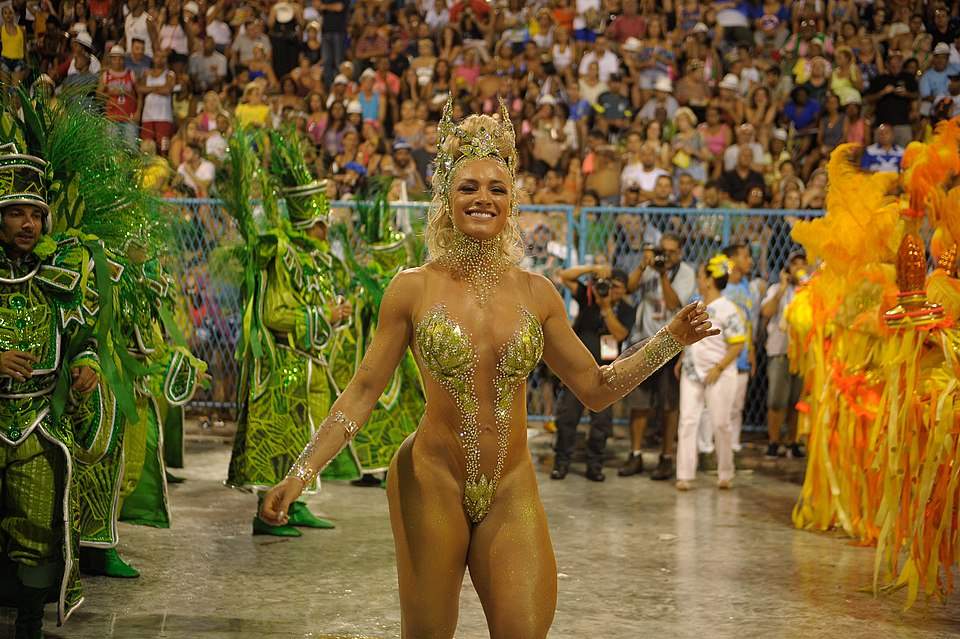
Portugal is a country of festivals, with celebrations year-round. From colorful Carnival parades and religious traditions to music, food, wine, and local festas, there is always something happening somewhere in Portugal.
This Portugal Festivals Calendar takes you month by month through the country’s best festivals and cultural celebrations. You’ll find major events, traditional festivals, seasonal celebrations, and useful tips for deciding when and where to go.
Festival dates can change each year, especially for religious and traditional events. Always check the official event website before making travel plans.
Last updated: August 2026
Quick Portugal Festivals Calendar
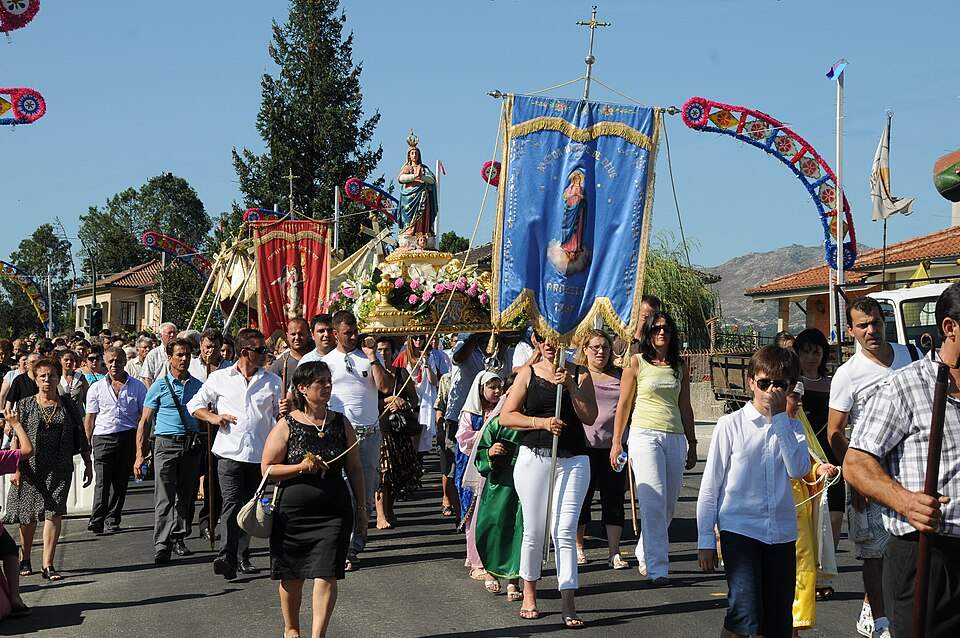 Portugal has festivals and cultural celebrations throughout the year. The busiest period is generally from late spring through summer, but major events also take place during Carnival, Easter, harvest season, and Christmas.
| Month | Festival Highlights | Where to Experience Them |
| January | New Year celebrations, Epiphany traditions | Madeira, Lisbon, Porto |
| February | Carnival, wine and food events | Madeira, Torres Vedras, Lisbon |
| March | Carnival celebrations, spring events, cultural festivals | Madeira, Lisbon, northern Portugal |
| April | Holy Week, Easter celebrations, spring festivals | Braga, Óbidos, Madeira |
| May | Flower Festival, religious celebrations, student festivals, cultural events | Madeira, Fátima, Braga, Coimbra |
| June | Santo António, São João, Corpus Christi, Atlantic Festival | Lisbon, Porto, Madeira, Braga |
| July | Music festivals, traditional festas, food and cultural events | Lisbon, Porto, Alentejo, Algarve |
| August | Summer music festivals, medieval fairs, pilgrimages, local festas | Algarve, northern Portugal, Alentejo |
| September | Madeira Wine Festival, harvest celebrations, cultural festivals | Madeira, Douro Valley, Lamego |
| October | Music, food, wine and regional cultural festivals | Lisbon, Porto, Azores, northern Portugal |
| November | São Martinho, chestnut festivals, wine and autumn celebrations | Central and northern Portugal |
| December | Christmas markets, Christmas celebrations, New Year’s Eve | Lisbon, Porto, Óbidos, Madeira |
Portugal Festivals by Month
Portugal’s festivals change with the seasons, local traditions, and religious calendars. Some months are packed with major celebrations, while others offer smaller regional events and cultural traditions.
From Carnival in February to the lively June saints’ festivals and autumn wine celebrations, each month offers a different way to experience Portugal. The sections below highlight the best festivals and events worth considering when planning your trip.
Festivals in Portugal in January
January is quieter, but Epiphany and the Festa das Fogaceiras offer distinctive local traditions.
Festa das Fogaceiras — Santa Maria da Feira
When: January 20
Where: Santa Maria da Feira
The Festa das Fogaceiras is one of Portugal’s distinctive January traditions. Each year, young girls dressed in white carry decorated fogaças, a traditional local cake, on their heads as part of a centuries-old religious celebration.
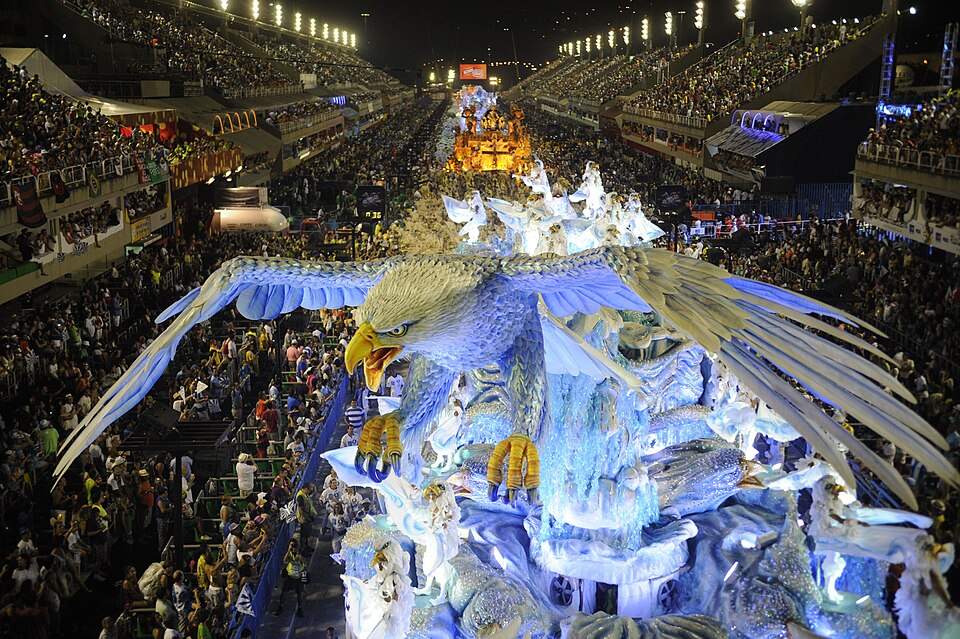 It offers travelers a chance to experience a traditional Portuguese festival outside the country’s main tourist cities.
Epiphany — Across Portugal
When: January 6
Epiphany, or Dia de Reis, marks the end of the traditional Christmas season in Portugal. The day is associated with bolo-rei, Christmas songs, and local traditions that vary between communities.
The Festa das Fogaceiras and Epiphany give January some cultural interest even though it is one of Portugal’s quieter festival months.
Festivals in Portugal in February
February is dominated by Carnival, with major celebrations in Madeira, Torres Vedras, and Loulé.
Carnival — Madeira
When: February or March
Where: Funchal, Madeira
Madeira’s Carnival is one of Portugal’s most spectacular annual celebrations. Funchal hosts colorful parades featuring elaborate costumes, decorated floats, music, and large crowds.
Carnival — Torres Vedras
When: February or March
Where: Torres Vedras
Torres Vedras is famous for its distinctive Portuguese Carnival traditions. Satirical characters, colorful costumes, floats, music, and street celebrations give it a character quite different from Madeira’s large-scale parades.
Carnival — Loulé
When: February or March
Where: Loulé, Algarve
Loulé hosts one of the Algarve’s best-known Carnival celebrations, with decorated floats, costumes, music, and street entertainment.
Fantasporto International Film Festival
When: February or March
Where: Porto
Fantasporto is one of Portugal’s best-known film festivals, with a long history dating back to 1981. It gives February a cultural alternative to the country’s Carnival celebrations.
Festivals in Portugal in March
March varies by year because Carnival, Holy Week, and Easter follow movable dates. Spring fairs and cultural events also begin.
Feira de Março — Aveiro
When: March–April
Where: Aveiro
The Feira de Março is a long-running fair in Aveiro that combines entertainment, food, cultural activities, and concerts. Because it runs across March and April, it fits naturally into both months of the calendar.
Porto Interceltic Festival
When: March
Where: Porto
The Porto Interceltic Festival celebrates Celtic music and culture, bringing performers and traditions from different parts of Europe to the city.
Agricultural and Cultural Festivals
March also marks the beginning of Portugal’s spring event season. Agricultural fairs, food events, handicraft markets, and regional celebrations become increasingly common as the weather improves.
The key point for March is that Carnival and Easter can fall in February, March, or April, so travelers should always check the year’s calendar.
Festivals in Portugal in April
April brings Holy Week, Easter celebrations, and spring events. Dates can shift between March, April, and May.
Holy Week — Braga
When: March or April
Where: Braga
Braga’s Semana Santa is one of Portugal’s major religious celebrations. Processions, concerts, religious ceremonies, and elaborate street events take place throughout the city.
The Ecce Homo procession on Holy Thursday is one of the best-known events during the celebrations.
Easter in Óbidos
When: March or April
Where: Óbidos
Óbidos provides another atmospheric setting for Easter celebrations. The historic town hosts religious events and seasonal activities that complement its medieval streets and architecture.
Madeira Flower Festival
When: April or May
Where: Funchal, Madeira
The Madeira Flower Festival brings spring to the streets of Funchal with floral displays, performances, decorated floats, and the famous Flower Parade.
Because its dates can extend into May, travelers should check the annual program before planning their trip.
Festivals in Portugal in May
May combines religious pilgrimages, traditional festivals, student celebrations, and spring events across Portugal.
Fátima Pilgrimage
When: May 13
Where: Fátima
May 13 is one of the most important dates in Portugal’s religious calendar. Large numbers of pilgrims travel to Fátima for ceremonies commemorating the reported apparitions of the Virgin Mary.
The main pilgrimage takes place around May 12 and 13.
Festa das Cruzes — Barcelos
When: Late April–early May
Where: Barcelos
The Festa das Cruzes is one of the major traditional celebrations of the Alto Minho region. It combines a religious procession with flower carpets, folklore, music, fireworks, and a large traditional fair.
For 2026, the official tourism calendar lists the event from April 30 to May 3.
Braga Romana
When: May
Where: Braga
Braga Romana recreates the city’s Roman past as Bracara Augusta. Streets fill with historical costumes, performances, markets, military displays, parades, and Roman-themed activities.
For 2026, the official tourism calendar lists the event from May 20 to 24.
Queima das Fitas — Coimbra
When: May
Where: Coimbra
Coimbra’s Queima das Fitas is one of Portugal’s most famous student celebrations. The event features colorful parades, concerts, ceremonies, and nightlife centered around the city’s university tradition.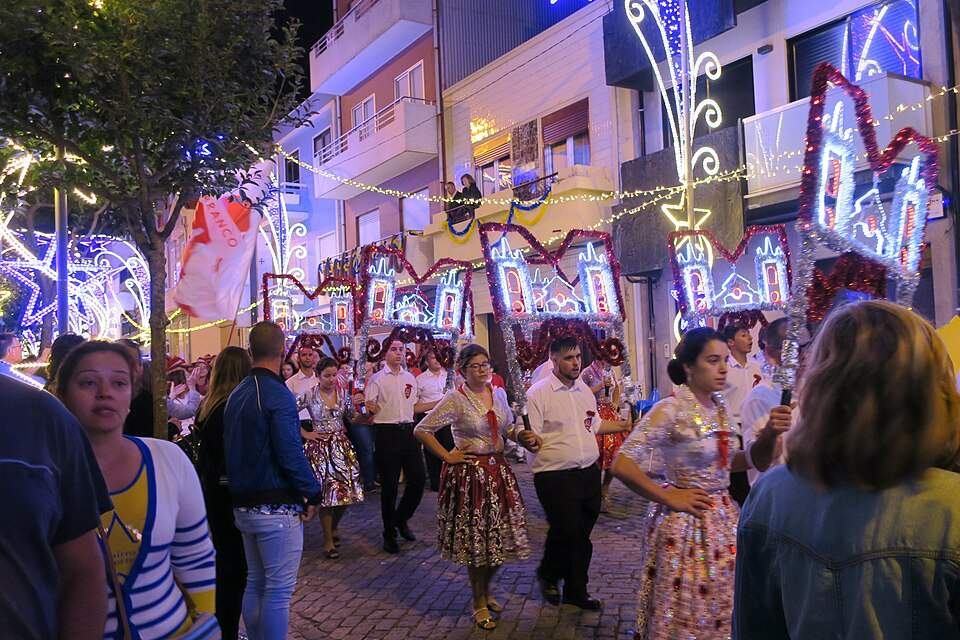
Festivals in Portugal in June
June is Portugal’s strongest month for traditional festivals, especially the Popular Saints celebrations.
Santo António Festival — Lisbon
Lisbon celebrates Santo António on June 12 and 13 with some of the city’s biggest annual street festivities. Santo António is Lisbon’s patron saint, and the celebrations combine religious traditions with neighborhood parties.
The historic districts become filled with decorations, music, grilled sardines, street food, and dancing. The Marchas Populares are among the main attractions, with neighborhood groups parading through the city in elaborate costumes and choreographed performances.
The evening of June 12 is particularly lively. Alfama, Mouraria, Bairro Alto, and other historic neighborhoods attract large crowds for street celebrations that continue into the night.
São João Festival — Porto
São João is Porto’s biggest annual celebration, reaching its peak on the night of June 23. The festival honors Saint John the Baptist and turns much of the city into one enormous street party.
Locals and visitors fill the streets with music, dancing, grilled food, and traditional festivities. One of the festival’s most unusual traditions involves people playfully hitting each other with plastic hammers and garlic flowers.
The celebration builds toward midnight, when crowds gather along the Douro River to watch the spectacular fireworks over the water.
If you want to experience São João, book accommodation well in advance. Central Porto becomes extremely busy around the festival.
Portugal’s Popular Saints Festivals
Santo António and São João are part of a much wider Portuguese tradition known as the Popular Saints celebrations. June also brings festivities dedicated to São Pedro, particularly around June 29.
Across Portugal, communities organize street parties, religious processions, music performances, dancing, bonfires, and traditional food. Grilled sardines, caldo verde, bread, and local drinks are common features of these celebrations.
The character of each festival varies from place to place. Major cities offer large public events, while smaller towns can provide a more intimate and traditional experience.
June is therefore an excellent month for travelers who want to experience Portuguese culture through local celebrations rather than formal attractions.
Festivals in Portugal in July
July brings a strong mix of outdoor music, arts, traditional festas, and cultural events.
Festival ao Largo — Lisbon
When: July
Where: Lisbon
Festival ao Largo brings free outdoor performances of symphonic music, ballet, and theatre to Lisbon. It provides a different experience from Portugal’s large commercial music festivals.
For 2026, the official tourism calendar lists the festival from July 3 to 25.
AgitÁgueda — Águeda
When: July
Where: Águeda
AgitÁgueda combines outdoor music, street performances, art, and colorful installations. It is particularly famous for Águeda’s creative streetscape and umbrella displays.
Boom Festival — Idanha-a-Nova
When: July
Where: Idanha-a-Nova
Boom Festival is an international arts and music event known for electronic music, visual arts, workshops, and alternative culture.
FMM Sines — Sines and Porto Covo
When: July
Where: Sines and Porto Covo
The FMM Sines – Festival Músicas do Mundo brings musicians from around the world to Portugal’s Atlantic coast. It combines international music with the historic and coastal setting of Sines and nearby Porto Covo.
July therefore gives travelers a broad choice between music, arts, classical performances, world music, and outdoor cultural events.
Festivals in Portugal in August
August is one of Portugal’s busiest festival months, with traditional festas, pilgrimages, medieval events, fairs, and music.
Festival do Crato — Alentejo
When: August
Where: Crato
Festival do Crato combines major music performances with a traditional crafts and gastronomy fair.
The 2026 edition is scheduled for August 26–29.
Medieval Days — Castro Marim
When: August
Where: Castro Marim, Algarve
Castro Marim returns to the Middle Ages with historical re-enactments, knights, markets, performances, traditional food, and events around the castle.
The 2026 edition is scheduled for August 26–30.
Festas da Senhora da Agonia — Viana do Castelo
When: August
Where: Viana do Castelo
This major Minho celebration combines religious processions with traditional costumes, music, fireworks, parades, and local cultural traditions.
Feira de São Mateus — Viseu
When: August–September
Where: Viseu
The historic Feira de São Mateus combines music, folklore, handicrafts, gastronomy, entertainment, and traditional fair activities.
Vilar de Mouros Festival
When: August
Where: Vila Nova de Cerveira
Vilar de Mouros is one of the oldest rock festival traditions on the Iberian Peninsula. It has developed from a local folk festival into an established summer music event.
August therefore offers an unusually broad mix of traditional festas, religious celebrations, medieval history, music, and regional fairs.
Festivals in Portugal in September
September shifts the focus toward wine, grape harvests, regional food, and late-summer cultural celebrations.
Madeira Wine Festival
When: August–September
Where: Madeira
The Madeira Wine Festival celebrates the grape harvest and the island’s famous wine traditions.
For 2026, the official tourism calendar lists the festival from August 27 to September 13.
Harvest Festival — Estreito de Câmara de Lobos
When: September
Where: Madeira
This celebration recreates traditional grape-harvesting customs, with music, food, processions, and opportunities to see Madeira’s wine traditions up close.
The 2026 event is scheduled for September 5.
Festival do Moscatel do Douro — Favaios
When: September
Where: Favaios, Douro
 This festival celebrates the Moscatel grape variety and the wine traditions of the Douro. The event includes music, folklore, a parade, and a communal toast featuring local Moscatel.
The 2026 edition is scheduled for September 11–13.
Feiras Novas — Ponte de Lima
When: September
Where: Ponte de Lima
Feiras Novas is one of the traditional celebrations of northern Portugal. The event combines processions, music, dancing, folklore, and local festivities.
Festivals in Portugal in October
October offers music, food, wine, history, and regional cultural events with fewer summer crowds.
AngraJazz — Azores
When: October
Where: Angra do Heroísmo, Terceira
AngraJazz is one of the Azores’ best-known music events. It gives travelers an opportunity to combine live jazz with a visit to the historic city of Angra do Heroísmo.
Feira de Santa Iria — Faro
When: October
Where: Faro
Feira de Santa Iria is Faro’s traditional autumn fair, combining entertainment, local culture, food, and fairground attractions.
National Gastronomic Festival — Santarém
When: October–November
Where: Santarém
The National Gastronomic Festival showcases Portugal’s regional food traditions. It is particularly useful for travelers who want to explore Portuguese cuisine beyond the better-known dishes found in Lisbon and Porto.
Festa dos Descobrimentos — Lagos
When: October–November
Where: Lagos
Lagos celebrates its maritime history with historical events, period costumes, processions, and activities connected with Portugal’s Age of Discoveries.
Festivals in Portugal in November
November is quieter, with seasonal traditions centered on São Martinho, chestnuts, new wine, and local gatherings.
São Martinho Celebrations
When: Around November 11
Where: Throughout Portugal
São Martinho is one of Portugal’s best-known autumn traditions. Communities gather around roasted chestnuts, new wine, and seasonal food, often as part of a traditional Magusto.
All Saints’ Day
When: November 1
Where: Throughout Portugal
All Saints’ Day is a national holiday in Portugal and is associated with religious observances and visits to cemeteries.
Festivals in Portugal in December
Christmas Markets Across Portugal
When: December
Where: Lisbon, Porto, Óbidos, Braga, Águeda, and other towns
Christmas markets and seasonal events offer local food, crafts, decorations, entertainment, and family activities.
Óbidos Vila Natal
When: Late November–early January
Where: Óbidos
Óbidos becomes a Christmas village with lights, performances, seasonal attractions, an ice rink, and family activities. The 2026–27 season is listed for November 27, 2026, to January 3, 2027.
Christmas and New Year’s Eve — Madeira
When: December–early January
Where: Funchal, Madeira
Madeira’s year-end program combines Christmas events, concerts, cultural activities, and the famous New Year’s Eve fireworks. The 2026–27 wider program runs from December 1, 2026, to January 10, 2027.
| Season | Best for | Festival highlights |
| Spring | Culture and religious traditions | Holy Week, Fátima, Flower Festival |
| Summer | Outdoor festivals and nightlife | Santo António, São João, music festivals |
| Autumn | Wine, food and harvests | Madeira Wine Festival, harvest events, São Martinho |
| Winter | Christmas and Carnival | Christmas markets, Madeira New Year, Carnival |
Major Festivals and Celebrations in Portugal
Portugal’s major festival calendar includes traditional street celebrations, Carnival, religious events, wine festivals, and summer cultural events.
São João Festival — Porto — June 23–24.
Santo António Festival — Lisbon — June 12–13.
Carnival — Madeira — February or March.
Holy Week — Braga — March or April.
Madeira Flower Festival — April or May.
Madeira Wine Festival — August or September.
Festa dos Tabuleiros — Tomar — July, every four years.
Festas da Senhora da Agonia — Viana do Castelo — August.
Festival do Crato — Alentejo — August.
Medieval Days — Castro Marim — August.
São Martinho Celebrations — Around November 11.
Christmas and New Year’s Eve — Madeira — December.
What Is the Best Month for Festivals in Portugal?
June through September generally offers the strongest concentration of festivals and outdoor celebrations in Portugal.
June is best for traditional celebrations such as Santo António in Lisbon and São João in Porto.
July is strongest for music and outdoor festivals, while August is ideal for local festas and pilgrimages.
September suits travelers interested in wine, grape harvests, and regional food. Carnival is usually in February or March, Holy Week in March or April, and Christmas celebrations in December.
| If you want… | Best month |
| Traditional Portuguese festivals | June |
| Music and outdoor festivals | July |
| Local festas and pilgrimages | August |
| Wine and harvest celebrations | September |
| Carnival | February or March |
| Holy Week and Easter traditions | March or April |
| Christmas celebrations | December |
What Types of Festivals Is Portugal Known For?
Portugal is best known for its traditional religious celebrations, lively street festivals, music events, and food and wine traditions. Many festivals combine several of these elements, giving each region its own distinctive character.
Traditional and Religious Festivals
Religious traditions remain an important part of Portugal’s festival culture. Holy Week, Santo António, São João, pilgrimages, and local saint celebrations bring processions, music, decorations, and community gatherings to towns across the country.
Music Festivals in Portugal
Portugal has a busy summer music scene covering everything from major international acts to jazz, classical, electronic, and alternative music. Many events take place outdoors during the warmer months.
Food and Wine Festivals in Portugal
Portugal’s strong culinary and wine traditions are celebrated throughout the year. Wine harvests, seafood, regional dishes, chestnuts, and local produce often form the centerpiece of regional festivals.
Carnival
Carnival is one of Portugal’s most colorful annual celebrations. Madeira, Torres Vedras, Sesimbra, and other destinations hold parades featuring costumes, floats, music, dancing, and street festivities.
Christmas and New Year Festivals
Portugal also celebrates the festive season with Christmas markets, illuminated town centers, traditional celebrations, and New Year’s Eve events. Madeira is particularly famous for its spectacular year-end celebrations and fireworks in Funchal.
Together, these traditions make Portugal’s festival calendar diverse enough to offer something in almost every season.
Are Portugal Festivals Family-Friendly?
Many festivals in Portugal are family-friendly, particularly traditional celebrations, cultural events, food festivals, Christmas markets, and daytime activities. Families can often enjoy parades, music, street performances, markets, and local traditions without needing to attend late-night events.
Best Festival Types for Families
Traditional and cultural festivals are usually the easiest choice for families. Medieval festivals, flower festivals, Christmas events, and local festas often include activities that appeal to children as well as adults.
The Madeira Flower Festival, for example, includes the popular Children’s Parade, while medieval events such as the Medieval Days in Castro Marim offer historical performances, costumes, markets, and entertainment.
Festivals That May Be Less Suitable
Large music festivals and late-night street celebrations can be more challenging with young children. Crowds, loud music, fireworks, and events continuing late into the night may not suit every family.
Major celebrations such as São João in Porto and Santo António in Lisbon can become extremely crowded during their busiest hours. Families with young children may prefer attending earlier in the evening and avoiding the most congested areas.
Tips for Families
- Choose daytime events and family-oriented programs.
- Check age restrictions for ticketed concerts and festivals.
- Book accommodation away from the busiest nightlife areas.
- Carry ear protection for children at loud events.
- Check transport arrangements before attending evening celebrations.
Portugal’s festivals vary greatly from one event to another, so check the official program before deciding whether a particular celebration suits your family.
How Much Do Portugal Festivals Cost?
Portugal festivals can range from completely free public celebrations to expensive multi-day music festivals. Your total cost depends mainly on the type of festival, destination, accommodation, and whether you need a festival ticket.
Traditional Festivals Are Often Free
Many of Portugal’s traditional street festivals and religious celebrations are free to watch and attend. Events such as Santo António in Lisbon and many local festas take place in public streets and squares without an admission charge.
For example, Lisbon’s 2026 Santos Populares market at Rossio offered free entry.
You may still spend money on food, drinks, transport, or paid activities during the celebrations.
Music Festivals Usually Require Tickets
Major commercial music festivals normally charge admission, with prices varying according to the event and ticket type.
For example, Rock in Rio Lisboa 2026 listed general admission at €89 for a one-day ticket, while premium options cost considerably more. Smaller music festivals can be much cheaper; Funchal Jazz 2026 listed individual tickets at €15 and a three-day pass at €40.
Cultural and Medieval Festivals Can Be Inexpensive
Some cultural festivals are free, while others charge a small entrance fee.
For example, Festa Templária in Tomar charged €3 for a day pass and €5 for a four-day pass in 2026. Children up to age 10 could enter free.
The Madeira Flower Festival is another example where much of the celebration can be enjoyed for free from the streets, although reserved seating for some events may cost extra.
Accommodation Can Be the Biggest Expense
Even when a festival itself is free, accommodation can become considerably more expensive during major events.
This is particularly important for popular celebrations such as São João in Porto, Santo António in Lisbon, Madeira Carnival, and Madeira’s New Year’s Eve celebrations.
If you are traveling specifically for a major festival, booking accommodation early can make a significant difference to your overall budget.
A Simple Festival Budget Guide
| Festival type | Typical admission |
| Traditional street festivals | Often free |
| Religious celebrations | Usually free |
| Christmas markets | Usually free |
| Cultural and medieval festivals | Free to low-cost |
| Smaller music festivals | Often €15–€60+ |
| Major music festivals | Often €50–€100+ per day |
| Premium/VIP festival tickets | Can exceed €150 |
These are broad planning ranges rather than fixed prices. Festival prices change every year, and some events have free public areas alongside separately ticketed activities.
For the most accurate cost, check the official festival website before booking. Portugal’s festival calendar includes many free public celebrations alongside ticketed events, so you can enjoy the country’s festival culture on almost any budget.
How Far Ahead Should You Book for a Portugal Festival?
Not every Portuguese festival requires advance booking. Many traditional festas, religious processions, and street celebrations are free to attend. However, major festivals can make accommodation, flights, and transport much harder to find, particularly during Portugal’s peak summer season.
Festivals That Usually Do Not Require Advance Booking
Traditional street festas, religious processions, local food festivals, and many Christmas markets usually do not require advance tickets.
- Traditional street festas
- Religious processions
- Local food festivals
- Christmas markets
- Many public cultural events
Even when admission is free, however, booking accommodation early is still wise if the event is particularly popular.
What Should You Book First?
If a festival is the main reason for your trip, prioritize your arrangements in this order:
- Accommodation — Popular festival destinations can fill quickly.
- Flights or long-distance transport — Prices can rise around major events.
- Festival tickets — Important for ticketed music and cultural events.
- Local transport — Check for special services, road closures, and altered routes.
Use the official tourism calendar to discover events, then confirm final details with the festival organizer.
Portugal Festivals Calendar FAQ
What are the biggest festivals in Portugal?
Major events include São João in Porto, Santo António in Lisbon, Carnival in Madeira, Holy Week in Braga, the Madeira Flower Festival, and the Madeira Wine Festival.
What month has the most festivals in Portugal?
June through August generally has the highest concentration of festivals. June is strongest for traditional celebrations, while July and August add many outdoor events.
What festivals are held in Portugal in June?
Santo António in Lisbon and São João in Porto are the best-known June festivals. Popular Saints celebrations also take place nationwide.
What is Portugal’s most famous festival?
São João in Porto is one of Portugal’s most famous festivals, with major celebrations on the night of June 23.
What are the best traditional festivals in Portugal?
Notable traditional festivals include São João, Santo António, Festa dos Tabuleiros, Festas da Senhora da Agonia, and Holy Week in Braga.
When is Carnival celebrated in Portugal?
Carnival usually falls in February or March, depending on Easter. Madeira, Torres Vedras, and Sesimbra are among the best-known destinations.
What festivals are held in Portugal in September?
September is especially strong for wine and harvest events, including the Madeira Wine Festival and regional celebrations in Portugal’s wine-producing areas.
Where Can You Check Portugal Festival Dates?
Festival dates can change, especially for religious and local events. Confirm dates with an official tourism authority or the festival organizer before booking.
Visit Portugal — National Event Calendar
Portugal’s official tourism website maintains a searchable national events calendar covering hundreds of events across the country. You can filter events by date, region, location, and type, making it one of the best starting points for checking festivals and cultural events.
Visit Portugal – Events Calendar
Visit Madeira — Official Event Calendar
Madeira has its own detailed official events calendar covering festivals, music, gastronomy, religion, Christmas, and other cultural events. It is particularly useful when checking dates for Carnival, the Flower Festival, Atlantic Festival, Wine Festival, and Christmas and New Year’s Eve celebrations.
Visit Madeira – Annual Events Calendar
Azores — Official What’s On Calendar
The Azores has an official What’s On platform covering festivals, religious celebrations, gastronomy, music, exhibitions, and other events across the islands. It is useful when planning a trip around an event in São Miguel, Terceira, Faial, Pico, or another Azorean island.
Check the Individual Festival Website
Official tourism calendars are excellent starting points, but major festivals may publish their detailed programs separately. Check the individual organizer’s website or official social channels for ticket information, schedules, venue changes, and last-minute announcements.
For the most accurate planning, use the tourism calendar to discover events, and then confirm the final details with the event organizer before traveling.
Final Thoughts
Portugal’s festival calendar spans traditional festas, Carnival, religious celebrations, music, food, wine, and Christmas events.
June is strongest for traditional celebrations, while July and August offer the widest choice of summer events. September is ideal for wine and harvest experiences.
Before booking, confirm the latest dates and program with the official tourism authority or festival organizer, especially for events with movable dates.
