

Jane Sophia | Last Updated: June 2026
Introduction
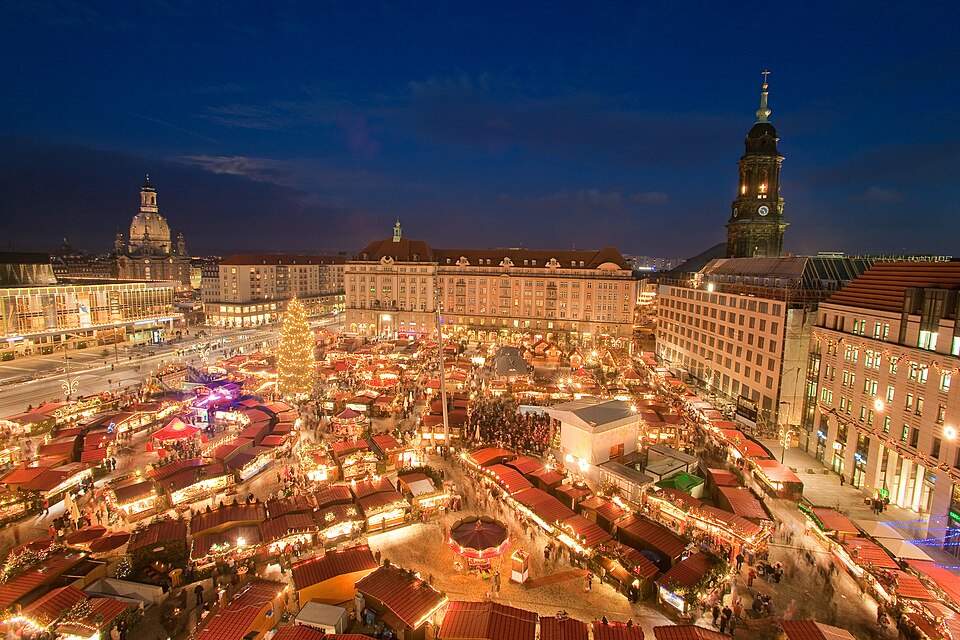
Germany Christmas markets are among the most famous holiday experiences in Europe. From large city markets to centuries-old town squares, Germany offers festive lights, seasonal food, handcrafted gifts, and holiday traditions that attract millions of visitors each winter.
Germany is often called the Christmas market capital of the world. The country hosts thousands of Christmas markets every year, ranging from small local events to internationally known celebrations. Many of the traditions seen at Christmas markets across Europe started in Germany and continue today.
What makes German Christmas markets stand out is their variety. You can sip hot Glühwein in a medieval town, browse handcrafted ornaments in historic city centers, or enjoy festive concerts beneath illuminated church towers. Each market has its own atmosphere, food specialties, and local traditions.
For first-time visitors, Germany offers some of Europe’s most iconic Christmas markets. Cities like Nuremberg, Dresden, Cologne, Munich, and Stuttgart attract travelers from around the world. Smaller destinations such as Rothenburg ob der Tauber and Heidelberg provide a different experience with fewer crowds and a more intimate setting.
Food is also a major part of the experience. Travelers can sample grilled Bratwurst, freshly baked Lebkuchen, traditional Stollen, roasted chestnuts, potato pancakes, and warm mugs of Glühwein. Many regional specialties only appear during the Christmas season.
Germany’s Christmas market season typically begins in late November and continues until Christmas Eve, though some markets remain open through the end of December. The weeks leading up to Christmas bring the most festive atmosphere, but they also attract the largest crowds.
In this Germany Christmas Markets Guide 2026, you’ll find the best markets to visit, practical travel tips, itinerary ideas, local foods to try, and advice on choosing the right destinations for your travel style. Whether you are planning your first Christmas market trip or returning to Germany for another winter adventure, this guide will help you make the most of the season.
What Are the Best Christmas Markets in Germany?
Short Answer: The best Christmas markets in Germany include Nuremberg, Dresden, Cologne, Munich, and Rothenburg ob der Tauber. These markets combine festive decorations, traditional food, handmade gifts, and centuries-old holiday traditions. Each offers a different experience, from large city celebrations to smaller medieval settings, making them popular choices for Christmas market trips in 2026.
Germany Christmas Markets 2026 at a Glance
Short Answer: Germany offers Christmas markets for every travel style. Nuremberg is best for first-time visitors, Dresden excels in tradition, Cologne suits city-break travelers, Munich works well for families, and Rothenburg ob der Tauber is a favorite among photographers.
The table below provides a quick overview of some of Germany’s most popular Christmas markets, including their typical dates, highlights, and crowd levels.
Quick Comparison Table
| Market | City | Dates (Typical) | Best For | Crowd Level |
| Nuremberg Christkindlesmarkt | Nuremberg | Late Nov–Dec 24 | Traditional Experience | Very High |
| Dresden Striezelmarkt | Dresden | Late Nov–Dec 24 | History & Tradition | High |
| Cologne Christmas Markets | Cologne | Late Nov–Dec 23 | City Breaks | High |
| Munich Christmas Market | Munich | Late Nov–Dec 24 | Families | High |
| Rothenburg Reiterlesmarkt | Rothenburg ob der Tauber | Late Nov–Dec 23 | Photography | Moderate |
Best Germany Christmas Markets by Travel Goal
If you’re unsure where to start, use this quick guide to match your travel style with the right Christmas market.
| Market | Best For | Days Needed |
| Nuremberg | First-Time Visitors | 1–2 Days |
| Dresden | Traditional Christmas Experience | 1–2 Days |
| Cologne | City Break Travelers | 2 Days |
| Munich | Families and Sightseeing | 2–3 Days |
| Rothenburg ob der Tauber | Photography and Couples | 1 Day |
| Stuttgart | Families with Children | 1–2 Days |
| Berlin | Variety and Multiple Markets | 2–3 Days |
| Aachen | Food Lovers | 1 Day |
For most first-time visitors, a combination of Nuremberg and Munich offers the best introduction to Germany’s Christmas market traditions. Travelers with more time can add Dresden or Cologne for a broader experience.
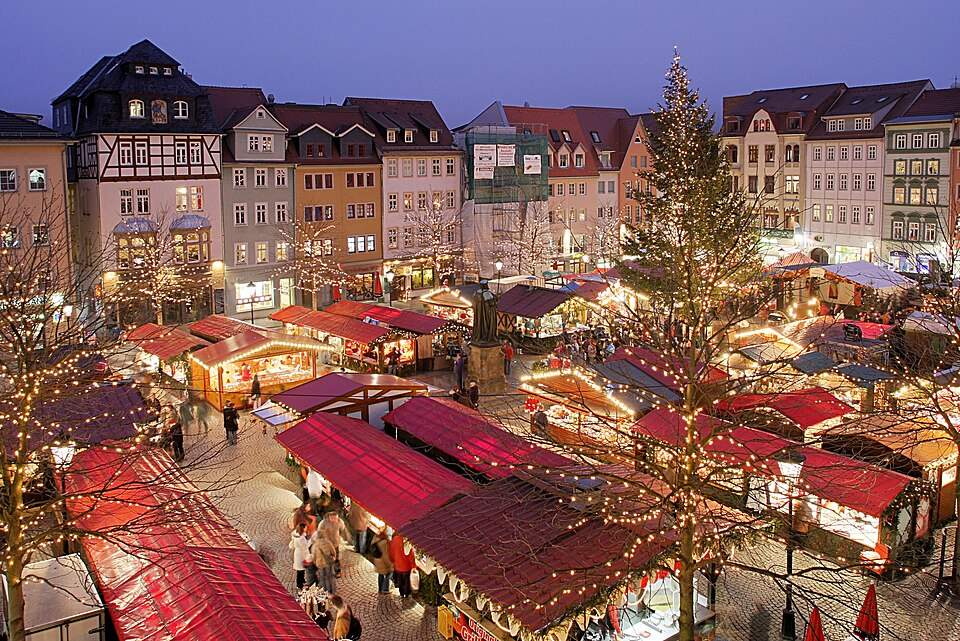
Short Answer: Germany offers Christmas markets for every travel style. Nuremberg and Dresden are known for tradition, Cologne attracts large crowds, Munich blends history with city attractions, and Rothenburg ob der Tauber delivers a medieval atmosphere. This quick comparison helps travelers choose the right market for their trip.
Quick Comparison Table
| Market | City | Expected Dates (2026)* | Best For | Crowd Level |
| Nuremberg Christkindlesmarkt | Nuremberg | Late Nov – Dec 24 | First-time visitors, traditional atmosphere | Very High |
| Dresden Striezelmarkt | Dresden | Late Nov – Dec 24 | History, traditional German Christmas markets | High |
| Cologne Christmas Markets | Cologne | Late Nov – Dec 23 | Cathedral views, festive atmosphere | Very High |
| Munich Christmas Market | Munich | Late Nov – Dec 24 | Families, city sightseeing | High |
| Rothenburg ob der Tauber Reiterlesmarkt | Rothenburg ob der Tauber | Late Nov – Dec 23 | Medieval setting, photography | Medium |
| Stuttgart Christmas Market | Stuttgart | Late Nov – Dec 23 | Large market experience | High |
| Frankfurt Christmas Market | Frankfurt | Late Nov – Dec 22 | Short city breaks | High |
| Berlin Christmas Markets | Berlin | Late Nov – Dec 31 (varies) | Variety and nightlife | High |
| Leipzig Christmas Market | Leipzig | Late Nov – Dec 23 | Families and local traditions | Medium |
| Heidelberg Christmas Market | Heidelberg | Late Nov – Dec 22 | Couples and scenic surroundings | Medium |
| Hamburg Christmas Market | Hamburg | Late Nov – Dec 23 | Waterfront city experience | Medium |
| Aachen Christmas Market | Aachen | Late Nov – Dec 23 | Food lovers and day trips | Medium |
| Bremen Christmas Market | Bremen | Late Nov – Dec 23 | Historic city center | Medium |
| Düsseldorf Christmas Markets | Düsseldorf | Late Nov – Dec 30 (varies) | Shopping and festive lights | Medium |
| Baden-Baden Christmas Market | Baden-Baden | Late Nov – Dec 28 (varies) | Relaxed atmosphere and spa breaks | Low to Medium |
*Dates are based on typical opening periods. Official 2026 dates should be confirmed closer to the season.
When Do Germany Christmas Markets Open in 2026?
Short Answer: Most Germany Christmas markets open between late November and early December and run until December 23 or December 24. Some larger markets, including several in Berlin and Munich, may continue through late December. The best time to visit depends on whether you prefer festive crowds or a quieter experience.
Typical Opening Dates
Most Christmas markets in Germany follow a similar schedule each year.
- Opening period: Late November 2026
- Peak season: Early December to Christmas Eve
- Closing period: December 23–24, 2026
- Extended markets: Selected cities remain open until late December
Large destinations such as Nuremberg, Dresden, Cologne, Munich, and Stuttgart usually open during the final week of November. Official dates are often announced several months before the season begins.
If your travel plans are flexible, check official market websites before booking flights and hotels.
Best Time to Visit Germany Christmas Markets
The best time to visit Germany Christmas markets is during the first two weeks of December.
During this period, markets offer a festive atmosphere, seasonal food, and holiday entertainment without the extreme crowds often seen closer to Christmas.
For most travelers:
- Early December offers the best balance.
- Mid-December provides the most festive atmosphere.
- Christmas week brings the largest crowds.
Photographers often prefer early mornings and weekday evenings. Families may enjoy visiting before local schools begin their holiday breaks.
Weekdays vs Weekends
Weekdays provide a more relaxed Christmas market experience.
Crowds are smaller, hotel prices may be lower, and popular food stalls often have shorter lines. You will also find it easier to take photos and browse gift stalls.
Weekends feel more festive but also become much busier.
Expect:
- Larger crowds
- Longer food and drink queues
- Higher hotel rates
- Packed train stations
If you are visiting famous markets such as Nuremberg, Dresden, or Cologne, aim for Monday through Thursday whenever possible. You will spend less time waiting and more time enjoying the market atmosphere.
Germany Christmas Markets in November vs December
Short Answer: Late November is best for smaller crowds and lower prices, early December offers the best balance of atmosphere and convenience, and the weeks just before Christmas provide the most festive experience but also the largest crowds. For most travelers, early December is the ideal time to visit Germany’s Christmas markets.
The timing of your trip can significantly affect your experience. Crowd levels, hotel prices, weather, and market atmosphere all change as Christmas approaches. Choosing the right period depends on your priorities and travel style.
Visiting in Late November
Short Answer: Late November is the best choice for travelers seeking lower prices, fewer crowds, and a more relaxed Christmas market experience.
Most major German Christmas markets begin opening during the final week of November. Decorations are fresh, festive lights are switched on, and markets feel lively without being overcrowded.
Accommodation is often cheaper than in mid-December, and train tickets may also be easier to secure at reasonable prices.
Advantages
- Smaller crowds
- Lower hotel prices
- Easier restaurant reservations
- Better photo opportunities
- More relaxed atmosphere
Potential Drawbacks
- Some markets may not yet be fully operational
- Fewer special events during opening week
- Less festive energy compared with December
Best For: Budget travelers, photographers, couples, and travelers who dislike crowds.
Visiting in Early December
Short Answer: Early December offers the best overall balance of atmosphere, weather, crowd levels, and availability.
By early December, Christmas markets are fully operational and seasonal events are in full swing. Holiday decorations, performances, and food stalls are all active, creating the classic Christmas market experience most visitors expect.
Crowds increase compared with November, but they remain manageable on weekdays.
Advantages
- Full Christmas market atmosphere
- Most events and performances are underway
- Moderate crowd levels
- Good hotel availability if booked early
- Excellent balance between energy and comfort
Potential Drawbacks
- Prices begin rising
- Popular markets become busy on weekends
Best For: First-time visitors, families, and travelers seeking the classic German Christmas market experience.
Visiting Just Before Christmas
Short Answer: The weeks leading up to Christmas offer the most festive atmosphere but also the highest prices and largest crowds.
During the final two weeks before Christmas, Germany’s Christmas markets reach their peak. Streets become busier, decorations appear at their best, and seasonal excitement is everywhere.
For many travelers, this is the most magical time to visit. For others, the crowds and costs can be challenging.
Advantages
- Peak Christmas atmosphere
- Full schedule of seasonal events
- Festive city decorations
- Most vibrant market experience
Potential Drawbacks
- Highest hotel prices
- Crowded trains and attractions
- Long food and drink queues
- Accommodation sells out quickly
Best For: Christmas enthusiasts, families traveling during school holidays, and visitors who prioritize atmosphere over convenience.
November vs December Comparison
| Factor | Late November | Early December | Mid–Late December |
| Crowd Levels | Low | Moderate | High |
| Hotel Prices | Lowest | Moderate | Highest |
| Christmas Atmosphere | Good | Excellent | Outstanding |
| Photography Opportunities | Excellent | Very Good | Moderate |
| Special Events | Limited | Good | Excellent |
| Availability | High | Moderate | Limited |
| Overall Value | Excellent | Excellent | Moderate |
So, When Is the Best Time to Visit?
Short Answer: Early December is the best time to visit Germany’s Christmas markets for most travelers.
It provides the strongest combination of festive atmosphere, manageable crowds, active events, and reasonable accommodation availability.
If your priority is saving money, choose late November. If your goal is to experience Christmas at its peak, visit during the final two weeks before Christmas. For everyone else, early December offers the most balanced and rewarding experience.
Special Events at Germany Christmas Markets in 2026
Short Answer: Germany’s Christmas markets are more than festive shopping destinations. Many feature opening ceremonies, traditional festivals, Christmas concerts, and seasonal performances that add extra magic to the holiday season. Planning your trip around these events can make your Christmas market experience even more memorable.
While the markets themselves are the main attraction, special events often become the highlights of a visit. From Dresden’s famous Stollen celebrations to Nuremberg’s iconic Christkind opening ceremony, these traditions attract visitors from around the world each year.
Christmas Market Opening Ceremonies
Short Answer: Opening ceremonies mark the official start of the Christmas market season and often feature music, performances, speeches, and festive celebrations.
Many German Christmas markets begin with a formal opening event in late November. Local officials, performers, choirs, and Christmas characters often participate in these celebrations.
For travelers, opening days offer a unique opportunity to experience local traditions and festive excitement as the holiday season officially begins.
Popular markets with notable opening ceremonies include:
| Market | Opening Ceremony Highlight |
| Nuremberg | Christkind Prologue |
| Dresden | Traditional opening celebrations |
| Cologne | Cathedral market opening events |
| Munich | Christmas tree lighting ceremonies |
Opening weekends can be crowded, but they also provide some of the most festive atmospheres of the entire season.
Stollen Festival in Dresden
Short Answer: Dresden’s Stollen Festival is one of Germany’s most famous Christmas events and celebrates the city’s iconic Christmas bread.
The festival typically takes place during the Christmas market season and centers around the world-famous Dresden Stollen. Bakers create a giant Stollen loaf, which is paraded through the city before being ceremonially cut and shared.
Visitors can watch festive processions, enjoy live entertainment, and learn about one of Germany’s best-known Christmas baking traditions.
Food lovers often consider the Stollen Festival one of the most unique Christmas market events in Europe.
Why Attend?
- Experience a unique German Christmas tradition.
- Taste authentic Dresden Stollen.
- Watch festive parades and performances.
- Enjoy one of Dresden’s signature seasonal events.
Nuremberg Christkind Opening
Short Answer: The Nuremberg Christkind Opening is one of Germany’s most iconic Christmas market traditions and marks the official start of the famous Christkindlesmarkt.
The ceremony takes place in Nuremberg’s historic market square and features the Christkind delivering a traditional Christmas prologue from the balcony overlooking the market.
Thousands of visitors gather each year to witness the event, which has become one of Germany’s most recognized Christmas traditions.
For many travelers, attending this ceremony is a bucket-list Christmas market experience.
Why Attend?
- See Germany’s most famous Christmas market opening.
- Experience a centuries-old holiday tradition.
- Enjoy one of the season’s most photographed events.
- Immerse yourself in authentic German Christmas culture.
Christmas Concerts and Seasonal Performances
Short Answer: Christmas concerts, choir performances, and seasonal entertainment take place throughout Germany’s Christmas market season and help create the festive atmosphere visitors love.
Many markets host daily or weekly performances featuring:
- Christmas choirs
- Brass bands
- Classical music ensembles
- Children’s performances
- Seasonal storytelling events
Large cities such as Munich, Cologne, Berlin, and Dresden often feature extensive cultural programs throughout the holiday season.
Even smaller markets frequently organize local performances that provide a more traditional and community-focused atmosphere.
Best Markets for Seasonal Entertainment
| Market | Entertainment Highlights |
| Dresden | Choirs and traditional performances |
| Cologne | Cathedral-area concerts |
| Munich | Seasonal music and cultural events |
| Berlin | Diverse holiday entertainment |
| Nuremberg | Christmas performances and ceremonies |
Travel Planning Tip
If special events are important to you, check official market schedules before booking your trip. Some of the most famous ceremonies and festivals occur on specific dates and can attract large crowds. Planning around these events can transform a good Christmas market visit into a truly memorable holiday experience.
Map of the Best Christmas Markets in Germany
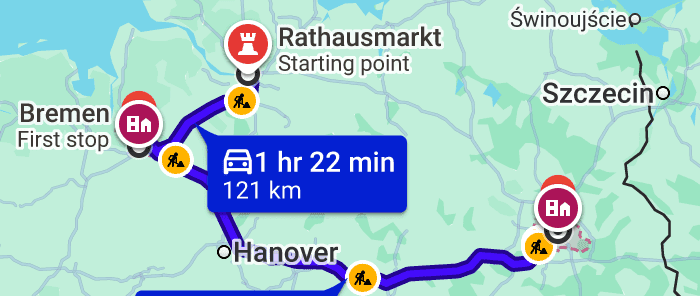 Short Answer: Germany’s best Christmas markets are spread across the country. Northern cities such as Hamburg and Bremen offer maritime holiday charm, central Germany is home to famous markets in Cologne and Frankfurt, and southern Germany features traditional favorites like Nuremberg, Munich, and Rothenburg ob der Tauber.
Northern Germany Markets
Northern Germany combines historic ports, city lights, and traditional Christmas celebrations.
Popular markets include:
- Hamburg Christmas Market
- Bremen Christmas Market
- Berlin Christmas Markets
These markets suit travelers who enjoy large cities, varied attractions, and easy transportation connections. Hamburg and Bremen also work well as part of a northern Germany winter itinerary.
Central Germany Markets
Central Germany contains several of the country’s most famous Christmas markets.
Key destinations include:
- Cologne Christmas Markets
- Frankfurt Christmas Market
- Aachen Christmas Market
Cologne attracts visitors with its market setting near the famous cathedral. Frankfurt is a convenient choice for international travelers because of its major airport and rail connections.
Southern Germany Markets
Southern Germany is often considered the heart of German Christmas market traditions.
Top markets include:
- Nuremberg Christkindlesmarkt
- Munich Christmas Market
- Rothenburg ob der Tauber Reiterlesmarkt
- Stuttgart Christmas Market
- Heidelberg Christmas Market
- Baden-Baden Christmas Market
Many first-time visitors choose southern Germany because several iconic markets are located within a relatively short train journey of one another. This region also offers some of the most traditional Christmas foods, decorations, and holiday customs.
Suggested Germany Christmas Market Route
Travelers with one week can visit several famous markets in a single trip.
A popular route is:
Munich → Nuremberg → Rothenburg ob der Tauber → Frankfurt → Cologne
This itinerary combines medieval towns, large city markets, and some of Germany’s best-known Christmas experiences while keeping travel times manageable.
15 Best Germany Christmas Markets to Visit in 2026
Short Answer: The best Christmas markets in Germany range from world-famous events in Nuremberg and Dresden to smaller markets in historic towns such as Rothenburg ob der Tauber. Each market offers its own atmosphere, food traditions, and holiday experiences, making Germany one of Europe’s top winter destinations.
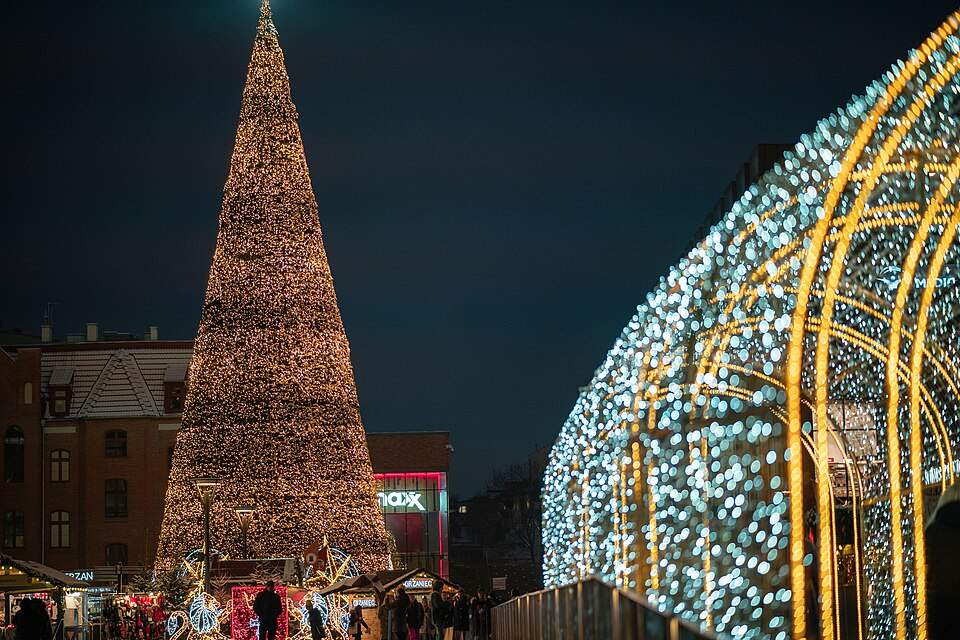 Germany hosts thousands of Christmas markets every year, but a handful stand above the rest. Some attract millions of visitors with large festive displays, while others focus on local traditions and a more intimate atmosphere.
The markets featured below were selected based on their history, visitor experience, seasonal food, festive atmosphere, accessibility, and overall appeal for international travelers. Whether you are planning your first Christmas market trip or returning to Germany for another winter holiday, these destinations offer some of the country’s most memorable seasonal experiences.
1. Nuremberg Christmas Market (Christkindlesmarkt)
Short Answer: Nuremberg Christmas Market is Germany’s most iconic Christmas market. It combines centuries-old traditions, festive decorations, famous local food, and one of the most recognizable Christmas atmospheres in Europe.
History
The Nuremberg Christkindlesmarkt traces its origins to the 16th century. It has become one of Germany’s best-known Christmas markets while maintaining many of the traditions that made it famous.
Unlike some markets that have expanded into large entertainment events, Nuremberg continues to focus on traditional Christmas customs, handcrafted products, and local food. This commitment to authenticity attracts visitors from across Europe and beyond.
Highlights
The market takes place in Nuremberg’s historic Hauptmarkt square, surrounded by beautiful medieval architecture and festive lighting.
Rows of red-and-white decorated wooden stalls create a classic Christmas setting that many travelers picture when planning a German winter trip. The traditional opening ceremony, seasonal performances, and festive decorations add to the atmosphere throughout the season.
Evening visits are often the most rewarding. As darkness falls, the illuminated stalls and historic buildings create one of Germany’s most recognizable Christmas scenes.
Signature Food
Food plays a major role in the Nuremberg Christmas market experience.
The city’s famous Nuremberg Bratwurst remains the most popular local specialty. These small grilled sausages are typically served in a bread roll and make an ideal snack while exploring the market.
Travelers should also try Lebkuchen, a traditional gingerbread closely associated with Nuremberg. Other seasonal favorites include roasted almonds, warm pastries, and mugs of Glühwein that help visitors stay warm on cold winter evenings.
Nearby Attractions
Most visitors spend at least a full day in Nuremberg, though two days allow more time to explore the city.
The medieval Old Town offers attractive walking routes, historic churches, museums, and local restaurants. Nuremberg Castle provides excellent views across the city, while the surrounding streets are filled with traditional architecture and festive decorations during the Christmas season.
Many travelers also use Nuremberg as a base for visiting nearby destinations such as Rothenburg ob der Tauber, making it an excellent starting point for a Christmas market itinerary through southern Germany.
Who Should Visit?
Nuremberg is an excellent choice for first-time visitors, families, food lovers, and travelers seeking a traditional German Christmas market experience.
Verdict
If you only have time to visit one Christmas market in Germany, Nuremberg is often the safest choice. It delivers the classic Christmas atmosphere many travelers imagine when planning a winter trip to Germany.
2. Dresden Striezelmarkt
Short Answer: Dresden Striezelmarkt is one of Germany’s oldest Christmas markets and a favorite among travelers looking for traditional holiday celebrations, festive decorations, and authentic Saxon Christmas traditions.
History
Founded in 1434, Dresden Striezelmarkt is widely regarded as one of the oldest Christmas markets in the world. Its long history gives it a distinct character that differs from many modern Christmas events.
The market takes its name from “Striezel,” an early form of the famous Dresden Stollen. Over the centuries, it has evolved into one of Germany’s most respected Christmas destinations while preserving its traditional roots.
Highlights
Dresden’s market combines historic charm with a festive atmosphere. Large Christmas pyramids, handcrafted decorations, and beautifully decorated stalls fill the market square during the holiday season.
The market is known for its family-friendly atmosphere and traditional entertainment. Seasonal performances, festive music, and Christmas displays create a welcoming environment throughout the season.
Many visitors appreciate that Dresden feels slightly more traditional and less commercial than some of Germany’s larger Christmas markets.
Signature Food
Dresden is famous for its Christmas baking traditions.
The city’s most celebrated specialty is Dresden Stollen, a fruit-filled Christmas bread that has become known around the world. Freshly baked pastries, roasted nuts, sausages, and warm Glühwein are also widely available throughout the market.
Trying authentic Dresden Stollen is one of the highlights of visiting the city during Christmas.
Nearby Attractions
Dresden offers plenty to explore beyond the Christmas market.
The historic city center features impressive architecture, museums, and riverside views along the Elbe. Visitors can easily spend two or three days exploring the city’s cultural attractions while enjoying the festive atmosphere.
Who Should Visit?
Dresden suits travelers who appreciate history, traditional Christmas customs, and authentic local experiences.
Verdict
If traditional atmosphere matters more than size, Dresden may be the most rewarding Christmas market destination in Germany.
3. Cologne Christmas Markets
Short Answer: Cologne Christmas Markets are among the most visited in Germany. Their setting near Cologne Cathedral, festive lighting, and variety of themed markets make Cologne a popular choice for first-time visitors.
History
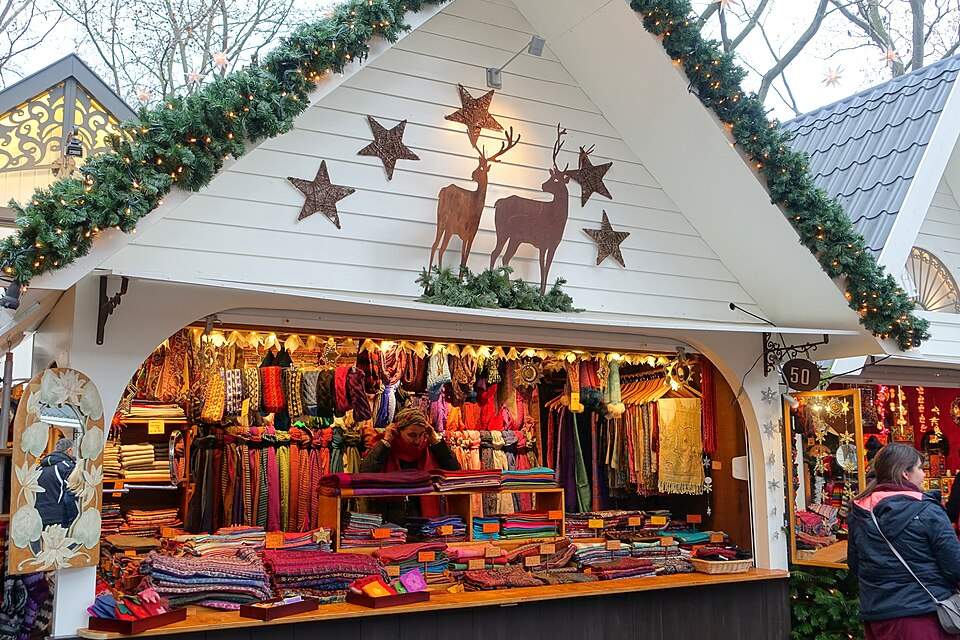 Christmas markets have been part of Cologne’s winter traditions for centuries. Today, the city hosts several markets, each offering a slightly different atmosphere and experience.
This variety makes Cologne unique. Rather than visiting a single market, travelers can explore multiple festive areas throughout the city.
Highlights
The most famous market sits in front of Cologne Cathedral and attracts visitors from around the world.
The city’s Christmas markets feature beautifully decorated stalls, seasonal entertainment, live music, and impressive evening lighting displays. Walking between different markets adds variety and allows visitors to experience several festive settings in one trip.
The combination of Christmas decorations and the cathedral’s dramatic backdrop creates one of Germany’s most photographed holiday scenes.
Signature Food
Food lovers will find plenty of options throughout Cologne’s markets.
Traditional Bratwurst, potato pancakes, roasted chestnuts, and warm pastries remain popular choices. Visitors can also sample regional Rhineland specialties alongside classic Christmas treats and Glühwein.
The variety of food stalls is one of Cologne’s strongest attractions.
Nearby Attractions
Cologne is easy to explore on foot.
Beyond the Christmas markets, visitors can tour Cologne Cathedral, walk along the Rhine River, and explore the city’s shopping districts and museums. The city also serves as an excellent base for day trips to nearby destinations such as Aachen and Düsseldorf.
Who Should Visit?
Cologne is ideal for first-time visitors, couples, city-break travelers, and photographers.
Verdict
For travelers seeking a lively Christmas atmosphere with multiple markets in one destination, Cologne ranks among Germany’s best choices.
4. Munich Christmas Market
Short Answer: Munich Christmas Market combines Bavarian traditions, historic surroundings, festive food, and easy access to other southern Germany destinations. It is one of the country’s most enjoyable Christmas market cities.
History
Munich’s Christmas market traditions date back several centuries. The city’s main market takes place in Marienplatz, the historic heart of Munich.
Over time, Munich has expanded its Christmas offerings and now hosts several markets throughout the city, each with its own character and theme.
Highlights
The market’s location in Marienplatz creates a festive atmosphere surrounded by historic buildings and seasonal decorations.
Visitors can enjoy Christmas lights, festive performances, and traditional Bavarian holiday celebrations while exploring the city center. Munich’s Christmas markets also benefit from excellent public transportation and walkable neighborhoods.
The city’s combination of Christmas traditions and major attractions makes it a popular stop on southern Germany itineraries.
Signature Food
Munich offers some of the best Christmas market food in Germany.
Visitors can sample Bavarian sausages, roasted meats, gingerbread, potato dishes, and seasonal desserts. Glühwein remains a favorite choice during cold winter evenings.
Food portions are often larger than those found in many northern German markets, reflecting Bavaria’s culinary traditions.
Nearby Attractions
Munich offers enough attractions to fill several days.
Visitors can explore Marienplatz, visit historic churches, enjoy museums, and take day trips to destinations such as Neuschwanstein Castle and the Bavarian Alps. The city also serves as a convenient gateway to other Christmas markets across southern Germany.
Who Should Visit?
Munich is well-suited for families, first-time Germany visitors, food lovers, and travelers planning a broader Bavarian winter trip.
Verdict
Munich delivers an excellent balance of Christmas atmosphere, sightseeing opportunities, and regional food experiences, making it one of Germany’s most complete holiday destinations.
5. Rothenburg ob der Tauber Reiterlesmarkt
Short Answer: Rothenburg ob der Tauber Reiterlesmarkt offers one of Germany’s most atmospheric Christmas market experiences. The combination of medieval streets, half-timbered buildings, and festive decorations creates a setting that feels made for the holiday season.
History
Rothenburg ob der Tauber is one of Germany’s best-preserved medieval towns, and its Christmas traditions stretch back centuries. The Reiterlesmarkt takes its name from the legendary “Reiterle,” a figure linked to local winter folklore.
Unlike larger city markets, Rothenburg focuses on traditional holiday customs and a smaller-scale experience. This helps preserve the town’s historic character during the Christmas season.
Highlights
The market spreads across the town’s historic center, surrounded by medieval architecture and cobblestone streets.
Walking through Rothenburg during December feels different from visiting larger Christmas markets. The town’s narrow lanes, decorated shop windows, and festive lights create a more intimate atmosphere.
Many visitors consider Rothenburg one of Germany’s most photogenic Christmas destinations.
Signature Food
Traditional Franconian specialties feature prominently throughout the market.
Visitors can enjoy local sausages, gingerbread, roasted almonds, pastries, and warming cups of Glühwein. The town is also known for its famous Schneeballen, a pastry made from strips of dough coated with sugar or chocolate.
Many travelers visit local bakeries as much as the market itself.
Nearby Attractions
Rothenburg’s historic center is an attraction in its own right.
Visitors can walk the medieval town walls, explore Market Square, visit the Christmas Museum, and browse year-round Christmas stores. The town also fits easily into a southern Germany Christmas market itinerary.
Who Should Visit?
Rothenburg is ideal for couples, photographers, Christmas enthusiasts, and travelers seeking a traditional small-town atmosphere.
Verdict
If you want a Christmas market that feels like stepping into a holiday postcard, Rothenburg ob der Tauber is difficult to beat.
6. Stuttgart Christmas Market
Short Answer: Stuttgart Christmas Market is one of Germany’s largest and oldest Christmas markets. It combines festive decorations, family-friendly attractions, and hundreds of market stalls spread throughout the city center.
History
Stuttgart’s Christmas market has a history dating back more than 300 years. Over time, it has grown into one of southern Germany’s most important holiday events.
Despite its size, the market maintains many traditional elements and continues to attract both local residents and international visitors.
Highlights
The market stretches across several squares in Stuttgart’s historic center.
One of its defining features is the elaborate decoration of market stalls. Vendors compete to create some of the most creative and festive rooftop displays in Germany.
The market also includes seasonal entertainment, children’s attractions, and extensive shopping opportunities.
Signature Food
Food options in Stuttgart reflect the culinary traditions of southwestern Germany.
Visitors can sample regional sausages, Maultaschen, roasted chestnuts, Christmas pastries, and Glühwein. The variety of food stalls ensures that travelers can easily spend several hours exploring different flavors.
Families often appreciate the broad selection of snacks and desserts available throughout the market.
Nearby Attractions
Stuttgart offers a mix of historic sites and modern attractions.
Visitors can explore the city center, museums, and nearby viewpoints overlooking the surrounding hills. The city also serves as a convenient stop between Munich and Frankfurt.
Who Should Visit?
Stuttgart suits families, food lovers, and travelers looking for a large Christmas market with plenty of activities.
Verdict
Stuttgart delivers one of Germany’s most complete Christmas market experiences and deserves a place on any southern Germany holiday itinerary.
7. Frankfurt Christmas Market
Short Answer: Frankfurt Christmas Market combines traditional Christmas charm with the convenience of one of Germany’s most connected cities. It is an excellent choice for travelers planning a short Christmas market getaway.
History
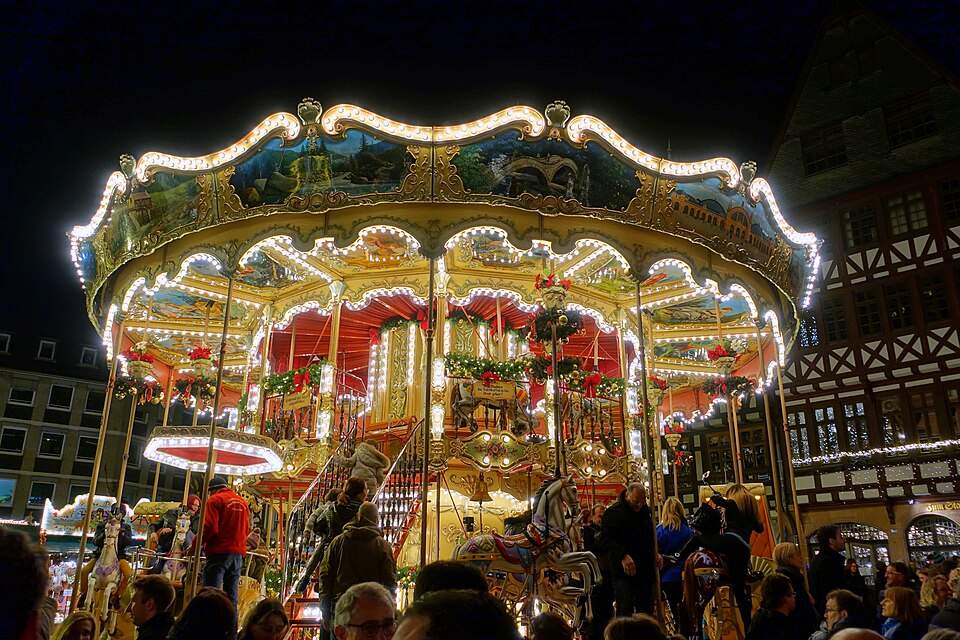 Frankfurt’s Christmas market dates back to the 14th century, making it one of Germany’s oldest holiday markets.
Its location in the city’s historic center helps create a festive contrast between Frankfurt’s modern skyline and traditional Christmas atmosphere.
Today, the market remains one of the most visited in Germany.
Highlights
The market takes place around Römerberg, Frankfurt’s historic square.
Decorated stalls, festive lighting, and seasonal entertainment fill the area throughout the Christmas season. The market’s central location makes it easy to combine Christmas shopping, sightseeing, and dining in a single visit.
Many travelers choose Frankfurt because it offers both holiday traditions and excellent transportation connections.
Signature Food
Frankfurt’s Christmas market features a mix of local specialties and classic German holiday foods.
Visitors can try Frankfurt sausages, Bethmännchen marzipan cookies, roasted nuts, gingerbread, and traditional Glühwein. Seasonal sweets remain particularly popular during the winter months.
The market offers enough variety to satisfy both casual visitors and dedicated food lovers.
Nearby Attractions
Frankfurt is one of Germany’s easiest cities to explore.
Visitors can walk through Römerberg, visit museums along the Main River, and enjoy panoramic city views. The city’s international airport and major railway station also make it an ideal starting point for a Christmas market itinerary.
Who Should Visit?
Frankfurt is perfect for first-time visitors, short-break travelers, and anyone planning to visit multiple Christmas markets during one trip.
Verdict
If convenience is a priority, Frankfurt is one of the best Christmas market destinations in Germany. It combines holiday atmosphere, excellent transport links, and easy access to other famous markets across the country.
8. Berlin Christmas Markets
Short Answer: Berlin Christmas Markets offer the greatest variety in Germany. The city hosts dozens of markets, ranging from traditional holiday villages to modern festive events, making it an excellent destination for travelers who want multiple Christmas experiences in one trip.
History
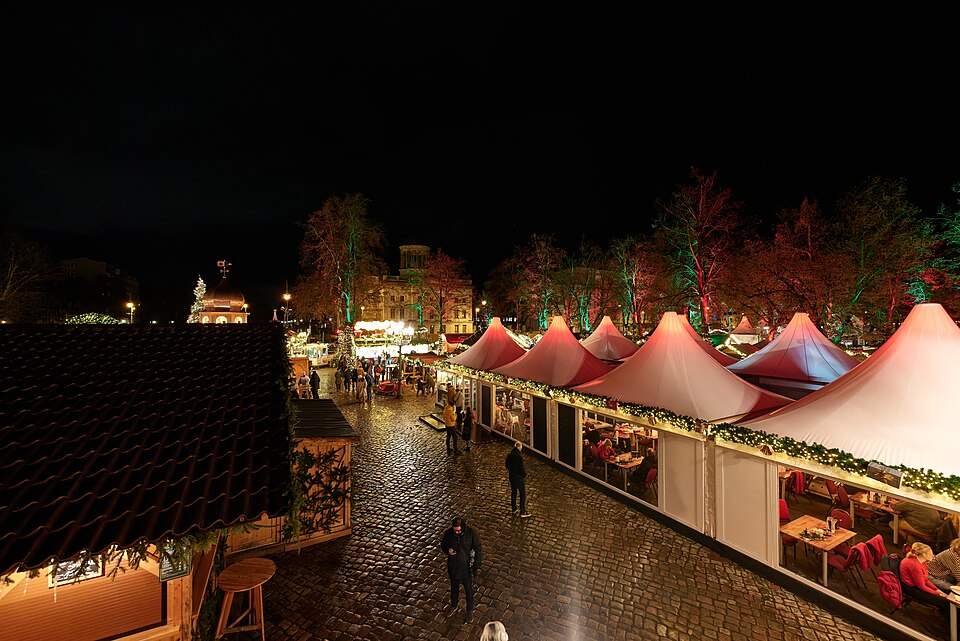 Berlin’s Christmas market traditions date back centuries. Today, the German capital hosts a collection of markets spread across different neighborhoods and historic squares.
Each market has its own character. Some focus on traditional crafts and food, while others feature entertainment, ice skating, and seasonal performances.
Highlights
The biggest advantage of visiting Berlin is the variety.
Instead of exploring a single Christmas market, visitors can experience several distinct markets during the same trip. Markets near historic landmarks, shopping districts, and cultural attractions create a festive atmosphere throughout the city.
Berlin also offers some of Germany’s most creative Christmas displays and evening light installations.
Signature Food
Berlin’s markets combine traditional German favorites with international influences.
Visitors can enjoy Bratwurst, roasted chestnuts, potato pancakes, gingerbread, and mulled wine. Larger markets also feature food from different regions of Germany and beyond.
This variety makes Berlin one of the best Christmas market destinations for food lovers.
Nearby Attractions
Berlin offers far more than Christmas markets.
Visitors can explore historic landmarks, museums, shopping streets, and cultural attractions between market visits. The city’s excellent public transportation network makes it easy to move between different Christmas market locations.
Who Should Visit?
Berlin is ideal for first-time visitors, families, food lovers, and travelers who enjoy large cities with plenty of options.
Verdict
If you want variety and flexibility, Berlin provides one of the most complete Christmas market experiences in Germany.
9. Leipzig Christmas Market
Short Answer: Leipzig Christmas Market is one of Germany’s oldest and most traditional Christmas markets. It combines festive charm, historic surroundings, and a welcoming atmosphere that appeals to both families and cultural travelers.
History
Leipzig’s Christmas market dates back to the 15th century and remains one of the country’s oldest seasonal events.
The market has maintained many traditional elements while adapting to modern visitors. Its long history helps create an authentic atmosphere that many travelers appreciate.
Highlights
The market spreads across Leipzig’s historic city center and features several themed areas.
Visitors can browse traditional market stalls, enjoy festive performances, and experience holiday traditions that have remained popular for generations. The historic architecture surrounding the market adds to the festive setting.
Compared with some larger markets, Leipzig often feels more relaxed while still offering plenty to see and do.
Signature Food
Traditional Saxon Christmas foods play an important role in Leipzig’s market culture.
Visitors can sample local pastries, grilled sausages, roasted nuts, gingerbread, and warming drinks throughout the market. Seasonal sweets remain a favorite among families visiting during December.
The food selection reflects many of the culinary traditions found across eastern Germany.
Nearby Attractions
Leipzig’s compact city center makes sightseeing easy.
Historic churches, museums, shopping streets, and cultural venues sit within walking distance of the Christmas market. Travelers can comfortably combine sightseeing and market visits during a weekend trip.
Who Should Visit?
Leipzig is a strong choice for families, history enthusiasts, and travelers looking for a traditional Christmas market without overwhelming crowds.
Verdict
Leipzig offers an excellent balance of tradition, atmosphere, and accessibility, making it one of Germany’s most underrated Christmas destinations.
10. Hamburg Christmas Market
Short Answer: Hamburg Christmas Market combines festive traditions with the unique atmosphere of Germany’s largest port city. It offers holiday celebrations, waterfront attractions, and a distinctly northern German character.
History
Christmas markets have long been part of Hamburg’s winter traditions. Over the years, the city has developed several markets that attract both local residents and international visitors.
Its maritime heritage gives Hamburg a Christmas atmosphere that differs from many inland destinations.
Highlights
Hamburg hosts multiple Christmas markets across the city, allowing visitors to experience different festive settings.
Markets in the city center attract the largest crowds, while smaller neighborhood markets provide a more relaxed atmosphere. Seasonal decorations, festive performances, and illuminated streets create a lively holiday environment throughout December.
The combination of Christmas markets and waterfront scenery makes Hamburg stand out among Germany’s winter destinations.
Signature Food
Northern German influences appear throughout Hamburg’s Christmas markets.
Visitors can enjoy traditional sausages, roasted almonds, gingerbread, seafood specialties, and warming cups of Glühwein. Sweet treats and seasonal pastries are also widely available.
Food stalls near the waterfront often provide a slightly different culinary experience than markets found in southern Germany.
Nearby Attractions
Hamburg offers numerous attractions beyond its Christmas markets.
Visitors can explore the harbor, walk through historic districts, enjoy shopping areas, and visit museums. The city’s waterfront setting provides attractive views that complement the festive atmosphere.
Who Should Visit?
Hamburg suits city-break travelers, couples, photographers, and visitors interested in combining Christmas markets with maritime attractions.
Verdict
Hamburg delivers a Christmas market experience that feels distinct from many other German cities, making it an excellent addition to a broader Germany winter itinerary.
11. Heidelberg Christmas Market
Short Answer: Heidelberg Christmas Market combines festive holiday traditions with one of Germany’s most attractive historic settings. The market’s location beneath Heidelberg Castle creates a memorable atmosphere that appeals to couples, photographers, and first-time visitors.
History
Christmas markets have been part of Heidelberg’s winter traditions for generations. The city’s historic center provides a natural backdrop for seasonal celebrations and festive gatherings.
While Heidelberg’s market is smaller than those in Cologne or Munich, many travelers prefer its more intimate atmosphere.
Highlights
The market spreads across several squares in Heidelberg’s Old Town.
Visitors can stroll between festive stalls while enjoying views of historic buildings decorated for the holiday season. The combination of Christmas lights, traditional architecture, and castle views gives Heidelberg a distinctive character during December.
Evening visits are often the most rewarding when the illuminated streets and festive decorations create a warm holiday atmosphere.
Signature Food
Heidelberg’s Christmas market offers a mix of traditional German holiday favorites.
Visitors can enjoy Bratwurst, roasted chestnuts, gingerbread, potato pancakes, and warm mugs of Glühwein. Local bakeries also offer seasonal pastries that pair well with a winter market visit.
The food selection reflects many of the traditions found across southwestern Germany.
Nearby Attractions
The city’s biggest attraction is Heidelberg Castle, which overlooks the Old Town and Christmas market area.
Visitors can also explore the historic center, walk across the Old Bridge, and enjoy scenic views along the Neckar River. Heidelberg works well as a weekend destination or as part of a southern Germany Christmas market itinerary.
Who Should Visit?
Heidelberg is ideal for couples, photographers, history enthusiasts, and travelers seeking a relaxed Christmas market experience.
Verdict
For travelers who value atmosphere over size, Heidelberg offers one of Germany’s most enjoyable Christmas market settings.
12. Aachen Christmas Market
Short Answer: Aachen Christmas Market is known for its festive atmosphere, excellent food, and location around one of Germany’s most impressive cathedral squares. It is a favorite destination for both German and international visitors.
History
Aachen has a long Christmas market tradition shaped by its location near the borders of Belgium and the Netherlands.
The city’s historic center provides an attractive setting for seasonal celebrations, and its market has become one of western Germany’s most popular Christmas events.
Highlights
The market takes place around Aachen Cathedral and the historic Town Hall.
Decorated stalls fill the streets and squares, creating a festive atmosphere that attracts visitors throughout December. The compact layout makes it easy to explore the entire market on foot.
Many travelers appreciate Aachen’s balance between tradition and accessibility.
Signature Food
Food is one of Aachen’s biggest attractions during the Christmas season.
The city is famous for Aachener Printen, a traditional spiced gingerbread that has been produced here for centuries. Visitors can also enjoy grilled sausages, roasted nuts, pastries, and seasonal drinks.
Trying authentic Printen is one of the highlights of a visit to Aachen.
Nearby Attractions
Aachen Cathedral remains the city’s most important landmark and is a UNESCO World Heritage Site.
Visitors can also explore the Old Town, local museums, and nearby shopping streets. Aachen’s location makes it easy to combine with visits to Cologne, Düsseldorf, or neighboring countries.
Who Should Visit?
Aachen suits food lovers, history enthusiasts, and travelers exploring western Germany.
Verdict
Aachen delivers an excellent combination of festive atmosphere, historic surroundings, and regional food traditions.
13. Bremen Christmas Market
Short Answer: Bremen Christmas Market offers a traditional holiday experience in one of northern Germany’s most historic cities. Its festive market squares and riverside celebrations make it a strong alternative to larger destinations such as Hamburg and Berlin.
History
Bremen has celebrated Christmas markets for centuries, and the event remains one of the city’s most important seasonal traditions.
The market’s historic surroundings help create an authentic atmosphere that appeals to travelers seeking a classic German Christmas experience.
Highlights
The market takes place around Bremen’s historic Market Square, surrounded by impressive architecture and festive decorations.
Visitors can browse traditional stalls, enjoy holiday entertainment, and explore nearby attractions on foot. Bremen also hosts a festive riverside market that adds a unique dimension to the Christmas experience.
The combination of historic charm and waterfront atmosphere helps Bremen stand out from many other German Christmas destinations.
Signature Food
Bremen’s Christmas market features a variety of northern German specialties alongside classic holiday treats.
Visitors can sample grilled sausages, roasted almonds, gingerbread, seafood-inspired dishes, and mulled wine. Seasonal desserts and sweet pastries remain popular throughout the market.
The food scene offers a good mix of local flavors and Christmas favorites.
Nearby Attractions
Bremen’s compact city center makes sightseeing easy.
Visitors can explore Market Square, the Town Hall, historic streets, and the famous Bremen Town Musicians statue. Most attractions are within walking distance of the Christmas market.
Who Should Visit?
Bremen is a good choice for families, couples, and travelers looking for a traditional Christmas market with fewer crowds than Germany’s largest cities.
Verdict
Bremen combines festive traditions, historic surroundings, and northern German character, making it one of the country’s most enjoyable Christmas market destinations.
14. Düsseldorf Christmas Market
Short Answer: Düsseldorf Christmas Market combines festive shopping, elegant holiday decorations, and multiple themed markets spread across the city center. It is one of Germany’s best Christmas destinations for travelers who enjoy shopping and city breaks.
History
Christmas markets have long been part of Düsseldorf’s winter traditions. Today, the city hosts several interconnected markets that transform the center into a festive holiday destination each December.
Unlike markets centered around a single square, Düsseldorf’s Christmas celebrations extend across multiple locations, creating a varied experience for visitors.
Highlights
One of Düsseldorf’s biggest advantages is variety.
Visitors can move between themed market areas, each offering a slightly different atmosphere. Decorative lighting, festive displays, and seasonal entertainment help create a lively holiday environment throughout the city center.
The market’s location along the famous Königsallee shopping district also appeals to travelers looking to combine Christmas experiences with retail therapy.
Evening visits are particularly enjoyable when the illuminated streets and market decorations come to life.
Signature Food
Düsseldorf’s Christmas markets feature many traditional German holiday favorites.
Visitors can enjoy Bratwurst, potato pancakes, roasted chestnuts, gingerbread, and warm Glühwein. The city’s international character also brings a wider variety of food options than many smaller Christmas markets.
Food stalls are spread throughout the market areas, making it easy to sample different specialties during a visit.
Nearby Attractions
Düsseldorf offers plenty to see beyond its Christmas markets.
Visitors can explore the Altstadt (Old Town), stroll along the Rhine River promenade, and visit museums, galleries, and shopping streets. The city also makes an excellent base for day trips to Cologne and Aachen.
Its excellent rail connections make it easy to include in a broader Germany Christmas market itinerary.
Who Should Visit?
Düsseldorf is ideal for shoppers, couples, city-break travelers, and visitors looking for multiple Christmas market experiences in one destination.
Verdict
If you enjoy festive shopping, attractive city centers, and a lively holiday atmosphere, Düsseldorf deserves a place on your Germany Christmas market itinerary.
15. Baden-Baden Christmas Market
Short Answer: Baden-Baden Christmas Market offers a more relaxed Christmas experience than many of Germany’s larger cities. Its setting near parks, historic buildings, and famous spa facilities creates an elegant holiday atmosphere.
History
Baden-Baden has long been known as one of Germany’s premier spa destinations. Over time, its Christmas market has become a popular seasonal attraction for visitors seeking a quieter and more refined holiday experience.
The city’s reputation for wellness and relaxation influences the overall atmosphere of the Christmas season.
Highlights
The market takes place in a beautiful setting surrounded by historic architecture and landscaped gardens.
Decorated stalls, festive lighting, and seasonal entertainment create a welcoming atmosphere without the intense crowds found in larger destinations such as Nuremberg or Cologne.
Many visitors appreciate the slower pace and relaxed environment that Baden-Baden offers during the holiday season.
The market also works well for travelers looking to combine Christmas festivities with a wellness-focused getaway.
Signature Food
Baden-Baden’s Christmas market offers traditional German seasonal foods alongside regional specialties from southwestern Germany.
Visitors can enjoy sausages, roasted nuts, gingerbread, Christmas pastries, and warm Glühwein while exploring the festive stalls.
The market’s food selection emphasizes quality over quantity, which fits the city’s overall character.
Nearby Attractions
Baden-Baden offers several attractions that complement a Christmas market visit.
Travelers can relax at the city’s famous thermal spas, explore historic streets, visit local museums, or enjoy walks through nearby parks and gardens. The city also serves as a convenient stop when traveling through Germany’s Black Forest region.
Many visitors choose to stay overnight to fully enjoy both the Christmas market and the spa experience.
Who Should Visit?
Baden-Baden is ideal for couples, wellness travelers, retirees, and visitors seeking a quieter Christmas market atmosphere.
Verdict
For travelers who prefer relaxation over crowds, Baden-Baden provides one of Germany’s most enjoyable and elegant Christmas market experiences.
Germany’s Christmas markets offer something for every type of traveler. Some markets focus on centuries-old traditions, while others stand out for their food, shopping, family activities, or festive city atmosphere.
The best choice depends on your travel style, budget, and interests. The guide below highlights which German Christmas markets are best suited for first-time visitors, families, couples, photographers, and food lovers.
Germany Christmas Markets by Travel Style
Short Answer: The best Christmas market in Germany depends on your travel style. Nuremberg is ideal for first-time visitors, Stuttgart and Munich work well for families, Rothenburg appeals to photographers, and Dresden suits travelers seeking traditional Christmas experiences.
Choosing the right market can make a big difference to your trip. Some markets focus on historic traditions, while others offer family attractions, festive shopping, or city sightseeing. If you are unsure where to start, these recommendations can help narrow your options.
Best Christmas Markets for First-Time Visitors
Short Answer: Nuremberg, Cologne, Munich, and Dresden are the best Christmas markets for first-time visitors. They offer traditional Christmas atmosphere, excellent facilities, easy transportation, and many of the experiences travelers expect from a German Christmas market.
Many first-time visitors picture Germany’s Christmas markets as rows of wooden stalls, festive lights, traditional food, and historic surroundings. Nuremberg delivers that experience better than almost anywhere else in the country.
Cologne is another excellent choice because visitors can explore several Christmas markets during the same trip. Munich combines Christmas traditions with major sightseeing attractions, while Dresden offers one of Germany’s most authentic market experiences.
If you can only visit one destination, Nuremberg remains the safest recommendation for most travelers.
| Market | Why It Suits First-Time Visitors |
| Nuremberg | Germany’s most famous Christmas market |
| Cologne | Multiple markets in one city |
| Munich | Christmas markets plus major attractions |
| Dresden | Traditional atmosphere and historic appeal |
Best Christmas Markets for Families
Short Answer: Stuttgart, Munich, Leipzig, and Nuremberg are among the best Christmas markets for families. They offer festive entertainment, family-friendly activities, seasonal food, and welcoming environments for visitors of all ages.
Families often benefit from choosing markets that provide more than shopping and food stalls. Stuttgart stands out because of its family-oriented atmosphere, festive displays, and wide variety of attractions.
Munich offers easy transportation, spacious market areas, and plenty of sightseeing opportunities. Leipzig provides a relaxed environment that many families appreciate, while Nuremberg combines traditional Christmas experiences with activities suitable for children.
Parents visiting during peak season may find weekday visits more comfortable because crowds are smaller and queues tend to be shorter.
| Market | Best Family Feature |
| Stuttgart | Family-friendly attractions and festive displays |
| Munich | Easy transportation and spacious market areas |
| Leipzig | Relaxed atmosphere and traditional celebrations |
| Nuremberg | Classic Christmas experience for all ages |
For families planning a multi-city Christmas market trip, Munich and Nuremberg often create the most convenient combination because both cities are well connected by train and offer attractions beyond the Christmas markets themselves.
Best Germany Christmas Markets for Kids
Short Answer: Stuttgart, Munich, Nuremberg, Cologne, and Berlin are among the best Germany Christmas markets for kids. These destinations offer Santa visits, festive carousels, children’s activities, holiday performances, and family-friendly attractions that keep younger travelers entertained throughout the Christmas season.
Traveling with children often requires more than food stalls and shopping. The best family-friendly Christmas markets provide interactive experiences, festive entertainment, and attractions designed specifically for younger visitors.
Parents will also appreciate markets that offer spacious layouts, easy transportation, and plenty of activities beyond shopping.
Top Christmas Markets for Families
| Market | Best Family Feature |
| Stuttgart | Large children’s area and festive attractions |
| Munich | Family-friendly markets and easy transport |
| Nuremberg | Children’s Christmas Market |
| Cologne | Carousels and seasonal entertainment |
| Berlin | Multiple family-focused Christmas markets |
Santa Events and Christmas Characters
Short Answer: Many German Christmas markets feature Santa appearances, holiday characters, and festive storytelling events that are popular with younger visitors.
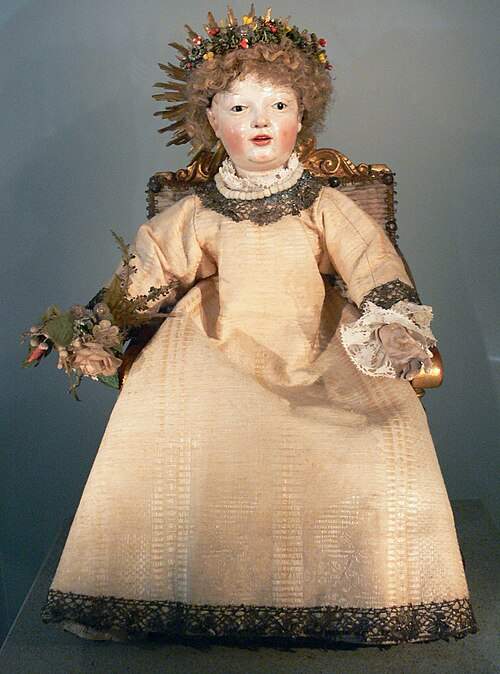 Children often enjoy meeting Santa, watching seasonal performances, and participating in holiday-themed activities. Some markets organize special family days with additional entertainment designed specifically for children.
Nuremberg’s famous Christkind tradition is one of Germany’s most recognizable Christmas customs and adds an extra layer of magic for families visiting during the holiday season.
These events often become some of the most memorable moments of a family Christmas market trip.
Festive Carousels and Rides
Short Answer: Traditional carousels are a classic feature of many German Christmas markets and remain a favorite attraction for children.
Beautifully decorated merry-go-rounds can be found in markets throughout Germany. Some feature traditional wooden designs that fit perfectly into the festive atmosphere.
Larger markets may also include:
- Mini Ferris wheels
- Children’s train rides
- Seasonal amusement rides
- Interactive holiday displays
While not every market offers rides, major destinations such as Cologne, Berlin, Stuttgart, and Munich typically provide several family-focused attractions.
Children’s Christmas Markets
Short Answer: Some German cities operate dedicated children’s Christmas market areas where younger visitors can participate in holiday activities and seasonal workshops.
Nuremberg’s Children’s Christmas Market is one of the best examples. Here, children can enjoy festive games, craft activities, baking demonstrations, and seasonal entertainment.
These dedicated family spaces often provide:
- Craft workshops
- Christmas baking activities
- Puppet shows
- Holiday storytelling
- Interactive games
Parents frequently find these areas helpful when younger travelers need a break from sightseeing and shopping.
Holiday Activities for Families
Short Answer: Germany’s Christmas markets offer many family-friendly holiday activities beyond shopping and dining.
Popular activities include:
- Christmas cookie decorating
- Seasonal performances
- Ice skating rinks
- Children’s choirs
- Christmas-themed workshops
- Holiday light displays
Many larger markets also organize family entertainment schedules throughout December, making it easy to plan activities around your visit.
Which Christmas Market Is Best for Kids?
Short Answer: Stuttgart is often considered the best Christmas market in Germany for families, while Nuremberg is the top choice for travelers seeking traditional Christmas experiences with children.
| Family Priority | Recommended Market |
| Best Overall Family Experience | Stuttgart |
| Traditional Christmas Atmosphere | Nuremberg |
| Easy Family City Break | Munich |
| Entertainment and Activities | Berlin |
| Multiple Markets in One City | Cologne |
Families visiting Germany for the first time often find Munich and Nuremberg to be the easiest combination. Both cities are well connected, offer excellent Christmas markets, and provide plenty of attractions beyond the holiday season festivities.
Best Christmas Markets for Couples
Short Answer: Heidelberg, Rothenburg ob der Tauber, Baden-Baden, and Cologne are among the best Christmas markets for couples. These destinations combine festive atmosphere, romantic settings, scenic streets, and cozy places to enjoy the holiday season together.
Couples often look for a market that offers more than shopping and food stalls. Heidelberg stands out with its castle views and historic Old Town, while Rothenburg creates a storybook-like Christmas atmosphere with medieval streets and festive decorations.
Baden-Baden appeals to couples seeking a slower pace and a relaxing spa getaway. Cologne offers a lively atmosphere, evening walks, and beautifully illuminated Christmas markets set against the backdrop of the city’s famous cathedral.
| Market | Why Couples Love It |
| Heidelberg | Historic atmosphere and castle views |
| Rothenburg ob der Tauber | Medieval streets and festive charm |
| Baden-Baden | Christmas market and spa experience |
| Cologne | Cathedral setting and evening atmosphere |
For a romantic Christmas market trip, Rothenburg and Heidelberg are often the most memorable choices.
Best Christmas Markets for Photographers
Short Answer: Rothenburg ob der Tauber, Nuremberg, Cologne, and Heidelberg offer some of the best photography opportunities during Germany’s Christmas market season. Historic architecture, festive lighting, and seasonal decorations create excellent photo settings.
Photographers often prefer markets that combine attractive architecture with a strong Christmas atmosphere. Rothenburg is one of Germany’s most photographed towns, and its Christmas market adds another layer of visual appeal during winter.
Nuremberg offers classic Christmas market scenes with traditional stalls and festive lighting. Cologne provides dramatic photographs with the cathedral rising above the market, while Heidelberg combines Christmas decorations with castle views and historic streets.
The best photographs are often captured during the late afternoon and early evening when Christmas lights begin to illuminate the markets.
| Market | Best Photography Feature |
| Rothenburg ob der Tauber | Medieval streets and festive decorations |
| Nuremberg | Traditional Christmas market scenes |
| Cologne | Cathedral backdrop |
| Heidelberg | Castle views and historic Old Town |
Weekday mornings can also be rewarding because crowds are smaller and market stalls are easier to photograph.
Best Christmas Markets for Food Lovers
Short Answer: Nuremberg, Dresden, Munich, and Aachen are among the best Christmas markets in Germany for food lovers. These destinations showcase regional specialties, traditional Christmas treats, and some of the country’s most famous seasonal foods.
Food is one of the biggest reasons travelers visit German Christmas markets. Nuremberg is famous for its Bratwurst and Lebkuchen, while Dresden is known worldwide for its traditional Stollen.
Munich offers hearty Bavarian dishes alongside classic Christmas favorites. Aachen attracts visitors with its famous Printen, a spiced gingerbread that has become one of the city’s signature foods.
Many travelers find that trying regional specialties is one of the most enjoyable parts of visiting multiple Christmas markets across Germany.
| Market | Food Specialty |
| Nuremberg | Nuremberg Bratwurst and Lebkuchen |
| Dresden | Dresden Stollen |
| Munich | Bavarian Christmas foods |
| Aachen | Aachener Printen |
If food is your main priority, consider visiting both Nuremberg and Dresden. Together, they offer some of the most iconic Christmas market flavors in Germany.
What to Eat at Germany Christmas Markets
Short Answer: Food is one of the highlights of visiting Germany’s Christmas markets. From grilled Bratwurst and freshly baked Lebkuchen to traditional Dresden Stollen, many of the country’s best seasonal foods are closely connected to Christmas market culture.
German Christmas markets are more than shopping destinations. They are also seasonal food festivals where visitors can sample recipes that have been enjoyed for generations. While every region has its own specialties, a few foods appear on almost every Christmas market itinerary.
Bratwurst
Short Answer: Bratwurst is Germany’s most famous Christmas market food and one of the first dishes many visitors try. These grilled sausages are quick, filling, and easy to enjoy while walking through the market.
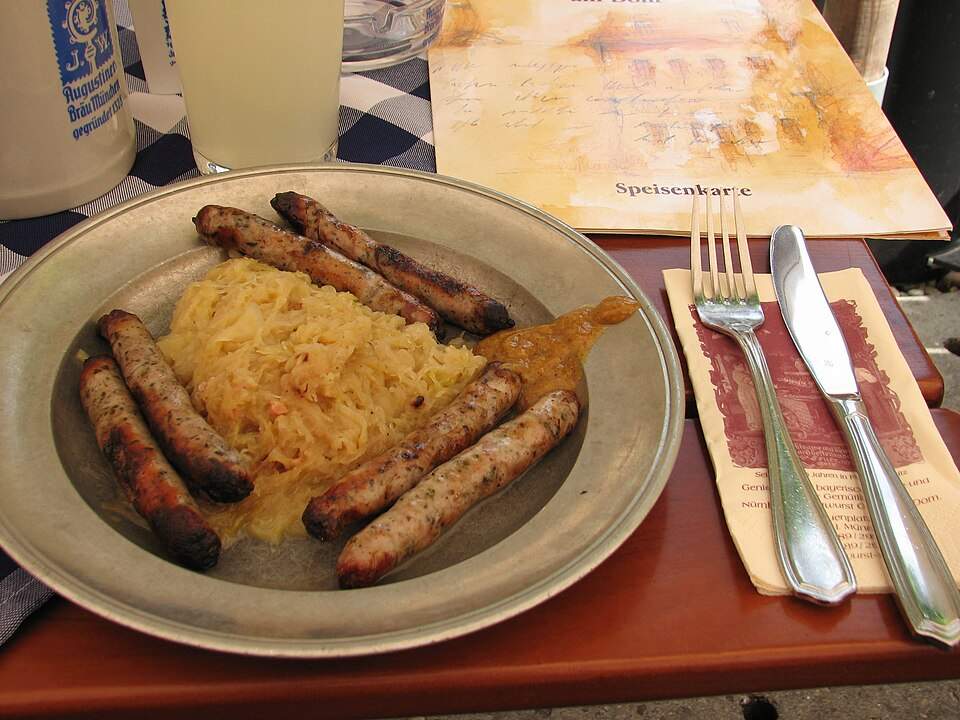 The most famous version comes from Nuremberg. Nuremberg Bratwurst is smaller than many other German sausages and is traditionally served inside a bread roll with mustard.
The aroma of sausages cooking over open grills is part of the Christmas market experience in Germany. On cold winter evenings, few foods are more satisfying than a freshly grilled Bratwurst paired with a warm drink.
For first-time visitors, Bratwurst is often the best introduction to traditional German Christmas market food.
Lebkuchen
Short Answer: Lebkuchen is a traditional German gingerbread and one of the most popular Christmas treats sold at holiday markets throughout the country.
Nuremberg is considered the home of Germany’s most famous Lebkuchen. The recipe typically combines honey, spices, nuts, and candied fruit to create a soft and flavorful festive dessert.
Visitors will find Lebkuchen in many forms, from simple biscuits to large decorated hearts often sold as gifts and souvenirs. Some versions are coated in chocolate, while others feature sugar icing.
The taste is similar to gingerbread but often richer and more aromatic because of the blend of seasonal spices.
Many travelers take boxes of Lebkuchen home as edible Christmas souvenirs.
Stollen
Short Answer: Stollen is a traditional German Christmas bread filled with dried fruits, nuts, spices, and powdered sugar. It is one of Germany’s most iconic holiday foods.
The most famous version is Dresden Stollen, which has become internationally recognized as a symbol of German Christmas baking.
A good Stollen has a dense texture and rich flavor. Bakers often include raisins, candied citrus peel, almonds, and marzipan. The thick coating of powdered sugar gives the bread its distinctive appearance.
Visitors to Dresden should make a point of trying authentic Stollen during the Christmas market season. Many bakeries use recipes passed down through generations.
For many Germans, Christmas feels incomplete without a slice of Stollen and a warm cup of coffee or tea.
Kartoffelpuffer
Short Answer: Kartoffelpuffer are crispy German potato pancakes that rank among the most popular foods at Christmas markets. They are simple, comforting, and perfect for cold winter weather.
Kartoffelpuffer are made from grated potatoes that are seasoned and fried until golden brown. Vendors prepare them fresh, so visitors often smell them long before reaching the food stall.
The pancakes are usually served with applesauce, which creates a sweet and savory combination. Some stalls also offer sour cream or other toppings.
Their crispy texture and warm filling make them a favorite choice for visitors looking for a quick meal while exploring the market.
If you enjoy comfort food, Kartoffelpuffer should be near the top of your Christmas market food list.
Glühwein
Short Answer: Glühwein is Germany’s traditional mulled wine and the drink most closely associated with Christmas markets. For many visitors, a Christmas market experience feels incomplete without a warm cup of Glühwein.
The drink is made by heating red wine with spices such as cinnamon, cloves, star anise, and citrus fruits. The result is a fragrant and warming beverage that helps visitors stay comfortable during cold winter evenings.
Most Christmas markets serve Glühwein in decorative mugs that often feature the market’s logo or artwork. Many travelers keep these mugs as souvenirs from their trip.
Alcohol-free versions are also widely available, making the experience accessible to families and non-drinkers.
Whether you visit Nuremberg, Dresden, Cologne, or Munich, Glühwein remains one of the defining flavors of the Christmas season.
Roasted Chestnuts
Short Answer: Roasted chestnuts are a classic Christmas market snack that has been enjoyed across Europe for generations. Their warm, slightly sweet flavor makes them a popular winter treat.
Chestnut vendors can be found throughout many German Christmas markets. The nuts are roasted over heat until the shells crack open, releasing a rich aroma that fills the surrounding streets.
Unlike many Christmas market foods, roasted chestnuts are relatively light and easy to eat while walking between stalls. Their soft texture and nutty flavor make them a welcome alternative to heavier dishes.
Many visitors buy a small paper bag of roasted chestnuts to enjoy while browsing the market or admiring festive decorations.
Although simple, roasted chestnuts remain one of the most traditional foods associated with the Christmas season in Germany.
Great food is only one part of the Christmas market experience. With famous markets spread across Germany, planning an efficient route can help you see more destinations while minimizing travel time. The itinerary ideas below can help you choose the best Christmas market route based on the length of your trip.
Germany’s Christmas markets are spread across the country, from the medieval streets of Rothenburg ob der Tauber to the festive city squares of Cologne and Berlin. Choosing the right route can help you experience several markets in one trip without spending too much time in transit.
The itinerary suggestions below are designed for different trip lengths and travel styles, helping you make the most of your Germany Christmas market adventure in 2026.
What to Buy at Germany Christmas Markets
Short Answer: Germany’s Christmas markets are among the best places in Europe to buy holiday souvenirs, handmade decorations, traditional crafts, and regional food gifts. Many items sold at Christmas markets reflect centuries-old German traditions and make meaningful keepsakes from your trip.
While food is a major attraction, many travelers leave Germany’s Christmas markets with bags full of ornaments, handcrafted decorations, and seasonal gifts. The best souvenirs are often locally made and closely tied to German Christmas traditions.
Handmade Christmas Ornaments
Short Answer: Handmade Christmas ornaments are among the most popular souvenirs at German Christmas markets and make excellent gifts for friends and family.
Many market stalls sell hand-painted glass ornaments, wooden decorations, and traditional Christmas tree ornaments crafted by local artisans.
Unlike mass-produced decorations found in large stores, these ornaments often feature regional designs and seasonal themes that reflect local traditions.
Many visitors make it a tradition to purchase one ornament from every Christmas market they visit.
Why Buy Them?
- Easy to pack and transport
- Authentic German Christmas souvenirs
- Available in many styles and price ranges
- Perfect keepsakes for holiday memories
Nutcrackers and Wooden Crafts
Short Answer: German nutcrackers and wooden crafts are classic Christmas market purchases and are closely associated with German holiday traditions.
The regions of Saxony and the Ore Mountains are particularly famous for handcrafted wooden decorations. Visitors will find nutcrackers, candle holders, figurines, and decorative holiday displays in many markets.
These items are often handmade and can range from small, affordable souvenirs to collectible pieces crafted by skilled artisans.
Many travelers consider wooden crafts among the most authentic Christmas gifts available in Germany.
Popular Wooden Souvenirs
| Item | Best Known Region |
| Nutcrackers | Ore Mountains |
| Wooden Angels | Saxony |
| Christmas Figurines | Bavaria |
| Handcrafted Decorations | Throughout Germany |
Christmas Pyramids
Short Answer: Christmas pyramids are one of Germany’s most distinctive holiday decorations and a unique souvenir for travelers seeking something special.
A Christmas pyramid is a traditional wooden decoration featuring rotating tiers powered by the heat from candles. They often depict Christmas scenes, winter villages, or religious themes.
Many markets display giant Christmas pyramids as attractions, while smaller versions are available for purchase from craft vendors.
Although they require more luggage space than ornaments, they are among the most iconic German Christmas decorations.
Why They’re Special
- Deeply connected to German Christmas traditions
- Handmade versions are highly collectible
- Available in a wide range of sizes
- Often passed down as family heirlooms
Collectible Glühwein Mugs
Short Answer: Collectible Glühwein mugs are one of the easiest and most affordable Christmas market souvenirs to bring home.
Many German Christmas markets serve mulled wine in specially designed mugs featuring the market’s logo, artwork, or annual theme. Visitors typically pay a small deposit when purchasing Glühwein.
Instead of returning the mug, many travelers keep it as a souvenir.
Because each city often produces a different design, collecting mugs from multiple markets has become a popular Christmas market tradition.
Best Markets for Collectible Mugs
- Nuremberg
- Dresden
- Cologne
- Munich
- Frankfurt
Many travelers return home with an entire collection from their Christmas market journey.
Local Food Gifts
Short Answer: Regional food products are among the best Christmas gifts to buy in Germany because they allow you to bring local flavors home.
Food souvenirs vary by region, but several products are especially popular among international visitors.
| Food Gift | Best Place to Buy |
| Lebkuchen | Nuremberg |
| Stollen | Dresden |
| Printen | Aachen |
| Christmas Chocolates | Throughout Germany |
| Roasted Nut Mixes | Most Christmas Markets |
These edible souvenirs are ideal for sharing with family and friends after your trip.
Many visitors purchase food gifts during the final days of their journey to ensure maximum freshness.
What Is the Best Christmas Market Souvenir?
Short Answer: If you only buy one souvenir, choose a handmade ornament or a collectible Glühwein mug. Both are affordable, easy to transport, and instantly remind travelers of Germany’s festive Christmas market atmosphere.
For travelers with more luggage space, handcrafted nutcrackers and Christmas pyramids offer some of the most authentic and memorable souvenirs available at German Christmas markets.
Germany Christmas Market Itinerary Ideas
Short Answer: The best Germany Christmas market itinerary depends on how much time you have. A 3-day trip works well for first-time visitors, while longer itineraries allow you to explore multiple regions and experience a wider variety of markets.
Germany’s excellent rail network makes it easy to visit several Christmas markets during one trip. Many of the country’s most famous markets are located within a few hours of each other, allowing travelers to combine historic towns, major cities, and traditional Christmas experiences without extensive travel time.
3-Day Germany Christmas Markets Itinerary
Short Answer: For a short trip, focus on southern Germany. A route covering Munich, Nuremberg, and Rothenburg ob der Tauber offers a mix of famous Christmas markets, traditional food, historic towns, and efficient train connections.
This itinerary is ideal for first-time visitors who want to experience Germany’s most iconic Christmas market traditions without spending too much time in transit.
Day 1: Munich
Start your trip in Munich, one of Germany’s easiest cities to reach by air and rail.
Spend the day exploring the Christmas market in Marienplatz and the surrounding city center. Enjoy traditional Bavarian Christmas foods, browse festive stalls, and admire the holiday decorations that transform the city during December.
If time permits, visit additional Christmas markets within Munich to experience different themes and atmospheres.
Day 2: Nuremberg
Travel to Nuremberg in the morning. The train journey is short and straightforward, making it perfect for a Christmas market itinerary.
Spend the day exploring the famous Christkindlesmarkt, tasting Nuremberg Bratwurst and Lebkuchen, and wandering through the city’s historic Old Town.
As evening approaches, the illuminated market creates one of the most memorable Christmas scenes in Germany.
Day 3: Rothenburg ob der Tauber
On your final day, head to Rothenburg ob der Tauber.
The town’s medieval streets, half-timbered buildings, and festive decorations create a completely different atmosphere from Munich and Nuremberg. Visitors can explore the Reiterlesmarkt, walk the historic town walls, and shop for Christmas ornaments before returning to Munich or continuing their journey.
Why This Itinerary Works
This route combines three very different Christmas market experiences:
| Destination | Main Highlight |
| Munich | Bavarian traditions and city attractions |
| Nuremberg | Germany’s most famous Christmas market |
| Rothenburg ob der Tauber | Medieval Christmas atmosphere |
The itinerary keeps travel times manageable while showcasing some of Germany’s most iconic Christmas destinations.
Best For: First-time visitors, couples, photographers, and travelers with a long weekend in Germany.
5-Day Germany Christmas Markets Itinerary
Short Answer: A 5-day itinerary allows travelers to experience Germany’s most famous Christmas markets while exploring several historic cities. This route balances festive atmosphere, local food, sightseeing, and manageable travel times.
This itinerary works well for travelers visiting Germany specifically for Christmas markets and wanting a broader experience than a short weekend trip.
| Day | Destination | Main Experience |
| Day 1 | Munich | Bavarian Christmas markets |
| Day 2 | Nuremberg | Christkindlesmarkt and Old Town |
| Day 3 | Rothenburg ob der Tauber | Medieval Christmas atmosphere |
| Day 4 | Frankfurt | Historic market and city center |
| Day 5 | Cologne | Cathedral Christmas markets |
Why This Itinerary Works
The route moves naturally from southern Germany toward western Germany while minimizing backtracking.
Munich and Nuremberg showcase traditional Bavarian and Franconian Christmas traditions. Rothenburg adds a smaller medieval market experience, while Frankfurt and Cologne introduce larger city markets with excellent transportation connections.
Travelers also enjoy a wide range of seasonal foods, including Bratwurst, Lebkuchen, Stollen, Printen, and Glühwein.
Best For: First-time visitors, couples, food lovers, and travelers seeking Germany’s most famous Christmas markets in a single trip.
7-Day Germany Christmas Markets Itinerary
Short Answer: A 7-day itinerary provides enough time to explore multiple regions of Germany and experience a broader range of Christmas market styles, from medieval towns and historic markets to large city celebrations.
This route is ideal for travelers who want a comprehensive Germany Christmas market experience.
| Day | Destination | Main Experience |
| Day 1 | Munich | Bavarian Christmas traditions |
| Day 2 | Nuremberg | Germany’s most famous Christmas market |
| Day 3 | Rothenburg ob der Tauber | Medieval Christmas market |
| Day 4 | Frankfurt | Historic city center and market |
| Day 5 | Cologne | Cathedral Christmas markets |
| Day 6 | Dresden | Traditional Saxon Christmas market |
| Day 7 | Berlin | Multiple Christmas markets and a festive city atmosphere |
Why This Itinerary Works
This itinerary combines many of Germany’s most celebrated Christmas destinations while showcasing different regional traditions.
The first half focuses on southern Germany, where many of the country’s most iconic Christmas markets are located. The second half introduces Western and Eastern Germany, providing greater variety in food, architecture, and holiday customs.
Travelers can compare the traditional atmosphere of Dresden, the medieval setting of Rothenburg, the grand scale of Cologne, and the diversity of Berlin’s Christmas markets.
Suggested Transportation
Germany’s rail network makes this itinerary practical and efficient.
Most travelers can complete the route using high-speed and regional trains without renting a car. Train travel also avoids parking challenges and allows visitors to arrive directly in city centers near the Christmas markets.
Estimated Pace
This itinerary involves moderate travel but remains comfortable for most visitors.
- 3-Day Itinerary: Fast-paced
- 5-Day Itinerary: Balanced
- 7-Day Itinerary: Most comprehensive
Best For: Christmas market enthusiasts, photographers, cultural travelers, and visitors making a dedicated winter trip to Germany.
For many travelers, the 7-day itinerary provides the best overall Christmas market experience because it combines Germany’s most famous markets with several distinct regional traditions.
How to Travel Between Germany Christmas Markets
Short Answer: Germany’s Christmas markets are easy to visit thanks to the country’s excellent transportation network. Most travelers use trains, while others prefer rental cars for flexibility or guided tours for convenience. The best option depends on your itinerary, budget, and travel style.
One reason Germany is such a popular Christmas market destination is that many of its top markets are connected by fast and reliable transport. Cities such as Munich, Nuremberg, Frankfurt, Cologne, Dresden, and Berlin are linked by efficient rail services, making multi-city Christmas market trips surprisingly easy.
Using Deutsche Bahn Trains
Short Answer: Deutsche Bahn trains are the easiest and most practical way to travel between Germany’s major Christmas markets.
Germany’s rail network connects nearly every major Christmas market destination. High-speed ICE trains allow travelers to move quickly between cities while avoiding traffic and parking challenges.
For Christmas market trips, trains offer several advantages. Most stations are located near city centers, which means you can often walk directly to the market after arriving.
Popular rail connections include:
| Route | Approximate Travel Time |
| Munich → Nuremberg | 1 hour |
| Nuremberg → Frankfurt | 2–2.5 hours |
| Frankfurt → Cologne | 1 hour |
| Cologne → Aachen | 40 minutes |
| Berlin → Dresden | 2 hours |
Booking tickets in advance often provides the best prices, particularly during the busy Christmas season.
Best For: First-time visitors, solo travelers, couples, and travelers visiting multiple cities.
Renting a Car
Short Answer: Renting a car provides more flexibility and works well for travelers visiting smaller towns and lesser-known Christmas markets.
While trains are often the easiest option for major cities, a rental car can be useful if you plan to explore destinations such as Rothenburg ob der Tauber, Baden-Baden, or Christmas markets in rural regions.
Driving allows travelers to stop in smaller towns that are not always served by direct train connections. It also provides flexibility for photographers and travelers who prefer setting their own schedule.
There are a few drawbacks to consider. Winter weather can affect driving conditions, and parking near popular Christmas markets can be limited during peak periods.
Best For: Road-trip travelers, photographers, families, and visitors planning to explore smaller destinations.
Guided Christmas Market Tours
Short Answer: Guided Christmas market tours offer the most convenient option for travelers who want transportation, accommodation, and logistics handled for them.
Many tour companies operate Christmas market packages that include transportation between cities, hotel stays, guided sightseeing, and market visits.
These tours can be a good option for travelers who are short on planning time or prefer structured itineraries. They also work well for visitors unfamiliar with Germany or international train travel.
The trade-off is flexibility. Guided tours usually follow fixed schedules, leaving less freedom to spend extra time at favorite markets.
Best For: First-time Germany visitors, senior travelers, group travelers, and anyone seeking a stress-free Christmas market experience.
Which Option Is Best?
For most travelers, trains provide the best balance of convenience, speed, and cost.
| Travel Style | Best Transportation Option |
| First-Time Visitors | Deutsche Bahn trains |
| Couples | Trains or a rental car |
| Families | Rental car or guided tour |
| Photographers | Rental car |
| Budget Travelers | Deutsche Bahn trains |
| Stress-Free Travel | Guided Christmas market tour |
If your itinerary focuses on major destinations such as Munich, Nuremberg, Frankfurt, Cologne, Dresden, and Berlin, trains are usually the smartest choice. If you plan to include smaller towns and scenic routes, a rental car may provide greater flexibility.
Where to Stay During Germany Christmas Market Season
Short Answer: The best places to stay during Germany’s Christmas market season are Munich, Nuremberg, Frankfurt, Cologne, and Berlin. These cities offer excellent transportation links, a wide range of accommodations, and easy access to multiple Christmas markets.
Accommodation fills quickly during the Christmas season, especially in destinations with famous markets. Choosing the right base can save time, reduce travel costs, and make it easier to visit several markets during one trip.
Best Cities to Base Yourself
Short Answer: Munich, Frankfurt, Cologne, and Berlin are the most practical bases for Christmas market trips because they offer major transportation hubs and easy access to nearby destinations.
Munich is an excellent base for exploring southern Germany. Travelers can easily visit Nuremberg, Rothenburg ob der Tauber, Stuttgart, and other Bavarian Christmas markets.
Frankfurt works well for travelers planning to visit central and western Germany. Its airport, rail connections, and central location make it one of the most convenient Christmas market bases in the country.
Cologne is a smart choice for visitors interested in western Germany. From here, Aachen, Düsseldorf, and several other Christmas market destinations are within easy reach.
Berlin is best for travelers who want to explore eastern Germany, including Dresden and Leipzig.
| City Base | Best Markets Nearby |
| Munich | Nuremberg, Rothenburg, Stuttgart |
| Frankfurt | Cologne, Heidelberg, Aachen |
| Cologne | Düsseldorf, Aachen, Bonn |
| Berlin | Dresden, Leipzig, Potsdam |
| Nuremberg | Munich, Rothenburg, Würzburg |
For first-time visitors, Munich and Frankfurt are often the easiest and most practical choices.
Budget Accommodation Tips
Short Answer: Booking outside the city center, staying near train stations, and traveling on weekdays can significantly reduce accommodation costs during the Christmas market season.
Hotel prices often increase throughout December, particularly on weekends. Travelers who book strategically can still find good value.
Consider staying in nearby neighborhoods rather than directly beside the Christmas market. In many German cities, efficient public transportation makes it easy to reach the markets within minutes.
Other ways to save money include:
- Travel during early December rather than the week before Christmas.
- Choose Sunday to Thursday stays when possible.
- Consider guesthouses and family-run hotels.
- Compare prices in nearby towns connected by rail.
In some cities, staying one or two train stops outside the center can result in substantial savings.
Booking Hotels Early
Short Answer: Travelers should ideally book hotels three to six months in advance for Germany’s most popular Christmas market destinations.
The Christmas market season is one of the busiest travel periods in Germany. Popular destinations such as Nuremberg, Dresden, Cologne, Munich, and Rothenburg ob der Tauber often see accommodation prices rise steadily as rooms sell out.
Early booking provides three major advantages. It usually results in lower prices, greater hotel choice, and more convenient locations near transportation hubs and market areas.
As a general guide:
| Booking Time | Recommendation |
| 6+ Months Ahead | Best hotel selection and pricing |
| 3–6 Months Ahead | Recommended for most travelers |
| 1–3 Months Ahead | Limited options in popular cities |
| Less Than 1 Month | Expect higher prices and reduced availability |
Travelers planning a December 2026 Christmas market trip should begin researching accommodations as early as spring or summer 2026, particularly for weekends and peak holiday dates.
Accommodation Strategy for Most Travelers
For a one-week Germany Christmas market trip, many travelers find success using two hotel bases rather than changing hotels every day.
A common approach is:
- Stay in Munich or Nuremberg for the southern Germany markets.
- Stay in Frankfurt or Cologne for the central and western Germany markets.
This strategy reduces packing, minimizes check-ins, and allows more time to enjoy the Christmas markets themselves.
Germany Christmas Market Costs and Budget Guide
Short Answer: Germany Christmas market trips can fit a range of budgets. Budget travelers can spend around €100–€150 per day, while mid-range travelers typically spend €180–€300 per day. Costs vary depending on accommodation, transportation, dining choices, and the cities you visit.
One of the advantages of traveling to Germany Christmas markets is flexibility. You can enjoy festive food, decorations, and seasonal experiences without spending a fortune. Planning ahead and booking accommodation early can significantly reduce overall costs.
Food Costs
Short Answer: Food at Germany Christmas markets is generally affordable, making it easy to sample several local specialties without exceeding your budget.
Most visitors spend between €15 and €35 per day on Christmas market food and drinks.
Popular Christmas market food prices typically fall within these ranges:
| Food Item | Typical Cost |
| Bratwurst in a bread roll | €4–€7 |
| Kartoffelpuffer | €5–€9 |
| Lebkuchen | €3–€10 |
| Roasted Chestnuts | €4–€8 |
| Glühwein | €4–€7 |
| Hot Chocolate | €3–€6 |
Many travelers treat Christmas markets as both sightseeing destinations and dining experiences. Sampling local specialties in different cities is often one of the highlights of the trip.
Hotel Costs
Short Answer: Hotel prices increase during the Christmas market season, especially in popular destinations such as Nuremberg, Dresden, Munich, and Cologne.
Accommodation costs vary significantly based on location and booking date.
| Accommodation Type | Typical Nightly Cost |
| Budget Hostel | €25–€60 |
| Budget Hotel | €60–€120 |
| Mid-Range Hotel | €120–€220 |
| Boutique Hotel | €180–€350 |
| Luxury Hotel | €300+ |
Weekend stays are usually more expensive than weekday stays. Booking several months in advance often results in lower rates and better hotel choices.
Smaller cities such as Heidelberg and Aachen can sometimes offer better value than major Christmas market destinations.
Transportation Costs
Short Answer: Transportation costs depend on how many cities you visit, but Germany’s rail network makes Christmas market travel relatively affordable.
Most travelers use Deutsche Bahn trains for intercity travel.
Typical transportation costs include:
| Transportation | Typical Cost |
| Local transit ticket | €3–€10 |
| Regional train journey | €15–€40 |
| High-speed ICE train | €25–€120 |
| Rental car per day | €40–€90 |
| Airport transfer | €5–€20 |
Advance train bookings often provide significant savings. Flexible last-minute tickets can be considerably more expensive during the holiday season.
Daily Budget Estimates
Short Answer: Most travelers spend between €100 and €300 per day, depending on travel style, accommodation choices, and the number of Christmas markets visited.
The table below provides realistic daily estimates for Germany Christmas market travel.
| Travel Style | Estimated Daily Budget |
| Budget Traveler | €100–€150 |
| Mid-Range Traveler | €180–€300 |
| Comfortable Traveler | €300–€500 |
| Luxury Traveler | €500+ |
These estimates typically include:
- Accommodation
- Transportation
- Food and drinks
- Christmas market spending
- Basic sightseeing expenses
Travelers who book accommodation early and use trains efficiently can often keep costs near the lower end of these ranges.
Sample 5-Day Christmas Market Budget
For a mid-range traveler visiting Munich, Nuremberg, Frankfurt, and Cologne:
| Expense Category | Estimated Cost |
| Hotels | €700–€1,100 |
| Transportation | €120–€250 |
| Food & Drinks | €150–€250 |
| Souvenirs & Shopping | €50–€200 |
| Total Trip Cost | €1,020–€1,800 |
This budget provides a realistic expectation for most international visitors planning a 5-day Germany Christmas market trip in 2026.
Essential Germany Christmas Market Travel Tips
Short Answer: Germany Christmas markets are easy to enjoy if you prepare for winter weather, carry multiple payment options, stay aware in crowded areas, and learn a few basic German phrases. A little planning can make your trip smoother and more enjoyable.
The Christmas market season is one of the busiest travel periods in Germany. Temperatures can be cold, popular markets become crowded, and accommodation fills quickly. These practical tips can help you avoid common mistakes and make the most of your visit.
Weather and Packing Guide
Short Answer: Germany is cold during the Christmas market season, with temperatures often ranging from -2°C to 8°C (28°F to 46°F). Dressing in layers is the best way to stay comfortable.
December weather varies by region, but cold temperatures, wind, rain, and occasional snow are common across much of the country.
Essential items to pack include:
- Warm winter coat
- Waterproof shoes or boots
- Thermal layers
- Gloves
- Scarf
- Warm hat
- Compact umbrella
- Portable power bank
Many visitors underestimate how much time they spend outdoors at Christmas markets. Standing, walking, and dining outside for several hours can feel much colder than expected.
Safety Tips
Short Answer: Germany is generally a safe destination, but crowded Christmas markets require the same awareness you would use in any major tourist area.
The biggest concern at popular markets is petty theft rather than serious crime. Busy areas around food stalls, train stations, and major attractions can attract pickpockets.
A few simple precautions can help:
- Keep valuables in zipped pockets.
- Use a crossbody bag rather than a backpack.
- Avoid carrying large amounts of cash.
- Stay alert in crowded market squares.
- Keep travel documents secure.
Most travelers visit Germany’s Christmas markets without any problems, but basic awareness is always worthwhile.
Payment Methods
Short Answer: Carry both cash and cards. While card acceptance has improved, some Christmas market vendors still prefer cash.
Many larger stalls now accept debit and credit cards, particularly in major cities such as Berlin, Munich, Frankfurt, and Cologne.
Smaller vendors and traditional market stalls may only accept cash, especially in smaller towns and regional markets.
A practical approach is to carry:
| Payment Method | Recommendation |
| Credit Card | Essential |
| Debit Card | Recommended |
| Cash (€) | Highly Recommended |
| Mobile Payments | Useful but not universal |
Keeping €50–€100 in cash is usually enough for food, drinks, and small purchases during a day at the markets.
Language Basics
Short Answer: English is widely spoken in Germany’s major tourist destinations, but learning a few basic German phrases can make your experience more enjoyable.
Most hotel staff, restaurant workers, and tourism professionals speak English. Even so, locals often appreciate visitors who make an effort to use simple German greetings.
Useful phrases include:
| German | English |
| Hallo | Hello |
| Guten Tag | Good Day |
| Danke | Thank You |
| Bitte | Please / You’re Welcome |
| Frohe Weihnachten | Merry Christmas |
| Sprechen Sie Englisch? | Do You Speak English? |
| Wie viel kostet das? | How Much Does This Cost? |
You do not need to speak German to enjoy Germany’s Christmas markets, but knowing a few phrases can make interactions more rewarding.
Final Travel Tip
The most common mistake travelers make is trying to visit too many markets in too little time. Germany’s Christmas markets are best enjoyed at a relaxed pace. Allow time to sample local food, explore historic streets, and experience the atmosphere rather than rushing from one destination to the next.
Germany vs Poland Christmas Markets: Which Should You Choose?
Short Answer: Choose Germany if you want the world’s most famous Christmas markets, larger cities, and centuries-old holiday traditions. Choose Poland if you prefer lower costs, fewer crowds, and excellent Christmas markets that offer strong value for money.
Both countries offer outstanding Christmas market experiences, but they appeal to slightly different types of travelers. Germany is often considered the birthplace of the modern Christmas market, while Poland has become one of Europe’s fastest-growing winter destinations.
If you are deciding between the two, the comparison below can help.
| Feature | Germany | Poland |
| Most Famous Markets | Nuremberg, Dresden, Cologne, Munich | Kraków, Wrocław, Gdańsk, Warsaw |
| Number of Markets | Very High | Moderate |
| Historical Significance | Excellent | Very Good |
| Christmas Atmosphere | Traditional and iconic | Traditional and affordable |
| Food Experience | Bratwurst, Lebkuchen, Stollen, Glühwein | Pierogi, Oscypek, Bigos, Mulled Wine |
| Accommodation Costs | Higher | Lower |
| Food Costs | Moderate | Budget-Friendly |
| Crowd Levels | High at major markets | Generally lower |
| Public Transportation | Excellent | Excellent |
| Best For First-Time Visitors | Germany | Poland |
| Best For Budget Travelers | Good | Excellent |
| Best For Photographers | Excellent | Excellent |
| Overall Christmas Market Variety | Excellent | Very Good |
Choose Germany If…
Germany is the better choice if:
- You want to visit world-famous Christmas markets.
- It is your first Christmas market trip.
- You enjoy historic traditions and iconic destinations.
- You want the widest selection of markets.
- You plan to visit several cities during one trip.
Germany offers an unmatched variety and some of Europe’s most famous Christmas market experiences.
Choose Poland If…
Poland is the better choice if:
- You want to spend less without sacrificing quality.
- You prefer slightly smaller crowds.
- You enjoy medieval city centers.
- You are looking for better value on hotels and dining.
- You want a Christmas market trip that feels less commercial.
Cities such as Kraków and Wrocław offer excellent Christmas markets at a lower overall cost than many German destinations.
Which Country Is Better?
Short Answer: Germany is the stronger choice for first-time Christmas market travelers, while Poland often provides better value for repeat visitors and budget-conscious travelers.
Germany wins for tradition, variety, and iconic Christmas market experiences. Poland wins for affordability and value.
For most first-time visitors, Germany remains the best starting point. Travelers returning to Europe for another Christmas market trip may find Poland a rewarding alternative.
ViewTraveling Tip: If your schedule allows, consider combining both countries. A route that includes Dresden in Germany and Wrocław or Kraków in Poland offers one of the best Christmas market experiences in Europe.
Internal Link Opportunity: Read our detailed Poland Christmas Markets Guide 2026 to compare the country’s top markets, travel costs, food experiences, and itinerary ideas before deciding which destination is right for your winter trip.
Common Mistakes to Avoid at Germany Christmas Markets
Short Answer: The most common Germany Christmas market mistakes include booking accommodation too late, visiting only on weekends, carrying no cash, underestimating winter weather, and trying to visit too many markets in one trip. Avoiding these mistakes can save money and improve your overall experience.
Many first-time visitors focus on choosing the right Christmas markets but overlook practical planning details. Small mistakes can lead to higher costs, larger crowds, and a less enjoyable trip. The good news is that most of these problems are easy to avoid with a little preparation.
Booking Hotels Too Late
Short Answer: Waiting too long to book accommodation is one of the most expensive mistakes Christmas market travelers make.
Popular destinations such as Nuremberg, Dresden, Munich, Cologne, and Rothenburg ob der Tauber often see hotels fill months before December. As availability decreases, prices usually rise significantly.
For the best selection and value, consider booking accommodation three to six months in advance.
Better Approach: Reserve hotels as soon as your travel dates are confirmed, especially if you plan to visit on weekends.
Visiting Only on Weekends
Short Answer: Weekends offer a lively atmosphere, but they also bring the largest crowds and highest hotel prices.
Many of Germany’s most famous Christmas markets become extremely busy on Friday evenings, Saturdays, and Sundays. Long queues, crowded walkways, and fully booked restaurants are common.
Weekday visits often provide a more relaxed experience with easier access to food stalls, attractions, and photo opportunities.
Better Approach: Schedule market visits from Monday to Thursday whenever possible.
Carrying No Cash
Short Answer: Although card acceptance continues to improve, some Christmas market vendors still prefer cash.
Many larger stalls in cities such as Berlin, Munich, and Frankfurt accept cards. Smaller vendors, food stalls, and traditional craft sellers may only accept cash payments.
Travelers who rely entirely on cards sometimes find themselves unable to make purchases.
Better Approach: Carry a reasonable amount of euros for food, drinks, and small purchases throughout the day.
Underestimating Winter Weather
Short Answer: Germany’s Christmas market season is colder than many visitors expect, especially after spending several hours outdoors.
Temperatures often hover near freezing, and rain, wind, or snow can make conditions feel even colder. Many travelers bring a warm coat but forget essential winter accessories.
Cold feet, wet clothing, and insufficient layers can quickly reduce enjoyment.
Better Approach: Pack waterproof footwear, thermal layers, gloves, a scarf, and a warm hat.
Trying to Visit Too Many Markets
Short Answer: One of the biggest mistakes is treating Christmas market travel like a checklist rather than an experience.
Germany has hundreds of Christmas markets, but trying to visit too many in a short period often leads to rushed sightseeing and travel fatigue.
Many experienced travelers find that three to five carefully chosen markets create a more enjoyable trip than attempting to visit ten or more destinations.
Better Approach: Focus on quality rather than quantity. Allow time to enjoy local food, festive events, and the atmosphere of each destination.
Quick Mistake-Avoidance Checklist
| Mistake | Better Alternative |
| Booking hotels late | Book 3–6 months ahead |
| Visiting only on weekends | Include weekday visits |
| Carrying no cash | Carry both cash and cards |
| Packing lightly for winter | Dress in warm layers |
| Visiting too many markets | Prioritize top destinations |
Final Tip
The best Germany Christmas market trips balance sightseeing with relaxation. Leave room for unexpected discoveries, longer meals, festive events, and spontaneous moments. Those are often the experiences travelers remember most long after the trip ends.
Frequently Asked Questions About Germany Christmas Markets
Which is the most famous Christmas market in Germany?
Answer: Nuremberg Christkindlesmarkt is widely considered the most famous Christmas market in Germany. It attracts visitors from around the world with its traditional wooden stalls, historic setting, Nuremberg Bratwurst, and centuries-old Christmas customs. For many travelers, it represents the classic German Christmas market experience.
Which German city has the best Christmas market?
Answer: Nuremberg is often ranked as Germany’s best Christmas market city, but the answer depends on your travel style. Dresden is known for tradition, Cologne offers multiple markets, Munich combines Christmas markets with major attractions, and Rothenburg ob der Tauber provides a unique medieval atmosphere.
Are Germany Christmas markets free to enter?
Answer: Yes, most Christmas markets in Germany are free to enter. Visitors can walk through the markets, enjoy the festive atmosphere, and browse the stalls without paying an entrance fee. You only pay for food, drinks, souvenirs, rides, or special attractions inside the market.
How many Christmas markets are there in Germany?
Answer: Germany hosts more than 2,500 Christmas markets each year, ranging from small village celebrations to world-famous events in major cities. While most international visitors focus on destinations such as Nuremberg, Dresden, Cologne, Munich, and Berlin, hundreds of smaller markets offer equally authentic experiences.
What is the oldest Christmas market in Germany?
Answer: Dresden Striezelmarkt is widely recognized as one of Germany’s oldest Christmas markets. Founded in 1434, it has been welcoming visitors for nearly six centuries. Its long history, traditional atmosphere, and connection to Dresden Stollen make it one of Germany’s most important Christmas market destinations.
Is Germany expensive during Christmas?
Answer: Germany becomes more expensive during the Christmas market season, especially in popular destinations such as Nuremberg, Munich, Dresden, and Cologne. Hotel prices often rise significantly in December, particularly on weekends. Food and transportation costs remain relatively reasonable compared to many other Western European destinations.
Can you visit multiple Christmas markets in one trip?
Answer: Yes, visiting multiple Christmas markets is one of the best ways to experience Germany during the holiday season. Excellent rail connections make it easy to travel between cities such as Munich, Nuremberg, Frankfurt, Cologne, Dresden, and Berlin. Many travelers visit three to seven markets during a single trip.
What should I buy at German Christmas markets?
Answer: Popular Christmas market souvenirs include handmade ornaments, wooden decorations, nutcrackers, Christmas pyramids, candles, seasonal crafts, and collectible Glühwein mugs. Food items such as Lebkuchen, Dresden Stollen, and regional sweets also make excellent gifts and souvenirs to take home.
Final Thoughts on Visiting Germany Christmas Markets in 2026
Short Answer: Germany remains one of the best Christmas market destinations in the world. Whether you choose Nuremberg, Dresden, Cologne, Munich, Rothenburg ob der Tauber, or Berlin, you’ll find festive traditions, seasonal food, historic settings, and unforgettable holiday atmosphere.
Germany’s greatest strength is variety. First-time visitors often fall in love with Nuremberg’s famous Christkindlesmarkt, while history enthusiasts gravitate toward Dresden Striezelmarkt. Cologne impresses with its cathedral backdrop and multiple markets, and Munich combines Bavarian traditions with outstanding sightseeing opportunities.
If you’re still deciding where to go, these recommendations can help:
| Travel Style | Recommended Market |
| First-Time Visitors | Nuremberg |
| Families | Stuttgart or Munich |
| Couples | Heidelberg or Rothenburg ob der Tauber |
| Food Lovers | Nuremberg or Dresden |
| Photographers | Rothenburg ob der Tauber |
| City Break Travelers | Cologne or Berlin |
| Budget-Conscious Travelers | Leipzig or Aachen |
One of the biggest lessons from experienced Christmas market travelers is to avoid trying to see everything. Germany has hundreds of markets, and each destination offers a different atmosphere. A slower itinerary often creates a more memorable experience than rushing between cities.
If you plan to visit during November or December 2026, start booking flights, hotels, and train tickets as early as possible. Popular destinations such as Nuremberg, Dresden, Munich, and Cologne often sell out months in advance, especially during weekends and the weeks leading up to Christmas.
For travelers exploring Christmas markets across Europe, you may also find these guides helpful:
- Poland Christmas Markets Guide 2026 – Compare Germany’s markets with affordable and increasingly popular destinations such as Kraków, Wrocław, and Gdańsk.
- Best European Christmas Markets – Discover top Christmas market destinations across Europe, including Germany, Poland, Austria, France, and beyond.
- Germany Winter Travel Guide – Learn where to go in Germany during winter, including festive cities, snowy landscapes, seasonal events, and holiday experiences.
Whether you spend a weekend in Nuremberg or embark on a week-long Christmas market journey across Germany, the country’s festive traditions, local foods, and welcoming atmosphere make it one of Europe’s most rewarding winter destinations.
