

Introduction
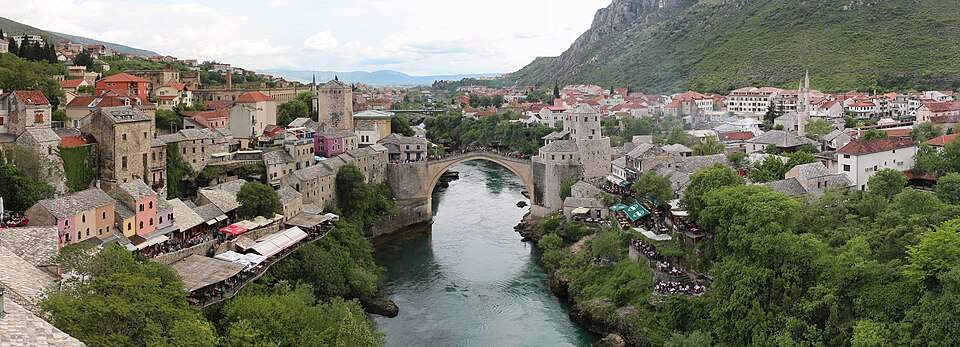
Our Mostar travel guide is the perfect starting point for exploring one of the most fascinating historic cities in Bosnia and Herzegovina. Best known for Stari Most, its iconic Ottoman-era bridge spanning the emerald-green Neretva River, Mostar offers far more than a famous landmark and picturesque riverside views.
The city’s character emerges through its cobbled streets, traditional bazaars, historic mosques, and distinctive blend of Ottoman and Austro-Hungarian architecture. Its past is equally significant: the destruction and subsequent reconstruction of the Old Bridge reflect Mostar’s complex history and enduring cultural importance. Beyond the Old Town, the surrounding Herzegovina region offers scenic landscapes, historic villages, and natural attractions that make an extended stay worthwhile.
Whether you are planning a day trip from Dubrovnik, travelling from Sarajevo, or exploring Bosnia and Herzegovina at a slower pace, this guide covers the best things to do in Mostar, a practical one- or two-day itinerary, the best time to visit, transport options, accommodation areas, estimated travel costs, and worthwhile nearby excursions. By the end, you will have a clearer idea of how long to stay and how to make the most of your visit.
Mostar at a Glance
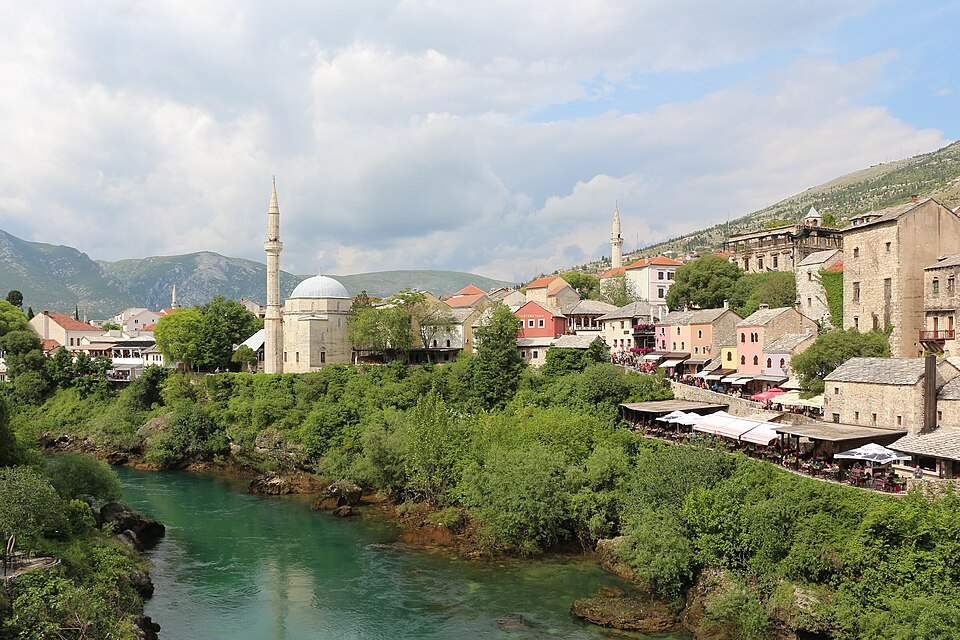 Mostar is a historic city in southern Bosnia and Herzegovina, set along the Neretva River in the Herzegovina region. Its famous Old Bridge, Ottoman-era streets, and distinctive architectural heritage make it a popular stop for travelers exploring the Balkans. The following quick facts will help you plan your visit.
| Travel essential | Details |
| Location | Herzegovina, southern Bosnia and Herzegovina |
| Currency | Convertible mark (BAM; commonly written KM) |
| Official languages | Bosnian, Croatian, and Serbian |
| Time zone | Central European Time (CET, UTC+1) in winter; Central European Summer Time (CEST, UTC+2) in summer |
| Main transport connections | Bus and train connections with Sarajevo; bus and road connections with destinations including Dubrovnik and Split |
| Getting around | The historic center is best explored on foot; taxis and local transport can help with longer journeys |
| Recommended visit | One full day for the main sights; two days for a slower visit or a nearby excursion |
| Best time to visit | Spring and early autumn generally offer comfortable sightseeing conditions; summer is popular but can be very hot |
Bosnia and Herzegovina’s currency is the convertible mark (BAM), with a fixed exchange rate of €1 = BAM 1.95583. The country follows Central European Time, switching between standard time in winter and summer time.
Mostar is accessible by road from several major regional destinations. Travelers arriving from Sarajevo can compare bus and train services, while those coming from Dubrovnik or Split should check current bus schedules and allow extra time for border formalities. Departure times and journey durations vary, so confirm them for your travel date.
How long should you stay? One day is generally enough to explore the Old Bridge, the Old Bazaar, and several major historic sights at a reasonable pace. However, an overnight stay gives you more time to experience the Old Town outside the busiest daytime hours, while a second day allows you to explore nearby places such as Blagaj or Počitelj.
Note: The recommended visit duration and preferred seasons are travel-planning suggestions, not official recommendations. Check transport schedules and seasonal opening hours before your trip.
Is Mostar Worth Visiting?
Yes, Mostar is worth visiting for travelers who appreciate historic architecture, distinctive cultural influences, riverside scenery, and destinations with a complex past. Although the city is best known for Stari Most, the famous Old Bridge, its appeal extends to the winding streets of the Old Town, traditional Bosnian cuisine, historic religious buildings, and the surrounding landscapes of Herzegovina.
One of Mostar’s greatest attractions is its architectural character. Ottoman-era buildings, stone-paved lanes, traditional shops, and Austro-Hungarian influences reflect the different periods that shaped the city. The Old Bridge, which was destroyed during the Bosnian War and later reconstructed, is more than a picturesque landmark; it is a powerful symbol of the city’s heritage and rebuilding.
The Neretva River adds another dimension to the experience. Its striking green-blue waters flow beneath the bridge, creating beautiful viewpoints throughout the historic center. Visitors can explore the Old Bazaar, browse local handicrafts, climb to selected viewpoints, and enjoy Bosnian specialties such as ćevapi, burek, and traditional Bosnian coffee. Those interested in history can also learn about the city’s Ottoman past, its multicultural communities, and the lasting impact of the 1990s conflict.
Mostar is particularly appealing to:
- History and architecture enthusiasts interested in Ottoman heritage, historic bridges, and the city’s layered past.
- Photographers and culture-focused travelers drawn to stone streets, river views, traditional markets, and distinctive architecture.
- Food lovers who want to sample Bosnian dishes and experience local café culture.
- Balkan road-trippers combining Bosnia and Herzegovina with Croatia, Montenegro, or other regional destinations.
- Nature lovers who want to use Mostar as a base for exploring nearby places such as Blagaj, Počitelj, and Kravica Waterfall.
However, Mostar can feel very busy during the summer, particularly around Stari Most and the Old Bazaar when tour groups arrive. A rushed day trip may leave little time to appreciate the city’s history, enjoy a relaxed meal, or explore quieter streets away from the main sightseeing route. Summer heat can also make walking less comfortable during the middle of the day.
So, is Mostar worth an overnight stay? For most travelers who enjoy exploring beyond the main landmarks, yes. A single day can cover the highlights, but staying overnight allows you to experience the Old Town at a more relaxed pace and enjoy its atmosphere after many day visitors have departed. If you have two days available, you can also explore a nearby attraction without squeezing everything into a tight schedule.
Best Things to Do in Mostar
The best things to do in Mostar go beyond photographing its famous Old Bridge. This historic city in Bosnia and Herzegovina rewards visitors with atmospheric Ottoman-era streets, traditional markets, historic mosques, distinctive European architecture, and beautiful views of the Neretva River. Most of the main attractions are within walking distance of one another in and around the Old Town, making it easy to explore on foot.
Whether you have a few hours or a full day, these experiences will help you appreciate Mostar’s architecture, culture, and complex history.
1. Walk Across Stari Most (Old Bridge)
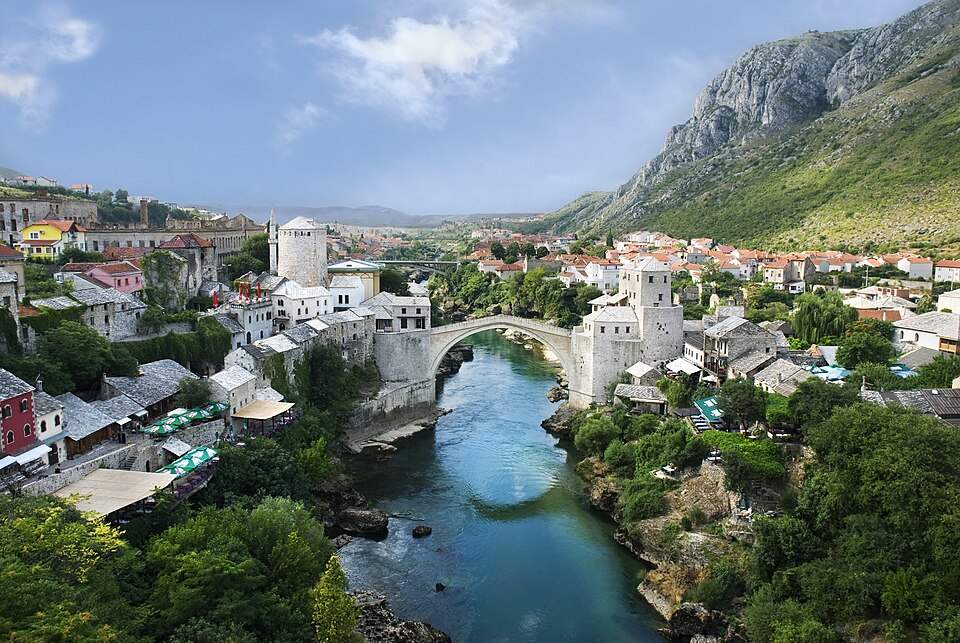 Stari Most, meaning “Old Bridge,” is the landmark that defines Mostar’s skyline and gives the city much of its international recognition. Built during the Ottoman period and completed in 1566, the graceful stone arch spans the Neretva River, connecting the two sides of the historic center. Its elegant shape and dramatic setting make it one of the most memorable sights in Bosnia and Herzegovina.
The original bridge stood for more than four centuries before being destroyed during the Bosnian War on November 9, 1993. It was subsequently reconstructed using traditional techniques, with international cooperation playing an important role in restoring the historic area. The rebuilt bridge reopened in 2004, and the Old Bridge Area of the Old City of Mostar was inscribed on the UNESCO World Heritage List in 2005.
Walking across the bridge is an essential part of visiting Mostar. From the arch, you can see the river flowing between rocky banks, the stone buildings of the Old Town, and the surrounding hills. Looking back toward the bridge from the riverbanks also provides a better appreciation of its architecture than simply viewing it from above.
The bridge’s smooth, sloping stone surface can become slippery, particularly when wet, so wear footwear with a good grip. During busy summer periods, visit early in the morning or later in the evening if you prefer a quieter experience and better opportunities for photographs.
Travel tip: Take time to see Stari Most from several viewpoints rather than crossing it just once. The changing perspectives reveal different details of the arch, river, and surrounding historic buildings.
2. Explore the Old Bazaar, Kujundžiluk
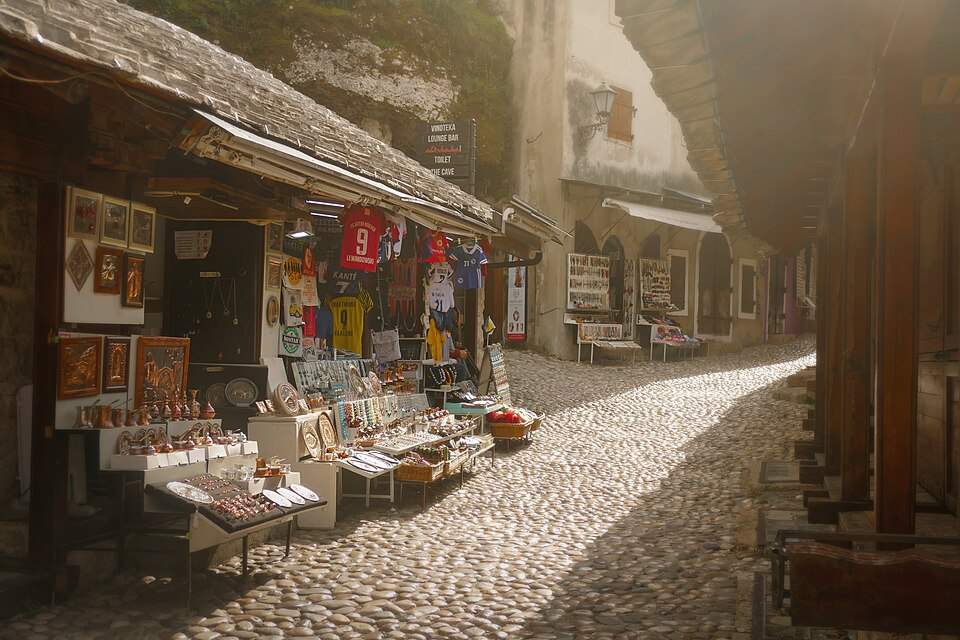 Just steps from Stari Most, Kujundžiluk is one of the most atmospheric parts of Mostar’s Old Town. Its narrow, stone-paved streets are lined with small shops, craft stalls, cafés, and traditional buildings that reflect the city’s Ottoman heritage.
The bazaar is particularly known for copperware and other handicrafts. You may find engraved coffee sets, decorative plates, jewelry, textiles, souvenirs, and locally made gifts. Even if you do not intend to shop, wandering through the lanes offers a closer look at the historic character of the city.
Unlike a modern shopping district, Kujundžiluk is best experienced slowly. Look at the stone façades, explore the smaller side streets, and stop at a café when you need a break from sightseeing. The area can become crowded around midday, especially when organized tour groups arrive.
Shopping here also provides an opportunity to support local businesses. If you are interested in buying a handcrafted item, ask about its materials and whether it was made locally rather than assuming every souvenir is a traditional product.
Travel tip: Explore the bazaar before the busiest part of the day, then return later if you want to browse shops or enjoy a drink nearby. Keep some small cash available, although payment options vary between businesses.
3. Visit Koski Mehmed Pasha Mosque
Koski Mehmed Pasha Mosque is one of Mostar’s most recognizable historic religious buildings. Located near the Old Bridge, it offers visitors an opportunity to learn more about the city’s Ottoman-era religious architecture and cultural heritage.
The mosque’s courtyard, traditional architectural details, and setting above the Neretva River make it worth including in a walking tour of the Old Town. Its proximity to Stari Most also means you can visit without making a separate journey across the city.
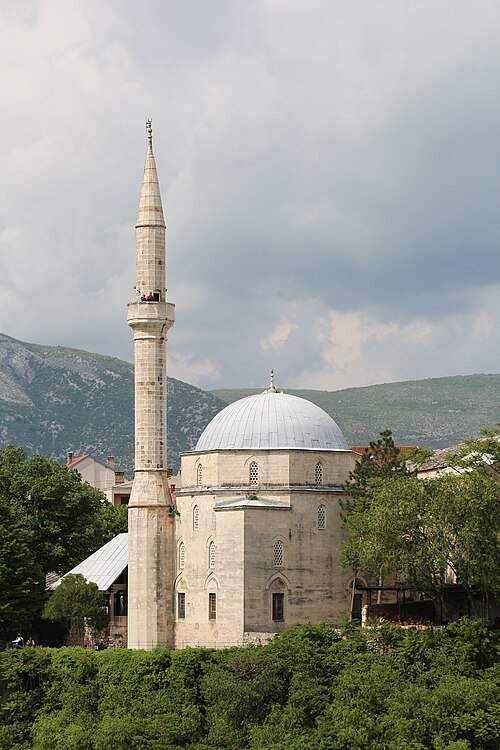 One of its main attractions for visitors is the possibility of climbing the minaret when access is available. From above, the view takes in the Old Bridge, the river, the red and terracotta rooftops, and the surrounding hills. It is a particularly rewarding viewpoint for photographers who want a wider perspective of Mostar’s historic center.
Access arrangements, opening hours, and any admission charges can change. Check local information before visiting, and remember that this is an active religious site. Dress respectfully, follow posted instructions, and avoid entering prayer areas when visitors are not permitted.
Travel tip: If the minaret is open and you are comfortable with narrow stairs and heights, consider making the climb. The elevated view provides a different perspective on the bridge and the layout of the Old Town.
4. See the Crooked Bridge (Kriva Ćuprija)
Although Stari Most receives most of the attention, the Crooked Bridge, known locally as Kriva Ćuprija, is another charming historic landmark worth seeing. It crosses the smaller Radobolja stream near the Old Town and offers a more intimate setting than the larger bridge over the Neretva.
Its compact stone arch, surrounding historic buildings, and waterside location make it a pleasant stop during a walking tour. The smaller scale also provides a useful contrast with Stari Most, allowing visitors to appreciate how traditional stone bridges fit into Mostar’s historic urban landscape.
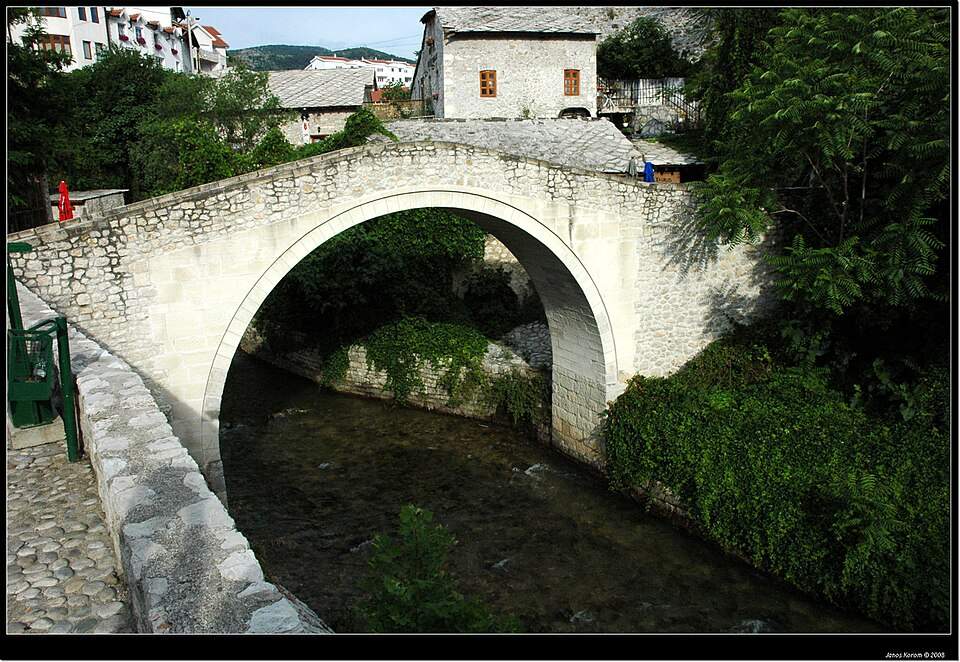 The Crooked Bridge is easy to combine with a visit to the Old Bazaar and other nearby attractions. Depending on the season and water levels, the stream and surrounding scenery can create attractive photographic compositions.
It is a particularly good option if you want to explore beyond the city’s most photographed landmark without travelling far from the historic center.
Travel tip: Visit while walking between the Old Town’s main sights rather than planning a separate excursion. Allow a little time to appreciate the bridge from different angles, and take care on the nearby stone paths.
5. Learn About Mostar’s History
Understanding Mostar’s history adds depth to everything you see in the city. Its development as an Ottoman settlement, later Austro-Hungarian influence, and more recent wartime experiences have all shaped its architecture and identity.
The Old Bridge is central to this story. Completed in the 16th century, it became an important crossing over the Neretva and a defining feature of the historic town. Its destruction in 1993 during the Bosnian War was a major loss of cultural heritage. The subsequent reconstruction restored the bridge and contributed to the wider recovery of the historic area.
However, the city’s history cannot be understood through architecture alone. Mostar experienced severe conflict and division during the 1990s, and the effects of that period remain part of its contemporary story. Visitors should approach this history with sensitivity rather than treating wartime destruction merely as a dramatic backdrop for photographs.
To learn more, consider joining a reputable local walking tour or visiting a historical museum or memorial that provides context for the conflict and reconstruction. A knowledgeable guide can explain details that are easy to miss when exploring independently.
Travel tip: Allow time to listen and learn, particularly when visiting memorials or places connected with the war. Respect local sensitivities, and avoid photographing people or private spaces without permission.
6. Discover Mostar’s Austro-Hungarian Architecture
Mostar’s architectural identity extends beyond its Ottoman-era Old Town. During Austro-Hungarian administration, which began in 1878, the city acquired additional buildings and urban features that introduced a different architectural character.
As you move away from the narrow bazaar streets, look for wider roads, more formal façades, and European architectural influences that contrast with the traditional stone houses and religious buildings near Stari Most. These differences help explain how Mostar developed through successive political and cultural periods.
Exploring these streets also gives you a chance to see parts of the city beyond its busiest visitor area. Shops, cafés, public buildings, and everyday urban life offer a different perspective from the concentrated historic district around the bridge.
Rather than searching for one specific building and rushing away, take a short walking detour through the surrounding center. Notice how the street layout, building materials, and architectural styles change from one area to another.
Travel tip: Include this walk after visiting the Old Bridge and bazaar. It provides useful historical context and helps balance a sightseeing itinerary that might otherwise focus almost entirely on Ottoman architecture.
7. Try Traditional Bosnian Food and Coffee
Food is an important part of the Mostar experience, and local bakeries, casual eateries, cafés, and restaurants offer a useful introduction to Bosnian cuisine. Some dishes make convenient, affordable meals while exploring the Old Town; others are more commonly enjoyed as a sit-down meal rather than street food.
Ćevapi are small grilled minced-meat sausages, usually served with flatbread such as somun and chopped onions. They are a popular casual meal. Burek is a flaky pastry traditionally filled with meat in Bosnia and Herzegovina. Other filled pastries have their own names: sirnica is commonly filled with cheese, zeljanica with greens such as spinach, and krompiruša with potatoes. Bakeries are useful places to look for a quick breakfast, snack, or inexpensive lunch.
For something more substantial, look for klepe, Bosnian dumplings often served with a sauce, or dolma and other stuffed vegetables when they appear on the menu. Baklava and other syrup-soaked pastries reflect Ottoman influences on the region’s dessert traditions. Availability varies by restaurant, so treat these as dishes to look for rather than items guaranteed on every menu.
Bosnian coffee is equally worth trying. It is traditionally prepared in a small metal pot called a džezva and served in a small cup, often with a sugar cube or a sweet treat. The preparation and serving style are part of the experience, making it a good choice for a relaxed break between sightseeing stops. Mostar’s Old Town has numerous cafés and eateries, but you do not need to choose a restaurant solely because it overlooks the bridge; exploring beyond the busiest streets may help you find a quieter place.
Travel tip: Try ćevapi or a bakery pastry for a casual meal, then take time to enjoy Bosnian coffee. Check menus and prices before ordering in busy tourist areas, and ask about ingredients if you have dietary restrictions. Not every traditional dish is street food; many are served in restaurants or home-style eateries.
If you would like to compare places to eat, choose according to the experience you want rather than looking for one universal “best” restaurant. Ćevabdžinica Tima-Irma is known for a casual ćevapi-focused meal; Šadrvan is an option for a sit-down introduction to traditional Bosnian dishes; and Food House Mostar is worth checking for a broader menu and vegetarian or vegan choices. Menus, ownership, opening hours, and dietary accommodations can change, so confirm details directly before visiting. For vegetarian meals, ask whether soups, sauces, and cooked dishes use meat stock, and do not assume that every vegetable dish is meat-free.
8. Enjoy the Neretva Riverside Views
The Neretva River is an essential part of Mostar’s identity. Its vivid green-blue water, rocky banks, and dramatic setting beneath the Old Bridge create some of the city’s most memorable views.
For a classic photograph, look for established viewpoints along the riverbanks where the bridge’s full arch can be seen against the surrounding buildings. Views from the historic center, nearby bridges, and designated public paths offer different perspectives on the river and the Old Town.
The riverside is also a good place to pause after exploring the crowded bazaar. From a suitable public viewpoint, you can watch the river move beneath the bridge and appreciate how the landscape influenced the city’s historic development.
Conditions near the water can be uneven, and river levels and currents may change. Stay on established paths and public viewing areas, and do not climb over barriers or descend onto unstable rocks for a photograph. The water can be dangerous even when it looks calm.
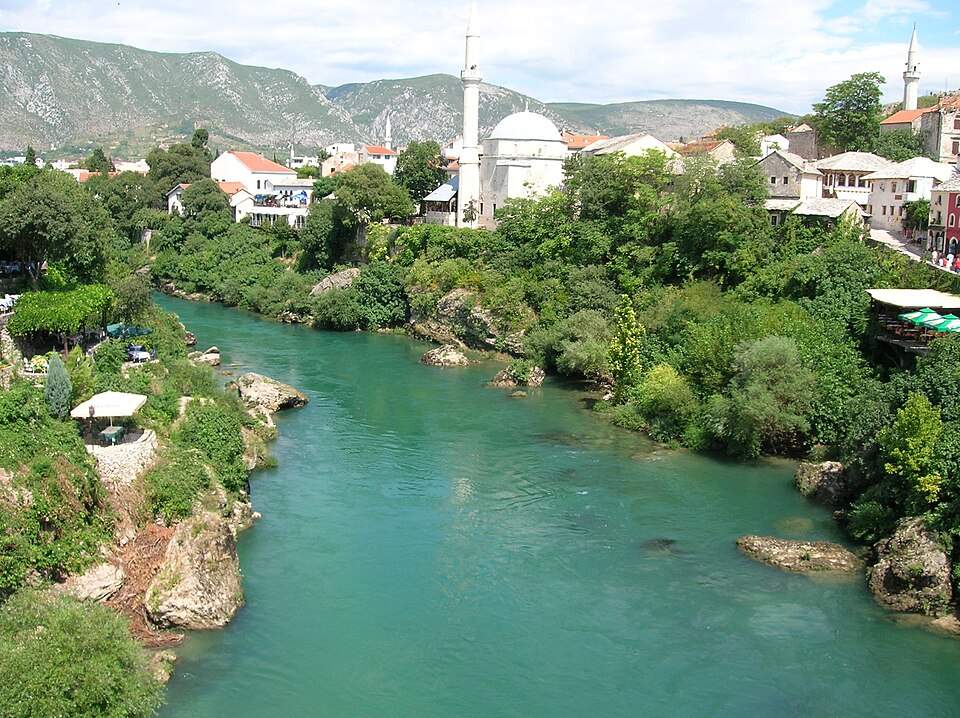 If you are visiting during summer, the river may appear especially inviting, but that is not a reason to assume that swimming or jumping is safe. Follow local guidance and designated access rules.
Travel tip: Photograph the bridge from the riverbanks as well as from above. Early morning and later in the day can offer attractive light, while quieter periods may make it easier to enjoy the scenery without the heaviest crowds.
9. Visit the Peace Bell Tower
Beside the Franciscan Church and Monastery of Saints Peter and Paul stands Mostar’s Peace Bell Tower, a prominent modern landmark that rises about 107 metres to the top. Its viewing platform is around 75 metres above the ground and offers a broad panorama of the city, the Neretva valley, surrounding hills, and the contrast between the historic center and newer neighborhoods.
Access arrangements are not necessarily continuous throughout the year. Reports describe an elevator for part of the ascent, followed by stairs, so the visit may not be suitable for everyone. Check whether the tower is open to visitors, the current admission charge, and accessibility arrangements before making a special trip. The adjacent church is an active religious site, so observe any restrictions and avoid interrupting services.
Best for: Visitors who enjoy city viewpoints, architecture, and seeing Mostar from beyond the Old Town. Allow around 30–60 minutes if the tower is open, including time for access and the view.
10. Explore Mostar’s Street Art and the Street Arts Festival
Mostar’s cultural life extends beyond its historic monuments. Murals and public-art projects across the city offer a contemporary perspective on local identity, urban life, and the way artists respond to the city’s past and present. The Street Arts Festival Mostar, established in 2012, has helped bring local and international artists into public spaces through murals, artistic interventions, exhibitions, and related cultural activities.
A street-art walk is a good option for travelers who have already explored the main Old Town sights and want to discover parts of Mostar beyond the usual sightseeing route. A guide can explain the stories behind selected murals, the artists’ work, and the festival’s role in the city’s contemporary cultural scene. Guided Street Arts tours have been developed with local tourism bodies and the festival’s organizers, but availability and schedules can vary.
The festival itself takes place on specific dates rather than running throughout the year. If attending an event or seeing newly created work is important to you, check the programme for your travel dates. If no guided tour is available, you can still look for public murals independently, while respecting private property and the surrounding neighborhoods.
For a self-guided street-art walk, begin around Spanish Square and explore public-art locations beyond the Old Town, including streets such as Alekse Šantića and Adema Buća where murals have been documented. You can also check whether the area around the Abrašević Youth Cultural Center or Park Zrinjevac has accessible public art during your visit. These locations are not a single guaranteed, fixed route: murals may change, and some works are spread across different neighborhoods. Use a current local map or ask a local guide to confirm what is still visible, and allow extra time if you plan to walk between areas.
Best for: Street-art fans, photographers, and travelers interested in contemporary culture. Allow about 1–2 hours for a focused mural walk, depending on the route and whether you join a guide.
11. Consider a Guided Walking Tour of Mostar
Mostar’s compact Old Town is easy to explore independently, but a guided walking tour can add context that is difficult to get from sightseeing alone. General city tours commonly focus on Stari Most, the Old Bazaar, historic religious buildings, Ottoman and Austro-Hungarian influences, and the city’s experience during the 1990s conflict. A knowledgeable local guide can explain the background of the landmarks and discuss the city’s history with appropriate sensitivity.
Tour length, route, language, group size, and price vary by provider. Before booking, check which sights are included, whether entrance fees are extra, and whether the walk includes steep streets or stairs. Some tours are advertised as free or tip-based; check the operator’s terms and consider tipping according to the service and local expectations. If you prefer independent sightseeing, use the one-day itinerary in this guide and allow time to read about the places you visit.
A specialist street-art tour is a different experience from a general historic walking tour, so choose according to your interests. For first-time visitors with limited time, a general tour can help orient you to the Old Town; visitors with a second day may enjoy a mural-focused walk as a contemporary counterpoint to Mostar’s historic landmarks.
12. Visit Fortica Hill and the Skywalk
Fortica Hill offers a different perspective from the viewpoints in Mostar’s Old Town. From higher ground above the city, visitors can look across the rooftops, the Neretva valley, and the surrounding hills. The area is associated with outdoor recreation and a glass skywalk, making it appealing to travelers who want panoramic views rather than another historic building.
Plan this visit around the weather and your transport. Walking uphill can be demanding in summer heat, while a taxi or organized transfer may be more convenient if you have limited time or mobility. Check current access, operating arrangements, and any fees for the skywalk or other activities before setting out; do not assume every facility is open year-round.
Best for: View seekers, photographers, and travelers who have already explored the Old Town. Allow extra time for the journey, the viewpoint, and any walking or activities you choose.
13. Explore the Partisan Memorial Cemetery
The Partisan Memorial Cemetery is a distinctive 20th-century monument associated with the Yugoslav Partisans who died during the Second World War. Designed by architect Bogdan Bogdanović and opened in 1965, the memorial is also notable for its sculptural, terraced modernist design. It offers a different historical perspective from Mostar’s Ottoman-era landmarks and the sites associated with the 1990s conflict.
Visit with an understanding of its commemorative purpose, rather than treating it simply as a photo stop. The site has experienced periods of damage and deterioration, and its current condition and access may vary. Check local information before making a special trip, wear suitable footwear for uneven paths, and respect any barriers or notices.
Best for: Visitors interested in modernist architecture, Yugoslav history, and places beyond the main tourist route. It can be a short addition to a wider city walk if access and conditions allow.
14. Choose a Museum or Ottoman-Era House
A museum visit can add context to Mostar’s architecture and complex history. The Herzegovina Museum offers a broader regional-history perspective, while the Museum of War and Genocide Victims focuses on the human consequences of the 1990s conflict. For a closer look at domestic life and historic interiors, visitors can look into traditional Ottoman-era houses such as Bišćević House or Kajtaz House. The Hamam Museum is another option for understanding the city’s Ottoman heritage.
These places differ in subject, scale, and visitor experience, and not every museum or historic house necessarily follows the same opening schedule. Choose one or two that match your interests rather than trying to fit every institution into a short visit. Confirm current opening days, admission arrangements, language availability, and access before going.
Best for: History-minded travelers, rainy-day planning, and visitors who want more context than a walk through the Old Town alone.
Once you have explored Mostar’s principal attractions, the next decision is how much time to allow for the city. A single day can cover the highlights, but an overnight stay or a second day opens up a more relaxed experience of Mostar and the surrounding Herzegovina region.
15. Watch the Old Bridge Divers (When Conditions Allow)
Watching trained divers jump from Stari Most is a memorable Mostar experience, but it is not a scheduled performance that visitors should assume will happen at a particular time. Local divers maintain a long-standing tradition associated with the bridge and the Neretva River, and activity depends on conditions, training, events, and the divers themselves.
In warmer months, you may see divers preparing or collecting contributions before a jump, but do not plan your entire visit around seeing one. If watching the tradition matters to you, ask a reputable local guide or the diving club about current activity and any announced event dates. The annual competition and special cliff-diving events have their own schedules, which can change from year to year.
For a better view, watch from a safe public area on the riverbank and keep walkways clear. Never climb the parapet or attempt to jump from the bridge yourself. The height, cold water, current, rocks, and narrow safe-entry conditions make this an activity for trained, experienced divers—not tourists trying it for a photograph. Respect any instructions from local authorities and the diving community.
Travel tip: Treat a dive as a possible bonus, not a guaranteed attraction. You can appreciate the bridge’s history and architecture even when no one is jumping.
How Many Days Do You Need in Mostar?
Most travelers should allow one to two days in Mostar, depending on whether they want to see the main historic sights or explore the surrounding Herzegovina region as well. One full day is usually enough for the Old Bridge, the Old Bazaar, and several important landmarks. Two days provide a more relaxed pace and time for a nearby excursion without rushing through the city.
The right length of stay also depends on your travel plans. If Mostar is one stop on a wider Balkan road trip, a day may be sufficient. If you enjoy history, architecture, local food, and scenic landscapes, spending at least one night can make the experience more rewarding.
Is One Day Enough in Mostar?
Yes, one full day is enough to experience Mostar’s main attractions if you plan your time sensibly. The historic center is compact, and many of its best-known sights are within walking distance of Stari Most.
Start your morning at the Old Bridge before the busiest sightseeing hours. Continue through the Old Bazaar in Kujundžiluk, visit Koski Mehmed Pasha Mosque if it is open to visitors, and explore the surrounding historic streets. After lunch, you can see the Crooked Bridge, discover examples of Austro-Hungarian architecture, and spend time along the Neretva River.
A practical one-day visit might look like this:
- Morning: Explore Stari Most, photograph the bridge from different viewpoints, and wander through the Old Bazaar.
- Late morning: Visit Koski Mehmed Pasha Mosque or another historic site, allowing time for entry and sightseeing.
- Afternoon: Enjoy a traditional Bosnian meal, see the Crooked Bridge, and explore streets beyond the main tourist area.
- Late afternoon or evening: Return to the riverside for photographs and enjoy Bosnian coffee or dinner.
This schedule is a guide rather than a strict timetable. Opening hours, crowds, weather, and your interest in museums or historical sites can affect how much you accomplish.
A day trip from Sarajevo or the Croatian coast may also be possible, but the journey reduces the time available for sightseeing. Travelers arriving from Dubrovnik or Split should account for road conditions and potential border delays. If you arrive late in the morning and need to leave early, you may have to skip some attractions.
Best for: Travelers on a tight schedule who primarily want to experience the Old Bridge, Old Town, and Mostar’s principal cultural highlights.
Why Spend Two Days in Mostar?
Two days allow you to explore Mostar at a more comfortable pace and appreciate more than its most famous landmarks. Instead of moving quickly from one attraction to another, you can spend longer exploring the Old Town, learning about the city’s history, and enjoying its food and café culture.
With an overnight stay, you can visit Stari Most early in the morning or return in the evening, when the atmosphere may be quieter than during peak sightseeing hours. You will also have more flexibility to visit historic buildings, browse local craft shops, or take a guided walking tour without constantly checking the time.
A two-day visit also creates room for a nearby excursion. Blagaj, known for the historic Dervish House beside the Buna River spring, is a natural option. Počitelj offers a historic hillside settlement with stone architecture, while Kravica Waterfall appeals to travelers interested in natural scenery. Choose one excursion based on your interests and available transport rather than trying to fit all three into a single day.
A sensible two-day plan would be:
- Day 1: Concentrate on Mostar’s Old Bridge, Old Bazaar, historic religious buildings, architectural heritage, and riverside viewpoints.
- Day 2: Choose one excursion based on your interests: Blagaj for the Buna spring and Dervish House, Počitelj for historic architecture, Kravica for waterfalls, or Stolac and Radimlja for medieval heritage. If you prefer to remain in Mostar, use the extra time for Fortica Hill, the Partisan Memorial Cemetery, a museum, or a street-art walk. Check transport and opening arrangements before deciding.
Keep in mind that the practicality of a day trip depends on the season, transport schedules, and whether you have a car or are joining an organized tour.
Best for: Travelers who enjoy a slower pace, want to understand Mostar’s history, or would like to combine the city with a nearby destination in Herzegovina.
When to Stay Longer in Mostar
Consider spending three or more days in Mostar if you want to use the city as a base for exploring Herzegovina rather than treating it as a brief stop.
The surrounding region offers a mixture of historic settlements, riverside landscapes, waterfalls, and countryside. With additional time, you can visit Blagaj, Počitelj, and Kravica Waterfall on separate outings or combine selected stops into a carefully planned excursion. You can also spend more time discovering Mostar’s museums, learning about its recent history, or exploring neighborhoods beyond the Old Town.
A longer stay is particularly useful for travelers who prefer independent travel. You can adapt your plans to the weather, avoid the busiest sightseeing periods, and spend more time at places that interest you instead of following a tightly packed schedule.
Additional nights are also worthwhile if you are traveling without a car. Public transport and organized excursions do not necessarily align conveniently, so allowing extra time can make regional sightseeing easier. Check current departure times and return connections before committing to an itinerary.
However, staying longer is not essential for every traveler. If your main interest is Mostar’s historic center and you have limited time in Bosnia and Herzegovina, one full day or a single overnight stay may be sufficient.
Our recommendation: Allow one full day for Mostar itself and two days if you want to include a nearby excursion. Choose three or more days when you intend to explore Herzegovina more extensively. This gives you a realistic balance between sightseeing, cultural experiences, and travel time without making the itinerary unnecessarily demanding.
Mostar Itinerary: One or Two Days
Planning your time in Mostar is straightforward because many of the city’s main attractions are concentrated around the Old Town and the Neretva River. The key is to visit the busiest landmarks early, group nearby sights together, and leave enough time for meals and unhurried exploration.
Whether you have one day or a full weekend, the following itineraries provide a practical way to experience Mostar without trying to fit too much into your schedule.
One-Day Mostar Itinerary
If you have only one day in Mostar, concentrate on the historic center and its most important cultural sights. This route keeps walking distances manageable and leaves room for breaks.
8:00–9:00 AM: Start at Stari Most
Begin at the Old Bridge before the main sightseeing crowds arrive. Walk across the bridge, admire the surrounding architecture, and take photographs from the nearby public viewpoints. Starting early gives you a more relaxed introduction to the city.
9:00–10:30 AM: Explore Kujundžiluk Old Bazaar
Continue into the narrow streets of the Old Bazaar. Browse traditional craft shops, notice the historic stone buildings, and enjoy a coffee if a café is open. Exploring the bazaar in the morning helps you avoid spending the busiest part of the day in its narrow lanes.
10:30 AM–12:00 PM: Visit a Historic Mosque and Nearby Sights
Visit Koski Mehmed Pasha Mosque if visitor access is available. If the minaret is open and you are comfortable with heights, consider the climb for a broader view of the Old Town. Otherwise, spend the time exploring nearby historic streets or visiting a suitable museum.
12:00–1:00 PM: Enjoy a Traditional Bosnian Lunch
Take a break at a local restaurant or café. Try ćevapi, burek, or another traditional dish, depending on your preferences. Check menus and prices before ordering, especially at establishments close to the busiest tourist areas.
1:00–2:30 PM: See the Crooked Bridge and Explore Beyond the Bazaar
Walk to Kriva Ćuprija and explore the surrounding streets. Continue toward the parts of central Mostar where Austro-Hungarian architecture contrasts with the Ottoman-era buildings of the Old Town.
2:30–4:00 PM: Explore at Your Own Pace
Use this time for a museum, a guided history tour, local shopping, or a more detailed exploration of the historic center. Choose one activity rather than attempting to cover every remaining attraction.
Late afternoon and evening: Return to the Neretva River
Finish with views of Stari Most from the riverbanks or another established public viewpoint. If you are staying overnight, enjoy dinner in the Old Town and take a final walk through the historic streets.
Why this itinerary works: It starts with the city’s most recognizable landmark, groups nearby attractions into a continuous walking route, and reserves the later part of the day for flexible exploration. If you are visiting Mostar as a day trip, allow sufficient time to return to your departure point and account for possible transport delays.
Two-Day Mostar Itinerary
A two-day visit lets you explore the historic center without rushing and experience more of the surrounding Herzegovina region. The best approach is to dedicate the first day to Mostar and use the second for one nearby destination or a slower continuation of your city visit.
Day 1: Explore Mostar’s Historic Center
Follow the one-day itinerary above, but allow more flexibility. Spend extra time learning about the Old Bridge’s history, exploring side streets, browsing local handicrafts, and enjoying Bosnian food and coffee.
If you enjoy history, consider a guided walking tour that explains the city’s Ottoman heritage, Austro-Hungarian period, and wartime experiences. You can also return to the Old Bridge later in the day to see how the atmosphere changes as sightseeing crowds thin out.
Day 2: Choose a Nearby Excursion or Explore More of Mostar
Select one of the following options according to your interests and transport arrangements.
- Blagaj: Visit the historic Dervish House beside the Buna River spring. This is a good option if you enjoy cultural heritage and riverside scenery.
- Počitelj: Explore a historic hillside settlement known for its stone architecture and views over the Neretva Valley. Be prepared for uphill walking and uneven surfaces.
- Kravica Waterfall: Choose this excursion if natural scenery is your priority. Check seasonal access, transport options, and current conditions before setting out.
- A slower day in Mostar: If you prefer not to travel farther, explore museums, discover more of the city’s architectural heritage, revisit the riverside, and enjoy a leisurely meal.
Do not assume that all three regional attractions can be comfortably visited in one day. Travel times, road conditions, available tours, and the amount of time you want to spend at each location can make a multi-stop excursion tiring.
Why this itinerary works: Separating the city and the surrounding region prevents the main sights from becoming a rushed checklist. It also allows you to adapt the second day to the weather, transport schedules, and your interests.
Practical planning tip: If you are visiting Mostar during summer, begin outdoor sightseeing early and schedule breaks during the hottest part of the day. If you are relying on public transport, confirm return connections before leaving the city. Travelers with limited time should prioritize a comfortable, well-planned visit over trying to see every attraction in the region.
Best Time to Visit Mostar
The best time to visit Mostar depends on whether you prioritize comfortable sightseeing, summer activities, fewer crowds, or quieter streets. April to June and September to October are generally good periods for exploring the historic center on foot, while July and August bring the hottest weather and some of the busiest sightseeing conditions.
Mostar has a Mediterranean-influenced climate, with hot, relatively dry summers and cooler, wetter winters. Average temperatures typically reach around 26°C in July and August, while rainfall generally increases during autumn and winter. Actual temperatures can vary considerably, and summer heatwaves can push daytime temperatures well above seasonal averages.
Spring and Early Summer (March to June)
Spring and early summer are excellent times to explore Mostar’s historic streets, visit its architectural landmarks, and take excursions around Herzegovina. Temperatures gradually rise during these months, while the surrounding countryside becomes greener after the winter rains.
- March: Early spring brings milder days, with average temperatures around 11°C. Conditions can still be cool and rainy, so pack a light jacket and waterproof layer.
- April: Temperatures become more comfortable for walking, with monthly average temperatures around 14°C. It is a good month for exploring the Old Town and visiting nearby historic villages, although showers remain possible.
- May: Often a particularly appealing month for sightseeing, with average temperatures around 19°C. Days are generally warm enough for extended walks, and the surrounding landscapes can be attractive for photography.
- June: Early summer brings longer days and warmer weather, with average temperatures around 24°C. It is suitable for outdoor sightseeing, but the heat and number of visitors begin to increase as the main summer season approaches.
These figures are approximate monthly averages, not daytime highs or guaranteed conditions.
For many travelers, May and early June offer a good balance between comfortable walking weather and opportunities to explore the region. You can spend more time outdoors without routinely dealing with the intense midday heat that can occur later in summer.
Spring is not completely dry, however. If you plan to visit Kravica Waterfall or other outdoor attractions, check local conditions and transport arrangements before setting out.
Summer in Mostar (July to August)
Summer is the busiest period for tourism in Mostar, particularly around Stari Most and the Old Bazaar. Long daylight hours make it convenient to explore the city, and the season suits travelers who want to combine historic sightseeing with excursions to riverside destinations.
However, summer also brings Mostar’s most challenging walking conditions. Average temperatures are around 26°C in July and August, but actual daytime highs can exceed 35°C during hot spells. The stone streets and relatively exposed sightseeing areas can feel particularly uncomfortable during the middle of the day.
July is a good choice if you enjoy lively summer destinations and do not mind the heat. Plan to visit the Old Bridge early in the morning, explore indoor attractions or enjoy a long lunch during the hottest hours, and resume walking later in the afternoon.
August has similar weather and crowd patterns. It can be especially busy around popular landmarks and during major local events. Book accommodation in advance if your dates are fixed, and allow flexibility for excursions.
To make a summer visit more comfortable:
- Start sightseeing early, particularly around the Old Bridge and Old Bazaar.
- Carry water, wear breathable clothing, and use sun protection.
- Schedule breaks in shaded cafés or indoor attractions during the hottest hours.
- Check excursion schedules and return transport before leaving the city.
- Avoid assuming that the Neretva River is safe for swimming simply because the weather is hot.
Summer is best suited to travelers who enjoy warm weather and can adjust their sightseeing schedule. If you prefer cooler conditions and fewer crowds, consider May, September, or early October instead.
Autumn and Winter (September to February)
Autumn is an attractive alternative to summer, while winter offers a quieter experience with cooler weather and a greater chance of rain.
September and October: Early and Mid-Autumn
September often provides a particularly good balance of warmth and more manageable sightseeing conditions. Average temperatures are around 21°C in September and 16°C in October, although warm days can still occur. September can be relatively dry early in the month, but rainfall generally increases as autumn progresses.
- September: A strong choice for walking around the Old Town, photographing the bridge, and exploring nearby destinations without the most intense summer heat.
- October: Cooler weather makes longer walks more comfortable, and the surrounding countryside can offer attractive autumn colors. Carry a light jacket and prepare for rain.
For many travelers, September and early October offer an excellent balance of sightseeing comfort and seasonal atmosphere. However, check excursion availability and weather forecasts before planning outdoor activities.
November: The Start of the Quieter Season
November is generally cooler and wetter. It can suit travelers who prefer a quieter historic center, but rain may disrupt walking tours and excursions. Pack waterproof clothing and avoid building a tightly scheduled itinerary around outdoor attractions.
December to February: Winter in Mostar
Winter is the coldest period, with monthly average temperatures generally ranging from about 6°C to 7°C in December and February, and around 6°C in January. Rain is common, and occasional cold spells can make conditions less comfortable for extended outdoor sightseeing.
Winter can still be worthwhile if you are interested primarily in architecture, food, and history rather than outdoor excursions. The Old Town can feel quieter outside holiday periods, but some attractions, tours, or seasonal businesses may have reduced hours or limited availability.
Before traveling in winter, confirm opening times for museums and religious sites, check transport schedules, and leave room for weather-related changes to your plans.
Our recommendation: Choose May or early June for spring greenery and comfortable sightseeing, July or August if you prefer the lively summer season and can manage the heat, or September and early October for a balance of pleasant walking conditions and a less intense peak-season atmosphere. There is no single best month for everyone; the right choice depends on your priorities and the activities you plan to enjoy.
How to Get to Mostar
Mostar is accessible by train, bus, and car, making it a convenient stop on a trip through Bosnia and Herzegovina or a wider Balkan itinerary. The best route depends on where you are starting, whether you prefer scenic rail travel or flexible road transport, and how much time you have available.
Travelers arriving from Sarajevo can compare train and bus services, while those coming from Dubrovnik or Split need to plan for an international border crossing into Bosnia and Herzegovina. Timetables, journey durations, and service availability can change by season, so confirm the details for your travel date before booking.
Traveling from Sarajevo to Mostar
Sarajevo is one of the most convenient starting points for a trip to Mostar. The two cities are connected by road and rail through the mountainous landscapes of Bosnia and Herzegovina, and the journey can be an attraction in itself.
By train: The railway journey between Sarajevo and Mostar is known for its scenery, with views of mountains, valleys, and the Neretva River region. It is an appealing option if you prefer to relax and enjoy the landscape rather than drive. However, train services may operate on specific schedules, so check current departures, operating days, ticket availability, and any service notices before planning your trip.
By bus: Buses are another practical option. They may offer more departure choices depending on the day, but journey times and comfort vary by operator and service. Check the departure and arrival stations carefully, particularly if you have onward connections.
By car: Driving gives you more flexibility to stop along the way and explore places outside the main cities. However, mountain roads, traffic, weather, and parking arrangements can affect the journey. If you intend to rent a car, confirm that your rental agreement permits travel on your planned routes and check the applicable insurance conditions.
For most independent travelers, the train is worth considering for the scenery, while a bus may be more convenient when its timetable better matches your plans. Driving is especially useful if you intend to explore additional destinations in Herzegovina.
Traveling from Dubrovnik to Mostar
Traveling from Dubrovnik in Croatia to Mostar is a popular option for visitors combining the Adriatic coast with Bosnia and Herzegovina. The journey takes you inland from the coast toward Herzegovina, but because it crosses an international border, you should allow flexibility in your schedule.
By bus: Direct bus services operate between Dubrovnik and Mostar, with journey times typically around three and a half to four hours, depending on the service, traffic, and border processing. Check the timetable for your exact date, as departure options can vary. Buses generally arrive at Mostar’s main bus station, from which you can continue to the Old Town on foot or by taxi.
By car: Driving gives you more flexibility to stop along the way and explore the region. However, journey duration depends on your route, traffic, road conditions, and border queues. Confirm your rental company’s cross-border permission and insurance requirements before departure.
Is a day trip worthwhile? A day trip from Dubrovnik is possible, but it can mean several hours of travel in each direction, leaving limited time to explore Mostar. If you want to see the Old Bridge, visit historic sites, enjoy a meal, and wander through the Old Bazaar without rushing, staying overnight is generally the better option.
Before traveling, confirm that your passport or other travel document meets the entry requirements for both countries. Visa requirements depend on your nationality and circumstances. Do not assume that permission to enter Croatia automatically grants permission to enter Bosnia and Herzegovina.
Traveling from Split to Mostar
Split is another useful starting point for travelers exploring the Dalmatian coast before heading inland to Bosnia and Herzegovina. The distance is manageable for a regional journey, although the actual travel time depends on the route, transport service, traffic, and border crossing.
By bus: International bus services connect Split and Mostar, but schedules and journey times vary. Some services operate seasonally, so check availability for your travel dates rather than assuming a particular departure runs throughout the year.
By car: Driving is a convenient choice if you want to explore destinations along the way or continue toward Sarajevo or other parts of Bosnia and Herzegovina. Plan for border formalities and verify whether your rental agreement permits the crossing.
Planning tip: If you are traveling between Split and Mostar in summer, book your preferred bus in advance when possible and allow extra time for border delays. If you are visiting outside the main tourist season, verify that a suitable return or onward service is available before finalizing your accommodation.
For travelers planning a wider Balkan itinerary, Mostar can work well as an overnight stop between Croatia’s coast and other destinations in Bosnia and Herzegovina. This is often more comfortable than trying to combine the journey with a full day of sightseeing.
Which Transport Option Is Best for Your Route?
The most convenient way to reach Mostar depends on your starting point and whether you value scenery, flexible departure times, or the freedom to stop along the way. Use this comparison to shortlist an option, then check the operator’s current timetable and fare for your exact travel date.
| Route | Options to compare | Best suited to | Check before booking |
| Sarajevo → Mostar | Train, bus, or car | Train for scenery; bus for a timetable that fits; car for detours | Operating days, departure station, ticket availability, road conditions |
| Dubrovnik → Mostar | International bus or car | Bus for a straightforward connection; car for flexibility | Border delays, passport/visa requirements for both countries, cross-border rental permission |
| Split → Mostar | International bus or car | Bus when a suitable service runs; car for a wider road trip | Seasonal service dates, return options, border queues, rental insurance |
| Mostar → nearby sights | Local bus, taxi, rental car, or organized excursion | Bus for independent low-cost travel when schedules work; car/tour for several stops | Exact stop, return departure, admission hours, parking, total cost |
Getting Around Mostar
Mostar’s historic center is compact enough to explore largely on foot. Walking is usually the easiest way to visit Stari Most, Kujundžiluk Old Bazaar, Koski Mehmed Pasha Mosque, and the surrounding historic streets.
Walking: Most major attractions in the Old Town are close together, so you can explore them without needing transport between every stop. Wear comfortable shoes, as some streets and bridge surfaces are uneven or slippery. During summer, carry water and plan breaks in shaded areas.
Local buses: Local buses can be useful for reaching neighborhoods and attractions farther from the Old Town. Routes, operating hours, and ticket arrangements may vary, so check current local information if you plan to rely on public transport.
Taxis: Taxis are a practical option for reaching your accommodation, traveling to the bus or railway station with luggage, or making short journeys outside the historic center. Confirm the fare or meter arrangement before starting the journey.
Rental cars: A car is generally unnecessary for exploring the central sights, and parking near the Old Town can be limited during busy periods. However, having a vehicle can be helpful if you plan to visit places around Herzegovina independently.
Getting to the Old Town from the stations: If you arrive at Mostar’s main bus or railway station, check the walking distance to your accommodation before setting off. Depending on where you are staying and how much luggage you have, walking or taking a taxi may be the most convenient option.
Our recommendation: Explore central Mostar on foot and use buses, taxis, or a rental car only when needed for longer journeys. This keeps your visit simple while allowing you to spend more time enjoying the city’s historic streets and riverside scenery.
Transport information should be checked again immediately before publication. Operators can change timetables, seasonal services, and fares, while border waiting times are variable and cannot be reliably predicted.
Where to Stay in Mostar
Choosing where to stay in Mostar depends on how much time you have, how you plan to arrive, and whether you prefer to be close to the historic sights or away from the busiest visitor areas. The Old Town is the most convenient base for sightseeing, while accommodation near the bus and railway stations can make early departures and onward journeys easier. Quieter residential areas may offer a more relaxed atmosphere, sometimes with more space for your money.
For most first-time visitors, staying within walking distance of the Old Bridge and Old Town is the most convenient choice, particularly if you have only one night in the city. If Mostar is part of a longer road trip or you plan several excursions around Herzegovina, other locations may suit your needs better.
Stay Near the Old Town for Sightseeing
The historic center is the best area to consider if your main goal is to explore Mostar’s landmarks on foot. Staying nearby makes it easier to visit Stari Most early in the morning, browse Kujundžiluk Old Bazaar, explore historic buildings, and enjoy dinner without arranging transport.
It is also a good choice for travelers who want to experience the Old Town at different times of day. You can return to your accommodation for a break during the afternoon heat and head out again later.
The trade-offs are that accommodation close to the main attractions can be more expensive during busy periods, and some streets may become crowded during the day. Properties in pedestrianized or narrow historic lanes may also be difficult to reach directly by car. Restaurants and visitor activity can create noise in some locations, especially during summer.
Best for: First-time visitors, couples, short stays, and travelers who want to spend most of their time exploring the historic center.
Stay Near the Bus and Railway Stations for Convenience
Accommodation near Mostar’s bus and railway stations can be a practical choice if you are arriving late, leaving early, or continuing to another destination the following morning. It can also suit travelers who prioritize straightforward transport connections over staying in the historic center.
The main advantage is convenience when handling luggage or catching an early bus or train. Depending on the property, you may also find modern facilities, easier vehicle access, or more straightforward parking than in the narrow lanes near Stari Most.
The trade-off is atmosphere. You will generally be farther from the Old Town’s historic streets, cafés, and riverside viewpoints. You may need to walk or take a taxi to reach the main attractions, although central Mostar is compact enough that some station-area accommodation remains within walking distance.
Before booking, check the property’s exact location rather than relying on the phrase “near the center.” Also confirm whether your bus departs from the main station beside the railway station or a different terminal, as this can affect your travel arrangements.
Best for: Travelers with early departures, short stopovers, heavy luggage, or onward connections.
Stay in a Quieter Part of Mostar for a Relaxed Visit
If you prefer a quieter environment, consider accommodation a little farther from the Old Town, including residential streets on the modern side of the city. These areas can offer a more everyday view of Mostar, away from the busiest sightseeing lanes.
Depending on the property, you may find larger rooms, apartments with kitchen facilities, easier parking, and a more peaceful setting. This can be especially useful for families, travelers staying several nights, or visitors using Mostar as a base for exploring Herzegovina by car.
The main consideration is transport. A property that appears close on a map may involve a longer walk than expected, particularly in summer heat or when carrying luggage. Check the actual walking route, terrain, and distance to the Old Town before booking.
For a longer stay, compare the cost savings with the time and expense of getting to the main attractions. If you intend to visit Blagaj, Počitelj, or Kravica Waterfall, consider whether the property offers suitable parking or convenient access to your planned transport.
Best for: Families, longer stays, independent travelers, and visitors who value space, parking, or a quieter atmosphere.
How to Choose the Right Accommodation in Mostar
Before booking, consider these practical factors:
- Walking distance: Check the actual route to Stari Most, not just the distance shown in a listing.
- Noise: Ask whether the room faces a busy street, restaurant, or nightlife area if you are a light sleeper.
- Air conditioning: This is particularly important for summer visits, when temperatures can become very high.
- Stairs and accessibility: Historic buildings may have steep stairs, uneven entrances, or no lift.
- Parking: If you are driving, confirm whether parking is available, whether it costs extra, and how close it is to the accommodation.
- Luggage access: Some streets in the Old Town are pedestrianized or difficult to reach directly by car.
- Cancellation terms: Flexible bookings may be useful if your plans depend on international transport or changing schedules.
- Seasonal prices: Compare rates for your actual dates. Accommodation costs can rise during the busy summer months.
Our recommendation: For a first visit, choose accommodation within a comfortable walk of the Old Bridge and Old Town. If you are traveling by car, staying longer, or prioritizing quiet surroundings and parking, a property farther from the historic center may be a better fit. The right choice is the one that balances location, comfort, and your travel plans rather than simply selecting the cheapest or closest room.
How Much Does Mostar Cost?
Mostar is generally an affordable destination compared with many popular cities in Western Europe, although your total spending depends on where you stay, how often you eat at restaurants, and whether you take excursions around Herzegovina. Travelers who explore the Old Town on foot and choose modest accommodation can keep costs manageable, while boutique hotels, private transfers, and organized day trips increase the budget.
The local currency is the Bosnia and Herzegovina convertible mark (BAM), also written as KM. Its official fixed exchange rate is €1 = BAM 1.95583. Prices below are indicative estimates for October 2026, based on available online travel-cost information and accommodation listings, rather than guaranteed rates for a particular booking date.
Estimated Daily Travel Costs in Mostar
The following estimates are per person, per day. They assume a budget or mid-range travel style and exclude international transport to Mostar.
| Expense | Budget travel | Mid-range travel |
| Accommodation per person | BAM 35–60 (hostel or shared room) | BAM 90–160 (private room, guesthouse, or hotel) |
| Food and drinks | BAM 20–35 | BAM 40–70 |
| Local transport | BAM 0–10 | BAM 5–20 |
| Attractions and sightseeing | BAM 0–15 | BAM 10–30 |
| Estimated daily total | BAM 55–120 | BAM 145–280 |
Price reference date: October 2026. These are planning ranges, not live quotes. Accommodation estimates assume a hostel bed or shared room for budget travel and a private room for mid-range travel; the private-room cost is divided between two people only when sharing. Seasonal demand, room availability, exchange rates, and individual spending habits can change the totals.
Accommodation Costs
Accommodation is likely to be your largest expense, especially if you want to stay close to Stari Most during the summer season.
- Hostels: Dormitory beds are usually the most economical option for solo travelers. Prices vary with demand, room type, and booking dates.
- Budget guesthouses and apartments: These can offer good value for couples or travelers who prefer a private room.
- Mid-range hotels: Expect to pay more for central locations, air conditioning, breakfast, parking, and additional amenities.
- Boutique and heritage accommodation: Restored historic buildings and properties with river or Old Bridge views can command premium rates.
July and August can be considerably more expensive than quieter months. Compare the total price, including taxes and any parking charges, and check the cancellation policy before booking.
Food and Restaurant Prices
Eating in Mostar can be relatively inexpensive if you mix traditional casual meals with occasional restaurant dining.
A bakery breakfast, a portion of ćevapi, or a simple pastry can help keep food costs down. A sit-down meal with drinks, particularly at a restaurant overlooking the Old Bridge, will generally cost more.
For budgeting purposes, allow approximately BAM 20–35 per day for economical meals and drinks, or BAM 40–70 for a more relaxed dining experience. These are estimates rather than fixed menu prices. Check current menus when comparing restaurants, as prices vary by location and what you order.
Bosnian coffee is also worth including in your budget. It offers an inexpensive way to take a break from sightseeing and experience local café culture.
Transport Costs Within Mostar
You can visit most of Mostar’s principal attractions on foot, so local transport expenses can be minimal.
Budget travelers who walk between the Old Bridge, the Old Bazaar, and nearby historic sites may spend little or nothing on transport within the city. Occasional bus journeys or short taxi rides will add to the cost.
If you plan to explore Herzegovina, however, transport becomes a more significant expense. Compare public transport, organized excursions, and car rental based on your itinerary. When renting a car, account for fuel, parking, insurance, and any applicable cross-border restrictions.
Attraction and Excursion Costs
Not every sightseeing activity in Mostar requires an admission ticket. Walking across Stari Most, exploring the Old Bazaar, and enjoying views from public areas can be free.
Some museums, religious sites, viewpoints, and guided tours charge admission. As a preliminary allowance, budget travelers can set aside around BAM 0–15 per day for attractions, while mid-range visitors may prefer BAM 10–30. Verify individual entrance fees before publication or travel, as prices and visitor access can change.
Excursions to Blagaj, Počitelj, or Kravica Waterfall should be budgeted separately from ordinary city sightseeing. The total depends on whether you travel independently, join a group tour, or hire a private driver. Check current transport and admission charges for each destination rather than relying on a single estimate for all excursions.
How Much Does a Two-Day Trip to Mostar Cost?
For a simple comparison, the following examples estimate two days of spending per person, including accommodation, meals, local transport, and ordinary sightseeing.
| Travel style | Estimated cost for two days |
| Budget | BAM 110–240 |
| Mid-range | BAM 290–560 |
These totals exclude transport to Mostar, substantial shopping, and optional regional excursions. If two people share a private room, the accommodation cost per person may be lower than for a solo traveler booking the same room.
How to save money in Mostar
- Visit in spring or autumn if your dates are flexible and you want to avoid peak summer demand.
- Book accommodation early for July and August.
- Stay within walking distance of the Old Town to reduce transport expenses.
- Compare restaurant menus rather than choosing solely by the view.
- Prioritize the attractions that interest you most instead of paying for every available tour.
- Check what is included in accommodation rates, particularly breakfast, taxes, and parking.
Our recommendation: Mostar can work well for budget travelers, but your accommodation choice will have the greatest influence on the total cost. For a realistic budget, price your room first, add meals and any paid attractions, then account separately for transport to the city and excursions around Herzegovina.
Best Day Trips from Mostar
Mostar makes a convenient base for exploring Herzegovina, a region known for dramatic river landscapes, historic villages, and cultural landmarks. Several worthwhile destinations are close enough for half-day outings, while others require more time for travel and sightseeing.
The best day trip depends on your transport arrangements and interests. Blagaj is ideal for a shorter cultural and scenic outing, Počitelj suits travelers interested in historic architecture, and Kravica Waterfall is best for those who want to spend time in nature. You can combine destinations on a longer day out, but visiting all three at a relaxed pace is not always practical, especially if you rely on public transport.
Travel times below are approximate road journeys from central Mostar under ordinary conditions. Traffic, seasonal demand, parking, and your chosen transport can affect the actual journey.
Blagaj and the Buna River Spring
Blagaj is one of the easiest and most rewarding excursions from Mostar. Around 12 km southeast of the city, this small settlement is famous for the Buna River Spring, where clear, cold water emerges from a cave beneath a towering limestone cliff. Beside the spring stands Blagaj Tekke, a historic Sufi dervish lodge that gives the site its distinctive cultural and architectural character.
The main experience combines natural scenery with Ottoman-era heritage. Walk beside the spring, admire the cliff and tekke from across the water, and explore the lodge if it is open to visitors. Riverside cafés and restaurants also make this a pleasant place to pause for Bosnian coffee or lunch.
Travel time from Mostar: Allow approximately 15–25 minutes by car or taxi each way. Public transport may be available, but routes and departure times can vary. Check the current timetable before relying on a bus, particularly if you need to return to Mostar at a specific time.
How much time do you need? Allow around 1.5–3 hours at Blagaj, depending on whether you visit the tekke interior, take photographs, enjoy a riverside meal, or explore beyond the main spring area. A longer visit is worthwhile if you want to hike toward the historic fortress above the village.
Best for: Travelers interested in scenery, cultural heritage, photography, and a relatively easy excursion.
Practical tip: Wear clothing suitable for visiting a religious site if you plan to enter the tekke. Confirm its opening hours before travelling, and remember that the Buna spring is extremely cold and fast-flowing; do not assume that the area immediately around the source is safe for swimming.
Počitelj Historic Village
Počitelj is a historic hillside village south of Mostar, known for its stone houses, narrow lanes, Ottoman-era architecture, and hilltop fortress overlooking the Neretva River. Its compact historic setting makes it an appealing stop for travelers who enjoy architecture, history, and panoramic views.
Unlike Blagaj, which centers on a river spring and religious landmark, Počitelj rewards visitors who are happy to explore on foot. Wander through the old settlement, admire the traditional stone buildings, and climb the steep paths toward the fortress and viewpoints if conditions allow. The climb can be tiring in hot weather, and some paths are uneven.
Travel time from Mostar: The drive generally takes around 25–35 minutes, covering approximately 30 km. Bus services may be available, but check the route, stopping point, and return timetable before setting out. A car or organized excursion makes it easier to combine Počitelj with other destinations in the region.
How much time do you need? Allow approximately 1.5–2.5 hours for walking around the village, visiting accessible historic sites, and enjoying the views. Add more time if you want to explore the upper paths slowly or stop for refreshments.
Best for: History enthusiasts, architecture lovers, photographers, and travelers who prefer a quieter historic settlement to a large city attraction.
Practical tip: There is limited shade on some uphill sections, so bring water and wear shoes with a good grip. In summer, visit in the morning or later in the afternoon to avoid the strongest heat.
Počitelj can be combined with Blagaj or Kravica Waterfall on an organized excursion or a self-drive itinerary. However, public transport is less convenient for a multi-stop day because departure times may not line up with the amount of time you want to spend exploring.
Kravica Waterfall
Kravica Waterfall, also spelled Kravice, is one of Herzegovina’s best-known natural attractions. Located near Ljubuški, roughly 40–45 km south of Mostar, it forms a broad arc of cascades on the Trebižat River, surrounded by green vegetation and a natural pool. It is particularly popular during the warmer months, when visitors come to enjoy the scenery and, where permitted and conditions allow, swim.
Unlike the two historic destinations above, Kravica is best enjoyed without rushing. You can walk down to the waterfall area, explore the viewpoints, relax beside the water, and spend time swimming during the appropriate season. Facilities and visitor numbers vary throughout the year, and summer afternoons can be busy.
Travel time from Mostar: Allow approximately 40–60 minutes by car each way, depending on the route and traffic. For travelers without a car, an organized tour or prearranged private transfer is usually more practical than relying on public transport. A direct public-bus connection to the waterfall itself may not be convenient, so alternative bus-and-taxi arrangements require additional planning.
How much time do you need? Allow at least 2–3 hours at the site. With the return journey, this usually becomes a half-day outing. If you want to swim, eat nearby, or visit during a busy period, allow more time.
Best for: Nature lovers, families, photographers, and travelers who want a break from historic sightseeing.
Practical tip: Check current admission charges and seasonal opening hours before travelling. Bring water, sun protection, suitable footwear, and swimwear if you plan to swim. Water conditions, access rules, and swimming arrangements may vary, so follow posted safety instructions.
Stolac and the Radimlja Necropolis
Stolac is a worthwhile alternative for travelers more interested in history and archaeology than waterfalls. The town lies east of Mostar and has a historic center shaped by different periods of Herzegovinian history. Nearby Radimlja is known for its medieval stećci tombstones and is part of the UNESCO-listed Stećci Medieval Tombstone Graveyards property. The site is especially notable for its carved stones and decorative motifs.
A visit to Stolac and Radimlja works best when you allow time for both the necropolis and the town rather than treating the area as a quick photo stop. A car or organized excursion is usually more straightforward than relying on several local connections. Check opening arrangements, access, and transport for your dates. Stolac is an alternative to combining Blagaj, Počitelj, and Kravica in one rushed day, not an extra stop to add to an already full itinerary.
Can You Visit Blagaj, Počitelj, and Kravica in One Day?
Yes, it is possible to visit all three in one day if you have a car, book a suitable organized tour, or arrange private transport. However, possible does not necessarily mean comfortable. Each stop deserves time, and the combined driving, parking, walking, meals, and seasonal crowds can turn the outing into a long day.
| Destination | Approximate drive from Mostar, one way | Suggested time on site | Transport practicality |
| Blagaj and Buna Spring | 15–25 minutes | 1.5–3 hours | Relatively easy by car or taxi; check bus schedules |
| Počitelj | 25–35 minutes | 1.5–2.5 hours | Convenient by car or organized tour; public transport requires planning |
| Kravica Waterfall | 40–60 minutes | 2–3 hours or longer | Car or organized tour is most practical |
| Stolac and Radimlja | 45–60 minutes | 2–4 hours or longer | Car or organized excursion is most practical; verify public transport |
Travel estimates are approximate and depend on traffic, route, and transport arrangements. Suggested visit durations are planning guidelines, not fixed limits.
For a relaxed half-day, choose Blagaj or Počitelj. If you want to spend time swimming or enjoying the waterfall, give Kravica at least half a day, including travel.
For a full-day excursion, Blagaj, Počitelj, and Kravica can work as a combined route when transport is arranged in advance. Expect limited time at each destination, particularly if you stop for lunch or encounter summer crowds. If you prefer to hike, take photographs at leisure, or enjoy a long riverside meal, choose two destinations rather than all three.
If you rely on public transport, it is generally wiser to visit fewer places and confirm the return journey before leaving Mostar. An attraction may be geographically close yet difficult to combine with another when services are infrequent.
Our recommendation: Choose Blagaj for a short cultural and scenic escape, Počitelj for historic architecture and hillside views, Kravica for a nature-focused outing, or Stolac and Radimlja for history and archaeology. If you have two days available in Mostar, spread excursions out rather than trying to fit every destination into one day.
Practical Travel Tips for Mostar
A little preparation can make your visit to Mostar more comfortable, particularly if you plan to explore the Old Town on foot, travel during the hot summer months, or take day trips around Herzegovina. Keep these practical points in mind before setting off.
Understand the Local Currency and Payment Options
Bosnia and Herzegovina uses the convertible mark (BAM), also commonly written as KM. The currency is pegged to the euro at the official rate of €1 = BAM 1.95583. Your bank or currency exchange provider may apply its own fees or exchange rate.
Cards are useful at many hotels, restaurants, and established businesses, but do not assume that every small café, market stall, guesthouse, or taxi accepts them. Carry some local cash for small purchases, tips where appropriate, and places that do not accept card payments.
- Withdraw cash from a reputable ATM and check your bank’s foreign transaction fees.
- If an ATM or card terminal offers to charge you in your home currency, compare the displayed conversion rate with the option to pay in BAM.
- Keep smaller banknotes for cafés, local transport, and market purchases.
- Confirm accepted payment methods before booking a small guesthouse or arranging a private transfer.
Although some businesses may accept euros, BAM is the local currency, and you should not rely on being able to pay in euros everywhere.
Wear Comfortable Shoes on Stone Streets
Mostar’s historic center is best explored on foot, but its traditional stone-paved streets can be uneven, worn smooth, or slippery, particularly when wet. The stones around Stari Most can be especially slick, so fashionable shoes with smooth soles are not the best choice for a full day of sightseeing.
Choose comfortable walking shoes or trainers with good grip. If you plan to climb toward historic viewpoints or explore Počitelj’s steep lanes, supportive footwear becomes even more important.
Take your time on steps and sloping surfaces, especially after rain. Avoid walking too close to the edge of the river simply to capture a photograph, and do not assume that every viewpoint has a barrier or a level surface.
Prepare for Summer Heat
Mostar can become extremely hot in July and August, with daytime temperatures sometimes exceeding 35°C. The heat can make sightseeing tiring, especially along exposed stone streets with limited shade.
To make your visit more comfortable:
- Start exploring the Old Bridge and Old Bazaar early in the morning.
- Carry drinking water and use sunscreen, sunglasses, and a hat.
- Take a break in a shaded café or indoors during the hottest part of the afternoon.
- Choose lightweight clothing that is suitable for visiting historic and religious sites.
- Allow extra time for walks and uphill sections rather than rushing between attractions.
Spring and early autumn are often more comfortable for extended walking. If you visit in summer, consider staying overnight so you can explore early and return to the Old Town later in the day.
The Neretva River may look inviting in hot weather, but strong currents, cold water, and slippery rocks can create serious hazards. Swim only where permitted and where conditions are considered safe. Never assume that a popular viewpoint is a safe place to enter the water or jump from a bridge.
Behave Respectfully at Religious Sites
Mostar’s mosques and other religious buildings are important places of worship as well as cultural landmarks. Visitors are welcome at some sites, but access rules, opening hours, and photography policies may differ.
When visiting a mosque or religious complex:
- Dress modestly, covering your shoulders and knees.
- Follow any instructions about removing shoes or covering your head.
- Keep your voice low and avoid interrupting prayers or religious activities.
- Ask permission before photographing worshippers or staff.
- Observe restrictions on photography and areas reserved for worship.
- Check whether visitors are permitted to enter during your planned visit.
At Blagaj Tekke, for example, dress and behavior should reflect the site’s religious significance. If a building is closed to visitors or a ceremony is taking place, respect the restrictions rather than attempting to enter.
A little cultural awareness helps ensure that sightseeing remains respectful for local residents and worshippers.
Arrange Suitable Travel Insurance
Travel insurance is worth considering for any visit to Bosnia and Herzegovina, including a short stay in Mostar. Before purchasing a policy, check that it covers the activities and circumstances relevant to your itinerary.
Look for cover that includes:
- Emergency medical treatment: Check the policy limits and any excess you must pay.
- Medical evacuation or repatriation: Understand what assistance is available if you need specialist treatment or transport home.
- Trip cancellation and interruption: Confirm which reasons for cancellation are covered and whether exclusions apply.
- Baggage and personal belongings: Review limits for lost, stolen, or delayed luggage.
- Planned activities: Check coverage for hiking, swimming, or other activities you intend to undertake.
If you are driving from Croatia or another neighboring country, check that your rental agreement and motor insurance permit travel into Bosnia and Herzegovina. Ordinary travel insurance does not replace legally required vehicle insurance.
Keep your insurer’s emergency contact details accessible and save copies of your policy documents. Do not assume that a policy automatically covers every activity or every type of disruption.
Check Entry Requirements Before Travelling
Entry requirements depend on your nationality, passport, residence status, and travel circumstances. Before leaving home, confirm whether you need a visa, how much passport validity is required, and whether additional documents are necessary.
Some nationalities qualify for visa-free entry to Bosnia and Herzegovina, while others may need a visa or meet additional conditions. Check the latest requirements through the official authorities of Bosnia and Herzegovina and your own government’s travel advice before booking or departing.
Do not assume that permission to enter Croatia or another Schengen country automatically grants permission to enter Bosnia and Herzegovina.
If you are travelling from Dubrovnik or Split, allow extra time for border controls. Carry your passport and any required travel documents, and check whether your transport provider or rental company has additional requirements.
It is also sensible to check entry rules for every country on your itinerary, particularly if you plan to cross the border more than once. Requirements and border procedures can change, so information obtained several months earlier may no longer be accurate.
Keep Your Day Trips Flexible
If you plan to visit Blagaj, Počitelj, Kravica Waterfall, or Stolac, confirm transport schedules, admission arrangements, and opening hours before setting out. Public transport may not align neatly with a multi-stop itinerary, and outdoor activities can be affected by weather or seasonal access. For a relaxed visit, choose one main excursion rather than trying to cover the whole region in a single day.
Save your accommodation address, check your return journey, and carry enough cash for small expenses. If you are renting a car, verify parking arrangements and any restrictions on crossing international borders.
Final tip: Mostar is easy to enjoy at a relaxed pace. Comfortable footwear, suitable clothing, some local cash, respectful sightseeing, and up-to-date travel documents will help you spend less time dealing with practical problems and more time appreciating the city’s history and scenery.
Common Mistakes to Avoid in Mostar
Trying to see everything in a few hours: The Old Town is compact, but crowds, steep stone streets, museum visits, and meal breaks take time. Choose your priorities instead of racing between every attraction.
Visiting only at midday: Many day visitors arrive during the busiest hours. If your schedule allows, explore early and return in the evening, when the atmosphere and light can feel different.
Assuming bridge dives happen on demand: Divers do not perform on a guaranteed timetable. Ask locally about current activity and never attempt the jump yourself.
Relying entirely on cards or euros: The local currency is the convertible mark (BAM/KM). Carry some local cash for small purchases, and check the exchange rate and payment method before paying.
Underestimating heat and slippery stone: Summer temperatures can be intense, and polished bridge stones can be slick when wet. Wear shoes with grip, carry water, take shade breaks, and stay behind barriers near the river.
Trying to combine too many day trips: Blagaj, Počitelj, and Kravica can be combined on some organized tours or by car, but the day may feel rushed. Check travel time, opening hours, and return transport before committing.
Treating border crossings as predictable: When travelling between Croatia and Bosnia and Herzegovina, allow a buffer and verify entry requirements for your nationality. Do not plan a tight connection around an assumed border-crossing time.
Frequently Asked Questions About Visiting Mostar
Is Mostar worth visiting?
Yes, Mostar is worth visiting for its iconic Old Bridge, Ottoman-era architecture, traditional bazaar, riverside scenery, and fascinating history. It is also a convenient base for exploring nearby attractions in Herzegovina, including Blagaj, Počitelj, and Kravica Waterfall.
How many days do you need in Mostar?
One full day is enough to explore Mostar’s main attractions, including Stari Most, the Old Bazaar, and several historic landmarks. Two days allow a more relaxed visit and time for a nearby excursion.
What is the best time to visit Mostar?
May, early June, September, and early October are generally good times to visit Mostar for comfortable sightseeing. July and August offer long days but can be extremely hot and busy, while winter is quieter and often wetter.
Can you visit Mostar as a day trip from Dubrovnik?
Yes, Mostar can be visited on a day trip from Dubrovnik by organized tour, bus, or car. However, the journey and international border formalities can take several hours each way, leaving limited time for sightseeing. Staying overnight is a better option if your schedule allows.
Is Mostar safe for tourists?
Mostar is generally considered a manageable destination for tourists who take ordinary travel precautions. Keep valuables secure, remain aware of your surroundings in crowded areas, and exercise caution near the Neretva River because of strong currents, slippery rocks, and steep edges.
What currency is used in Mostar?
Mostar uses the Bosnia and Herzegovina convertible mark (BAM), also written as KM. Cards are accepted at many hotels and restaurants, but carrying some local cash is advisable for small shops, market stalls, and businesses that do not accept card payments.
Is Mostar expensive to visit?
Mostar is generally affordable compared with many Western European destinations. Budget travelers can save money by staying in hostels or guesthouses, walking between attractions, and eating at casual local restaurants. Accommodation near the Old Bridge and summer excursions can increase overall costs.
Can you swim in the Neretva River?
Swimming may be possible in designated or locally accepted areas under suitable conditions, but the Neretva can be cold and fast-flowing, with dangerous currents and slippery rocks. Check local safety advice and obey posted restrictions. Do not assume that swimming or jumping from Stari Most is safe simply because other people are doing it.
Is Mostar suitable for families?
Yes, Mostar can be a rewarding family destination, with historic streets, river views, local food, and nearby natural attractions. Families should plan for uneven cobblestones, steep paths, summer heat, and potentially slippery surfaces. Keep children away from unprotected river edges.
Is it easy to visit Blagaj, Počitelj, and Kravica Waterfall from Mostar?
Yes, all three are popular excursions from Mostar, but transport arrangements affect how practical they are. Blagaj is the easiest short outing, while Počitelj and Kravica require additional travel time. Visiting all three in one day is possible with a car or organized tour, but choosing two destinations usually allows a more relaxed experience.
Do you need a visa to visit Mostar?
Visa requirements depend on your nationality, passport, and travel circumstances. Some visitors can enter Bosnia and Herzegovina visa-free, while others need a visa. Check the current official entry requirements before travelling, particularly if your itinerary also includes Croatia or other neighboring countries.
Is Mostar worth staying overnight?
Yes. An overnight stay gives you more time to explore the Old Town at a relaxed pace, enjoy the historic center outside the busiest daytime hours, and experience local restaurants and cafés. It also makes nearby excursions easier to organize without rushing.
What food should you try in Mostar?
Try ćevapi, burek or other filled pastries, Bosnian coffee, and sweets such as baklava. Klepe and stuffed vegetables may also appear on local menus. Bakeries are useful for quick, affordable snacks, while many traditional dishes are served in cafés and restaurants rather than as street food.
Can you take a walking tour in Mostar?
Yes. Guided walking tours can introduce visitors to Stari Most, the Old Bazaar, historic architecture, and Mostar’s complex history. Routes, duration, language, and prices vary, so check the details before booking. Street-art tours are a separate option focused on murals and contemporary public art.
Does Mostar have a street art festival?
Yes. The Street Arts Festival Mostar has brought artists and public-art projects to the city since 2012. Festival dates and events vary by year, so check the programme for your travel dates. Guided mural walks may also be available, but should be confirmed in advance.
Can visitors go up the Peace Bell Tower in Mostar?
The Peace Bell Tower has a viewing platform with panoramic views, but visitor access and opening arrangements can vary. Check whether it is open, the current admission fee, and the stair and elevator arrangements before visiting.
What are some lesser-known things to do in Mostar?
Beyond Stari Most and the Old Bazaar, consider Fortica Hill, the Partisan Memorial Cemetery, a museum or Ottoman-era house, and a street-art walk. Check current access and opening arrangements before planning around any one site.
Is Fortica Hill worth visiting?
Fortica Hill is worth considering if you want panoramic views over Mostar and are interested in outdoor viewpoints. Check the current status of the skywalk and plan transport or the uphill walk around the weather and your fitness.
What is a good day trip from Mostar for history lovers?
Stolac is a strong option for travelers interested in heritage. The town offers historic architecture and the Radimlja necropolis, known for its medieval stećci tombstones. It is easier to explore the wider area with a car or organized excursion; confirm transport and site access before departure.
Can you watch people jump from the Old Bridge in Mostar?
Sometimes. Trained local divers maintain the tradition, but jumps are not guaranteed at a fixed time. Ask a reputable local source about current activity or announced events, watch from a safe public area, and never attempt the jump yourself.
Is it safe to jump from Stari Most?
No. The jump is a dangerous specialist activity that requires extensive training and knowledge of river conditions. Cold water, currents, rocks, and the landing zone create serious risks. Visitors should watch trained divers from a safe distance rather than attempting it.
What mistakes should first-time visitors avoid in Mostar?
Avoid squeezing every sight into a rushed day trip, assuming bridge dives will happen on demand, relying only on card payments, wearing slippery shoes, or leaving too little time for border crossings and regional excursions. An overnight stay makes the visit more flexible.
Is public transport enough for day trips from Mostar?
It depends on the destination and timetable. Public transport may suit a single outing when departure and return times work, while a rental car or organized excursion is usually more practical for combining several places in one day. Verify current services before setting your itinerary.
Final Thoughts: Is Mostar Worth an Overnight Stay?
Yes, an overnight stay in Mostar is worthwhile for most travelers, especially those who enjoy history, architecture, local food, and exploring a destination at an unhurried pace. Although you can see the main sights in one day, staying overnight gives you greater flexibility and makes it easier to enjoy the Old Town beyond the busiest sightseeing hours.
The right length of stay depends on your itinerary:
- Short Balkan trip: One full day is sufficient to explore Stari Most, wander through the Old Bazaar, visit historic landmarks, and enjoy a traditional Bosnian meal.
- Couples and culture-focused travelers: Stay one night to explore at a relaxed pace, enjoy an evening in the historic center, and return to the bridge in the morning.
- Nature lovers and road-trippers: Allow two days if you want to combine Mostar with Blagaj, Počitelj, or Kravica Waterfall without rushing between stops.
- Slow travelers and history enthusiasts: Consider two or three nights if you want additional time for museums, local experiences, and exploring more of Herzegovina.
If you are travelling from Dubrovnik or Split, avoid underestimating the time required for the journey and border formalities. A day trip can work, but an overnight stay offers a more comfortable experience. Similarly, if you are travelling from Sarajevo as part of a wider Bosnia and Herzegovina itinerary, Mostar deserves more than a brief photo stop if your schedule permits.
Ultimately, choose one day for the essential sights and two days for a more rewarding regional experience. If your travel schedule is tight, do not feel obliged to visit every nearby attraction. Enjoying Mostar at your own pace is more satisfying than trying to fit too much into a single day.
