

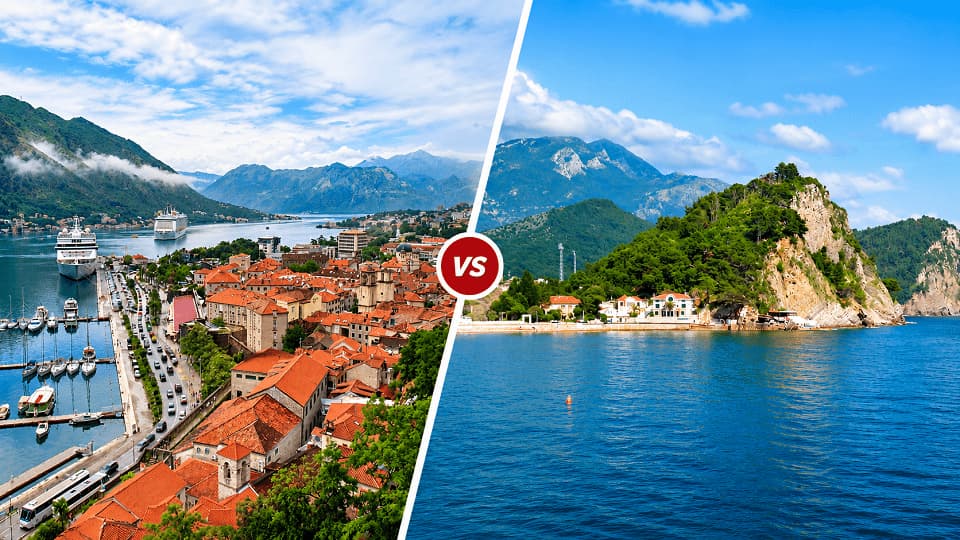
Kotor vs Budva is a choice between two very different Montenegro holidays. Kotor is better for medieval history, dramatic Bay of Kotor scenery, and cultural sightseeing. Budva is better for traditional beach holidays, swimming, resort stays, and summer nightlife. Both are worth visiting. Your best choice depends on the experiences you want from your trip.
Kotor vs Budva: Quick Comparison
Kotor and Budva are two of Montenegro’s most popular coastal destinations. Both offer beautiful Adriatic views, historic attractions, and memorable holiday experiences. However, their atmosphere and attractions are quite different.
Kotor appeals to travellers who enjoy medieval architecture, mountain scenery, cultural heritage, and peaceful waterfront walks. Budva is better known for its beaches, summer entertainment, beach clubs, and lively nightlife.
Choosing between them depends on the kind of holiday you want. Here is a quick comparison to help you decide.
Kotor vs Budva at a Glance
| Feature | Kotor | Budva |
| Best known for | Historic Old Town and Bay of Kotor | Beaches and nightlife |
| Atmosphere | Historic and scenic | Lively and energetic |
| Main attraction | Kotor Old Town and city walls | Budva Old Town and beaches |
| Beaches | Smaller beaches and waterfront swimming spots | More beaches and coastal resorts |
| History | Rich medieval heritage | Ancient coastal heritage |
| Nightlife | Relaxed bars and restaurants | Clubs, bars and beach parties |
| Scenery | Dramatic mountains and sheltered bay | Adriatic coastline and beaches |
| Activities | Sightseeing, hiking and boat trips | Swimming, water sports and nightlife |
| Best for | History lovers, couples and photographers | Beach lovers, families and partygoers |
| Holiday experience | Cultural and scenic getaway | Beach-focused coastal holiday |
Note: These are general travel characteristics. Both destinations offer a mixture of sightseeing, beaches, dining and outdoor activities.
Key Differences Between Kotor and Budva
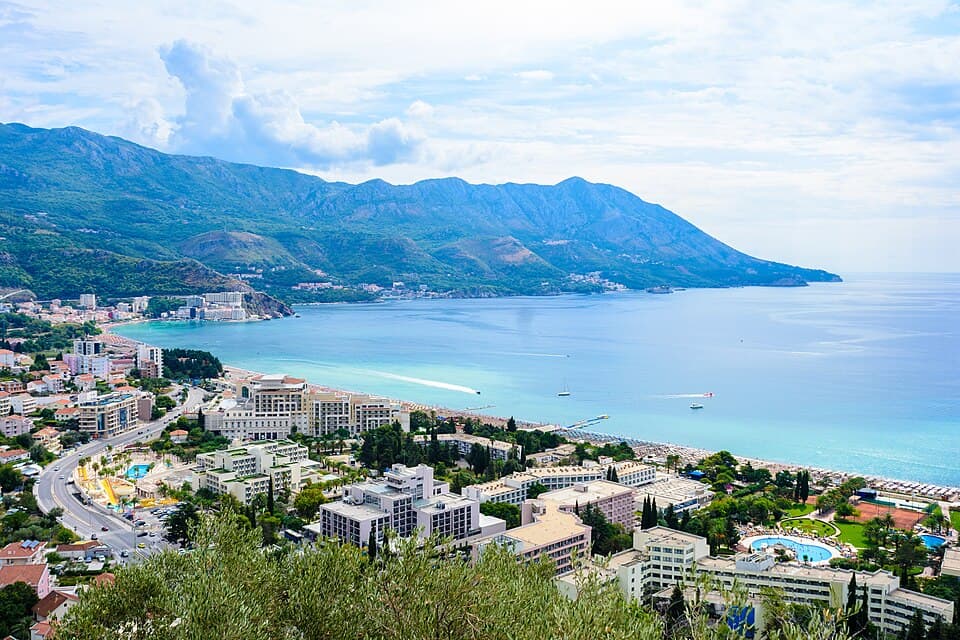 The biggest difference between Kotor and Budva is the type of holiday experience they offer.
Kotor is primarily a destination for history, scenery, and cultural exploration. Its medieval Old Town sits beside the spectacular Bay of Kotor, surrounded by steep mountains. Visitors can explore historic churches, walk along ancient city walls, enjoy boat trips, and discover charming waterfront villages.
Budva is more focused on beaches, entertainment, and coastal holidays. Its Old Town features narrow stone streets and historic buildings, while the surrounding coastline offers beaches, waterfront restaurants, and lively summer resorts. It is also one of Montenegro’s best-known nightlife destinations.
Another important difference is the atmosphere. Kotor can feel quieter and more traditional outside busy tourist periods, although cruise ship arrivals can make the Old Town crowded. Budva becomes particularly energetic during the summer season, attracting beach holidaymakers and nightlife enthusiasts.
Neither destination is necessarily better for everyone. Kotor is an excellent choice for travellers seeking history and dramatic landscapes. Budva is more suitable for those who want beach activities, swimming, and lively evenings.
The simple verdict: Choose Kotor for medieval charm and breathtaking bay scenery. Choose Budva for beaches, summer entertainment, and a more energetic coastal atmosphere.
Kotor vs Budva: Which Has Better Beaches?
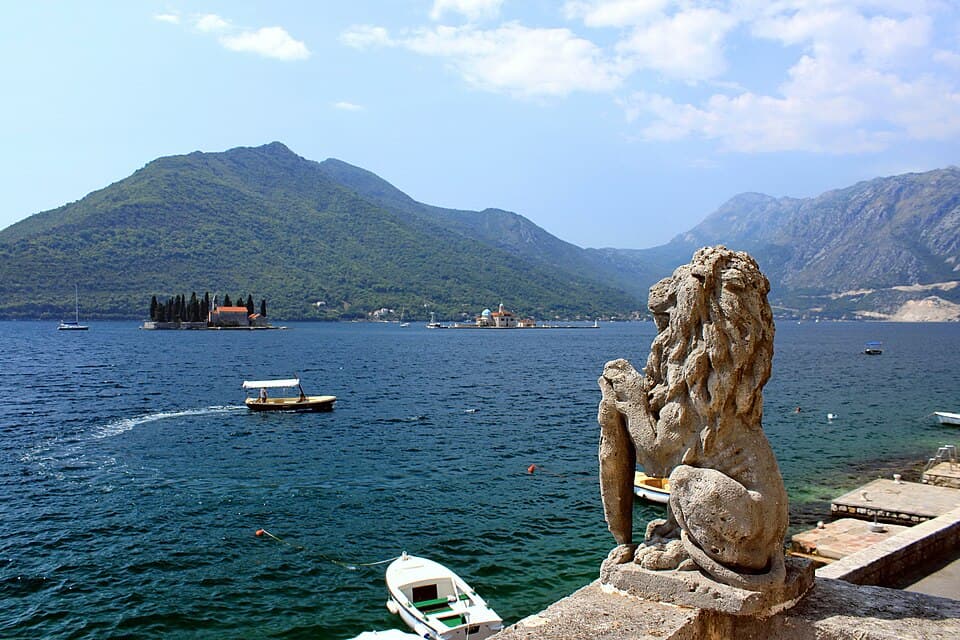 Beaches are one of the biggest differences between Kotor and Budva. Both destinations offer beautiful Adriatic waters and opportunities for swimming. However, Budva has a clear advantage when it comes to beach variety, sandy stretches, and traditional seaside activities.
Kotor is better known for its dramatic bay scenery and historic atmosphere. It has several waterfront swimming spots, but its beaches are generally smaller and less developed. Budva, on the other hand, offers a longer coastline with numerous beaches, beach clubs, and facilities for visitors.
If your Montenegro holiday revolves around swimming, sunbathing, and spending time by the sea, Budva deserves serious consideration.
Best Beaches and Swimming Spots Near Kotor
Kotor is not primarily a beach destination. However, visitors can still find several pleasant places to swim and enjoy the calm waters of the Bay of Kotor.
The coastline around Kotor features small beaches, waterfront areas, and swimming spots with beautiful mountain views. These locations are particularly appealing to travellers who prefer quieter surroundings over crowded resort beaches.
Some popular places to consider include:
-
Kotor Beach
Kotor Beach is one of the most convenient swimming spots near the Old Town. It offers a pebbly shoreline and easy access to the bay. Visitors can enjoy swimming while admiring the surrounding mountains and waterfront scenery.
Its location makes it suitable for travellers who want to combine sightseeing with a refreshing swim. However, it can become crowded during the summer season.
-
Dobrota Waterfront
Dobrota is a coastal settlement just north of Kotor. Its waterfront features small swimming areas, stone platforms, and access points to the sea. Visitors can enjoy beautiful bay views while swimming in the clear Adriatic water.
It is a good option for travellers seeking a quieter coastal experience away from the busiest parts of Kotor.
-
Orahovac Beach
Orahovac is a small coastal village along the Bay of Kotor. Its beach is known for relatively clear water and a peaceful setting. The surrounding greenery and mountain scenery make it an attractive place to relax.
It is particularly suitable for visitors who prefer a quieter swimming experience.
-
Perast Waterfront
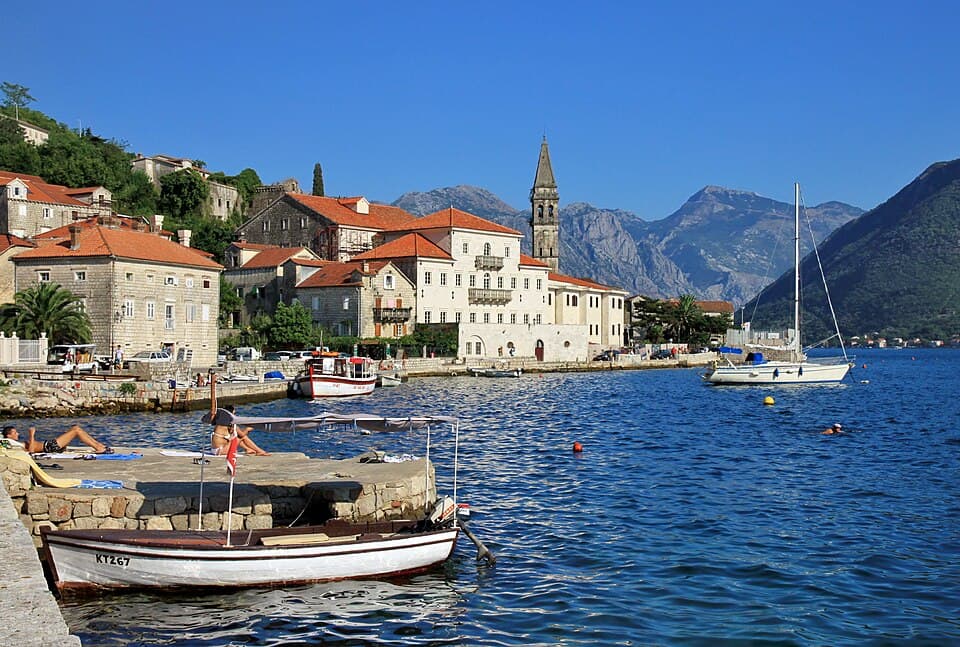 Perast is a historic waterfront town located along the Bay of Kotor. Although it is not known for extensive sandy beaches, visitors can find places along the waterfront to access the sea and enjoy a swim.
The views of the surrounding mountains and the nearby islands make the experience especially memorable.
What to expect from Kotor’s beaches: Most swimming spots around Kotor are small, pebbly, or made up of stone waterfront access areas. They offer beautiful scenery but generally lack the extensive sandy beaches found around Budva.
Best Beaches in and Around Budva
Budva has a much stronger reputation as a beach destination. Its coastline offers a variety of beaches, from lively stretches near the Old Town to quieter coves surrounded by rocky cliffs.
Visitors can enjoy swimming, sunbathing, water sports, beachside restaurants, and organised beach facilities. Here are some of the best beaches to explore around Budva.
-
Slovenska Plaža (Slovenska Beach)
Slovenska Plaža is one of the most popular beaches in Budva. Located close to the Old Town, it stretches along the waterfront and offers convenient access to restaurants, cafés, hotels, and beach facilities.
The beach has a mixture of sand and pebbles, with clear water suitable for swimming. Visitors can rent sunbeds and umbrellas or enjoy a walk along the nearby promenade.
Its central location makes it particularly convenient for families and travellers staying in Budva.
-
Mogren Beach
Mogren Beach is among the most picturesque beaches in Budva. Located west of the Old Town, it consists of two small beach areas connected by a passage through the rocks.
The surrounding cliffs and clear turquoise water create an attractive coastal setting. Its sheltered location also makes it appealing to visitors seeking a scenic swimming spot.
Mogren is accessible on foot from Budva’s Old Town. However, it can become crowded during the peak summer season.
-
Jaz Beach
Jaz Beach is a popular coastal destination located west of Budva. It has a longer shoreline than many beaches near the Old Town, with a mixture of sand and pebbles.
The beach offers space for swimming, sunbathing, and various water activities. It also has beach bars and seasonal entertainment.
Jaz is a good choice for visitors who prefer a larger beach away from the busiest central areas of Budva.
-
Bečići Beach
Bečići Beach is a beautiful coastal stretch located just southeast of Budva. It is known for its long shoreline, clear water, and scenic surroundings.
The beach offers a mixture of sand and fine pebbles, along with sunbeds, umbrellas, restaurants, and water sports facilities.
Its spacious setting makes it suitable for families, couples, and travellers looking for a relaxing beach holiday.
-
Kamenovo Beach
Kamenovo Beach is another attractive option along the Budva Riviera. Located beyond Bečići, it offers a scenic coastal setting with clear water and surrounding rocky landscapes.
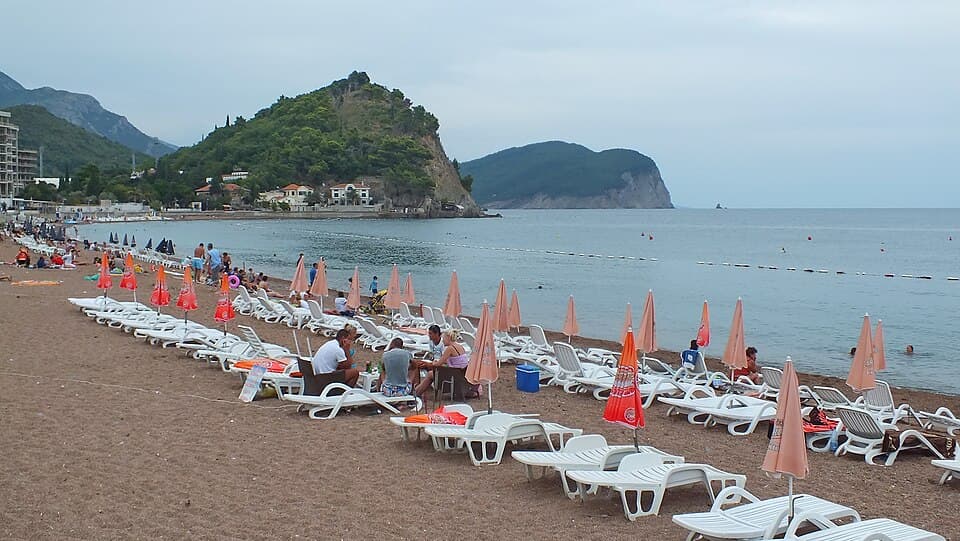 The beach is popular for swimming and sunbathing. Visitors can also find seasonal beach facilities and places to enjoy refreshments.
It is worth considering if you want to explore beaches beyond central Budva.
What to expect from Budva’s beaches: Budva offers more variety than Kotor, with longer beaches, smaller coves, organised beach facilities, and plenty of swimming opportunities. However, not every beach is sandy. Many have pebbles or a mixture of sand and stones.
Beach Conditions and Swimming Safety
Kotor and Budva offer different swimming experiences. The main difference is the type of shoreline and the facilities available.
Kotor sits inside a sheltered bay. Many swimming spots have small pebble beaches, stone platforms, or direct access from the waterfront. These locations can be attractive for a quick swim with mountain views. However, they do not always offer the wide sandy shoreline that traditional beach holidaymakers expect.
Budva has a wider selection of established beaches. Slovenska Plaža, Mogren, Bečići, and Jaz offer different combinations of sand, pebbles, beach facilities, and water sports. Some beaches become very busy during summer, and sunbeds or umbrellas may cost extra.
Before swimming, consider these practical points:
- Check the water entry: Some beaches have pebbles, rocks, or uneven underwater surfaces. Water shoes can make entry more comfortable.
- Watch the depth: Do not assume the water remains shallow. Check the conditions before entering, particularly at unfamiliar beaches.
- Observe warning flags: Follow beach signs and lifeguard instructions. Avoid swimming when conditions are unsafe.
- Watch for boats: Speedboats, jet-skis, and other watercraft operate along the coast. Use designated swimming areas where available.
- Be aware of sea urchins: They may be present around rocky sections. Avoid stepping on rocks or entering unfamiliar water without checking.
- Protect yourself from the sun: Carry drinking water, use sunscreen, and avoid prolonged exposure during the hottest part of the day.
Swimming conditions can also change with the weather. Rough seas, strong winds, and poor visibility can make even familiar beaches unsafe. Follow local warnings rather than relying on the appearance of the water.
Which destination is better for swimming? Budva is generally the stronger choice for a conventional beach holiday because it offers more beaches and facilities. Kotor is better suited to travellers who want occasional swims alongside sightseeing and exploring the bay.
History, Culture and Attractions: Kotor vs Budva
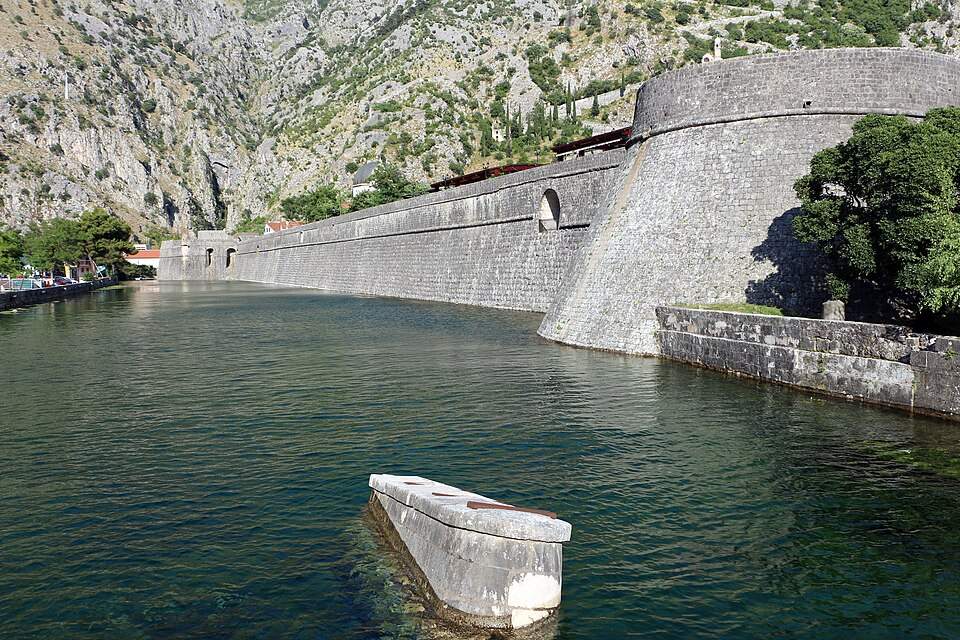 Kotor and Budva have fascinating histories that reflect Montenegro’s rich coastal heritage. Both towns feature medieval architecture, historic churches, stone streets, and impressive fortifications. However, their cultural attractions offer different experiences.
Kotor is particularly famous for its Venetian architecture, medieval squares, and historic city walls. Budva combines ancient coastal history with a lively seaside atmosphere. Its Old Town preserves centuries of architectural heritage, while its surrounding coastline offers plenty of opportunities for exploration.
Whether you enjoy historic landmarks, museums, cultural experiences, or exploring old Mediterranean towns, both destinations deserve a place on your Montenegro itinerary.
Best Things to See and Do in Kotor
Kotor is a wonderful destination for travellers interested in history, architecture, and cultural heritage. Its Old Town, within the UNESCO-listed Natural and Culturo-Historical Region of Kotor, is the main attraction, featuring centuries-old buildings, historic churches, and charming public squares.
Here are some of the best things to see and do in Kotor.
-
Explore Kotor Old Town
Kotor Old Town is the heart of the city’s cultural heritage. Surrounded by impressive stone walls, it features narrow cobbled streets, historic buildings, traditional shops, and lively squares.
Visitors can explore St. Tryphon’s Cathedral, discover small churches, and enjoy the atmosphere of historic squares such as Piazza of the Arms. The old streets are ideal for walking and discovering architectural details from different historical periods.
-
Visit the Cathedral of Saint Tryphon
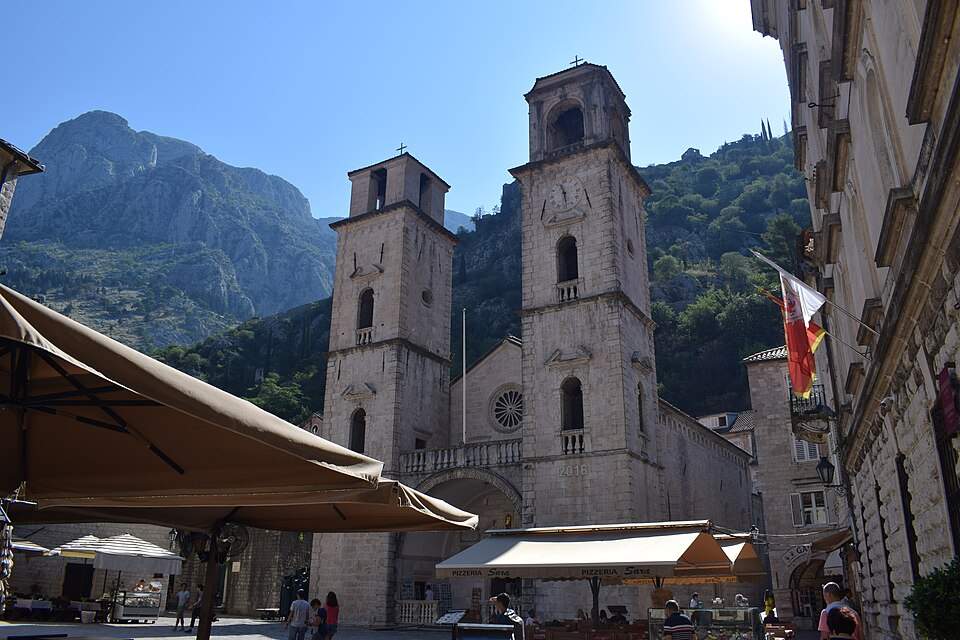 The Cathedral of Saint Tryphon is one of Kotor’s most important historic landmarks. Built in 1166, this Roman Catholic cathedral is dedicated to Saint Tryphon, the city’s patron saint.
Its Romanesque architecture, historic interior, and religious artefacts make it an important cultural attraction. Visitors can also learn about Kotor’s religious heritage and the influence of different European architectural styles.
-
Walk Along the City Walls and Visit San Giovanni Fortress
Kotor’s defensive walls climb the mountainside above the Old Town. They were developed over several centuries to protect the settlement from potential attacks.
Walking along the historic fortifications leads towards the Fortress of San Giovanni. The climb involves many steps, but the views over Kotor’s rooftops and the surrounding bay make the effort worthwhile.
It is one of the most memorable experiences for visitors interested in history and panoramic scenery.
-
Visit the Maritime Museum of Montenegro
Kotor has a long maritime history, and the Maritime Museum provides an interesting introduction to its seafaring traditions.
Housed in a historic palace, the museum displays maritime artefacts, old maps, ship models, photographs, and historical documents. These collections explain how shipping, trade, and naval activities shaped the development of the town.
-
Take a Boat Trip to Our Lady of the Rocks
Our Lady of the Rocks is a small artificial island near Perast in the Bay of Kotor. It is known for its historic church and fascinating maritime traditions.
Visitors can take a boat trip to the island, explore the Church of Our Lady of the Rocks, and admire its collection of paintings and religious artefacts.
The boat journey also provides beautiful views of the surrounding bay and coastal settlements.
-
Discover the Historic Town of Perast
Perast is a charming historic settlement along the Bay of Kotor. Its stone palaces, waterfront churches, and traditional architecture reflect its prosperous maritime past.
Walking along the waterfront is one of the best ways to experience its peaceful atmosphere. Visitors can also explore its historic churches and enjoy views of Our Lady of the Rocks and the surrounding mountains.
Perast makes an excellent addition to a Kotor sightseeing itinerary.
Best Things to See and Do in Budva
Budva offers a fascinating combination of ancient history, coastal architecture, and modern entertainment. Its historic centre preserves centuries of Mediterranean heritage, while the surrounding area features beaches, scenic viewpoints, and cultural attractions.
Here are some of the best things to see and do in Budva.
-
Explore Budva Old Town
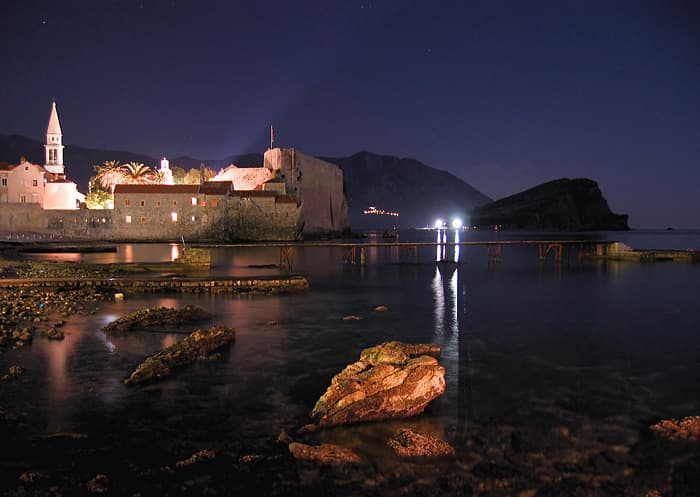 Budva Old Town is one of the most attractive historic areas along Montenegro’s Adriatic coast. Located on a small peninsula, it features narrow stone streets, historic buildings, charming squares, and traditional Mediterranean architecture.
Visitors can wander through its pedestrian streets, discover small shops, visit historic churches, and enjoy meals at restaurants overlooking the sea.
The Old Town is particularly beautiful in the evening when its historic buildings are illuminated.
-
Visit the Citadel of Budva
The Citadel is one of Budva’s most recognisable historic landmarks. This fortified complex forms part of the Old Town’s defensive structures and offers impressive views of the surrounding coastline.
Visitors can explore its historic sections, admire the architecture, and enjoy views of the Adriatic Sea. It is also an excellent place to understand Budva’s defensive history.
-
Discover the Churches of Budva Old Town
Budva has several historic churches that reflect its long religious and cultural history.
Some notable examples include the Church of Saint John, the Church of Santa Maria in Punta, and the Church of the Holy Trinity.
Their architecture and historic surroundings provide a glimpse into the religious traditions that influenced the development of the town.
-
Visit the Archaeological Museum of Budva
The Archaeological Museum of Budva provides insight into the region’s ancient past. Its collections include archaeological discoveries, pottery, jewellery, coins, and other historical objects.
These exhibits help visitors understand the different civilisations and cultures that influenced Budva over the centuries.
It is a worthwhile stop for travellers who want to explore more than the beaches and nightlife.
-
Visit Sveti Stefan
Sveti Stefan is one of Montenegro’s most recognisable coastal landmarks. This picturesque islet is connected to the mainland by a narrow causeway and is famous for its traditional stone buildings and beautiful Adriatic setting.
The surrounding coastline offers attractive viewpoints and photography opportunities. Visitors should note that access to the island itself can be restricted because it operates as a luxury resort.
Even from the mainland, the views make Sveti Stefan a memorable excursion from Budva.
-
Explore the Coastal Monasteries and Surroundings
The area around Budva contains several historic religious sites and cultural landmarks.
Podmaine Monastery, located near Budva, is an important Orthodox religious complex with a long history. Its peaceful surroundings provide a contrast to the busy coastal atmosphere.
Visitors interested in religious architecture and local traditions may enjoy exploring this part of the region.
Neighbouring Attractions Around Kotor
Kotor’s surrounding area offers several beautiful historic settlements, coastal viewpoints, and natural attractions. Exploring beyond the Old Town gives visitors a better understanding of the Bay of Kotor and its cultural heritage.
Here are some worthwhile places to include in your itinerary.
-
Perast
Perast is one of the most picturesque historic towns along the Bay of Kotor. It is known for its stone palaces, waterfront churches, and impressive maritime heritage. Visitors can stroll along the waterfront, explore historic buildings, and enjoy boat trips to Our Lady of the Rocks.
-
Our Lady of the Rocks
Located near Perast, Our Lady of the Rocks is an artificial island featuring a historic church and museum. Its religious artwork, maritime traditions, and beautiful setting make it a memorable excursion from Kotor.
-
Risan
Risan is a small historic settlement at the northern end of the Bay of Kotor. It is particularly known for its Roman mosaics, which provide a glimpse into the region’s ancient history. The town also offers peaceful waterfront scenery and a quieter atmosphere.
-
Dobrota
Dobrota is a coastal settlement just north of Kotor. Its waterfront promenade, historic stone houses, and beautiful mountain views make it a pleasant place for a relaxing walk. Visitors can also find small swimming spots along the shoreline.
-
Lovćen National Park
Lovćen National Park is a rewarding excursion for travellers interested in mountain scenery and outdoor activities. The park features dramatic landscapes, hiking opportunities, and the famous Njegoš Mausoleum on Mount Lovćen. The winding mountain roads also provide spectacular views of the surrounding region.
-
Tivat and Porto Montenegro
Tivat is another attractive destination within the wider Bay of Kotor region. Porto Montenegro is particularly known for its luxury marina, waterfront restaurants, shops, and modern Mediterranean atmosphere. It offers a different experience from Kotor’s historic streets.
These neighbouring attractions make Kotor a convenient base for exploring the wider bay, nearby historic settlements, and Montenegro’s mountainous interior.
Neighbouring Attractions Around Budva
Budva is also surrounded by attractive coastal destinations, historic sites, and scenic viewpoints. Visitors who spend several days in the area can explore much more than the main beaches and Old Town.
Here are some interesting places to visit around Budva.
-
Sveti Stefan
Sveti Stefan is one of Montenegro’s most photographed coastal landmarks. This small fortified islet is connected to the mainland by a narrow causeway. Its traditional stone buildings and beautiful Adriatic setting create a distinctive coastal landscape.
Although access to the island itself may be restricted, visitors can enjoy impressive views from nearby public viewpoints and the surrounding coastline.
-
Miločer Park
Miločer Park is a beautiful coastal area near Sveti Stefan. It features landscaped gardens, walking paths, Mediterranean vegetation, and attractive sea views. The nearby Queen’s Beach is another well-known coastal spot, although access arrangements can vary.
It is a pleasant area for travellers who enjoy peaceful walks and scenic surroundings.
-
Petrovac
Petrovac is a charming seaside town south of Budva. It offers a relaxed atmosphere, a waterfront promenade, and a beautiful bay surrounded by hills. Its beaches and coastal restaurants make it a pleasant alternative to Budva’s busier resort areas.
Visitors can also explore the small historic fortress of Castello near the waterfront.
-
Pržno
Pržno is a small fishing village near Sveti Stefan. It is known for its traditional coastal character, waterfront restaurants, and attractive beach. It offers a quieter atmosphere compared with central Budva, making it suitable for a relaxing afternoon.
-
Bečići and Rafailovići
Bečići and Rafailovići are neighbouring coastal settlements just outside Budva. Bečići is known for its long beach, while Rafailovići has a charming fishing-village atmosphere and waterfront dining options.
Both are convenient places to explore if you want to experience more of the Budva Riviera.
-
Stari Bar
Stari Bar is a historic settlement located inland from the coast, near the modern town of Bar. Its atmospheric stone ruins, old fortifications, historic churches, and narrow streets offer an interesting look at Montenegro’s past.
The surrounding area is also known for its ancient olive trees, including the famous Old Olive Tree of Mirovica.
Exploring these neighbouring destinations adds variety to a Budva holiday. Visitors can combine beach days with historic sightseeing, coastal walks, and quieter seaside experiences.
Does Kotor Get Crowded During Cruise Ship Season?
Yes. Kotor can become very crowded when cruise ships arrive, particularly from late spring to early autumn. The cruise port sits directly beside the Old Town. Passengers can walk straight from the port into its narrow streets and historic squares.
The biggest crowds usually gather around the Sea Gate, Square of Arms, Cathedral of Saint Tryphon, and the route towards San Giovanni Fortress. Several large ships arriving on the same day can make these areas especially busy.
However, the experience changes throughout the day. The Old Town is generally quieter early in the morning and later in the afternoon. If you stay overnight, you can enjoy its streets after most day-trippers have left.
A few simple adjustments can make your visit more comfortable:
- Visit the Old Town before 9 am or later in the afternoon.
- Check the cruise ship schedule before choosing your sightseeing day.
- Explore Perast, Dobrota, or other parts of the Bay of Kotor during the busiest hours.
- Visit popular attractions early rather than joining the midday crowds.
- Allow extra time if you plan to drive around the bay during peak season.
Budva also gets busy in July and August, especially around Slovenska Plaža, Mogren Beach, and its Old Town. However, Kotor has a particular crowding issue because cruise passengers enter a relatively compact historic centre within a short period.
Kotor vs Budva: Nightlife and Entertainment
Nightlife is another important difference when comparing Kotor and Budva. Both destinations offer attractive waterfront restaurants, lively bars, and enjoyable evening activities. However, their nightlife scenes have different personalities.
Kotor offers a more relaxed evening atmosphere. Visitors can enjoy traditional restaurants, cosy bars, waterfront dining, and leisurely walks through its illuminated medieval streets.
Budva has a more energetic nightlife scene, particularly during the summer months. It is known for beach clubs, late-night bars, dance venues, and entertainment that continues well into the early morning.
If you prefer peaceful evenings with beautiful surroundings, Kotor may suit you better. If you enjoy music, dancing, and late-night entertainment, Budva deserves your attention.
Bars and Nightclubs in Kotor
Kotor offers a relatively relaxed nightlife scene, centred around its historic Old Town and waterfront. Visitors can enjoy cocktail bars, traditional pubs, live music, and a few late-night entertainment venues.
Some notable places to consider include:
-
Letrika Caffe Bar
Letrika is a popular bar tucked into the narrow streets of Kotor Old Town. It is known for its casual atmosphere, cocktails, and music. During busy summer evenings, the surrounding alley can become lively with visitors enjoying drinks and socialising.
-
Old Town Pub
Old Town Pub is a convenient place to enjoy drinks and socialise in the historic centre. It suits travellers looking for a relaxed evening rather than a large nightclub experience.
-
Jazz Club Evergreen
Jazz Club Evergreen offers a different kind of evening entertainment. It is associated with live jazz performances and provides a more intimate atmosphere for music lovers.
-
Nitrox Pub
Nitrox Pub is another option for visitors who enjoy craft beer, cocktails, and a casual bar atmosphere. It is worth considering for an evening drink while exploring the Old Town.
-
Maximus Nightclub
Maximus is one of Kotor’s best-known nightclub venues. It offers a more energetic experience, with DJs, dancing, and large-scale entertainment. It is a good option for visitors who want something livelier than the traditional Old Town bars.
-
Secondo Porto
Secondo Porto is another late-night entertainment venue near Kotor’s Old Town. It is known for DJ performances and a nightclub-style atmosphere.
Kotor’s nightlife is concentrated around a relatively small area, making it convenient to explore several bars during one evening. However, visitors should check current opening schedules, particularly outside the summer season.
Bars, Beach Clubs and Nightclubs in Budva
Budva has a more extensive nightlife scene, particularly during the summer tourist season. Its entertainment options include beach clubs, cocktail bars, large nightclubs, and waterfront venues.
Some well-known places include:
-
Top Hill
Top Hill is one of Budva’s best-known open-air nightclub venues. Located on a hill above the town, it offers DJ performances, dancing, and panoramic views of the surrounding coastline. It is particularly associated with the summer party season.
-
Trocadero
Trocadero is a recognised nightclub near Slovenska Plaža. It is known for its dance floor, outdoor areas, and lively summer entertainment. It attracts visitors looking for a traditional nightclub experience.
-
Omnia Night Club
Omnia is another established nightclub in central Budva. It offers DJ performances, dancing, and late-night entertainment, particularly during the busy holiday season.
-
Casper Bar
Casper is a popular bar in Budva Old Town. Its courtyard setting and relaxed atmosphere make it a good place for cocktails and socialising. It is particularly suitable for visitors who prefer a more intimate evening.
-
Greco Beach Bar
Greco Beach Bar is located along Slovenska Plaža. It combines a beachside atmosphere with drinks, music, and seasonal entertainment. It is a convenient option for visitors who want to enjoy the beachfront after sunset.
-
Torch Beach Club
Torch Beach Club offers a beach-oriented entertainment experience, with music, swimming facilities, and seasonal DJ events. It is worth considering for visitors who enjoy combining daytime beach activities with evening entertainment.
Budva’s nightlife is concentrated around the Old Town, Slovenska Plaža, and the wider coastal resort area. Top Hill is above the town rather than directly on the waterfront. Large clubs and beach venues are seasonal, and their schedules can change. Check each venue’s current listings before planning a night out.
Is Kotor or Budva More Affordable?
Budget is an important consideration when choosing between Kotor and Budva. Both destinations offer accommodation, restaurants, sightseeing opportunities, and plenty of coastal activities. However, the amount you spend depends on your travel dates, accommodation preferences, and holiday plans.
Kotor can be more expensive when staying inside its historic Old Town, particularly during the peak summer season. Budva offers a wider selection of hotels, apartments, and budget accommodation, giving visitors more options across different price ranges.
Food and everyday expenses can be relatively similar in both destinations, although individual restaurants and tourist areas may charge different prices. Transport and sightseeing costs also depend on how many attractions you plan to visit.
Let’s compare the main expenses to understand which destination offers better value for money.
Accommodation Costs in Kotor and Budva
Accommodation is usually one of the biggest expenses when visiting Montenegro. Both Kotor and Budva offer everything from budget guesthouses and private apartments to luxury hotels and waterfront resorts.
Kotor has a good selection of boutique hotels and guesthouses, particularly around its historic Old Town. However, properties within the medieval walls or close to the waterfront can command higher prices because of their location and limited availability.
Budva offers a larger selection of accommodation, including beach resorts, family apartments, budget guesthouses, and luxury hotels. Visitors can often find more choices outside the immediate Old Town and beachfront areas.
The following ranges are illustrative summer planning estimates, not live hotel quotes:
| Accommodation type | Kotor | Budva |
| Budget accommodation | €40–€60 | €35–€60 |
| Mid-range apartments | €60–€120 | €60–€120 |
| Three- to four-star hotels | €90–€180 | €85–€170 |
| Luxury hotels and resorts | €180+ | €180+ |
These are indicative planning ranges, not guaranteed rates. Actual prices vary considerably by property, booking date, location, and season.
For budget-conscious travellers, staying slightly outside Kotor Old Town or Budva’s main beachfront areas can help reduce accommodation expenses.
Which is cheaper for accommodation? Budva generally offers more choice and can provide better value, particularly outside the busiest summer weeks. However, Kotor also has reasonably priced apartments and guesthouses away from its historic centre.
Food and Restaurant Prices
Food is another expense worth considering when comparing Kotor and Budva. Both towns offer traditional Montenegrin restaurants, seafood restaurants, cafés, bakeries, and international dining options.
Kotor’s Old Town has several restaurants serving fresh seafood, Mediterranean dishes, and traditional Montenegrin specialities. Waterfront restaurants can be more expensive because of their location and views. However, visitors can find more affordable meals in smaller local restaurants and bakeries outside the busiest tourist areas.
Budva also offers a wide range of dining options. Its Old Town has traditional restaurants and cafés, while the beachfront areas feature seafood restaurants, casual eateries, and international food outlets. Moving away from the main tourist streets can help visitors find better-priced meals.
Here is an approximate food budget for both destinations:
| Food and drinks | Typical price |
| Coffee | €2–€4 |
| Bakery snack or light breakfast | €3–€6 |
| Simple lunch | €5–€12 |
| Mid-range restaurant meal | €10–€25 per person |
| Dinner at a better restaurant | €20–€40 per person |
| Beer at a bar | €2.50–€5 |
| Soft drink | €2–€3 |
Prices are indicative and depend on the restaurant, location, and season.
For travellers trying to control their budget, bakeries, supermarkets, and smaller local restaurants are useful alternatives to expensive waterfront dining.
Which is cheaper for food? Neither destination has a consistent price advantage across all restaurants. Your dining choices and proximity to popular tourist areas will have a greater influence on your food budget.
Transport and Sightseeing Expenses
Transport and sightseeing costs depend on how much of Montenegro you want to explore. Both Kotor and Budva are relatively walkable, particularly around their historic centres. However, visiting neighbouring towns, beaches, and attractions requires additional transport.
Transport costs
Kotor and Budva are connected by regular intercity buses. The journey generally takes around 40–50 minutes, depending on traffic and the service.
Approximate transport expenses include:
Bus fares, taxi rates, parking charges, and rental prices can change. Check current rates before travelling.
Sightseeing and activity costs
Many attractions in both destinations can be explored without paying an entrance fee. Walking through Kotor Old Town, exploring Budva’s historic streets, and enjoying public coastal areas are inexpensive activities.
However, some attractions and experiences require additional spending.
| Attraction or activity | Cost consideration |
| Kotor Old Town | Free to explore |
| Kotor city walls and San Giovanni Fortress | Entrance ticket |
| Maritime Museum of Montenegro | Museum admission |
| Our Lady of the Rocks | Boat transfer and possible church admission |
| Budva Old Town | Free to explore |
| Budva Citadel | Entrance fee |
| Archaeological Museum of Budva | Museum admission |
| Boat trips and coastal excursions | Depends on the tour |
| Beach sunbeds and umbrellas | Usually paid at organised beaches |
Visitors should also consider optional expenses such as guided tours, boat excursions, cable car rides, and water sports.
Which destination is cheaper for sightseeing? Both offer free attractions alongside paid experiences. Kotor can involve additional spending on boat excursions and mountain activities, while Budva visitors may spend more on beach facilities, water sports, and seasonal entertainment.
A Realistic Daily Travel Budget
How much should you budget for a day in Kotor or Budva? The answer depends on your accommodation, dining preferences, transport, and activities.
Both destinations offer options for different budgets. You can explore historic streets, enjoy waterfront views, and visit beaches without spending much. However, accommodation, organised excursions, beach clubs, and restaurant dining can increase your daily expenses.
The following estimates provide a practical starting point for planning your Montenegro holiday.
Estimated Daily Budget in Kotor and Budva
The estimates are per person, per day, and assume two travellers sharing a private room or apartment. They include an accommodation share, meals, local transport, and a modest allowance for sightseeing. Flights and international travel costs are excluded.
| Travel style | Estimated daily budget |
| Budget traveller | €38–€75 |
| Mid-range traveller | €90–€160 |
| Comfortable holiday | €180–€320+ |
These figures include an accommodation share, meals, local transport, and a reasonable allowance for sightseeing. Luxury hotels, private boat charters, and premium beach clubs can push spending considerably higher.
Daily Budget Breakdown
Here is how your money might be spent during a typical day.
| Expense | Budget | Mid-range | Comfortable |
| Accommodation share | €15–€30 | €35–€65 | €80–€140+ |
| Food and drinks | €15–€25 | €30–€50 | €50–€90+ |
| Local transport | €3–€7 | €5–€15 | €15–€30+ |
| Attractions and activities | €5–€13 | €20–€30 | €35–€60+ |
| Estimated total | €38–€75 | €90–€160 | €180–€320+ |
These are illustrative spending ranges rather than official tariffs. Your actual costs will depend on the season, accommodation availability, and the activities you choose.
How to Save Money in Kotor and Budva
You do not need an expensive holiday to enjoy either destination. A few sensible choices can keep your budget under control.
- Travel outside peak summer: Consider May, June, or September for a balance of weather and accommodation costs.
- Book accommodation early: Compare properties outside the busiest Old Town and beachfront areas.
- Use public transport: Buses are useful for travelling between Kotor, Budva, and other coastal towns.
- Choose local restaurants: Explore places away from the busiest waterfront dining areas.
- Enjoy free attractions: Walking through the Old Towns, exploring waterfront promenades, and relaxing on public beach areas can cost very little.
- Be selective with excursions: Choose the boat trips and guided tours that genuinely interest you rather than booking several similar activities.
Kotor vs Budva for Different Types of Travellers
Choosing between Kotor and Budva depends on your travel style, interests, and expectations. Both destinations welcome different types of visitors, but each offers a distinct holiday experience.
Kotor appeals to travellers who enjoy historic towns, scenic landscapes, cultural attractions, and peaceful waterfront experiences. Budva is particularly attractive to visitors who prefer beaches, coastal activities, lively entertainment, and a traditional seaside holiday.
Whether you are travelling as a couple, with children, alone, or with friends, understanding these differences can help you choose the right destination.
Which Is Better for Couples?
Both Kotor and Budva are attractive destinations for couples, but they offer different romantic experiences.
Kotor is particularly appealing to couples who enjoy historic surroundings and scenic views. Walking through the medieval Old Town, enjoying dinner at a waterfront restaurant, and taking a boat trip across the Bay of Kotor can make a memorable holiday.
Couples can also explore nearby Perast, enjoy peaceful waterfront walks in Dobrota, or admire the panoramic views from San Giovanni Fortress. Boutique hotels and charming guesthouses add to Kotor’s romantic atmosphere.
Budva offers a more varied seaside experience for couples. They can spend the day relaxing on Mogren Beach, explore the Old Town, enjoy sunset views near Sveti Stefan, or have dinner at a coastal restaurant.
The town also offers beach clubs, cocktail bars, and evening entertainment for couples who enjoy a livelier atmosphere.
Which Is Better for Families?
Families visiting Montenegro will find attractions and activities in both Kotor and Budva. However, their accommodation options, beaches, and entertainment facilities offer different advantages.
Kotor is a good destination for families interested in sightseeing and cultural experiences. Children can explore the historic Old Town, enjoy boat trips, and discover the surrounding coastal villages.
Families can also visit Perast, take a boat excursion to Our Lady of the Rocks, or spend time near the waterfront. However, Kotor’s historic streets can be uneven, and the climb towards San Giovanni Fortress may not be suitable for younger children or visitors with mobility difficulties.
Budva offers more traditional family beach activities. Beaches such as Bečići, Slovenska Plaža, and parts of the wider Budva Riviera provide opportunities for swimming, building sandcastles, and enjoying time by the sea.
Families can also find larger resorts, apartments, restaurants, and seasonal entertainment facilities. However, popular beaches can become crowded during the summer holidays.
Our verdict: Budva is generally more convenient for families looking for beach holidays, swimming, and resort facilities. Kotor is suitable for families who prefer history, sightseeing, and scenic excursions. Families with very young children should consider accommodation access, beach conditions, and the distance to attractions before booking.
Which Is Better for Older Travellers and Visitors with Limited Mobility?
Kotor and Budva both have historic areas with uneven surfaces. However, the difficulty of getting around depends greatly on where you stay and which attractions you plan to visit.
Kotor Old Town has narrow stone lanes, uneven paving, steps, and raised entrances. The central squares and some waterfront areas are relatively manageable, but the side streets can be challenging for visitors using walking aids or wheelchairs.
The climb to San Giovanni Fortress is particularly demanding. It involves a long, steep stone staircase and is unsuitable for wheelchair users. Visitors with limited mobility should not feel that they need to complete this climb to enjoy Kotor. The waterfront, central squares, museums with suitable access, and scenic boat trips offer other ways to experience the destination.
Budva also has cobbled streets and steps inside its Old Town. However, the modern waterfront and some resort areas are easier to explore on foot. The promenades around Slovenska Plaža and parts of Bečići offer more level walking routes, although surfaces and access vary between properties and beach entrances.
Accommodation choice is especially important in both destinations. Historic buildings may have several floors without lifts. Some apartments also have steep entrance steps or difficult luggage access.
Before booking, check the following:
- Whether the accommodation has a lift or ground-floor rooms.
- How many steps lead to the entrance and bedroom.
- Whether the bathroom has a walk-in shower.
- How far the property is from restaurants, shops, and transport.
- Whether taxis can reach the accommodation entrance.
- Whether nearby pavements and walking routes are suitable for your needs.
Our recommendation: Budva may be more convenient for older travellers who want easy access to beaches, promenades, and resort facilities. Kotor remains a rewarding choice for visitors who enjoy history and scenery, provided they choose suitable accommodation and plan around the more difficult walking routes.
Neither destination should be considered fully wheelchair accessible. If accessibility is essential, confirm the details of individual hotels, attractions, transport services, and beach access before booking.
Where Should You Stay: Kotor or Budva?
Choosing the right place to stay can make a significant difference to your Montenegro holiday. Kotor and Budva offer different accommodation experiences, from historic boutique hotels and waterfront apartments to beach resorts and family-friendly properties.
Kotor is particularly attractive to visitors who want to stay close to medieval architecture, scenic waterfront areas, and cultural attractions. Budva offers more traditional seaside accommodation, with hotels and apartments close to beaches, restaurants, and entertainment venues.
Your ideal location depends on your budget, travel style, and the activities you plan to enjoy. Here are some of the best areas to consider in both destinations.
Best Areas to Stay in Kotor
Kotor offers several attractive neighbourhoods for visitors. You can choose between staying inside the historic Old Town, enjoying the peaceful waterfront in Dobrota, or finding accommodation in nearby settlements.
- Kotor Old Town
Kotor Old Town is an excellent choice for travellers who want to experience the town’s historic atmosphere. Staying within the medieval walls puts you close to historic churches, museums, restaurants, cafés, and charming squares.
You can explore the main attractions on foot and enjoy the beautiful streets after most day visitors have left.
The Old Town has boutique hotels, guesthouses, and private apartments. However, accommodation can be relatively expensive, particularly during summer.
Best for: Couples, history lovers, first-time visitors, and travellers who prefer walking to attractions.
- Dobrota
Dobrota is a peaceful coastal settlement just north of Kotor Old Town. It is known for its waterfront promenade, traditional stone houses, and beautiful views across the Bay of Kotor.
The area offers apartments, guesthouses, and waterfront accommodation. Visitors can enjoy a quieter atmosphere while remaining close to the historic centre.
Dobrota is particularly attractive for travellers who enjoy waterfront walks, swimming, and relaxing evenings.
Best for: Couples, families, and travellers seeking a quieter stay near Kotor.
- Muo
Muo is a small settlement across the bay from Kotor Old Town. It offers attractive waterfront views, traditional houses, and a peaceful residential atmosphere.
Accommodation here is generally suited to visitors who prefer private apartments and a slower pace. However, reaching the Old Town may require a longer walk or a short taxi journey, depending on the property.
Best for: Couples, photographers, and travellers seeking scenic accommodation away from busy tourist streets.
- Prčanj
Prčanj is a historic coastal settlement located further along the Bay of Kotor. It is known for its traditional architecture, peaceful waterfront, and beautiful mountain scenery.
The area offers apartments and smaller accommodation properties. It is suitable for visitors who want to experience a quieter part of the bay.
However, you will generally need transport to reach Kotor’s main attractions.
Best for: Long-stay visitors, couples, and travellers seeking a peaceful coastal experience.
- Škaljari
Škaljari is a residential neighbourhood located just outside Kotor Old Town. It offers convenient access to the historic centre while providing a more local atmosphere.
Visitors can find apartments, guesthouses, and accommodation options that may be more affordable than properties inside the Old Town.
Best for: Budget-conscious travellers, families, and visitors who want convenient access to the town centre.
Best Areas to Stay in Budva
Budva has a wider variety of accommodation areas, ranging from lively central locations to quieter coastal settlements along the Budva Riviera.
Here are some popular areas to consider.
- Budva Old Town
Budva Old Town is an attractive choice for visitors who enjoy historic architecture, restaurants, and a lively atmosphere.
Staying nearby provides easy access to the Citadel, historic churches, waterfront restaurants, and several popular beaches.
The area has boutique hotels and private apartments. However, accommodation within or close to the Old Town can be expensive during peak summer months.
Best for: Couples, history lovers, and first-time visitors.
- Slovenska Plaža
Slovenska Plaža is one of the most convenient areas for a beach-focused holiday in Budva. It is located along the popular Slovenska Beach and offers hotels, apartments, restaurants, cafés, and entertainment venues.
The waterfront promenade provides easy access to the beach and Budva Old Town.
This area can become crowded during the summer season, particularly around popular beach facilities.
Best for: Families, beach lovers, and visitors who want convenient access to restaurants and entertainment.
- Bečići
Bečići is a coastal resort area located southeast of Budva. It is particularly known for its long beach, hotels, and family-friendly holiday facilities.
The area offers a selection of hotels, apartments, and larger resorts. Its beach is a major attraction for visitors who want to spend much of their holiday swimming and relaxing.
Bečići is also connected to Budva by a coastal walking route, although the exact journey depends on your accommodation location.
Best for: Families, couples, and travellers seeking resort-style accommodation.
- Rafailovići
Rafailovići is a small seaside settlement near Bečići. It offers a relaxed coastal atmosphere, waterfront restaurants, and access to the beach.
The area is particularly attractive for visitors who enjoy staying close to the sea without being in the busiest part of Budva.
Accommodation includes private apartments, smaller hotels, and holiday properties.
Best for: Couples, families, and travellers seeking a quieter beach holiday.
- Pržno
Pržno is a picturesque coastal village located south of Budva, near Sveti Stefan and Miločer Park.
It offers a more peaceful atmosphere than central Budva, with a small beach, traditional restaurants, and attractive coastal surroundings.
The area has boutique hotels, private apartments, and upscale accommodation options.
Best for: Couples, romantic holidays, and visitors seeking a quieter coastal setting.
- Petrovac
Petrovac is a seaside town south of Budva. It offers a relaxed holiday atmosphere, a waterfront promenade, and a sheltered bay surrounded by hills.
The town has hotels, apartments, restaurants, and family-friendly facilities. It is also a convenient base for exploring other parts of the Budva Riviera.
Petrovac is farther from central Budva, so it may not suit visitors who want frequent access to Budva’s nightlife.
Best for: Families, couples, and travellers seeking a relaxed seaside holiday.
How Far Is Kotor from Budva?
Kotor and Budva are two popular destinations along Montenegro’s Adriatic coast. They are close enough to visit during the same holiday, making it relatively easy to experience both historic towns and their different coastal attractions.
The distance between Kotor and Budva is approximately 22 km by the direct road route by road. Travellers can make the journey by rental car, taxi, or intercity bus. The journey is relatively short in normal traffic, although summer congestion can increase travel time.
Whether you are staying in Kotor and planning a day trip to Budva or travelling in the opposite direction, understanding the transport options will help you plan your journey.
Distance and Driving Time Between Kotor and Budva
Kotor and Budva are approximately 22 km by the direct road route apart by road. The journey follows Montenegro’s coastal road network, passing through the wider Tivat area.
Under normal traffic conditions, driving between the two towns generally takes around 25–40 minutes. However, travel times can increase considerably during July and August, when holiday traffic, tour buses, and beach visitors create congestion.
The most direct road route generally uses the Vrmac Tunnel before continuing towards Budva via the Tivat area. Other local roads and scenic alternatives may be useful depending on your starting point, destination, and traffic.
Direct route: From Kotor, drivers commonly use the Vrmac Tunnel and continue towards Budva via the Tivat area. This is usually the practical choice when journey time matters.
Scenic alternatives: Other roads around the bay or over the hills can offer different views, but they may take longer. Follow current navigation and road information rather than assuming every alternative is faster.
The journey is relatively scenic, with views of the surrounding mountains and Adriatic coastline along parts of the route.
Quick travel comparison:
| Travel detail | Information |
| Road distance | Approximately 22 km |
| Normal driving time | 25–40 minutes |
| Summer driving time | Can exceed 50–60 minutes |
| Main transport route | Coastal road network |
| Alternative connection | Vrmac Tunnel |
| Road tolls | No standard toll on this route |
If you are driving during the summer, consider leaving early in the morning or later in the evening. This can help you avoid some of the busiest traffic periods.
Travelling Between Kotor and Budva by Bus
Travelling by bus is one of the easiest and most affordable ways to get between Kotor and Budva. Regular intercity services connect the two towns, making this option convenient for tourists who do not want to rent a car.
Where to catch the bus
- In Kotor, buses depart from Kotor Bus Station (Autobuska Stanica), located within walking distance of the Old Town.
- In Budva, buses depart from Budva Bus Station, which is around 15–20 minutes’ walk from the Old Town.
Journey time and ticket prices
The bus journey generally takes around 40–60 minutes, depending on the operator, stops, and traffic.
A one-way ticket typically costs approximately €3–€6, although fares vary by service. Some operators may charge additional fees for luggage or station access.
Booking your bus ticket
Travellers can purchase tickets at the bus station or check available departures through online booking platforms such as BusTicket4.me.
During July and August, buses can become busy, particularly around weekends and holiday periods. Arriving early at the station is advisable.
Is the bus convenient for a day trip?
Yes. You can travel from Kotor to Budva in the morning, explore the Old Town, enjoy the beaches, and return to Kotor in the evening.
However, check the return timetable before leaving. Do not assume that late-night services will always be available.
Is Renting a Car Worth It?
Renting a car can make exploring Montenegro considerably easier, particularly if you plan to visit several destinations beyond Kotor and Budva.
Although the distance between the two towns is short, a rental car gives you greater flexibility to explore coastal villages, beaches, mountain viewpoints, and historic attractions at your own pace.
Advantages of renting a car
- Flexible travel: You can leave whenever you want without depending on bus schedules.
- Explore nearby destinations: Visit Perast, Lovćen National Park, Sveti Stefan, Petrovac, and other coastal settlements.
- Convenient for families: A car makes travelling with children, luggage, and beach equipment easier.
- Access to scenic locations: You can explore viewpoints and attractions that may have limited public transport connections.
Things to consider before renting
Driving in Montenegro has a few practical challenges. Coastal roads can become congested during summer, particularly around Kotor, Tivat, and Budva.
Parking is another consideration. Spaces near Kotor Old Town and Budva’s popular beaches can be limited during peak tourist periods. You should also check whether your accommodation provides parking.
Rental prices vary depending on the season, vehicle category, insurance, and booking period. Compare the complete rental cost rather than choosing a car based only on its advertised daily rate.
Is a rental car necessary?
Not necessarily. If you are visiting only Kotor and Budva, buses and taxis are usually sufficient. However, renting a car is worthwhile if you want to explore more of Montenegro, visit remote attractions, or follow a flexible sightseeing itinerary.
Travel tip: If you are staying in Kotor, consider visiting Budva as a day trip. You can explore Budva Old Town in the morning, spend the afternoon at Mogren Beach, and return to Kotor in the evening. The same arrangement works in reverse if Budva is your accommodation base.
Can You Visit Both Kotor and Budva on One Trip?
Yes! Visiting both Kotor and Budva on the same Montenegro holiday is an excellent way to experience two different sides of the country’s Adriatic coast. Although they are relatively close to each other, each destination offers a distinct atmosphere, attractions, and holiday experience.
Kotor is known for its medieval Old Town, dramatic mountain scenery, and beautiful bay. Budva offers attractive beaches, coastal resorts, historic streets, and lively nightlife.
You can travel between the two towns by bus, taxi, or rental car. A day trip is possible if you have limited time, but spending at least one full day in each destination allows you to explore without rushing.
If your schedule permits, consider staying two nights in Kotor and another two nights in Budva. This gives you enough time to discover their main attractions and explore some of the surrounding coastal destinations.
Suggested One-Day Itinerary
If you have only one day to experience both Kotor and Budva, you can combine their main attractions into a single trip. However, you will need an early start and a reasonably organised schedule.
The following itinerary focuses on the historic centres, coastal scenery, and a little beach time without trying to cover every attraction.
8:00 AM – Explore Kotor Old Town
Begin your day in Kotor’s historic Old Town. Walk through its narrow cobbled streets, admire the medieval architecture, and explore the main squares.
Visit the Cathedral of Saint Tryphon and enjoy the atmosphere around the historic waterfront. An early visit also helps you avoid some of the larger tourist crowds.
10:00 AM – Enjoy the Bay of Kotor
After exploring the Old Town, spend some time enjoying the waterfront and surrounding mountain views.
If you prefer a more active experience, you can walk partway towards the historic city walls for panoramic views. A complete fortress climb requires additional time, so skip it if you want to maintain this one-day schedule.
11:30 AM – Travel from Kotor to Budva
Leave Kotor and travel towards Budva by bus, taxi, or rental car.
The road journey generally takes around 25–40 minutes in normal traffic, although summer congestion can increase travel time. Allow additional time if you are travelling by bus or during peak holiday periods.
12:30 PM – Explore Budva Old Town
Once you reach Budva, head towards its historic Old Town.
Explore the narrow stone streets, visit the Citadel, and discover the historic churches. You can also enjoy lunch at one of the restaurants around the Old Town or waterfront.
2:30 PM – Relax at Mogren Beach
Spend the afternoon at Mogren Beach, one of Budva’s most picturesque coastal spots.
Enjoy swimming, relax by the sea, or simply admire the surrounding cliffs and clear Adriatic water. During the summer, the beach can become crowded, so allow some flexibility in your plans.
4:30 PM – Enjoy the Budva Waterfront
Return towards the Old Town and enjoy a leisurely walk along the waterfront promenade.
You can explore nearby cafés, enjoy refreshments, and admire the coastal scenery. If you have additional time, consider visiting the viewpoints overlooking the Budva Riviera.
6:00 PM – Dinner and Evening in Budva
Finish your day with dinner at a waterfront restaurant or inside Budva Old Town.
If you enjoy nightlife, you can spend more time exploring the local bars and entertainment venues before returning to Kotor or continuing your journey.
Important: This itinerary is designed as a quick introduction to both towns. It does not include a full boat excursion, a complete San Giovanni Fortress climb, or an extensive beach visit. If you want to experience these attractions, allow additional days.
How Many Days Should You Spend in Kotor and Budva?
The ideal length of your Montenegro holiday depends on how much sightseeing, beach time, and outdoor exploration you want.
If you want to experience both destinations comfortably, spending three to four days between Kotor and Budva is a good starting point.
Here are some suggested itineraries.
- Two-Day Trip: Quick Introduction
If you have only two days, allocate one day to each destination.
- Day 1 – Kotor: Explore Kotor Old Town, visit the Cathedral of Saint Tryphon, enjoy the waterfront, and discover the surrounding bay.
- Day 2 – Budva: Explore Budva Old Town, visit the Citadel, relax at Mogren Beach, and enjoy the evening atmosphere.
This itinerary covers the main highlights without requiring too much travel between attractions.
- Three-Day Trip: Balanced Experience
Three days provide more time for sightseeing and enjoying the coastline.
- Day 1 – Kotor: Explore the Old Town, historic churches, city walls, and waterfront.
- Day 2 – Bay of Kotor: Visit Perast, take a boat trip to Our Lady of the Rocks, and explore nearby coastal settlements.
- Day 3 – Budva: Discover Budva Old Town, enjoy Mogren Beach, and explore the Budva Riviera.
This is a good option for travellers who want a mixture of history, scenery, and beach activities.
- Four-Day Trip: More Relaxed Holiday
Four days allow you to enjoy both destinations without rushing.
- Day 1 – Kotor: Explore the Old Town, Cathedral of Saint Tryphon, Maritime Museum, and San Giovanni Fortress.
- Day 2 – Kotor surroundings: Visit Perast, Our Lady of the Rocks, and nearby settlements around the bay.
- Day 3 – Budva: Explore the Old Town, Citadel, Slovenska Plaža, and Mogren Beach.
- Day 4 – Budva Riviera: Visit Sveti Stefan, Bečići, Pržno, or Petrovac.
This itinerary is particularly suitable for first-time visitors to Montenegro.
Here is a quick planning guide:
| Available time | Suggested plan |
| 1 day | Visit the highlights of both towns |
| 2 days | One full day in each town |
| 3 days | Two days around Kotor and one in Budva |
| 4 days | Two days in each destination |
| 5–6 days | Explore both towns and neighbouring attractions |
Best Time to Visit Both Destinations
Kotor and Budva are attractive throughout much of the year, but the best time to visit depends on your priorities.
The weather, tourist crowds, beach conditions, and seasonal entertainment can influence your overall experience.
Spring (March to May)
Spring is a pleasant period for sightseeing, exploring historic towns, and enjoying outdoor activities.
Temperatures gradually become warmer, and the surrounding landscapes become greener. May is particularly attractive for visitors who prefer exploring without the intense summer crowds.
However, the sea can still be relatively cool for swimming, especially earlier in spring. Some seasonal beach clubs and tourist facilities may not have started operating fully.
Summer (June to August)
Summer is the busiest tourist season in both destinations.
Budva attracts visitors with its beaches, beach clubs, nightlife, and coastal entertainment. The warmer sea conditions make this period particularly suitable for swimming, sunbathing, and water sports.
Kotor also becomes popular during summer. Visitors can enjoy boat excursions, explore the Old Town, and admire the bay scenery. However, cruise ship arrivals and holiday crowds can make the historic centre particularly busy.
July and August are generally the busiest months, so book accommodation and popular activities in advance.
Autumn (September to October)
Autumn is one of the most appealing periods for combining Kotor and Budva.
September often offers warm weather and pleasant sea conditions, while the summer crowds gradually decrease. Visitors can enjoy sightseeing in Kotor and spend time on Budva’s beaches without the busiest summer atmosphere.
October is more suitable for cultural exploration, scenic drives, and peaceful coastal holidays. However, some seasonal beach facilities and entertainment venues may reduce their operating hours or close.
Winter (November to February)
Winter offers a quieter experience in both destinations.
Kotor retains much of its historic charm, making it suitable for visitors interested in architecture, culture, and peaceful waterfront walks.
Budva also remains accessible, but many seasonal beach clubs, resorts, and nightlife venues operate on reduced schedules or close for the winter.
Swimming and beach activities are less attractive during this period, although accommodation prices can be more affordable.
Here is a seasonal comparison:
If beaches and nightlife are your main priorities, choose June to August. If you prefer sightseeing, photography, and a more relaxed atmosphere, consider May or September.
Safety and Practical Travel Considerations
Kotor and Budva are popular tourist destinations, and most visitors enjoy their holidays without serious problems. However, a few practical precautions can help you avoid common travel difficulties.
Keep an eye on your belongings. Crowded Old Town streets, busy beaches, bus stations, and nightlife areas can create opportunities for pickpocketing. Keep your phone, wallet, and passport secure. Avoid leaving valuables unattended on the beach.
Be careful when swimming and taking part in water sports. Follow beach warning flags and lifeguard instructions. Keep away from areas used by boats and jet-skis. Use reputable operators for boat trips and water activities.
Plan road journeys carefully. Coastal roads can become congested during July and August. Allow extra time when travelling between Kotor and Budva, especially if you have a flight or other fixed appointment. Parking near both Old Towns can also be difficult during peak season.
Agree on taxi fares before travelling. Ask for the estimated fare before starting your journey. If the vehicle has a meter, confirm that the driver will use it. For airport transfers and longer journeys, arranging transport in advance can make planning easier.
Carry some cash. Cards are accepted at many hotels, restaurants, and larger businesses. However, smaller cafés, local shops, market stalls, and some excursion operators may prefer cash. Montenegro uses the euro.
Prepare for summer heat. Carry water, wear comfortable walking shoes, and use sun protection. This is particularly important when exploring Kotor’s Old Town or climbing towards San Giovanni Fortress.
Save emergency contact numbers. In Montenegro, dial 112 for general emergencies, 122 for police, 123 for fire and rescue, and 124 for ambulance services.
Finally, check your government’s latest travel advice before departure. Travel conditions, local restrictions, and transport arrangements can change.
With sensible precautions, both Kotor and Budva can provide enjoyable holidays. Your choice should depend more on the experiences and level of convenience you want than on general safety concerns.
Kotor vs Budva: Which Should You Visit?
Choose Kotor for medieval architecture, cultural sights, and the dramatic Bay of Kotor. Choose Budva for a beach-focused holiday, more swimming options, resort stays, and summer nightlife. If you have three or four days, include both in your Montenegro itinerary.
Kotor stands out for its medieval architecture, dramatic mountain scenery, historic waterfront, and cultural attractions. Budva is known for its beaches, coastal resorts, vibrant nightlife, and wide range of seaside activities.
Neither destination is better for every traveller. Your ideal choice depends on the kind of holiday you want, how much time you have, and which experiences matter most.
Here is how to decide between them.
Choose Kotor If…
Kotor is an excellent choice if you prefer history, natural scenery, and cultural exploration over a traditional beach holiday.
Consider staying in Kotor if you:
- Love historic towns: Kotor’s medieval Old Town, historic churches, stone buildings, and defensive walls offer plenty to explore.
- Enjoy dramatic landscapes: The Bay of Kotor, surrounding mountains, and panoramic viewpoints create spectacular scenery.
- Prefer cultural experiences: The Maritime Museum, Cathedral of Saint Tryphon, and nearby historic settlements provide interesting sightseeing opportunities.
- Enjoy photography: The combination of mountain scenery, waterfront architecture, and historic streets creates beautiful photography opportunities.
- Prefer quieter evenings: Kotor offers waterfront restaurants, cosy bars, and relaxed evening walks.
- Enjoy boat trips: You can explore Perast, Our Lady of the Rocks, and other attractions around the bay.
- Want a scenic base: Kotor provides convenient access to the Bay of Kotor, Tivat, and nearby mountain attractions.
Kotor is particularly suitable for couples, history enthusiasts, photographers, and travellers who enjoy exploring destinations at a relaxed pace.
Choose Budva If…
Budva is a better match if your ideal holiday revolves around beaches, swimming, coastal entertainment, and lively evenings.
Consider staying in Budva if you:
- Love beach holidays: Budva offers a greater variety of beaches, including Mogren, Slovenska Plaža, Jaz, and Bečići.
- Enjoy nightlife: Beach clubs, cocktail bars, pubs, and nightclubs provide plenty of evening entertainment during the summer season.
- Prefer resort accommodation: Budva offers a wide selection of hotels, apartments, and larger coastal resorts.
- Enjoy water activities: Swimming, boat trips, and various beach activities are important parts of the Budva holiday experience.
- Travel with family: Its beaches, accommodation choices, restaurants, and resort facilities make it convenient for many family holidays.
- Want to explore the Budva Riviera: You can visit Sveti Stefan, Pržno, Bečići, Rafailovići, and Petrovac.
- Enjoy a lively atmosphere: Budva becomes particularly energetic during the summer tourist season.
Budva is especially suitable for beach lovers, young travellers, families, and visitors who enjoy a more active coastal holiday.
Frequently Asked Questions About Kotor vs Budva
Is Kotor better than Budva?
Kotor is better for travellers who enjoy history, medieval architecture, dramatic mountain scenery, and cultural attractions. Budva is more suitable for visitors who prefer beaches, swimming, nightlife, and coastal resorts. Both destinations offer beautiful Adriatic scenery, so the better choice depends on your travel preferences.
Is Budva cheaper than Kotor?
Budva can offer better accommodation value because it has a wider selection of hotels, apartments, and budget properties. However, prices vary by location and season. Restaurants, transport, and sightseeing expenses can be similar in both destinations. Booking outside the busiest tourist areas can help reduce your holiday budget.
Which has better beaches, Kotor or Budva?
Budva has better beaches overall. It offers a greater variety of coastal spots, including Mogren Beach, Slovenska Plaža, Jaz Beach, and Bečići Beach. Kotor has smaller swimming areas and attractive waterfront spots, but its main appeal is the spectacular scenery of the Bay of Kotor rather than traditional beach holidays.
Is Kotor or Budva better for nightlife?
Budva is better for nightlife, particularly during the summer season. It has beach clubs, nightclubs, cocktail bars, and entertainment venues such as Top Hill, Omnia, and Trocadero. Kotor offers a more relaxed evening atmosphere, with historic Old Town bars, waterfront restaurants, and smaller music venues.
Can you visit Kotor and Budva in one day?
Yes, you can visit both Kotor and Budva in one day. The road distance is approximately 22 km by the direct road route, and driving generally takes around 25–40 minutes in normal traffic. You can explore Kotor Old Town in the morning, travel to Budva around midday, and spend the afternoon at its beaches and historic centre. However, a longer stay allows you to explore both destinations more comfortably.
How many days do you need in Kotor and Budva?
Three to four days are a good starting point for exploring both destinations. You can spend two days around Kotor and the Bay of Kotor, followed by one or two days in Budva and the surrounding Riviera. If you have additional time, consider visiting Perast, Sveti Stefan, Petrovac, and Lovćen National Park.
Which is better for a first visit to Montenegro?
Both Kotor and Budva are excellent choices for first-time visitors. Kotor is particularly suitable for exploring Montenegro’s history, architecture, and dramatic landscapes. Budva is a better match for beach holidays, resort accommodation, and nightlife. If possible, include both destinations in your itinerary to experience different sides of Montenegro’s Adriatic coast.
Final Thoughts: Kotor vs Budva – Which Should You Visit?
Kotor and Budva suit different kinds of holidays. Kotor stands out for its medieval Old Town, dramatic bay, and cultural attractions. Budva is the stronger choice for beaches, resort accommodation, and summer nightlife.
If your schedule allows, spend time in both. A few days split between Kotor, the Bay of Kotor, and the Budva Riviera offer a fuller experience of Montenegro’s coast.
Budva offers a more conventional seaside break, with a wider choice of beaches, resorts, restaurants, and seasonal entertainment.
So, is Kotor better than Budva? For history, scenery, and cultural exploration, I would choose Kotor. For beaches, nightlife, and a traditional coastal holiday, I would choose Budva. Neither destination wins in every category, and that is precisely what makes comparing them worthwhile.
If you are visiting Montenegro for the first time, I would not limit your trip to just one town. Spend a couple of days exploring Kotor and the Bay of Kotor, then move towards Budva to enjoy its beaches and surrounding coastal villages. This combination offers a much richer experience than choosing between the two.
My final recommendation: Visit Kotor for its unforgettable landscapes and historic character. Visit Budva for its beaches and vibrant coastal atmosphere. If time permits, experience both. Together, they show two very different yet equally appealing sides of Montenegro.
