

Written by: Jane Sophia
Last Updated: August 16, 2026
Introduction
Planning a trip to Portugal? Choosing the right time to visit can make a big difference to your experience. From sunny beaches in the Algarve to vineyard tours in the Douro Valley and colorful streets in Lisbon and Porto, every season offers something unique.
The best time to visit Portugal is generally from April to June and September to October. These months bring pleasant temperatures, fewer crowds, and lower accommodation prices than the busy summer season. However, the ideal time depends on your travel goals. Summer is perfect for beaches and festivals, spring is excellent for sightseeing, and autumn offers wine harvests and mild weather, while winter attracts budget travelers and surfers seeking giant waves.
Portugal enjoys one of Europe’s mildest climates, with over 300 days of sunshine in many regions. Coastal areas remain comfortable throughout the year, while inland destinations experience warmer summers and cooler winters. Weather can also vary between the mainland, Madeira, and the Azores, making it worthwhile to choose your travel dates based on the destinations you plan to explore.
In this guide, you will discover the best time to visit Portugal month by month. We will compare weather, crowds, travel costs, festivals, and seasonal activities to help you decide when to go. Whether you’re planning a relaxing beach vacation, a cultural city break, a wine-tasting tour, or an affordable getaway, this guide will help you choose the perfect time for your Portuguese adventure.
TL;DR
The best time to visit Portugal is April to June and September to October, when you will enjoy pleasant weather, fewer crowds, and better hotel prices. Visit June to August for beaches and festivals, March to May for sightseeing and blooming landscapes, and November to February for budget-friendly travel and world-class surfing. The perfect time ultimately depends on whether you prioritize beaches, city breaks, outdoor adventures, festivals, or saving money.
Quick Answer: What Is the Best Time to Visit Portugal?
The best time to visit Portugal is April to June and September to October. These months offer warm, comfortable weather, fewer tourists, and better hotel rates than the peak summer season. Spring brings blooming landscapes and ideal sightseeing conditions, while autumn combines pleasant temperatures with wine harvest festivals and quieter attractions.
Travelers looking for beach holidays should plan a trip between June and August, when the Algarve and other coastal regions enjoy long, sunny days. Budget-conscious visitors can save money by traveling from November to March, although cooler temperatures and occasional rain are more common. Ultimately, the best time depends on whether your priority is sightseeing, beaches, outdoor activities, festivals, or lower travel costs.
Portugal at a Glance
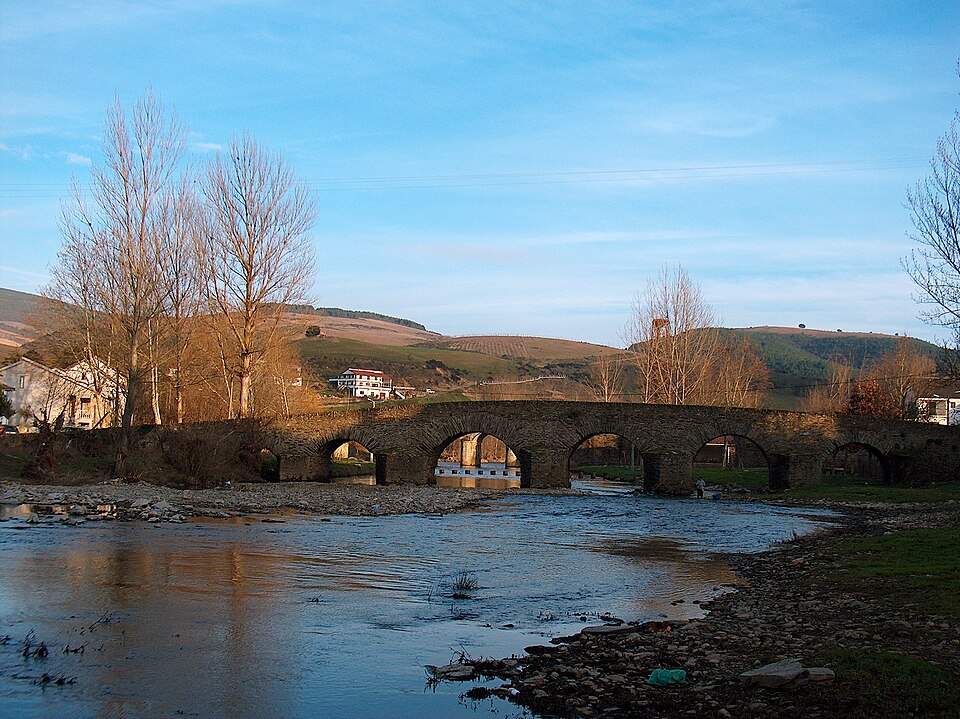 Portugal offers a mild climate, diverse landscapes, and attractions that can be enjoyed throughout the year. The country’s Atlantic coastline, historic cities, wine regions, and scenic hiking trails each have an ideal season. Use the quick reference table below to find the best time for your travel plans. If you’re looking for a quick overview before planning your trip, this table highlights Portugal’s weather, seasons, costs, and the best times to visit for different travel experiences.
| Category | Details |
| Best Overall Time to Visit | May, June, September, and October |
| Peak Tourist Season | June–August |
| Shoulder Season | April–May and September–October |
| Low Season | November–March (except Christmas and New Year) |
| Best Weather | May–June and September |
| Warmest Months | July and August |
| Coolest Months | January and February |
| Rainiest Months | November–January |
| Driest Months | June–August |
| Best for Beaches | June–September |
| Best for Sightseeing | April–May and September–October |
| Best for Hiking | April–May and September–October |
| Best for Surfing | September–November (October–February for Nazaré big waves) |
| Best for Wine Tours | September–October |
| Best for Festivals | June and July |
| Best for Christmas Markets | Late November–December |
| Best for Budget Travelers | January, February, and November |
| Best for Families | June and September |
| Best for Couples | May, September, and October |
| Best for Digital Nomads | March–May and September–November |
| Average Summer Temperature | 79–84°F (26–29°C) |
| Average Winter Temperature | 59–64°F (15–18°C) |
| Sea Temperature (Summer) | 68–72°F (20–22°C) |
| Currency | Euro (€) |
| Language | Portuguese |
| Time Zone | Western European Time (WET) / Western European Summer Time (WEST) |
| International Airports | Lisbon (LIS), Porto (OPO), Faro (FAO), Funchal (FNC), Ponta Delgada (PDL) |
| Visa | Portugal is part of the Schengen Area. Visa requirements depend on your nationality. |
| Driving Side | Right-hand side |
Portugal Quick Facts
| Travel Style | Recommended Months |
| 🌞 Best Overall | May, June, September, October |
| 🏖️ Beach Holiday | June–September |
| 🏛️ City Break | April–May, September–October |
| 🥾 Hiking Adventure | April–May, September–October |
| 🏄 Surf Trip | September–November |
| 🍷 Wine Vacation | September–October |
| 🎭 Festival Experience | June–July |
| 💰 Budget Travel | January, February, November |
| 🎄 Christmas Holiday | December |
Why Visit Portugal?
Portugal is one of Europe’s most rewarding destinations. It combines historic cities, Atlantic beaches, dramatic coastlines, world-famous wine regions, medieval towns, delicious cuisine, and a mild Mediterranean climate. Whether you’re planning a beach vacation in the Algarve, a cultural getaway in Lisbon and Porto, a hiking adventure in Madeira, or a nature escape in the Azores, you will find a season that perfectly matches your travel style.
Editor’s Pick: For the best balance of sunshine, comfortable temperatures, reasonable prices, and fewer crowds, plan your Portugal trip in May, June, September, or early October. These months consistently offer the country’s best all-around travel experience.
Portugal Weather by Season
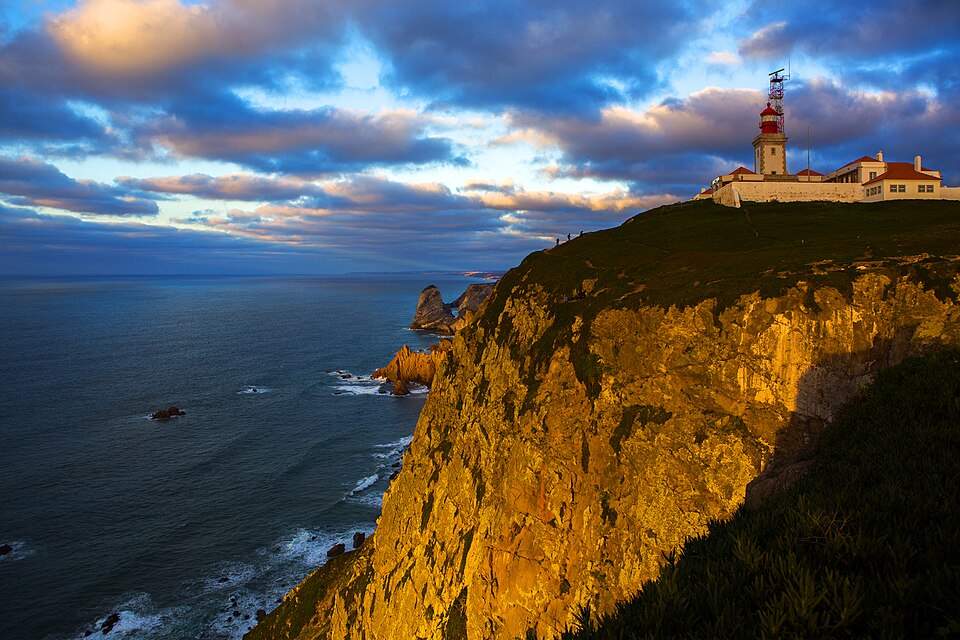 Portugal experiences four distinct seasons, although the climate remains milder than in many other European countries. Coastal areas enjoy warm summers and relatively mild winters, while inland regions experience greater temperature variations. The best season depends on your travel priorities, whether that is relaxing on the beach, exploring historic cities, hiking scenic trails, or enjoying wine festivals.
Spring (March–May)
Spring is one of the best times to visit Portugal. Temperatures gradually rise, flowers bloom across the countryside, and popular attractions remain less crowded than in summer. Average daytime temperatures range from 59°F to 73°F (15°C to 23°C).
Rainfall: Moderate rainfall is common in March, especially in northern Portugal. Showers become less frequent during April and May, bringing greener landscapes and comfortable conditions for outdoor activities. Southern regions, including the Algarve, are generally drier than the north.
This season is ideal for sightseeing in Lisbon, Porto, Sintra, and Évora. Hiking conditions are also excellent in Madeira, the Azores, and Peneda-Gerês National Park. Hotel prices remain reasonable, making spring a great choice for travelers seeking pleasant weather without peak-season crowds.
Best for: Sightseeing, hiking, photography, gardens, and road trips.
Summer (June–August)
Summer is Portugal’s busiest travel season. Long sunny days, warm temperatures, and lively festivals attract visitors from around the world. Average daytime temperatures range from 77°F to 90°F (25°C to 32°C), although southern regions such as the Algarve can become even warmer.
Rainfall: Summer is the driest season across most of Portugal. Rain is rare in central and southern regions, while the north may experience occasional brief showers. Clear skies and abundant sunshine make this the best season for beaches and coastal vacations.
Beaches along the Algarve, Cascais, and Costa Vicentina are at their best during these months. Cities are vibrant with outdoor dining, cultural events, and music festivals. However, popular destinations become crowded, and accommodation prices reach their highest levels.
Best for: Beaches, swimming, festivals, nightlife, and family vacations.
Autumn (September–November)
Autumn combines pleasant weather with fewer tourists after the summer rush. September often feels like an extension of summer, while October and November bring cooler temperatures and occasional rainfall. Average daytime temperatures range from 61°F to 82°F (16°C to 28°C).
Rainfall: Rainfall gradually increases from late September through November. September often remains dry, but October and November bring more frequent showers, particularly in northern Portugal. Despite the wetter conditions, many days remain pleasant for sightseeing and wine tours.
This season is particularly popular for wine tourism as vineyards in the Douro Valley celebrate the grape harvest. Historic cities become more comfortable to explore, and many coastal areas remain warm enough for outdoor activities during early autumn.
Best for: Wine tours, cultural travel, sightseeing, and scenic drives.
Winter (December–February)
Winter is the quietest travel season in Portugal. Coastal areas remain relatively mild compared with much of Europe, while inland and mountainous regions become cooler. Average daytime temperatures generally range from 50°F to 61°F (10°C to 16°C).
Rainfall: Winter is the wettest season in Portugal. Frequent rain affects the northern and central regions, while the Algarve generally receives less precipitation and enjoys more sunny days. Rain usually comes in passing showers rather than prolonged downpours, although Atlantic storms can occasionally bring heavier rainfall.
Although beach holidays are less common, winter offers lower hotel prices, fewer crowds, and festive Christmas markets in many cities. Portugal’s Atlantic coast also attracts experienced surfers hoping to witness the famous giant waves at Nazaré.
Best for: Budget travel, surfing, city breaks, Christmas markets, and peaceful sightseeing.
Portugal Weather by Month
Portugal offers something different every month of the year. Spring and autumn bring pleasant temperatures for sightseeing and hiking, while summer is perfect for beaches and festivals. Winter offers fewer crowds, lower prices, and mild weather compared with many European destinations. The month-by-month guide below highlights weather, rainfall, crowds, travel costs, major events, and the best activities to help you choose the ideal time to visit Portugal.
Portugal in January
January is the coldest month in Portugal, but the weather remains relatively mild by European standards. While northern regions receive more rainfall, southern destinations such as the Algarve often enjoy sunny days and comfortable temperatures. January is an excellent choice for budget travelers who prefer quieter attractions and lower accommodation prices.
Weather
- Average temperature: 46°F–59°F (8°C–15°C)
- Rainfall: Moderate to high, with the wettest conditions in northern and central Portugal. The Algarve is generally drier.
- Daylight: Around 9–10 hours of daylight each day.
Pros
- Lowest hotel prices of the year.
- Fewer tourists at major attractions.
- Comfortable weather for exploring cities.
- Excellent season for surfing, especially at Nazaré.
Cons
- Frequent rain in some regions.
- Cooler evenings and shorter daylight hours.
- Sea temperatures are too cold for most beach activities.
Best Activities
- Explore Lisbon, Porto, and Sintra without long queues.
- Visit museums, castles, and historic neighborhoods.
- Watch giant winter waves in Nazaré.
- Enjoy wine tasting in the Douro Valley.
- Discover local cuisine in traditional restaurants.
Crowds
Low. Most tourist attractions are quiet except during the New Year holiday period.
Costs
Low. Flights and hotels are among the cheapest of the year, making January one of the best months for budget travel.
Major Events & Festivals
- New Year’s celebrations continue during the first week of January.
- Dia de Reis (Three Kings’ Day) on January 6 marks the end of the Christmas season with local celebrations and traditional music in many towns.
Overall Rating: ★★★★☆
Best for: Budget travelers, city sightseeing, surfing, and visitors who do not mind occasional winter rain.
Portugal in February
February remains part of Portugal’s winter season, but signs of spring begin to appear, especially in southern regions. The weather is cool with occasional rain, yet many days are bright enough for sightseeing. Tourist numbers stay low, making February an excellent month for travelers seeking affordable prices and a relaxed atmosphere.
Weather
- Average temperature: 48°F–61°F (9°C–16°C)
- Rainfall: Moderate, with more frequent showers in northern Portugal. The Algarve and southern coast receive less rainfall and enjoy more sunshine.
- Daylight: Around 10–11 hours of daylight each day.
Pros
- Lower airfare and hotel prices than the peak season.
- Fewer crowds at popular attractions.
- Comfortable weather for city walks and cultural tours.
- Early signs of spring appear in many parks and gardens.
Cons
- Rain may interrupt outdoor plans, especially in the north.
- Sea temperatures remain too cool for swimming.
- Some seasonal beach businesses are still closed.
Best Activities
- Explore Lisbon, Porto, Coimbra, and Sintra.
- Visit castles, museums, and UNESCO World Heritage Sites.
- Experience the famous Carnival celebrations.
- Enjoy wine tasting in the Douro Valley and Alentejo.
- Watch giant Atlantic waves along the west coast.
Crowds
Low. Tourist attractions remain quiet except in destinations hosting Carnival events.
Costs
Low. February offers excellent value, with discounted hotel rates and affordable flights before the spring travel season begins.
Major Events & Festivals
- Carnival (Carnaval) – Portugal’s biggest February celebration, featuring colorful parades, music, costumes, and street parties in cities such as Torres Vedras, Loulé, and Ovar.
- Almond Blossom Season begins in parts of the Algarve and central Portugal, adding beautiful scenery to the countryside.
Overall Rating: ★★★★☆
Best for: Budget travelers, cultural experiences, Carnival celebrations, city sightseeing, and visitors who prefer fewer crowds.
Portugal in March
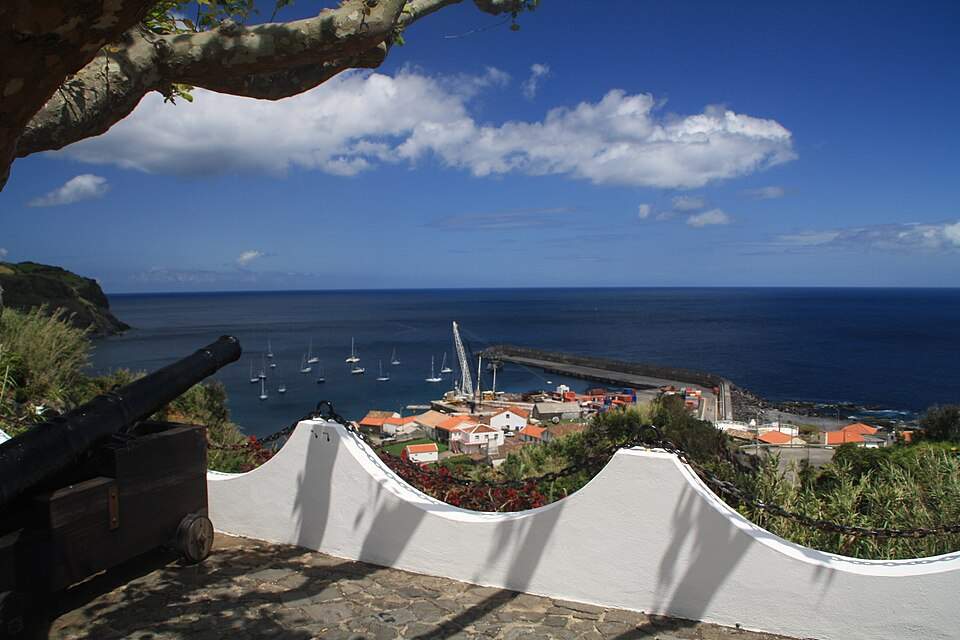 March marks the beginning of spring in Portugal. Temperatures become milder, wildflowers start blooming, and rainfall gradually decreases as the month progresses. The country feels quieter than in summer, making March an excellent time for sightseeing, road trips, and outdoor adventures.
Weather
- Average temperature: 52°F–64°F (11°C–18°C)
- Rainfall: Rain showers remain possible, especially in northern Portugal, but sunny days become more frequent. Southern regions enjoy drier conditions.
- Daylight: Around 11–12 hours of daylight each day.
Pros
- Pleasant temperatures for exploring cities and historic sites.
- Fewer crowds than during the summer season.
- Beautiful spring flowers brighten parks and countryside.
- Hotel prices remain reasonable before the Easter holiday period.
Cons
- Weather can change quickly, so packing layers is essential.
- Sea temperatures are still too cool for most swimmers.
- Rain may occasionally affect hiking and outdoor plans.
Best Activities
- Discover Lisbon, Porto, Sintra, and Évora on foot.
- Hike in Peneda-Gerês National Park, Madeira, or the Azores.
- Drive through the Douro Valley as vineyards begin turning green.
- Visit botanical gardens and coastal viewpoints.
- Enjoy whale and dolphin watching around the Azores.
Crowds
Low to moderate. Tourist numbers begin to increase toward the end of the month, especially if Easter falls in March.
Costs
Moderate. Flights and accommodation remain fairly affordable, although prices may rise during the Easter holidays.
Major Events & Festivals
- Easter celebrations may begin in late March, depending on the calendar, with religious processions held across Portugal.
- Festival do Chocolate (Óbidos International Chocolate Festival) often takes place during this period, attracting visitors with chocolate sculptures, workshops, and tasting events.
Overall Rating: ★★★★☆ (4.5/5)
Best for: Sightseeing, hiking, scenic road trips, spring landscapes, and travelers looking for pleasant weather before the busy summer season.
Portugal in April
April is one of the best months to visit Portugal. Spring is in full bloom, temperatures are comfortable, and rainfall continues to decrease. Parks, vineyards, and countryside landscapes become lush and colorful, while popular attractions remain much less crowded than during the summer. April offers an excellent balance of pleasant weather, reasonable prices, and enjoyable outdoor activities.
Weather
- Average temperature: 55°F–68°F (13°C–20°C)
- Rainfall: Low to moderate. Occasional showers are still possible, particularly in northern Portugal, but sunny days become increasingly common. The Algarve enjoys warm, dry weather.
- Daylight: Around 12–13 hours of daylight each day.
Pros
- Comfortable temperatures for sightseeing and outdoor adventures.
- Beautiful spring flowers and green landscapes.
- Fewer crowds than the peak summer season.
- Good hotel availability with reasonable prices.
Cons
- Brief rain showers can still occur.
- Atlantic Ocean temperatures remain cool for extended swimming.
- Prices may increase during the Easter holiday period.
Best Activities
- Explore Lisbon, Porto, Sintra, and Coimbra.
- Hike in Peneda-Gerês National Park, Madeira, or the Azores.
- Visit the Douro Valley and Alentejo wine regions.
- Enjoy scenic coastal walks along the Algarve and Costa Vicentina.
- Take river cruises and photography tours in the spring countryside.
Crowds
Moderate. Tourist numbers begin to increase, especially during Easter, but attractions are generally less crowded than in summer.
Costs
Moderate. Flights and hotels are reasonably priced outside the Easter holiday period, offering good value for travelers.
Major Events & Festivals
- Easter (Semana Santa) is celebrated with religious processions, cultural events, and local traditions throughout Portugal when it falls in April.
- Ovibeja Agricultural Fair in Beja often takes place in late April, showcasing Portuguese agriculture, food, wine, and regional culture.
Overall Rating: ★★★★★
Best for: Sightseeing, hiking, road trips, wine tourism, nature photography, and travelers seeking warm weather before the busy summer season.
Portugal in May
May is one of the best months to visit Portugal. Warm temperatures, abundant sunshine, and blooming landscapes create excellent conditions for exploring the country. Beaches begin to welcome visitors, hiking trails are at their best, and major tourist attractions remain less crowded than during the summer. May offers an ideal balance of weather, costs, and visitor numbers.
Weather
- Average temperature: 59°F–73°F (15°C–23°C)
- Rainfall: Most of Portugal enjoys dry, sunny weather, although occasional light showers are still possible in the north. The Algarve and southern regions are typically warm and dry.
- Daylight: Around 13–14 hours of daylight each day.
Pros
- Warm, comfortable weather across most of the country.
- Long daylight hours for sightseeing and outdoor activities.
- Beautiful spring scenery and colorful gardens.
- Beaches are quieter than during the peak summer months.
- Excellent conditions for hiking and scenic road trips.
Cons
- Ocean temperatures remain slightly cool for some swimmers.
- Tourist numbers begin to increase toward the end of the month.
- Accommodation prices start rising in popular destinations.
Best Activities
- Explore Lisbon, Porto, Sintra, and Braga.
- Relax on the Algarve’s beaches before the summer crowds arrive.
- Hike in Madeira, the Azores, or Peneda-Gerês National Park.
- Cruise through the Douro Valley and visit vineyards.
- Enjoy coastal walks, cycling, and outdoor cafés.
Crowds
Moderate. Popular attractions become busier than in spring, but they are still much less crowded than in June, July, and August.
Costs
Moderate. Hotel and flight prices gradually increase as the summer travel season approaches, but good deals are still available with advance booking.
Major Events & Festivals
- Queima das Fitas is one of Portugal’s largest student festivals, celebrated with parades, concerts, and cultural events in Coimbra and other university cities.
- Festa das Cruzes in Barcelos features traditional processions, folk music, fireworks, and local food, making it one of northern Portugal’s most popular spring festivals.
Overall Rating: ★★★★★
Best for: Sightseeing, beach holidays, hiking, wine tours, photography, and travelers seeking warm weather with manageable crowds.
Portugal in June
June marks the beginning of summer in Portugal and is one of the best months to visit. The weather is warm and sunny, beaches become lively, and cities come alive with traditional festivals. Although visitor numbers increase, June is generally less crowded than July and August, making it an excellent time for a summer vacation.
Weather
- Average temperature: 64°F–81°F (18°C–27°C)
- Rainfall: Very low. June is one of Portugal’s driest months, with abundant sunshine across most regions. Rain is uncommon, especially in the Algarve and southern Portugal.
- Daylight: Around 14–15 hours of daylight each day.
Pros
- Warm, sunny weather with very little rain.
- Ideal beach conditions before the peak summer crowds.
- Long daylight hours for sightseeing and outdoor adventures.
- Vibrant atmosphere with traditional summer festivals.
Cons
- Tourist numbers increase noticeably in popular destinations.
- Hotel rates begin rising, especially in Lisbon, Porto, and the Algarve.
- Reservations are recommended for popular attractions and accommodations.
Best Activities
- Relax on the beaches of the Algarve, Cascais, and Costa Vicentina.
- Explore Lisbon, Porto, Sintra, and Évora.
- Cruise along the Douro River and visit renowned vineyards.
- Enjoy hiking in Madeira, the Azores, and Peneda-Gerês National Park.
- Experience Portugal’s famous summer street festivals.
Crowds
Moderate to high. Popular coastal destinations and major cities become busier, but they remain less crowded than during July and August.
Costs
Moderate to high. Flights and hotels become more expensive as the summer season begins. Booking several weeks in advance can help secure better rates.
Major Events & Festivals
- Festas de Lisboa (Festival of Saint Anthony) transforms Lisbon with colorful street decorations, music, dancing, grilled sardines, and lively neighborhood celebrations.
- São João Festival in Porto, celebrated on June 23–24, is one of Portugal’s biggest festivals, featuring fireworks, concerts, street parties, and traditional festivities that continue through the night.
Overall Rating: ★★★★★
Best for: Beach holidays, sightseeing, festivals, family vacations, outdoor adventures, and travelers seeking warm weather before the busiest part of the summer season.
Portugal in July
July is one of the hottest and busiest months in Portugal. Long sunny days, warm Atlantic waters, and a lively festival atmosphere make it a favorite time for beach vacations. Coastal resorts, historic cities, and popular attractions experience their highest visitor numbers, so planning and booking in advance are essential.
Weather
- Average temperature: 68°F–86°F (20°C–30°C)
- Rainfall: Very low. July is one of the driest months of the year, with almost no rainfall across central and southern Portugal. Northern regions may experience an occasional brief shower.
- Daylight: Around 14–15 hours of daylight each day.
Pros
- Excellent weather for beaches and water sports.
- Long sunny days maximize sightseeing time.
- Vibrant nightlife and outdoor dining.
- Numerous cultural festivals and summer events take place nationwide.
Cons
- Peak tourist season leads to crowded attractions.
- High hotel and flight prices.
- Inland areas can become very hot during the afternoon.
Best Activities
- Relax on the beaches of the Algarve, Cascais, and Comporta.
- Surf along the west coast or enjoy kayaking and paddleboarding.
- Explore Lisbon and Porto early in the morning or during the evening.
- Take a Douro River cruise and visit world-famous wineries.
- Attend open-air concerts, food festivals, and traditional summer celebrations.
Crowds
High. Beaches, major cities, and popular attractions are busy throughout the month, especially during school holidays.
Costs
High. July is one of the most expensive months to visit Portugal. Hotels, flights, and rental cars often sell out well in advance, particularly in the Algarve and Lisbon.
Major Events & Festivals
- Festival Internacional de Chocolate de Óbidos (summer events) and numerous local cultural festivals take place throughout the country.
- NOS Alive, held near Lisbon, is one of Europe’s leading music festivals, attracting internationally renowned artists and thousands of visitors.
- Festival ao Largo in Lisbon features free opera, ballet, and classical music performances in historic outdoor settings.
Overall Rating: ★★★★☆ (4.5/5)
Best for: Beach vacations, family holidays, festivals, water sports, nightlife, and travelers who enjoy Portugal’s lively summer atmosphere.
Portugal in August
August is the hottest and busiest month in Portugal. Sunny skies, warm temperatures, and inviting beaches attract visitors from around the world. Coastal resorts, especially in the Algarve, operate at full capacity, while many Portuguese residents also take their summer holidays during this month. If you enjoy a lively atmosphere and beach vacations, August is an excellent choice, but advance planning is essential.
Weather
- Average temperature: 68°F–90°F (20°C–32°C)
- Rainfall: Very low. August is typically the driest month of the year, with little to no rainfall across most of Portugal. Southern regions enjoy almost uninterrupted sunshine.
- Daylight: Around 13–14 hours of daylight each day.
Pros
- Hot, sunny weather ideal for beach holidays.
- Warm sea temperatures for swimming and water sports.
- Long daylight hours for outdoor activities.
- Numerous festivals, concerts, and cultural events take place throughout the country.
Cons
- Peak tourist season brings large crowds.
- Hotels, flights, and rental cars are at their highest prices.
- Inland regions can experience intense afternoon heat.
- Popular attractions may require advance reservations.
Best Activities
- Relax on the beaches of the Algarve, Cascais, and Comporta.
- Swim, snorkel, surf, or take boat tours along the Atlantic coast.
- Explore the Benagil Sea Cave and other coastal landmarks.
- Visit Madeira or the Azores for hiking and scenic landscapes.
- Enjoy outdoor festivals, evening markets, and waterfront dining.
Crowds
Very high. Beaches, historic cities, and major attractions are extremely busy throughout the month, particularly during the European summer holidays.
Costs
Very high. August is the most expensive month to visit Portugal. Booking flights and accommodation several months in advance is highly recommended.
Major Events & Festivals
- Festival do Marisco (Seafood Festival) in Olhão celebrates Portugal’s seafood with live music, local cuisine, and cultural performances.
- Madeira Wine Rally and numerous summer festivals take place across Madeira and mainland Portugal.
- Many towns also host local patron saint festivals, featuring traditional music, dancing, fireworks, and regional food.
Overall Rating: ★★★★☆ (4.5/5)
Best for: Beach vacations, family holidays, water sports, island escapes, summer festivals, and travelers seeking the warmest weather of the year.
Portugal in September
September is one of the best months to visit Portugal. Summer temperatures continue, the sea remains warm, and the large crowds of July and August begin to fade. The combination of pleasant weather, lower accommodation rates, and the start of the wine harvest makes September an excellent month for almost every type of traveler.
Weather
- Average temperature: 64°F–82°F (18°C–28°C)
- Rainfall: Most of Portugal remains warm and dry during September, although occasional light showers may occur toward the end of the month, particularly in northern regions.
- Daylight: Around 12–13 hours of daylight each day.
Pros
- Warm weather with fewer crowds than peak summer.
- Comfortable sea temperatures for swimming and water sports.
- Lower hotel prices compared with July and August.
- Ideal conditions for sightseeing, hiking, and wine tourism.
- Pleasant temperatures throughout most of the country.
Cons
- Popular destinations can still be busy during the first half of the month.
- Accommodation rates remain relatively high in major tourist areas.
- A few seasonal attractions begin reducing operating hours late in the month.
Best Activities
- Relax on the beaches of the Algarve, Cascais, and Costa Vicentina.
- Explore Lisbon, Porto, Sintra, and Évora without peak-season crowds.
- Visit the Douro Valley during the grape harvest.
- Hike in Madeira, the Azores, and Peneda-Gerês National Park.
- Enjoy scenic river cruises, cycling tours, and coastal walks.
Crowds
Moderate. Visitor numbers gradually decline after the summer holidays, creating a more relaxed atmosphere at beaches and major attractions.
Costs
Moderate. Flights and hotels become more affordable than in July and August, although premium beach destinations may still command higher prices.
Major Events & Festivals
- Douro Wine Harvest (Vindima) begins in September, offering vineyard tours, grape harvesting experiences, wine tastings, and traditional celebrations.
- Feira de São Mateus in Viseu, one of Portugal’s oldest fairs, continues through early September with concerts, local food, crafts, and family entertainment.
Overall Rating: ★★★★★
Best for: Beach holidays, wine tourism, sightseeing, hiking, road trips, and travelers seeking warm weather with fewer crowds than the peak summer season.
Portugal in October
October is one of the most enjoyable months to visit Portugal. The weather remains pleasantly warm in many regions, especially along the southern coast, while summer crowds have largely disappeared. Autumn colors begin to transform vineyards and countryside landscapes, making October an excellent month for sightseeing, wine tours, and scenic road trips.
Weather
- Average temperature: 59°F–75°F (15°C–24°C)
- Rainfall: Rainfall becomes more frequent than in September, particularly in northern Portugal. Southern regions, including the Algarve, continue to enjoy plenty of sunshine with occasional showers.
- Daylight: Around 11–12 hours of daylight each day.
Pros
- Comfortable temperatures for sightseeing and outdoor activities.
- Smaller crowds at popular attractions.
- Lower hotel rates than during the summer season.
- Beautiful autumn scenery in wine regions and national parks.
- Excellent conditions for wine tasting and photography.
Cons
- Rain showers become more frequent, especially in the north.
- Sea temperatures gradually cool during the month.
- Some seasonal beach facilities begin closing after summer.
Best Activities
- Explore Lisbon, Porto, Sintra, and Coimbra.
- Visit the Douro Valley during the final weeks of the wine harvest.
- Hike in Peneda-Gerês National Park, Madeira, and the Azores.
- Enjoy scenic coastal drives along the Algarve and Costa Vicentina.
- Visit historic castles, monasteries, and UNESCO World Heritage Sites.
Crowds
Low to moderate. Most summer tourists have departed, creating a quieter and more relaxed travel experience across the country.
Costs
Moderate to low. Hotel and flight prices continue to fall after September, making October an excellent value for travelers.
Major Events & Festivals
- National Horse Fair (Feira Nacional do Cavalo) in Golegã celebrates Portugal’s famous Lusitano horses with equestrian competitions, parades, and cultural events.
- Francesinha Festival and various autumn food and wine festivals take place in several regions, celebrating Portugal’s seasonal cuisine and local wines.
Overall Rating: ★★★★★
Best for: Sightseeing, wine tourism, hiking, photography, road trips, and travelers looking for pleasant weather, lower prices, and fewer crowds.
Portugal in November
November marks the transition from autumn to winter in Portugal. Temperatures become cooler, rainfall increases, and tourist numbers decline significantly. Although beach holidays are less appealing, November is an excellent month for exploring Portugal’s historic cities, enjoying local cuisine, and taking advantage of lower travel costs.
Weather
- Average temperature: 54°F–66°F (12°C–19°C)
- Rainfall: Moderate to high. November is one of Portugal’s wetter months, especially in the north and central regions. The Algarve remains milder and generally receives less rainfall than the rest of the country.
- Daylight: Around 10–11 hours of daylight each day.
Pros
- Lower hotel and flight prices.
- Fewer crowds at popular attractions.
- Comfortable weather for museums, castles, and city exploration.
- Beautiful autumn scenery remains in many wine regions and parks.
Cons
- More frequent rain, particularly in northern Portugal.
- Cooler evenings require warmer clothing.
- Some seasonal tours and beach facilities may be closed.
Best Activities
- Explore Lisbon, Porto, Braga, and Coimbra.
- Visit museums, monasteries, and UNESCO World Heritage Sites.
- Enjoy wine tasting in the Douro Valley and Alentejo.
- Experience traditional Portuguese cuisine in local restaurants.
- Discover coastal towns and scenic viewpoints along the Algarve.
Crowds
Low. Most tourist destinations are quiet, allowing visitors to enjoy Portugal’s attractions without long queues.
Costs
Low. November is one of the most affordable months to visit Portugal, with attractive discounts on hotels and airfare outside holiday periods.
Major Events & Festivals
- São Martinho (St. Martin’s Day) on November 11 is celebrated throughout Portugal with roasted chestnuts, locally produced wine, and traditional festivals.
- Feira Nacional do Cavalo in Golegã may continue into early November, featuring Lusitano horse exhibitions, competitions, and cultural events.
Overall Rating: ★★★★☆
Best for: Budget travelers, city breaks, cultural experiences, food and wine tourism, and visitors who prefer peaceful sightseeing with fewer crowds.
Portugal in December
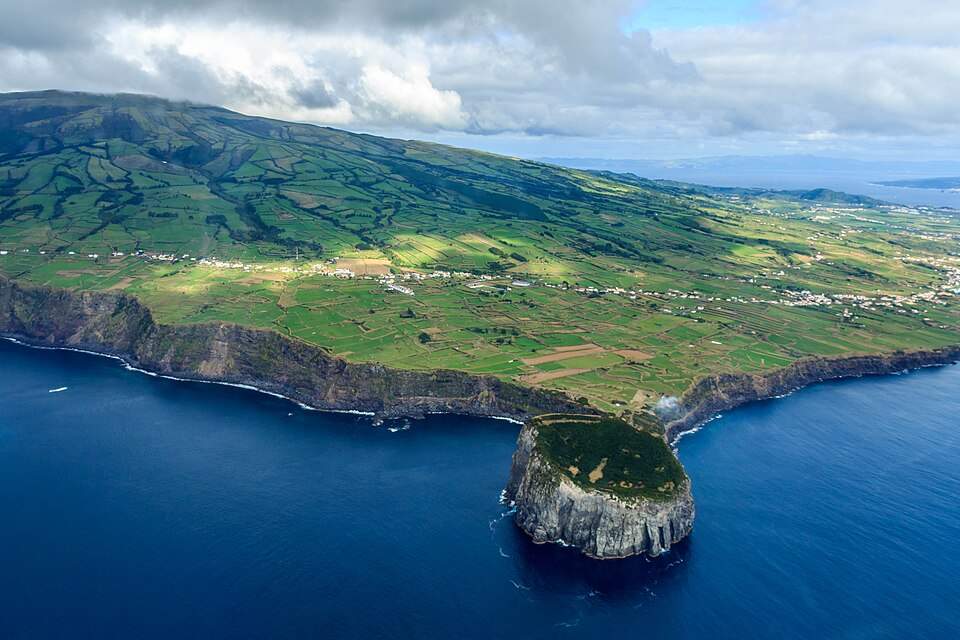 December brings a festive atmosphere to Portugal as Christmas lights, holiday markets, and seasonal celebrations transform cities and towns. Winter temperatures remain relatively mild compared with much of Europe, particularly along the southern coast. Although rainfall is more common, December is an excellent month for Christmas vacations, cultural sightseeing, and budget-friendly travel outside the holiday period.
Weather
- Average temperature: 48°F–61°F (9°C–16°C)
- Rainfall: Moderate to high. December is one of Portugal’s wettest months, with frequent showers in northern and central regions. The Algarve generally experiences milder temperatures and more sunny intervals.
- Daylight: Around 9–10 hours of daylight each day.
Pros
- Beautiful Christmas lights and festive decorations.
- Traditional Christmas markets and seasonal events.
- Mild winter temperatures compared with many European countries.
- Lower hotel prices before the Christmas and New Year holidays.
- Excellent opportunities for cultural sightseeing and local cuisine.
Cons
- Frequent rainfall, especially in northern Portugal.
- Cooler evenings and shorter daylight hours.
- Accommodation prices increase during Christmas and New Year.
Best Activities
- Visit Christmas markets in Lisbon, Porto, Braga, and Óbidos.
- Explore museums, castles, monasteries, and historic neighborhoods.
- Celebrate Christmas and New Year’s Eve with local festivities.
- Enjoy wine tasting and traditional Portuguese winter cuisine.
- Watch dramatic Atlantic waves along the west coast, including Nazaré.
Crowds
Low to moderate. Most attractions remain uncrowded during early December, but visitor numbers increase significantly around Christmas and New Year’s Eve.
Costs
Moderate. Early December offers good value, while hotel and flight prices rise sharply during the Christmas and New Year holiday period. Booking well in advance is recommended for holiday travel.
Major Events & Festivals
- Christmas Markets throughout Portugal feature festive decorations, local crafts, seasonal food, and live entertainment.
- Christmas Eve (Consoada) is one of Portugal’s most important family celebrations, with traditional meals and midnight church services.
- New Year’s Eve (Passagem de Ano) is celebrated with fireworks, concerts, and public festivities in Lisbon, Porto, Madeira, and other major destinations.
⭐ Overall Rating: ★★★★☆
Best for: Christmas markets, festive celebrations, city breaks, cultural sightseeing, winter surfing, and travelers seeking a mild European winter destination.
Monthly Temperature & Rainfall Table
Portugal enjoys a Mediterranean climate with warm summers, mild winters, and plenty of sunshine throughout the year. However, temperatures and rainfall vary between the cooler, wetter north and the warmer, drier south. The table below provides average monthly conditions to help you decide the best time to visit Portugal.
| Month | Avg. High | Avg. Low | Rainfall | Sea Temp | Travel Rating |
| January | 59°F (15°C) | 46°F (8°C) | 4.4 in (112 mm) | 59°F (15°C) | ⭐⭐⭐⭐☆ |
| February | 61°F (16°C) | 47°F (8°C) | 3.9 in (99 mm) | 58°F (15°C) | ⭐⭐⭐⭐☆ |
| March | 65°F (18°C) | 50°F (10°C) | 2.8 in (71 mm) | 59°F (15°C) | ⭐⭐⭐⭐☆ |
| April | 68°F (20°C) | 53°F (12°C) | 2.6 in (66 mm) | 60°F (16°C) | ⭐⭐⭐⭐⭐ |
| May | 73°F (23°C) | 58°F (14°C) | 2.0 in (51 mm) | 64°F (18°C) | ⭐⭐⭐⭐⭐ |
| June | 79°F (26°C) | 63°F (17°C) | 0.8 in (20 mm) | 68°F (20°C) | ⭐⭐⭐⭐⭐ |
| July | 84°F (29°C) | 66°F (19°C) | 0.2 in (5 mm) | 70°F (21°C) | ⭐⭐⭐⭐☆ |
| August | 84°F (29°C) | 66°F (19°C) | 0.3 in (8 mm) | 72°F (22°C) | ⭐⭐⭐⭐☆ |
| September | 80°F (27°C) | 64°F (18°C) | 1.3 in (33 mm) | 71°F (22°C) | ⭐⭐⭐⭐⭐ |
| October | 73°F (23°C) | 59°F (15°C) | 3.2 in (81 mm) | 68°F (20°C) | ⭐⭐⭐⭐⭐ |
| November | 65°F (18°C) | 53°F (12°C) | 4.5 in (114 mm) | 64°F (18°C) | ⭐⭐⭐⭐☆ |
| December | 60°F (16°C) | 48°F (9°C) | 4.8 in (122 mm) | 61°F (16°C) | ⭐⭐⭐⭐☆ |
Note: These are average climate values for mainland Portugal, based primarily on conditions around Lisbon and the central coastal region. The Algarve is generally warmer and drier, while Porto and northern Portugal receive more rainfall. Madeira and the Azores have distinct subtropical climates with milder temperatures year-round.
What the Climate Table Tells You
- Warmest Months: July and August are the hottest months, making them ideal for beach vacations and water sports.
- Best Weather Overall: May, June, September, and October offer warm temperatures, lower rainfall, and comfortable sightseeing conditions.
- Lowest Rainfall: June through August are the driest months across most of Portugal.
- Warmest Sea Temperatures: The Atlantic Ocean is warmest in August and September, making these months the best for swimming.
- Rainiest Months: November through January typically receive the most rainfall, particularly in northern Portugal.
- Best Balance: May and September combine pleasant temperatures, fewer crowds, and excellent travel conditions, making them the best overall months to visit Portugal.
Portugal Climate Zones: Weather Varies Across the Country
Although Portugal is a relatively small country, its climate changes noticeably from north to south and between the mainland and islands. Understanding these climate zones can help you choose the best destination and the right time to visit.
| Climate Zone | Main Destinations | Climate | Best Time to Visit |
| Northern Portugal | Porto, Braga, Guimarães, Peneda-Gerês | Cooler and wetter with green landscapes | May–September |
| Central Portugal | Coimbra, Aveiro, Nazaré, Fátima | Mild Mediterranean climate with four distinct seasons | April–October |
| Southern Portugal (Algarve & Alentejo) | Faro, Lagos, Albufeira, Tavira, Évora | Warm, sunny, and dry for most of the year | May–October |
| Madeira | Funchal, Santana, Porto Moniz | Subtropical climate with spring-like weather year-round | April–October (great all year) |
| Azores | São Miguel, Terceira, Pico, Faial | Oceanic climate with mild temperatures and frequent showers | May–September |
Northern Portugal
Northern Portugal experiences the coolest and wettest weather in the country. Cities like Porto, Braga, and Guimarães receive more rainfall, especially between November and February. The region is known for its lush green hills, vineyards, and scenic national parks.
Summer brings pleasant temperatures, making it the ideal season for sightseeing, hiking, and exploring the Douro Valley.
Best for: Wine tours, cultural trips, hiking, and historic cities.
Central Portugal
Central Portugal enjoys a balanced Mediterranean climate with warm summers and mild winters. Coastal destinations such as Aveiro and Nazaré benefit from refreshing Atlantic breezes, while inland cities like Coimbra can become warmer during summer.
Spring and autumn offer comfortable temperatures and fewer tourists, making them excellent seasons for exploring historic towns and coastal attractions.
Best for: Sightseeing, surfing, road trips, and cultural experiences.
Southern Portugal (Algarve & Alentejo)
Southern Portugal is the country’s sunniest region. The Algarve enjoys over 300 days of sunshine each year, making it one of Europe’s top beach destinations. Summers are hot and dry, while winters remain mild compared to much of Europe.
The inland Alentejo region experiences hotter summer temperatures but offers beautiful vineyards, whitewashed villages, and quiet countryside escapes.
Best for: Beaches, golf, boating, family vacations, and winter sunshine.
Madeira
Located in the Atlantic Ocean, Madeira has a pleasant subtropical climate throughout the year. Temperatures remain comfortable in every season, making it one of Portugal’s best year-round destinations.
Spring is famous for the Madeira Flower Festival, while summer and autumn are ideal for hiking the island’s famous levada trails and mountain peaks.
Best for: Hiking, gardens, whale watching, photography, and outdoor adventures.
The Azores
The Azores have a mild oceanic climate influenced by the Atlantic Ocean. Weather can change quickly, with sunshine followed by brief showers, even during summer. Despite this, temperatures remain comfortable throughout the year.
The islands are at their best from May through September, when rainfall is lower and outdoor activities are easier to enjoy.
Best for: Volcanoes, crater lakes, whale watching, hot springs, hiking, and nature tourism.
Climate Zone Comparison
| Region | Summer | Winter | Rainfall | Ideal Activities |
| Northern Portugal | Warm | Cool | High | Wine tours, hiking, culture |
| Central Portugal | Warm | Mild | Moderate | Sightseeing, surfing, road trips |
| Southern Portugal | Hot | Mild | Low | Beaches, golf, boating |
| Madeira | Warm year-round | Mild | Moderate | Hiking, gardens, outdoor adventures |
| Azores | Mild | Mild | Moderate to High | Nature, whale watching, volcanoes |
Which Climate Zone Is Right for You?
- Choose Northern Portugal if you enjoy vineyards, mountain scenery, and cooler summer weather.
- Visit Central Portugal for a balanced mix of beaches, history, and outdoor activities.
- Head to the Algarve if your priority is sunshine, beaches, golf, and family-friendly resorts.
- Pick Madeira for year-round pleasant weather and spectacular hiking.
- Explore the Azores if you’re looking for volcanic landscapes, wildlife, and unspoiled nature.
Travel Tip: If you’re planning a multi-city trip, remember that the weather can differ significantly between Porto, Lisbon, the Algarve, Madeira, and the Azores. Pack lightweight layers and check local forecasts before traveling between regions.
Best Time to Visit Portugal for Good Weather
If pleasant weather is your top priority, the best time to visit Portugal is April through June and September through October. These months offer warm temperatures, abundant sunshine, lower rainfall, and comfortable conditions for sightseeing, hiking, road trips, and beach vacations. Compared with the peak summer months, attractions are less crowded and accommodation prices are generally more reasonable.
Spring brings blooming landscapes and mild temperatures, making it ideal for exploring cities such as Lisbon, Porto, and Sintra. Autumn offers warm days, cooler evenings, and beautiful vineyard scenery during the grape harvest season. Both seasons provide an excellent balance between favorable weather and a relaxed travel experience.
Travelers looking for the hottest weather and the warmest sea temperatures should consider July and August. These months are perfect for beach holidays in the Algarve, surfing along the Atlantic coast, and enjoying Portugal’s lively summer festivals. However, they also bring the largest crowds and the highest travel costs.
| Travel Goal | Best Months |
| Best overall weather | April–June, September–October |
| Warmest temperatures | July–August |
| Least rainfall | June–August |
| Best for sightseeing | April–May, September–October |
| Best beach weather | June–September |
| Best hiking conditions | March–May, September–November |
| Best value with pleasant weather | April, May, September, October |
Recommendation: For most travelers, May, June, and September offer the perfect combination of warm weather, sunny days, manageable crowds, and excellent value. These months provide ideal conditions for experiencing Portugal’s beaches, historic cities, wine regions, and scenic landscapes without the peak-season rush.
Cheapest Time to Visit Portugal
The cheapest time to visit Portugal is generally November through February, excluding the Christmas and New Year holiday period. During these months, airlines and hotels often reduce prices because tourist demand is lower. Travelers can find significant savings on accommodation, flights, and car rentals while enjoying Portugal’s historic cities, museums, wine regions, and coastal scenery without large crowds.
January and February usually offer the best travel deals of the year. Although the weather is cooler and wetter than in summer, Portugal’s mild winter climate makes sightseeing comfortable, especially in Lisbon, Porto, Coimbra, and the Algarve. If you plan to spend most of your time exploring cultural attractions rather than relaxing on the beach, winter provides excellent value.
Travelers looking for a balance between affordability and pleasant weather should consider March, April, October, or early November. These shoulder-season months typically feature lower prices than summer while offering comfortable temperatures for outdoor activities and sightseeing.
| Travel Period | Cost Level | Why Visit |
| January–February | ⭐ Lowest | Cheapest hotels and flights, quiet attractions, excellent for city breaks. |
| November | ⭐ Low | Budget-friendly travel with fewer tourists and mild weather. |
| Early December | ⭐ Low | Good hotel deals before Christmas demand increases. |
| March–April | ⭐ Moderate | Pleasant weather with better prices than the summer season. |
| October | ⭐ Moderate | Comfortable temperatures and lower accommodation costs after peak season. |
Money-Saving Tips
- Book international flights two to four months in advance for the best fares.
- Visit between Sunday and Thursday to find lower hotel rates in many cities.
- Stay in guesthouses or boutique hotels instead of beachfront resorts during peak periods.
- Use Portugal’s efficient train and bus networks instead of renting a car when visiting major cities.
- Travel during the shoulder season if you want to combine good weather with lower costs.
Recommendation: If saving money is your main goal, plan your trip for January or February. If you prefer warmer weather without paying peak-season prices, March, April, October, and early November provide the best overall value.
Best Time to Visit Portugal for Beaches
Portugal’s beach season typically runs from June to September, when the weather is warm, rainfall is minimal, and sea temperatures are at their most comfortable. While July and August offer the hottest days, June and September provide an excellent balance of sunshine, warm water, fewer crowds, and better hotel prices. Whether you want golden beaches in the Algarve, surfing near Cascais, peaceful shores in Comporta, or year-round coastal beauty in Madeira, timing your visit can make a big difference.
| Beach Destination | Best Time to Visit | Why Visit Then |
| Algarve | June–September | Warmest sea temperatures, sunny weather, ideal for swimming and boat tours. |
| Cascais | June–September | Pleasant beach weather, surfing, sailing, and outdoor cafés. |
| Comporta | May–September | Quiet beaches, warm temperatures, and fewer crowds than the Algarve. |
| Madeira | May–October | Mild weather, excellent coastal walks, natural pools, and water activities. |
Algarve
The Algarve is Portugal’s premier beach destination. Summer brings long sunny days, temperatures between 77°F and 90°F (25°C–32°C), and calm seas perfect for swimming, kayaking, paddleboarding, and boat trips to the famous Benagil Sea Cave. June and September are particularly attractive because they combine excellent beach weather with smaller crowds than the peak summer months.
Cascais
Located just west of Lisbon, Cascais offers beautiful sandy beaches, scenic promenades, and excellent surfing conditions. The best time to visit is June through September, when daytime temperatures range from 72°F to 82°F (22°C–28°C). Visitors can enjoy swimming, sailing, surfing, and relaxing at beachfront restaurants while also exploring the charming old town.
Comporta
Known for its unspoiled coastline and relaxed atmosphere, Comporta is ideal for travelers seeking a quieter beach experience. The best months are May through September, with warm temperatures, sunny skies, and fewer visitors than Portugal’s more famous resorts. Early summer and September offer peaceful beaches and excellent conditions for cycling, birdwatching, and coastal walks.
Madeira
Thanks to its subtropical climate, Madeira offers beach-friendly weather for much of the year. The best period is May through October, when temperatures typically range from 70°F to 81°F (21°C–27°C). Although Madeira is better known for its dramatic coastline and volcanic natural swimming pools than long sandy beaches, visitors can enjoy snorkeling, whale watching, scuba diving, and coastal hiking throughout the warmer months.
Best Months for a Portugal Beach Vacation
| Month | Beach Conditions |
| May | Warm weather begins, quiet beaches, ideal for Madeira and Comporta. |
| June | ⭐ Excellent weather, warm sunshine, moderate crowds, and improving sea temperatures. |
| July | Hottest weather, lively beach atmosphere, busiest travel period. |
| August | Warmest sea temperatures, perfect for swimming, but highest prices and crowds. |
| September | ⭐ Warm water, pleasant temperatures, fewer tourists, and excellent value. |
Recommendation: June and September are the best months for a beach holiday in Portugal. They offer sunny weather, comfortable sea temperatures, fewer crowds, and better prices than the peak summer season, making them ideal for visiting the Algarve, Cascais, Comporta, and Madeira.
Best Time to Visit Portugal for Sightseeing
The best time to visit Portugal for sightseeing is April to May and September to October. These shoulder-season months offer pleasant temperatures, plenty of sunshine, and fewer crowds than the busy summer season. The comfortable weather makes it easier to explore Portugal’s historic neighborhoods, castles, palaces, and UNESCO World Heritage Sites without the intense summer heat.
Spring brings blooming gardens and fresh landscapes, while autumn offers warm days, colorful vineyards, and excellent photography opportunities. Walking through Lisbon’s steep streets, touring Sintra’s fairy-tale palaces, or exploring Évora’s Roman ruins is much more enjoyable during these months.
| Destination | Best Time | Why It’s Ideal |
| Lisbon | April–May, September–October | Pleasant temperatures for walking tours, viewpoints, and historic neighborhoods. |
| Porto | May, June, September | Comfortable weather for riverside walks, wine cellars, and Douro cruises. |
| Sintra | April–June, September–October | Cool mountain climate, blooming gardens, and shorter lines at major attractions. |
| Évora | March–May, October | Mild temperatures make exploring Roman ruins and medieval streets more comfortable. |
| Coimbra | April–May, September–October | Ideal weather for visiting the university, botanical gardens, and historic center. |
Lisbon
Lisbon is best explored during April, May, September, and October, when daytime temperatures range from 65°F to 79°F (18°C–26°C). These months are perfect for wandering through Alfama, riding the famous yellow trams, visiting Belém Tower and Jerónimos Monastery, and enjoying panoramic views from the city’s miradouros without the intense summer heat.
Porto
The best time to visit Porto is May, June, and September. Mild weather creates ideal conditions for strolling along the Ribeira waterfront, touring the famous Port wine cellars in Vila Nova de Gaia, cruising the Douro River, and exploring the city’s historic architecture. September is especially attractive because it combines warm weather with the nearby Douro Valley’s grape harvest.
Sintra
Nestled in the hills outside Lisbon, Sintra enjoys slightly cooler temperatures than the capital. The best months are April through June and September through October, when visitors can comfortably explore Pena Palace, Quinta da Regaleira, the Moorish Castle, and Sintra National Palace. Visiting outside the peak summer season also means shorter queues at the most popular attractions.
Évora
Located in Portugal’s Alentejo region, Évora experiences very hot summers. The ideal time to visit is March through May and October, when temperatures remain comfortable for walking through the UNESCO-listed old town, visiting the Roman Temple, Évora Cathedral, and the famous Chapel of Bones.
Coimbra
The historic university city of Coimbra is most enjoyable during April, May, September, and October. Pleasant temperatures make it easy to explore the University of Coimbra, Joanina Library, botanical gardens, and charming medieval streets. Spring also brings colorful flowers to the city’s parks and riverside areas.
Best Months for Sightseeing
| Month | Sightseeing Conditions |
| March | Pleasant temperatures, fewer tourists, ideal for southern Portugal. |
| April | ⭐ Mild weather, blooming landscapes, and excellent walking conditions. |
| May | ⭐ Warm sunny days with manageable crowds. |
| June | Great weather, but tourist numbers begin to increase. |
| September | ⭐ Warm temperatures, fewer crowds, and ideal for city exploration. |
| October | ⭐ Comfortable weather, beautiful autumn scenery, and excellent value. |
Recommendation: April, May, September, and October are the best months for sightseeing in Portugal. These months combine comfortable temperatures, low rainfall, fewer tourists, and ideal conditions for exploring Lisbon, Porto, Sintra, Évora, and Coimbra at a relaxed pace.
Best Time to Visit Portugal for Festivals
Portugal hosts colorful festivals throughout the year, from lively Carnival parades to traditional religious celebrations, world-class music festivals, and magical Christmas markets. The best time to visit Portugal for festivals depends on the type of event you want to experience. Spring and early summer (February to June) feature many of the country’s most famous cultural celebrations, while December is perfect for festive holiday markets and Christmas traditions.
| Festival | Typical Time | Best Place to Experience It |
| Carnival | February or early March | Torres Vedras, Loulé, Ovar |
| Madeira Flower Festival | April–May | Funchal, Madeira |
| Festa de São João | June | Porto |
| NOS Alive | July | Oeiras (near Lisbon) |
| Festa dos Tabuleiros | Every four years in July* | Tomar |
| Christmas Markets | Late November–December | Lisbon, Porto, Braga, Óbidos |
*Festa dos Tabuleiros is held once every four years, usually in July.
Carnival (February or Early March)
Portugal’s Carnival marks the beginning of the festival calendar with colorful parades, elaborate costumes, music, and street parties. The most famous celebrations take place in Torres Vedras, Loulé, and Ovar, each offering its own unique traditions. Carnival is an excellent time to experience Portuguese culture before the busy spring travel season.
Madeira Flower Festival (April–May)
Held in Funchal, the Madeira Flower Festival celebrates the arrival of spring with spectacular floral displays, decorated floats, live performances, and the famous Flower Parade. Streets fill with vibrant blooms, creating one of Portugal’s most photogenic festivals. Pleasant spring weather also makes this one of the best times to visit Madeira.
Festa de São João (June)
The Festa de São João in Porto is one of Portugal’s largest and most beloved festivals. Celebrated on the night of June 23, it features fireworks, live music, dancing, lantern releases, and the famous tradition of gently tapping people on the head with plastic hammers. Visitors also enjoy grilled sardines, street food, and a lively atmosphere that lasts until sunrise.
NOS Alive (July)
Music lovers should plan a visit in July for NOS Alive, one of Europe’s leading music festivals. Held in Oeiras, just outside Lisbon, the festival attracts internationally renowned artists across rock, pop, indie, and electronic music. Warm summer weather and easy access from Lisbon make it a popular event for both locals and international visitors.
Festa dos Tabuleiros (July – Every Four Years)
The Festa dos Tabuleiros in Tomar is one of Portugal’s most unique cultural celebrations. Women carry towering trays decorated with bread and flowers on their heads during a magnificent procession through the city’s historic streets. Because the festival takes place every four years, travelers should check the schedule before planning their visit.
Christmas Markets (Late November–December)
During December, Portugal’s cities transform into festive destinations filled with Christmas lights, seasonal markets, concerts, and holiday traditions. The best Christmas markets can be found in Lisbon, Porto, Braga, and the medieval town of Óbidos, where visitors can browse handcrafted gifts, enjoy traditional pastries, and sip warm seasonal drinks.
Festival Calendar at a Glance
| Month | Top Festivals |
| February–March | Carnival |
| April–May | Madeira Flower Festival |
| June | Festa de São João |
| July | NOS Alive, Festa dos Tabuleiros* |
| Late November–December | Christmas Markets |
Recommendation
For the widest variety of festivals, May through July is the best time to visit Portugal. This period combines excellent weather with colorful cultural celebrations, outdoor concerts, and traditional festivals. If holiday festivities are your priority, visit in December to experience Portugal’s enchanting Christmas markets and seasonal celebrations.
Portugal Events Calendar: Month-by-Month Festivals and Celebrations
Portugal hosts exciting festivals and cultural events throughout the year. From colorful Carnival parades and traditional religious celebrations to music festivals and Christmas markets, there’s always something happening. If you want to experience Portugal beyond its beaches and historic cities, planning your trip around these events can make your visit even more memorable.
| Month | Major Events & Festivals | Best Places |
| January | New Year’s celebrations, Winter Sales, Epiphany (Dia de Reis) | Lisbon, Porto, Braga |
| February | Carnival (Carnaval), Almond Blossom Season begins | Torres Vedras, Loulé, Ovar, Algarve |
| March | Spring festivals, Easter preparations, Camellia festivals | Northern Portugal, Madeira |
| April | Easter Week, Madeira Flower Festival (late April or early May), Freedom Day (April 25) | Funchal, Lisbon, Braga |
| May | Madeira Flower Festival, Fátima Pilgrimage, Medieval fairs | Funchal, Fátima, Óbidos |
| June | Festa de Santo António, Festa de São João, Festa de São Pedro | Lisbon, Porto, Sintra |
| July | NOS Alive, Super Bock Super Rock, Festa dos Tabuleiros* | Oeiras, Lisbon, Tomar |
| August | Village festivals, Medieval fairs, Seafood festivals | Algarve, Viana do Castelo, Óbidos |
| September | Douro Wine Harvest, Grape Harvest Festivals | Douro Valley, Alentejo |
| October | Autumn food festivals, Wine events, Chestnut festivals | Douro Valley, Bragança |
| November | St. Martin’s Day (Magusto), Wine and Chestnut festivals | Northern and Central Portugal |
| December | Christmas Markets, New Year’s Eve celebrations, Holiday concerts | Lisbon, Porto, Braga, Óbidos |
*Festa dos Tabuleiros is held every four years in Tomar, making it one of Portugal’s most unique cultural celebrations.
Best Events by Season
Spring (March–May)
Spring brings colorful flower festivals, Easter celebrations, and comfortable weather for sightseeing.
Highlights:
- Madeira Flower Festival
- Fátima Pilgrimage
- Easter processions
- Medieval fairs
Summer (June–August)
Summer is Portugal’s busiest festival season. Streets come alive with music, fireworks, dancing, and traditional celebrations.
Highlights:
- Festa de Santo António (Lisbon)
- Festa de São João (Porto)
- NOS Alive Music Festival
- Seafood festivals
- Beach celebrations throughout the Algarve
Autumn (September–November)
Autumn is harvest season, making it the perfect time to visit vineyards and enjoy local food festivals.
Highlights:
- Douro grape harvest
- Wine festivals
- Chestnut festivals
- Martin’s Day celebrations
Winter (December–February)
Winter offers festive Christmas markets, Carnival celebrations, and a quieter travel experience.
Highlights:
- Christmas markets
- New Year’s Eve fireworks
- Carnival parades
- Traditional holiday concerts
Which Festival Should You Visit?
| Interest | Best Festival | Best Time |
| Traditional Culture | Festa de São João | June |
| Religious Celebrations | Fátima Pilgrimage | May |
| Music Festivals | NOS Alive | July |
| Flowers & Gardens | Madeira Flower Festival | April–May |
| Wine Experiences | Douro Harvest Festival | September |
| Christmas Atmosphere | Portugal Christmas Markets | December |
| Carnival Celebrations | Carnaval | February |
Travel Tips for Festival Season
- Book accommodation early, especially for June, July, and December, when hotels sell out quickly.
- Arrive a day before major festivals to enjoy parades, concerts, and local traditions without rushing.
- Use public transportation during large events, as parking can be limited in city centers.
- Pack comfortable walking shoes, since many festivals involve exploring historic streets on foot.
Recommendation
If festivals are the highlight of your trip, June is the best month to visit Portugal. You will experience vibrant street celebrations in Lisbon and Porto, warm weather, and one of the country’s most festive atmospheres. For wine lovers, September is unbeatable, while December offers magical Christmas markets and holiday events across Portugal.
Best Time to Visit Portugal for Surfing
Portugal is one of Europe’s top surfing destinations, offering world-class waves throughout the year. The best time to visit Portugal for surfing depends on your experience level and preferred surf spot. Autumn (September–November) is considered the best overall season, with consistent swells, pleasant weather, and fewer crowds. Winter brings powerful Atlantic waves for experienced surfers, while spring and summer are ideal for beginners and intermediate surfers.
| Surf Destination | Best Time | Best For |
| Nazaré | October–February | Giant waves and professional surfers |
| Peniche | September–November | Consistent waves for all skill levels |
| Ericeira | September–November | World-class reef breaks and experienced surfers |
| Algarve | April–October | Beginners, intermediate surfers, and warm-weather surfing |
Nazaré
Nazaré is famous for producing some of the largest surfable waves on Earth. The giant-wave season runs from October through February, when powerful Atlantic swells attract professional surfers and spectators from around the world. Even if you do not surf, visiting Nazaré during winter offers the chance to witness incredible waves from the cliffs overlooking Praia do Norte.
Peniche
Peniche is one of Portugal’s most versatile surf destinations. The best conditions occur between September and November, when reliable swells combine with pleasant weather and warm sea temperatures. The area offers a variety of beach and reef breaks, making it suitable for beginners, intermediate surfers, and experienced riders alike. Peniche also hosts international surfing competitions during the autumn season.
Ericeira
Recognized as Europe’s first World Surfing Reserve, Ericeira is renowned for its high-quality reef breaks. The ideal time to surf is September through November, when Atlantic swells are consistent and conditions suit experienced surfers. Beginners can still find surf schools and gentler beaches nearby during spring and summer.
Algarve
The Algarve offers Portugal’s warmest weather and is an excellent destination for beginners and intermediate surfers. The best period is April through October, when sunny skies, smaller waves, and comfortable water temperatures create ideal learning conditions. During winter, the west coast of the Algarve also receives larger Atlantic swells for more advanced surfers.
Best Surfing Seasons
| Season | Surf Conditions |
| Spring (March–May) | Great for beginners, pleasant weather, moderate swells. |
| Summer (June–August) | Smaller waves, warm weather, ideal for surf lessons. |
| Autumn (September–November) | ⭐ Best overall season with consistent swells and comfortable temperatures. |
| Winter (December–February) | Powerful waves, giant surf at Nazaré, best for experienced surfers. |
Recommendation
If you’re looking for the best overall surfing conditions, visit Portugal in September, October, or November. These months provide consistent Atlantic swells, mild weather, and excellent conditions at Peniche and Ericeira. For giant-wave surfing, head to Nazaré between October and February. If you’re learning to surf or prefer warmer weather, choose the Algarve from April through October.
Best Time to Visit Portugal for Hiking
Portugal offers some of Europe’s most scenic hiking trails, from Madeira’s dramatic mountain paths to the volcanic landscapes of the Azores and the rugged Atlantic coastline of the Rota Vicentina. The best time to visit Portugal for hiking is March to May and September to November, when temperatures are comfortable, rainfall is generally lower than winter, and the countryside is at its most beautiful. These shoulder seasons provide ideal conditions for long walks without the intense summer heat.
| Hiking Destination | Best Time | Why It’s Ideal |
| Madeira | April–June, September–October | Mild climate, clear skies, and spectacular mountain views. |
| Peneda-Gerês National Park | May–June, September–October | Comfortable temperatures, waterfalls, and lush landscapes. |
| Rota Vicentina | March–May, September–November | Pleasant coastal weather with fewer hot days. |
| Azores | May–September | Stable weather, green volcanic scenery, and excellent trail conditions. |
Madeira
Madeira is one of Portugal’s top hiking destinations thanks to its year-round mild climate. The best hiking months are April through June and September through October, when temperatures range from 68°F to 79°F (20°C–26°C). These months offer comfortable conditions for exploring the island’s famous levada trails, mountain peaks such as Pico Ruivo, and dramatic coastal viewpoints with excellent visibility.
Peneda-Gerês National Park
Located in northern Portugal, Peneda-Gerês National Park is known for its waterfalls, granite mountains, forests, and traditional villages. The ideal hiking season is May to June and September to October, when daytime temperatures are comfortable and the trails are surrounded by lush greenery or vibrant autumn colors. Summer can be warmer, while winter often brings frequent rain.
Rota Vicentina
The Rota Vicentina is one of Europe’s finest long-distance coastal hiking routes, stretching along Portugal’s southwest coast. The best months are March through May and September through November, when mild temperatures make walking more enjoyable. Spring brings colorful wildflowers, while autumn offers pleasant weather and quieter trails after the summer tourist season.
Azores
The volcanic islands of the Azores feature crater lakes, waterfalls, geothermal landscapes, and lush forests. The best hiking period is May through September, when rainfall is generally lower and visibility is better for mountain and coastal trails. Summer temperatures remain comfortable, making the Azores an excellent destination for outdoor adventures.
Best Hiking Seasons
| Season | Hiking Conditions |
| Spring (March–May) | ⭐ Wildflowers, green landscapes, mild temperatures, and excellent trail conditions. |
| Summer (June–August) | Warm weather, ideal for mountain hikes, but hotter inland and busier trails. |
| Autumn (September–November) | ⭐ Comfortable temperatures, colorful scenery, and fewer visitors. |
| Winter (December–February) | Mild in Madeira, but wetter conditions across mainland Portugal may affect some trails. |
Recommendation
For the best overall hiking experience, visit Portugal in April, May, September, or October. These months provide comfortable temperatures, beautiful natural scenery, and excellent trail conditions in Madeira, Peneda-Gerês National Park, and the Rota Vicentina. If your itinerary focuses on the Azores, May through September offers the most reliable weather for exploring the islands’ volcanic landscapes and crater lakes.
Portugal by Interest: When Should You Visit?
Not every traveler visits Portugal for the same reason. Some come for the beaches, while others want to hike in Madeira, surf giant waves in Nazaré, or enjoy world-class wine in the Douro Valley. Use the table below to find the best time to visit based on your interests.
| If You Want To… | Best Time to Visit | Why It’s the Best Time |
| 🏖️ Relax on the beaches | June–September | Warm sunshine, pleasant sea temperatures, and long beach days. |
| 🏄 Go surfing | September–November | Consistent Atlantic swells and fewer crowds. Nazaré’s giant waves peak from October to February. |
| 🥾 Go hiking | April–May, September–October | Mild temperatures and ideal conditions for Madeira, the Azores, and national parks. |
| 🍷 Experience wine harvests | September–October | Grape harvest season in the Douro Valley with vineyard tours and wine festivals. |
| 🎭 Attend festivals | June–July | Home to Festa de São João, NOS Alive, and many summer celebrations. |
| 📸 Capture stunning photos | April, May, October | Wildflowers, autumn colors, soft light, and fewer tourists. |
| 💰 Save money | January, February, November | Lowest hotel rates, cheaper flights, and budget-friendly travel. |
| 🏛️ Explore historic cities | April–May, September–October | Comfortable temperatures for sightseeing in Lisbon, Porto, Sintra, and Coimbra. |
| 🚗 Take a scenic road trip | May–June, September | Dry weather, light traffic, and beautiful countryside landscapes. |
| 💻 Work remotely as a digital nomad | March–May, September–November | Pleasant weather, reliable internet, coworking spaces, and lower living costs. |
| ❤️ Enjoy a romantic getaway | May, September, October | Mild weather, fewer crowds, scenic viewpoints, and sunset cruises. |
| 👨👩👧👦 Travel with family | June, September | Warm weather, family-friendly attractions, and excellent beach conditions. |
| 🐬 Go dolphin or whale watching | April–October | Calm seas improve wildlife-spotting opportunities, especially around Madeira and the Azores. |
| ⛳ Play golf | March–May, October–November | Comfortable temperatures and excellent course conditions, particularly in the Algarve. |
| 🎄 Experience Christmas markets | Late November–December | Festive lights, holiday markets, and seasonal events in Lisbon, Porto, Braga, and Óbidos. |
Quick Recommendations
- Best Overall: ⭐ May, June, September, and October
- Best for Beaches: June–September
- Best for Budget Travelers: January, February, and November
- Best for Hiking: April–May and September–October
- Best for Festivals: June and July
- Best for Wine Lovers: September and October
- Best for Photographers: April, May, and October
- Best for Digital Nomads: March–May and September–November
Recommendation
If you are unsure when to visit, May and September are the safest choices. These months suit almost every travel style, offering warm weather, manageable crowds, good value, and ideal conditions for beaches, sightseeing, hiking, road trips, and outdoor activities across Portugal.
Suggested Portugal Itineraries by Season
Portugal offers something special in every season, from spring wildflowers and summer beaches to autumn vineyards and festive winter cities. These sample itineraries can help you plan a trip that matches the weather and seasonal highlights.
Spring Itinerary (April–May): Flowers, History & Scenic Landscapes
Best for: Sightseeing, hiking, photography, and pleasant weather
Duration: 7–10 Days
| Day | Destination | Highlights |
| 1–3 | Lisbon | Belém Tower, Tram 28, Alfama, Time Out Market |
| 4 | Sintra | Pena Palace, Quinta da Regaleira, Moorish Castle |
| 5–6 | Porto | Ribeira District, Douro River Cruise, Livraria Lello |
| 7 | Douro Valley | Vineyard tours and wine tasting |
| Optional 8–10 | Madeira | Levada walks and the Madeira Flower Festival |
Why travel in spring?
Spring offers blooming landscapes, mild temperatures, and fewer crowds than summer, making it ideal for exploring Portugal’s cities and countryside.
Summer Itinerary (June–August): Beaches & Coastal Adventures
Best for: Beach vacations, water sports, festivals, and families
Duration: 7–10 Days
| Day | Destination | Highlights |
| 1–2 | Lisbon | Historic neighborhoods and nightlife |
| 3 | Cascais | Beaches and seaside promenade |
| 4 | Sintra | Day trip to castles and gardens |
| 5–8 | Algarve | Benagil Cave, Lagos, Praia da Marinha, boat tours |
| Optional 9–10 | Sagres | Surfing, dramatic cliffs, and Cape St. Vincent |
Why travel in summer?
Expect long sunny days, warm Atlantic beaches, lively festivals, and excellent conditions for outdoor activities.
Autumn Itinerary (September–October): Wine, Culture & Comfortable Weather
Best for: Wine lovers, couples, photographers, and road trips
Duration: 7–10 Days
| Day | Destination | Highlights |
| 1–2 | Porto | Historic center and Port wine lodges |
| 3–4 | Douro Valley | Grape harvest, vineyard tours, scenic river cruises |
| 5 | Coimbra | University, old town, and cultural landmarks |
| 6–7 | Lisbon | Museums, viewpoints, and local cuisine |
| Optional 8–10 | Alentejo | Whitewashed villages, wineries, and countryside drives |
Why travel in autumn?
Autumn combines warm weather with fewer tourists. It’s also the best season to experience Portugal’s famous wine harvest.
Winter Itinerary (November–February): Cities, Culture & Winter Sunshine
Best for: Budget travelers, holiday markets, and mild weather
Duration: 7 Days
| Day | Destination | Highlights |
| 1–3 | Lisbon | Museums, Christmas markets, and historic neighborhoods |
| 4 | Óbidos | Medieval village and seasonal festivals |
| 5–6 | Porto | Riverside walks, wine tasting, and festive lights |
| 7 | Braga or Guimarães | Historic churches and charming old towns |
Alternative Winter Escape
Swap Porto for Madeira, where you will enjoy warmer temperatures, spectacular hiking, and one of Europe’s most impressive New Year’s Eve fireworks displays.
Why travel in winter?
Winter offers lower prices, fewer crowds, festive celebrations, and pleasant weather compared with many other European destinations.
Quick Itinerary Guide
| Season | Best Route | Ideal For |
| Spring | Lisbon → Sintra → Porto → Douro Valley | Sightseeing, hiking, photography |
| Summer | Lisbon → Cascais → Algarve → Sagres | Beaches, families, water sports |
| Autumn | Porto → Douro Valley → Coimbra → Lisbon | Wine, culture, couples |
| Winter | Lisbon → Óbidos → Porto → Braga or Madeira | Budget travel, Christmas markets, city breaks |
Planning Tips
- 7 days is ideal for exploring Lisbon, Porto, and one additional region.
- 10 to 14 days allows you to include the Algarve, Douro Valley, Madeira, or the Azores.
- Avoid trying to see the entire country in one week. Spending more time in fewer destinations creates a more relaxed and rewarding experience.
Recommendation: If it’s your first trip to Portugal, plan a 10-day itinerary in May or September. You will enjoy excellent weather, manageable crowds, beautiful scenery, and enough time to experience Lisbon, Sintra, Porto, the Douro Valley, and the Algarve without feeling rushed.
Best Time to Visit Lisbon
Lisbon is a year-round destination, but the best time to visit Lisbon is April to May and September to October. During these months, the city enjoys warm temperatures, plenty of sunshine, and fewer tourists than the busy summer season. The comfortable weather makes it easy to explore Lisbon’s historic neighborhoods, viewpoints, museums, and riverside attractions on foot.
Summer offers long sunny days and lively festivals, but it also brings larger crowds and higher hotel prices. Winter is mild compared with much of Europe and is an excellent choice for budget-conscious travelers who don’t mind occasional rain.
| Season | Weather | Crowds | Best For |
| Spring (March–May) | Mild and sunny | Moderate | Sightseeing, gardens, walking tours |
| Summer (June–August) | Hot and dry | High | Festivals, nightlife, day trips, beaches |
| Autumn (September–November) | Warm and pleasant | Moderate to low | City breaks, photography, fewer crowds |
| Winter (December–February) | Mild with occasional rain | Low | Budget travel, museums, cultural attractions |
Spring (March–May)
Spring is one of the best seasons to visit Lisbon. Temperatures range from 61°F to 75°F (16°C–24°C), making it comfortable to walk through Alfama, Baixa, Chiado, and Belém. Parks and gardens bloom with colorful flowers, outdoor cafés become lively, and tourist crowds remain manageable.
Best activities:
- Ride the iconic Tram 28.
- Visit Belém Tower and Jerónimos Monastery.
- Enjoy panoramic views from Lisbon’s miradouros.
- Take a day trip to Sintra or Cascais.
Summer (June–August)
Summer is Lisbon’s busiest tourist season. Daytime temperatures typically range from 75°F to 88°F (24°C–31°C) with abundant sunshine. June is especially lively thanks to the city’s famous Festas de Lisboa, celebrating Saint Anthony with street parties, music, and grilled sardines.
While summer is ideal for outdoor dining, river cruises, and nearby beaches, visitors should expect larger crowds and higher accommodation prices.
Autumn (September–November)
Autumn combines warm weather with a more relaxed atmosphere. Temperatures usually range between 64°F and 81°F (18°C–27°C) in early autumn before gradually cooling. September and October are excellent months for sightseeing, food tours, and photography, while hotel prices are generally lower than during the summer peak.
Winter (December–February)
Lisbon experiences one of the mildest winters in Europe. Average temperatures range from 48°F to 61°F (9°C–16°C). Although occasional rain is common, many sunny days still occur throughout the season. Winter is ideal for exploring museums, historic sites, and local restaurants without long queues.
Best Months to Visit Lisbon
| Month | Recommendation |
| April | ⭐ Excellent weather and comfortable sightseeing. |
| May | ⭐ Warm temperatures, blooming parks, and moderate crowds. |
| June | ⭐ Best month for festivals and outdoor events. |
| September | ⭐ Warm weather with fewer tourists than summer. |
| October | ⭐ Pleasant temperatures and excellent value. |
Recommendation
For most travelers, April, May, September, and October are the best months to visit Lisbon. These months offer the perfect combination of pleasant weather, fewer crowds, and comfortable conditions for exploring the city’s historic districts, viewpoints, museums, and riverside attractions. If you want to experience Lisbon’s famous street celebrations, visit in June during the Festas de Lisboa.
Best Time to Visit Porto
The best time to visit Porto is May to June and September to October. These months offer pleasant temperatures, lower rainfall than winter, and fewer crowds than the peak summer season. The comfortable weather is perfect for walking through Porto’s historic streets, visiting Port wine cellars, cruising the Douro River, and exploring the city’s UNESCO-listed landmarks.
Summer brings festivals, lively waterfront cafés, and long sunny days, while autumn offers warm weather, beautiful vineyard scenery in the nearby Douro Valley, and the famous grape harvest season. Winter is cooler and wetter but provides excellent value for travelers seeking lower hotel prices and a quieter atmosphere.
| Season | Weather | Crowds | Best For |
| Spring (March–May) | Mild and fresh | Moderate | Sightseeing, gardens, walking tours |
| Summer (June–August) | Warm and sunny | High | Festivals, river cruises, outdoor dining |
| Autumn (September–November) | Pleasant and comfortable | Moderate | Wine tourism, photography, Douro Valley trips |
| Winter (December–February) | Cool and rainy | Low | Budget travel, museums, wine tasting |
Spring (March–May)
Spring is one of the best seasons to explore Porto. Temperatures range from 57°F to 72°F (14°C–22°C), creating comfortable conditions for discovering the Ribeira district, Dom Luís I Bridge, Livraria Lello, and the city’s historic churches. Flowering parks and riverside cafés make this a pleasant time for leisurely walks.
Best activities:
- Walk through the Ribeira waterfront.
- Tour Port wine cellars in Vila Nova de Gaia.
- Visit Livraria Lello and Clérigos Tower.
- Take a scenic Douro River cruise.
Summer (June–August)
Summer is Porto’s busiest travel season, with temperatures between 68°F and 82°F (20°C–28°C). Long daylight hours are ideal for sightseeing and outdoor dining. June is especially popular because of the Festa de São João, Porto’s biggest annual festival, featuring fireworks, music, street parties, and traditional celebrations.
Visitors can also enjoy nearby Atlantic beaches, river cruises, and vibrant nightlife, although hotel prices and crowds are at their highest.
Autumn (September–November)
Autumn offers warm temperatures ranging from 59°F to 77°F (15°C–25°C) in early autumn before gradually cooling. September is one of the best months to visit because it combines comfortable weather with the Douro Valley grape harvest, making it an excellent time for wine tours and vineyard visits. Tourist numbers also decline after the summer peak.
Winter (December–February)
Winter in Porto is cool and relatively wet, with average temperatures between 45°F and 59°F (7°C–15°C). Although rain is more frequent, attractions are much quieter, and hotel prices are lower. This is a great season for visiting museums, historic churches, cozy cafés, and Port wine lodges without large crowds.
Best Months to Visit Porto
| Month | Recommendation |
| May | ⭐ Excellent weather, blooming parks, and comfortable sightseeing. |
| June | ⭐ Best month for festivals, river cruises, and outdoor activities. |
| September | ⭐ Warm temperatures, wine harvest season, and fewer crowds. |
| October | ⭐ Pleasant weather, colorful autumn scenery, and great value. |
Recommendation
For most travelers, May, June, September, and October are the best months to visit Porto. These months provide warm but comfortable weather, excellent sightseeing conditions, and the perfect opportunity to enjoy the city’s riverside charm, historic landmarks, and world-famous Port wine. If you’re interested in wine tourism, September is the ideal time to combine a visit to Porto with the Douro Valley harvest season.
Best Time to Visit Algarve
The best time to visit the Algarve is May to June and September to October. These months offer warm temperatures, sunny skies, and pleasant sea conditions without the heavy crowds of July and August. Whether you want to relax on golden beaches, explore sea caves, play golf, hike coastal trails, or enjoy fresh seafood, the shoulder seasons provide the best balance of weather, value, and comfort.
If your priority is swimming and beach holidays, June through September is the ideal period. For sightseeing, hiking, and lower hotel prices, spring and autumn are the better choices.
| Season | Weather | Crowds | Best For |
| Spring (March–May) | Mild and sunny | Low to moderate | Hiking, golf, sightseeing, wildflowers |
| Summer (June–August) | Hot and dry | High | Beaches, swimming, water sports, nightlife |
| Autumn (September–November) | Warm and pleasant | Moderate | Beach holidays, boat tours, photography |
| Winter (December–February) | Mild with occasional rain | Low | Golf, quiet escapes, budget travel |
Spring (March–May)
Spring is one of the Algarve’s most enjoyable seasons. Temperatures range from 64°F to 75°F (18°C–24°C), making it perfect for exploring coastal towns such as Lagos, Albufeira, Tavira, and Faro. The countryside is green, wildflowers are in bloom, and hiking trails along the cliffs are at their best.
Best activities:
- Walk the Seven Hanging Valleys Trail.
- Visit Benagil Sea Cave by boat or kayak.
- Play golf on world-class courses.
- Explore Faro’s Old Town and Ria Formosa Natural Park.
Summer (June–August)
Summer is the Algarve’s peak tourist season. Daytime temperatures usually range from 79°F to 91°F (26°C–33°C) with very little rainfall. Beaches are lively, the Atlantic Ocean is at its warmest, and restaurants, beach clubs, and nightlife are in full swing.
This is the best time for:
- Swimming and sunbathing.
- Dolphin-watching and boat cruises.
- Paddleboarding, kayaking, and snorkeling.
- Family beach vacations.
Expect higher hotel prices and busy beaches, especially in July and August.
Autumn (September–November)
Autumn offers many of the same benefits as summer but with fewer tourists. Temperatures remain between 68°F and 82°F (20°C–28°C) during September and early October, while the sea stays warm enough for swimming. Boat tours, coastal walks, and outdoor dining remain popular well into autumn.
This is one of the best times to visit travelers seeking a quieter beach holiday.
Winter (December–February)
The Algarve enjoys Portugal’s mildest winter climate, with temperatures averaging 54°F to 66°F (12°C–19°C). While swimming is less common, sunny days make winter ideal for golf, cycling, birdwatching, and sightseeing. Hotel rates are also significantly lower than during summer.
Best Months to Visit the Algarve
| Month | Recommendation |
| May | ⭐ Excellent weather, blooming scenery, and moderate crowds. |
| June | ⭐ Warm beaches, sunny days, and fewer visitors than July. |
| July | Great for beach holidays and water sports, but very busy. |
| August | Warmest sea temperatures and lively atmosphere, but highest prices. |
| September | ⭐ Warm sea, pleasant weather, and fewer crowds. |
| October | ⭐ Ideal for sightseeing, coastal walks, and excellent value. |
Recommendation
For most travelers, May, June, September, and October are the best months to visit the Algarve. These months combine warm sunshine, comfortable temperatures, beautiful beaches, and lower accommodation costs than the peak summer season. If your main goal is swimming and water sports, choose June through September. For hiking, golf, and sightseeing, spring and autumn offer the most enjoyable conditions.
Portugal Peak Season vs Shoulder Season
Choosing between Portugal’s peak season and shoulder season depends on your travel style. If you want the hottest beach weather, vibrant nightlife, and major festivals, the peak season (June–August) is the best choice. However, if you prefer pleasant temperatures, fewer crowds, and better hotel prices, the shoulder season (April–May and September–October) offers the best overall travel experience.
For most visitors, the shoulder season provides the ideal balance of weather, sightseeing, and value.
| Factor | Peak Season (June–August) | Shoulder Season (April–May & September–October) |
| Weather | Hot, sunny, and dry | Warm, comfortable, and mostly sunny |
| Average Temperature | 77°F–91°F (25°C–33°C) | 64°F–81°F (18°C–27°C) |
| Rainfall | Very low | Low to moderate |
| Crowds | Very high | Moderate |
| Hotel Prices | Highest | Moderate |
| Flight Prices | Highest | More affordable |
| Beach Conditions | Excellent | Excellent, especially in June and September |
| Sightseeing | Hot afternoons and busy attractions | Comfortable with shorter queues |
| Festivals | Numerous summer festivals | Spring festivals and wine harvest events |
| Overall Value | Good | ⭐ Excellent |
Peak Season (June–August)
Portugal’s peak season coincides with school holidays across Europe, bringing the largest number of visitors. Coastal destinations such as the Algarve, Lisbon, Porto, and Madeira are especially busy.
Advantages:
- Perfect beach weather.
- Warm sea temperatures for swimming.
- Long daylight hours.
- Lively nightlife and outdoor dining.
- Major festivals, including Festa de São João and NOS Alive.
Disadvantages:
- Higher hotel and flight prices.
- Popular attractions can be crowded.
- Beaches fill quickly during July and August.
- Inland areas may experience intense afternoon heat.
Shoulder Season (April–May & September–October)
The shoulder season is widely considered the best time to visit Portugal. The weather remains warm enough for sightseeing and many outdoor activities, while tourist numbers are much lower than in summer.
Advantages:
- Pleasant temperatures for walking and sightseeing.
- Better hotel availability.
- Lower accommodation and airfare costs.
- Less crowded beaches and attractions.
- Excellent conditions for hiking, wine tours, and road trips.
Disadvantages:
- Atlantic Ocean temperatures are slightly cooler in spring.
- Occasional rain showers may occur, especially in October.
- Some seasonal beach businesses may have shorter operating hours outside the summer months.
Which Season Is Best for Your Trip?
| Travel Style | Best Season |
| Beach vacations | Peak Season (June–August) |
| Sightseeing | Shoulder Season (April–May, September–October) |
| Budget travel | Shoulder Season |
| Photography | Shoulder Season |
| Hiking | Shoulder Season |
| Surfing | September–November |
| Festivals | June–July |
| Wine tourism | September–October |
Recommendation
If you want the best combination of pleasant weather, manageable crowds, and good value, choose the shoulder season, particularly May, June, September, or early October. If your priority is long beach days, swimming, and vibrant summer festivals, the peak season from June through August is the better choice, although you will pay higher prices and encounter larger crowds.
Portugal Travel Costs by Season
The cost of visiting Portugal varies significantly throughout the year. Summer (June–August) is the most expensive period due to high demand, while winter (November–February, excluding Christmas and New Year) offers the lowest prices on flights, hotels, and rental cars. If you’re looking for the best balance of cost, weather, and availability, April–May and September–October provide excellent value.
| Season | Flights | Hotels | Rental Cars | Attractions | Overall Cost |
| Peak Season (June–August) | $$$$ | $$$$ | $$$$ | $$$ | Highest |
| Shoulder Season (April–May) | $$$ | $$$ | $$$ | $$ | Moderate |
| Shoulder Season (September–October) | $$$ | $$$ | $$$ | $$ | Moderate |
| Low Season (November–February*) | $$ | $$ | $$ | $$ | Lowest |
*Excludes Christmas and New Year, when prices increase.
Flight Costs
Airfare rises sharply during the summer vacation period as travelers from Europe and North America head to Portugal’s beaches and cities. Flights are generally most affordable from November through February, except during the holiday season.
Best time to save on flights:
- January
- February
- November
- Early December
Hotel Costs
Accommodation prices vary greatly depending on the season and destination. Hotels in the Algarve, Lisbon, Porto, and Madeira reach their highest rates during July and August. In contrast, winter offers significant discounts, especially outside major holidays.
Typical hotel pricing:
| Season | Price Level |
| July–August | Highest |
| April–May | Moderate |
| September–October | Moderate |
| November–February | Lowest |
Rental Car Costs
Rental cars are in highest demand during summer, particularly in the Algarve and Madeira, where many visitors explore coastal towns and natural attractions. Booking several months in advance is recommended for peak season travel.
The best deals are usually available between November and February, while April–May and September–October offer reasonable prices with better vehicle availability.
Attraction Costs
Most museums, castles, and historical landmarks maintain similar entrance fees throughout the year. However, the overall cost of visiting attractions can vary because:
- Skip-the-line tours and guided experiences often cost more during peak season.
- Boat trips, dolphin-watching tours, and water activities are most expensive in summer.
- Some seasonal attractions operate only during the warmer months.
Many cities also offer discounted attraction passes that provide better value regardless of the season.
Average Cost Comparison
| Expense | Peak Season | Shoulder Season | Low Season |
| Flights | Very High | Moderate | Low |
| Hotels | Very High | Moderate | Low |
| Rental Cars | Very High | Moderate | Low |
| Tours & Activities | High | Moderate | Moderate |
| Restaurants | Moderate | Moderate | Moderate |
| Overall Trip Cost | ⭐⭐⭐⭐⭐ | ⭐⭐⭐ | ⭐⭐ |
Money-Saving Tips
- Visit during April, May, September, or October for the best value.
- Book flights 2–4 months in advance.
- Reserve rental cars early if traveling in summer.
- Stay slightly outside city centers or major beach resorts.
- Travel by train between Lisbon, Porto, and Coimbra to reduce transportation costs.
- Purchase city passes if you plan to visit several attractions.
Recommendation
If you’re traveling on a budget, January, February, November, and early December offer the lowest overall travel costs. For travelers who want pleasant weather without paying peak-season prices, May, September, and October provide the best combination of affordable flights, reasonably priced hotels, lower rental car costs, and comfortable sightseeing conditions.
Portugal Month-by-Month Comparison Table
This quick comparison table summarizes the weather, crowds, prices, beach conditions, and overall recommendation for every month in Portugal. It helps you choose the best month based on your travel priorities.
| Month | Weather | Crowds | Prices | Beach | Overall |
| January | Cool, mild, rainy | ⭐ Low | 💲 Low | ⭐ Poor | ⭐⭐⭐⭐☆ |
| February | Mild, improving | ⭐ Low | 💲 Low | ⭐ Poor | ⭐⭐⭐⭐☆ |
| March | Pleasant spring weather | ⭐ Low–Moderate | 💲💲 Moderate | ⭐⭐ Fair | ⭐⭐⭐⭐☆ |
| April | Warm and sunny | ⭐ Moderate | 💲💲 Moderate | ⭐⭐⭐ Good | ⭐⭐⭐⭐⭐ |
| May | Warm, dry, comfortable | ⭐ Moderate | 💲💲 Moderate | ⭐⭐⭐⭐ Very Good | ⭐⭐⭐⭐⭐ |
| June | Sunny and warm | ⭐ Moderate–High | 💲💲💲 High | ⭐⭐⭐⭐⭐ Excellent | ⭐⭐⭐⭐⭐ |
| July | Hot and dry | ⭐⭐⭐ High | 💲💲💲💲 Very High | ⭐⭐⭐⭐⭐ Excellent | ⭐⭐⭐⭐☆ |
| August | Hottest month | ⭐⭐⭐ Very High | 💲💲💲💲 Very High | ⭐⭐⭐⭐⭐ Excellent | ⭐⭐⭐⭐☆ |
| September | Warm and pleasant | ⭐⭐ Moderate | 💲💲 Moderate | ⭐⭐⭐⭐⭐ Excellent | ⭐⭐⭐⭐⭐ |
| October | Mild autumn weather | ⭐ Low–Moderate | 💲💲 Moderate | ⭐⭐⭐ Good | ⭐⭐⭐⭐⭐ |
| November | Cool with more rain | ⭐ Low | 💲 Low | ⭐ Fair | ⭐⭐⭐⭐☆ |
| December | Mild winter, occasional rain | ⭐ Low–Moderate | 💲💲 Moderate* | ⭐ Poor | ⭐⭐⭐⭐☆ |
*Prices increase during Christmas and New Year holidays.
Quick Recommendations
| Travel Goal | Best Months |
| Best Overall | ⭐ May, June, September, October |
| Beach Holidays | June–September |
| Sightseeing | April–May, September–October |
| Lowest Prices | January, February, November |
| Festivals | June–July |
| Surfing | September–November |
| Hiking | April–May, September–October |
| Wine Tourism | September–October |
Verdict
If you’re looking for the best time to visit Portugal, May, June, September, and October stand out as the top months. They combine excellent weather, moderate crowds, reasonable prices, and ideal conditions for beaches, sightseeing, hiking, wine tours, and road trips. Travelers on a tighter budget should consider January, February, or November, while July and August remain the best choice for those seeking the hottest beach weather and a lively summer atmosphere.
Packing Tips by Season
Packing for Portugal depends on the time of year and the regions you plan to visit. Coastal areas such as the Algarve, Lisbon, and Porto generally have mild weather, while mountain regions and the Azores can be cooler and wetter. Layering is the best strategy throughout the year, especially during spring and autumn.
| Season | Essential Items |
| Spring (March–May) | Light jacket, sweater, umbrella, comfortable walking shoes, sunglasses |
| Summer (June–August) | Lightweight clothing, swimsuit, sandals, sunscreen, hat, sunglasses, reusable water bottle |
| Autumn (September–November) | Light layers, waterproof jacket, walking shoes, umbrella, light sweater |
| Winter (December–February) | Warm jacket, sweaters, waterproof shoes, rain jacket, scarf, umbrella |
Spring (March–May)
Spring weather can change throughout the day, so dressing in layers is the best approach.
Pack:
- Lightweight jacket or fleece
- Long-sleeve shirts and T-shirts
- Comfortable walking shoes
- Compact umbrella or rain jacket
- Sunglasses and sunscreen
- Daypack for sightseeing
Summer (June–August)
Portugal’s summers are hot, sunny, and dry, especially in the Algarve and southern regions.
Pack:
- Breathable cotton or linen clothing
- Shorts, T-shirts, and summer dresses
- Swimsuit and beach towel
- Flip-flops or sandals
- Wide-brim hat or cap
- Sunglasses
- High-SPF sunscreen
- Reusable water bottle
- Light sweater for cooler evenings near the coast
Autumn (September–November)
Early autumn still feels like summer, while November becomes cooler and wetter.
Pack:
- Lightweight sweaters
- Light waterproof jacket
- Long pants and comfortable shirts
- Walking or hiking shoes
- Small umbrella
- Light scarf for cooler evenings
Winter (December–February)
Portugal’s winters are mild compared with much of Europe, but rain is common, especially in the north.
Pack:
- Warm jacket
- Sweaters and long-sleeve tops
- Waterproof footwear
- Rain jacket or umbrella
- Scarf and light gloves (especially for northern Portugal)
- Comfortable shoes with good grip
Region-Specific Packing Tips
| Destination | What to Pack |
| Lisbon & Porto | Comfortable walking shoes for steep streets, light layers, umbrella |
| Algarve | Swimwear, beach sandals, sunscreen, sun hat |
| Madeira | Hiking boots, rain jacket, layered clothing |
| Azores | Waterproof jacket, hiking shoes, quick-dry clothing |
| Douro Valley | Comfortable shoes, hat, sunscreen, light jacket for evenings |
Must-Have Items Year-Round
- Passport and travel documents
- Universal travel adapter (Type C and F plugs)
- Portable power bank
- Reusable water bottle
- Comfortable walking shoes
- Sunscreen
- Sunglasses
- Small backpack or daypack
- Travel insurance documents
- Basic medications and a small first-aid kit
Packing Checklist at a Glance
| Item | Spring | Summer | Autumn | Winter |
| T-shirts | ✅ | ✅ | ✅ | ✅ |
| Shorts | ◐ | ✅ | ◐ | ❌ |
| Sweater | ✅ | ◐ | ✅ | ✅ |
| Warm Jacket | ❌ | ❌ | ◐ | ✅ |
| Rain Jacket/Umbrella | ✅ | ◐ | ✅ | ✅ |
| Swimsuit | ◐ | ✅ | ✅ (September) | ❌ |
| Hiking Shoes | ✅ | ◐ | ✅ | ✅ |
| Sunscreen | ✅ | ✅ | ✅ | ◐ |
| Sunglasses | ✅ | ✅ | ✅ | ◐ |
Legend: ✅ Recommended • ◐ Optional • ❌ Usually not needed
Recommendation
No matter when you visit Portugal, comfortable walking shoes are essential because many historic cities feature steep hills, cobblestone streets, and uneven pavements. If you’re traveling during spring or autumn, pack layers to adapt to changing temperatures. For summer, prioritize lightweight clothing, sun protection, and beach essentials, while winter travelers should bring waterproof outerwear and warm layers for rainy days, especially in northern Portugal.
Common Mistakes Travelers Make When Visiting Portugal
Portugal is an easy country to explore, but a few common mistakes can affect your trip. Planning around the weather, booking accommodations early, and understanding local customs will help you enjoy a smoother vacation.
| Mistake | Why It is a Problem | What to Do Instead |
| Visiting only in July or August | High prices and large crowds | Choose May, June, September, or October |
| Underestimating walking | Lisbon and Porto have steep hills and cobblestone streets | Pack comfortable walking shoes |
| Booking accommodation too late | Summer hotels sell out quickly | Reserve 3–6 months in advance for peak season |
| Skipping regional destinations | Missing Portugal’s diverse landscapes | Include the Algarve, Douro Valley, Madeira, or the Azores |
| Ignoring the weather | Rain is common in winter and the north | Check seasonal forecasts and pack accordingly |
| Renting a car only at the last minute | Prices rise sharply in summer | Book rental cars early for the best rates |
| Trying to see everything | Long travel days reduce enjoyment | Focus on one or two regions per trip |
| Visiting beaches too early in spring | Atlantic water can still be cold | Plan swimming trips from June to September |
| Forgetting restaurant schedules | Many restaurants close between lunch and dinner | Plan meals around local dining hours |
| Not carrying cash | Small cafés and local shops may prefer cash | Keep a small amount of euros with you |
1. Visiting Only During Peak Season
Many travelers automatically choose July and August, but these are also Portugal’s busiest and most expensive months. Beaches become crowded, hotel rates rise, and popular attractions often have long queues.
Better choice: Visit in May, June, September, or October for excellent weather and fewer crowds.
2. Underestimating Lisbon’s and Porto’s Hills
Portugal’s historic cities are famous for steep streets, stairways, and cobblestone pavements. Walking can be more challenging than many visitors expect.
Tip: Bring supportive walking shoes instead of relying only on sandals or fashion footwear.
3. Waiting Too Long to Book Hotels
Hotels in Lisbon, Porto, the Algarve, and Madeira can sell out months before summer begins.
Tip: Book accommodation 3–6 months in advance if you’re traveling between June and August.
4. Spending the Entire Trip in One City
While Lisbon and Porto are fantastic, Portugal has much more to offer. Travelers often miss the country’s beaches, wine regions, islands, and national parks.
Consider adding:
- Algarve for beaches
- Douro Valley for wine
- Madeira for hiking
- Azores for nature and volcanic landscapes
5. Forgetting About Seasonal Weather
Portugal has a mild climate, but weather varies by region and season. Northern Portugal receives more rainfall than the south, especially in winter.
Tip: Pack layers and a light rain jacket during spring, autumn, and winter.
6. Booking Rental Cars Too Late
Rental car prices can increase significantly during school holidays and summer.
Tip: Reserve your vehicle several months before your trip if you plan to drive through the Algarve, Douro Valley, or Madeira.
7. Trying to Cover the Entire Country
Portugal may look small on a map, but traveling between regions still takes time. Rushing from city to city often means spending more time in transit than sightseeing.
Tip: Choose one or two regions and explore them thoroughly.
8. Assuming the Ocean Is Warm Year-Round
Although Portugal enjoys sunny weather, the Atlantic Ocean remains relatively cool for much of the year.
Best swimming months: June through September, when sea temperatures are at their warmest.
9. Ignoring Local Dining Hours
Some restaurants, particularly outside major tourist areas, close between lunch and dinner service. Arriving at the wrong time can leave you with limited dining options.
Tip: Plan lunch between 12:00 PM and 2:30 PM, and dinner after 7:00 PM.
10. Forgetting Travel Insurance
Although Portugal is considered a safe destination, unexpected flight delays, lost luggage, or medical emergencies can happen anywhere.
Tip: Purchase travel insurance before your trip, especially if you plan to hike, surf, or rent a car.
Quick Travel Tips
- ✔ Visit during the shoulder season for the best balance of weather and prices.
- ✔ Wear comfortable shoes for cobblestone streets and hills.
- ✔ Book flights, hotels, and rental cars early for summer travel.
- ✔ Allow enough time to explore each region instead of rushing.
- ✔ Carry sunscreen, a reusable water bottle, and a light jacket.
- ✔ Learn a few basic Portuguese phrases—they’re appreciated by locals.
Recommendation
The most successful Portugal trips combine good timing, realistic planning, and flexibility. Visiting during May, June, September, or October, booking accommodations early, packing for changing weather, and exploring beyond Lisbon and Porto will help you experience the country’s beaches, historic cities, wine regions, and natural landscapes with fewer crowds and better value.
Frequently Asked Questions About the Best Time to Visit Portugal
1. What is the best time to visit Portugal?
The best time to visit Portugal is May, June, September, and October. These months offer warm weather, fewer crowds, reasonable prices, and excellent conditions for sightseeing, beaches, hiking, and wine tours.
2. Is Portugal expensive to visit?
Portugal is one of the most affordable destinations in Western Europe. Costs vary by season, with July and August being the most expensive. Budget travelers can save by visiting January, February, November, or early December.
3. Is Portugal rainy?
Portugal has a Mediterranean climate, but rainfall varies by region. The north, including Porto, receives more rain than the south, especially during November through February. Summer is generally dry across the country.
4. Is Portugal too hot in summer?
Not usually, but inland areas can become very hot. Coastal destinations like Lisbon, Porto, and the Algarve benefit from Atlantic breezes, while inland regions such as Alentejo may exceed 95°F (35°C) during July and August.
5. Can you swim in Portugal in October?
Yes. Early October is still an excellent time for swimming, especially in the Algarve and Madeira, where the sea remains relatively warm after summer. Water temperatures gradually cool later in the month.
6. What is the cheapest month to visit Portugal?
January is usually the cheapest month for flights, hotels, and rental cars. February and November are also excellent budget-friendly options, excluding holiday periods.
7. Is Portugal worth visiting in winter?
Absolutely. Winter offers mild temperatures, fewer tourists, and lower travel costs. It’s an excellent time for exploring Lisbon, Porto, Évora, and the Algarve, although some rainy days should be expected.
8. What is the best month for beaches in Portugal?
June through September offers the best beach weather. If you want warm temperatures with fewer crowds, June and September are generally the best months for a beach holiday.
9. What is the best time to visit Portugal for sightseeing?
April–May and September–October provide the most comfortable temperatures for walking through historic cities such as Lisbon, Porto, Sintra, and Coimbra, without the intense summer heat.
10. What is the best time to surf in Portugal?
For most surfers, September through November offers the best combination of consistent waves and pleasant weather. Professional big-wave surfers visit Nazaré between October and February.
11. How many days should I spend in Portugal?
A 7 to 10-day trip is ideal for first-time visitors. This allows enough time to explore Lisbon, Porto, and either the Algarve, Douro Valley, or Sintra. If you also want to visit Madeira or the Azores, consider staying 10 to 14 days.
12. Which part of Portugal has the best weather?
The Algarve enjoys Portugal’s warmest and sunniest climate, with over 300 days of sunshine each year. It is an excellent destination for beach vacations, golf, and outdoor activities throughout much of the year.
13. Is Portugal crowded in summer?
Yes. July and August are Portugal’s busiest months, especially in Lisbon, Porto, and the Algarve. Popular attractions, beaches, and hotels can become crowded, so early reservations are recommended.
14. Do I need a rental car in Portugal?
Not always. Public transportation is excellent between Lisbon, Porto, Coimbra, and other major cities. However, renting a car is highly recommended if you plan to explore the Algarve, Douro Valley, Alentejo, or remote coastal villages.
15. Which month offers the best overall value?
For most travelers, May and September offer the best value. These months combine pleasant weather, lower accommodation costs than peak summer, moderate crowds, and excellent conditions for beaches, sightseeing, hiking, and road trips.
Final Verdict: What Is the Best Time to Visit Portugal?
Portugal is a fantastic destination in every season, but the best time to visit Portugal depends on your travel style and priorities. While May, June, September, and October are the best months for most visitors, each season offers unique experiences—from sunny beach holidays and world-famous festivals to scenic hikes and budget-friendly city breaks.
If you’re looking for the ideal combination of pleasant weather, moderate crowds, and good value, plan your trip during the shoulder seasons. If your dream vacation revolves around beaches and nightlife, summer remains the top choice.
Best Time to Visit Portugal by Traveler Type
| Traveler Type | Best Time to Visit | Why It’s Recommended |
| Families | June, September | Warm weather, family-friendly beaches, school holidays, and outdoor attractions. |
| Couples | May, September, October | Romantic weather, fewer crowds, scenic sunsets, wine tours, and charming cities. |
| Solo Travelers | April–May, September | Comfortable sightseeing, easier to meet other travelers, and moderate prices. |
| Budget Travelers | January, February, November | Lowest hotel rates, cheaper flights, and fewer tourists. |
| Luxury Travelers | May, June, September | Excellent weather with premium resorts and fewer crowds than peak summer. |
| Beach Lovers | June–September | Warm sunshine, ideal sea temperatures, and perfect beach conditions. |
| Photographers | April, May, October | Wildflowers, golden autumn light, colorful landscapes, and comfortable weather. |
| Hikers | April–May, September–October | Pleasant temperatures for Madeira, Peneda-Gerês, Rota Vicentina, and the Azores. |
| Digital Nomads | March–May, September–November | Comfortable climate, reliable cafés, coworking spaces, and lower living costs. |
Our Overall Recommendation
If you can choose only one period, May and September are the standout months.
These months offer:
- ☀Warm, comfortable weather across most of Portugal.
- Excellent conditions for beaches and coastal activities.
- Ideal temperatures for sightseeing in Lisbon, Porto, and Sintra.
- Comfortable hiking in Madeira, the Azores, and Peneda-Gerês.
- Fantastic wine experiences in the Douro Valley.
- Better hotel prices than the summer peak.
- Smaller crowds at major attractions.
Quick Summary
- Best Overall: ⭐ May, June, September, October
- Best Weather: May and September
- Best Beaches: June–September
- Best Budget Months: January, February, November
- Best Sightseeing: April–May, September–October
- Best Festivals: June and July
- Best Hiking: April–May, September–October
- Best Surfing: September–November
- Best Wine Tours: September–October
Final Thoughts
Whether you’re planning a relaxing Algarve beach vacation, a cultural city break in Lisbon and Porto, a wine-tasting journey through the Douro Valley, or an outdoor adventure in Madeira or the Azores, Portugal offers unforgettable experiences throughout the year.
For most travelers, May, June, September, and October provide the perfect balance of sunshine, comfortable temperatures, manageable crowds, and excellent value. By matching your travel dates to your interests, you will enjoy the very best that Portugal has to offer and make the most of every day of your trip.
