

What Italian Food Souvenirs Can You Bring Back from Italy?
Most packaged, non-perishable foods like pasta, olive oil, chocolates, and coffee can be brought from Italy, while fresh items like meat and dairy may have restrictions depending on your destination country.
What Food Souvenirs Can You Bring Back from Italy?
Most travelers can bring packaged, non-perishable food from Italy.
This includes pasta, olive oil, chocolates, and coffee.
Fresh meat and some dairy items may face restrictions at customs.
Italy offers some of the best food souvenirs in Europe.
But not everything travels well, and not everything is allowed.
So choosing the right items matters.
Many travelers buy food without checking customs rules.
This often leads to items being confiscated at the airport.
You lose money and miss the experience of sharing them at home.
This guide solves that problem.
You will find the best Italy food souvenirs that are easy to carry.
You will also learn what you can safely bring through customs.
And how to pack them without damage.
We focus on three things:
- Easy to carry items
- Customs-friendly choices
- Authentic Italian products
This list helps you make better decisions quickly.
So you can enjoy Italy now and later at home. Planning your trip? Read our Italy Travel Guide for itinerary, costs, and tips.
Why Italy Food Souvenirs Are Worth Bringing Home
Italy food souvenirs offer real value beyond typical travel items.
They connect you to local culture, taste, and tradition.
And they often cost less than imported versions abroad.
Food souvenirs also make practical gifts.
People use them, share them, and remember the place.
So they create a stronger connection than decorative items.
You also get better quality when you buy in Italy.
Local production follows strict standards and traditions.
So the taste and freshness stand out.
If you compare options, food wins over generic souvenirs:
- Useful and consumable
- Easy to share with others
- Often higher quality at the source
What Makes Italian Food Products Unique?
Italian food stands out because of strict quality systems.
Labels like DOP and IGP protect origin and production methods.
So you get authentic products, not mass-produced alternatives.
Many items use traditional recipes passed through generations.
Producers focus on taste, texture, and natural ingredients.
So the final product feels consistent and reliable.
Italy also values regional identity in food.
Each area produces items based on local climate and soil.
This creates variety you cannot easily replicate elsewhere.
Regional Specialties You Can’t Find Anywhere Else
Italy’s regions produce foods that stay tied to their origin.
You will not find the same taste outside these locations.
For example:
- Parmigiano Reggiano from Emilia-Romagna
- Olive oil from Tuscany
- Pesto from Genoa
These products depend on local ingredients and climate.
So even similar versions taste different outside Italy.
If you want authenticity, buying at the source is the best choice. If you’re visiting Rome, Florence, or Venice, these food souvenirs are easy to find and safe to carry home.
15 Best Italy Food Souvenirs You Can Bring Home
What are the best Italy food souvenirs to bring home?
The best Italy food souvenirs are packaged, non-perishable items like olive oil, pasta, chocolates, coffee, and sealed condiments. These products travel well, stay fresh longer, and usually pass customs checks without issues.
Italy offers many food options, but not all are practical for travel.
Some items spoil quickly, and others face strict import rules.
So choosing the right souvenirs saves time, money, and hassle.
This list focuses on items that meet three key conditions:
- Easy to pack and carry
- Allowed or generally accepted by customs
- Authentic and worth buying in Italy
We also balance taste, shelf life, and travel safety.
So you can enjoy these products even after a long journey.
Each item below includes what to buy, why it works, and travel tips.
This helps you decide quickly based on your needs and destination.
Let’s go item by item.
1. Parmigiano Reggiano (Aged Italian Cheese)
Can you bring Parmigiano Reggiano from Italy?
Yes, you can bring Parmigiano Reggiano if it is aged, hard, and properly sealed. Most countries allow it in limited quantities for personal use.
Parmigiano Reggiano is one of the most reliable Italy food souvenirs.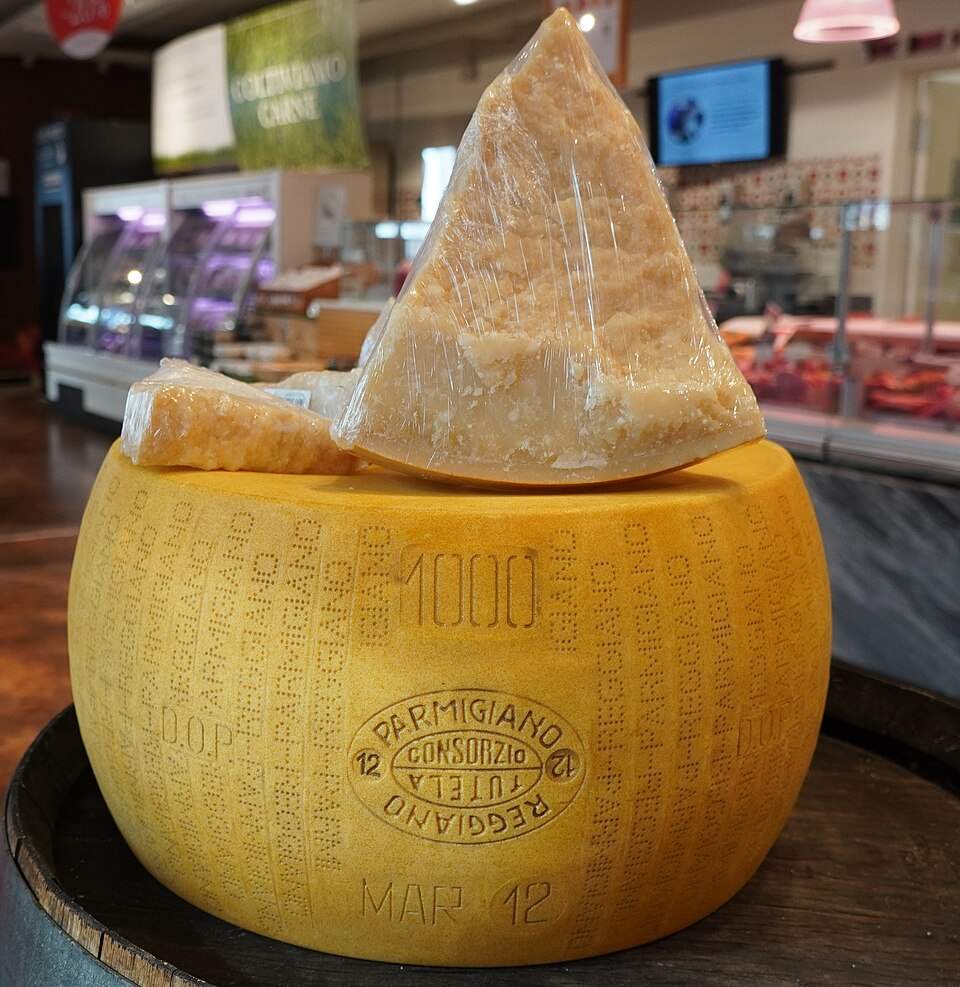
It is a hard cheese, so it travels better than soft varieties.
Its long aging process gives it a firm texture and low moisture.
This makes it safer for transport and less likely to spoil.
It also has a long shelf life, even without refrigeration for short periods.
You will find authentic versions from Emilia-Romagna.
Look for the DOP stamp on the rind to confirm authenticity.
Why it works as a souvenir:
- Long shelf life and strong structure
- Rich flavor that improves many dishes
- Widely accepted at customs compared to soft cheese
Travel tips:
- Ask for vacuum-sealed packaging at the store
- Keep it in checked baggage for better temperature control
- Declare it at customs if required by your destination
If you compare cheese options, Parmigiano Reggiano is the safest choice.
Soft cheeses spoil faster and face stricter import restrictions.
2. Pecorino Romano
Can you bring Pecorino Romano from Italy?
Yes, you can bring Pecorino Romano if it is hard, aged, and sealed. Most countries allow it in small quantities for personal use.
Pecorino Romano is a firm sheep’s milk cheese with a bold, salty taste.
It travels well because it has low moisture and a dense structure.
So it resists spoilage better than soft cheeses.
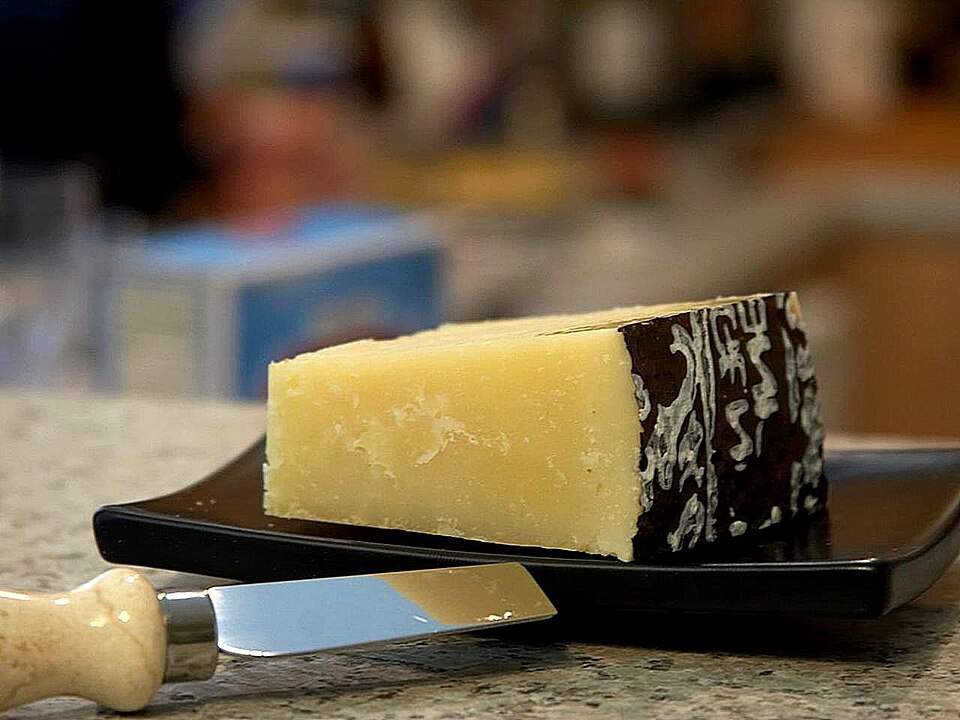 You will find authentic versions from regions like Lazio and Sardinia.
Check for the DOP label to confirm origin and quality.
Why it works as a souvenir:
- Strong flavor, so a small piece lasts longer
- Hard texture makes it travel-safe
- Easy to use in pasta and traditional dishes
Travel tips:
- Buy vacuum-sealed packs from trusted stores
- Store it in checked baggage to avoid temperature swings
- Keep it wrapped to control smell during travel
If you compare it with Parmigiano Reggiano, Pecorino Romano is saltier and sharper.
Choose Parmigiano for balance, but choose Pecorino for stronger flavor.
3. Authentic Italian Olive Oil
Can you bring olive oil from Italy on a plane?
Yes, you can bring olive oil in checked baggage. Liquids over 100 ml are not allowed in cabin bags.
Authentic Italian olive oil is one of the most practical food souvenirs.
It has a long shelf life and strong demand worldwide.
The taste is fresh, rich, and very different from mass-market oils.
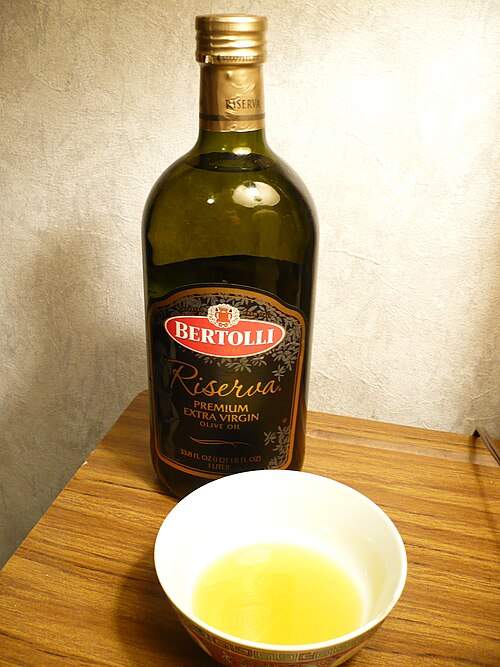 Top-quality oils come from regions like Tuscany and Umbria.
Look for labels such as DOP or IGP for verified origin.
Olive oil is also easy to use in daily cooking.
So it becomes a useful souvenir, not a decorative item.
Why it works as a souvenir:
- Long shelf life and stable quality
- High value compared to store-bought imports
- Widely accepted by customs when sealed
Travel tips:
- Always pack bottles in checked baggage
- Wrap them in clothes or use leak-proof bags
- Choose tins or plastic bottles for extra safety
If you compare options, olive oil is more versatile than cheese.
It suits daily use and carries lower risk of spoilage.
4. Traditional Balsamic Vinegar from Modena
Can you bring balsamic vinegar from Italy?
Yes, you can bring balsamic vinegar in checked baggage. It is a liquid, so cabin restrictions apply.
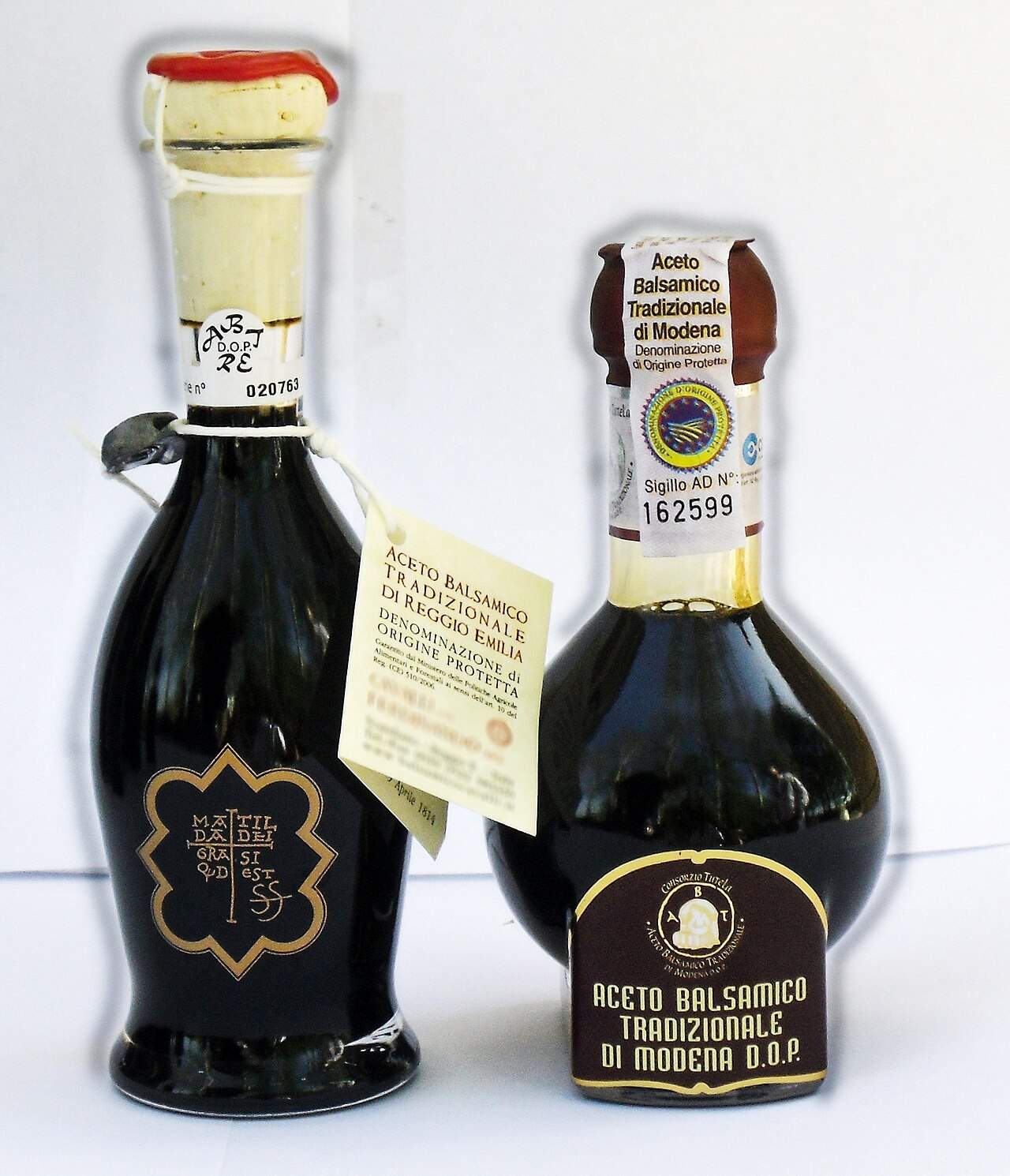 Traditional balsamic vinegar is one of Italy’s most refined food products.
It is aged for years, sometimes decades, in wooden barrels.
This process creates a thick texture and deep, complex flavor.
Authentic versions come from Modena.
Look for labels like “Aceto Balsamico Tradizionale DOP” for true quality.
Do not confuse it with cheap supermarket versions.
Traditional balsamic is richer, thicker, and used in small amounts.
Why it works as a souvenir:
- Long shelf life without refrigeration
- High value and unique taste
- Small bottles are easy to carry
Travel tips:
- Pack only in checked baggage due to liquid rules
- Keep bottles in protective wrapping to prevent leaks
- Buy from certified stores to avoid low-quality imitations
If you compare it with olive oil, balsamic vinegar is more concentrated.
You use less, but the flavor impact is stronger.
5. Artisan Italian Pasta
Can you bring pasta from Italy?
Yes, you can bring dry pasta from Italy without issues. It is non-perishable and widely accepted by customs.
Artisan Italian pasta is one of the safest and easiest food souvenirs.
It is dry, lightweight, and has a long shelf life.
So it travels well even on long international flights.
Unlike mass-produced pasta, artisan versions use traditional methods.
Many are bronze-cut, which gives a rough texture.
This helps sauces stick better and improves taste.
You will find high-quality pasta across regions like Campania and Emilia-Romagna.
Some shops also sell unique shapes and natural colors.
Why it works as a souvenir:
- Very easy to pack and carry
- Long shelf life without refrigeration
- Affordable and practical for daily use
Travel tips:
- Keep pasta in original sealed packaging
- Place it inside hard luggage to avoid crushing
- Choose compact shapes for easier packing
If you compare options, pasta is the lowest-risk food souvenir.
It is easier to carry than liquids and more durable than cheese.
6. Truffle Oil & Truffle Products
Can you bring truffle products from Italy?
Yes, packaged truffle oil and truffle products are allowed in most cases. Liquids must go in checked baggage.
Truffle products are premium Italy food souvenirs with strong flavor.
They come from regions like Umbria and Piedmont.
These areas are known for high-quality black and white truffles.
You can choose from truffle oil, truffle paste, or truffle salt.
Each option offers a different level of intensity and usage.
So you can pick based on how often you plan to use it.
Why it works as a souvenir:
- Small quantity delivers strong flavor
- Long shelf life when sealed
- Unique product not easily found everywhere
Travel tips:
- Pack truffle oil in checked baggage due to liquid rules
- Choose sealed jars or tins for paste and salt
- Keep items tightly packed to avoid leakage or odor spread
If you compare options, truffle products are more niche than olive oil.
But they offer a more intense and gourmet experience.
7. Pesto Genovese
Can you bring Pesto Genovese from Italy?
Yes, you can bring pesto if it is sealed in a jar. Pack it in checked baggage because it is a liquid or semi-liquid.
Pesto Genovese is a classic Italian sauce made from basil, pine nuts, and olive oil.
It comes from Genoa in the Liguria region.
The flavor is fresh, herbal, and slightly nutty.
Authentic pesto uses simple ingredients and traditional methods.
So the taste feels more natural than many store-bought versions abroad.
It pairs well with pasta, bread, and even grilled vegetables.
Why it works as a souvenir:
- Ready-to-use sauce for quick meals
- Small jars are easy to pack
- Strong regional identity and authentic taste
Travel tips:
- Always place jars in checked baggage
- Wrap them well to prevent leaks
- Choose smaller jars for safer transport
If you compare it with truffle products, pesto is more versatile.
But it has a shorter shelf life once opened, so plan to use it soon.
8. Italian Biscotti
Can you bring biscotti from Italy?
Yes, biscotti are allowed in most countries. They are dry, packaged, and easy to carry.
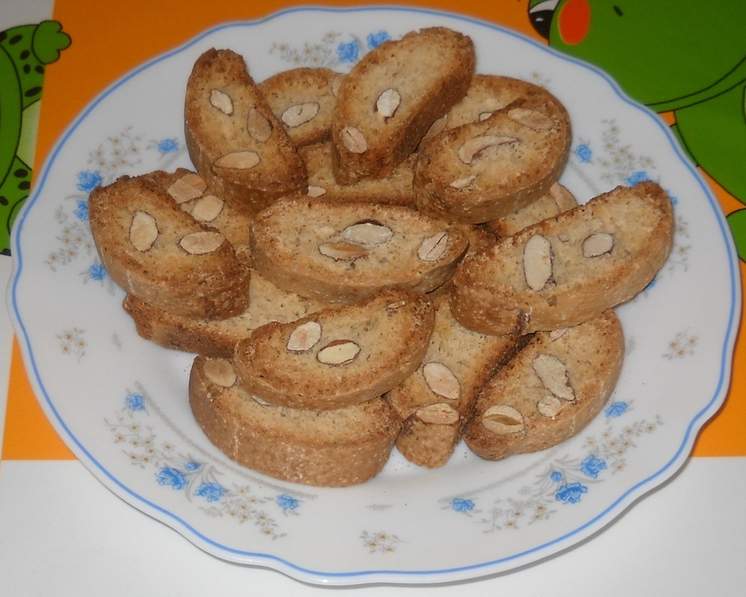 Italian biscotti are twice-baked cookies with a crisp texture.
They often include almonds, pistachios, or chocolate pieces.
So they stay fresh longer than soft bakery items.
You will find traditional versions like cantucci from Tuscany.
These are simple, firm, and ideal for travel.
They pair well with coffee, tea, or dessert wine.
Why it works as a souvenir:
- Long shelf life without refrigeration
- Lightweight and easy to pack
- Suitable as a gift for all age groups
Travel tips:
- Choose sealed boxes to keep them fresh
- Place them in hard luggage to avoid breaking
- Avoid loose bakery items without packaging
If you compare it with pesto or truffle products, biscotti are safer to carry.
They have no liquid restrictions and very low risk of damage.
9. Gianduja Chocolate
Can you bring Gianduja chocolate from Italy?
Yes, you can bring chocolate from Italy without issues. It is packaged and widely accepted by customs.
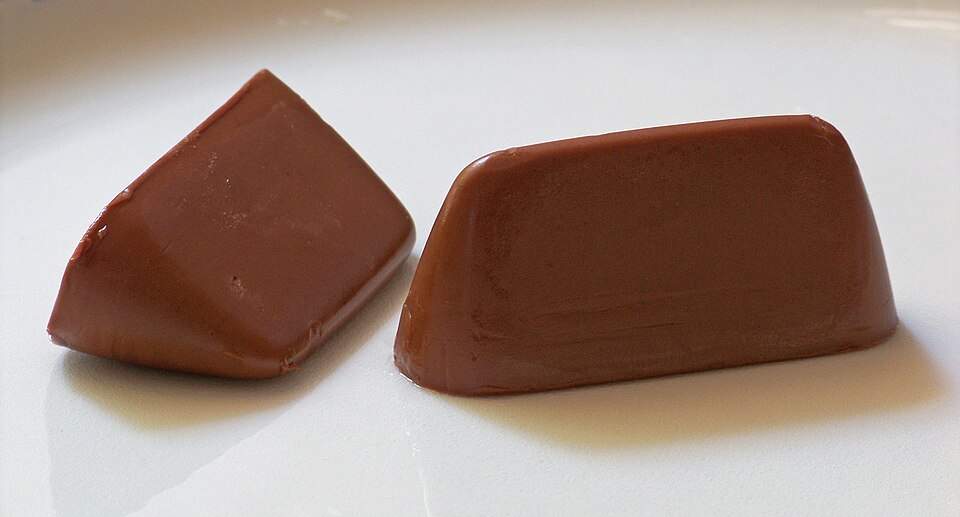 Gianduja chocolate is a smooth blend of cocoa and hazelnut paste.
It has a creamy texture and a mild, nutty flavor.
So it feels different from regular chocolate bars.
This specialty comes from Turin in the Piedmont region.
The area is known for high-quality hazelnuts and chocolate making.
You will find it in bars, pralines, and spreadable forms.
All versions are easy to carry and suitable for gifting.
Why it works as a souvenir:
- Easy to pack and widely allowed
- Unique flavor not common in standard chocolates
- Good shelf life if stored properly
Travel tips:
- Keep chocolate away from heat during travel
- Store it in carry-on if temperature is controlled
- Avoid soft or filled varieties that melt easily
If you compare it with biscotti, chocolate is more delicate in heat.
But it offers a richer and more indulgent taste.
10. Torrone (Italian Nougat)
Can you bring torrone from Italy?
Yes, torrone is allowed in most countries. It is a dry, packaged sweet and travels well.
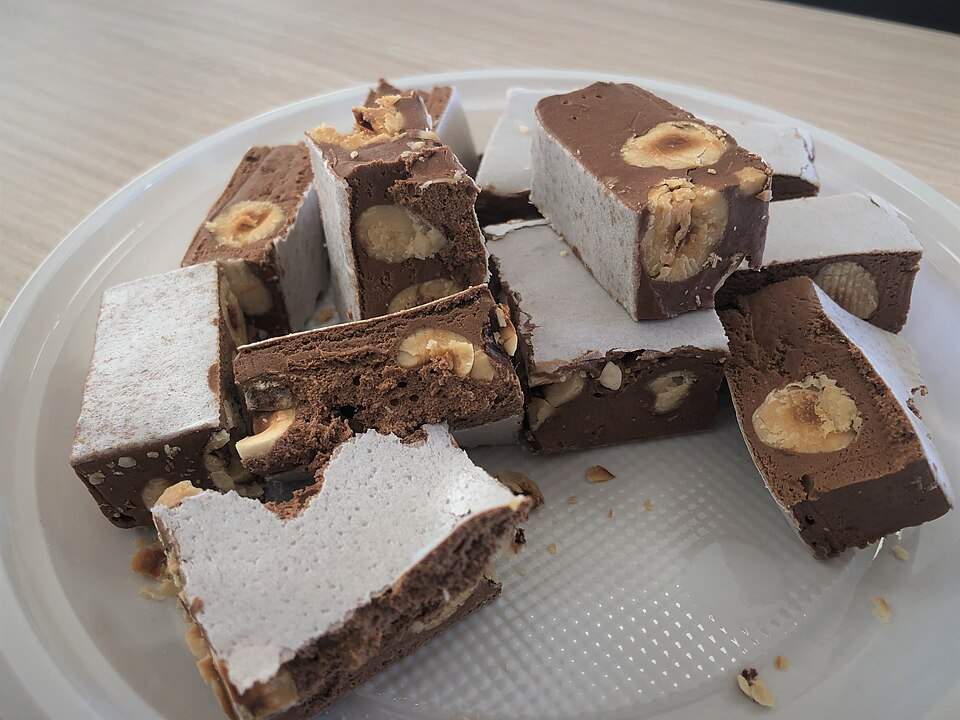 Torrone is a traditional Italian nougat made with honey, sugar, and nuts.
It often includes almonds, hazelnuts, or pistachios.
So it offers both sweetness and texture.
You will find well-known varieties from Cremona and Sicily.
Each region produces slightly different styles and flavors.
There are two main types: hard and soft torrone.
Hard torrone lasts longer, while soft versions taste richer but need care.
Why it works as a souvenir:
- Long shelf life, especially hard varieties
- Easy to pack and gift-friendly
- No liquid or refrigeration concerns
Travel tips:
- Choose sealed packs for freshness
- Keep soft torrone in a cool place
- Avoid crushing by placing it in firm luggage
If you compare it with chocolate, torrone is more heat-resistant.
But chocolate offers a smoother texture and wider appeal.
11. Espresso Coffee (Beans or Ground)
Can you bring coffee from Italy?
Yes, you can bring coffee beans or ground coffee. It is sealed, dry, and allowed in most countries.
Italian espresso coffee is known for its strong aroma and balanced taste.
It uses carefully blended beans, often roasted for espresso machines.
So the flavor feels richer than many standard coffee products.
Popular blends come from brands like Lavazza and Illy.
You will also find local roasters with fresh, small-batch options.
Coffee is easy to carry and fits daily routines.
So it becomes a practical souvenir that you will actually use.
Why it works as a souvenir:
- Long shelf life when sealed
- Lightweight and easy to pack
- Suitable for daily use at home
Travel tips:
- Choose vacuum-sealed packs to keep freshness
- Store in a dry place during travel
- Avoid opening until you reach home
If you compare it with sweets, coffee lasts longer and feels more practical.
But sweets offer instant enjoyment without preparation.
12. Limoncello (Check Airline Rules)
Can you bring limoncello from Italy?
Yes, but only in checked baggage. It is an alcoholic liquid, so airline and customs rules apply.
Limoncello is a traditional Italian lemon liqueur with a bright, citrus taste.
It is strongly linked to the Amalfi Coast and nearby regions.
The flavor comes from fresh lemon zest and alcohol infusion.
It is often sold in decorative bottles, which makes it a popular gift.
But the glass packaging and liquid nature require careful handling.
Why it works as a souvenir:
- Strong regional identity and authentic flavor
- Long shelf life when sealed
- Suitable as a gift or after-meal drink
Travel tips:
- Pack only in checked baggage due to liquid limits
- Wrap bottles well to prevent breakage
- Check alcohol import limits in your destination country
If you compare it with olive oil, both are liquids with similar packing needs.
But limoncello faces stricter airline and customs limits due to alcohol content.
13. Italian Herbs & Spice Mixes
Can you bring herbs and spices from Italy?
Yes, dried herbs and spice mixes are usually allowed. They are low-risk and easy to carry.
Italian herbs add real flavor to everyday cooking.
Common options include oregano, basil, rosemary, and thyme.
You will also find blended seasoning mixes for pasta and pizza.
These products come from many regions across Italy.
Local markets often sell fresher and more aromatic varieties.
So the taste feels stronger than standard packaged herbs.
Why it works as a souvenir:
- Lightweight and easy to pack
- Long shelf life without refrigeration
- Useful in daily cooking
Travel tips:
- Choose sealed packs to avoid moisture and spills
- Keep them in airtight bags to protect aroma
- Avoid loose herbs without proper labeling
If you compare it with sauces, herbs are easier to carry.
They have no liquid rules and very low risk at customs.
14. Sun-Dried Tomatoes
Can you bring sun-dried tomatoes from Italy?
Yes, you can bring sun-dried tomatoes if they are sealed. Dry-packed versions are the safest for travel.
Sun-dried tomatoes offer a rich, concentrated flavor.
They are widely used in Italian cooking, especially in southern regions.
You will find quality products from areas like Sicily and Apulia.
There are two common types: dry-packed and oil-packed.
Dry-packed tomatoes are lighter and easier to carry.
Oil-packed versions taste richer but need careful packing.
Why it works as a souvenir:
- Strong flavor with small quantity
- Long shelf life when sealed
- Easy to use in pasta, salads, and snacks
Travel tips:
- Choose dry-packed for safer transport
- Pack oil jars in checked baggage only
- Keep items sealed to avoid leaks
If you compare it with pesto, dry tomatoes are easier to carry.
They have no liquid issues and lower risk of damage.
15. Regional Specialty Foods (By City)
What are the best regional food souvenirs in Italy?
Each Italian city offers unique food products linked to local tradition. These items reflect regional taste and are often hard to find elsewhere.
Italy’s strength lies in its regional diversity.
Each city produces food based on local ingredients and history.
So you get distinct flavors across the country.
Here are a few examples:
- Rome → Guanciale, pecorino-based products
- Florence → Tuscan olive oil, cantucci
- Venice → Venetian cookies, seafood condiments
These products carry strong local identity.
So they feel more authentic than generic souvenirs.
Why it works as a souvenir:
- Unique to specific locations
- Reflects local culture and tradition
- Adds variety to your food collection
Travel tips:
- Buy from trusted local shops, not tourist-heavy stores
- Check packaging and shelf life before purchase
- Prefer sealed and labeled items for customs clearance
If you compare regional products with common items, they offer more uniqueness.
But they may require more care in selection and packing.
Best Italy Food Souvenirs by Traveler Type
Choosing the right food souvenir depends on your travel needs.
Some items work better for long flights, while others suit gifting.
So matching the product to your situation makes the decision easier.
This quick guide helps you choose based on purpose.
For Long Flights: Pasta, Coffee, Biscotti
Long flights need durable and low-risk items.
You want products that do not spoil or break easily.
- Pasta is dry, lightweight, and very stable
- Coffee stays fresh when sealed and travels well
- Biscotti are firm and resist damage during transit
These items require no refrigeration and minimal packing effort.
So they are the safest choices for long-distance travel.
If you compare options, dry foods outperform liquids and fresh items.
They reduce both spoilage and customs issues.
For Gifts: Chocolate, Balsamic Vinegar
Gifts should look good and feel special.
So presentation and uniqueness matter here.
- Chocolate is widely liked and easy to share
- Balsamic vinegar offers a premium and authentic touch
- Both come in attractive, gift-ready packaging
Choose high-quality, well-sealed products for gifting.
This ensures they arrive in good condition.
If you compare choices, these items balance quality and appeal.
They feel more thoughtful than basic products.
For Food Lovers: Truffle Products, Olive Oil
Food lovers value flavor and authenticity.
So premium ingredients make better choices.
- Truffle products offer strong and unique taste
- Olive oil provides daily use with high quality
- Both reflect regional Italian expertise
These items enhance cooking and dining experiences.
So they offer long-term value beyond travel.
If you compare options, these products focus on quality over convenience.
They suit people who enjoy cooking and fine food.
What Food Can You NOT Bring from Italy? (Customs Rules Explained)
What food is not allowed from Italy?
Fresh meat, unpasteurized dairy, and some plant products are restricted or banned in many countries, including the USA, UK, and Australia.
Customs rules vary by country, but some patterns stay consistent.
Authorities focus on items that carry bacteria, pests, or contamination risks.
So fresh and unpackaged foods face the strictest controls.
If you choose safe, sealed products, you reduce problems at the airport.
But you still need to check rules for your destination country.
Food Restrictions for USA Travelers
The U.S. Customs and Border Protection applies strict rules to protect agriculture and public health. They inspect food items at arrival and may confiscate restricted goods.
You should avoid bringing fresh meat, sausages, and cured meats.
Soft cheeses and unpasteurized dairy are also restricted in most cases.
Fresh fruits, vegetables, and seeds often face strict control.
Packaged and processed foods are usually safer choices.
Hard cheese, sealed snacks, and roasted coffee are commonly allowed.
But rules can change based on risk alerts and origin.
You must declare all food items on the customs form.
Failure to declare can lead to fines and delays.
So honesty is always the safer option.
If you compare categories, processed and sealed foods pass more easily.
Fresh and homemade items carry the highest risk.
Food Rules for UK & EU Travelers
The UK Government enforces strict controls on animal products.
These rules aim to prevent disease and protect local farming systems.
Travelers should avoid meat and dairy products from outside approved zones.
This includes cured meats, milk-based items, and some cheeses.
Homemade and unpackaged food items also face restrictions.
Plant-based packaged foods are generally allowed.
This includes pasta, biscuits, chocolates, and coffee.
But fresh produce may still face inspection.
Rules differ slightly between the UK and EU countries.
The UK applies tighter controls after Brexit.
So UK-bound travelers should double-check before packing.
If you compare regions, EU travel is slightly more flexible.
But both regions enforce strict checks on animal-based foods.
Food Import Rules for Asian Countries
The Food Safety and Standards Authority of India regulates food imports into India.
The focus is on safety, labeling, and compliance with standards.
You should avoid bringing meat and dairy without certification.
Fresh fruits, seeds, and plant materials are also restricted.
Loose or unpackaged food items often get rejected.
Packaged and branded products are safer options.
They should include clear labels, ingredients, and expiry dates.
Sealed packaging improves acceptance at customs.
Indian authorities may inspect items more closely for labeling.
So even allowed items can face delays if details are missing.
If you compare it with the USA, India focuses more on labeling rules.
So presentation and packaging matter as much as the product.
How to Declare Food at Customs
Declaring food is a simple but critical step during travel.
It ensures transparency and avoids penalties.
You should list all food items on the declaration form.
Keep products in original packaging for easy inspection.
Answer officer questions clearly and directly.
Custom officers may check your luggage if needed.
They will remove items that do not meet regulations.
But declared items reduce the risk of fines.
Never try to hide food items from inspection.
This can lead to penalties and travel delays.
If you compare declaring and not declaring, declaring always works better.
It keeps the process smooth and avoids unnecessary trouble.
Customs Rules by Country” Quick Comparison Table
| Item Type | USA | UK | Other Countries |
| Hard Cheese | Allowed (declare) | Restricted (varies) | Varies |
| Olive Oil | Allowed | Allowed | Allowed |
| Meat Products | Not Allowed | Not Allowed | Mostly restricted |
| Packaged Snacks | Allowed | Allowed | Allowed |
How to Pack Food Souvenirs for Travel
Packing matters as much as choosing the right food souvenirs.
Poor packing can lead to leaks, damage, or confiscation at security.
Good packing keeps your items safe and compliant with airline rules.
Focus on three basics when packing food:
- Prevent leaks and breakage
- Follow airline liquid rules
- Keep items sealed and organized
If you pack correctly, most food souvenirs travel without issues.
So you avoid waste and protect your luggage.
Packing Liquids (Olive Oil, Limoncello) Safely
Liquids need extra care because they can leak or break easily.
Airlines also restrict liquids in cabin baggage.
Always place liquids in checked baggage.
Use leak-proof containers or buy sealed bottles from stores.
Wrap each bottle in plastic and soft clothing.
You can also use zip-lock bags for extra protection.
This helps contain spills if leakage happens.
If you compare packing methods, layered protection works best.
Simple wrapping alone may not prevent leaks during pressure changes.
How to Pack Fragile Items (Glass Bottles)
Glass bottles break easily during handling and transit.
So cushioning and placement are important.
Wrap bottles in thick clothing like sweaters or towels.
Place them in the center of your suitcase, not near edges.
Avoid stacking heavy items on top.
You can also use bottle protectors or padded sleeves.
These add an extra safety layer during long flights.
If you compare placement, center packing reduces impact risk.
Edges of luggage face more pressure and movement.
Using Vacuum-Sealed Packaging
Vacuum sealing helps protect food and extend shelf life.
It removes air and reduces moisture exposure.
Many shops in Italy offer vacuum sealing on request.
This works well for cheese, cured items, and some dry foods.
It also reduces odor during travel.
Vacuum packs take less space in luggage.
So you can carry more items efficiently.
If you compare sealed vs unsealed items, sealed ones last longer.
They also pass customs checks more easily.
Carry-On vs Checked Baggage Rules
Understanding baggage rules helps avoid airport issues.
Different items belong in different luggage types.
Carry-on baggage allows only small liquid quantities.
Liquids must be under 100 ml and fit in a clear bag.
Most food souvenirs exceed this limit.
Checked baggage allows larger liquids and bulk items.
So oils, sauces, and alcohol should go there.
Dry foods like pasta, coffee, and biscuits can go in carry-on.
But security may still inspect them if needed.
If you compare both options, checked baggage offers more flexibility.
Carry-on is safer for fragile but limited by strict rules.
Where to Buy Authentic Food Souvenirs in Italy
Finding the right shop matters as much as choosing the product.
Some places sell authentic items, while others target tourists.
So knowing where to buy helps you avoid low-quality products.
In general, choose places that locals use regularly.
These shops focus on quality, freshness, and proper sourcing.
So you get better value and authenticity.
Best Places in Rome
Rome offers a mix of markets, delis, and gourmet shops.
Each option serves a different purpose for food shopping.
You can explore places like Mercato Centrale and Testaccio Market.
Markets offer fresh and local products with many vendors.
For gourmet shopping, stores like Castroni and Volpetti are reliable.
They stock a wide range of Italian products, from pasta to truffles.
Traditional “alimentari” shops also offer authentic local items.
These small delis reflect everyday Italian food culture.
If you compare options, markets give variety, but delis give quality guidance.
Best Places in Florence
Florence is ideal for traditional and regional food products.
You will find both tourist-friendly and local markets.
Mercato Centrale Firenze is a key shopping spot.
It offers fresh pasta, cheese, and specialty ingredients.
Sant’Ambrogio Market provides a more local experience.
It focuses on fresh produce and everyday food items.
Specialty stores like Enoteca Alessi sell wines and gourmet products.
These shops focus on quality and curated selections.
If you compare choices, local markets feel more authentic.
But specialty stores offer better packaging for travel.
Best Places in Venice
Venice focuses more on traditional shops and historic markets.
You will find fewer large markets compared to Rome or Florence.
Rialto Market is the most famous food market in the city.
It is popular with locals and chefs for fresh ingredients.
Small family-run shops near Rialto offer packaged food souvenirs.
These include pasta, spices, and regional sweets.
Historic delis like Antica Drogheria Mascari stock Italian specialties.
They carry products from different regions in one place.
If you compare Venice with other cities, options are fewer.
But the quality and tradition remain strong.
Supermarkets vs Local Markets vs Specialty Stores
Each type of store serves a different purpose.
So your choice depends on what you want to buy.
Supermarkets:
- Affordable and convenient
- Good for packaged basics
- Less unique product selection
Local markets:
- Fresh and regional products
- Strong local experience
- Limited packaging for travel
Specialty stores:
- High-quality and curated items
- Better packaging for souvenirs
- Higher prices but better reliability
If you compare all three, specialty stores are the safest choice.
Markets offer authenticity, but stores offer convenience and travel readiness.
How to Spot Authentic Italian Food Products
Not all food sold in Italy is truly authentic. Some products target tourists and lack real quality.
So you need simple checks before buying. Focus on origin, certification, and packaging details.
These signals help you identify genuine Italian products.
They also reduce the risk of overpaying for low-quality items.
Understanding DOP, IGP Certifications
Italy uses official labels to protect food quality and origin.
The most common are DOP and IGP certifications.
- DOP (Denominazione di Origine Protetta) means the product comes from a specific region and follows strict methods.
- IGP (Indicazione Geografica Protetta) means at least one stage of production happens in that region.
These labels ensure authenticity and traceability. They also guarantee traditional production standards.
You will see DOP on items like Parmigiano Reggiano and balsamic vinegar.
IGP appears on products with regional influence but flexible production.
If you compare both, DOP is stricter than IGP.
So DOP products usually offer higher authenticity.
Avoiding Tourist Trap Products
Tourist areas often sell attractive but low-quality food items.
These products focus more on packaging than substance.
You should avoid items with unclear origin or no certification.
Very low prices often indicate lower quality.
Bright, generic packaging can also signal mass production.
Instead, look for products used by locals.
Small shops and trusted stores usually stock better items.
If you compare locations, central tourist streets have higher markup.
Local neighborhoods often offer better quality and fair pricing.
Reading Italian Labels
Reading labels helps you confirm what you are buying.
Even basic understanding can prevent mistakes.
Check for key details on the packaging:
- Origin of the product
- Ingredients list
- Certification marks like DOP or IGP
Words like “Prodotto in Italia” indicate production in Italy.
But origin labels give more precise information.
Also check expiry date and storage instructions.
This helps you choose items suitable for travel.
If you compare labeled vs unlabeled products, labeled ones are safer.
They provide transparency and pass customs checks more easily.
Italy Food Souvenirs vs Other European Souvenirs
Choosing between countries can be confusing.
Italy, France, and Spain all offer strong food traditions.
But not all items travel well or pass customs easily.
Italy stands out for practicality and variety.
Many Italian products are dry, sealed, and easy to carry.
So they work better for international travel.
This section compares key options to help you decide quickly.
Italy vs France (Cheese & Wine)
France is famous for soft cheeses and fine wine.
But many French cheeses need refrigeration during travel.
So they carry higher risk of spoilage.
Italian cheeses like Parmigiano Reggiano are hard and aged.
They travel better and last longer without refrigeration.
So they are safer for long flights.
Wine is available in both countries with similar quality.
But it is heavy and fragile to carry.
If you compare choices, Italian cheese is more travel-friendly.
French cheese offers variety, but needs more care.
Comparison Table: Italy vs France
| Factor | Italy | France |
| Cheese Type | Hard, aged (travel-friendly) | Soft, creamy (needs refrigeration) |
| Shelf Life | Long | Short to medium |
| Travel Safety | High | Medium to low |
| Wine Transport | Similar challenges | Similar challenges |
| Customs Risk | Lower | Higher (due to dairy types) |
Italy vs Spain (Olive Oil & Ham)
Spain produces excellent olive oil and cured ham.
But Spanish ham often faces strict import restrictions.
Many countries do not allow meat products.
Italy offers olive oil with strong regional identity.
It is widely accepted when sealed and properly packed.
So it becomes a safer option for travelers.
Spain’s olive oil is comparable in quality.
But Italy offers more variety in packaging and branding.
If you compare both, Italy provides fewer customs issues.
Spain offers great taste, but higher restrictions on key items.
Comparison Table: Italy vs Spain
| Factor | Italy | Spain |
| Olive Oil Quality | Excellent, region-focused | Excellent, widely exported |
| Meat Products | Limited focus for travelers | Strong (ham), but restricted |
| Travel Safety | High (non-meat products) | Medium (due to meat restrictions) |
| Customs Risk | Lower | Higher (ham restrictions) |
| Packaging Options | Better suited for travel | Moderate |
Why Italy Wins for Edible Gifts
Italy offers a balanced mix of taste, safety, and convenience.
Many products are easy to pack and widely accepted at customs.
So travelers face fewer problems at airports.
Italian food souvenirs also suit everyday use.
Items like pasta, coffee, and olive oil fit daily routines.
So they feel practical, not decorative.
Key advantages of Italy:
- More travel-friendly food options
- Strong regional identity and authenticity
- Better balance between quality and convenience
If you compare overall options, Italy is the safer choice.
It offers reliable products with fewer travel risks.
Comparison Table: Overall Winner
| Factor | Italy | France | Spain |
| Travel Convenience | High | Medium | Medium |
| Customs Safety | High | Medium | Medium to low |
| Product Variety | High | High | Medium |
| Practical Use | High | Medium | Medium |
| Overall Suitability | Best for travelers | Good but delicate | Good but restricted |
Frequently Asked Questions Italy Food Souvenirs
Can I bring cheese from Italy on a plane?
Yes, but choose hard, aged cheese for fewer issues.
Hard cheeses like Parmigiano Reggiano and Pecorino Romano are usually allowed.
Soft cheeses may face restrictions depending on your destination country.
Airlines allow cheese in both carry-on and checked baggage.
But strong-smelling items are better placed in checked luggage.
Always keep cheese sealed and properly packed.
If you compare options, hard cheese is safer than soft cheese.
It lasts longer and passes customs checks more easily.
Is olive oil allowed in checked luggage?
Yes, olive oil is allowed in checked baggage.
There is no strict quantity limit for personal use.
But it must be securely packed to prevent leaks.
Olive oil is not allowed in carry-on if it exceeds 100 ml.
So always place full-size bottles in checked luggage.
Use protective wrapping or leak-proof containers.
If you compare luggage types, checked baggage is the better option.
It allows larger quantities without liquid restrictions.
What is the best Italian food souvenir for gifts?
The best options are pasta, olive oil, chocolates, and coffee.
These items are easy to carry and widely accepted at customs.
They also suit different tastes and age groups.
Choose items with good packaging and longer shelf life.
Avoid fresh or delicate products that spoil quickly.
If you compare choices, dry and packaged foods work best.
They offer convenience and lower travel risk.
Can I bring Italian food to the USA?
Yes, but only certain types of food are allowed.
Packaged, non-perishable items like pasta and coffee are usually permitted.
Fresh meat, dairy, and produce often face strict restrictions.
You must declare all food items to U.S. Customs and Border Protection.
Failure to declare can lead to fines or confiscation.
If you compare categories, processed foods are safer than fresh foods.
They meet import rules more easily.
How much food can I bring from Italy?
There is no fixed limit for personal food quantities.
But items must be for personal use, not resale.
Customs officers decide based on quantity and type.
Large quantities may raise questions at inspection.
So carry reasonable amounts that match personal use.
Always keep items sealed and declared properly.
This helps avoid delays or issues at arrival.
If you compare small vs large quantities, smaller amounts are safer.
They pass customs checks with fewer questions.
Pro Tips for Buying Food Souvenirs in Italy
Buying food souvenirs is easy.
Buying the right ones takes planning.
Small mistakes can lead to spoilage, breakage, or confiscation.
Focus on timing, store choice, and packing readiness.
These factors decide whether your items reach home safely.
Best Time to Buy (Before Departure Strategy)
Timing affects freshness and travel safety.
Buying too early increases the risk of spoilage.
Plan your shopping in two phases.
Early in the trip:
- Buy dry items like pasta, coffee, and spices
- These have long shelf life and need no special care
1–2 days before departure:
- Buy cheese, sauces, sweets, and bakery items
- These stay fresh and reduce storage problems
Avoid buying perishable items at the start of your trip.
Hotel storage conditions may not suit food items.
Also avoid rushing at the airport.
Airport shops often charge higher prices for similar products.
And product variety is usually limited.
If you compare timing strategies, late buying works best.
It keeps food fresh and reduces handling time. Plan your trip as well as buying the souvenirs in right time.
How to Save Money on Gourmet Products
Food prices in Italy vary based on location and store type.
Tourist-heavy areas often inflate prices.
You can save money with a few practical steps.
- Buy from local neighborhoods, not central tourist streets
- Compare prices across 2–3 shops before buying
- Choose local brands instead of premium export brands
Supermarkets offer good value for common items.
You will find pasta, coffee, and chocolates at lower prices.
Specialty stores charge more but offer better quality.
They also provide vacuum sealing and travel-ready packaging.
Markets give fresh products, but packaging may be limited.
So they are better for experience than bulk buying.
If you compare options, supermarkets save money.
But specialty stores give better long-term value.
Shipping Food Internationally vs Carrying
Choosing between shipping and carrying depends on quantity and type.
Each method has clear advantages and trade-offs.
Carrying food in luggage works best when:
- Items are small and non-fragile
- You want immediate access after travel
- You want to avoid shipping costs
It is the most common and cost-effective method.
But baggage space limits how much you can carry.
Shipping food works better when:
- You buy large quantities or bulky items
- Products are fragile or high-value
- You want to avoid luggage weight limits
Shipping services are available in most major Italian cities.
Many specialty stores also offer international shipping.
But shipping costs can be high.
Delivery times may vary based on customs clearance.
You also need to check import rules before shipping.
Some items may still get blocked at customs.
If you compare both options, carrying is simpler and faster.
Shipping suits bulk purchases but needs more planning.
Extra Practical Tips (Often Missed)
These small tips can make a big difference.
- Always keep receipts for high-value items
- Check airline baggage weight before buying liquids
- Use airtight bags to prevent odor spread
Also label your items if needed.
This helps during customs inspection.
If you compare prepared vs unprepared travelers, preparation wins.
It reduces stress and protects your purchases.
Conclusion on Italy Food Souvenirs
What are the best Italy food souvenirs to bring home?
The best Italy food souvenirs are authentic, easy to carry, and allowed by customs—such as olive oil, pasta, chocolates, and coffee.
Italy offers many food options, but not all are practical for travel.
The right choice depends on shelf life, packaging, and customs rules.
So smart selection makes your trip more rewarding.
Dry and packaged foods are the safest options.
They travel well and face fewer restrictions at airports.
Items like pasta, biscotti, and coffee work in most cases.
Liquids and delicate items need extra care.
Olive oil, balsamic vinegar, and limoncello require proper packing.
So always place them in checked baggage.
Regional products add uniqueness to your souvenirs.
But they need careful selection and proper labeling.
So buy from trusted stores and check certifications.
If you compare all options, practical items perform better than delicate ones.
They reduce risk and offer better value after travel.
In simple terms, choose food that is:
- Easy to pack and carry
- Long-lasting and well sealed
- Allowed by your destination country
This approach helps you avoid issues and enjoy your purchases later. We have compiled this list based on current customs guidelines and traveler experiences.
People Also Ask Italy Food Souvenirs
What food souvenirs can you bring back from Italy?
You can bring packaged, non-perishable foods from Italy.
Common options include pasta, olive oil, chocolates, and coffee.
These items travel well and usually pass customs checks.
Avoid fresh or unpackaged food items.
They face higher restrictions in many countries.
Can I bring cheese from Italy to another country?
Yes, but choose hard and aged cheese.
Examples include Parmigiano Reggiano and Pecorino Romano.
Soft cheeses may face restrictions at customs.
Always keep cheese sealed and declare it if required.
This reduces the risk of confiscation.
Is olive oil allowed on flights from Italy?
Yes, olive oil is allowed in checked baggage.
Liquids over 100 ml are not allowed in carry-on bags.
So pack bottles securely in checked luggage.
Use leak-proof wrapping to avoid spills during travel.
What food is not allowed from Italy?
Fresh meat, unpasteurized dairy, and fresh produce are often restricted.
These items may be confiscated at customs.
Rules vary by country, so always check before travel.
Packaged and processed foods are safer choices.
What is the best Italian food souvenir for gifts?
The best options are pasta, chocolates, coffee, and biscotti.
They are easy to carry and suitable for most people.
They also have a long shelf life.
Choose sealed and well-packaged products for safe travel.
Can I bring Italian food to the USA?
Yes, but only certain items are allowed.
Packaged foods like pasta and coffee are usually permitted.
Fresh meat and dairy often face strict restrictions.
You must declare all food items to U.S. Customs and Border Protection.
This helps avoid fines and delays.
How much food can I bring from Italy?
There is no fixed limit for personal use.
But large quantities may raise questions at customs.
So carry reasonable amounts only.
Keep items sealed and properly declared.
This ensures smoother clearance.
Are Italian food souvenirs cheaper in Italy?
Yes, many items are cheaper when bought locally.
You avoid import costs and middlemen pricing.
So you often get better value for money.
Local markets and supermarkets offer lower prices than tourist shops.
Can I carry food in hand luggage from Italy?
Yes, but only certain types of food.
Dry items like biscuits, pasta, and chocolate are allowed.
Liquids must follow the 100 ml rule.
If in doubt, place items in checked baggage.
This avoids security issues at the airport.
Last Updated: April 2026
