

Introduction
If you are planning a trip to Italy, you may wonder: Is Bologna worth visiting?
Many travelers choose Rome, Florence, Venice, or Milan first. Bologna often receives less attention. Yet it attracts visitors seeking great food, fewer crowds, and a more authentic Italian experience.
Bologna is the capital of Italy’s Emilia-Romagna region. It is known for its food, medieval streets, long porticoes, and one of the oldest universities in the world. The city also sits on Italy’s high-speed rail network, making it easy to visit from Florence, Milan, or Venice.
Still, Bologna is not the right choice for every traveler. It has fewer famous landmarks than Rome and fewer canals than Venice. Some visitors stay for only a day, while others use it as a base for exploring northern Italy.
In this guide, you’ll learn what Bologna offers, who should visit, who may want to skip it, and whether Bologna deserves a place on your Italy itinerary in 2026.
Quick Facts about Bologna |
| Region: Emilia-Romagna |
| Known For: Food, Porticoes, University |
| Best Stay: 2 Days |
| Best Time to Visit: May–June, September–October |
| Nearest Airport: Bologna Guglielmo Marconi Airport |
Quick Answer: Is Bologna Worth Visiting?
Yes, Bologna is worth visiting for travelers who enjoy great food, historic streets, and a more local atmosphere. The city offers excellent cuisine, fewer crowds than Florence or Venice, and easy access to other parts of Italy. It is a strong choice for food lovers, culture seekers, and travelers looking beyond Italy’s most visited destinations.
Bologna stands out for its food, walkable city center, and relaxed pace. It is home to famous dishes such as tagliatelle al ragù, tortellini, and mortadella. The city also features medieval towers, long covered walkways, and lively piazzas.
While Bologna lacks the iconic landmarks of Rome or Venice, many travelers find it more authentic and less crowded. If you want to experience everyday Italian life while enjoying some of the country’s best food, Bologna is well worth adding to your itinerary.
Where Is Bologna and Why Is It Famous?
Bologna is a city in northern Italy and the capital of the Emilia-Romagna region. It is famous for its food, medieval architecture, historic university, and central location. Many travelers visit for its cuisine, while others use it as a base for exploring nearby cities.
Bologna sits between Florence, Milan, and Venice. High-speed trains connect it to many of Italy’s top destinations. This location makes it one of the country’s most convenient cities for travelers.
The city of Bologna is often called Italy’s food capital. Local specialties include tagliatelle al ragù, tortellini, mortadella, and Parmigiano Reggiano. Food tours, markets, and traditional restaurants attract visitors from around the world.
Bologna is also home to the University of Bologna, founded in 1088. Its large student population gives the city a lively atmosphere throughout the year.
Another feature that sets Bologna apart is its porticoes. These covered walkways stretch for many miles across the city and provide shade in summer and shelter during rainy weather. The historic center also contains medieval towers, churches, and large public squares that are easy to explore on foot.
Unlike some of Italy’s busiest tourist destinations, Bologna offers a more local feel. Visitors can enjoy Italian culture, food, and history without dealing with the heavy crowds often found in Florence, Rome, or Venice.
10 Reasons Bologna Is Worth Visiting
Bologna is worth visiting for its food, walkable center, historic landmarks, and local atmosphere. The city combines culture, convenience, and excellent cuisine without the crowds found in many of Italy’s most famous destinations.
1. Bologna Is One of Italy’s Best Food Cities
Many travelers visit Bologna for the food alone. The city is the birthplace of tagliatelle al ragù, tortellini, and mortadella. Local restaurants focus on traditional recipes that have been passed down for generations.
2. The Historic Center Is Easy to Explore
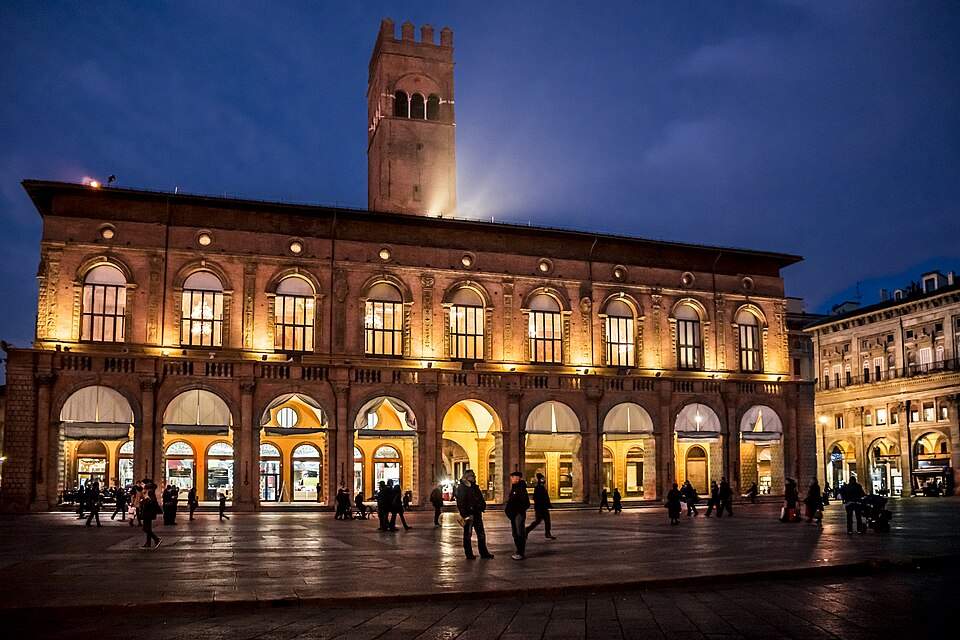 Bologna’s main attractions sit within a compact area. You can walk between major squares, churches, markets, and museums without relying on public transportation.
3. It Has Fewer Crowds Than Florence and Venice
Tourist numbers remain lower than in many Italian cities. This means shorter queues, less congestion, and a more relaxed sightseeing experience.
4. The Porticoes Are Unique
Bologna’s covered walkways stretch for miles across the city. They provide shade during hot summer days and shelter when it rains. Walking beneath them is part of the Bologna experience.
5. The Food Markets Are Worth Visiting
Markets such as the Quadrilatero district offer fresh pasta, cheeses, cured meats, and local specialties. They provide a glimpse into everyday life in the city.
6. The City Has a Strong Local Atmosphere
Bologna feels less tourist-focused than many famous Italian destinations. Locals, students, and visitors share the same streets, cafés, and public spaces.
7. The Views From the Towers Are Excellent
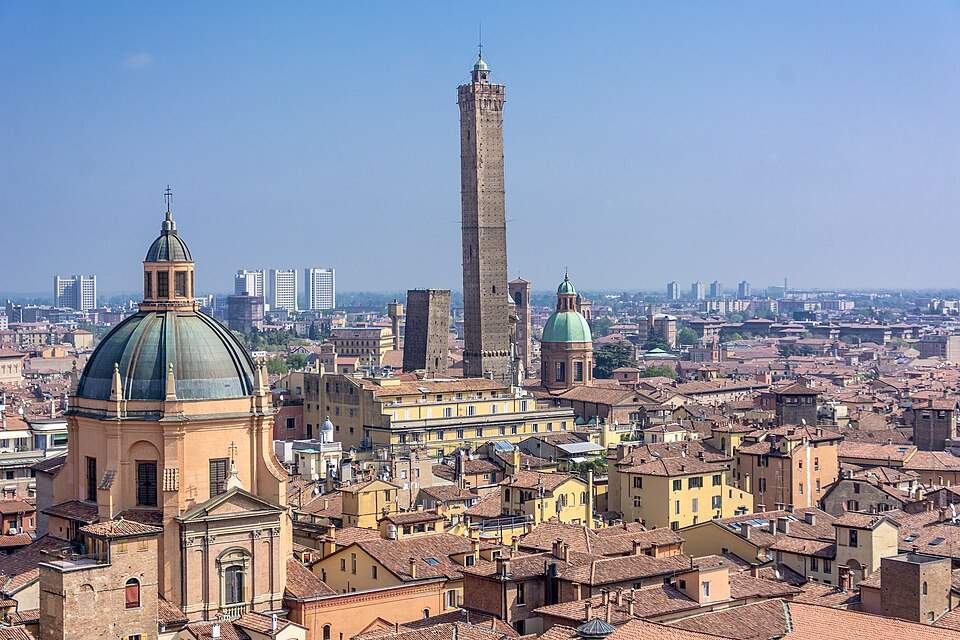
The city’s medieval towers remain one of its most recognizable features. Climbing the taller towers rewards visitors with panoramic views over Bologna’s red rooftops.
8. It Is Home to a Historic University
The University of Bologna has shaped the city’s identity for centuries. Students from around the world help create a lively and youthful atmosphere.
9. Bologna Makes a Great Base for Day Trips
Several popular destinations lie within easy reach by train. Florence, Modena, Parma, Ferrara, and Venice can all be visited on day trips from Bologna.
10. It Offers Good Value Compared With Other Italian Cities
Accommodation, dining, and attractions can be more affordable than in Venice or Florence. Travelers often find they get better value without sacrificing quality.
Bologna may not have the fame of Rome or Venice, but it offers a balanced mix of food, culture, convenience, and authenticity. For many travelers, those qualities make it one of Italy’s most rewarding cities to visit.
Incredible Food Scene
Bologna is one of the best food destinations in Italy. The city is known for fresh pasta, cured meats, aged cheeses, and traditional recipes that reflect the culinary heritage of the Emilia-Romagna region.
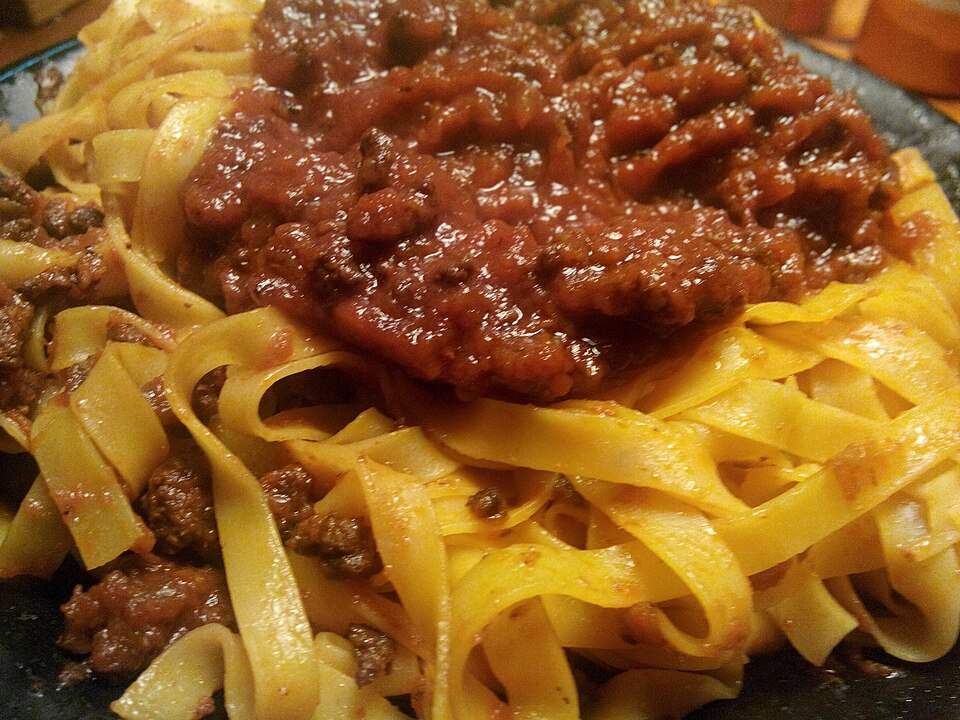 Food plays a central role in daily life here. Many restaurants focus on regional dishes rather than international menus. This gives visitors a chance to experience authentic local flavors.
Popular dishes include tagliatelle al ragù, tortellini in broth, and lasagne alla Bolognese. Mortadella, Parmigiano Reggiano, and traditional balsamic vinegar also come from the surrounding region.
The food markets add another layer to the experience. Areas such as the Quadrilatero district are filled with bakeries, delicatessens, fresh pasta shops, and small restaurants. Even a short walk through the market can become a memorable part of a visit.
For food lovers, Bologna often becomes a highlight of an Italian trip.
Fewer Crowds Than Florence and Venice
Bologna attracts far fewer tourists than Florence and Venice. Visitors can enjoy historic streets, restaurants, and attractions without spending as much time in queues or crowded public spaces.
Florence and Venice welcome millions of visitors each year. During peak seasons, popular attractions often become extremely busy. Bologna offers a different experience.
The city remains active and lively, yet it rarely feels overwhelmed by tourism. Walking through the historic center is generally more comfortable, even during summer.
Restaurants are often easier to book. Public squares feel less crowded. Visitors can spend more time enjoying the city and less time navigating large tourist groups.
Travelers who prefer a slower pace often appreciate this advantage.
| City | Crowd Levels | Visitor Experience |
| Bologna | Moderate | More local and relaxed |
| Florence | High | Busy attractions and queues |
| Venice | Very High | Heavy tourist traffic in peak seasons |
Beautiful Medieval Architecture
Bologna preserves a large collection of medieval buildings, towers, churches, and public squares. Its architecture offers a strong sense of history while remaining part of everyday city life.
The city’s historic center is one of the largest in Europe. Walking through its streets reveals brick buildings, covered walkways, and centuries-old landmarks.
The Two Towers are among Bologna’s most famous sights. These medieval structures have stood over the city for hundreds of years and remain symbols of Bologna today.
Visitors will also find historic churches, elegant piazzas, and old university buildings throughout the city center. Unlike some destinations where historic areas feel disconnected from daily life, Bologna’s architecture remains woven into the modern city.
The result is a destination that feels historic without feeling like an open-air museum.
Europe’s Longest Porticoes
Bologna is famous for its porticoes, or covered walkways, which stretch for more than 60 kilometers across the city. They provide shade, shelter, and a unique character that sets Bologna apart from other Italian destinations.
In 2021, the Bologna porticoes were added to the UNESCO World Heritage List, recognizing their cultural and architectural importance.
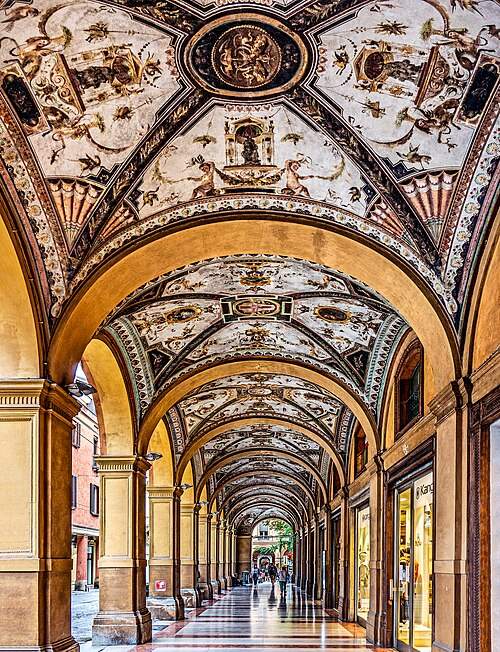 The porticoes line streets, squares, and residential areas throughout the city. They make walking comfortable during both hot summers and rainy days.
One of the most impressive routes leads to the Sanctuary of San Luca. This covered walkway extends for nearly four kilometers and contains hundreds of arches along the way.
The porticoes are more than an architectural feature. They shape daily life in Bologna. Locals use them for shopping, commuting, and socializing throughout the year.
Walking beneath these historic arches is one of the city’s most memorable experiences.
Easy Train Connections
Bologna is one of Italy’s most connected cities. Its central location and high-speed rail links make it easy to reach many of the country’s top destinations.
The city’s main railway station serves as a major transportation hub. High-speed trains connect Bologna with Florence, Milan, Venice, Rome, and Naples.
This convenience allows travelers to reduce travel time and spend more time sightseeing. Many visitors choose Bologna as a base rather than changing hotels frequently.
Popular day trips include Modena, Parma, Ferrara, and Florence. Most can be reached within a short train journey.
For travelers exploring several Italian cities, Bologna offers one of the most practical locations in the country.
| Destination | Approximate Train Time from Bologna |
| Florence | 35–40 minutes |
| Modena | 20–30 minutes |
| Parma | 50–60 minutes |
| Venice | 1.5 hours |
| Milan | 1–1.5 hours |
Authentic Italian Atmosphere
Bologna offers a more local experience than many of Italy’s major tourist destinations. Daily life, student culture, and neighborhood traditions remain an important part of the city’s identity.
Unlike Venice or central Florence, Bologna does not feel built around tourism. Locals continue to dominate many cafés, markets, and public spaces.
The city’s large student population creates an energetic atmosphere. Streets remain active throughout the day, while restaurants and bars attract both residents and visitors.
Travelers often appreciate the balance between tourism and local life. You can enjoy historic landmarks and excellent food while still experiencing how people live and work in the city.
For visitors seeking a more genuine side of Italy, Bologna delivers an experience that feels natural rather than heavily commercialized.
Historic University District
Bologna’s university district combines centuries of academic history with a lively student atmosphere. It is one of the city’s most interesting areas for travelers who enjoy culture, history, and local life.
The city is home to the University of Bologna, founded in 1088. Its long history has shaped Bologna’s identity for nearly a thousand years.
Walking through the university district reveals historic buildings, bookshops, student cafés, and public squares. The area feels energetic throughout the year thanks to its large student population.
Many of Bologna’s museums and cultural institutions are also located nearby. This makes the district a good place to learn more about the city’s intellectual and cultural heritage.
The mix of history and modern student life gives Bologna a character that few Italian cities can match.
Stunning Viewpoints
Bologna offers several excellent viewpoints where visitors can enjoy panoramic views of the city’s red rooftops, church domes, and surrounding countryside.
One of the most popular viewpoints is the Asinelli Tower. Climbing its steep staircase rewards visitors with wide views across the historic center.
Another favorite is the Sanctuary of San Luca, which sits on a hill overlooking the city. The journey to the sanctuary is almost as rewarding as the view itself, thanks to the famous portico-covered walkway leading to the site.
Sunrise and sunset often provide the best lighting for photographs. On clear days, visitors can see far beyond the city toward the hills of the Emilia-Romagna region.
These viewpoints help travelers appreciate Bologna’s size, layout, and distinctive red-colored skyline from above.
Excellent Day Trips
Bologna is one of the best bases for exploring northern Italy. Several popular cities can be reached by train in less than an hour, making day trips easy and convenient.
The city’s central location is a major advantage. Travelers can visit nearby destinations without changing hotels or spending long hours on transportation.
Modena is famous for traditional balsamic vinegar and sports cars. Parma attracts food lovers with Parmigiano Reggiano cheese and Prosciutto di Parma. Florence offers Renaissance art and architecture within easy reach.
Even Venice and Milan can be visited as day trips thanks to Italy’s high-speed rail network.
| Destination | Travel Time from Bologna | Best Known For |
| Modena | 20–30 minutes | Balsamic vinegar and Ferrari |
| Parma | 50–60 minutes | Cheese and cured meats |
| Ferrara | 30–40 minutes | Renaissance architecture |
| Florence | 35–40 minutes | Art and museums |
| Venice | 1.5 hours | Canals and historic landmarks |
For travelers planning a multi-city Italy trip, Bologna offers excellent flexibility.
Walkable Historic Center
Bologna’s historic center is highly walkable. Most attractions, restaurants, markets, and public squares are located within a compact area that can be explored on foot.
Walking is often the best way to experience the city. Narrow streets, covered porticoes, and lively piazzas encourage visitors to slow down and take in their surroundings.
Many of Bologna’s top attractions are within a short distance of one another. Visitors can easily move between the Two Towers, Piazza Maggiore, local markets, churches, and museums without needing public transport.
The porticoes make walking even more comfortable. They provide protection from both summer sun and occasional rain.
Travelers who enjoy exploring cities on foot will find Bologna easy to navigate and enjoyable to experience at a relaxed pace.
Reasons Bologna May Not Be Worth Visiting for Everyone
Bologna is not the ideal destination for every traveler. While it excels in food, local culture, and convenience, some visitors may prefer cities with more famous landmarks, coastal scenery, or a larger number of major attractions.
One common concern is the lack of globally recognized sights. Rome has the Colosseum. Venice has its canals. Florence has the Duomo and Renaissance masterpieces. Bologna’s attractions are less famous outside Italy.
Travelers looking for iconic landmarks may find Bologna less impressive than Italy’s top tourist destinations. The city rewards visitors who enjoy atmosphere, food, and daily life more than bucket-list attractions.
Bologna also lacks beaches, lakes, and dramatic coastal scenery. Travelers seeking waterfront views may prefer destinations such as Venice, the Amalfi Coast, or the Italian Lakes.
Another factor is trip length. Many visitors feel that one or two days is enough to see the city’s main highlights. Travelers planning a longer stay often combine Bologna with nearby destinations such as Modena, Parma, or Florence.
Summer can also be challenging. Temperatures often rise above 30°C (86°F), and the city can feel hot despite the shade provided by its famous porticoes.
That said, these drawbacks depend on travel style. Visitors interested in food, local culture, and a slower pace often leave Bologna with a very positive impression.
| Bologna May Be Less Suitable For | Better Alternatives |
| Famous landmark seekers | Rome, Florence |
| Canal and waterfront lovers | Venice |
| Beach vacations | Amalfi Coast, Sicily |
| Long sightseeing itineraries | Rome, Milan |
| Mountain scenery | Dolomites |
For the right traveler, Bologna is highly rewarding. The key is knowing what the city offers before you visit.
Limited Famous Landmarks
Bologna has fewer internationally famous landmarks than cities such as Rome, Florence, or Venice. Travelers who focus on iconic attractions may find fewer bucket-list sights here.
The city offers historic towers, churches, porticoes, and public squares. Many of these places are impressive, but they do not have the same global recognition as the Colosseum, the Vatican, or Florence’s Duomo.
Bologna appeals more to travelers who enjoy local culture, food, and atmosphere. The experience is often about wandering the streets, visiting markets, and enjoying everyday Italian life.
For some visitors, this makes the city more authentic. For others, it may feel less memorable than Italy’s most famous destinations.
Less Romantic Than Venice
Bologna is generally not considered as romantic as Venice. Couples seeking canals, gondola rides, and waterfront views may prefer Venice for a romantic getaway.
Venice offers a setting that is difficult to match. Its canals, bridges, and historic palaces create a unique atmosphere that attracts honeymooners and couples from around the world.
Bologna provides a different experience. The city focuses more on food, local life, and cultural experiences than romantic scenery.
That does not mean couples will not enjoy Bologna. Many appreciate its relaxed pace, outdoor cafés, and excellent dining scene. The atmosphere simply feels more practical and less focused on romance.
Short-Stay Destination for Many Travelers
Most travelers can see Bologna’s main attractions in one or two days. As a result, many visitors treat it as a short stop rather than a destination for a longer vacation.
The historic center is compact and easy to explore. Major sights, food markets, churches, and viewpoints can often be covered within a weekend.
This is not necessarily a drawback. Many travelers appreciate destinations that deliver a rewarding experience without requiring a long stay.
For visitors planning a week or more in northern Italy, Bologna often works best as a base. Day trips to Modena, Parma, Ferrara, Florence, and Venice can easily extend the itinerary.
Travelers seeking a city packed with attractions for several days of nonstop sightseeing may find Rome or Florence a better fit.
Bologna vs Florence: Which City Should You Visit?
Choose Bologna for food, local atmosphere, and fewer crowds. Choose Florence for its famous landmarks, Renaissance art, and first-time visits to Italy. Both cities are excellent, but they offer different experiences.
Florence is one of Italy’s most visited destinations. It attracts travelers with iconic attractions such as the Duomo, art museums, and historic bridges. For many first-time visitors, Florence is an easy choice.
Bologna takes a different approach. The city focuses less on famous landmarks and more on everyday Italian life. Visitors often spend their time enjoying local food, walking beneath the porticoes, and exploring neighborhoods away from large tourist crowds.
The atmosphere also differs. Florence can feel busy throughout much of the year. Bologna remains active but generally feels more relaxed and less crowded.
| Factor | Bologna | Florence |
| Food Scene | Excellent | Very Good |
| Famous Landmarks | Moderate | Excellent |
| Crowds | Lower | Higher |
| Local Atmosphere | Strong | Moderate |
| Art and Museums | Good | Outstanding |
| Walkability | Excellent | Excellent |
| Day Trip Access | Excellent | Very Good |
| First-Time Italy Visit | Good | Excellent |
| Value for Money | Better | More Expensive |
If food is your main priority, Bologna often wins. The city is widely regarded as one of Italy’s top culinary destinations.
If you want world-famous museums, Renaissance art, and iconic landmarks, Florence is the stronger choice.
Many travelers combine both cities because they are connected by a high-speed train journey of less than 40 minutes. This allows visitors to enjoy Florence’s famous attractions while experiencing Bologna’s food and local atmosphere.
For first-time visitors with limited time, Florence usually takes priority. For returning visitors or food lovers, Bologna can be the more rewarding destination.
How Many Days Do You Need in Bologna?
Most travelers need one to three days in Bologna. One day covers the main highlights, two days allow a more relaxed visit, and three days give enough time for food experiences and nearby day trips.
A single day is enough to see many of Bologna’s top attractions. You can visit Piazza Maggiore, walk beneath the historic porticoes, explore the Quadrilatero market area, and enjoy local cuisine.
Two days is the ideal length for most visitors. This gives you time to explore at a slower pace, visit museums and churches, climb a tower for city views, and enjoy several traditional meals without feeling rushed.
Three days works well for travelers who want a deeper experience. You can spend more time in local neighborhoods and take a day trip to nearby cities such as Modena, Parma, or Ferrara.
| Length of Stay | What You Can Experience |
| 1 Day | Main attractions, local food, historic center |
| 2 Days | Highlights plus museums, viewpoints, and relaxed dining |
| 3 Days | Bologna in depth with a nearby day trip |
| 4+ Days | Bologna as a base for exploring northern Italy |
Your ideal stay depends on your travel style. Food lovers often appreciate two or three days because the city’s restaurants, markets, and culinary traditions are a major part of the experience.
If Bologna is your first stop in Italy, two days is usually the sweet spot. It provides enough time to enjoy the city while leaving room for destinations such as Florence, Venice, Milan, or Rome.
Best Things to Do in Bologna
The best things to do in Bologna include exploring Piazza Maggiore, walking beneath the city’s famous porticoes, tasting local food, visiting historic churches, and enjoying panoramic views from its medieval towers.
Bologna is not a city filled with long attraction lists. Its appeal comes from combining history, food, and local life in a compact and walkable setting.
| Activity | Why It Is Worth Doing |
| Visit Piazza Maggiore | The city’s main square and social hub |
| Walk the UNESCO-listed Bologna Porticoes | Experience Bologna’s most distinctive feature |
| Explore the Quadrilatero | Discover food markets and local specialties |
| Climb the Asinelli Tower | Enjoy views across the city |
| Visit San Petronio Basilica | See one of Italy’s largest churches |
| Walk to San Luca | Follow the famous covered walkway to the hilltop sanctuary |
| Explore the University District | Experience the city’s academic heritage |
| Enjoy a Food Tour | Taste Bologna’s most famous dishes |
Piazza Maggiore is usually the best place to start. Historic buildings, cafés, and public spaces surround the square, making it a natural gathering point for visitors and locals.
Food experiences rank among the city’s top attractions. Many travelers spend as much time in restaurants, markets, and delicatessens as they do at traditional sightseeing spots.
The walk to the Sanctuary of San Luca is another highlight. The route passes beneath hundreds of arches and rewards visitors with views over the city and the surrounding countryside.
Travelers with limited time should focus on the historic center, local food, and the porticoes. These experiences capture what makes Bologna different from many other Italian cities.
Is Bologna Expensive to Visit?
Bologna is moderately priced by Italian standards. It is generally more affordable than Venice, Milan, and central Florence, but it can cost more than smaller cities and towns in Italy.
Accommodation is often one of the biggest travel expenses. Hotel prices vary by season, but travelers usually find better value in Bologna than in Venice or Florence.
Food offers good value for money. Traditional restaurants often serve high-quality local dishes at reasonable prices. Travelers can also save money by eating in markets, cafés, and family-run trattorias.
Public transportation costs remain low because many attractions are within walking distance. Most visitors spend little on local transport during their stay.
| Travel Expense | Budget Traveler | Mid-Range Traveler | Luxury Traveler |
| Hotel (per night) | €70–120 | €120–250 | €250+ |
| Meals (per day) | €20–40 | €40–80 | €80+ |
| Local Transport | €5–10 | €5–15 | €15+ |
| Attractions | €10–25 | €25–50 | €50+ |
Travel costs also depend on the season. Summer and major holidays usually bring higher hotel rates. Spring and autumn often provide the best balance between weather, crowds, and prices.
Compared with some of Italy’s most famous destinations, Bologna delivers strong value. Travelers can enjoy excellent food, historic attractions, and a central location without paying the premium prices often found in Venice or central Florence.
For budget-conscious travelers, Bologna is one of the more affordable city-break destinations in northern Italy.
Best Time to Visit Bologna
The best time to visit Bologna is during spring (April to June) and autumn (September to October). These months offer pleasant temperatures, manageable crowds, and ideal conditions for sightseeing, food tours, and day trips.
Spring is one of the most enjoyable seasons in Bologna. Temperatures are comfortable, outdoor cafés become busy, and the city’s parks and public spaces feel lively without being overcrowded.
Autumn is another excellent choice. The weather remains mild, and food lovers can enjoy seasonal specialties that appear on restaurant menus across the city.
Summer brings longer days but also higher temperatures. July and August can be hot, with daytime temperatures often exceeding 30°C (86°F). Tourist numbers increase, and hotel prices may rise.
Winter is quieter and often more affordable. While temperatures are cooler, Bologna’s covered porticoes make walking around the city comfortable even during rainy weather.
| Season | Weather | Crowds | Costs | Best For |
| Spring (Apr–Jun) | Mild and pleasant | Moderate | Moderate | Sightseeing and food experiences |
| Summer (Jul–Aug) | Hot | High | Higher | Festivals and longer daylight hours |
| Autumn (Sep–Oct) | Mild and comfortable | Moderate | Moderate | Food lovers and city breaks |
| Winter (Nov–Mar) | Cool and occasionally rainy | Lower | Lower | Budget travelers and fewer crowds |
Food lovers may prefer autumn because the Emilia-Romagna region is known for seasonal ingredients and culinary events during this period.
For most travelers, May, June, September, and October provide the best balance of weather, crowds, and value. These months make it easier to enjoy Bologna’s streets, markets, restaurants, and day trips without the challenges of peak summer heat.
Who Should Visit Bologna?
Bologna is best suited for food lovers, culture seekers, slow travelers, families, and solo travelers. The city rewards visitors who enjoy local experiences, walkable neighborhoods, and authentic Italian cuisine more than fast-paced sightseeing.
Food Lovers
Food lovers are among the travelers most likely to enjoy Bologna. The city is known throughout Italy for its traditional cuisine and strong culinary heritage.
Local specialties such as tagliatelle al ragù, tortellini, mortadella, and Parmigiano Reggiano attract visitors from around the world. Markets, cafés, and family-run restaurants provide countless opportunities to sample regional dishes.
Many travelers consider Bologna one of the best food destinations in Italy.
Culture Seekers
Bologna offers a rewarding experience for travelers interested in history, architecture, museums, and local traditions.
The city combines medieval streets, historic churches, university buildings, and public squares within a compact area. Its long academic history and active cultural scene add depth beyond the typical tourist experience.
Visitors who enjoy learning about local life often find Bologna more engaging than destinations focused solely on famous landmarks.
Slow Travelers
Bologna is an excellent destination for slow travelers who prefer quality experiences over crowded sightseeing schedules.
The city encourages visitors to spend time in cafés, local markets, and neighborhood streets. Rather than rushing between attractions, travelers can enjoy a more relaxed pace.
This approach often leads to a deeper appreciation of the city’s food, culture, and everyday atmosphere.
Families
Families can enjoy Bologna thanks to its walkable center, public squares, and relaxed environment.
Many attractions are located close together, reducing the need for lengthy transportation. The city’s covered porticoes also provide protection from the sun and rain while exploring.
Family-friendly restaurants and open public spaces make Bologna easier to navigate with children than some larger Italian cities.
Solo Travelers
Bologna is a good choice for solo travelers because it is easy to navigate, generally safe, and filled with places to eat, walk, and meet people.
The compact city center allows visitors to explore confidently on foot. Cafés, markets, food tours, and the university district create opportunities for social interaction without feeling overwhelming.
Solo travelers who enjoy food, culture, and independent exploration often find Bologna both comfortable and rewarding.
Who Might Skip Bologna?
Bologna may not be the best choice for travelers seeking famous landmarks, beach vacations, dramatic scenery, or a highly romantic city break. While the city offers excellent food and culture, it does not appeal equally to every travel style.
Travelers who dream of seeing Italy’s most iconic attractions may prefer Rome, Florence, or Venice. These cities feature landmarks that appear on many first-time Italy itineraries.
Beach lovers may also find better options elsewhere. Bologna is an inland city with no coastline, making destinations such as the Amalfi Coast, Sardinia, or Sicily more suitable choices.
Couples planning a romantic getaway often choose Venice because of its canals and unique setting. Bologna feels more practical and local than romantic.
Travelers looking for dramatic mountain scenery may prefer the Dolomites or the Italian Lakes. Bologna’s appeal comes from its food, architecture, and atmosphere rather than natural landscapes.
| Travel Style | Better Alternative |
| Famous landmark seekers | Rome, Florence |
| Romantic city breaks | Venice |
| Beach vacations | Amalfi Coast, Sicily |
| Mountain scenery | Dolomites |
| Lake views | Lake Como, Lake Garda |
That said, many travelers combine Bologna with these destinations. A few days in Bologna can balance a broader Italy itinerary by adding great food, fewer crowds, and a more local experience.
If your priority is authentic Italian cuisine, walkable streets, and a relaxed atmosphere, Bologna remains a strong choice. If your focus is on iconic landmarks or coastal scenery, another destination may suit you better.
Frequently Asked Questions
Is Bologna Worth Visiting for One Day?
Yes, Bologna is worth visiting for one day. The city’s compact historic center allows travelers to see many of its highlights in a short time.
A day is enough to visit Piazza Maggiore, walk beneath the famous porticoes, explore local food markets, and enjoy traditional cuisine. While a longer stay provides a deeper experience, even a single day offers a good introduction to the city.
Is Bologna Better Than Florence?
Bologna is better for food, local atmosphere, and fewer crowds, while Florence is better for famous landmarks, museums, and Renaissance art.
The right choice depends on your interests. First-time visitors to Italy often prioritize Florence. Food lovers and travelers seeking a more local experience frequently prefer Bologna. Many visitors include both cities because they are connected by a short train journey.
What Is Bologna Best Known For?
Bologna is best known for its food, historic porticoes, medieval towers, and university.
The city is the birthplace of famous dishes such as tagliatelle al ragù and tortellini. It is also home to the University of Bologna and an extensive network of covered walkways that define its appearance and character.
Is Bologna Walkable?
Yes, Bologna is one of Italy’s most walkable cities. Most major attractions are located within the historic center and can be reached on foot.
The city’s compact layout makes sightseeing easy. The covered porticoes also protect from the sun and rain, making walking comfortable throughout much of the year.
Is Bologna Safe for Tourists?
Yes, Bologna is generally considered a safe destination for tourists. Violent crime is uncommon, and most visits are trouble-free.
As in any major city, travelers should remain aware of their surroundings and protect personal belongings in busy areas such as train stations and crowded public spaces. Basic precautions are usually enough to ensure a safe and enjoyable visit.
Why are the Bologna porticoes famous?
The Bologna porticoes are famous for their length, history, and cultural significance. Stretching for more than 60 kilometers, these covered walkways connect many parts of the city and were added to the UNESCO World Heritage List in 2021.
Final Verdict: Is Bologna Worth Visiting in 2026?
Yes, Bologna is worth visiting in 2026. The city offers outstanding food, a walkable historic center, fewer crowds than many Italian destinations, and excellent train connections to the rest of the country.
Bologna may not have the fame of Rome, the canals of Venice, or the art collections of Florence. What it offers instead is a more local and relaxed Italian experience.
Food lovers will find some of the best cuisine in Italy. Culture seekers can enjoy medieval streets, historic churches, and one of the world’s oldest universities. Travelers who prefer slower, less crowded destinations often appreciate Bologna’s atmosphere.
The city also works well as a base for exploring northern Italy. Day trips to Florence, Modena, Parma, and Venice are easy thanks to fast rail connections.
Bologna is a particularly strong choice for:
| Traveler Type | Is Bologna Worth Visiting? |
| Food Lovers | Yes, highly recommended |
| Culture Seekers | Yes |
| Solo Travelers | Yes |
| Families | Yes |
| First-Time Italy Visitors | Yes, especially as part of a wider itinerary |
| Beach Lovers | Consider other destinations |
| Landmark-Focused Travelers | Florence or Rome may be a better fit |
If you are looking for great food, authentic local character, and a city that feels less crowded than Italy’s major tourist hotspots, Bologna deserves a place on your itinerary.
Next Step: If you decide to visit Bologna, consider pairing it with nearby destinations such as Florence, Modena, or Parma to create a well-rounded northern Italy itinerary.
About the Author:
Jane Sophia is a travel writer who covers European destinations, city breaks, travel planning, and cultural experiences.
Jane Sophia | Last Updated: June 2026
