

Introduction
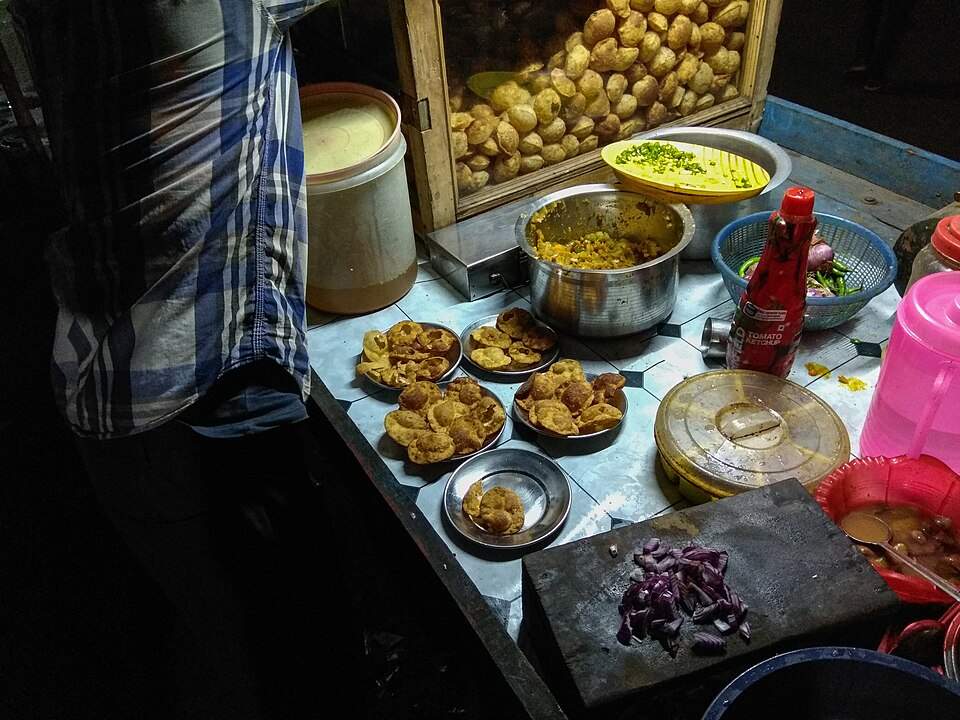
Street food in Kolkata is a delicious way to discover the city’s everyday culture, from tangy phuchka and flaky kathi rolls to spicy jhalmuri and freshly fried Bengali snacks. The city’s food scene also reflects Mughlai and Indo-Chinese influences, so first-time visitors can sample a wide range of flavors in a few well-chosen stops.
This guide covers ten street-food favorites, names established places to investigate, and suggests practical ways to explore Kolkata’s food neighborhoods. You’ll also find a separate Bengali sweets section, food-safety tips and sample itineraries. Check current opening times and menus before visiting, as local details can change.
10 Must-Try Street Foods in Kolkata
Kolkata’s street food ranges from quick, crunchy snacks to substantial rolls and cutlets. Recipes differ between vendors, so use the descriptions below as a guide rather than expecting every stall to prepare a dish in exactly the same way.
1. Phuchka — Kolkata’s Tangy Take on Pani Puri
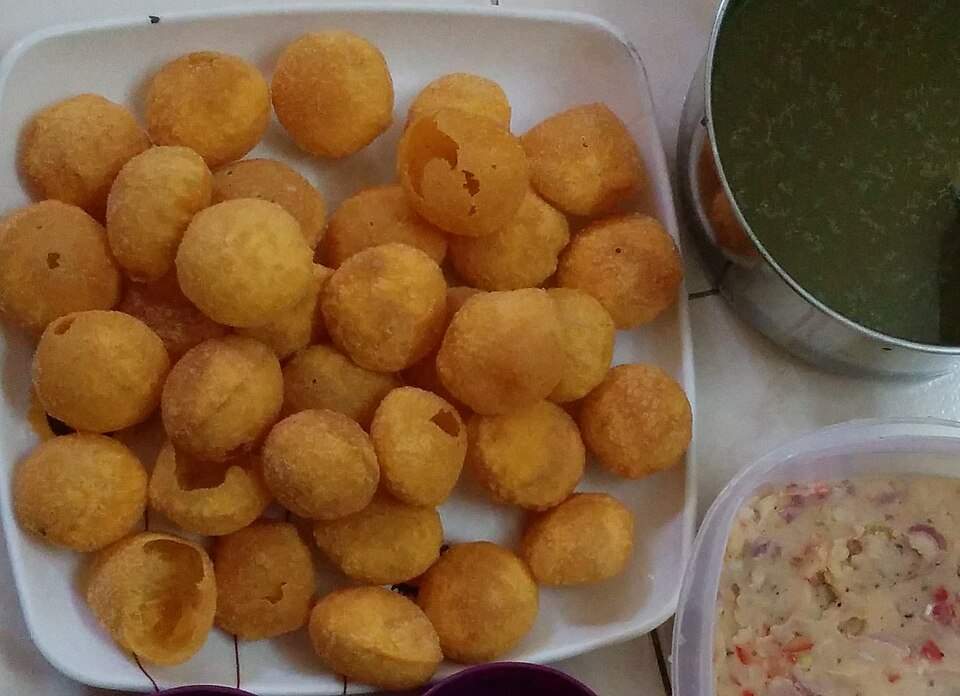 Phuchka is one of Kolkata’s signature street snacks. Crisp, hollow puris are filled with spiced mashed potato and sometimes chickpeas, then served with tangy tamarind water. Compared with versions found elsewhere in India, Kolkata phuchka is often sharper and more tamarind-forward, though each vendor has a personal recipe.
Where to try it: The phuchka stalls around Vivekananda Park in South Kolkata are a well-known starting point. Stalls can move or change, so treat the park as an area to explore rather than a guarantee of one particular vendor.
First-time tip: Ask for less chili if needed. Since the flavored water is part of the dish, choose a vendor whose handling and water practices you feel comfortable with.
2. Kathi Rolls — Kolkata’s Famous Street-Food Wraps
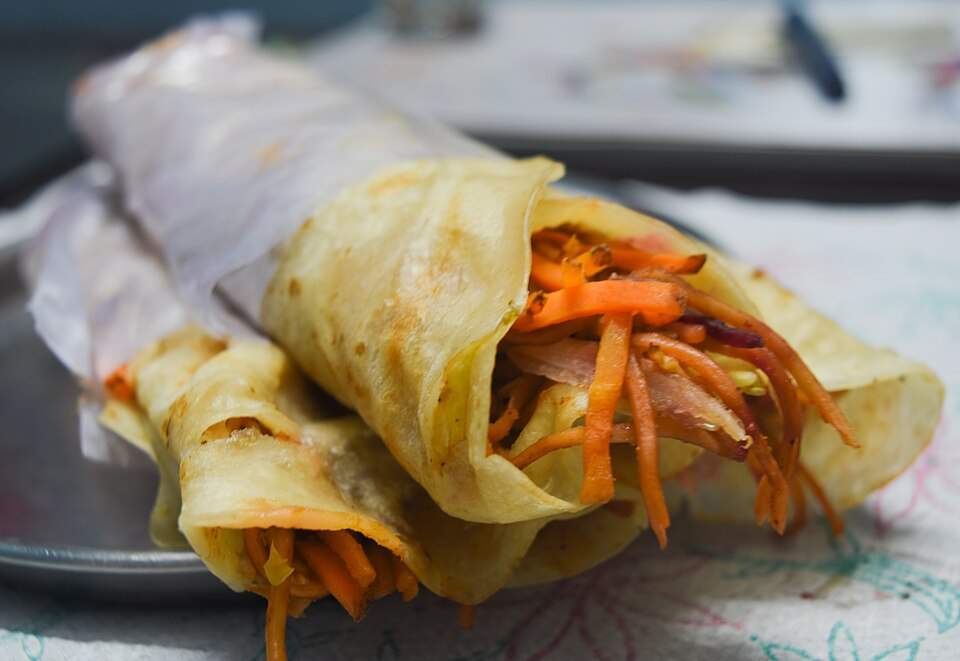 A kathi roll wraps grilled kebab or another filling in a flaky paratha, often with sliced onion, green chili and sauces. Egg-coated versions are popular, and fillings can include chicken, mutton, egg or paneer. The mix of smoky filling, crisp bread and sharp onion makes it a practical meal to eat while exploring the city.
Where to try it: Nizam’s near New Market is strongly associated with Kolkata’s kathi-roll tradition. Kusum Rolls in the Park Street area is another well-known stop. Check each shop’s current menu before visiting.
First-time tip: If you want a classic non-vegetarian option, ask about an egg-and-chicken or mutton roll. Mention your preferred chili level and check sauces if you have dietary restrictions.
3. Jhalmuri — A Spicy, Crunchy Puffed-Rice Snack
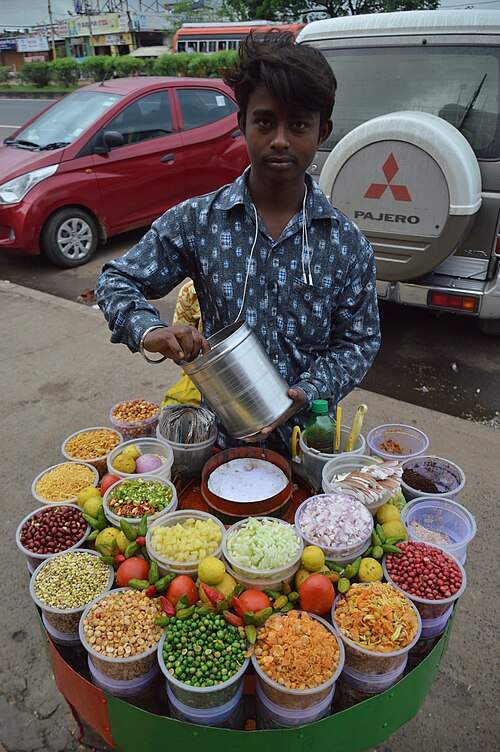 Jhalmuri combines puffed rice with chopped onion, green chili, coriander, spices and often peanuts. Mustard oil gives it a distinctive sharp flavor, while lime adds tang. Vendors usually mix it to order and serve it in a paper cone, making it easy to snack on between sightseeing stops.
Where to try it: Look for vendors around busy markets, the Maidan area and central Kolkata streets. The best choice is a stall preparing each portion fresh in front of you.
First-time tip: Ask for less chili and check for peanuts if you have an allergy. Eat it soon after it is mixed so the puffed rice stays crunchy.
4. Ghugni — A Hearty Bengali Pea Curry
Ghugni is made with dried peas simmered with spices until tender. Vendors may top it with chopped onion, green chili, coriander or lemon. It is warmer and more substantial than a light chaat, making it a useful breakfast or afternoon snack.
Where to try it: Try traditional snack stalls and breakfast counters around College Street or other busy neighborhood markets. Ask nearby shopkeepers which vendors are serving it that day.
First-time tip: Ask how spicy the gravy is and whether the toppings are optional. Recipes and pea varieties differ between stalls.
5. Telebhaja — Crispy Bengali Fritters
Telebhaja means fried snacks, and common varieties include beguni (eggplant fritters), alur chop (spiced potato croquettes), peyaji (onion fritters) and phuluri. They are usually served hot, often with puffed rice or tea. The crisp coating and soft center make them especially tempting on a rainy afternoon.
Where to try it: Kalika Mukhorochok Telebhaja on Surya Sen Street near College Street is a named place to investigate. Lakshmi Narayan Shaw & Sons in the Sovabazar area is known for distinctive chop and fritter varieties. Confirm current details before travelling.
First-time tip: Order freshly fried pieces. Ask about the filling and shared oil if you have allergies or follow a strict vegetarian diet.
6. Mughlai Paratha — A Rich, Filling Favorite
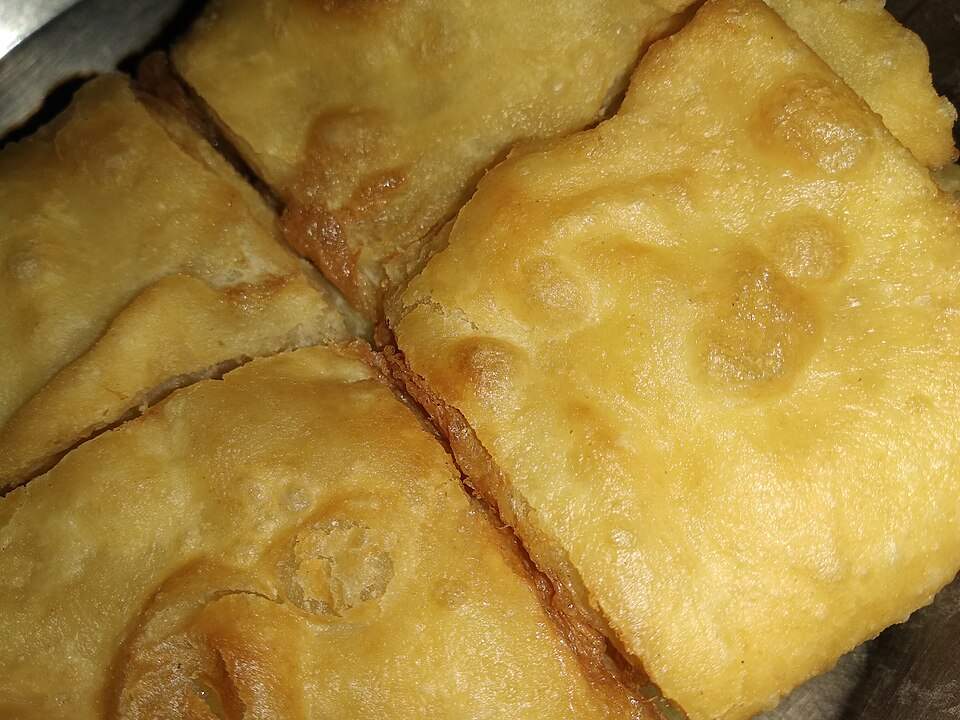 Kolkata-style Mughlai paratha is a folded flatbread cooked until crisp, commonly filled with egg, onion, spices and sometimes minced meat. It is often served with potato curry or another savory accompaniment. Compared with lighter snacks, it is a substantial choice for lunch or an early evening meal.
Where to try it: Anadi Cabin in the Esplanade area is a well-known place associated with Mughlai paratha. Traditional eateries around central Kolkata may offer their own versions as well.
First-time tip: One portion can be filling. Check whether the version contains egg or meat, and consider sharing if you plan to sample several foods.
7. Bengali Fish Fry — A Crisp, Savory Classic
Bengali fish fry is commonly made with a seasoned boneless fish fillet, often bhetki, coated in breadcrumbs and fried until golden. It is frequently served with sliced onion and kasundi, a pungent Bengali mustard condiment. It is a snack-shop favorite rather than a dish sold only from roadside carts.
Where to try it: Chitto Da’s Suruchee Restaurant on Dacres Lane is associated with fish fry and other savory dishes. Dilkhusha Cabin around College Street is another established cabin-style eatery to investigate. Menus can vary.
First-time tip: Ask which fish is used and whether bones are present. Check the coating for wheat and ask about shared cooking equipment if necessary.
8. Churmur — A Tangy Twist on Phuchka
Churmur turns phuchka ingredients into a spoonable chaat. Vendors crush crisp puris and mix them with potato, onion, spices and tangy tamarind water; some versions add chickpeas or other toppings. It has many of the same flavors as phuchka but a different texture and is usually eaten immediately after mixing.
Where to try it: Look for churmur at phuchka and chaat stalls around Vivekananda Park and other South Kolkata neighborhoods. Ask a local which stall is currently busy and preparing fresh servings.
First-time tip: Order it just before eating so the crushed puris do not become soggy. Ask for less chili if you prefer milder food.
9. Alu Kabli — A Tangy Potato-and-Chickpea Chaat
Alu kabli is a lively Bengali street snack built around potato, chickpeas or other pulses, chopped onion, spices and tangy seasoning. Recipes vary, but the appeal is the contrast between soft potato, firmer legumes and sharp, spicy flavors. It adds a distinctly local chaat to a food tour beyond the more familiar rolls and phuchka.
Where to try it: Ask chaat vendors in busy market areas and around College Street whether they serve alu kabli that day. Vendor availability is less consistent than that of well-known roll shops, so confirm locally rather than travelling for a particular cart without checking.
First-time tip: Ask which legumes and chutneys are included. If you have a sensitive stomach, start with a small portion and choose a vendor who prepares it fresh.
10. Kabiraji Cutlet — A Classic Kolkata Cabin Snack
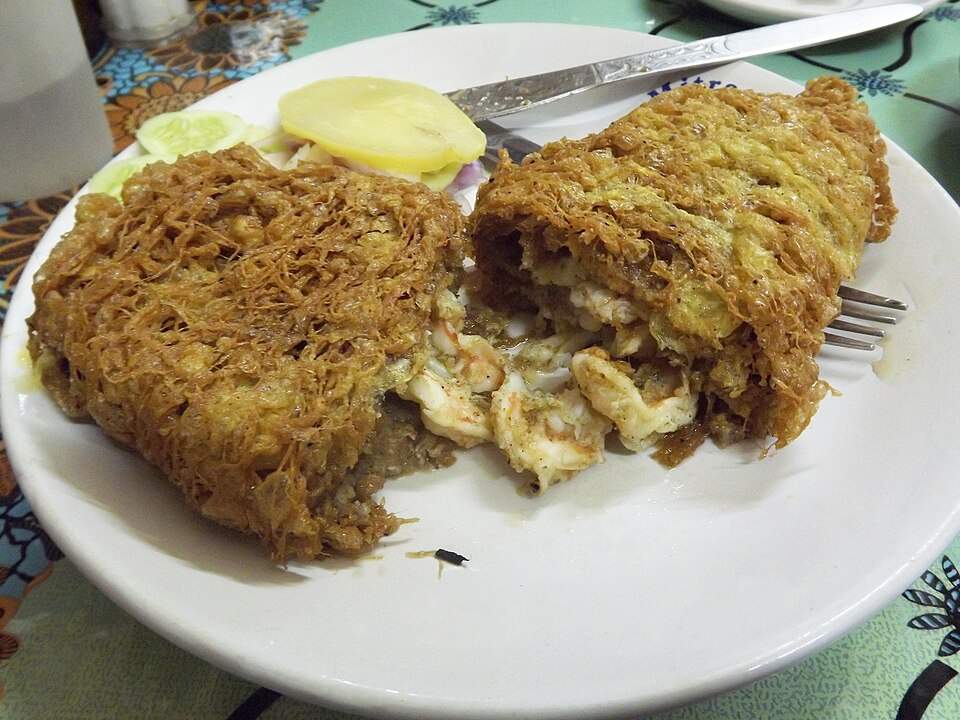 A kabiraji cutlet is a Bengali-style cutlet wrapped in a delicate, lacy coating of fried egg. Fish and chicken versions are common, and the result is crisp on the outside with a savory filling inside. It is more closely associated with Kolkata’s old-style cabins and snack restaurants than with a simple pavement cart, but it is a distinctive local food experience.
Where to try it: Dilkhusha Cabin near College Street is known for kabiraji cutlet. Mitra Cafe in the Shobhabazar area is another established name associated with cutlets. Check the current menu and opening details.
First-time tip: Ask whether the cutlet is fish or chicken and whether it is made to order. This dish contains egg and may contain wheat in the coating.
Bengali Sweets Worth Saving Room For
Not every Kolkata food specialty is a street food. Many iconic sweets are best bought from established mishti shops, so treat this as a separate dessert stop rather than counting sweets as roadside snacks.
Mishti Doi — Sweet Fermented Yogurt
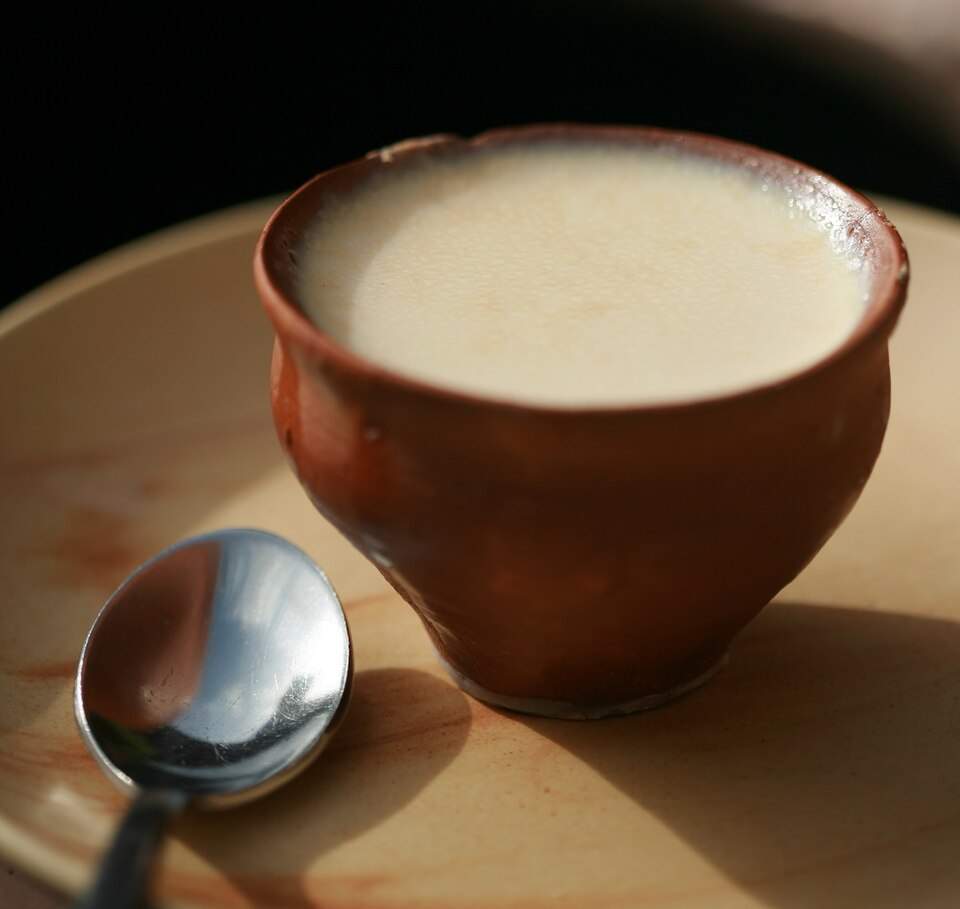 Mishti doi is sweetened, fermented yogurt with a creamy texture and gentle caramel-like flavor. It is often sold in small earthen pots and is a classic way to finish a food tour. Buy it from a reputable Bengali sweet shop and keep it properly chilled if you are not eating it straight away.
Where to try it: Putiram Sweets around College Street is one established sweet-shop stop to investigate; you can also ask a local for a reputable mishti shop near your route. Check the current selection before visiting.
Sandesh and Nolen Gur Sweets
Sandesh is a traditional Bengali sweet made primarily from chhena (fresh curd cheese), with many variations in shape and flavor. In winter, sweets made with nolen gur (date palm jaggery) are especially sought after. These are seasonal or shop-specific specialties, so ask what is fresh rather than assuming every variety is available year-round.
Where to try them: Explore established sweet shops in central Kolkata or the College Street area. Choose a shop with good turnover and confirm which varieties are available that day.
Other Kolkata Snacks to Consider
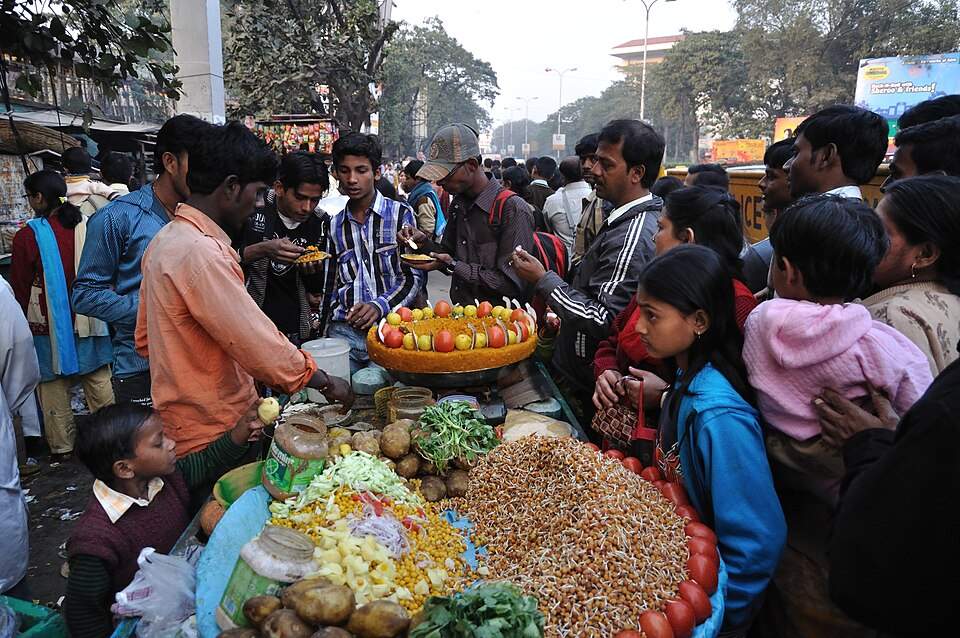 If you have more time, look for shingara, kochuri with alur dum, radhaballabhi, momos and Kolkata-style chowmein. Putiram Sweets near College Street is associated with Bengali breakfast snacks such as khasta kochuri and radhaballabhi. Tiretti Bazaar is known for an early-morning Chinese-Indian food scene, but its stalls operate on a different schedule from most evening snack areas. Verify current timings locally before making an early start.
Where to Find Street Food in Kolkata
New Market — Kathi Rolls and Shopping-Day Snacks
The lanes around New Market are a convenient place to combine shopping with a quick meal. Nizam’s is a well-known stop for kathi rolls; nearby food counters provide other quick options. It is a practical starting point for visitors staying in central Kolkata.
Best for: Kathi rolls, quick snacks and a central food stop.
Park Street — Rolls and an Evening Food Stop
Park Street is known for restaurants and a lively dining scene. Kusum Rolls is a familiar name for kathi rolls in the area. Treat Park Street as a cluster of individual eateries rather than one continuous street-food market.
Best for: Kathi rolls and an evening stop after sightseeing.
College Street — Bookshops, Breakfast and Traditional Snacks
College Street combines a famous book market and academic institutions with old-school snack shops and cabins. Kalika Telebhaja is a notable place to investigate for fritters, while Putiram Sweets is associated with Bengali breakfast dishes and sweets. Dilkhusha Cabin is a useful option for classic cabin snacks such as kabiraji cutlet.
Best for: Telebhaja, breakfast snacks, sweets and cabin-style food.
Dacres Lane — A Weekday Lunch Tradition
Dacres Lane, also called James Hickey Sarani, is known for small eateries and lunch counters serving office workers. Food options reported in the area include chicken stew with toast, fish fry, khichuri and other hearty dishes. It is most useful as a lunch stop; some stalls may keep limited hours or close on holidays.
Best for: A filling lunch, stew, fish fry and everyday office-district food.
Vivekananda Park — Phuchka and Chaat
Vivekananda Park in South Kolkata is a well-known area for phuchka and chaat. It suits an afternoon or evening snack stop rather than a full meal. Because individual vendors may change, choose a stall that is busy, clean and preparing food fresh.
Best for: Phuchka, churmur and other chaat.
Tiretti Bazaar — Early-Morning Chinese-Indian Food
Tiretti Bazaar, in Kolkata’s historic Chinatown area, is known for an early-morning street-food scene with Chinese-Indian influences. Dumplings, soups and other breakfast items have been reported there, but the market’s activity is time-sensitive and varies. Check recent local information before visiting; do not plan to arrive late in the day expecting the morning stalls to be operating.
Best for: An early start and a different side of Kolkata’s food culture.
A Practical Kolkata Street-Food Itinerary
You do not need to cross the whole city in one day. Group stops by area and treat named places as options, not a checklist. Check opening times, weekly closures and current menus before setting out.
Option 1: Central Kolkata Food Walk
- Late morning — Start around New Market and try a kathi roll at Nizam’s. Check current opening hours before you go.
- Early afternoon — Continue towards Dacres Lane for a lunch dish such as chicken stew with toast or fish fry. This area is especially associated with weekday office lunches.
- Afternoon — If you still have room, visit a nearby snack shop or save your appetite for a sweet-shop stop. Avoid adding College Street unless you are happy to travel to a different neighborhood.
Option 2: College Street Snack Trail
- Morning — Explore the book market and consider a Bengali breakfast snack at Putiram Sweets, subject to current menu and hours.
- Late morning or afternoon — Visit Kalika Telebhaja for fritters, or investigate Dilkhusha Cabin for a classic cabin-style snack.
- Finish — Choose mishti doi or sandesh from a reputable sweet shop in the area.
Option 3: South Kolkata Evening Snack Stop
- Late afternoon or evening — Head to the Vivekananda Park area for phuchka and churmur.
- Add a nearby snack only if you have verified its location and current availability. Avoid assuming that every recommended vendor is open on the same day.
Option 4: Early-Morning Food Detour
- Start early — Visit Tiretti Bazaar only after checking recent reports of stall activity and timing.
- Try a small selection of Chinese-Indian breakfast items, then plan a separate visit to central Kolkata later in the day. Tiretti Bazaar is not a practical add-on to every evening food walk.
Tips for Trying Kolkata Street Food
Choose Freshly Prepared Food
Prefer snacks cooked to order and served hot. Be cautious with uncovered food that has been sitting out, particularly in warm weather. Freshly fried telebhaja and shingara are best eaten soon after cooking.
Check Cleanliness, Not Just Popularity
A queue can indicate a popular stall, but it does not guarantee hygiene. Look for clean utensils, ingredients protected from dust and flies, and careful handling of ready-to-eat food.
Be Careful with Water and Ice
Choose sealed bottled water from a reliable source or water that has been treated appropriately. Avoid ice unless you know it was made with safe water. For phuchka, consider the water used in the filling and choose a vendor whose practices you trust.
Ask About Spice, Allergens and Dietary Requirements
Chili, mustard oil and tangy sauces are common. Ask for less chili if needed. Jhalmuri and some shingara fillings may contain peanuts; fish fry contains fish; rolls and Mughlai paratha may contain egg, meat or dairy. If you have a serious allergy, ask about ingredients and cross-contact. If the vendor cannot answer confidently, choose another dish.
Carry Cash and Keep Plans Flexible
Small stalls may not accept digital payments or cards, and vendors can move or close. Carry some small notes, check current details for named shops, and avoid building a tight schedule around a single stall.
Eat Modest Portions
Try smaller portions so you can sample several dishes without feeling overly full. Keep safe drinking water with you, take breaks in hot weather and allow time between stops.
No street-food stall can be guaranteed completely safe. Use your judgment, prioritize freshness and cleanliness, and avoid food or water that makes you uncomfortable.
Frequently Asked Questions
What street food is Kolkata most famous for?
Kolkata is especially known for phuchka, kathi rolls and jhalmuri. Telebhaja, ghugni, Mughlai paratha and Bengali cutlets are also worth trying.
Where should first-time visitors go for street food in Kolkata?
New Market is a practical area for kathi rolls, College Street has traditional snack shops and cabins, Dacres Lane is known for lunch counters, and Vivekananda Park is a popular area for phuchka and chaat.
What is the difference between phuchka and pani puri?
Both use crisp hollow puris filled with spiced ingredients and flavored water. Kolkata phuchka often has a spiced potato filling and a tangy tamarind-forward water, although recipes vary.
Is Kolkata street food vegetarian-friendly?
There are many vegetarian options, including some varieties of jhalmuri, ghugni, telebhaja, shingara and alu kabli. Ingredients and cooking methods vary, so check for egg, animal-derived ingredients and shared oil.
What is a good Kolkata street food for a full meal?
A kathi roll or Mughlai paratha is more filling than snacks such as jhalmuri or phuchka. Fish fry with a side dish can also make a substantial stop.
Where can I try Bengali sweets in Kolkata?
Look for established Bengali sweet shops for mishti doi and sandesh. Putiram Sweets around College Street is one place to investigate, but check the current selection and opening details.
When is the best time to explore Kolkata street food?
Late morning and lunchtime suit areas such as Dacres Lane and College Street. Phuchka and chaat stalls around Vivekananda Park are often associated with afternoon or evening visits. Tiretti Bazaar requires an early-morning plan, so verify current activity first.
Is Kolkata street food safe for tourists?
Hygiene varies by vendor. Prefer freshly prepared hot food, choose safe drinking water, check allergens and avoid food that has been sitting uncovered. No stall can guarantee complete safety.
Final Thoughts
Kolkata’s food culture is best explored one neighborhood at a time. Start with a kathi roll near New Market, try traditional snacks around College Street, or spend an evening tasting phuchka and churmur near Vivekananda Park. If you have time, add a separate sweet-shop stop for mishti doi or sandesh.
Choose freshly prepared food, ask about ingredients and spice levels, and check current details before travelling to a specific vendor. A few well-planned stops can give first-time visitors a flavorful introduction to Kolkata.
