
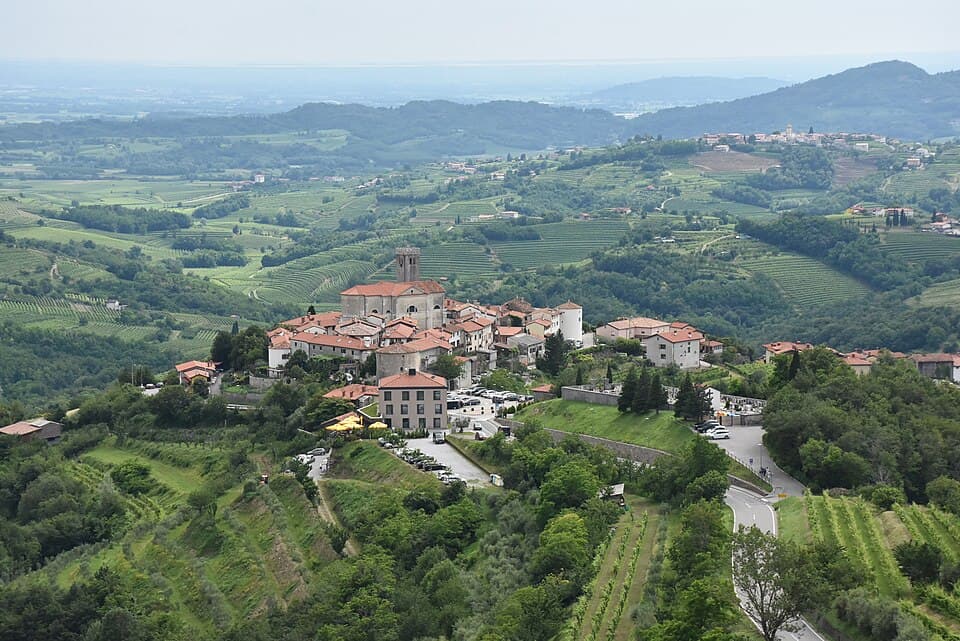
Planning a trip to Slovenia? These Slovenia travel tips will help you prepare for a smooth, well-organised visit. This beautiful European country offers much more than picturesque lakes and mountain scenery. From the Julian Alps and historic towns to vineyard-covered hills and coastal villages, Slovenia has plenty to explore.
This guide covers the practical details first-time visitors need, including when to visit, where to stay, travel costs, transport, driving rules, local customs and ways to save money. Whether you are planning a short getaway or a longer European holiday, use these recommendations to make informed decisions before and during your trip.
Slovenia at a Glance
| Quick fact | What to know |
| Capital | Ljubljana |
| Currency | Euro (€) |
| Official language | Slovenian |
| Best months for a balanced visit | May, June and September; conditions vary by region and activity |
| Suggested first visit | 7–10 days for a broader introduction to the country |
| Main international airport | Ljubljana Jože Pučnik Airport |
| Driving side | Right-hand side of the road |
| Emergency numbers | 112 for emergencies; 113 for police |
| Drinking water | Tap water is generally safe to drink; follow local notices if an advisory is issued |
1. Plan Your Slovenia Trip Before You Arrive
Start by deciding how many days you can spend in Slovenia and which regions interest you most. Your itinerary will influence where you stay, whether you need a rental car and how much you should budget. Allow realistic time for journeys, particularly in the Alpine regions.
How Many Days Do You Need to Explore Slovenia?
Three or four days are enough for a short visit to Ljubljana and one or two nearby highlights. Allow seven to ten days if you want to include several regions without rushing. The best duration depends on your interests and transport plans.

Bled Castle
For a short visit, focus on Ljubljana and Lake Bled. With more time, add Lake Bohinj, Postojna Cave, the Julian Alps or the coast.
Here is a practical guide to choosing your trip duration.
| Trip duration | What you can explore |
| 3–4 days | Ljubljana, Lake Bled and nearby attractions |
| 5–6 days | Ljubljana, Lake Bled, Lake Bohinj and Postojna Cave |
| 7–10 days | Major highlights, Julian Alps, Soča Valley and coastal towns |
| 10–14 days | A more relaxed journey covering Alpine, coastal, rural and wine regions |
A week gives first-time visitors time to experience several regions while keeping the itinerary manageable.
Is Slovenia Suitable for First-Time European Travellers?
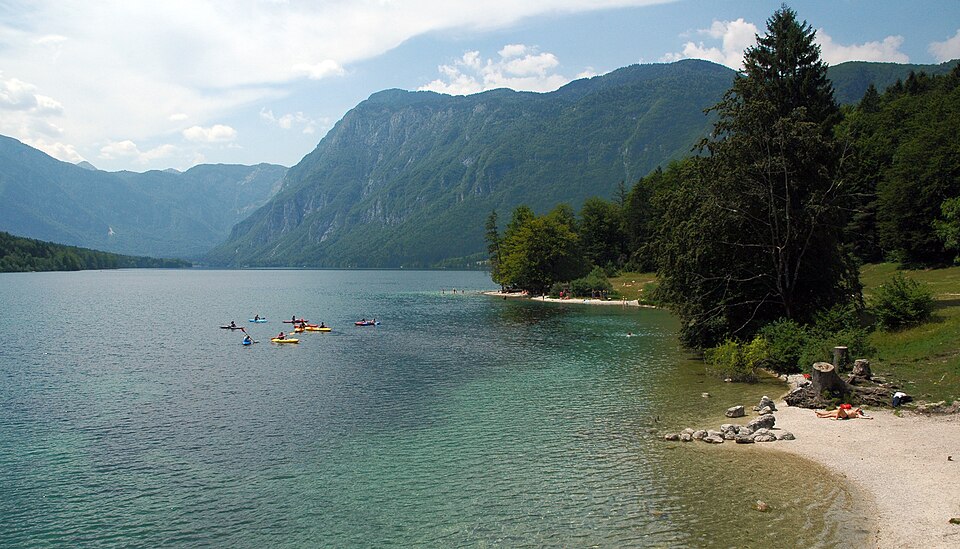 Yes. Slovenia is a manageable introduction to European travel, with historic towns, natural attractions and established tourist services. Its compact size makes it possible to visit several regions on one trip, provided you plan transport realistically.
Ljubljana provides a convenient starting point, with its pedestrian-friendly old town, riverside cafés and historic architecture. From there, visitors can reach popular destinations such as Lake Bled and Lake Bohinj. The country also offers opportunities for hiking, cycling, cave exploration and scenic road trips.
English is widely used in tourist areas, hotels, restaurants and popular attractions. However, learning a few basic Slovenian greetings can make everyday interactions more pleasant.
Slovenia also offers a good introduction to Central European travel. It uses the euro, belongs to the Schengen Area and has established public transport connections. Nevertheless, visitors should plan their transport carefully because smaller villages and remote natural attractions may have limited connections.
Should You Combine Slovenia With Other European Countries?
Slovenia borders Italy, Austria, Hungary and Croatia, so it can fit into a wider Central European or Balkan itinerary. Cross-border travel is possible by car, bus and train, depending on the route.
If you have fewer than seven days, concentrating on Slovenia usually makes more sense. With ten days or more, adding one neighbouring country may be practical.
Some popular combinations include:
- Slovenia and Croatia: Combine Ljubljana, Lake Bled and the Croatian coastline. Zagreb and Istria are also convenient options for certain itineraries.
- Slovenia and Austria: Pair Slovenia’s Alpine scenery with Austrian destinations such as Graz, Salzburg or Carinthia.
- Slovenia and Italy: Explore Ljubljana and the Slovenian coast before continuing towards Trieste, Venice or the Italian countryside.
- Slovenia and Hungary: Combine Ljubljana and eastern Slovenia with Budapest for a broader Central European holiday.
If you plan to cross borders in a rental car, confirm the rental company’s permissions, insurance coverage and toll requirements. Check entry rules for every country on your route.
How to Get to Slovenia: Airports and Arrival Options

Lake Bled
Most long-distance visitors arrive by air. Travellers from neighbouring countries can also reach Slovenia by train, bus or car. Compare arrival options based on your first destination, not just the ticket price.
Ljubljana Jože Pučnik Airport: The Main International Airport
Ljubljana Jože Pučnik Airport is Slovenia’s main international airport. It is located near Brnik, approximately 26 kilometres from Ljubljana city centre.
It is usually the most convenient arrival point for travellers whose main destination is Slovenia. The airport has connections to several European cities and onward transport options to popular destinations.
After landing, you can reach Ljubljana and other parts of the country through:
- Public buses: Regular services connect the airport with Ljubljana’s central bus and railway station. Bus connections to destinations such as Bled are also available.
- Airport shuttles: Shared and private transfers provide convenient journeys to Ljubljana and other Slovenian destinations. Advance booking is advisable.
- Taxis: Taxis are available outside the terminal. Confirm the fare or booking arrangement before travelling.
- Rental cars: Several car rental providers operate at the airport. Renting a vehicle is useful if you plan to explore rural areas and the Julian Alps.
If you are staying in Ljubljana first, consider taking a bus or shuttle and renting a car later if your itinerary requires one.
Nearby International Airports Worth Considering
Nearby airports in Italy, Austria and Croatia may offer more suitable flights or lower fares, depending on your departure city and itinerary.
| Airport | Country | Why consider it? |
| Trieste Airport | Italy | Convenient alternative for western Slovenia and the coastal region |
| Venice Marco Polo Airport | Italy | Useful for travellers finding better international flight connections |
| Zagreb Airport | Croatia | An alternative for reaching southeastern and central Slovenia |
| Graz Airport | Austria | Worth considering for travellers combining Austria and northeastern Slovenia |
| Klagenfurt Airport | Austria | A useful alternative for reaching parts of northern Slovenia |
These airports are not equally convenient for every destination. Trieste can be particularly useful for western Slovenia, while Graz may suit an itinerary that includes Maribor. Venice offers more international connections for some travellers, but the onward journey can take longer.
Airport Transfers, Buses, Trains and Rental Cars
Your onward journey will depend on the airport and your first overnight destination.
- Airport transfer services: Shared and private shuttles connect several neighbouring airports with Slovenian destinations. These can be convenient when travelling with luggage or arriving late.
- International buses: Operators provide connections between Ljubljana and cities in neighbouring countries. Some routes also serve major airports.
- Train connections: Rail travel is possible from nearby cities such as Trieste, Graz and Zagreb. However, you may need to reach the city’s main railway station first and change trains.
- Rental cars: Renting a car gives you greater flexibility, particularly if you plan to explore several Slovenian regions. Confirm cross-border permissions, insurance coverage and vehicle return arrangements before booking.
Check the complete route before booking; some airport journeys require a transfer to a main railway or bus station.
Compare the Complete Journey, Not Just Flight Prices
Compare the total journey cost. A cheaper flight to a neighbouring country may require a longer and more expensive transfer to Slovenia.
Compare the following before booking:
- The total flight price, including baggage and other charges.
- Airport transfer or public transport costs.
- Total journey time to your first accommodation.
- Availability of onward buses and trains.
- Rental car cross-border fees and return conditions.
- Arrival and departure times, particularly for late-night flights.
 For example, a flight into Venice might cost less than a flight into Ljubljana. However, once you include the transfer to Slovenia and the additional journey time, the savings may be smaller than expected.
If your holiday includes several countries, consider an open-jaw itinerary. You could arrive through one international airport and depart from another, provided the overall flight and transport costs make sense.
Compare the flight and onward-transfer costs to your first destination before choosing an airport.
2. Choose the Best Time to Visit Slovenia
Choosing the best time to visit Slovenia depends on the experiences you want from your holiday. Each season offers a different view of the country, from colourful spring landscapes and sunny Alpine lakes to golden autumn vineyards and snow-covered mountain resorts. Summer is ideal for swimming, hiking and outdoor adventures, but it also attracts the largest crowds.
Spring and autumn offer a more relaxed atmosphere, often with better accommodation availability and more comfortable sightseeing conditions. Winter appeals to visitors interested in skiing, festive markets and peaceful city breaks. For most first-time visitors, May, June and September are particularly attractive months, offering a good balance of weather, outdoor activities and manageable tourist numbers.
Visiting Slovenia in Spring
Spring is a lovely time to explore Slovenia as the countryside gradually emerges from winter. From March to May, meadows become greener, trees begin to blossom and rivers swell with snowmelt. Temperatures generally become milder as the season progresses, although early spring can still bring cold days and occasional snowfall in higher Alpine areas.
April and May are particularly appealing shoulder-season months. Tourist numbers are generally lower than in July and August, making popular destinations such as Ljubljana and Lake Bled more comfortable to explore. Accommodation may also be more affordable, although prices vary by location, weekends and holiday periods.
Spring is suitable for:
- Exploring Ljubljana’s old town and riverside cafés.
- Visiting Lake Bled and Lake Bohinj before peak summer crowds.
- Discovering flowering meadows and countryside landscapes.
- Exploring the vineyards and villages of Goriška Brda and Vipava Valley.
- Enjoying rafting and other river activities when conditions permit.
The Soča Valley is especially attractive during spring. Snowmelt feeds its famous emerald river, creating opportunities for rafting and kayaking. However, water levels and activity availability depend on weather conditions and local operators.
One important consideration is mountain accessibility. Higher hiking trails and mountain passes may still have snow, particularly in March and April. Some mountain huts and seasonal tourist facilities may not yet be operating at full capacity.
May is a useful choice for greener landscapes and fewer visitors than peak summer. Pack layers and waterproof clothing because conditions can change quickly.
Visiting Slovenia in Summer
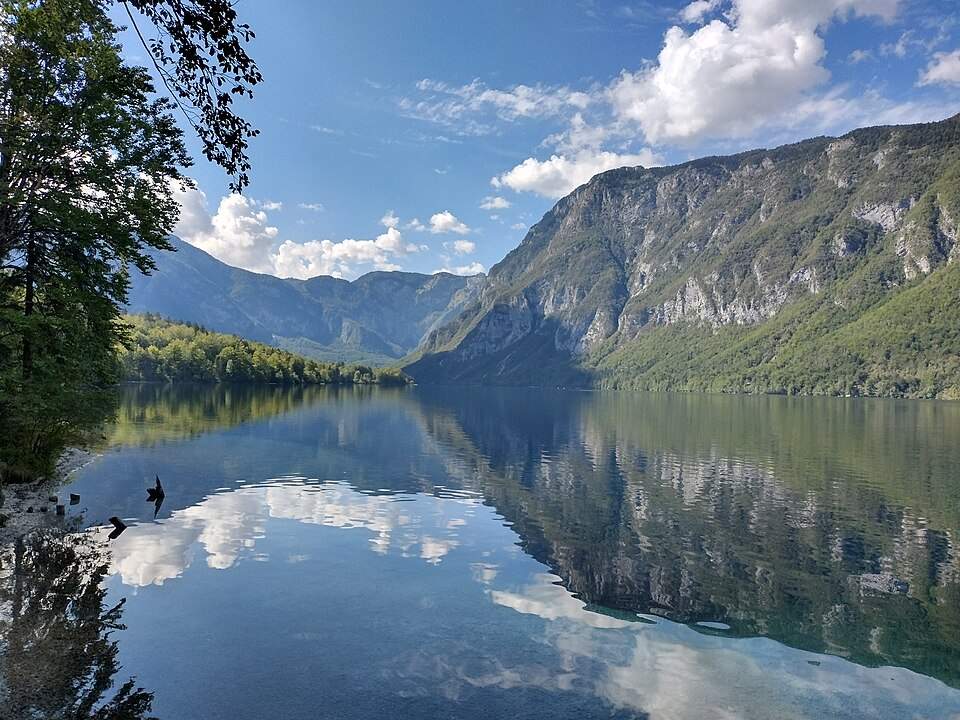 Summer, particularly June, July and August, is the main tourist season in Slovenia. Longer daylight hours, warmer temperatures and generally favourable outdoor conditions make this an excellent time to explore the country’s natural attractions.
July and August are usually the busiest months. Popular destinations such as Lake Bled, Ljubljana, Lake Bohinj and the Slovenian coast attract large numbers of visitors. Accommodation prices can rise considerably, particularly around lakeside resorts and coastal towns.
Summer is ideal for:
- Swimming and boating at Lake Bled and Lake Bohinj.
- Hiking in the Julian Alps and Triglav National Park.
- Cycling through scenic countryside and mountain valleys.
- Rafting, kayaking and other water sports in the Soča Valley.
- Enjoying beaches and seaside activities around Piran and Portorož.
- Exploring Slovenia’s outdoor festivals and cultural events.
June is often a particularly good choice for travellers who want summer weather without the busiest holiday period. Mountain hiking conditions generally improve as the season progresses, although high-altitude weather can remain unpredictable.
July and August are better suited to visitors prioritising swimming, warm weather and a full range of seasonal outdoor activities. However, popular attractions can become crowded, and parking near major destinations may be difficult during busy periods.
Summer also brings regional differences. The Adriatic coast generally experiences warmer, Mediterranean conditions, while the Alpine regions can be cooler, especially in the evenings and at higher elevations. Afternoon thunderstorms are possible in the mountains.
Book early for July and August, and visit popular attractions early in the day. June is often a good alternative if you want summer conditions with somewhat fewer crowds.
Visiting Slovenia in Autumn
Autumn is one of the most rewarding seasons for visiting Slovenia, particularly if you enjoy colourful landscapes, quieter attractions and local food experiences. September and October bring changing foliage, cooler temperatures and harvest activities across the countryside.
September is an excellent shoulder-season month for travellers who want to enjoy many summer activities without the busiest holiday crowds. Temperatures often remain pleasant, and the Adriatic coast can still be suitable for swimming during warmer periods. The mountain regions also offer attractive hiking conditions, subject to weather and trail conditions.
Autumn is particularly suitable for:
- Hiking and scenic walks around the Julian Alps.
- Exploring Lake Bled and Lake Bohinj in quieter surroundings.
- Visiting vineyards during the grape harvest.
- Discovering the wine regions of Goriška Brda and Vipava Valley.
- Exploring Ljubljana, Maribor and other historic towns.
- Enjoying seasonal food, wine and local festivals.
September is generally a better choice than late autumn for outdoor adventures. October brings beautiful golden and reddish foliage, particularly around forests and lakes, but rainfall and cooler weather become more common.
By November, daylight hours are shorter, and some mountain facilities, hiking services and seasonal attractions may reduce their operating schedules. However, cities, museums, caves and thermal spas remain worthwhile options.
Accommodation demand often eases after the summer peak, although popular wine regions can become busy around harvest events. Prices are not automatically lower everywhere, so compare dates before booking.
Choose September for a wider range of outdoor activities. October is better suited to autumn colours and quieter towns, but expect cooler and wetter conditions.
Visiting Slovenia in Winter
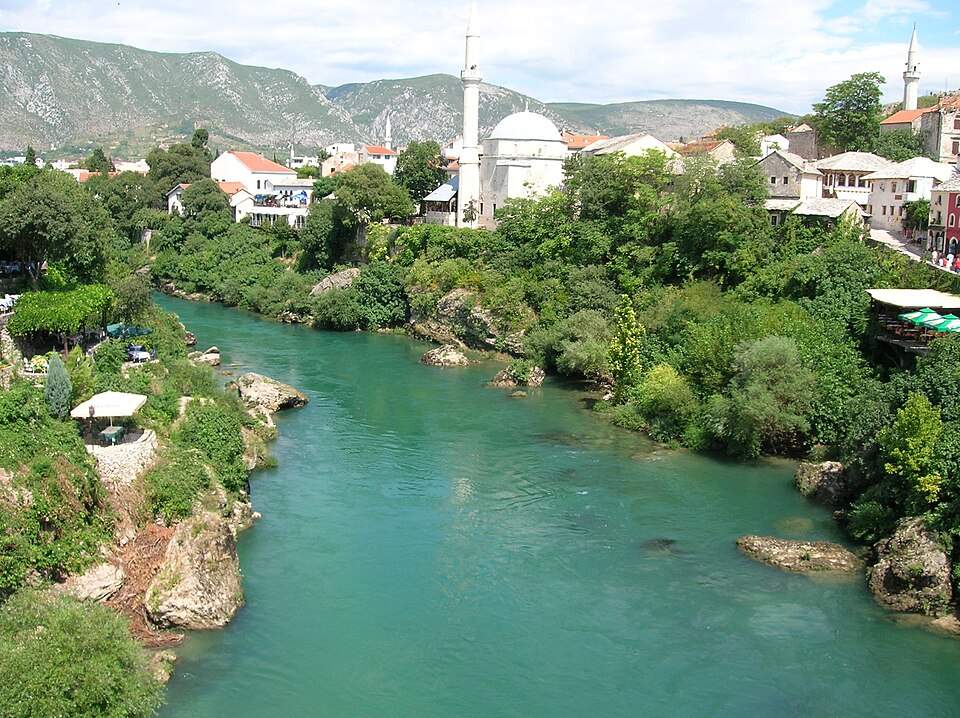 Winter transforms Slovenia into a destination of snow-covered mountains, festive towns and peaceful countryside. From December to February, the Alpine regions attract visitors interested in skiing, snowboarding and other winter activities. Meanwhile, Ljubljana and other cities offer seasonal markets, cultural events and cosy cafés.
Winter is ideal for:
- Skiing and snowboarding around Kranjska Gora, Vogel and Krvavec.
- Enjoying festive markets and winter events in Ljubljana.
- Visiting thermal spas and wellness resorts.
- Exploring historic towns and museums.
- Photographing snowy landscapes around Lake Bled.
- Visiting Postojna Cave and Škocjan Caves.
The Julian Alps and other higher mountain regions receive colder temperatures and snowfall. However, snow conditions vary from year to year, so check local resort reports before planning a skiing holiday.
The Slovenian coast has a milder Mediterranean climate compared with the Alpine interior. Coastal towns such as Piran and Portorož are generally quieter in winter, making them suitable for relaxed walks and sightseeing rather than a traditional beach holiday.
Winter also requires additional travel planning. Mountain roads can become snowy or icy, some high-altitude routes close seasonally, and certain outdoor attractions operate with reduced hours. Shorter daylight hours also mean less time for sightseeing.
Choose December to February for winter sports and festive events. For city sightseeing, caves and thermal spas, winter can also offer a quieter alternative.
Which Months Offer the Best Balance?
For most travellers, May, June and September offer an attractive combination of comfortable weather, sightseeing opportunities and fewer crowds than the peak summer months. However, the right choice depends on your priorities.
| Month | Weather and atmosphere | Crowds | Best for |
| March | Cool, early spring | Low | Cities and cultural visits |
| April | Mild but changeable | Low–moderate | Countryside and sightseeing |
| May | Pleasant, greener landscapes | Moderate | Lakes, road trips and sightseeing |
| June | Warm, longer days | Moderate–high | Hiking and outdoor activities |
| July | Warmest summer period | High | Swimming and mountain adventures |
| August | Warm and busy | Very high | Lakes, beaches and festivals |
| September | Mild, early autumn | Moderate | Hiking, wine regions and sightseeing |
| October | Cooler, colourful landscapes | Low–moderate | Autumn scenery and cultural visits |
| November | Cool and increasingly wet | Low | Museums, caves and thermal spas |
| December–February | Cold, with snow in Alpine areas | Variable | Skiing and winter experiences |
Slovenia has several climatic regions. The coast can be much milder than the Julian Alps on the same day, so check local forecasts and seasonal access before travelling.
For additional seasonal planning, consult the official Slovenia tourism guide to the best time to visit.
3. Choose the Right Accommodation for Your Slovenia Trip
Choose accommodation based on your itinerary, budget and preferred setting. Ljubljana is convenient for city sightseeing and public transport, while Bled and Bohinj provide access to the Alps. Rural, vineyard and mountain stays offer different experiences but may require more transport planning. Compare location, facilities and seasonal availability before booking.
Where to Stay in Ljubljana
Ljubljana is a convenient base for travellers who want to explore Slovenia’s capital and make day trips to nearby destinations. The city offers a good selection of hotels, apartments, hostels and guesthouses across different budgets.
Staying near the Old Town or Ljubljanica River puts restaurants, cafés, museums and major sights within easy walking distance.
Accommodation near the railway and bus stations is practical if you plan to travel by public transport, although the setting is less historic.
Advantages:
- Convenient access to restaurants, shops and cultural attractions.
- Good public transport connections.
- Suitable for travellers without rental cars.
- A useful base for day trips around central Slovenia.
Limitations:
- Central accommodation can be expensive during busy periods.
- Parking may be limited or costly.
- The city does not provide the same lakeside or mountain experience as rural destinations.
Ljubljana is particularly suitable for first-time visitors, solo travellers and those planning to explore Slovenia by public transport.
Accommodation Around Lake Bled and Lake Bohinj
Staying near Lake Bled or Lake Bohinj lets you enjoy the Alpine area without making repeated journeys from Ljubljana.
Lake Bled offers a wider range of accommodation, including hotels, guesthouses, apartments and boutique properties. Lakeside accommodation provides convenient access to walking paths, restaurants and popular viewpoints. However, properties close to the lake can command higher prices, particularly during summer.
Lake Bohinj offers a quieter alternative for travellers who prefer a more natural setting. Accommodation includes guesthouses, apartments, holiday cottages and rural properties. It is particularly suitable for hiking, cycling, swimming and exploring Triglav National Park.
Advantages:
- Easy access to lakes, hiking trails and outdoor activities.
- Beautiful natural surroundings.
- Options for couples, families and outdoor enthusiasts.
- Opportunities to enjoy the destinations early in the morning and later in the evening.
Limitations:
- Lakeside accommodation can be expensive during peak season.
- Availability may become limited during summer holidays.
- Some rural properties have fewer restaurants and shops nearby.
- Public transport connections vary depending on the location.
Travel tip: Choose Lake Bled if you prefer convenient access to restaurants, sightseeing and a wider accommodation selection. Consider Lake Bohinj if you want a quieter Alpine holiday with greater emphasis on outdoor activities.
Mountain Huts: Stay in Slovenia’s Alpine Landscapes
 Mountain huts, known as planinske koče, provide overnight accommodation for hikers exploring the Julian Alps and Triglav National Park.
Unlike conventional hotels, mountain huts are designed primarily for hikers and mountaineers. Many provide basic sleeping arrangements, shared facilities, dining areas and simple meals. Some larger or more accessible huts offer additional comforts, but facilities differ considerably between properties.
They allow you to start hikes early and stay close to high-altitude trails.
However, mountain accommodation requires preparation. Some huts operate only during specific seasons, while others have limited winter services. Reservations are advisable during popular hiking periods, particularly in summer.
Advantages:
- Direct access to mountain trails and hiking routes.
- Opportunities to experience Slovenia’s Alpine environment.
- A memorable alternative to conventional accommodation.
- Meals and overnight facilities at many operating huts.
Limitations:
- Shared bedrooms and bathrooms are common.
- Facilities can be basic.
- Electricity, showers and mobile connectivity may be limited.
- Weather can affect access and operating schedules.
- Some huts require considerable hiking to reach.
Mountain huts are best suited to hikers, mountaineers and travellers seeking an outdoor experience. They are generally less suitable for visitors expecting hotel-style comfort or convenient road access.
Castle Hotels: Experience Slovenia’s Historic Heritage
Some Slovenian castles and manor houses have been converted into hotels or boutique guesthouses, combining historic surroundings with modern accommodation.
Facilities vary, but may include restored interiors, restaurants, gardens and wellness services.
However, it is important to distinguish between castles that operate as visitor attractions and those that actually offer overnight accommodation. Famous landmarks such as Bled Castle and Predjama Castle should not automatically be assumed to provide hotel rooms.
Castle-style accommodation is relatively limited compared with ordinary hotels, so availability and prices can vary considerably.
Advantages:
- Historic architecture and distinctive surroundings.
- A memorable experience for couples and special occasions.
- Opportunities to explore Slovenia’s heritage.
- Some properties offer restaurants and premium facilities.
Limitations:
- Fewer properties to choose from.
- Prices can be higher than standard accommodation.
- Some historic buildings may have stairs or limited accessibility.
- The location may be outside major town centres.
Castle hotels are particularly suitable for couples, history enthusiasts and travellers looking for a special accommodation experience.
Vineyard Stays: Discover Slovenia’s Wine Country
Slovenia has several established wine-growing regions, making vineyard accommodation an appealing option for travellers interested in countryside experiences, local food and wine culture.
Goriška Brda, the Vipava Valley and the eastern wine regions offer opportunities to stay in vineyard guesthouses, rural estates and family-run accommodation. These properties often provide scenic views of vineyards, hills and traditional villages.
Depending on the establishment, guests may enjoy wine tastings, local meals, vineyard tours and opportunities to learn about regional winemaking traditions.
Vineyard stays are particularly attractive during late summer and autumn, when the countryside is busy with grape harvesting and seasonal activities.
Advantages:
- Peaceful countryside surroundings.
- Opportunities to experience local wine and food traditions.
- Scenic landscapes and rural villages.
- A more personal experience at some family-run properties.
Limitations:
- Many properties are located away from public transport routes.
- A rental car may be useful or necessary.
- Facilities and services vary between establishments.
- Wine-tasting activities may require advance reservations.
Vineyard accommodation is particularly suitable for couples, food enthusiasts, wine lovers and travellers seeking a slower holiday away from busy tourist centres.
Farm Stays and Rural Guesthouses
Farm stays and rural guesthouses offer an opportunity to experience Slovenia beyond its main tourist destinations. These properties are often located in villages, countryside areas and Alpine valleys.
Some farm stays operate as traditional working farms, while others focus mainly on rural hospitality. Depending on the property, guests may enjoy homemade breakfasts, locally sourced meals, gardens, outdoor spaces and views of the surrounding countryside.
Families may particularly appreciate the relaxed atmosphere and open spaces. Travellers interested in local food and traditional lifestyles can also find these stays rewarding.
However, facilities differ considerably. Some properties offer private bathrooms, modern rooms and additional amenities, while others provide simpler accommodation.
Advantages:
- Peaceful surroundings and a slower travel experience.
- Opportunities to enjoy local food and traditional hospitality.
- Suitable options for families and longer stays.
- Access to countryside and rural landscapes.
Limitations:
- Limited public transport in some areas.
- Fewer restaurants and shops nearby.
- Facilities may be more basic than city hotels.
- Guests may need a rental car to explore surrounding destinations.
Farm stays are worth considering if you want to experience Slovenia’s rural culture rather than spend your entire holiday in busy tourist centres.
Hotels, Apartments and Guesthouses: Which Should You Choose?
Conventional accommodation remains the most practical choice for many visitors. Slovenia offers hotels, serviced apartments, private rooms, hostels and guesthouses across its cities and popular tourist regions.
Each option serves a different travel style and budget.
| Accommodation type | Best suited for | Main advantages | Considerations |
| Hotels | Couples and convenience-focused travellers | Reception services and additional facilities | Often more expensive |
| Apartments | Families and longer stays | Kitchen facilities and extra space | Cleaning and service arrangements vary |
| Guesthouses | Couples and independent travellers | Local atmosphere and personal hospitality | Facilities vary |
| Hostels | Budget travellers and solo visitors | Affordable beds and social spaces | Shared facilities are common |
| Holiday cottages | Families and groups | Privacy and independent living | A car may be necessary |
When comparing accommodation, do not focus only on the nightly rate. Consider the location, parking arrangements, breakfast availability, cancellation conditions and access to public transportation.
For longer stays, apartments can be economical because they often include kitchen facilities. Hotels may be more convenient for shorter visits, especially when you want breakfast, reception services and easier access to attractions.
When Should You Book Your Accommodation?
Booking at the right time can help you secure better accommodation choices and avoid unnecessarily high prices.
July and August are generally the busiest months in Slovenia, particularly around Lake Bled, Lake Bohinj and the coastal resorts. Accommodation in these areas can become expensive or sell out well in advance.
For summer holidays, consider booking several months ahead, especially if you want a lakeside room, family apartment or accommodation in a popular tourist area.
Spring and autumn generally offer more flexibility, although popular weekends, festivals and local events can still increase demand. Winter accommodation also depends on the destination, with ski resorts and festive city-break locations attracting seasonal visitors.
Consider these practical booking tips:
- Compare accommodation prices across several booking platforms and official property websites.
- Check the cancellation policy before making a reservation.
- Confirm whether parking is included if you are renting a car.
- Check the distance to public transport if you are travelling without a vehicle.
- Look for seasonal operating schedules when booking mountain huts.
- Ask whether regional tourist cards or local benefits are included in your stay.
- Check whether the final price includes applicable tourist taxes and additional fees.
Travel tip: Do not automatically choose accommodation in Ljubljana for your entire Slovenia holiday. Staying in different regions can reduce unnecessary driving and give you more time to enjoy the country’s lakes, mountains and countryside.
4. Understand the Cost of Travelling in Slovenia
Your Slovenia budget depends on travel dates, accommodation, transport, dining and activities. Prices often rise in popular destinations during the summer season.
Use the cost estimates below to compare travel styles and build a realistic daily budget.
Is Slovenia Expensive for Tourists?
Slovenia is generally considered a moderately priced European destination. It is often more affordable than some popular Western European destinations, although it is not necessarily a cheap holiday destination. Prices vary significantly between cities, tourist hotspots and less-visited rural areas.
Ljubljana offers accommodation and dining options across different price ranges. However, hotels near the historic centre can be expensive during busy periods. Lake Bled is another destination where lakeside accommodation, restaurants and organised activities can increase your daily spending.
Smaller towns and rural areas may offer better-value accommodation and dining. However, staying outside major tourist centres can increase transportation costs, particularly if you rely on taxis or rental cars.
Your travel style also makes a considerable difference. Hostels, public buses and casual restaurants can help keep expenses manageable. Boutique hotels, private transfers, fine dining and organised excursions will require a larger budget.
The good news is that you do not need a luxury budget to enjoy Slovenia. With sensible accommodation choices and advance planning, you can experience its lakes, mountains, historic towns and countryside without spending excessively.
Accommodation, Food and Transportation Costs
Accommodation, food and transportation will account for a large part of your Slovenia travel budget. Prices depend on the destination, travel season, booking period and level of comfort you prefer. Ljubljana and Lake Bled can be more expensive than smaller towns and rural destinations, particularly during the summer holidays.
Use these indicative ranges as a starting point; actual prices vary by season and location.
1. Accommodation costs
Accommodation prices vary considerably depending on location and property type. Hostels and budget guesthouses are suitable for travellers looking to reduce expenses, while hotels and boutique properties offer additional comfort.
| Accommodation type | Approximate price per night |
| Hostel dormitory bed | €20–€40 |
| Budget guesthouse or private room | €50–€90 |
| Mid-range hotel | €90–€150 |
| Boutique or upscale hotel | €150–€250+ |
| Holiday apartment | €70–€160+ |
These are indicative planning ranges, not fixed tariffs. Prices can be higher around Lake Bled, Lake Bohinj and popular coastal destinations during peak season. Sharing an apartment or hotel room can also reduce the accommodation cost per person.
2. Food and dining costs
 Slovenia offers several dining options, from inexpensive bakeries and casual restaurants to traditional countryside inns and fine-dining establishments.
You can manage your food budget by combining supermarket shopping, bakery meals and occasional restaurant visits.
| Food and drink | Approximate cost |
| Bakery snack or burek | €3–€5 |
| Simple breakfast | €5–€10 |
| Casual lunch | €8–€15 |
| Restaurant main course | €12–€22 |
| Mid-range restaurant dinner | €20–€40 |
| Coffee | €2–€4 |
| Beer or glass of local wine | €3–€6 |
Prices depend on the restaurant, portion size and location. Dining in central Ljubljana or near popular lakeside attractions can cost more than eating in smaller towns.
3. Transportation costs
Slovenia has a useful network of buses and trains connecting major towns and cities. Public transport can be an economical option if your itinerary focuses on accessible destinations.
Approximate transportation expenses include:
| Transportation | Indicative cost |
| Ljubljana city bus journey | €1.50 |
| Ljubljana to Lake Bled by bus | €6–€12 |
| Ljubljana to Koper by bus | €10–€15 |
| Regional bus or train journey | Varies by route |
| Rental car | Depends on season and vehicle |
| Fuel and parking | Additional expenses |
Ljubljana’s city bus fare is currently €1.50 for a standard journey using the Urbana system. Regional transport fares depend on the route and ticket type.
If you rent a car, remember to include fuel, parking, rental insurance and the motorway e-vignette in your calculations. These additional expenses can make driving more expensive than public transport, particularly for solo travellers.
4. Attraction and activity costs
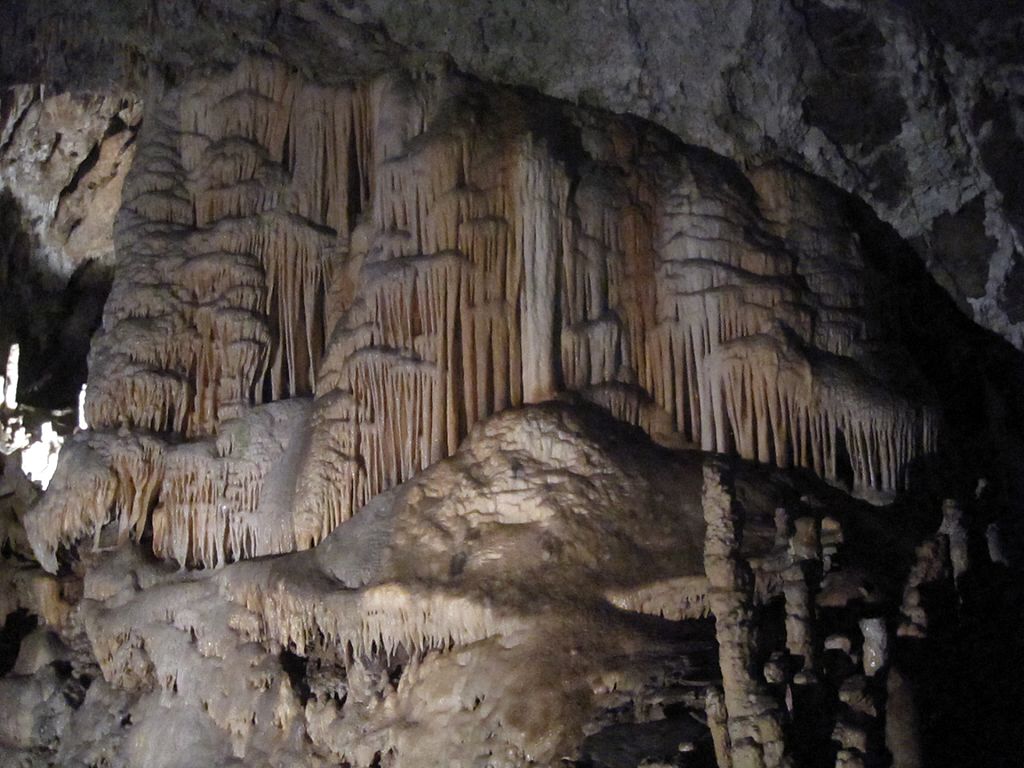 Sightseeing expenses depend on the attractions and experiences you choose. Walking around historic towns, enjoying lake views and exploring many natural landscapes can be inexpensive or free. However, caves, castles, cable cars, guided tours and adventure activities usually require paid tickets.
Set aside an additional daily allowance for sightseeing rather than including every attraction in your basic food and transport budget.
For example, visiting caves, taking a boat excursion or joining a guided rafting trip can increase your daily expenses considerably.
Understand Tourist Taxes and Additional Accommodation Charges
When booking accommodation in Slovenia, remember that the advertised room price may not include every charge. Some municipalities collect a mandatory tourist tax and an additional tourism promotion tax from overnight visitors.
These charges are usually calculated per person, per night. The amount depends on the municipality and applicable exemptions, so your final accommodation bill may be slightly higher than the booking price.
What Is the Tourist Tax in Slovenia?
Slovenia has two related charges:
- Tourist tax (turistična taksa): A local charge collected by municipalities to support tourism-related services and facilities.
- Promotional tax (promocijska taksa): An additional charge used to promote Slovenia’s tourism offering. It is calculated at 25% of the applicable tourist tax.
Accommodation providers generally collect both charges from guests and transfer them to the relevant authorities.
How Much Is the Tourist Tax?
There is no single fixed rate for the entire country. Each municipality sets its own tourist tax within the national legal framework.
For example, the published rates in some popular destinations include:
| Destination | Tourist and promotional tax per person, per night |
| Ljubljana | €3.13 |
| Piran | €3.13 |
| Maribor | €3.13 |
| Koper | €2.50 |
These are published municipal rates, not a nationwide price list. Check the latest local rate before booking.
The total depends on the municipality, the number of guests, the length of stay and any applicable exemptions. Check the amount with your accommodation provider before arrival.
Are Children Exempt from Tourist Tax?
Some visitors qualify for full or partial exemptions under Slovenian law.
Common examples include:
- Children under seven are generally exempt.
- Children aged seven to under 18 generally qualify for a 50% reduction.
- Certain other exemptions apply to specific categories of visitors and accommodation arrangements.
The exact eligibility conditions should be checked with the accommodation provider. Do not assume that every child or family booking receives the same exemption.
Are There Other Accommodation Charges?
Apart from tourist taxes, some properties may have additional charges depending on the accommodation and booking conditions.
Check whether the quoted price includes:
- Breakfast or other meals.
- Parking fees.
- Cleaning charges, particularly for some apartment rentals.
- Pet accommodation fees.
- Extra-bed or additional-guest charges.
- Late check-in or special service fees, where applicable.
These are not universal charges. They depend on the property and should be disclosed in its booking conditions.
- Check whether the displayed price includes tourist and promotional taxes.
- Review the final booking total rather than relying on the initial nightly rate.
- Keep your booking confirmation and final payment receipt.
Budget Travel vs Mid-Range Travel
Your daily budget will depend mainly on accommodation, dining, transport and paid activities.
The following estimates provide a useful starting point for different travel styles.
| Expense category | Budget traveller | Mid-range traveller |
| Accommodation (per person) | €20–€45 | €45–€80 |
| Food and drinks | €20–€30 | €35–€50 |
| Local transportation | €5–€15 | €10–€25 |
| Attractions and activities | €10–€20 | €15–€35 |
| Estimated daily total | €55–€110 | €105–€190 |
Estimates are per person per day. Accommodation assumes a shared room for two people in the mid-range category. Budget accommodation may include hostel dormitories. These are planning estimates, not official national averages.
For travellers seeking additional comfort, a higher daily budget of approximately €200–€350 or more may be appropriate. This can accommodate better hotels, more restaurant dining, private transportation and premium experiences.
Example: Estimated cost of a seven-day Slovenia holiday
| Travel style | Per person | Two people |
| Budget | €385–€770 | €770–€1,540 |
| Mid-range | €735–€1,330 | €1,470–€2,660 |
| Comfortable | €1,400–€2,450+ | €2,800–€4,900+ |
These estimates cover accommodation, food, local transportation and ordinary sightseeing expenses. They exclude international flights, travel insurance, visa fees, major shopping and unusually expensive activities.
For comparison, travel-spending data collected from visitors suggests an average daily expenditure of approximately €108 per person. Actual spending varies depending on accommodation arrangements, trip duration and travel preferences.
Practical Ways to Save Money in Slovenia
These practical choices can help reduce costs without limiting your experience.
1. Travel during the shoulder season
Consider visiting in May, June or September instead of the busiest summer weeks. You may find better accommodation availability and more competitive prices, particularly outside major holiday periods.
2. Book accommodation early
Reserve your accommodation in advance, especially around Lake Bled, Lake Bohinj and popular coastal destinations. Compare hotels, guesthouses, apartments and rural stays before choosing.
3. Stay outside expensive tourist centres
Accommodation in smaller towns and villages can offer better value. However, consider transport connections and the additional cost of travelling to major attractions before booking.
4. Use public transportation
Buses and trains can help reduce travel expenses, particularly when visiting major towns and established tourist destinations. Check regional connections and available multi-day or group tickets.
5. Compare tourist cards before buying
City and regional tourist cards may include public transport, attraction admission and other benefits. Calculate the individual ticket prices against the card cost before purchasing. Some regional benefits are available only to eligible guests staying at participating accommodation.
6. Combine supermarket shopping with restaurant meals
You can save money by buying breakfast supplies, snacks and drinks from supermarkets. Enjoying a restaurant lunch or dinner occasionally still allows you to experience Slovenian food without dining out for every meal.
7. Look for daily lunch menus
Many Slovenian restaurants and traditional inns offer affordable weekday lunch menus, sometimes called malica or dnevno kosilo. These can provide good value compared with ordering individual dishes from the regular evening menu.
8. Enjoy free outdoor attractions
Slovenia has plenty of beautiful natural landscapes that do not require expensive admission tickets. Walking through historic towns, exploring public lakeside paths and enjoying mountain viewpoints can provide memorable experiences at little or no cost.
9. Check attraction combinations and discounts
Some attractions offer combined tickets, family rates or discounted admission packages. Compare these options when planning visits to caves, castles and museums.
10. Watch additional driving expenses
If you rent a car, consider fuel, parking, insurance, motorway vignettes and possible cross-border fees. Choose a vehicle that suits your itinerary rather than automatically booking a larger model.
11. Avoid unnecessary currency exchange charges
Slovenia uses the euro. If you are travelling from outside the eurozone, compare foreign transaction fees and exchange rates before using your bank card or withdrawing cash. Avoid exchanging large amounts at airports or tourist locations without checking the rates.
12. Set aside an emergency travel allowance
Keep some money available for unexpected expenses, such as weather-related itinerary changes, additional transport, medical needs or last-minute accommodation.
Include transport between destinations, attraction tickets, parking and organised activities in your total budget.
5. Consider Tourist Cards and Local Discounts
Slovenia does not have one universal tourist card. Ljubljana and several Alpine destinations offer separate passes with different benefits, prices and eligibility rules. Some are seasonal or available only to guests at participating accommodation. Check what is included and whether your stay qualifies before buying a card.
Is the Ljubljana Card Worth Buying?
The Ljubljana Card is a sightseeing and public transport pass designed for visitors exploring Slovenia’s capital. It combines admission to several attractions with transportation and other sightseeing benefits.
The card is available in three durations: 24, 48 and 72 hours. It can be useful if you plan to visit several museums, historical attractions and other participating sites during a short stay.
The main benefits include:
- Free admission to more than 30 museums, galleries and attractions.
- Unlimited travel on Ljubljana’s city buses during the card’s validity.
- A guided walking tour of the historic city centre.
- A tourist boat trip along the Ljubljanica River.
- Access to Ljubljana Castle and its funicular.
- Selected additional sightseeing and recreational benefits.
Indicative Ljubljana Card prices for adults:
| Card duration | Adult price |
| 24 hours | €41 |
| 48 hours | €49 |
| 72 hours | €54 |
Reduced prices are available for children aged 6–14. Children under six generally receive free admission and public transport under the applicable conditions.
The card activates when you first use an included service. Each participating attraction generally allows one admission, while city bus travel remains unlimited during the validity period.
Is it worth buying?
The Ljubljana Card can offer good value if you plan to visit several included attractions, use public buses frequently and take advantage of the sightseeing activities.
However, it may not be worthwhile if you prefer walking around the city, visiting only a few attractions or spending most of your time outside Ljubljana.
For example, travellers interested mainly in the riverside, historic streets, outdoor markets and cafés may not need a sightseeing pass.
Understanding the Julian Alps Card for Bled and Bohinj
The Julian Alps Card name covers separate local programmes in Bled and Bohinj. Their benefits, eligibility rules and prices differ.
1. Julian Alps Card: Bled
The Julian Alps Card: Bled is a digital visitor card offering transport, sightseeing and activity benefits.
It is generally available free of charge to eligible guests staying at participating accommodation providers associated with the Bled Tourist Board.
The 2026 summer card operates from 15 April to 15 October, subject to its published conditions.
Benefits can include:
- Free organised transport on selected Bled bus routes.
- Transport connections to certain surrounding villages and mountain areas.
- A guided walking tour of Bled.
- Discounts on Bled Castle admission.
- Free admission to selected attractions, including Mostnica Gorge under the applicable seasonal conditions.
- Discounts on bicycle rentals, outdoor activities and selected guided experiences.
The card is particularly useful for visitors who want to explore Bled and nearby Alpine destinations without relying entirely on a private vehicle.
However, not every attraction or transport service is included. Some benefits operate only during specific months, and certain activities require advance arrangements.
Important: Check whether your accommodation participates in the programme before booking. The card is not automatically available to every visitor staying in Bled.
2. Julian Alps Card: Bohinj
The Julian Alps Card: Bohinj is another regional visitor card designed to encourage sustainable travel around Lake Bohinj and its surrounding areas.
Unlike a conventional sightseeing pass, it places considerable emphasis on public transportation, parking and access to local attractions.
The summer programme generally operates from April to November, with different validity periods and card options.
Benefits can include:
- Free or included public transport on eligible regional routes.
- Access to selected organised seasonal bus services.
- A panoramic boat ride on Lake Bohinj.
- Admission to selected attractions, including Savica Waterfall and Mostnica Gorge.
- Access to participating museums and cultural attractions.
- Parking benefits with applicable card versions.
- Discounts on selected activities and local services.
The card has different pricing options depending on the benefits selected.
Indicative summer 2026 adult prices:
| Card type | 3 days | 5 days | 10 days |
| Benefits card without parking | €21 | €28 | €31 |
| Parking and benefits card | €27 | €32 | €37 |
A separate public transport user option is also available at a different price. Family offers may provide additional savings for children.
Eligibility is important. Some versions are intended for guests staying at participating accommodation providers for at least two nights. Other options are available to visitors arriving by public transport or agreeing to leave their car unused during their stay.
Winter cards are also available, with different benefits and operating periods. Some eligible accommodation guests can receive a basic winter card free of charge.
Other Regional Tourist Cards and Benefits
Other destinations also offer regional cards or local discounts.
These programmes are useful because Slovenia’s major attractions are spread across different regions. Rather than purchasing one nationwide sightseeing pass, visitors can take advantage of local benefits while staying in particular destinations.
1. Julian Alps Card: Soča Valley
The Soča Valley offers a regional destination card covering selected attractions, transportation services and outdoor experiences.
Benefits can include:
- Admission to selected natural attractions, such as Tolmin Gorges.
- Access to selected cultural and historical sites.
- Free rides on certain organised seasonal shuttle services.
- Selected train travel benefits on eligible routes.
- Discounts on local activities and participating services.
For the 2026 season, the published card prices are approximately:
| Visitor category | Price |
| Adults | €25 |
| Children aged 7–14 | €15 |
| Children aged 0–6 | Free |
The card is particularly useful for travellers exploring Tolmin, Kobarid and Bovec. However, it does not include every regular bus service, so check transport arrangements before relying on it for your entire journey.
2. Local tourist benefits in other destinations
Some other Slovenian destinations offer local visitor benefits, accommodation packages and discounts through participating tourism providers.
Depending on the destination, these may include:
- Reduced admission to museums and cultural attractions.
- Discounts on guided tours.
- Special prices for local outdoor activities.
- Transport benefits during selected periods.
- Discounts at participating restaurants and businesses.
Maribor, for example, has its own city tourism offers, while other destinations may provide seasonal or accommodation-linked benefits.
Do not assume that every destination offers a card with the same benefits. Some programmes are full sightseeing passes, while others are simply collections of discounts.
How to Decide Whether a Tourist Card Saves Money
A card is worthwhile only if its benefits match your itinerary. Free admission or unlimited transport does not guarantee savings.
Before purchasing a card, consider the following:
1. Calculate the individual attraction costs
List the museums, castles, caves and other attractions you actually intend to visit. Compare their combined admission prices with the cost of the tourist card.
2. Check public transport benefits
If you plan to use buses, shuttles or other included transport services several times a day, a regional card may provide considerable savings.
3. Check accommodation eligibility
Some regional cards are available free or at reduced prices to guests staying at participating accommodation providers. Ask your host before purchasing a separate pass.
4. Consider the validity period
Compare the card’s duration with your itinerary. A 72-hour card may be unnecessary if you are spending only one day sightseeing in the city.
5. Check seasonal restrictions
Some transport routes, attractions and outdoor activities operate only during particular months. A card may offer fewer practical benefits outside the main tourist season.
6. Understand what is excluded
Check whether parking, special tours, cable cars, boat trips and guided activities are included or offered only at discounted rates.
7. Check family and group discounts
Families should compare child prices and family packages. Some regional programmes offer free or discounted cards for children when accompanied by a paying adult.
6. Decide How to Travel Around Slovenia
Slovenia’s main towns and popular attractions are connected by buses and trains, but reaching remote villages, mountain viewpoints and rural accommodation can require extra planning. A rental car offers flexibility, while public transport can be more economical for established tourist routes. Choose according to your itinerary, budget and the places you want to visit.
Renting a Car: Is It the Best Way to Explore Slovenia?
A rental car is useful if you want to visit several regions, stop at scenic viewpoints or reach places with limited public transport. It also gives you more flexibility than fixed bus and train schedules.
A rental car is especially useful for exploring the Julian Alps, Soča Valley, Goriška Brda wine region and remote countryside locations. These destinations offer beautiful landscapes, but some attractions and accommodation properties have limited public transport connections.
Advantages of renting a car:
- Greater flexibility to explore different regions.
- Easier access to remote villages and countryside attractions.
- Convenient for families and travellers carrying luggage.
- Freedom to stop at viewpoints and scenic locations.
- Useful for visiting multiple destinations in one day.
- More practical for reaching some mountain trails and rural accommodation.
Limitations to consider:
- Rental charges, fuel, insurance and parking increase travel expenses.
- Driving and parking in busy city centres can be inconvenient.
- Mountain roads may be narrow, winding or affected by weather.
When does renting a car make sense?
A car is particularly useful for a multi-region itinerary that includes the Soča Valley, wine-growing areas or rural accommodation with limited public transport.
You can also combine both options: explore Ljubljana without a car, then rent one for the countryside.
Travelling by Bus
Buses are an important part of Slovenia’s public transportation network. They connect Ljubljana with many popular tourist destinations, smaller towns and regional communities. For travellers who do not want to drive, buses provide an economical way to explore several parts of the country.
Ljubljana is the main bus hub, with connections to destinations such as Lake Bled, Bohinj, Postojna, Koper and Piran. Services and journey times vary depending on the route, day and season.
Advantages of travelling by bus:
- Generally more affordable than renting a car.
- Connections to several popular tourist destinations.
- Convenient for travelling between major towns.
- No need to worry about parking or driving.
- Useful for travellers staying in Ljubljana.
Limitations to consider:
- Services to remote villages may be limited.
- Weekend and public holiday schedules can differ.
- Some journeys involve transfers.
- Luggage space may be limited on busy services.
- Reaching remote hiking trails can require additional transport.
Lake Bled is one example of a popular destination that can be reached from Ljubljana by bus. Once there, you can explore much of the lakeside area on foot.
Buses are also useful for reaching coastal destinations such as Koper and Piran. However, check the return journey carefully if you are planning a day trip.
Exploring Slovenia by Train
Travelling by train is another option for exploring Slovenia, particularly if you enjoy scenic journeys and prefer not to drive. The national railway network connects Ljubljana with several major towns and regional destinations, including Maribor, Celje, Koper and Jesenice.
Train travel can be comfortable and relatively affordable. Some routes also pass through attractive countryside, river valleys and Alpine landscapes. The Bohinj Railway is particularly interesting for travellers who enjoy scenic train journeys through Slovenia’s mountainous regions.
Advantages of travelling by train:
- Comfortable journeys between major towns and cities.
- An alternative to driving on longer routes.
- Scenic views along selected railway lines.
- No parking expenses or driving responsibilities.
- Suitable for travellers who prefer a relaxed journey.
Limitations to consider:
- Railway stations are not always close to popular attractions.
- Some destinations require additional bus or taxi journeys.
- Rural and mountain areas have more limited rail connections.
- Timetables and journey durations vary by route.
- Engineering works can occasionally require replacement buses.
The train is useful for journeys such as Ljubljana–Maribor. The Bohinj Railway is another option for a scenic journey through the Alpine region.
However, reaching Lake Bled by train requires some additional planning. The Lesce-Bled railway station is outside the main lakeside area, so you will need a connecting bus, taxi or other transfer.
Can You Visit Slovenia Without Renting a Car?
Yes. Buses and trains connect many popular destinations, while organised tours and local transfers can help you reach selected attractions.
A car-free holiday works particularly well if you plan to stay in Ljubljana and visit a few established tourist destinations rather than explore remote countryside locations.
For example, you can organise a trip around the following destinations:
- Ljubljana: Explore the capital on foot and use local buses when necessary.
- Lake Bled: Travel from Ljubljana by bus and explore the lakeside area on foot.
- Lake Bohinj: Use regional bus connections from Ljubljana or Bled, checking seasonal schedules.
- Postojna Cave: Reach the area by bus or train, followed by a short local transfer where necessary.
- Piran: Travel towards the Slovenian coast by bus, with convenient connections through Koper.
However, visiting remote mountain villages, isolated viewpoints, vineyard estates and less-accessible hiking trailheads can be challenging without a private vehicle.
Tips for travelling around Slovenia without a car:
- Choose accommodation close to bus or railway stations.
- Check return connections before planning day trips.
- Allow extra time when journeys involve transfers.
- Use organised excursions for destinations with limited public transport.
- Consider regional tourist cards that include selected transport benefits.
- Avoid scheduling several distant attractions on the same day.
Public Transport vs Rental Cars: Which Is Better?
Public transport is usually more economical for major towns and established tourist destinations. A rental car offers more flexibility in rural and mountain areas with limited connections.
The following comparison can help you decide.
| Comparison | Public transport | Rental car |
| Travel cost | Usually lower for individual journeys | Higher with fuel, insurance and parking |
| Flexibility | Depends on schedules | Greater freedom |
| Major cities | Convenient | Parking can be difficult |
| Lake Bled | Good bus connections | Convenient |
| Lake Bohinj | Regional connections available | Greater flexibility |
| Soča Valley | Requires careful planning | More convenient for exploring different locations |
| Wine regions | Limited in some rural areas | Useful for reaching vineyards |
| Mountain trails | Access varies by location | Easier to reach many trailheads |
| Families | Suitable on established routes | Convenient for luggage and flexible stops |
| Environmental impact | Generally lower per passenger | Depends on vehicle and occupancy |
Which option should you choose?
- Choose public transport if you are visiting Ljubljana, Lake Bled, Postojna and the coastal towns.
- Choose a rental car if you want to explore the Soča Valley, remote Alpine areas and countryside destinations.
- Consider combining both if you want the convenience of city transport and the flexibility of a road trip.
For many visitors, a combination works particularly well. Spend the first few days exploring Ljubljana without a car, then rent a vehicle for the remaining journey through Slovenia’s lakes, mountains and countryside.
7. Understand Slovenia’s Driving Rules Before Renting a Car
If you decide to explore Slovenia by car, understand the country’s road rules before setting off. The following guidance covers tolls, driving regulations, parking, seasonal conditions and rental-car checks.
Slovenia’s Electronic Highway Vignette Explained
Slovenia uses an electronic motorway toll system called the e-vinjeta, or e-vignette. Unlike traditional paper motorway stickers, the electronic vignette is linked to your vehicle’s registration number. Cameras and other control systems check whether vehicles using toll roads have valid electronic vignettes.
Most passenger cars weighing up to 3,500 kg must have a valid e-vignette before using Slovenia’s tolled motorways and expressways. This requirement also applies to rental cars and foreign-registered vehicles.
The e-vignette is not a general road tax. It is a time-based toll that allows an eligible vehicle to use designated toll roads during its validity period.
1. Which roads require an e-vignette?
An e-vignette is generally required on motorways and expressways operated by the Slovenian motorway company. These roads are identified by appropriate road signs.
You do not need an e-vignette for every road in Slovenia. Ordinary local roads, regional roads and many scenic routes can be used without one.
For example, if you drive from Ljubljana towards Lake Bled using ordinary regional roads, you may be able to avoid toll roads. However, motorway routes are often faster and more convenient.
One important 2026 change concerns the coastal expressways H5 and H6. Since 1 January 2026, an e-vignette is no longer required on these sections. This includes the H5 section between Škofije and Koper and the H6 section between Koper and Izola.
2. Which e-vignette category does your vehicle need?
Slovenia uses different toll categories depending on the vehicle type and dimensions.
| Toll category | Vehicle type |
| Class 1 | Motorcycles |
| Class 2A | Vehicles up to 3,500 kg with a height above the front axle of up to 1.3 metres |
| Class 2B | Vehicles up to 3,500 kg with a height above the front axle of 1.3 metres or more |
Most ordinary passenger cars fall into Class 2A. However, some larger vans and commercial-style vehicles may fall into Class 2B.
Motorhomes are generally classified as Class 2A regardless of their height above the front axle, provided they meet the applicable vehicle classification requirements.
Do not assume that every SUV, van or campervan belongs to the same category. Check the official vehicle classification before purchasing a vignette.
3. How much does a Slovenian e-vignette cost?
The following are the published 2026 prices for the main vehicle categories. Check the official DARS sales page before travel in case tariffs or vehicle classifications change:
| Vehicle category | 7-day vignette | Monthly vignette | Annual vignette |
| Class 1 – Motorcycles | €8 | Not available | €58.70 |
| Class 2A – Standard cars | €16 | €32 | €117.50 |
| Class 2B – Higher vehicles | €32 | €64.10 | €235 |
Motorcycles also have a six-month vignette option costing €32.
These prices are useful when planning a short holiday or a longer European road trip. For most visitors renting a standard passenger car, the seven-day or monthly Class 2A vignette will be the relevant option.
4. How long is the e-vignette valid?
The validity period depends on the type of vignette purchased.
- Weekly: Valid for seven consecutive calendar days, including the selected starting date.
- Monthly: Valid from the selected starting date until the corresponding date in the following month, subject to the calendar-month rules.
- Annual: Valid for one year from the selected starting date.
For example, a weekly vignette starting on 10 June remains valid through 16 June.
Choose your starting date carefully. The vignette must be valid when your vehicle enters a toll road.
5. Where should you buy the e-vignette?
The safest option is to purchase your e-vignette through the official DARS online sales system or an authorised physical sales outlet.
You can generally purchase it:
- Online before starting your journey.
- At authorised petrol stations.
- At designated sales outlets near border crossings.
- Through authorised motorway service providers.
When purchasing online, you will need to provide:
- Vehicle registration country.
- Vehicle registration number.
- Correct toll category.
- Selected vignette validity period.
- Starting date.
Check every detail before completing the payment. Even a small registration number error can make the vignette invalid for your vehicle.
6. What if you rent a car in Slovenia?
Many rental companies include a valid Slovenian e-vignette in their vehicles. However, this is not something you should assume.
Before collecting your vehicle:
- Ask whether the Slovenian e-vignette is included.
- Confirm its validity dates.
- Check that it covers the correct vehicle registration number.
- Ask whether the vehicle belongs to Class 2A or another category.
- Request confirmation of the vignette’s validity.
If the rental car already has a valid vignette, you generally do not need to purchase another one for the same vehicle during its validity period.
7. What happens if you drive without a valid e-vignette?
Driving on a toll road without a valid vignette can result in a fine of approximately €300–€800. Using an incorrect vehicle category or registration number can also cause problems.
Remember that purchasing a vignette after entering a toll road does not automatically resolve an earlier violation.
Important: Keep your purchase confirmation and verify the registration details before driving.
Driving Rules, Speed Limits and Road Signs
Remember That Slovenia Drives on the Right
Vehicles in Slovenia drive on the right-hand side of the road and overtake on the left. The driver sits on the left side of the vehicle. This may feel unfamiliar if you normally drive in countries such as the United Kingdom, Ireland, Australia, New Zealand or India. Take extra care at roundabouts, junctions and when turning onto unfamiliar roads. Follow lane markings and road signs, and take time to become comfortable with the rental car before beginning a long journey.
1. Observe the speed limits
The standard speed limits for passenger cars are:
| Road type | Standard speed limit |
| Built-up areas | 50 km/h |
| Outside built-up areas | 90 km/h |
| Expressways | 110 km/h |
| Motorways | 130 km/h |
These are general limits. Road signs, temporary restrictions, weather conditions and specific road sections may impose lower limits.
Always follow the posted speed limits rather than relying entirely on navigation apps.
2. Keep your headlights switched on
Daytime running lights or dipped headlights must be used while driving, including during daylight hours.
This is important even when the weather is clear.
3. Wear seat belts
Seat belts are compulsory for drivers and passengers. Children must use appropriate child restraint systems according to their age, height and applicable safety requirements.
4. Avoid using handheld mobile phones
Using a handheld mobile phone while driving is prohibited. Use a hands-free system if you need to make or receive calls.
5. Understand drink-driving regulations
Slovenia has strict drink-driving rules.
The general legal blood alcohol limit for experienced drivers is 0.5 grams per litre of blood. However, novice drivers and certain professional drivers must follow a zero-alcohol requirement.
The safest approach is not to drink alcohol at all before driving.
6. Carry essential vehicle safety equipment
Rental vehicles should have the legally required safety equipment. This generally includes:
- Warning triangle.
- Reflective safety vest.
- First-aid kit.
- Spare wheel and appropriate repair equipment, as applicable.
- Other required vehicle safety items.
Check that these items are present before leaving the rental office.
7. Understand road signs and traffic regulations
Slovenian road signs follow European conventions, making them relatively easy for international visitors to understand.
Pay particular attention to:
- Motorway and expressway entrance signs.
- Speed restriction signs.
- No-entry and restricted-access signs.
- Parking and stopping restrictions.
- Mountain road warnings.
- Winter equipment requirements.
Follow road signs carefully, especially when entering historic town centres and restricted pedestrian areas.
Parking in Slovenian Cities and Tourist Areas
Parking requires some planning in Slovenia, particularly in busy tourist destinations. Ljubljana, Lake Bled, Piran and other popular locations can experience heavy parking demand during summer.
Parking regulations vary between municipalities, so do not assume that the same rules apply throughout the country.
1. Parking in Ljubljana
Ljubljana’s historic centre has extensive pedestrian and restricted-traffic areas. Driving directly into these areas may be prohibited or permitted only under specific conditions.
Visitors staying in the city should consider accommodation with private parking or use designated public car parks.
Park-and-ride facilities on the outskirts can also be useful if you want to explore the centre without driving into busy streets.
2. Parking around Lake Bled
Lake Bled attracts many visitors, especially during July and August. Parking spaces near the lakeside can become limited during busy periods.
Consider using designated parking areas rather than waiting for a space close to the main attractions.
Some parking locations charge hourly or daily fees. Check the displayed tariffs and permitted parking duration before leaving your vehicle.
3. Parking in Piran and coastal towns
Piran has a historic centre with significant vehicle restrictions. Visitors generally need to use designated parking facilities outside the central pedestrian area.
If your accommodation is inside the old town, ask the property about luggage transfers and parking arrangements before arriving.
4. Understand parking signs and payment methods
Slovenian parking areas may use:
- Pay-and-display machines.
- Mobile parking payment systems.
- Ticketless number-plate recognition.
- Designated resident-only parking.
- Time-restricted parking zones.
Always check the parking instructions displayed at the location.
Practical parking tips:
- Never park in spaces reserved for residents or authorised vehicles.
- Do not block pedestrian paths, driveways or emergency access.
- Check whether overnight parking is permitted.
- Photograph the parking sign if you are unsure about the conditions.
- Avoid leaving luggage and valuables visible inside the vehicle.
Winter Driving and Mountain Road Conditions
Driving in Slovenia during winter requires additional preparation, particularly in the Julian Alps and other mountainous regions. Snowfall, ice, fog and changing weather conditions can make mountain roads challenging even for experienced drivers.
If you are visiting between November and March, check the vehicle’s winter equipment and the condition of your planned routes.
1. Understand the mandatory winter equipment period
Slovenia requires appropriate winter equipment from 15 November to 15 March. This requirement also applies outside these dates when winter road conditions occur.
For ordinary passenger cars, the accepted arrangements generally include:
- Winter tyres fitted to all four wheels, meeting the applicable requirements; or
- Summer tyres with suitable snow chains carried in the vehicle.
Winter tyres must meet the required tread-depth standards.
If you rent a car during winter, confirm that it has compliant equipment before collecting it.
2. Check mountain roads before travelling
Some mountain roads become difficult or inaccessible during winter. Snowfall, avalanches and poor visibility can affect travel conditions.
Before driving towards mountain destinations, check:
- Current weather forecasts.
- Road closures and traffic restrictions.
- Snow and ice conditions.
- Whether snow chains are required.
- Seasonal restrictions on mountain passes.
Do not assume that a road shown as open on a navigation app is necessarily suitable for your vehicle.
3. Be careful on winding Alpine roads
Slovenia’s mountain regions offer spectacular driving experiences, but many roads are narrow and winding.
Reduce your speed when approaching sharp bends. Maintain a safe distance from other vehicles and avoid sudden braking.
Watch for cyclists, hikers and wildlife, particularly on less-travelled mountain roads.
4. Understand mountain pass conditions
Mountain routes such as Vršič Pass are particularly attractive for scenic drives. However, their accessibility depends on weather and seasonal conditions.
Before planning such a journey, check whether the pass is open and whether your rental agreement permits travel on the intended route.
5. Avoid unnecessary night driving in unfamiliar mountain areas
Mountain roads can be difficult to navigate after dark, particularly when visibility is poor.
Whenever possible, plan scenic mountain journeys during daylight hours. Allow extra time for unexpected weather changes and road conditions.
Travel tip: If you are unfamiliar with winter driving, avoid challenging Alpine routes during heavy snowfall or icy conditions. Choose safer alternatives and follow local road authority advice.
What to Do If Your Rental Car Breaks Down
If your vehicle develops a problem, move as far from moving traffic as possible and stop in a safe place. On a motorway or expressway, use the hard shoulder or an emergency stopping area only when necessary. Switch on the hazard lights. If you can do so safely, put on a reflective vest before leaving the vehicle.
Leave the vehicle with your passengers and move behind the safety barrier where one is available. Do not stand beside the car or attempt roadside repairs in a live traffic area. Place the warning triangle only when it is safe to do so, following the instructions in the vehicle and local road-safety guidance.
Contact your rental company using the roadside-assistance number in your agreement. In Slovenia, AMZS roadside assistance can be reached at 1987; from abroad, its published number is +386 1 530 53 53. Rental-company assistance may use a different provider, so follow the instructions supplied with your vehicle. For an accident involving injury or immediate danger, call 112; call 113 when police assistance is required.
What to Check Before Collecting a Rental Car
Collecting a rental car is more than simply receiving the keys. A few checks before leaving the rental office can prevent unexpected charges, insurance disputes and travel interruptions.
Use this checklist before starting your Slovenia road trip.
1. Check the rental agreement
Read the agreement carefully and confirm:
- Daily rental charges.
- Insurance coverage.
- Security deposit requirements.
- Mileage restrictions.
- Fuel policy.
- Additional driver charges.
- Cancellation and modification conditions.
2. Confirm cross-border travel permissions
If you plan to combine Slovenia with Austria, Italy, Croatia or Hungary, inform the rental company in advance.
Some companies allow cross-border travel without additional charges, while others impose restrictions or fees.
Confirm that your insurance remains valid in every country you intend to visit.
3. Inspect the vehicle carefully
Before driving away:
- Check the exterior for scratches and dents.
- Photograph existing damage.
- Inspect the tyres.
- Check the headlights and indicators.
- Confirm that the windscreen is free from significant damage.
- Check the fuel level.
- Ensure the spare tyre or repair kit is present, where applicable.
Ask the rental representative to record any existing damage in the agreement.
4. Verify the e-vignette
This is particularly important in Slovenia.
Ask whether the vehicle has a valid e-vignette. Confirm the registration number, vehicle category and expiry date.
Do not purchase another vignette without first checking whether one is already valid.
5. Understand the fuel policy
Many rental companies use a full-to-full fuel policy. This means you receive the vehicle with a full tank and must return it with a full tank.
Check the fuel type before leaving. Using the wrong fuel can cause expensive damage.
6. Save emergency and rental company contact details
Keep the rental company’s roadside assistance number and emergency contact information accessible.
If the vehicle develops a problem, contact the rental provider before arranging repairs yourself.
7. Check your driving licence requirements
Make sure your driving licence is valid for Slovenia and accepted by the rental company.
Travellers from outside the European Union should check whether an International Driving Permit is required or recommended for their particular licence and nationality. Carry your original driving licence and passport when collecting the vehicle.
Essential Slovenia Driving Checklist
Before setting off, confirm that your documents, vehicle and route are ready.
8. Check Visa, Passport and Entry Requirements
Slovenia is part of the European Union and the Schengen Area. Your visa and entry requirements depend on your nationality, passport type, residence status and purpose of travel.
Some visitors can enter for short holidays without a visa; others must obtain a Schengen visa before departure.
Check passport validity, permitted stay duration and supporting documents well before departure.
Do US Citizens Need a Visa to Visit Slovenia?
US citizens generally do not need a visa for short tourist visits to Slovenia. As Slovenia is part of the Schengen Area, American travellers can visit for up to 90 days within any rolling 180-day period across the entire Schengen Area.
This allowance is not 90 days in Slovenia plus another 90 days in neighbouring Schengen countries. Time spent in other Schengen countries counts towards the same limit.
For example, if you spend 30 days in Italy, 20 days in Slovenia and 15 days in Austria, you will have used 65 days of your permitted 90-day stay.
US visitors should also remember:
- Travel must be for an eligible short-stay purpose, such as tourism or visiting friends.
- A valid passport is required.
- Visitors must comply with the Schengen short-stay conditions.
- Longer stays for employment, study or residence generally require the appropriate national visa or permit.
- Visa-free entry does not automatically guarantee admission. Border authorities can request supporting documents.
Important: Visa-free travel is intended for short visits. If you plan to work, study or stay in Slovenia beyond the permitted period, check the relevant immigration requirements before travelling.
Schengen Visa Requirements for Other International Visitors
Travellers whose nationalities require a visa must obtain a Schengen short-stay visa before visiting Slovenia.
Short-stay Schengen visas are generally limited to 90 days within any 180-day period, subject to the conditions and validity of the visa.
The application process generally involves:
- Completing the Schengen visa application form.
- Providing a valid passport and recent photographs.
- Submitting a travel itinerary and accommodation details.
- Providing evidence of sufficient financial resources.
- Showing suitable travel medical insurance.
- Attending a visa appointment and providing biometric information when required.
- Paying the applicable visa application fee.
Applicants should normally apply through the country responsible for their main destination. If Slovenia is the only destination, or the country where they will spend the longest part of their trip, the Slovenian authorities will generally handle the application.
If several Schengen countries are included and the stay is equally divided, the rules for determining the competent country should be checked before applying.
What about travellers from India?
Indian passport holders generally need a Schengen visa for a short tourist visit to Slovenia. Applications should be submitted through the appropriate Slovenian visa application channel or the authorised visa service provider handling applications in the applicant’s location.
Do not assume that holding a valid visa for another country automatically permits entry into Slovenia. Check whether the visa is a valid Schengen visa and whether its territorial validity, number of entries and permitted stay cover your itinerary.
Travel tip: Apply well ahead of your departure date. Schengen applications can take time, particularly during busy travel periods. Check the current application procedure and appointment availability before making non-refundable travel arrangements.
Passport Validity and Border Requirements
Your passport must also meet Schengen entry requirements. Check its issue and expiry dates before booking your trip.
For most non-EU visitors, including US and Indian passport holders, the general passport requirements for short Schengen visits include:
- Your passport must have been issued within the previous 10 years.
- It must remain valid for at least three months after your intended departure from the Schengen Area.
- Some visa application centres or consulates may require blank passport pages. Check the specific application instructions; this is separate from the general Schengen passport-validity rule.
- It must be recognised as a valid travel document by the relevant authorities.
Understand the EU Entry/Exit System (EES)
The Entry/Exit System (EES) is now fully operational at the external borders of the 29 European countries that use it, including Slovenia. It registers non-EU nationals travelling for short stays, subject to applicable exemptions.
The system electronically records relevant passport details, entry and exit dates, and biometric information such as facial images and fingerprints, subject to applicable exemptions.
The system records entry and exit details and collects biometric data, such as a facial image and fingerprints, when required. It replaces passport stamping for travellers covered by the system. Allow extra time for border checks, particularly during busy periods.
What about ETIAS?
ETIAS is a separate electronic travel authorisation for eligible visitors from visa-exempt countries. It is not a Schengen visa and is different from the Entry/Exit System.
As of 7 November 2026, ETIAS is not yet operational and applications are not being accepted. The EU currently plans to launch it in the last quarter of 2026, but the exact start date has not been announced. Check the official EU website before travelling and avoid unofficial websites claiming to accept applications.
Additional documents you may need at the border
Even if you do not require a visa, immigration officials may ask you to provide:
- Confirmed return or onward travel arrangements.
- Hotel reservations or proof of accommodation.
- Evidence of sufficient financial resources.
- Details of your travel itinerary.
- Supporting documents explaining the purpose of your visit.
Families travelling with children should also check whether additional consent documents or birth certificates are required, particularly when a child travels with only one parent or another accompanying adult.
Travel tip: Keep digital and printed copies of your passport, visa, accommodation bookings and return tickets. Store them separately from your original travel documents.
Carry Identification During Your Stay
Carry your passport or another legally accepted photo ID while travelling. You may be asked to establish your identity during police checks, accommodation registration or rental-car collection. Keep a secure copy separately, but be prepared to show the original when an official requests it.
Travel Insurance and Important Documents
Travel insurance is an important part of planning a Slovenia holiday. Although it is not generally a compulsory entry requirement for visa-exempt tourists, it is mandatory for applicants seeking a short-stay Schengen visa.
For Schengen visa applicants, the travel medical insurance policy must generally:
- Provide at least €30,000 in medical coverage.
- Cover emergency medical treatment and hospitalisation.
- Include medical repatriation and repatriation in the event of death.
- Remain valid throughout the intended stay.
- Cover the entire Schengen Area.
Travellers who do not need a visa should still consider purchasing suitable travel insurance. Medical treatment, emergency evacuation and unexpected travel disruptions can become expensive without adequate coverage.
What should your travel insurance cover?
When comparing policies, consider the following:
| Insurance coverage | Why it matters |
| Emergency medical expenses | Covers eligible unexpected medical treatment |
| Hospitalisation | Helps with eligible hospital expenses |
| Medical evacuation | Important for remote mountain areas |
| Repatriation | Covers eligible return arrangements |
| Trip cancellation | Protects against certain unexpected cancellations |
| Travel delays | Helps with eligible additional expenses |
| Lost or delayed baggage | Provides protection under policy conditions |
| Adventure activities | Important for hiking, skiing and rafting |
If you plan to hike in the Julian Alps, ski in winter or participate in rafting and other outdoor activities, check whether your policy covers these activities. Some insurers exclude particular adventure sports unless you purchase additional coverage.
Keep these essential travel documents ready:
- Valid passport.
- Schengen visa, if required.
- Flight tickets and accommodation confirmations.
- Travel insurance certificate.
- Evidence of sufficient funds, where applicable.
- Rental car booking and driving licence, if applicable.
- International Driving Permit, if required.
- Emergency contact details.
9. Understand the Currency and Payment Methods
Slovenia uses the euro, and international credit and debit cards are widely accepted in hotels, restaurants, supermarkets and larger shops. Keep some cash for rural areas, markets, mountain huts and smaller businesses.
Check your bank’s foreign transaction and ATM withdrawal fees before travelling.
What Currency Does Slovenia Use?
Slovenia uses the euro (€) as its official currency. It adopted the euro on 1 January 2007, replacing the Slovenian tolar.
The currency code is EUR. You will see prices displayed with the € symbol throughout the country. One euro is divided into 100 cents.
Slovenia shares its currency with many other European destinations. If you are combining your trip with Austria, Italy, Croatia or another eurozone country, you can use the same euros across these destinations.
For travellers arriving from the United States, the United Kingdom, India or other countries with different currencies, it is worth checking the exchange rate before departure. Exchange rates change regularly, so avoid planning your entire budget around an old conversion rate.
Are Credit and Debit Cards Widely Accepted?
Yes. Credit and debit cards are widely accepted across Slovenia, particularly in cities and established tourist destinations.
You can generally use international Visa and Mastercard cards for:
- Hotel bookings and accommodation payments.
- Restaurant meals and café purchases.
- Supermarket shopping and retail purchases.
- Petrol stations and car-related expenses.
- Many attraction tickets and transport services.
Contactless payments are also common. Some businesses accept mobile wallets, such as Apple Pay and Google Pay, depending on their payment terminals and banking arrangements.
However, do not assume that every business accepts cards. Smaller family-run guesthouses, rural establishments, mountain huts, market stalls and some independent businesses may prefer cash. Certain local services may also have limited payment options.
It is sensible to carry at least one physical payment card. Keep a second card separately as a backup. Before travelling, confirm that your bank allows international transactions and that your card will work in Europe.
Should You Carry Cash in Slovenia?
You do not need to carry much cash, but a small amount is useful.
Cash is most useful in smaller villages, rural restaurants, local markets and mountain areas, where card acceptance may be limited.
You may also need cash for small purchases, public facilities or businesses with minimum card-payment requirements.
Around €30–€50 per person can be a useful starting amount, but adjust it to your itinerary, payment options and spending habits.
Consider carrying a mixture of smaller notes and coins. A €5 or €10 note is more convenient for small purchases than a €100 note. Smaller businesses may not always have enough change for large banknotes.
Avoid carrying all your travel money in one wallet. Keep your backup card and some emergency cash in a separate, secure place.
ATMs, Currency Exchange and International Bank Charges
ATMs are widely available in Slovenian towns and cities. You will find them in Ljubljana, Bled, Maribor, Koper and other popular destinations. They are also available in many smaller towns.
Most international Visa and Mastercard debit cards work at Slovenian ATMs. However, check with your bank before departure to confirm overseas withdrawal access and applicable charges.
When withdrawing cash, pay attention to the following:
1. Check ATM withdrawal fees
Your home bank may charge an international withdrawal fee. The Slovenian ATM operator may also apply a separate fee. Check the displayed charges before confirming the transaction.
2. Choose euros instead of your home currency
Some ATMs offer to convert the withdrawal into your home currency. This is known as dynamic currency conversion.
If the ATM offers a choice between euros and your home currency, selecting euros (EUR) is usually the better option. Your own bank or card network can then handle the conversion. Compare the exchange rates and fees before accepting any conversion offer.
3. Use established bank ATMs
Whenever possible, use ATMs operated by recognised banks. They are generally easier to identify and provide clearer information about withdrawal fees. Avoid unfamiliar machines in isolated locations.
4. Check foreign transaction charges
Your bank may charge a foreign transaction fee when you pay by card in euros. Some cards offer fee-free international purchases, while others apply a percentage-based charge.
Check these conditions before travelling. A card with low foreign transaction fees can save money throughout your holiday.
5. Avoid exchanging large amounts at airports
Airport exchange counters and some tourist-oriented exchange services may offer less favourable rates. If you need cash immediately after arrival, exchange only a small amount. You can compare rates and fees before making larger withdrawals or exchanges.
You can also check whether your bank offers a travel-friendly debit card or a multi-currency account. These options may provide better exchange rates, but always review withdrawal limits, weekend charges and other conditions.
10. Learn About Slovenian Food and Dining Customs
Slovenian food reflects the country’s Central European, Mediterranean and Alpine influences. You will find hearty meat dishes, fresh seafood, soups, pastries and regional specialities. Dining habits are generally relaxed, but knowing a few local customs can make restaurant visits easier.
Knowing local dishes, menu terms, dietary options and tipping customs can make restaurant visits easier.
Traditional Slovenian Dishes Worth Trying
Slovenian cuisine varies by region. Alpine areas favour hearty dishes, while coastal towns offer more Mediterranean food. Here are a few specialities worth looking for:
- Kranjska klobasa: A traditional Slovenian sausage, often served with mustard and bread.
- Potica: A rolled cake with various fillings, especially walnut.
- Štruklji: Rolled dough filled with ingredients such as cottage cheese, walnuts or tarragon. It can be sweet or savoury.
- Idrijski žlikrofi: Small, folded dumplings traditionally filled with potato and served with a sauce.
- Jota: A filling soup or stew made with beans, sauerkraut or sour turnip, and often potatoes.
- Prekmurska gibanica: A layered pastry traditionally made with poppy seeds, cottage cheese, walnuts and apples.
- Bled cream cake (kremna rezina): A famous layered cream pastry associated with Lake Bled.
- Seafood dishes: Along the coast, look for grilled fish, calamari and other fresh seafood.
You do not need to visit expensive restaurants to sample local food. Traditional inns, known as gostilne, often serve regional dishes in a relaxed setting.
What to Expect at Slovenian Restaurants
Many Slovenian restaurants offer a daily lunch menu known as malica or dnevno kosilo. These meals can provide good value compared with ordering individual dishes.
Keep these practical points in mind:
- Check opening hours: Restaurant schedules vary by location and season. Smaller establishments may close between lunch and dinner or have limited opening days.
- Make reservations: Book ahead for popular restaurants, especially during summer, weekends and holiday periods.
- Look at the menu first: Menus usually display prices. Check whether side dishes are included with the main course.
- Ask about portion sizes: Some traditional meals are substantial. You may not need several courses.
- Check service arrangements: In many restaurants, you can ask for the bill when you are ready. It may not arrive automatically.
- Understand drinking water options: Ask whether the restaurant serves tap water. Bottled water is commonly available, and free tap water should not be assumed everywhere.
In tourist areas, menus often include English descriptions. In smaller towns, you may encounter Slovenian-only menus. A translation app can help you understand unfamiliar ingredients.
Vegetarian and Special Dietary Options
Larger towns, especially Ljubljana, offer vegetarian choices such as salads, vegetable soups, pasta, risotto and cheese dishes.
However, traditional Slovenian cuisine includes plenty of meat, dairy and animal-based ingredients. Do not assume that a dish is vegetarian simply because it contains vegetables or cheese. Soups, sauces and fillings may contain meat stock, bacon or other animal products.
If you follow a particular diet, explain your requirements clearly when ordering.
Useful phrases include:
| Dietary requirement | Slovenian phrase |
| I am vegetarian | Sem vegetarijanec (male) / Sem vegetarijanka (female) |
| I am vegan | Sem vegan (male) / Sem veganka (female) |
| I cannot eat gluten | Ne smem jesti glutena |
| I have a food allergy | Imam alergijo na hrano |
For serious food allergies, carry a translated allergy card explaining the ingredients you must avoid. Confirm the preparation method with restaurant staff, especially when cross-contact could cause a reaction.
Larger supermarkets also offer vegetarian, vegan and gluten-free products. If you have strict dietary requirements, consider choosing accommodation with a kitchen. This gives you more control over ingredients and meal preparation.
Tipping Etiquette in Slovenia
Tipping in Slovenia is appreciated but not compulsory. You are not expected to leave a large tip after every meal.
For ordinary restaurant service, you can round up the bill or leave around 5–10% if you are happy with the experience. For example, if your bill is €28, you might leave €30.
Keep these points in mind:
- Restaurants: A small tip is appreciated for good service. Around 5–10% is a reasonable guide, not a fixed rule.
- Cafés and bars: Rounding up the bill or leaving a few coins is sufficient.
- Taxis: You can round up the fare if the service was good.
- Exceptional service: Leave a little more if you feel the experience deserves it.
If you pay by card, ask whether the restaurant can add a tip to the transaction. Otherwise, leaving a few euros in cash is a simple option.
You do not need to tip simply because a service provider expects it. Leave an amount that reflects the service you received.
11. Understand Local Customs and Practical Rules in Slovenia
Keep a few everyday customs in mind when visiting Slovenia. Shop opening hours, public holidays, greetings and residential quiet hours may differ from those at home.
Knowing them is particularly useful when staying in apartments or visiting smaller towns.
Are Supermarkets and Shops Closed on Sundays?
Yes. Most shops and supermarkets in Slovenia are closed on Sundays.
The usual pattern is:
- Monday to Friday: Many shops open between 7:00–9:00 AM and close between 7:00–9:00 PM.
- Saturday: Many shops operate with shorter hours, particularly smaller stores.
- Sunday: Most supermarkets and ordinary retail shops remain closed.
There are limited exceptions. Certain small shops at petrol stations, transport hubs, border crossings and other permitted locations can open on Sundays. Some shops also qualify for specific legal exemptions.
If you are staying in a self-catering apartment, buy groceries before Saturday evening. Do not assume you can visit a regular supermarket on Sunday morning.
Check Public Holidays and Business Opening Hours
Slovenia observes several public holidays throughout the year. Some are non-working days, while others are commemorative holidays when businesses generally continue operating.
Important public holidays include:
| Date | Public holiday |
| 1–2 January | New Year’s Day |
| 8 February | Prešeren Day |
| Easter Monday | Date varies |
| 27 April | Day of Uprising Against Occupation |
| 1–2 May | Labour Day |
| 25 June | Statehood Day |
| 15 August | Assumption Day |
| 31 October | Reformation Day |
| 1 November | All Saints’ Day |
| 25 December | Christmas Day |
| 26 December | Independence and Unity Day |
Shops generally close on statutory non-working holidays, subject to permitted exceptions. Banks, post offices and public institutions may also operate reduced hours or remain closed.
Museums and galleries have their own schedules. Some close on Mondays, while smaller attractions may operate seasonally.
Before visiting a particular attraction, check its opening hours for your travel dates. Also check public transport timetables because services may follow a Sunday or holiday schedule.
Learn Basic Slovenian Words and Greetings
Slovenian is the official language. English is widely understood in major tourist destinations, hotels and popular restaurants, but less commonly spoken in some smaller villages and rural areas.
Learning a few Slovenian expressions is a simple way to make everyday interactions easier.
| Slovenian expression | English meaning |
| Živjo | Hello (informal) |
| Dober dan | Good day |
| Dobro jutro | Good morning |
| Hvala | Thank you |
| Prosim | Please / You’re welcome |
| Oprostite | Excuse me / Sorry |
| Da | Yes |
| Ne | No |
| Na svidenje | Goodbye |
| Račun, prosim | The bill, please |
You do not need to speak Slovenian fluently; a greeting and a thank-you are useful starting points.
Understand Restaurant and Social Etiquette
Everyday interactions are generally relaxed. A few courteous habits are usually enough.
- Greet people politely: Use Dober dan when entering a shop or addressing someone formally.
- Dress appropriately: Casual clothing is fine in most restaurants. Choose more polished clothing for upscale dining establishments.
A polite greeting is appreciated, even if you know only a few Slovenian words.
Respect Quiet Hours and Residential Areas
When staying in an apartment or residential neighbourhood, be considerate of local residents.
Nighttime noise restrictions commonly apply from 10:00 PM to 6:00 AM, although local rules and circumstances can differ.
Keep these points in mind:
- Avoid loud music and conversations late at night.
- Keep noise down in apartment corridors and shared spaces.
- Respect neighbours when returning from restaurants or nightlife venues.
- Follow accommodation rules concerning parties, visitors and shared facilities.
- Avoid unnecessary noise in residential streets.
Some accommodation providers may have additional quiet-hour requirements. Check the house rules when you arrive, particularly if you are staying in an apartment building.
Understand Electrical Sockets and Voltage
Slovenia uses 230 volts and 50 Hz electricity. The country mainly uses Type C and Type F electrical sockets, which accept two round-pin European plugs.
If you are travelling from the United States, the United Kingdom, India or another country with different plug designs, you may need a travel adapter.
Check your electronic devices before connecting them:
- Phones, laptops and camera chargers: Most modern chargers support 100–240V. Check the label to confirm.
- Single-voltage appliances: Some hair dryers, electric shavers and other appliances may require a voltage converter.
- Plug adapters: An adapter changes the plug shape. It does not convert electrical voltage.
A universal travel adapter with European-compatible Type C and Type F support can be useful if you are visiting several European countries.
12. Follow Slovenia’s Green Tourism and Environmental Practices
Slovenia promotes sustainable tourism to help protect its forests, lakes, rivers, mountains and protected areas. Visitors can support these efforts through everyday travel choices.
Its national sustainability programme also helps visitors identify destinations and businesses that have been assessed against recognised criteria.
What Is Slovenia’s Green Tourism Programme?
Slovenia’s Green Scheme of Slovenian Tourism (GSST) is a national sustainability programme managed by the Slovenian Tourist Board. It operates under the Slovenia Green brand.
The programme helps tourist destinations and tourism businesses assess their environmental, social and economic performance. It also encourages them to improve their sustainability practices.
Destinations and tourism providers can receive different Slovenia Green labels after meeting the scheme’s requirements. These include:
- Slovenia Green Destination: Recognises destinations assessed against sustainability criteria.
- Slovenia Green Accommodation: Identifies accommodation providers that meet recognised sustainability standards.
- Slovenia Green Cuisine: Recognises qualifying restaurants committed to sustainable practices.
- Slovenia Green Attraction: Identifies attractions that meet the programme’s requirements.
- Slovenia Green Park: Recognises qualifying protected natural areas and parks.
- Slovenia Green Travel Agency: Identifies travel agencies with recognised sustainability credentials.
Destination labels include different achievement levels, such as bronze, silver, gold and platinum.
The Slovenia Green label does not certify the entire country. It applies to destinations and tourism providers that have met the scheme’s requirements.
Understand Waste Sorting and Recycling
Slovenia has an established system for separating household and commercial waste. You will often find separate waste containers in residential areas, accommodation properties and public spaces.
The exact arrangements can vary by municipality, but common categories include:
- Paper and cardboard: Newspapers, magazines, clean cardboard and paper packaging.
- Packaging: Plastic packaging, metal cans and certain other packaging materials.
- Glass: Glass bottles and jars.
- Biological waste: Suitable food scraps and other biodegradable waste.
- Residual waste: Items that cannot be placed in the other collection categories.
Follow the labels and instructions displayed on the containers. Do not assume that every bin uses identical colours or accepts the same materials.
If you stay in an apartment or self-catering accommodation, your host may explain how to separate waste. Follow those instructions, especially when disposing of food scraps, glass and packaging.
Some public areas have fewer recycling facilities than residential neighbourhoods. If you cannot find the correct bin, keep your waste with you until you reach an appropriate disposal point.
Carry Reusable Water Bottles and Reduce Plastic Waste
A reusable bottle helps reduce single-use plastic during your trip.
Tap water is generally safe to drink in Slovenia, so you can usually refill a reusable bottle at your accommodation and reduce single-use plastic. Public drinking fountains are available in many towns, particularly during warmer months, but their number and operating season vary. Use only fountains marked as drinking water and follow local notices or temporary water-quality advisories.
A few practical habits can reduce waste:
- Carry a reusable water bottle.
- Bring a reusable shopping bag.
- Avoid buying single-use plastic bottles whenever possible.
- Choose accommodation that provides refill options.
- Use reusable food containers for snacks and takeaway meals.
- Dispose of packaging in the correct recycling containers.
On mountain routes, carry enough water for the full hike. Do not assume that streams or springs are safe to drink from without treatment.
Choose Responsible Accommodation and Local Experiences
Accommodation and activity choices can also affect local communities and the environment.
Look for practical sustainability measures rather than relying only on advertising claims.
Consider these options:
- Certified accommodation: Choose hotels, guesthouses, campsites or farm stays with a recognised Slovenia Green label or another credible sustainability certification.
- Responsible tours: Choose operators that respect wildlife, local communities and protected landscapes.
- Low-impact activities: Consider hiking, cycling and guided nature experiences that follow local regulations.
13. Stay Safe While Exploring Slovenia
Slovenia is generally a safe destination for international visitors. Its cities, towns and popular tourist areas are comfortable to explore with normal travel precautions. However, safety also depends on where you go and what activities you choose.
Mountain hiking, winter sports and outdoor adventures require more preparation than ordinary sightseeing. Keep your belongings secure, check local conditions and know how to contact emergency services before setting out.
Is Slovenia Safe for Tourists?
Yes. Slovenia is generally considered a safe country for tourists. Violent crime is relatively uncommon, and most visitors enjoy trouble-free trips.
However, petty theft can occur in crowded tourist areas, city centres and public transport hubs. Ljubljana’s popular attractions, busy bus and railway stations, and crowded events deserve the same attention you would give to other European destinations.
For a safer trip:
- Stay aware of your surroundings in crowded places.
- Keep your phone, wallet and passport secure.
- Use licensed taxis or recognised ride services where available.
- Avoid poorly lit or isolated areas late at night.
- Follow local advice during demonstrations or public events.
- Keep copies of important travel documents separately.
Road safety also deserves attention. Mountain roads can be narrow and winding, while winter conditions may create difficult driving conditions. Follow speed limits and avoid driving when tired.
Slovenia’s good general safety record does not remove the need for sensible precautions, particularly when exploring remote natural areas.
Protecting Your Belongings and Avoiding Common Scams
Pickpocketing and opportunistic theft are the main concerns for many tourists. They are more likely in busy public places than in quiet residential areas.
Take these precautions:
- Use a crossbody bag or a secure daypack.
- Keep your wallet and phone out of easily accessible pockets.
- Avoid displaying large amounts of cash.
- Never leave valuables visible inside a parked rental car.
- Use hotel safes or secure storage when available.
- Keep your passport secure and carry a suitable copy when practical.
- Be cautious if strangers distract you while another person approaches your belongings.
Be particularly careful at motorway rest areas and petrol stations. Theft from vehicles can happen when travellers leave luggage or electronic devices unattended.
Slovenia is not known for widespread tourist scams, but ordinary travel precautions still apply. Check taxi fares before starting a journey, review card payment amounts before confirming them and avoid unfamiliar offers that seem unusually attractive.
If your belongings are stolen, report the incident to the police. A police report may also be necessary for an insurance claim.
Mountain Hiking and Outdoor Safety
Slovenia’s Julian Alps, Triglav National Park and Soča Valley offer excellent opportunities for hiking and outdoor activities. However, mountain conditions can change quickly, and some routes are much more demanding than they appear.
Do not judge a trail only by its distance. Elevation gain, exposed sections, rocky terrain and weather can make a short route challenging.
Before setting out:
- Choose a trail that matches your fitness and hiking experience.
- Check the route difficulty, elevation gain and estimated walking time.
- Check weather forecasts and mountain conditions.
- Tell someone your route and expected return time.
- Check whether mountain huts are open if your route depends on them.
- Stay on marked trails and follow warning signs.
Some demanding Alpine routes include exposed ridges, steep sections and via ferrata equipment. These routes may require a helmet, climbing harness and suitable experience. Hire a qualified mountain guide if you are unfamiliar with the terrain.
Avoid hiking alone on difficult mountain routes. If conditions deteriorate, turn back rather than trying to complete the planned route.
Understand Tick Risks When Exploring Slovenia’s Outdoors
Slovenia’s forests, meadows and mountain landscapes offer excellent opportunities for outdoor activities. However, visitors should take precautions against ticks when hiking, camping or exploring natural areas.
Slovenia has a relatively high incidence of tick-borne diseases in Europe. The two main concerns are Lyme disease (Lyme borreliosis) and tick-borne encephalitis (TBE). Both infections can affect people after the bite of an infected tick.
Ticks are commonly found in forests, tall grass, shrubs and other green spaces. They can also occur in urban parks and at higher elevations. Do not assume that staying on a mountain trail eliminates the risk.
How to Protect Yourself Against Tick Bites
You do not need to avoid Slovenia’s outdoor attractions. A few precautions can significantly reduce your exposure to ticks.
- Wear protective clothing: Choose long trousers, long-sleeved tops and closed footwear when walking through forests or grassy areas.
- Choose light-coloured clothing: Ticks are easier to spot against lighter fabrics.
- Use insect repellent: Apply a suitable tick repellent to exposed skin and clothing according to its instructions.
- Stay on marked paths: Avoid brushing against tall grass, dense vegetation and low shrubs.
- Check your body: Examine your skin carefully after hiking, particularly around the scalp, ears, armpits, waist, groin and behind the knees.
- Check your clothing: Look for ticks on trousers, socks, jackets and backpacks.
- Shower after outdoor activities: Showering and checking your body can help you identify ticks before they become attached.
These precautions are particularly important from spring through autumn, when tick activity is generally higher. However, ticks can also be active during milder winter conditions.
What to Do If a Tick Bites You
If you find an attached tick, remove it as soon as possible.
Follow these steps:
- Use fine-pointed tweezers to grip the tick close to your skin.
- Pull it out slowly and steadily without twisting or crushing it.
- Clean the bite area with soap and water.
- Wash your hands and clean the tweezers.
- Monitor the bite area and your health over the following weeks.
Avoid applying oil, petroleum jelly, alcohol or other substances to make the tick detach. Do not burn it or squeeze its body.
Seek medical advice if you notice an expanding red rash, fever, headache, muscle aches or unusual fatigue after a tick bite. Lyme disease can cause an expanding skin rash, although not everyone develops one. Tick-borne encephalitis can cause flu-like symptoms and, in some cases, serious neurological illness.
Should You Consider Tick-Borne Encephalitis Vaccination?
Tick-borne encephalitis vaccination is an important preventive measure in Slovenia because the disease occurs in the country.
If you plan to spend considerable time hiking, camping or exploring forested areas, discuss vaccination with a healthcare professional before departure. They can assess your itinerary, medical history and vaccination schedule.
There is currently no vaccine against Lyme disease. Therefore, avoiding tick bites remains important even if you have received the TBE vaccine.
Weather Conditions and Emergency Preparedness
Slovenia has varied landscapes, so weather conditions can differ significantly between regions. Ljubljana and the coast may have pleasant conditions while the Julian Alps experience cold temperatures, strong winds or storms.
Mountain weather can change rapidly, even during summer. A sunny morning does not guarantee safe conditions throughout the day.
Keep these precautions in mind:
- Check local weather forecasts before outdoor activities.
- Check mountain-specific forecasts before Alpine hikes.
- Start longer hikes early and allow enough time to return.
- Watch for thunderstorms, heavy rain and strong winds.
- Avoid exposed mountain ridges during thunderstorms.
- Check avalanche information before winter mountain activities.
- Follow temporary trail closures and official warnings.
Flash floods, rockfalls, landslides and avalanches can affect Alpine areas. Avoid riverbanks and exposed routes during severe weather. Never cross a flooded road or stream.
If you plan to hike, ski or take part in other outdoor activities, check that your travel insurance covers them, including mountain rescue where relevant.
Keep your insurer’s emergency contact details accessible and retain medical records and receipts for any claim.
Pharmacies and Finding Medicines in Slovenia
Pharmacies are called lekarna in Slovenia. Most towns have at least one pharmacy, and larger cities have duty pharmacies that provide service outside regular opening hours, including nights, weekends or public holidays. Opening hours vary, so check locally before travelling to a pharmacy.
Pharmacies sell prescription medicines and many over-the-counter treatments. If you take regular medication, bring enough for the trip and keep it in its original packaging. Carry a copy of your prescription and check the rules for bringing controlled or restricted medicines into Slovenia. Brand names may differ, so ask a pharmacist about the active ingredient rather than relying only on the brand name. If you need a pharmacy after normal hours, search for a dežurna lekarna (duty pharmacy) or ask your accommodation for help.
Emergency Numbers and Medical Assistance
Save Slovenia’s emergency numbers in your phone before travelling. Knowing which number to call can save valuable time during an accident or medical emergency.
| Emergency service | Phone number |
| Ambulance, fire brigade and mountain rescue | 112 |
| Police emergency assistance | 113 |
| Roadside assistance (AMZS) | 1987 |
The European emergency number 112 is free to call. Use it when you need an ambulance, firefighters, mountain rescue or other emergency assistance. You can also use it to report an immediate danger.
Call 113 when you need urgent police assistance, such as after a serious traffic accident, theft or criminal incident.
When calling 112, explain:
- Who you are.
- What happened.
- Your exact location.
- When the incident occurred.
- How many people need assistance.
- The nature of any injuries.
- What help you require.
If you are hiking, provide the trail name, nearby mountain hut, marked route or GPS coordinates whenever possible. This helps rescuers identify your location.
Medical assistance: Slovenia has hospitals, health centres and emergency medical services. However, treatment is not automatically free for international visitors. Your healthcare coverage will depend on your nationality, insurance and eligibility for local or reciprocal healthcare arrangements.
Travellers from outside the EU should check their travel insurance carefully. EU visitors with a valid European Health Insurance Card may receive medically necessary state healthcare under the applicable rules, but the card does not replace travel insurance.
For additional protection, choose travel insurance that covers emergency treatment, hospitalisation, medical evacuation and mountain rescue where relevant. Keep your policy details and emergency assistance number readily available.
14. Pack According to the Season and Your Activities
Slovenia’s Alpine mountains, valleys, cities and Mediterranean coast have different weather conditions. Temperatures can vary significantly between regions, even on the same day.
Choose clothing and equipment according to the season and your planned activities. A city break in Ljubljana requires different items from a hiking trip in the Julian Alps.
Layered clothing makes it easier to adjust when temperatures change.
Essential Clothing for Summer
Summer is generally warm in Ljubljana, coastal towns and lower-lying areas. Mountain destinations can still be cool in the mornings and evenings.
For a summer trip, consider packing:
- Lightweight T-shirts and breathable tops.
- Comfortable shorts, trousers and casual outfits.
- A light jacket or fleece for cooler evenings.
- A compact waterproof jacket for unexpected rain.
- Comfortable walking shoes for sightseeing.
- Sunglasses, a sun hat and sunscreen.
- Swimwear for lakes, swimming areas and the coast.
- Sandals or lightweight footwear for relaxing.
If you plan to visit Lake Bled, Lake Bohinj or the Slovenian coast, swimwear and a quick-drying towel can be useful.
Do not pack only summer clothing if your itinerary includes the Julian Alps. Higher elevations can experience much cooler temperatures, even during July and August. Bring an additional warm layer if you plan to hike or visit mountain areas.
What to Pack for Winter
Winter is coldest in the Alpine regions and inland areas, while the coast generally has milder conditions.
Your winter packing list should include:
- A warm, insulated winter jacket.
- Thermal base layers.
- Sweaters or fleece tops.
- Warm trousers and suitable outdoor clothing.
- Waterproof winter boots with good grip.
- Warm socks.
- Gloves, a scarf and a winter hat.
- Waterproof outer layers for snow and rain.
If you plan to ski or participate in winter sports, pack suitable clothing and accessories. You can also rent some equipment at established ski resorts, depending on availability.
For ordinary city sightseeing, comfortable waterproof footwear and warm layers are usually more practical than specialised ski clothing.
Hiking Shoes and Outdoor Equipment
Match your footwear and equipment to the difficulty of your planned walks and hikes.
Comfortable walking shoes are usually sufficient for towns and lakeside paths. For mountain trails, choose hiking shoes or boots with suitable grip and support.
Consider carrying these items:
- Hiking shoes or boots suited to your planned routes.
- Moisture-wicking socks.
- A lightweight waterproof jacket.
- A small backpack with comfortable straps.
- A reusable water bottle or hydration system.
- Sun protection and sunglasses.
- Offline maps or a navigation device.
- A fully charged mobile phone and power bank.
- Basic first-aid supplies.
- Snacks and sufficient food for longer hikes.
- A headlamp for longer or early-start routes.
For demanding Alpine routes, additional equipment may be necessary. Via ferrata routes, for example, require suitable safety equipment and knowledge of how to use it. Do not attempt these routes with ordinary hiking gear.
You do not need to bring every outdoor item from home. Check whether your accommodation, tour operator or equipment rental service provides suitable gear. This can help reduce luggage, particularly if you are travelling between several European countries.
Travel Essentials You Should Not Forget
Add these practical items to your clothing and activity-specific packing list.
Before departure, check that you have packed:
| Essential item | Why you need it |
| Passport and required visa | For international travel and entry requirements |
| Travel insurance documents | For medical assistance and unexpected travel problems |
| Driving licence and IDP, if required | For driving a rental car |
| Physical bank cards | For accommodation, purchases and emergencies |
| Some euros in cash | For small businesses and places that prefer cash |
| European travel adapter | For Type C and Type F electrical sockets |
| Phone charger and power bank | For navigation, communication and photographs |
| Prescription medicines | For your regular medical needs |
| Sunglasses and sunscreen | For sun protection |
| Reusable water bottle | For convenient refilling and reducing plastic waste |
| Small daypack | For sightseeing and day trips |
| Copies of important documents | As a backup if original documents are lost |
Keep essential medicines in your hand luggage, with the relevant prescription or supporting documents.
Keep important documents, payment cards and medication in your hand luggage rather than placing everything in checked baggage.
Avoid overpacking. You can buy ordinary toiletries and basic supplies locally if you forget them.
15. Check Internet Connectivity and Useful Travel Apps
Mobile internet is useful for checking transport schedules, navigating, translating and monitoring weather during your Slovenia trip.
Many hotels, cafés and restaurants offer Wi-Fi, but mobile data is useful when travelling between towns or exploring rural areas.
Compare SIM, eSIM and roaming costs before departure, and download essential maps and travel information for offline use.
SIM Cards and eSIM Options
You can connect through a local SIM card, a travel eSIM or your existing provider’s roaming service.
Choose according to your phone’s compatibility, trip length and data needs.
Local SIM cards: Slovenian mobile operators offer prepaid SIM options. You can purchase them through operator stores and selected retail outlets. Check the available data allowance, validity period, activation requirements and identification rules before buying.
Travel eSIMs: An eSIM lets compatible phones connect to a mobile network without inserting a physical SIM card. You can purchase a travel data plan before departure and activate it when you arrive.
This option is convenient if you want internet access immediately after landing. However, check whether your phone supports eSIM technology and is unlocked for use with other networks.
International roaming: Your existing mobile provider may offer a European roaming package. This can be convenient because you keep your regular phone number. However, roaming charges and data limits vary considerably between providers.
If you are visiting Slovenia as part of a wider European trip, check whether your SIM or eSIM plan covers other countries on your itinerary. A Slovenia-only data package may not work elsewhere.
Mobile Data, International Roaming and Wi-Fi
Mobile coverage is generally reliable in cities and established tourist destinations, including Ljubljana, Bled, Maribor and Koper.
Signals may be weaker in remote valleys, forests, mountain roads and higher Alpine areas.
Keep these points in mind:
- Hotels and guesthouses: Many provide complimentary Wi-Fi, although connection quality varies.
- Restaurants and cafés: Some offer Wi-Fi, but you may need to ask for the password.
- Public areas: Connectivity and public Wi-Fi availability vary by location.
- Mountain regions: Mobile signals may be unreliable or unavailable on some hiking routes.
- International roaming: Check your provider’s data limits and charges before enabling roaming.
Do not depend entirely on mobile internet when hiking or driving through remote areas. Download important information beforehand and keep offline copies of your accommodation details, tickets and travel documents.
For security, avoid accessing banking accounts or entering sensitive information through unfamiliar public Wi-Fi networks. Use your mobile connection when possible, or a trusted VPN if appropriate.
Navigation Apps and Offline Maps
Navigation apps are useful when driving or visiting rural destinations.
Consider installing these apps before departure:
- Google Maps: Useful for driving directions, walking routes, nearby restaurants, petrol stations and accommodation. Download offline maps for the areas you plan to visit.
- Organic Maps: A useful alternative for offline navigation. It provides maps and walking routes without requiring a continuous internet connection.
- me: Another option for offline maps and exploring walking routes. Check the available map coverage and features before relying on it.
If you are driving, do not follow navigation instructions blindly. Check road signs, restrictions and current road conditions. Mountain routes may have seasonal closures, and the shortest suggested route is not always the easiest or safest.
For hiking, use a dedicated outdoor navigation app such as Outdooractive or Komoot. These can help you explore walking routes and review route information. However, downloaded maps do not replace proper hiking preparation or local trail advice.
Public Transport, Weather and Translation Apps
These apps can help with local transport, weather and translation.
Public transport apps
- Grem z vlakom: The official Slovenian Railways app for checking train schedules and purchasing available tickets.
- se: Arriva’s app for planning bus journeys and checking real-time vehicle locations and arrival information.
- Urbana: Useful for Ljubljana city buses and other services supported by the city’s Urbana payment system.
Check the relevant operator’s app or website for timetable changes and service alerts before departure.
Weather apps
- ARSO Weather: Slovenia’s national environmental agency provides weather forecasts and warnings. Its information is particularly useful when planning outdoor activities.
- Windy: Useful for checking wind, rain, cloud cover and changing weather conditions.
- Yr: Provides forecasts for towns and destinations across Slovenia.
If you plan to hike in the Julian Alps, check mountain-specific forecasts rather than relying only on a general city forecast.
Translation apps
- Google Translate: Useful for translating menus, signs, accommodation instructions and everyday conversations. Download Slovenian for offline use.
- DeepL: Another useful option for translating longer text and understanding written instructions.
Translation apps are helpful, but they may not interpret local expressions or specialist terms perfectly. For important medical or dietary information, confirm the meaning with a person whenever possible.
Visit Tourist Information Centres for Local Advice
Tourist information centres, commonly marked TIC, provide destination-specific advice. They are available in Ljubljana, Lake Bled, Piran and many other towns. Staff can help with maps, walking routes, public transport, attractions and local events. Ask about temporary closures, trail conditions and seasonal activities. Printed maps can also help when your mobile connection is weak or your phone battery runs low.
16. Don’t Underestimate Travel Times in Slovenia
Slovenia is compact, but journeys can take longer than the map suggests. Mountain roads, traffic, seasonal conditions and indirect routes all affect travel times.
This is especially true in the Julian Alps, the Soča Valley and smaller rural areas, where roads follow valleys and mountain contours.
Plan around realistic journey times rather than distance alone. A little flexibility leaves more time to enjoy each destination.
Why Short Distances Can Take Longer Than Expected
Slovenia’s geography can make apparently short journeys slower than expected.
Allow for:
- Mountainous terrain: Roads often follow valleys and winding contours.
- Alpine roads: Sharp bends, steep sections and lower speed limits reduce average speeds.
- Traffic and roadworks: Delays are possible around Ljubljana, popular attractions and major holiday routes.
- Public transport: Transfers and limited services can lengthen some journeys.
- Seasonal conditions: Snow, heavy rain and temporary closures can disrupt routes.
Journeys to remote parts of the Soča Valley and Alpine villages often take longer than expected.
Check the full route and estimated journey time before setting out.
Mountain Roads and Scenic Driving Routes
Scenic mountain roads require more time and concentration than major highways.
The Vršič Pass is one of the country’s best-known mountain routes. It connects the Kranjska Gora area with the Soča Valley and offers impressive Alpine scenery. Its numerous hairpin bends make the journey slower than an ordinary highway drive.
Allow similar extra time on routes around Lake Bohinj and elsewhere in the Julian Alps.
Before driving through mountain areas:
- Check whether the road is open during your travel dates.
- Review weather and road conditions before departure.
- Allow extra time for narrow roads and sharp bends.
- Avoid rushing to meet a fixed attraction booking.
- Use designated parking areas at viewpoints.
- Check fuel availability before entering remote regions.
- Be prepared for temporary restrictions and seasonal closures.
Check your rental agreement for vehicle restrictions, especially if you are driving a large vehicle or are unfamiliar with mountain roads.
Add time for viewpoints, photographs and short walks rather than treating the drive as uninterrupted travel.
Allow Extra Time for Day Trips
Allow time for parking, walking, meals and visits, not just the outward and return journeys.
For example, a visit to Lake Bled may include the lakeside walk, Bled Castle, a boat ride and time in the town. Adding Lake Bohinj to the same day can make the schedule rushed, particularly if you rely on public transport.
To keep day trips manageable:
- Avoid scheduling too many major attractions in one day.
- Check attraction opening hours and the time required for each visit.
- Include time for meals and rest breaks.
- Allow extra time for parking during peak tourist months.
- Check the last return bus or train if travelling without a car.
- Keep some flexibility for weather changes and unexpected delays.
Make a longer mountain hike the main activity of the day rather than combining it with several distant attractions.
Group nearby destinations together so you spend less time travelling between them.
| Base | Destinations you can explore |
| Ljubljana | Ljubljana, Postojna Cave and nearby central Slovenia attractions |
| Lake Bled | Bled, Radovljica, Lake Bohinj and parts of the Julian Alps |
| Kranjska Gora | Vršič Pass, Zelenci Nature Reserve and nearby Alpine areas |
| Bovec or Kobarid | Soča Valley, waterfalls, gorges and outdoor activities |
| Piran or Koper | Slovenian coast, coastal towns and nearby wine regions |
17. Visit Popular Attractions at the Right Time
Slovenia’s best-known attractions, including Lake Bled and Postojna Cave, can become busy during summer and school holidays.
Timing your visit well can reduce queues and parking delays.
Check opening hours and seasonal access before travelling. Book timed-entry attractions in advance when necessary, but leave flexibility for weather and other changes.
How to Avoid Crowds at Lake Bled
Lake Bled is one of Slovenia’s most popular destinations. Its island church, lakeside walking path, castle and mountain scenery attract large numbers of visitors, especially between June and September.
These choices can help you avoid the busiest periods:
- Arrive early: Visit before the main tour groups arrive. Early mornings often provide a more peaceful atmosphere.
- Visit later in the day: Late afternoons can be less crowded than the middle of the day, although conditions vary.
- Choose shoulder-season months: May, June and September can offer a good balance of pleasant weather and visitor numbers.
- Explore beyond the main viewpoints: Walk sections of the lakeside path and discover quieter viewpoints away from the busiest areas.
- Plan parking early: Popular parking areas can fill quickly during summer weekends and holidays.
- Stay overnight: An early or late visit is easier when you are not tied to a same-day return journey.
Check current operating hours for Bled Castle and pletna boat services before you go.
For a more detailed itinerary, sightseeing recommendations and practical information, see our existing Lake Bled travel guide.
Should You Book Popular Attractions in Advance?
Advance booking is useful for timed-entry attractions and popular activities, especially in July and August and on busy weekends.
Consider booking ahead for:
- Postojna Cave: Cave visits follow scheduled guided tours. The official operator recommends advance online booking, particularly during summer. Arrive at least 30 minutes before your selected tour.
- Vintgar Gorge: Visitor numbers are managed, and ticket availability can be limited. Check the official booking arrangements before travelling.
- Guided hiking and adventure activities: Popular guides and outdoor experiences can fill up during peak season.
- Boat trips and organised excursions: Reserve ahead when you have a specific departure time or limited availability.
- Special experiences: Wine tastings, private tours and certain cultural activities may require advance reservations.
Other attractions may allow walk-in entry, although queues or limited availability are possible during peak periods.
Before paying, check the entry time, cancellation conditions and what the ticket includes.
Visiting Caves and Other Popular Attractions
Caves, castles, gorges and other attractions have different access arrangements. Check the details for each place rather than assuming year-round access.
Postojna Cave is one of Slovenia’s best-known natural attractions. Visitors explore its underground chambers on a guided tour that includes an electric train ride and walking sections. The cave remains cool throughout the year, so carry a light jacket even during summer.
If you plan to visit Predjama Castle on the same day, check its opening hours and allow enough time for both attractions. Their schedules can differ.
Škocjan Caves offer another remarkable underground experience. The guided route includes substantial walking and steps, so check the physical requirements before booking.
Vintgar Gorge is a popular natural attraction near Lake Bled. Its wooden walkways follow the Radovna River through a narrow gorge. Visitor access is seasonal, and entry arrangements may include designated time slots and shuttle transport.
Waterfalls and mountain viewpoints may also depend on weather, road access or seasonal operations.
Check Seasonal Opening Hours and Availability
Opening hours and access can change with the season, weather and maintenance work.
Before setting out, check:
- Opening and closing times: Confirm the schedule for your exact travel date.
- Last admission: Some attractions stop admitting visitors before their advertised closing time.
- Seasonal closures: Gorges, mountain facilities, cable cars and outdoor attractions may close during certain months.
- Weather restrictions: Heavy rain, storms, snow or high water levels can affect access.
- Maintenance work: Trails, roads, lifts and visitor facilities may close temporarily.
- Ticket availability: Check whether advance reservations or timed entry are required.
- Transport arrangements: Confirm shuttle services, parking availability and public transport connections.
For example, Bled Castle operates throughout the year but has different opening hours in summer and winter. Vintgar Gorge follows a seasonal operating schedule. Postojna Cave also adjusts its tour timetable according to the month.
Check the attraction’s official information shortly before visiting, as older schedules may no longer be accurate.
18. Explore Beyond Slovenia’s Most Famous Attractions
Lake Bled, Ljubljana and Postojna Cave are popular for good reason, but Slovenia has much more to offer beyond these familiar stops.
Alpine valleys, vineyards, historic coastal towns and rural communities each offer a different side of the country.
Choose one or two additional areas that complement your main itinerary rather than trying to cover every region.
Discover the Soča Valley
The Soča Valley offers a different experience from Slovenia’s popular lakes and city attractions. Located in the country’s northwestern region, it is known for the emerald-green Soča River, Alpine scenery and outdoor activities.
The valley suits hiking, cycling, rafting and scenic drives. Bovec and Kobarid are useful bases for exploring different sections.
Plan your visit around the following:
- Allow enough time: A single day can introduce you to the valley, but two or three days provide a more relaxed experience.
- Choose your base carefully: Bovec is convenient for outdoor activities, while Kobarid offers access to other parts of the valley.
- Check seasonal activities: Rafting, canyoning and other water activities depend on weather and river conditions.
- Consider driving: Public transport connections are more limited than those between major tourist centres.
- Check mountain routes: The Vršič Pass and other scenic roads may have seasonal restrictions.
The Soča Valley can extend a Lake Bled or Julian Alps itinerary, but allow enough time to explore it rather than treating it as a brief stop.
Explore Slovenia’s Wine Regions
Slovenia’s wine regions offer vineyard landscapes, local food and a quieter alternative to its busiest tourist centres.
Three important wine-growing regions are:
- Primorska: Located in western Slovenia, this region includes Goriška Brda, the Vipava Valley and the Karst area.
- Podravje: Situated in the northeast, it is known for its vineyards and wine-growing areas around Maribor.
- Posavje: Located in southeastern Slovenia, it includes smaller wine-producing areas and traditional countryside communities.
Winery visits, tastings, rural guesthouses and local food experiences are common ways to explore the regions. Smaller wineries may require an appointment.
Consider staying overnight if you want to visit several wineries. Driving after wine tastings is not a safe option, so arrange a designated driver, guided excursion or suitable transport.
Goriška Brda and the Vipava Valley can also fit into a wider journey through western Slovenia.
Discover the Coastal Towns
Slovenia’s short Adriatic coastline has a different feel from the Alpine interior.
Coastal towns feature Mediterranean architecture, historic streets, seafood restaurants and waterfront promenades.
Piran, Koper and Izola are useful starting points for exploring this region. Each offers a different experience, so you can choose based on your interests and available time.
Each town offers a slightly different experience:
- Piran: A good choice for historic streets, waterfront views and a slower sightseeing experience.
- Koper: A practical base with a historic centre and transport connections.
- Izola: Offers a relaxed coastal atmosphere and a traditional fishing-town character.
A day trip from Ljubljana is possible, but an overnight stay gives you more time to explore.
The coast can also fit into a wider itinerary that includes Italy or Croatia. Check cross-border transport and rental-car conditions before making arrangements.
Consider Less-Visited Alpine and Rural Destinations
Smaller Alpine villages and rural areas offer a quieter alternative to Slovenia’s best-known destinations.
Facilities may be limited, but these places offer opportunities to experience local landscapes and traditions.
Consider exploring areas such as:
- Logar Valley: Known for its glacial valley scenery and traditional rural surroundings.
- Solčava: A small Alpine area with mountain landscapes and scenic countryside routes.
- Jezersko: A peaceful mountain destination suitable for nature-focused stays.
- Škofja Loka: A historic town that can complement a Ljubljana-based itinerary.
- Radovljica: A charming town near Lake Bled that offers a quieter cultural stop.
These destinations suit travellers who enjoy slower journeys and nature-focused experiences.
Public transport, restaurants and accommodation may be limited, particularly outside summer. Check available facilities before booking.
A car can make rural exploration easier, but check road conditions and parking arrangements.
19. Respect Slovenia’s Natural Environment and Local Communities
Slovenia’s natural beauty is one of its greatest attractions. Its Alpine landscapes, forests, rivers, lakes and protected areas attract visitors throughout the year.
Responsible tourism involves more than choosing environmentally friendly accommodation or reducing plastic waste. It also means making considerate decisions while hiking, visiting natural attractions and interacting with local communities.
Your everyday behaviour can help protect these places and ensure that residents and future visitors continue to enjoy them.
Follow Marked Hiking Trails
Slovenia has an extensive network of marked hiking trails. These routes help visitors explore mountain landscapes while reducing damage to surrounding vegetation and fragile terrain.
Always follow the designated trail rather than creating shortcuts across meadows, forests or steep slopes.
Keep these practices in mind:
- Stay on marked paths, particularly in Alpine areas.
- Follow trail signs and respect temporary closures.
- Avoid cutting across switchbacks to save time.
- Do not remove trail markers or damage route signs.
- Keep dogs under control and follow local leash requirements.
- Avoid walking through private farmland or fenced areas.
- Do not leave food wrappers, bottles or other rubbish behind.
Shortcuts may appear harmless, but repeated foot traffic can damage vegetation, cause soil erosion and create unsafe paths.
If a trail is closed because of maintenance, weather or environmental protection, choose another route. Do not assume that a temporary restriction is optional.
Respect Protected Areas and Wildlife
Slovenia has several protected natural areas, including Triglav National Park and other nature parks, reserves and protected landscapes.
These places have rules designed to protect their ecosystems. Requirements may differ depending on the location and activity.
Before visiting a protected area:
- Read information boards and local visitor guidelines.
- Follow restrictions on camping, fires and overnight stays.
- Use designated parking areas.
- Respect swimming and boating restrictions.
- Avoid collecting plants, stones and other natural materials where prohibited.
- Keep noise levels low.
- Follow instructions from park authorities and local guides.
Some protected areas have restrictions on visitor access during particular seasons. Others regulate activities to protect sensitive habitats.
Do not assume that rules in one national park apply everywhere. Check the specific regulations for your destination before planning an activity.
Slovenia’s forests and mountains support diverse wildlife, including brown bears, wolves, lynx and numerous bird species.
Seeing wildlife can be an exciting part of a nature-focused holiday. However, approaching animals for photographs or attempting to feed them can create risks for both visitors and wildlife.
Follow these precautions:
- Observe animals from a safe distance.
- Never feed wild animals.
- Do not approach animal dens, nests or young wildlife.
- Avoid making unnecessary noise in sensitive habitats.
- Keep dogs under control.
- Never chase animals for photographs.
- Follow local guidance if you encounter large wildlife.
If you encounter a bear, remain calm, avoid approaching it and give it space to move away. Do not run towards or attempt to photograph it at close range. Follow official wildlife-safety guidance for the area you are visiting.
Is Wild Camping Allowed in Slovenia?
No. Wild camping is prohibited in Slovenia, and overnight stays are allowed only where local rules permit them, such as registered campsites and designated campervan stopovers. Rules can differ by municipality and protected area.
This applies to activities such as:
- Pitching a tent in a forest or meadow.
- Camping beside lakes and rivers without permission.
- Setting up outdoor furniture or an awning in an unauthorised parking area.
- Staying overnight in a motorhome where overnight parking is not permitted.
- Camping in protected natural areas outside designated facilities.
Permission from a private landowner does not automatically override municipal or protected-area restrictions. Check the applicable local rules before arranging an overnight stay.
Fines can vary depending on the location and the applicable regulation. Enforcement can be particularly strict in Triglav National Park and other protected areas.
Where Can You Stay Overnight in a Campervan?
Slovenia offers several legal options for travellers using campervans and motorhomes.
-
Registered campsites
Campsites are suitable for travellers who want proper facilities and longer stays. Depending on the property, facilities may include:
- Electricity connections.
- Drinking water.
- Toilets and showers.
- Wastewater disposal.
- Laundry facilities.
- Designated motorhome pitches.
Some campsites operate seasonally, so check availability before planning your route.
-
Designated campervan stopovers
These facilities are commonly known as postajališče za avtodome or PZA. They provide designated parking for motorhomes and campervans.
Some offer electricity, water and wastewater disposal, while others provide only basic overnight facilities. Check the facilities, maximum stay and payment arrangements before arriving.
-
Designated private motorhome pitches
Some private properties and tourism providers offer authorised places for campervan overnight stays. Confirm that the property is legally permitted to provide this service.
Important Rules for Campervan Travellers
Before parking overnight, remember these practical rules:
- Use designated overnight parking areas or registered campsites.
- Check municipal restrictions and local parking signs.
- Do not assume that an ordinary car park permits overnight stays.
- Avoid extending awnings or placing outdoor furniture outside authorised pitches.
- Never empty wastewater or chemical toilets into drains, rivers or natural surroundings.
- Use designated waste disposal and service facilities.
- Respect quiet hours and neighbouring residents.
- Follow additional restrictions in national parks and protected landscapes.
Triglav National Park has particularly strict environmental and visitor rules. Follow its designated parking arrangements and do not use forest roads or restricted areas as overnight stopping places.
Should You Book Campsites in Advance?
Booking ahead is advisable during July and August, especially around Lake Bled, Lake Bohinj, the Soča Valley and other popular Alpine destinations.
Before making a reservation, check:
- Whether the campsite accepts your vehicle type.
- Whether electricity and water connections are available.
- Whether wastewater disposal is included.
- Seasonal opening and closing dates.
- Maximum vehicle dimensions.
- Nightly rates and additional visitor taxes.
- Whether reservations are required for overnight pitches.
For shorter journeys, designated campervan stopovers can be convenient. For longer stays, a fully equipped campsite may offer better facilities.
Support Local Businesses and Responsible Tourism
Tourism provides income and employment for many Slovenian communities. Choosing local businesses can help ensure that more of your travel spending benefits the places you visit.
Consider these simple practices:
- Stay locally: Choose family-run guesthouses, farm stays and locally operated accommodation where suitable.
- Eat regional food: Visit traditional inns and restaurants that feature local ingredients and regional dishes.
- Buy local products: Support independent shops, craft producers and local food businesses.
- Choose responsible guides: Use qualified local guides who respect environmental regulations and community traditions.
- Respect private property: Ask permission before photographing people, homes or private land.
- Avoid overcrowding: Visit popular places outside peak hours and consider less-visited alternatives.
- Use local transport: Take buses or trains when practical instead of driving everywhere.
Be considerate when visiting small villages. Avoid blocking driveways, parking on private land or making excessive noise near residential properties.
You should also remember that scenic viewpoints and countryside roads may pass through working farms. Respect livestock, close gates behind you and never enter restricted agricultural areas.
20. Avoid These Common Slovenia Travel Mistakes
A few common planning mistakes can lead to rushed days, unexpected costs or avoidable delays.
Check these points before finalising your itinerary.
Trying to Explore the Entire Country in Too Few Days
Trying to fit Ljubljana, Lake Bled, the Soča Valley, the coast and wine regions into a few days can leave little time to enjoy any of them.
Instead: Select a realistic number of regions and leave room for travel and delays.
Assuming Public Transport Reaches Every Attraction
Bus and train services connect many destinations, but not every village, trail or remote viewpoint is easy to reach by public transport.
Instead: Check the full route and return timetable before planning a day trip. Consider a car where connections are limited.
Forgetting the Highway Vignette
Driving on Slovenia’s tolled motorways and expressways generally requires a valid electronic vignette. Missing one can lead to a fine.
Instead: Confirm whether the rental car has a valid vignette. If not, check the registration number, vehicle category and validity dates when buying one.
Ignoring Sunday Shop Closures
Most ordinary shops close on Sundays and statutory non-working holidays, which can be inconvenient if you need groceries.
Instead: Buy essentials in advance and check public holiday opening arrangements.
Booking Accommodation Without Checking Its Location
A low room rate may not be worthwhile if the property is far from transport or has limited parking.
Instead: Check the location, transport links, parking and access before booking.
Underestimating Mountain Weather and Driving Conditions
Mountain weather changes quickly, and roads may be narrow, winding or temporarily closed.
Instead: Check forecasts and road conditions, allow extra time and avoid difficult routes when conditions are poor.
21. Essential Slovenia Travel Tips Checklist
Use this checklist to review key arrangements before departure and during your stay.
Save a copy on your phone or keep it with your travel documents.
A Pre-Departure Checklist for Slovenia
Before departure, check that you have:
Travel documents and entry requirements
- Check passport validity and visa requirements.
- Confirm your permitted length of stay in the Schengen Area.
- Arrange suitable travel insurance.
- Keep copies of your passport, visa and important bookings.
- Check driving licence and International Driving Permit requirements if renting a car.
Flights and accommodation
- Book flights and accommodation in advance.
- Choose convenient locations for your planned destinations.
- Confirm check-in times and parking arrangements.
- Check cancellation policies and booking conditions.
Budget and payments
- Prepare a realistic daily travel budget.
- Check international card transaction and ATM fees.
- Carry a backup payment card.
- Keep a small amount of euros for cash payments.
Transport and driving
- Decide whether to use public transport or rent a car.
- Check bus and train connections.
- Confirm whether your rental car includes a valid highway vignette.
- Review cross-border driving permissions if visiting neighbouring countries.
Packing and connectivity
- Pack clothing suitable for the season and your activities.
- Bring comfortable walking shoes or hiking footwear.
- Carry a European-compatible Type C or Type F plug adapter.
- Arrange a SIM card, eSIM or roaming package.
- Download offline maps and essential travel apps.
- Pack prescription medicines and necessary documents.
Attractions and activities
- Book popular attractions and guided activities where necessary.
- Check seasonal opening hours.
- Review mountain weather and road conditions.
- Plan realistic travel times between destinations.
- Check Sunday shop closures and public holidays.
Important Things to Remember During Your Trip
During your stay:
- Keep identification and valuables secure, and follow instructions from local authorities.
- Choose euros when using ATMs if offered a currency conversion choice.
- Follow road signs and driving regulations.
- Stay on marked hiking trails.
- Respect wildlife and protected natural areas.
- Follow local waste-sorting instructions.
- Learn basic Slovenian greetings and polite expressions.
- Respect residential areas and nighttime quiet hours.
- Save emergency numbers: 112 for emergencies and 113 for police.
Frequently Asked Questions About Visiting Slovenia
Here are answers to a few common questions about visiting Slovenia.
1. Is Slovenia safe for solo travellers?
Yes. Slovenia is generally considered a safe destination for solo travellers, including those visiting cities and popular tourist areas.
Take normal precautions against theft in crowded areas. If hiking alone, share your route, check the weather and avoid trails beyond your experience.
2. Do people speak English in Slovenia?
English is commonly understood in major cities, hotels, restaurants and popular tourist areas, especially by people working in tourism.
Fewer people may speak English in smaller villages. Basic Slovenian greetings and a translation app can help.
Slovenian is the country’s official language. Italian and Hungarian also have official status in certain ethnically mixed areas.
3. Is Slovenia suitable for a family holiday?
Yes. Slovenia offers family-friendly outdoor activities, historic towns, lakes and caves, with many attractions within manageable travelling distances.
Families can enjoy lakeside walks, boat trips, cycling routes, castles and guided cave visits. Ljubljana and Lake Bled are convenient bases.
Choose activities that suit children’s ages and abilities. Some trails involve steep climbs or long walks, so keep the daily schedule realistic.
4. How do you get to Slovenia from other European countries?
International trains, coaches and roads connect Slovenia with neighbouring countries, including Italy, Austria, Croatia and Hungary. Ljubljana is the main rail and bus hub. Check current routes and timetables, as some journeys require transfers.
Final Thoughts on Visiting Slovenia
Slovenia offers a remarkable variety of experiences, from Ljubljana and Lake Bled to the Julian Alps, Soča Valley and Adriatic coast.
Plan around the season, the destinations you want to visit and the time available. Choose convenient bases and decide whether public transport or a rental car best suits your route.
Before departure, check entry requirements, insurance, driving rules and attraction schedules. Prepare for changing weather, carry a suitable payment option and download useful travel information.
Do not try to see everything in one visit. Give the places you choose enough time, travel at a comfortable pace and respect the landscapes and communities that make Slovenia special.
Author Bio
Jane Sophia is a travel writer and contributor at ViewTraveling.com, where she shares destination guides, practical travel advice and inspiration for exploring places around the world. She enjoys discovering different cultures, landscapes and local experiences, and turning travel research and insights into useful guidance for readers. Through her articles, Jane aims to help travellers plan thoughtfully, make informed decisions and enjoy more rewarding journeys.
Last Updated: November 7, 2026
