

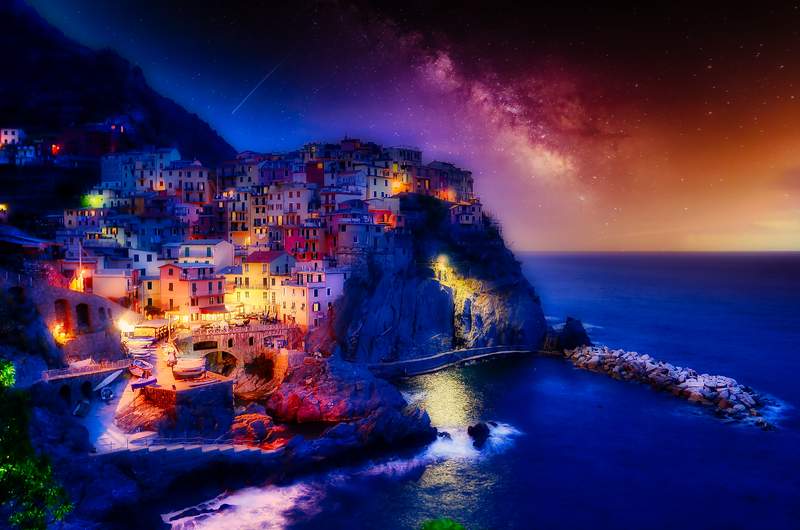
Best time to visit Italy:
April–May and September–October offer the best balance of weather, crowds, and prices. Summer suits beaches, while winter is best for budget travel.
Best Time to Visit Italy – Visual Overview
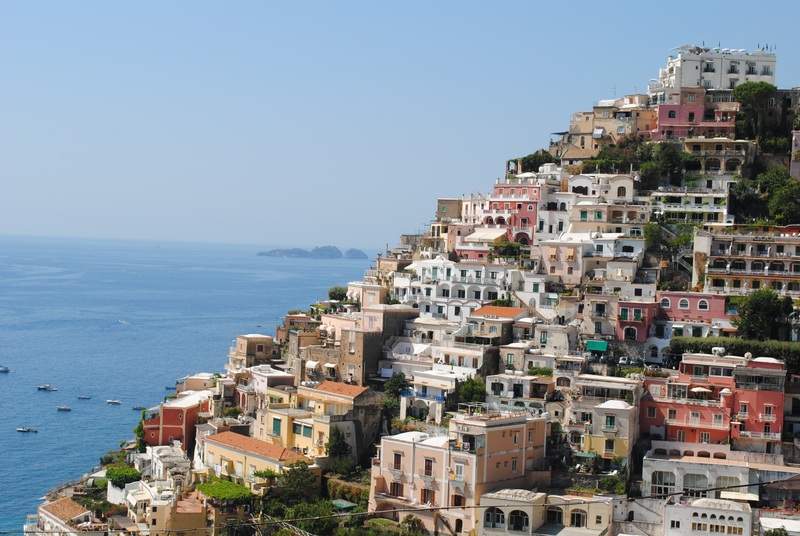
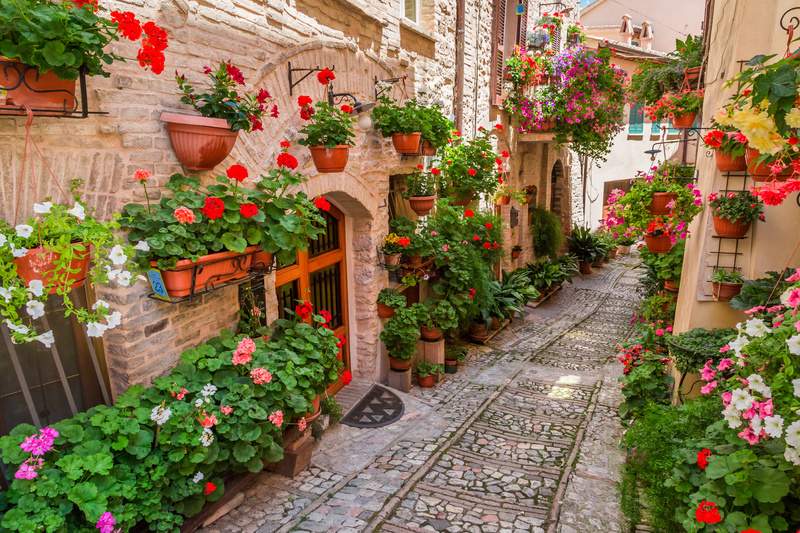
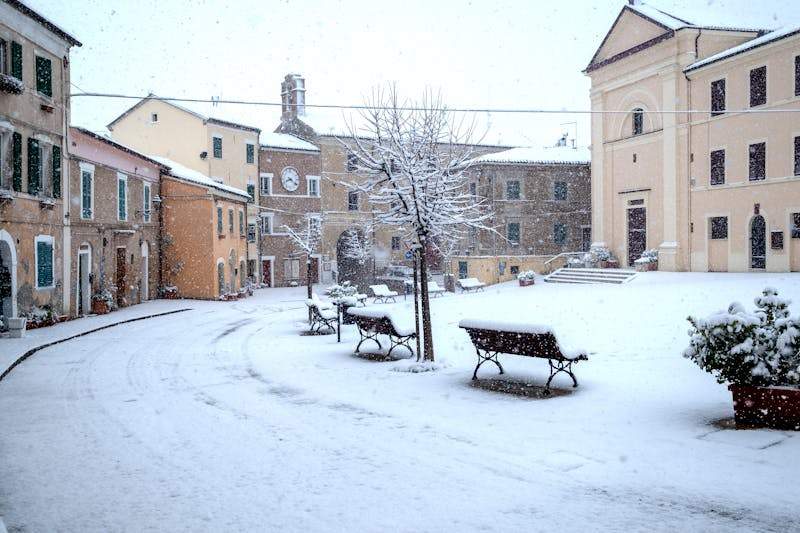
Quick Snapshot:
- Spring (March–May) → Best overall balance (weather + fewer crowds)
- Summer (June–August) → Best for beaches, worst for crowds & prices
- Autumn (September–October) → Ideal for food, wine, and relaxed travel
- Winter (November–February) → Cheapest, fewer tourists, festive vibe
Best months overall: April, May, September, October
Italy offers something unique in every season—from blooming countryside in spring to festive winter markets—but April–May and September–October are widely considered the best times to visit.
| Season | Best For | Avoid If |
|---|---|---|
| Spring | First-time travel | Easter crowds |
| Summer | Beaches | Heat, high prices |
| Autumn | Food & wine | Rain in Nov |
| Winter | Budget travel | Cold weather |
Spring (March–May) – Best Overall Time to Visit Italy
Quick Summary:
Spring offers the best mix of weather, manageable crowds, and travel comfort.
Spring is the most balanced season for visiting Italy. The weather feels pleasant across major cities. You can explore more without heat or heavy crowds.
Day temperatures stay between 15°C and 25°C. This range works well for walking tours and outdoor plans. You will not feel rushed or exhausted.
The countryside starts to bloom during this time. Regions like Tuscany look fresh and vibrant. This makes spring ideal for scenic travel and photography.
Compared to summer, tourist crowds remain lower. You can visit popular attractions with shorter wait times. The overall experience feels more relaxed.
Why Spring Works Well
- Comfortable weather for long walking days
- Beautiful landscapes and clear skies
- Fewer crowds than peak season
Best For
- Exploring Rome without extreme heat
- Visiting Florence for art and architecture
- Capturing clean and vibrant travel photos
What to Watch
The Easter season can change the experience. Prices often rise, and major cities get crowded. Plan early if your travel dates fall near Easter.
Final Take
If you want the best overall experience, choose spring.
It offers the right balance of weather, crowds, and travel comfort.
- Choose spring if you want comfort and fewer crowds.
Summer (June–August) – Peak Tourist Season in Italy
Quick Summary:
Summer is best for beaches, but cities feel hot and crowded.
Summer is the busiest travel season in Italy. Tourist numbers rise across all major destinations. Prices also reach their highest levels.
Day temperatures often cross 30°C and can reach 40°C in cities. Walking long distances becomes tiring, especially in urban areas.
Coastal regions perform better during summer. Places like the Amalfi Coast and Cinque Terre offer cooler breezes and scenic views. These areas feel more comfortable than inland cities.
Travel costs increase during this season. Hotels, flights, and tours become expensive. Early booking becomes necessary.
Why Summer Works
- Ideal weather for beaches and swimming
- Best time for coastal scenery and boat trips
- Long daylight hours for travel plans
Best For
- Beach travel in Sicily and Sardinia
- Exploring coastal towns and islands
- Travelers who prefer lively tourist environments
What to Watch
Cities like Rome and Florence can feel exhausting due to the heat and crowds. Plan early morning visits and take breaks during midday.
Final Take
Choose summer if beaches are your priority.
Avoid it if you want comfortable city exploration and lower costs.
- Choose summer only if beaches are your priority
Autumn (September–November) – Best Balanced Season in Italy
Quick Summary:
Autumn offers great weather, fewer tourists, and the best food season.
Autumn is one of the most comfortable seasons to visit Italy. The heat from summer fades, and travel becomes easier.
Temperatures stay mild, especially in September and October. Most regions see temperatures between 18°C and 28°C during the day. This makes walking and sightseeing more enjoyable.
This season also brings the harvest period. Regions like Tuscany enter the wine and truffle season. Food experiences feel richer and more authentic.
Crowds begin to drop after early September. Popular cities feel less rushed, and prices slowly decrease.
Why Autumn Works Well
- Mild weather for city exploration
- Fewer tourists after peak summer
- Best season for food and wine
Best For
- Food and wine travel in Tuscany
- Romantic trips with calmer surroundings
- Cultural visits in Rome and Florence
This season fits perfectly with a 7-day itinerary in Italy. You can explore multiple cities without travel fatigue.
What to Watch
November can bring rain in some regions. Daylight hours also start to reduce. Plan outdoor activities earlier in the day.
Final Take
Choose autumn if you want balance.
It offers good weather, fewer crowds, and better travel value.
Winter (December–February) – Budget-Friendly Travel in Italy
Quick Summary:
Winter is the cheapest time, with fewer crowds and a quieter travel experience.
Winter brings a different side of Italy. Tourist numbers drop, and prices become more reasonable.
Temperatures fall between 0°C and 10°C in northern regions. Southern areas stay slightly warmer but still cool.
Cities feel less crowded during this season. You can explore major attractions without long queues. The pace of travel becomes slower and more relaxed.
December adds a festive atmosphere. Christmas markets, lights, and local events make cities feel lively again.
The Alps region becomes active during winter. Ski resorts attract travelers looking for snow and outdoor sports.
Why Winter Works
- Lowest travel costs for flights and hotels
- Fewer tourists at major attractions
- Unique festive and winter atmosphere
Best For
- Budget travel across Italy
- Visiting Venice with fewer crowds
- Shopping in Milan during the winter sales
What to Watch
Some attractions reduce operating hours in winter. Daylight hours are shorter, so plan activities earlier.
Final Take
Choose winter if you want lower costs and fewer crowds.
Avoid it if you prefer warm weather and full-day outdoor travel.
Italy Month-by-Month Guide
This guide helps you choose the best month to visit Italy based on weather, crowds, and travel goals.
Each month offers a different experience, so your timing matters.
January – Coldest and Quietest Month
January feels calm across most cities. Tourist numbers drop after the holiday season.
Temperatures stay low, especially in northern regions. Snow covers the Alps, making it perfect for winter sports.
- Best for skiing in northern Italy
- Lower hotel prices and flight costs
- Peaceful visits to major landmarks
Good choice if you want fewer crowds and lower expenses.
February – Festivals and Fewer Crowds
 February continues the quiet travel trend, but with one major highlight.
The famous Venice Carnival attracts visitors with masks and cultural events.
- Unique cultural experience in Venice
- Less crowded than peak seasons
- Still budget-friendly for travel
A good mix of culture and affordability.
March – Transition to Spring
March marks the shift from winter to spring. The weather can change quickly.
Some days feel warm, but others remain cold. Packing layers becomes necessary.
- Fewer tourists than the spring peak
- Lower prices compared to April and May
- Good for flexible travel plans
Suitable if you can adapt to changing weather.
April – Pleasant and Lively
April brings more stable weather and a lively atmosphere.
Cities become more active, and outdoor sightseeing improves. Easter events take place across the country.
- Comfortable weather for exploring cities
- Cultural events and celebrations
- Moderate crowds in tourist areas
A strong option for first-time travelers.
May (Best Month Overall)
May offers one of the best travel experiences in Italy.
The weather feels ideal for walking and sightseeing. Crowds stay manageable, and prices remain reasonable.
- Balanced weather and crowd levels
- Excellent for city and countryside travel
- Ideal for photography and outdoor plans
One of the best months for a complete Italy trip.
June – Start of Summer Travel
June marks the beginning of summer, especially in coastal regions.
Temperatures rise, but conditions still feel comfortable early in the month.
- Great time for beaches and coastal towns
- Longer daylight hours for sightseeing
- Increasing tourist activity
Good for combining cities and beaches.
July – Peak Heat and Tourism
July is one of the busiest months in Italy.
Temperatures rise sharply, especially in cities like Rome and Florence.
- Very hot weather in urban areas
- High hotel and flight prices
- Crowded attractions and long queues
Best avoided for city-focused trips.
August – Local Holidays and Travel Shifts
August feels different due to local traditions.
The national holiday Ferragosto changes how cities operate.
- Many local shops and businesses close
- Coastal destinations remain crowded
- Cities may feel quieter but less active
Better for beach travel than city exploration.
September (Best Month Overall)
September offers excellent travel conditions again.
The summer heat fades, and crowds begin to drop.
- Warm and comfortable weather
- Fewer tourists than in the summer
- Ideal for both cities and the countryside
Another top month for a 7-day Italy itinerary.
October – Autumn Colors and Food Season
October brings cooler weather and seasonal experiences.
The countryside shows fall colors, and food becomes a highlight.
- Wine harvest season in Tuscany
- Pleasant weather for cultural trips
- Lower crowds compared to summer
Best for food, wine, and relaxed travel.
November – Quiet but Rainy
November feels calm but less predictable.
Rain becomes more frequent, and tourism slows down.
- Lower travel costs
- Fewer tourists in major cities
- Indoor attractions become more important
A budget-friendly option with some weather trade-offs.
December – Festive and Atmospheric
December brings a festive feel across Italy.
Cities light up with decorations, and Christmas markets attract visitors.
- Strong holiday atmosphere
- Cooler weather but lively streets
- Seasonal shopping and local events
Ideal for festive travel and winter experiences.
Final Take – Which Month Is Best?
- Best overall months: May and September
- Best for budget travel: January, February, November
- Best for beaches: June to August
Choose your travel time based on your priority:
weather, crowds, or cost.
Seasonal Food Experiences in Italy
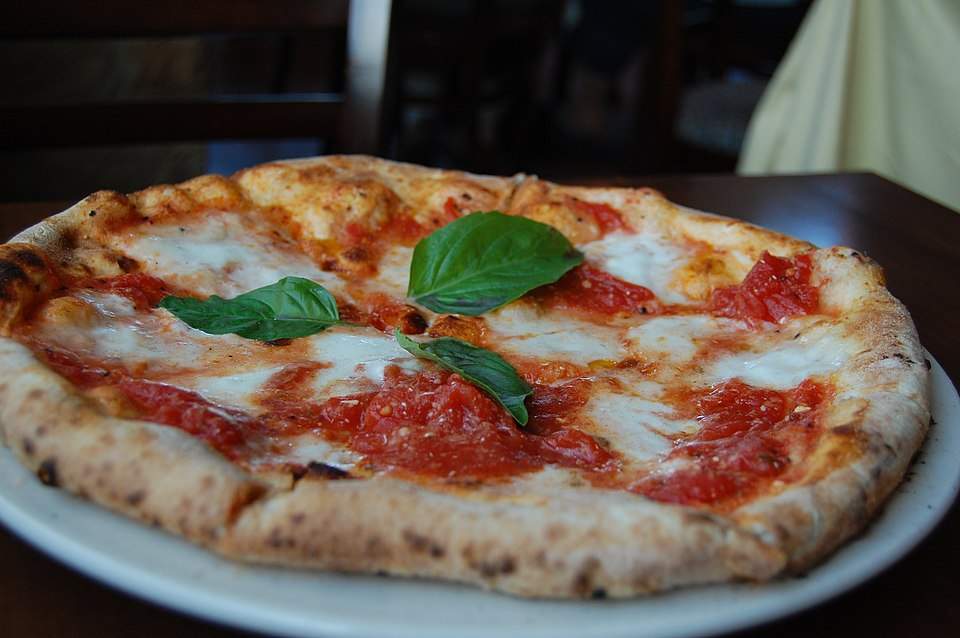 Food in Italy follows the seasons. Each period brings different ingredients, flavors, and local specialties.
Choosing the right season can improve your travel experience, especially if food matters to you.
Spring – Fresh and Light Flavors
Spring focuses on fresh produce and simple dishes. Markets fill with seasonal vegetables.
- Asparagus, artichokes, and peas appear in many recipes
- Light pasta dishes with olive oil and herbs
- Fresh cheeses and early harvest wines
Best for travelers who prefer light and healthy meals.
Summer – Cool and Refreshing Foods
Summer food matches the heat and coastal lifestyle. Meals feel lighter and more refreshing.
- Gelato becomes a daily treat across cities
- Seafood dominates coastal menus
- Cold dishes and fresh salads are common
Ideal for beach trips and relaxed dining.
Autumn – Rich and Seasonal Specialties
Autumn is the most celebrated food season in Italy. Ingredients become richer and more complex.
- Truffles become widely available, especially in Tuscany
- Wine harvest season brings tastings and vineyard tours
- Mushrooms and seasonal meats appear in traditional dishes
Best for food-focused travel and culinary experiences.
Winter – Hearty and Festive Dishes
Winter food feels warm and comforting. Meals become heavier and more traditional.
- Rich pasta, soups, and slow-cooked dishes
- Seasonal desserts like Panettone
- Festive meals during Christmas and New Year
Great for cultural food experiences and holiday travel.
Final Take
- Best for light food: Spring
- Best for refreshing meals: Summer
- Best for food lovers: Autumn
- Best for traditional dishes: Winter
If food is a priority, autumn offers the most complete experience.
When Should YOU Visit Italy?
Choosing the right time depends on your travel goal. Weather, crowds, and cost change across seasons in Italy.
Here is a clear breakdown to help you decide.
If You Are a First-Time Traveler
April, May, September, October
These months offer the best balance of weather and crowd levels. You can explore cities without extreme heat or long queues.
- Comfortable temperatures for walking
- Major attractions feel less crowded
- Ideal for a 7-day multi-city itinerary
This is the safest and most recommended choice.
If You Want Beaches
June–August
Summer is the best time for coastal travel. Beach destinations look their best during this period.
- Warm sea and sunny days
- Perfect for islands and coastal towns
- Long daylight hours
Choose this if beaches are your priority, not city comfort.
If You Are on a Budget
January–March, November
These months offer lower prices and fewer tourists. Travel feels slower and more relaxed.
- Cheaper hotels and flights
- Shorter queues at attractions
- Better deals across cities
Best option if you want to save money.
Final Decision
- Best overall: April, May, September, October
- Best for beaches: June–August
- Best for budget: January–March, November
Choose based on your priority: comfort, experience, or cost.
What Is the Best Month to Visit Italy?
May and September are the best months to visit Italy.
They offer pleasant weather, manageable crowds, and reasonable prices.
You can explore cities and countryside without heat or peak-season rush.
May feels fresh and comfortable across regions. Day temperatures stay mild, and landscapes look vibrant. Tourist crowds remain moderate, so travel feels easier.
September brings warm weather after summer ends. Crowds start to drop, and travel costs begin to decrease. It works well for both city trips and coastal travel.
If you want a smooth and balanced trip, choose May or September.
Best Time to Visit Italy for First-Time Travelers
April, May, September, and October are the best months for first-time visitors to Italy.
These months offer comfortable weather, manageable crowds, and smoother travel conditions.
First-time travel works best during the shoulder season. This period sits between peak summer and low winter months. You avoid extreme heat, heavy crowds, and high prices.
Spring and early autumn make city exploration easier. You can walk through Rome, Florence, and Venice without feeling rushed or exhausted.
Travel logistics also improve during this time. Train journeys feel less crowded, and hotel availability remains stable. Travel planning in Italy is very much important for the first time travelers.
Why Shoulder Season Works Best
- Comfortable weather for long sightseeing days
- Fewer tourists at major attractions
- Better balance between cost and experience
If you are planning your first trip, follow a structured plan like a 7-day Italy itinerary. It helps you cover key cities without confusion.
Final Take
Choose April–May or September–October for your first visit.
These months offer the easiest and most enjoyable travel experience.
Best Time to Visit Italy for Good Weather
Spring (April–May) and early autumn (September–October) offer the best weather in Italy.
These months bring mild temperatures, clear skies, and comfortable travel conditions.
During spring, temperatures stay between 15°C and 25°C. You can explore cities and the countryside without heat or discomfort. Parks and landscapes also look fresh and vibrant.
Early autumn offers similar comfort. The summer heat fades, and the weather remains warm but manageable. Walking tours and outdoor plans feel easier.
Why These Months Work Best
- Mild temperatures for long walking days
- Lower humidity compared to summer
- Clear conditions for sightseeing and photography
Months to Avoid for Weather
July and August bring extreme heat, especially in cities like Rome and Florence. Temperatures can cross 35°C, making travel tiring.
Final Take
Choose April–May or September–October for the best weather.
Avoid July and August if you plan to explore cities extensively.
Cheapest Time to Visit Italy
January, February, and November are the cheapest months to visit Italy.
Travel costs drop due to lower demand, fewer tourists, and off-season conditions.
During these months, airlines and hotels reduce prices to attract travelers. Popular cities see fewer visitors, so availability improves and deals become easier to find.
Winter months like January and February offer the lowest prices. November also stays affordable before the December holiday season begins.
Why Prices Drop
- Fewer tourists after peak seasons
- Cold or rainy weather reduces demand
- Shorter daylight hours limit travel plans
Trade-Offs to Consider
- Cooler temperatures, especially in northern regions
- Shorter days for sightseeing
- Some attractions may reduce hours or close early
Final Take
Choose January, February, or November to save money.
Expect lower costs, but plan around weather and limited daylight.
Best Time to Visit Italy for Beaches
June to August is the best time for beaches in Italy.
The weather stays hot, and sea temperatures are perfect for swimming.
During these months, coastal regions come alive. Destinations like the Amalfi Coast, Sardinia, and Sicily offer clear skies and warm water.
Beach clubs, boat tours, and seaside restaurants operate at full capacity. This makes summer ideal for a complete coastal experience.
Why Summer Works for Beaches
- Warm sea temperatures for swimming
- Sunny days with minimal rain
- Full access to beach activities
Why September Is Underrated
September offers a better balance for many travelers. The weather remains warm, but crowds start to drop.
- Comfortable temperatures without extreme heat
- Fewer tourists on popular beaches
- Better hotel prices compared to peak summer
You still get a summer-like experience with fewer downsides.
What to Watch
July and August bring heavy crowds and high prices. Popular beaches can feel crowded, especially in peak hours.
Final Take
- Best for classic beach experience: June–August
- Best balanced beach travel: September
Choose summer for energy and activities, or September for comfort and value.
Best Time to Visit Italy for Honeymoon
May, June, and September are the best months for a honeymoon in Italy.
These months offer pleasant weather, romantic settings, and fewer crowds than peak summer.
May feels fresh and calm across most regions. Landscapes look vibrant, and travel feels relaxed. It works well for couples who want a quiet and scenic experience.
June brings warmer days and longer evenings. Coastal destinations become more active, and sunset views feel more enjoyable.
September offers a balanced experience after summer ends. The weather stays warm, but crowds begin to drop. This makes it ideal for a peaceful honeymoon.
Why These Months Work
- Comfortable weather for outdoor experiences
- Fewer crowds than peak summer
- Better atmosphere for romantic travel
Final Take
Choose May, June, or September for a honeymoon.
You get the right mix of weather, privacy, and overall experience.
Best Time to Visit Italy for Festivals and Events
February, August, and December are the best months for festivals in Italy.
Each month offers a unique cultural experience with strong local traditions.
Italy’s festivals reflect its history, food, and lifestyle. Planning your trip around events can make your visit more memorable.
February – Venice Carnival
Venice Carnival is one of Italy’s most famous events. The city transforms with masks, costumes, and performances.
- Unique cultural atmosphere
- Strong visual and photography appeal
- Higher hotel demand in Venice
Best for cultural and visual experiences.
August – Ferragosto
Ferragosto marks a major summer holiday across Italy. Locals travel, celebrate, and relax.
- Beaches and coastal areas become lively
- Many local shops and businesses close
- Cities feel quieter but less active
Best for experiencing local summer culture.
December – Christmas Markets
December brings festive energy across major cities. Markets, lights, and seasonal food create a lively atmosphere.
- Christmas markets in cities like Milan and Rome
- Seasonal food and shopping
- Cooler weather with festive charm
Best for holiday travel and cultural experiences.
Final Take
- Best for culture: February (Venice Carnival)
- Best for local lifestyle: August (Ferragosto)
- Best for festive travel: December (Christmas markets)
Choose your month based on the type of experience you want.
When Not to Visit Italy (Months to Avoid)
July, August, and late November are the least favorable times to visit Italy.
These periods bring heat, crowds, or weather issues that can affect your trip.
July & August – Heat and Heavy Crowds
Summer peaks during these months. Tourist numbers reach their highest levels across major cities.
Temperatures often cross 35°C, especially in Rome and Florence. Walking long distances becomes tiring.
- Overcrowded attractions and long queues
- High hotel and flight prices
- Reduced comfort for city exploration
These months work better for beaches, not city travel.
Late November – Rain and Low Activity
Late November brings frequent rain across many regions. Outdoor plans become harder to manage.
Tourist activity drops, and some areas feel less lively.
- Increased rainfall and cloudy days
- Short daylight hours
- Limited outdoor experiences
Travel feels slower, but less engaging.
Final Take
- Avoid July–August for city trips due to heat and crowds
- Avoid late November if you want clear weather
Choose shoulder seasons instead for a better overall experience.
Italy Weather by Season (Quick Comparison Table)
This quick table helps you compare weather, crowds, and costs in Italy.
| Season | Weather | Crowds | Cost Level |
| Spring (Mar–May) | Mild and pleasant (15–25°C) | Moderate | Medium |
| Summer (Jun–Aug) | Hot (30–40°C in cities) | Very high | High |
| Autumn (Sep–Nov) | Comfortable (18–28°C early) | Low to medium | Medium |
| Winter (Dec–Feb) | Cold (0–10°C north) | Low | Low |
How to Use This Table
Spring and autumn offer the best balance for most travelers. The weather feels comfortable, and crowds stay manageable.
Summer works best for beaches, but cities become hot and crowded. Winter suits budget travel, but weather can limit outdoor plans.
Final Take
- Best weather: Spring and early autumn
- Best for beaches: Summer
- Best for budget: Winter
Choose your season based on comfort, cost, and travel goals.
Italy Travel Tips by Season
Travel conditions change across seasons in Italy.
Use these simple tips to plan better and avoid common mistakes.
Spring (March–May)
Spring weather can change during the day. Mornings feel cool, and afternoons feel warm.
- Pack light layers and a small jacket
- Wear comfortable shoes for long walks
- Carry a compact umbrella for occasional rain
Best approach: stay flexible with clothing and daily plans.
Summer (June–August)
Summer brings heat, especially in cities. Midday travel can feel exhausting.
- Avoid sightseeing between 12 PM and 4 PM
- Stay hydrated and wear sun protection
- Book tickets and hotels in advance
Best approach: explore early morning and late evening.
Autumn (September–November)
Autumn offers comfortable travel, but the weather starts to shift later in the season.
- Pack light jackets for cooler evenings
- Plan outdoor activities earlier in the day
- Check local events like harvest festivals
Best approach: balance outdoor plans with indoor options.
Winter (December–February)
Winter travel feels slower, and daylight hours are shorter.
- Check attraction timings before visiting
- Dress warmly, especially in northern regions
- Plan indoor activities for colder days
Best approach: focus on fewer locations with deeper exploration.
Final Take
- Spring: Pack layers and stay flexible
- Summer: Avoid midday heat and plan ahead
- Autumn: Enjoy balanced travel with light layers
- Winter: Check timings and prepare for cold weather
Adjust your strategy based on the season to improve your travel experience.
FAQs (Best Time to Visit Italy)
What is the best time to visit Italy?
The best time to visit Italy is April–May and September–October.
These months offer pleasant weather, fewer crowds, and balanced travel costs.
Which month is the cheapest to visit Italy?
January, February, and November are the cheapest months.
Flights and hotels cost less due to lower tourist demand.
When should you avoid visiting Italy?
Avoid July and August for city travel due to heat and crowds.
Late November can also bring frequent rain.
Is Italy crowded in summer?
Yes, summer is the peak tourist season.
Popular cities and attractions become very crowded, especially in July and August.
What is the best time to visit Italy for the beaches?
June to August is best for beaches.
September is also a great option with fewer crowds and warm water.
How many days are enough for Italy?
7 to 10 days is ideal for a first trip.
You can cover major cities like Rome, Florence, and Venice.
Conclusion: When Is the Best Time to Visit Italy?
May and September offer the best overall experience in Italy.
They balance weather, crowds, and travel costs better than other months.
If you prefer comfortable sightseeing, choose spring or early autumn. These seasons make city travel easier and more enjoyable.
If beaches matter most, summer works best. But expect higher prices and larger crowds.
If saving money is your priority, the winter months offer better deals. You trade weather and daylight for lower costs.
Final Decision Guide
- Best overall: May, September
- Best for first-time travel: April–May, September–October
- Best for beaches: June–August
- Best for budget: January–February, November
Choose based on your goal: comfort, cost, or experience.
Plan around the season, and your Italy trip will feel smooth and well-timed.
People Also Ask (Best Time to Visit Italy)
These questions target real Google queries and improve your chances of ranking.
What is the best time to visit Italy?
The best time to visit Italy is April–May and September–October.
These months offer mild weather, fewer crowds, and better travel value.
Which month is best for Italy?
May and September are the best months overall.
They provide the best balance of weather, crowd levels, and prices.
What is the cheapest time to visit Italy?
January, February, and November are the cheapest months.
Travel costs drop due to fewer tourists and off-season demand.
When should you avoid visiting Italy?
Avoid July and August for city trips due to heat and crowds.
Late November can also bring frequent rain.
Is Italy too hot in summer?
Yes, summer can be very hot, especially in cities.
Temperatures often exceed 35°C in places like Rome.
How many days are enough for Italy?
7 to 10 days is ideal for a first trip.
You can cover major cities like Rome, Florence, and Venice.
What is the best time to visit Italy for the beaches?
June to August is best for beaches.
September is also a great option with fewer crowds and warm water.
Final Tip
Keep answers short and clear.
This helps your content appear in Google’s featured snippets.
